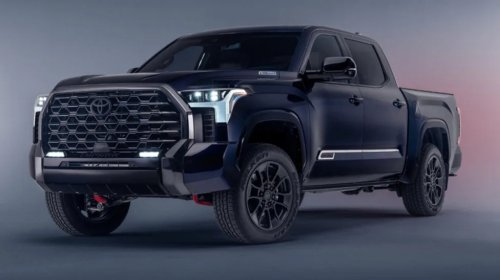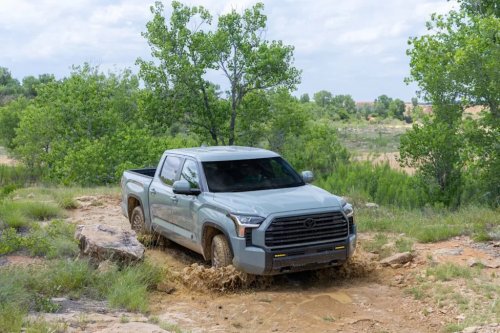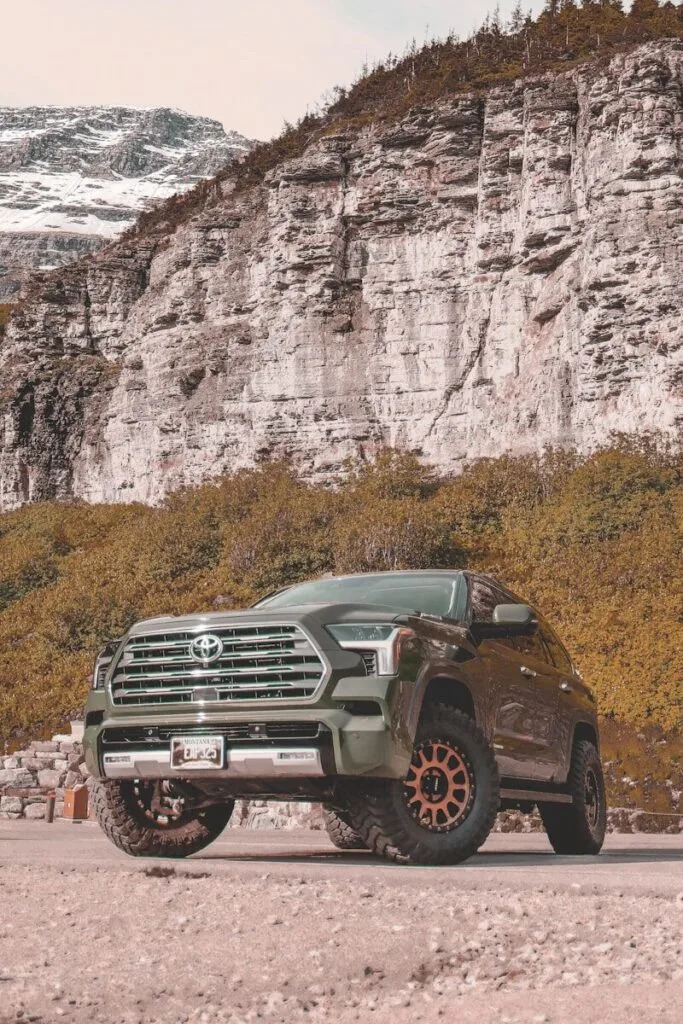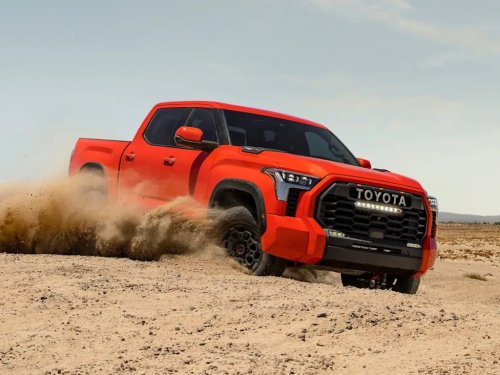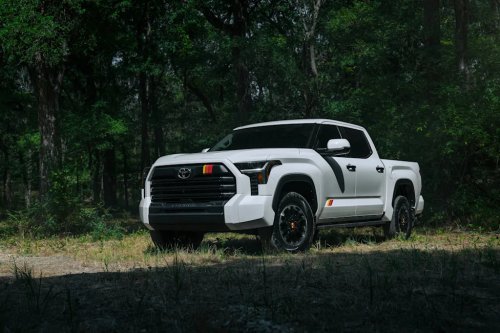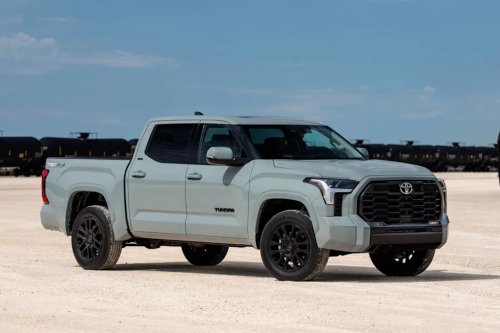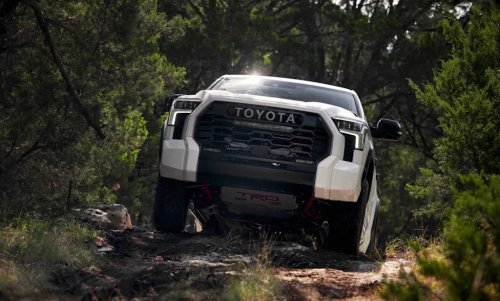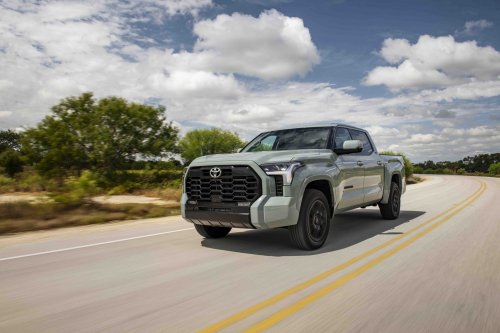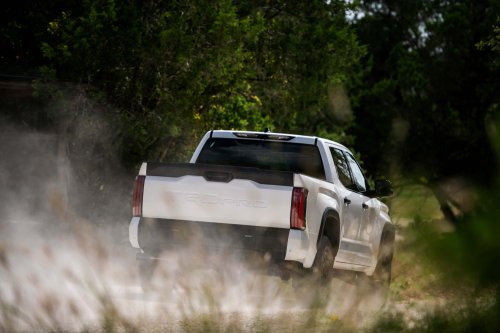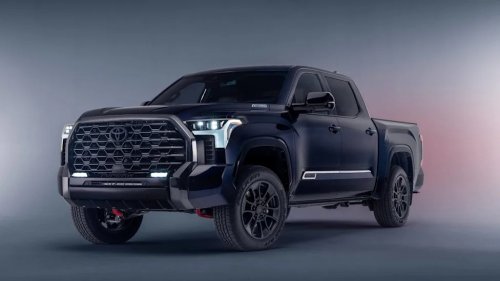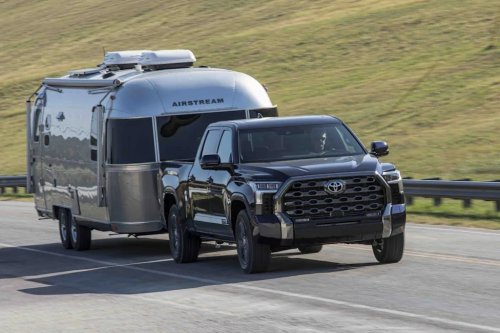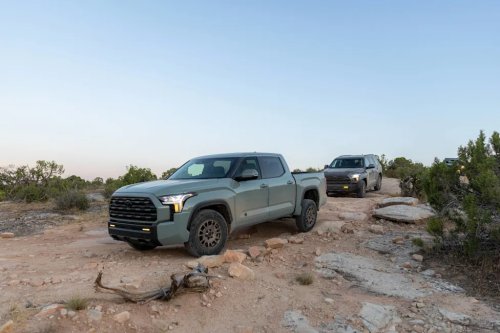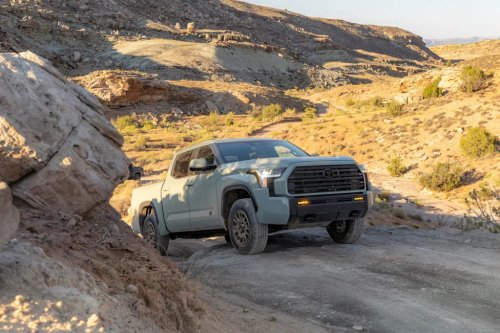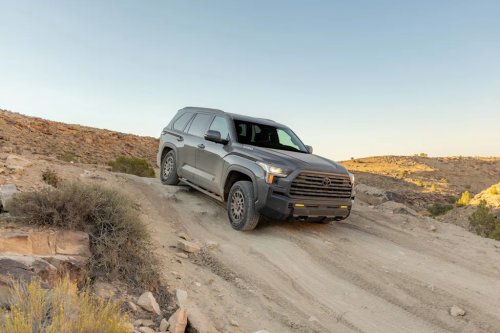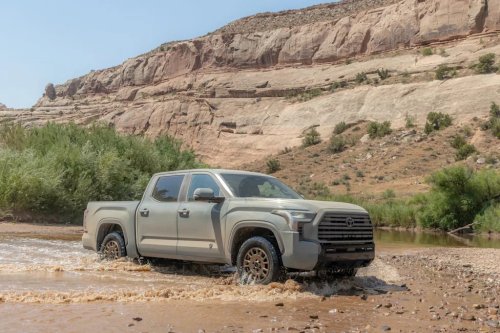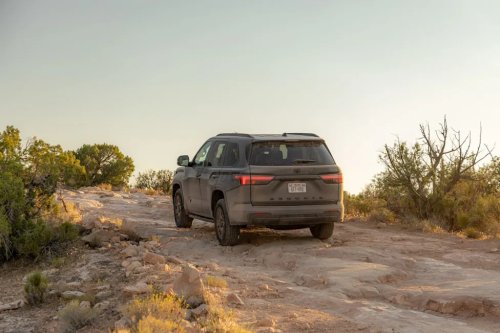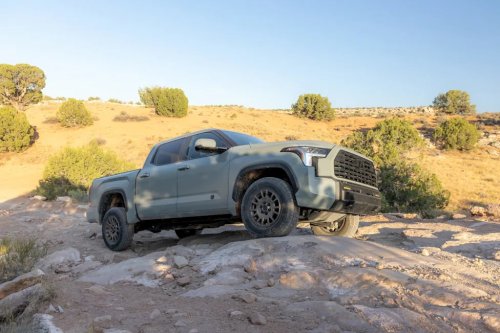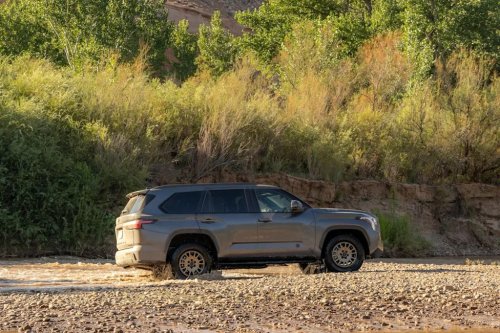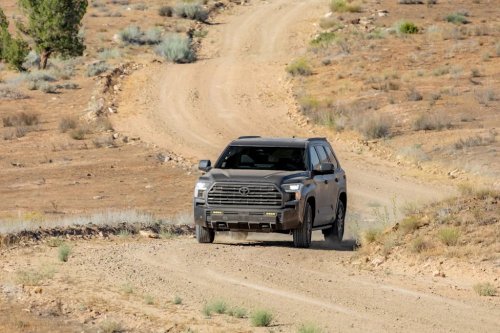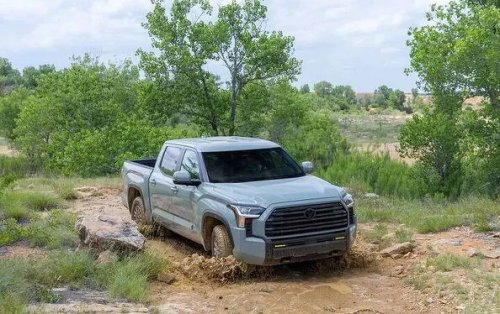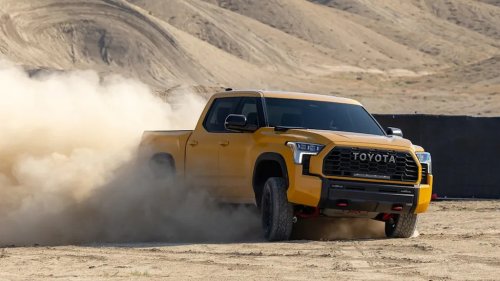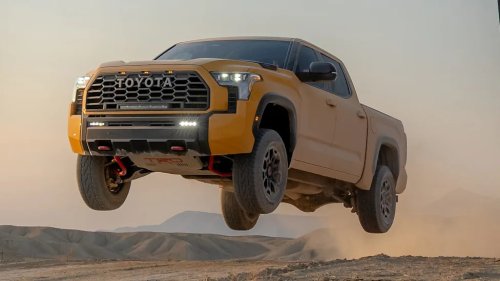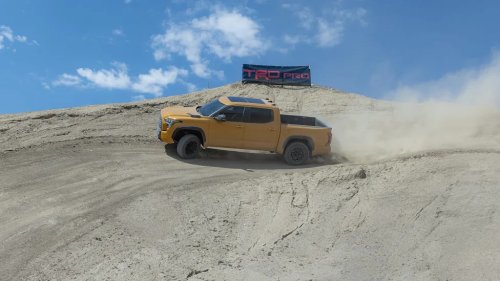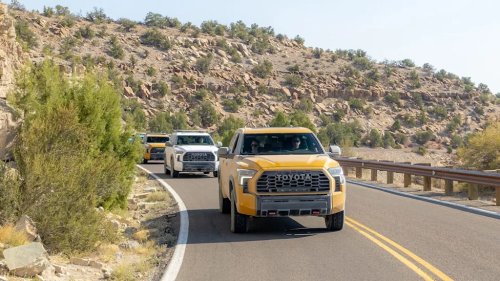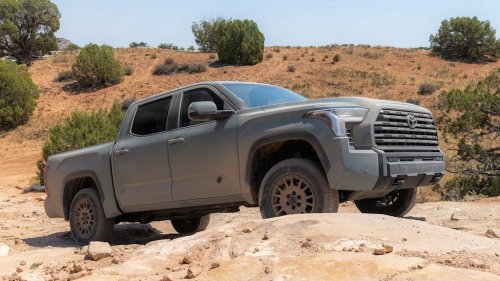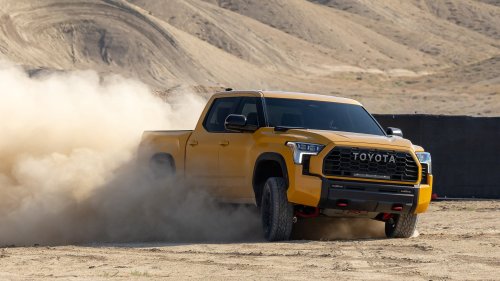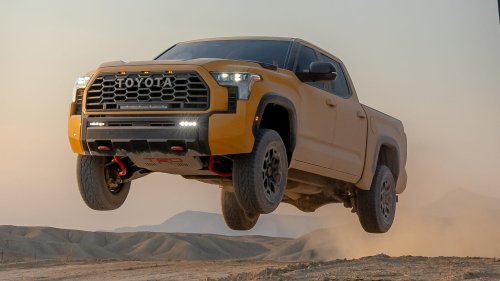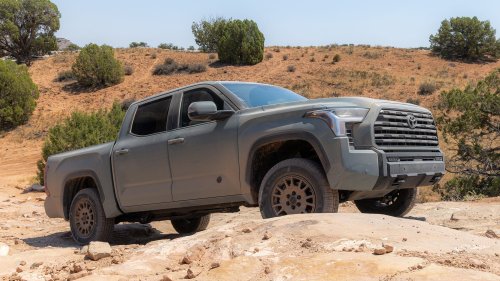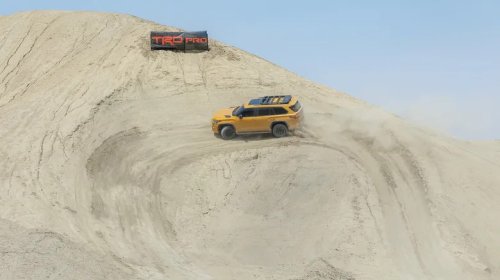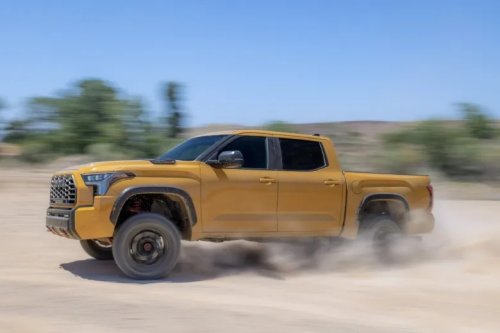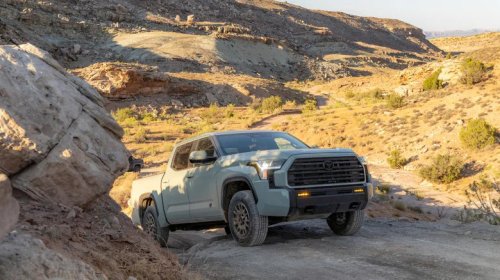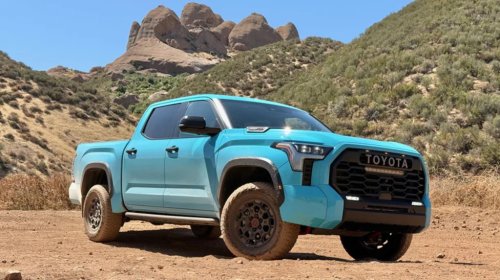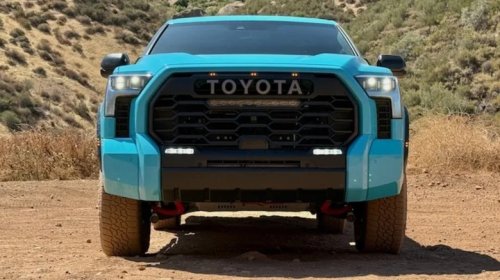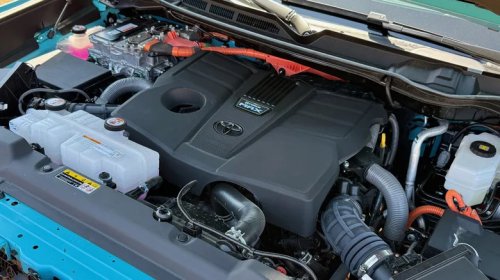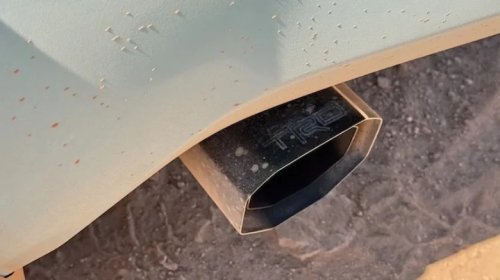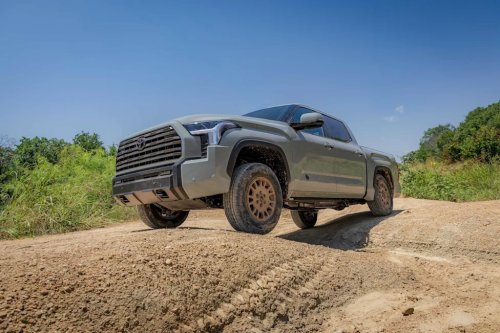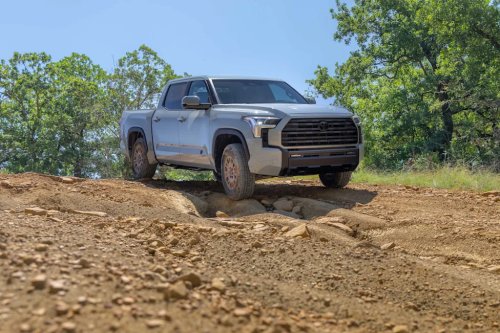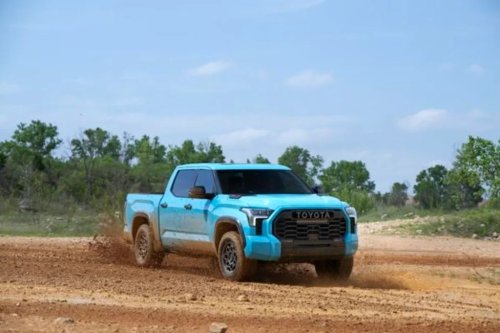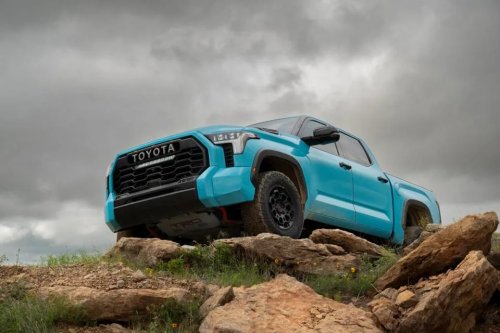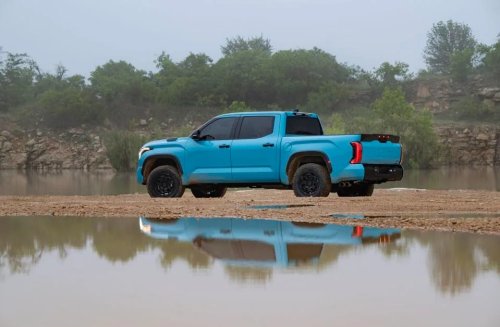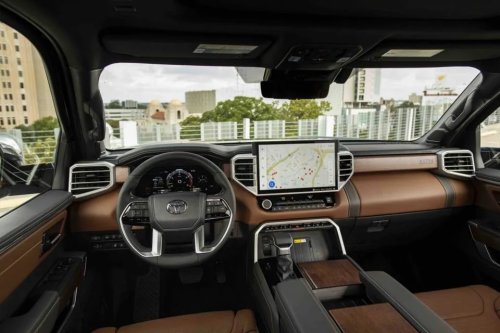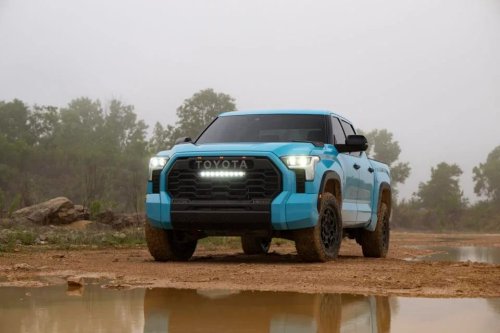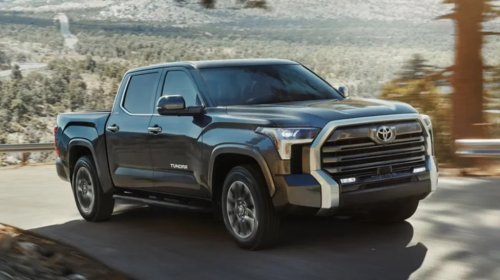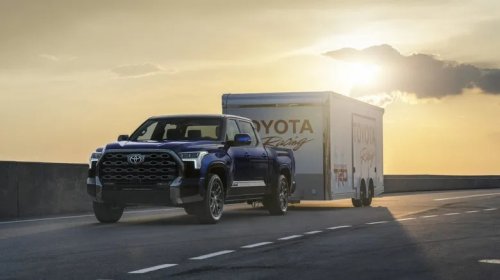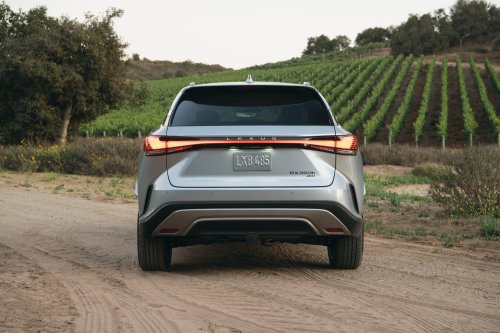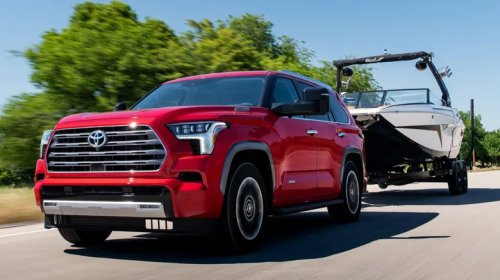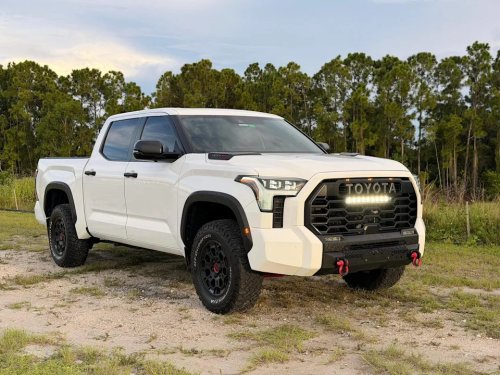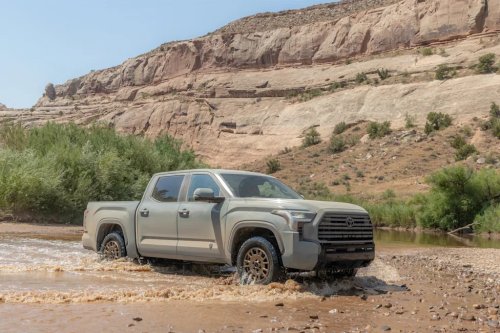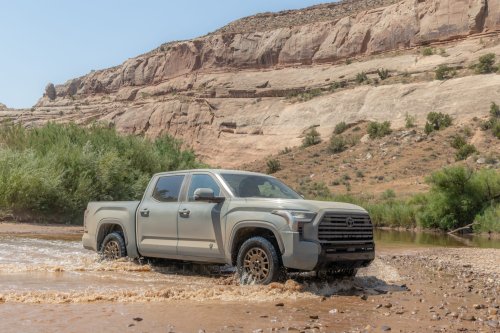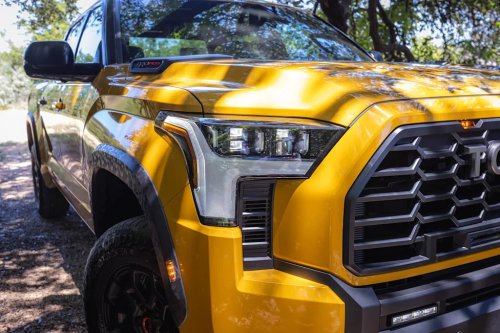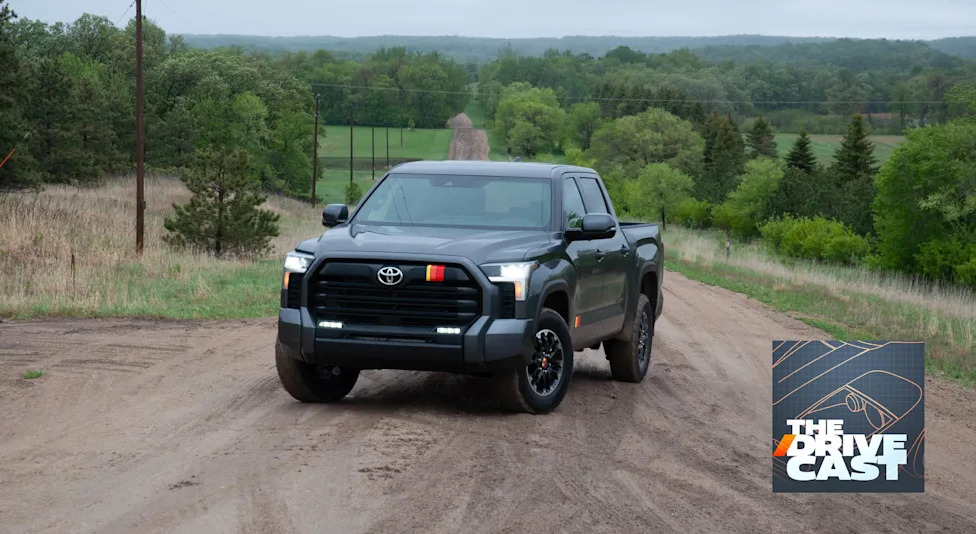



















The world’s largest automaker built its reputation upon rock-solid reliability. Now, its full-size pickup truck is starting to tear down that legacy. Toyota has a Tundra problem. Specifically, it has an issue with its twin-turbo 3.4-liter V6 engine that powers its Tundra, along with the Sequoia SUV, Lexus LX, and Lexus GX. Where a reliable, to a fault, V8 once sat now resides a turbocharged V6 that has undergone countless recalls resulting in engine replacements, with the total issue now spanning over 270,000 trucks. This isn’t some precautionary move—metal debris left in the engine during assembly is causing sudden and catastrophic failure, a previous attempt to stop it didn’t work, and so far Toyota has had to replace engines for free. On the latest episode of The Drivecast we discuss Toyota’s reliability crisis—how it ended up here, what’s really happening beyond the headlines, and what might be next. New here? The Drivecast is The Drive‘s weekly podcast that takes you behind-the-scenes on the largest controversies, stories, and characters shaping the automotive industry along with the way our roads look today. Powered by The Drive‘s inside access, original reporting, exclusives, and insights, The Drivecast aims to make everyone an insider. Listen to The Drivecast via Spotify, Apple Podcasts, or Amazon Music. Love it? Like it? Want to help? Leave a five-star review on your platform of choice to help get The Drivecast in front of more people. Have a suggestion, tip, request, or feedback? Drop us a line at feedback@thedrive.com. I promise, we read every single email. Full Transcript Caleb: All right. Now, Joel, did I see that you actually just had a Tundra and then a Lexus GX, both of those that have the engine we’re talking about here, that troublesome twin-turbo V6? Joel: You did, it’s true. Which—it’s just a coincidence, I swear! Like, I did not plan that, that’s not how this was going to happen. They just came into the fleet. The Toyota Tundra, it was that new TRD ProWavemaker Blue, and I wanted to do a story about colors and blue, and it was a great backdrop for that photo. So it is ironic that we’re about to talk about these cars and I just spent a week in each of these with these engines. And so yeah, that’s—it’s fresh in my memory, you might say. Kyle: And neither of them blew up, correct? I think I would have heard something about that. Joel: You would have heard something about them, neither of them blew up. The Tundra I did tow boats with, and it did still not blow up, so no, they didn’t blow up. But the Tundra had a—the TRD performance package and had the cat-back exhaust. My wife had some thoughts. Mainly, “This is annoying, and when does this truck leave?” Kyle: That’s a great point to dive into this because the Toyota moving to a V6, it can still do the truck things. It’s not short on capability. However, it is still a lot more complex than a V8, it sounds different, especially with that exhaust. And the irony of all of this is that Toyota made this decision to move to a V6 powertrain in the Tundra, meanwhile, GM, Ram, Ford, they still all offer V8s. Ram just got back into the V8 game with the… or rather, Ram just got out of the V8 game with the Hurricane coming in. But like, two years ago, three years ago, four years ago, when Toyota made the decision to launch the Tundra like this and say, “We’re done with V8s,” it’s like, did that age very well? One could argue no. Okay, so Joel, how did we get here? How did we get here with a V6 Tundra that is, by all respects, far less reliable than the Tundra it replaced? Joel: So, for those that aren’t like, you know, Toyota fanatics, or Tundra fanatics, or truck fanatics, just a quick high-level. We’re on the third generation Tundra, which by the way is kind of insane to think we’re like 30-ish years into this and we’re on the third generation Tundra. The second-generation Tundra, the one that had the venerable 5.7-liter V8, which is what this turbo-six replaced, that had a 14-year lifespan, which is—it was old enough to get bar mitzvah’d, this is crazy! So, the new Tundra moved the bar in a huge way for this generation. We got a fully boxed frame, and we got a stouter transmission, we got a turbo-six instead of a V8. But it’s a bigger truck, it’s a more competitive truck. But it kept a lot of the things that made the Tundra what it is compared to the other trucks. So like, it has a low bed side compared to the other trucks, so you can reach into your bed. It has a composite bed now, which—the composite bed can’t rust. There are other downsides to that though, of course. It has a bigger cab so it competes with the other trucks at that level, and it expanded the trim lineup and trim walk with off-road models and all these other things. And so, it is more competitive in many regards. And most importantly, it still has the rear glass of the cab that slides down fully, which is such a clutch feature, I can’t even! It’s a cool feature that you know you can get in a 4Runner or whatever, but it’s the only truck on sale to have that. I wish the Rivian had that, I really do. Um, so anyway, that’s like—that’s how we got here, right? Three generations of Tundras, first two had V8s, bulletproof reliability. They’d rust out before they stopped working, forever. And that’s just not the case of the current Tundra. Kyle: Yeah, it is true that Toyota, out of a lot of companies, has historically done very long model runs before moving to a next generation. That is one of the reasons why they had developed this reputation for reliability, because they didn’t take a lot of chances. They figured out how to make a vehicle, made it for 8, 9, 10, 14 years, and then very carefully developed the next one to build on that reputation. Part of what we’re seeing here—because it’s not just Tundra that’s having an issue—part of what we’re seeing here is that Toyota just had a convergence of model year or generational changeovers in the last four or five years, and just, they made a lot of changes this time to move into the hybrid era, the V6 era, the electrification era, and it’s kind of growing pains in some respect. But that doesn’t make anybody feel better when you’re talking about literally hundreds of thousands of engines possibly failing randomly and catastrophically. Caleb: Yeah, and we’re talking about a company that just moved from a five-speed automatic in the 4Runner to what they have now, also ditching drum brakes on the Tacoma to go to disc brakes. Like, all of this is happening at the same time. So while other automakers were, you know, making those changes years ago, suddenly it’s like, okay, we got to figure out how to make all of this work together across different models, platform sharing. Yeah, it is a big moment that they had to do so much all at once and, you know, maybe some of that’s to blame here, hard to say for sure. Kyle: And in fact, on that note, one of the class-action lawsuits they’re facing right now is related to one of their new eight-speed transmissions that was supposed to, you know, level up and modernize a number of cars. It’s used in, I don’t know how many, but several several really popular models, and uh, it’s not—it’s not going great. Joel: Not so good, not so good. All right, now we have that background. We have these turbo-sixes, things aren’t going so good. What exactly is happening? What’s the problem here? Caleb: Yeah, so like we kind of touched on in the intro, we’ve been talking about this for about two years at this point, which is crazy to think. We started to see pictures of Tundras parked on the side of the interstate, sudden loss of power. Then we see others that won’t start, others that are knocking and have these issues. From the get-go, there was lots of confusion, right? People were really skeptical because you go from a naturally aspirated V8 that has been in production for a long time—and yeah sure, you know, it only got 14 miles per gallon or whatever—but people were okay with that because their truck worked every time they got in. There was a scramble to find out exactly what was causing these failures, and Toyota determined that it was leftover manufacturing debris that had made its way into the engine. So, right off the bat, they recalled more than 100,000 Tundras, also Lexus SUVs—so LX at first, and then later on they add GX. The plan was to get those cleaned up, right? They say, “All right, we got to make sure that that manufacturing debris does not make its way into the engine anymore, we’ve got to keep an eye on this.” And they’ve been very insistent all along: This is not a design defect, right? They said this is an issue with what was left over, and it finds its way into main bearing number one, okay? So that has been the issue from the beginning. You’ve seen that also in independent teardown videos, right? Where mechanics will look inside, they see like, “Yep, there it is, there’s the spun bearing.” There for a while, before the recall was officially issued, there were dealers taking care of these problems under warranty, but what that entailed was essentially disassembling the entire engine, right? Only replacing the affected components. That’s kind of hard to stomach, right? Whenever you buy a new pickup and the engine immediately has to be torn down so that way a few parts can be replaced. That’s when Toyota came in and said, “You know what? What we’re actually going to do is replace the entire engine.” And so that was the case with the first recall, that was the—that was the remedy, and then also to the follow-up recall later on. Now, just recently here in the past couple of weeks, Toyota has said, “You know, we’re going to add another 44,000 trucks to this recall.” So we’re well over a quarter of a million vehicles at this point. Toyota’s been able to complete about 77,000 recall fixes is what they have said, but there’s a lot of concern that the engines that have gone in, these replacement engines, could suffer from the same problems. Man, it’s—it’s a mess. It’s a mess. Kyle: Yeah, yeah, and there have been pictures floating around of Toyota dealership service areas that are just full of Tundras with the body separated from the frame so they can replace the entire engine. Like, it is—it is happening quite quite often. And Caleb, you were explaining to me before we started recording that this whole debris left in the engine thing, it’s actually not uncommon. Like, it is a normal somewhat normal side effect of of how these engines are are built and manufactured, but what’s really different about Toyota’s situation here versus this being something that just kind of happens and usually it’s not that big of an issue? Caleb: Yeah, sure. So, the technical term for this manufacturing debris is called swarf. So, there is an issue with this swarf being leftover inside the engine, and older older engines, you know, from generations past, they were able to to to to handle this debris that was leftover because they don’t run such tight tolerances, the cylinder pressures, all of those things aren’t quite as high. That’s what we’re seeing right now, and Toyota just laid all of this out in an NHTSA recall document. So, they went on to explain that they have made several attempts to fix this issue, they have taken a look at the the internal pressures and tried to make changes to that. The the big issue is that once debris of a certain size and shape adheres to that main bearing number one, that is what causes it to spin. So it’s not so much even the amount of debris, and that’s why we’re seeing it kind of sporadically—it’s not every single one failing in the same way—but once debris of a certain size and shape adheres to that bearing, that is what causes it to fail over time with such high pressures. So, that’s what Toyota has been trying to solve. They’ve said, “How in the world could we possibly, you know, reduce this?” And all of this is again laid out in the NHTSA recall documents. They get into a lot of technical terminology, so I’ll try to spare you from that. That’s essentially the issue is that these new engines run at such high pressures with such tight tolerances that this swarf that wouldn’t have been an issue in years past is now a major issue. Again, people say is it a design problem? Is it a manufacturing problem? Toyota would be very insistent that it’s the latter. Not really sure where everybody else lands. I think it is a bit of both. Kyle: I mean, the fact that they’ve tried to fix it and tried to build these engines in a—like make whatever adjustments to the to the assembly process so that this doesn’t happen, and it’s still happening, like that is—that is noteworthy. And it is also interesting because when Toyota made the decision to move to a turbo V6 instead of a naturally aspirated V8, especially in a pickup truck, a lot of people’s concerns were, “Well, this is a much more like stressed powertrain. The V6, the turbo, it’s—it’s going to have to work harder, it’s going to wear out faster, it’s going to need more maintenance to deliver the same performance.” I don’t think anyone was thinking about tolerances and metal debris getting trapped in places that it wouldn’t have in the past engine, but it still is the same—it’s the same cause here, that they moved to a different kind of engine for this application and here we are with, you know, over—what is it, 100,000 failures at this point, probably, like actually documented? Or at least 100,000 engines replaced. Joel: I don’t think people understand because, again, Toyota is all about reliability, right? So they tried, ironically, to overbuild this engine. And—and this is going to surprise people, but that Toyota V6 is pretty complex. The number of heating and cooling systems and heat exchangers and radiators that is throughout that powertrain boggles the mind. At one point, someone told me it had like 10 or nine radiators, which—I don’t think that’s true. I think—but I do think it has like three main cooling systems, five heat exchangers/radiators up front. There’s a primary engine radiator, there’s heat exchangers, there’s transmission cooler, there’s a hybrid inverter radiator, like that thing has—you can even just see through the front end how many radiators and lines are going around through the grille on the open-grille model. I mean, they focused so much on making sure it doesn’t overheat and explode that they missed like engine shavings, right? Like— Caleb: So, that’s—okay, let’s let’s talk about that for just a second. So, Toyota has gone like they’ve taken pains to make sure they’re doing everything to reduce this this manufacturing debris. So, they implemented these these cleaner manufacturing procedures at the plant in Alabama where they build this engine, they’ve been like, “Okay, we’re going to be extra careful now that we know this is the issue, we’re going to make sure nothing gets in there.” And it didn’t work. That’s—that’s the thing is that, you know, it really is that issue of there is so much, such high pressures—like, this is stuff that was never an issue before because whenever you’ve got a lazy old 5.7-liter, it just goes and goes and goes and goes, right? But whenever you’ve got, you know, two turbos that are feeding air in there, you’ve got this whole mess of parts. Just like you were talking about, right? Uh, I remember at the Tundra Hybrid launch, it was several years ago, I wrote a story that was all about how is the Tundra Hybrid different than a Prius hybrid. Um, in that story, you can see the cab and the bed taken off of the frame, you can see all of the, you know, the components that lie underneath there. I think it’s the people who were concerned that, “Hey, guys, this might—this might be a little bit too much going on,” I fear that they were correct. Kyle: Yeah, vindication feels good, although not in this case. Like, no—no one’s happy about this. I mean, we would all rather Toyota be making quality products that aren’t having these failure issues, and uh, I mean, they’re not going to go back to V8s, but there’s got to be something they can do here because it does still, very—it still does surprise me that they haven’t been able to figure this out at the factory, and and yet they’re still selling these trucks. The Tundra is still a very popular model. It’s not like people have stopped buying Toyotas because of this. But there is a snowball effect that they really need to pay attention to here. So, like, Caleb, where do you think they go from here? Caleb: Yeah, that is a great question, and I think if Toyota had the answer to that, we’d be seeing it put in play right now. Um, the the latest testing, the latest examinations that they have performed on these engines was just in May of 2026. So, they took some engines that had the recall—the, well I say the recall fix—um, the the changes that they had made on the manufacturing line to hopefully prevent this, and they saw essentially the exact same wear patterns as those first, that first batch of engines, okay? So— Kyle: Well, oh well! We didn’t—didn’t quite get there, guys, we’ll try again. Caleb: Yeah, and that’s—and that’s the thing is that they have—they have been making tweaks, you know, actively doing things. So, they they made a clearance change on the cam housing to hopefully, you know, reduce these pressures, and and the terminology that you see in the recall documentation is that they say it’s a pressure stack-up. It’s these things that compound that that cause these problems. They just simply have not figured out for sure what—like, how to fix that. So, right now, the engines that are being produced, these 3.4-liter twin-turbo V6s, they have a slightly changed main bearing number one that they hope to be more resistant to these problems, okay? So, that is a separate alteration, a separate change from that cam housing clearance change, that adjustment. And so far, they have not seen any of the same issues. But again, these things just take time, you know? That’s what we didn’t see the first recall come up until two years after these trucks had gone on sale. Some of those Toyotas had fewer than 10,000 miles on them whenever they failed, others I’ve seen go for 200,000, right? That’s the really difficult thing is that they’re failing in in different ways at different points in time, you know? Some truck owners use theirs like trucks, they’re—they’re towing boats, they’re doing those things, others are just running around town. It’s hard to pin down, and so while I, you know, I am no manufacturing expert, I can’t pretend to know exactly how I would handle this situation, I definitely don’t envy Toyota in trying to pinpoint exactly what they should change. Now, it seems like if they have made these changes to the main bearing number one and the engines that are being manufactured right now, maybe that’s all it takes, right? Maybe maybe that is the silver bullet all along, they had kind of had their focus misdirected just trying to get those things cleaned up, when in reality it’s even the most minor debris can cause that. I don’t know where they go next because I think they are too far—they’re too far to where they cannot revert back to a V8. One, I think that would seem kind of like admitting defeat, in a way. But also, they’re not making those anymore, you know? That was kind of what we heard from Tim Kuniskis at Ram whenever they had to fire the Hemi production back up, they’re like, “You know, it’s a supplier thing. You’ve got to get in contact with all these other OEMs, you know, tier-one suppliers that build parts, that that ship them, you know, across, you know, like national borders.” It’s incredibly complicated. It’s not just as simple as saying, “All right, guys, we’re—we’re switching her back.” There’s a lot that goes into it. So, I think that they ultimately are just going to have to figure out for sure what is the fix, what will prevent this from happening again. And uh, throughout all of this, guys, we haven’t even talked about how the Tundra Hybrids are not included in these recalls. The Tundra Hybrids are not included in the recalls because technically it’s not a safety issue for those trucks because they still have electric power that can pull them off of the road. They still use the same engines. People— Kyle: That’s—that’s quite a loophole to find yourself in. Caleb: Exactly, exactly! And so, there’s been talks from the very first recall, they say when are the hybrids going to be included, when are we going to be, you know, brought into this. Hybrid owners are like, “Guys…” And so, sure, you know, as long as it’s within the powertrain warranty, they’ll be taken care of. But what happens once you get past that 60,000-mile marker, that five-year marker, and you see the same failure? This engine is used in the Tundra, it’s used in the Sequoia. Sequoia has not been included in this at all because they’re all hybrids, guys. There’s a lot to this. Kyle: Again, if our tips inbox is any indication, it’s not like saying, “Well, the Tundra, the hybrid owners will be covered by the warranty.” That’s no sure thing because the dealer is the intermediary for the warranty work, and we have gotten so many emails from people saying, “My Tundra’s engine exploded, I went to the dealer, they said it was my fault. Can you please help me get in touch with Toyota Corporate because this is not fair?” And you know, we have done a number of those stories. But like, the idea that for the hybrid people, it’s just kind of like, “Go through the process and you’ll end up with a fix eventually,” that is not a satisfying answer. Joel: I don’t want anyone to think that we’re—and this is a Toyota episode and they have a very big problem on their hands—but I don’t want anyone to think we’re turning a blind eye to anything. So to everything Caleb just said, I do want to say one thing. GM has its own headache on its hands, and we’ve reported on this extensively. There’s 6.2s that are blowing up, and then they’ve got the whole torque converter lockup issue in their HD trucks. So like, you know, these are very complicated powertrains, even in a V8 land these days, and everyone’s got their issues, but no one in the truck land has the extent of the issue on their hands at the exact moment that we have with the Tundra. And that’s—that’s I think just wanted to—that’s the point we’re trying to make here. There are other issues, and we’re not ignoring those either. Kyle: And and one more piece of context that I think brings us all together, you know, as we said in the beginning, Toyota is the world’s largest automaker by volume, and so they make a ton of vehicles. And so you pair that volume with their previous reputation for reliability, when you have a spate of issues, it does kind of take on an outsized importance, and the headlines are blasted out about it, and the image itself can actually outpace reality and where it’s at with recalls. The Tundra thing is a big problem. That is a huge recall, the fact that it’s full engine replacements happening to tens of thousands of trucks—like, that’s bad. But Toyota’s overall recall rate compared to the number of vehicles sold is actually not that bad. It’s lower than Ford, for example. And so, Joel, to your point, yeah, Toyota’s not in a good spot here. There are a number of signs beyond this V6 issue that their reliability has taken a nosedive. But it is—it is not the situation where Toyota is unique in this or even in a much worse place overall than everybody else. It’s just, we’re not used to seeing Toyota in this kind of state, and it is—it is concerning. But we’ll see what happens. Yeah, we see a Ford recall—that’s Monday. You see another one—it’s Tuesday. You see Toyota having to replace 100,000 engines and they can’t figure out why—red alert! Joel: It’s a crisis. Caleb: Right, yeah, it is. And talking about it from the media perspective, I mean, that’s why it’s just like, “Oh wow!” Like, we we have never had something like this from Toyota. Not to say that it wouldn’t be a big deal if it was one of the other, you know, full-size truck manufacturers, it certainly would be. But that is what makes this the perfect storm, right? Is Toyota’s reliability, reputation, you know, how their trucks are overbuilt. You know, I’ve always heard the joke that Toyota was its own worst of enemy because it builds cars that are so reliable that they never have to be replaced. You know, now maybe we see a different side of that. But I do, I think that Ford is so caught up in the volume battle against GM, especially as Sierra and Silverado combined to really nip at the heels of Ford with the F-Series and everything else. I don’t know, man. I think that they’re all ultimately glad that they have gone the direction that they have, um, even, you know, with Ram having to kind of pivot and bring back the Hemi. But, you know, the 5-liter never went anywhere for Ford. The 5.3-liter, the 6.2-liter, they didn’t go anywhere for GM and they’re working on that next generation small block. Yeah, I think they’re glad that they just continued on business as usual. And uh, not even for the reasons that maybe we, you know, expected because there for a while it looked like from a regulation perspective that Toyota had the right idea, that we would see other manufacturers follow suit and we did see it with Ram. Now that is not so much of a concern, there are a lot of variables that I’m not sure anybody could have truly predicted. Now, maybe some had, you know, a good idea of it and ultimately it’s a case of just sticking to your guns, but yeah, I’m sure they’re not too upset over it, and I can guarantee you they are certainly glad not to be going through this headache working with dealers, because that—that’s a big thing.