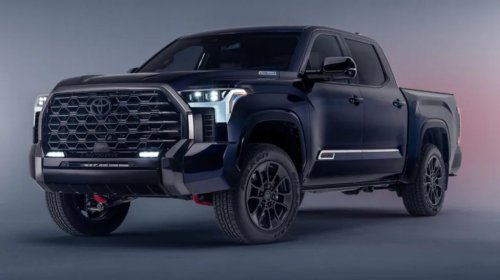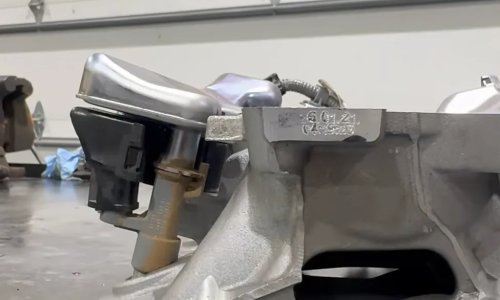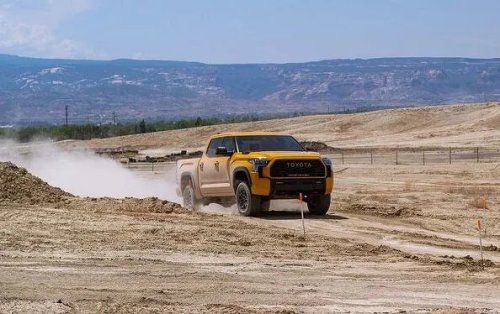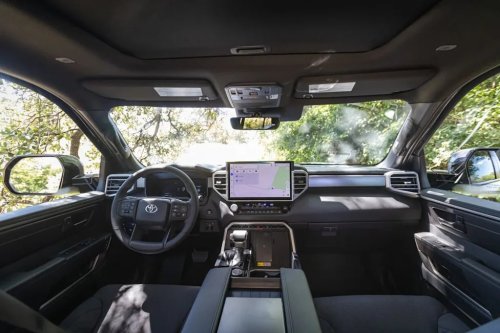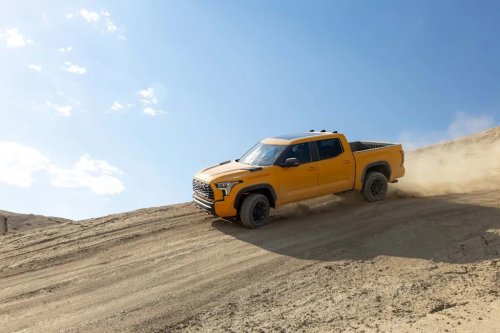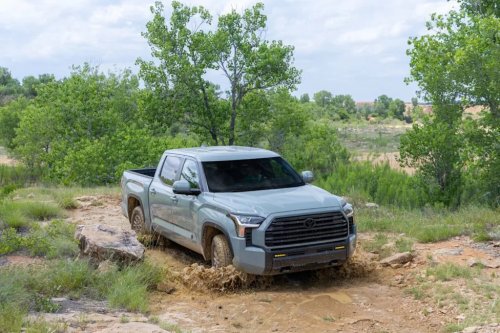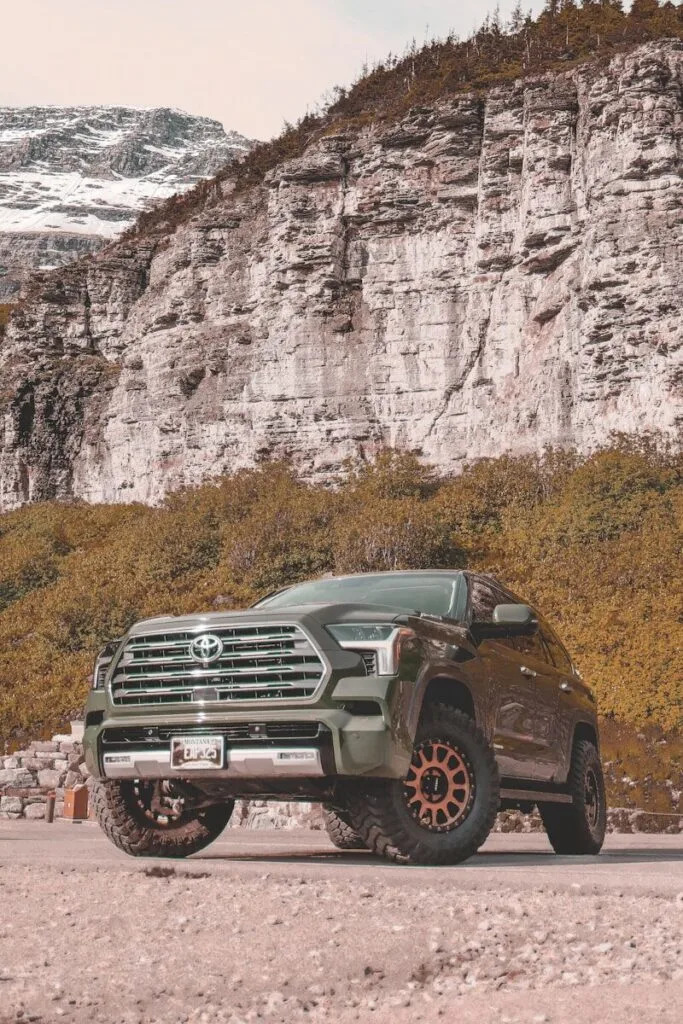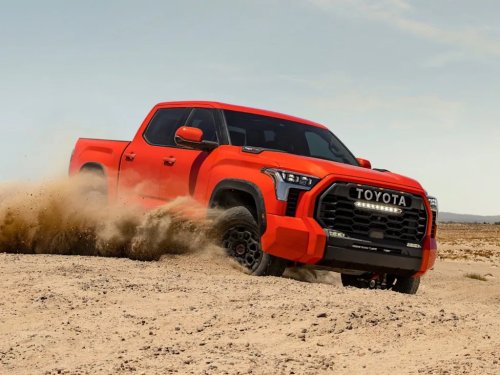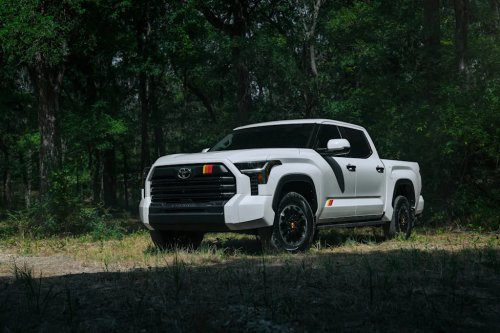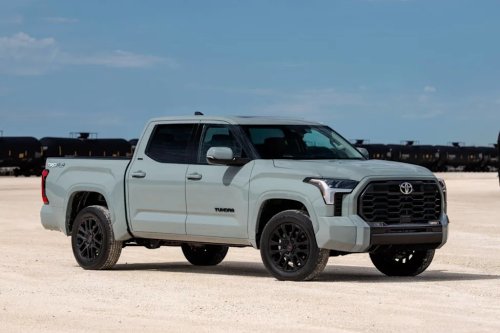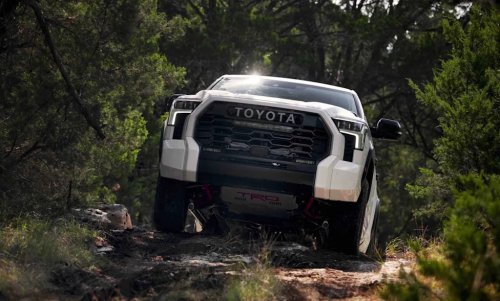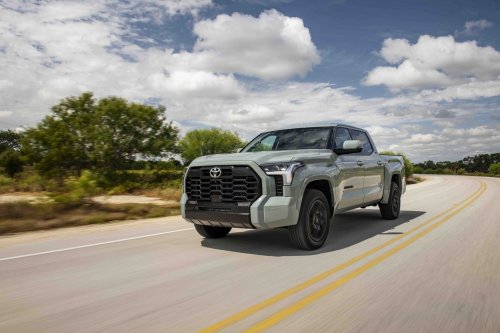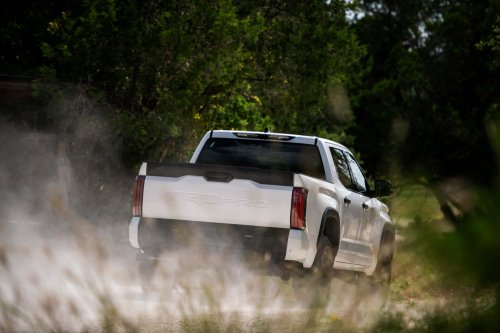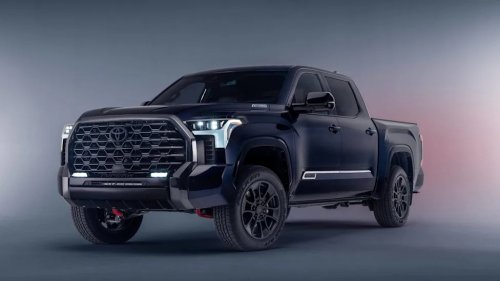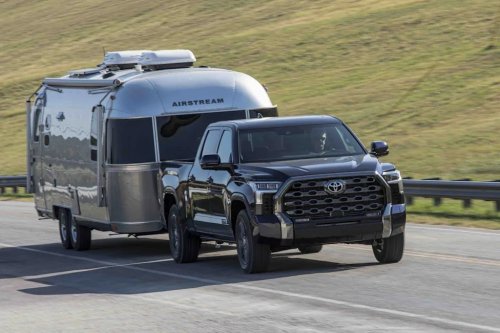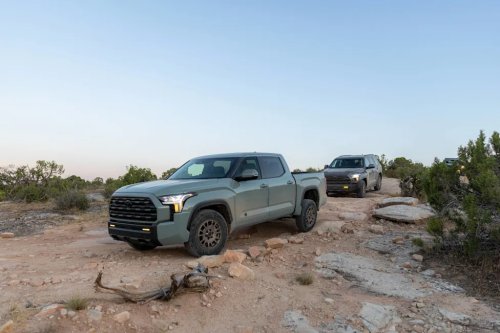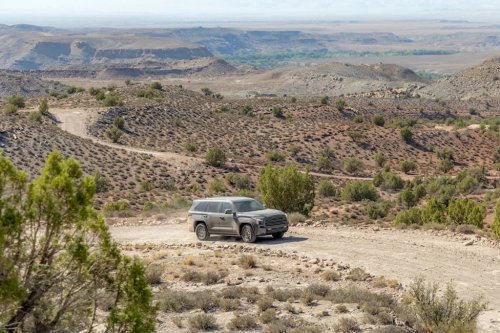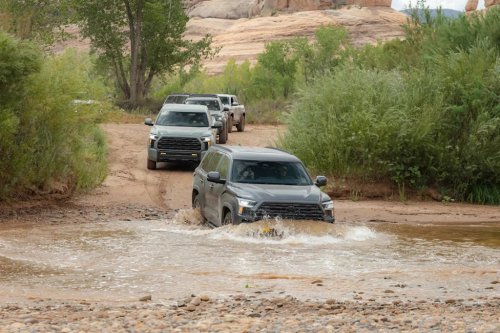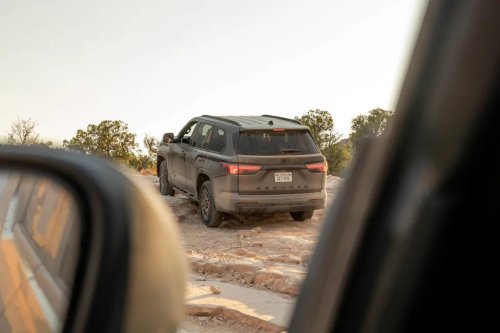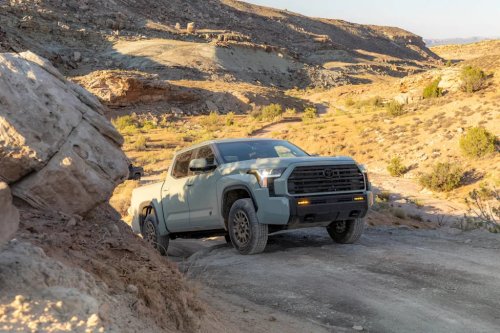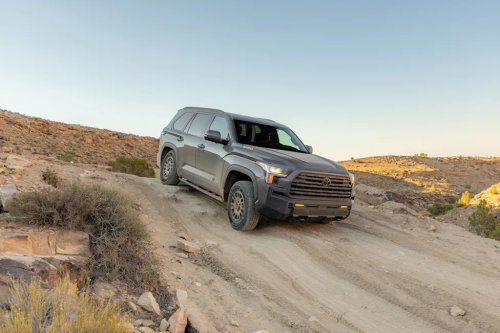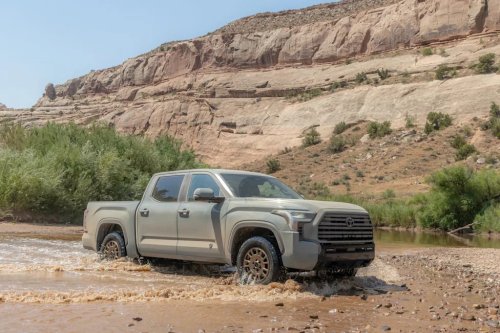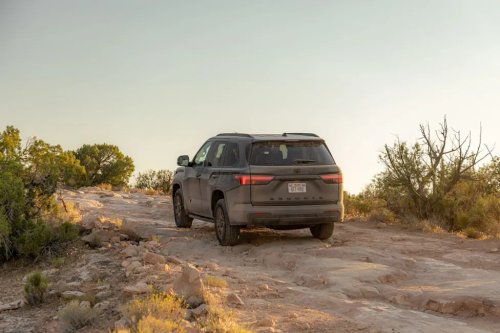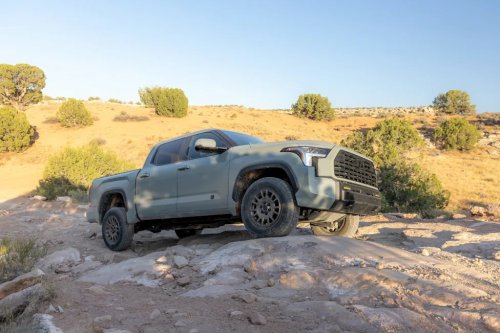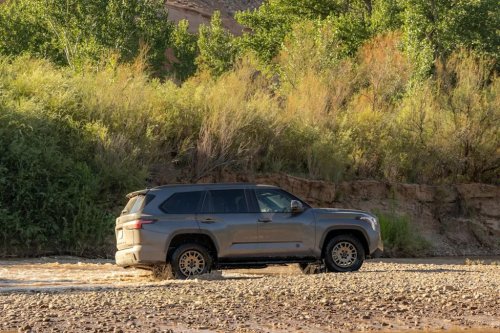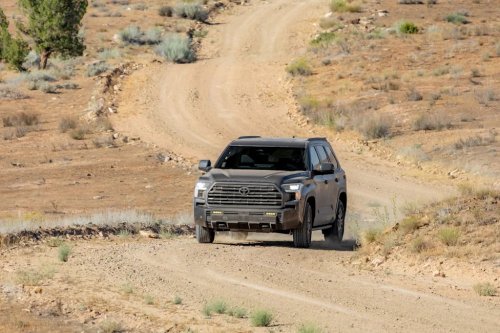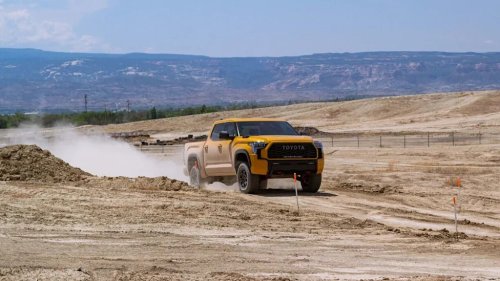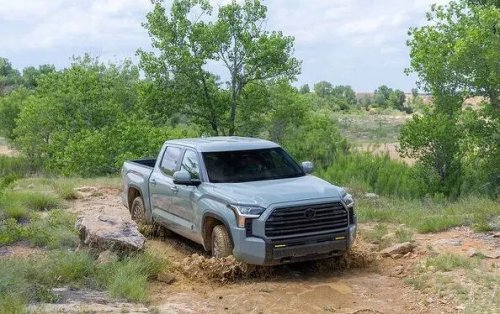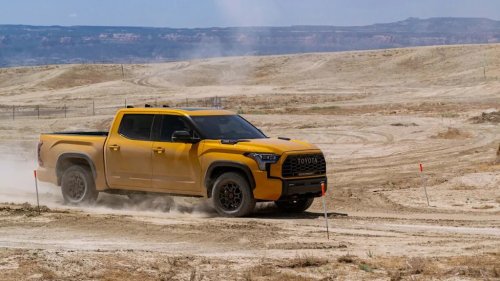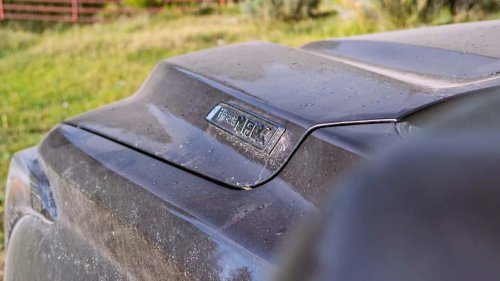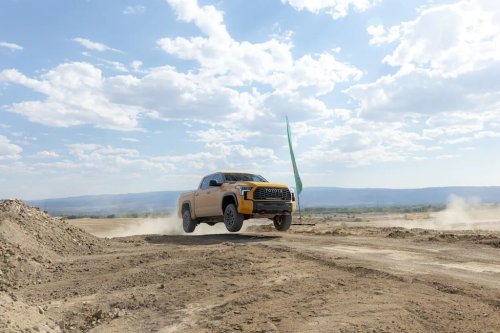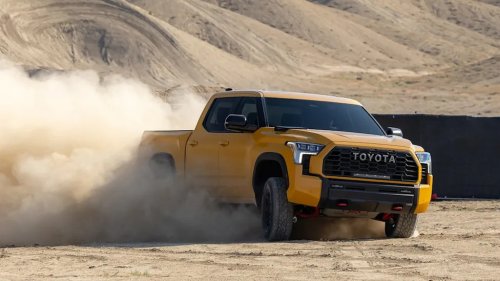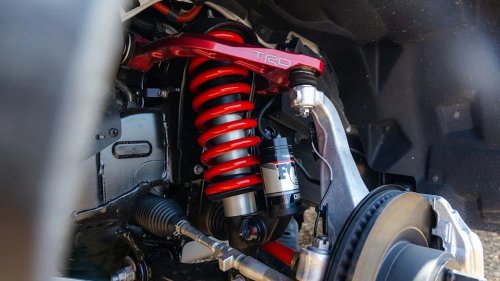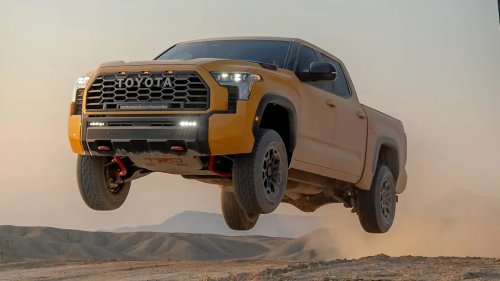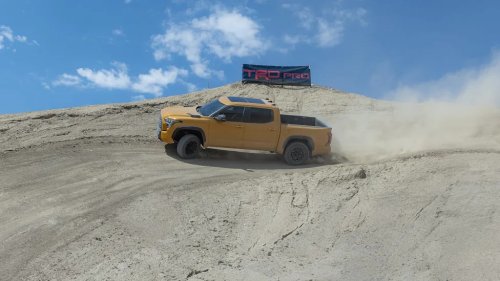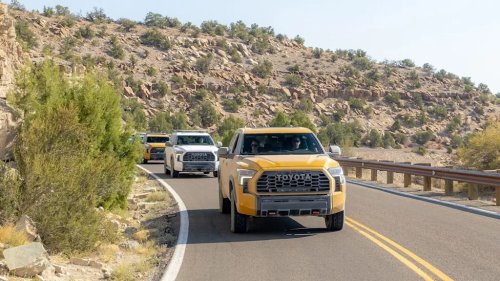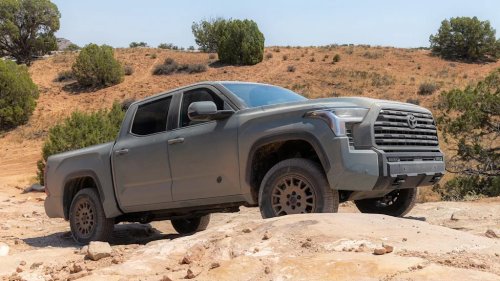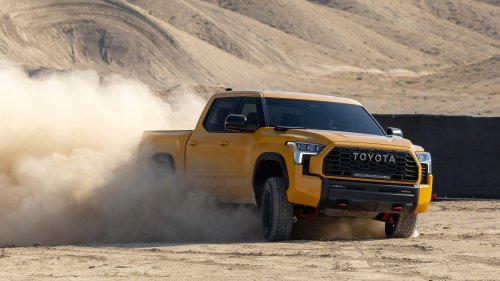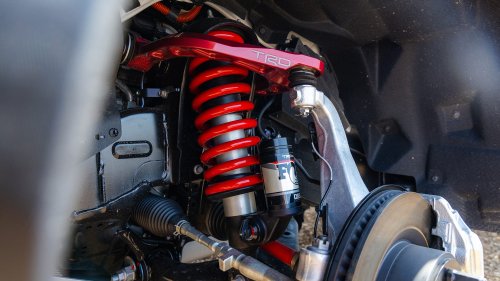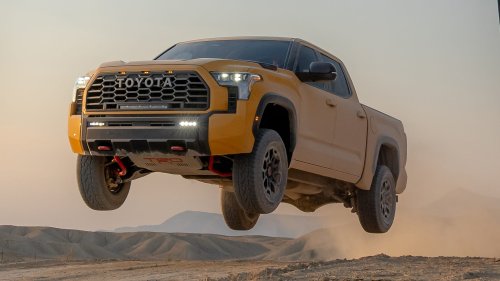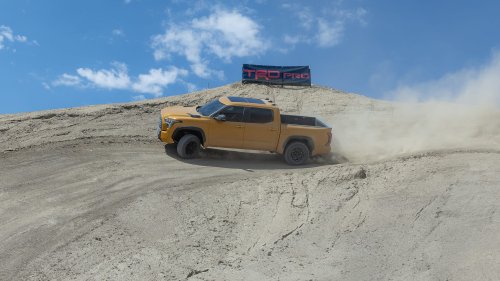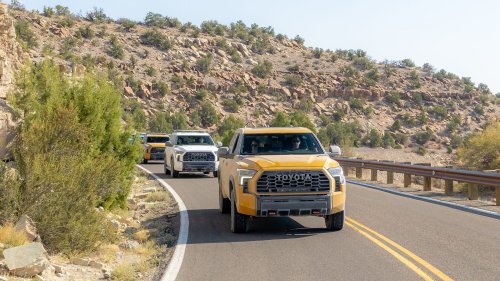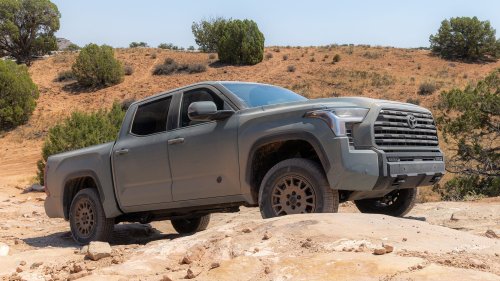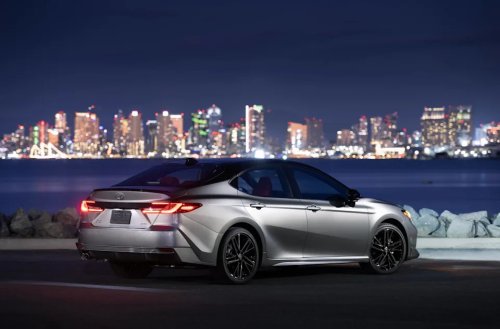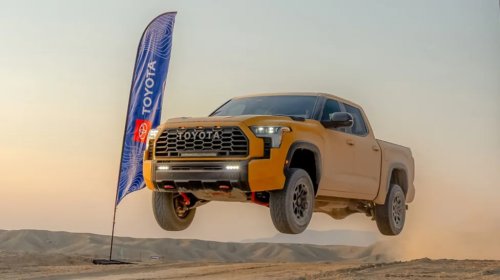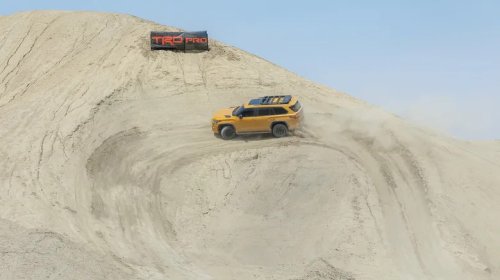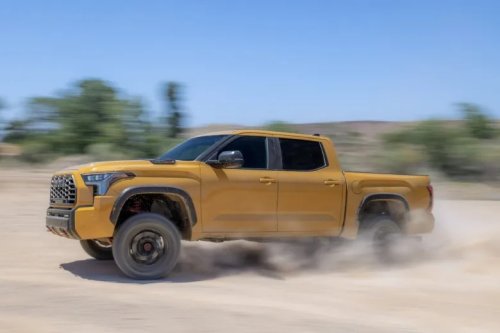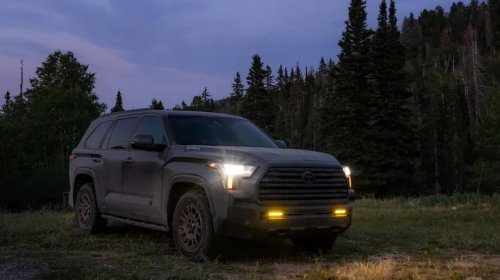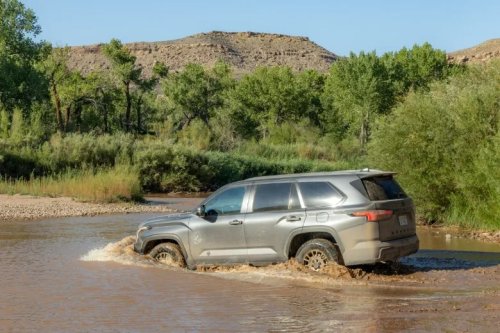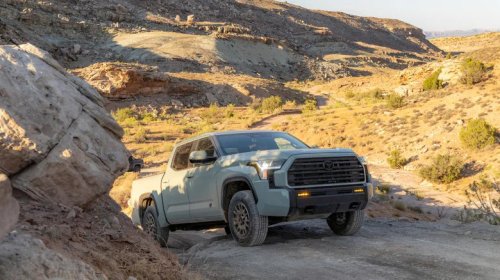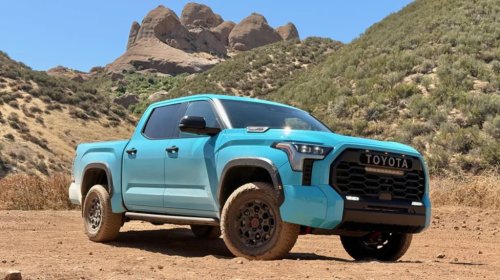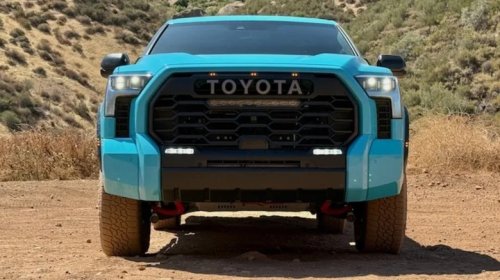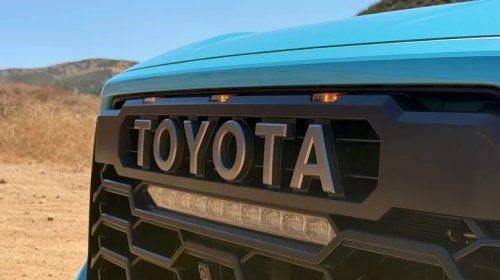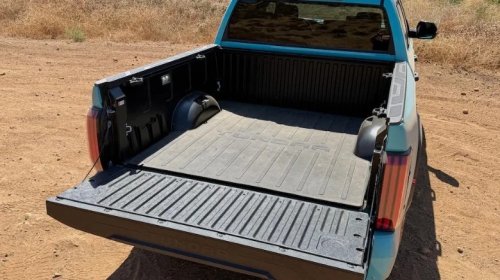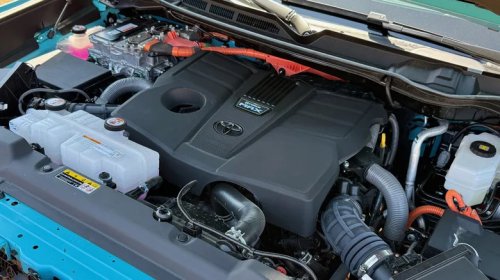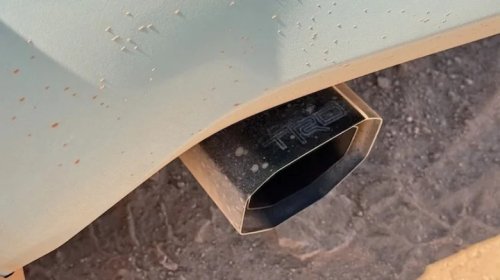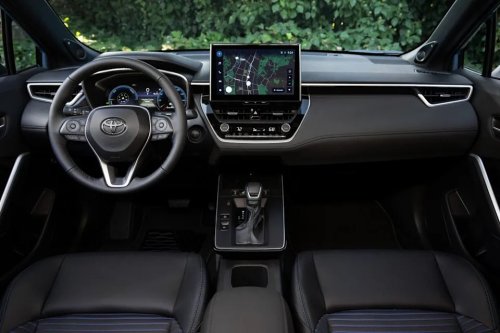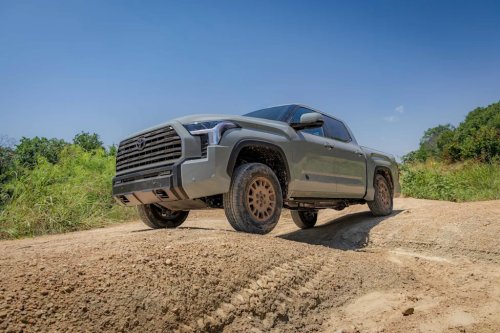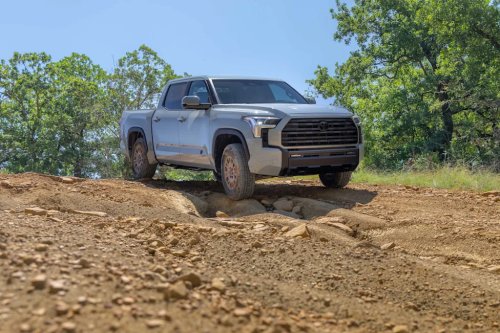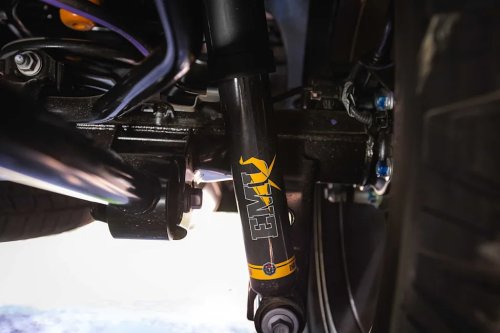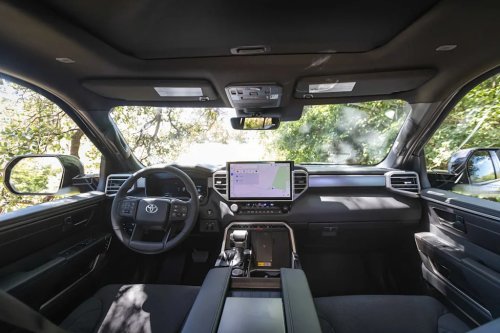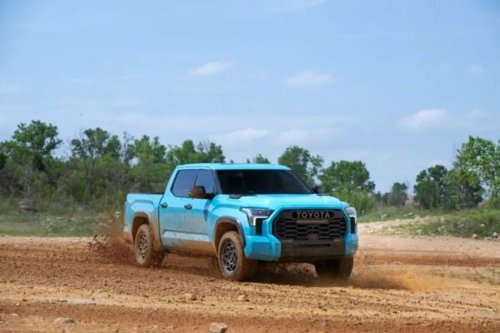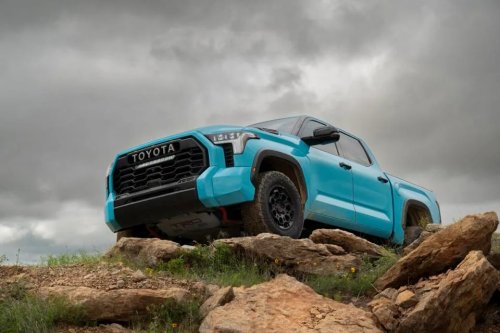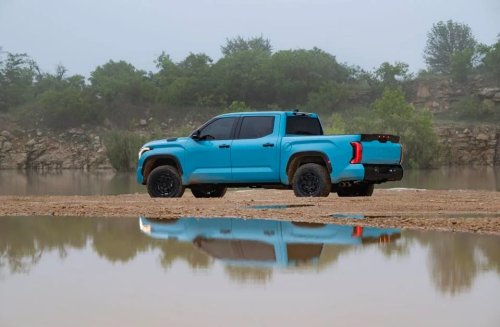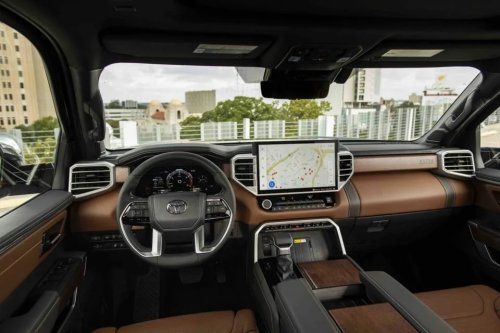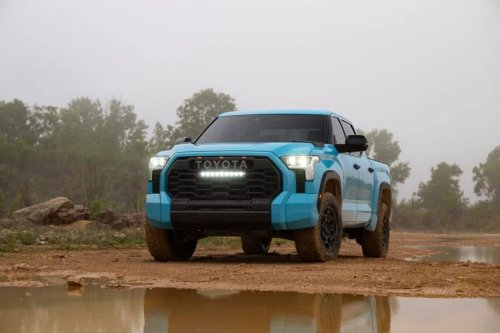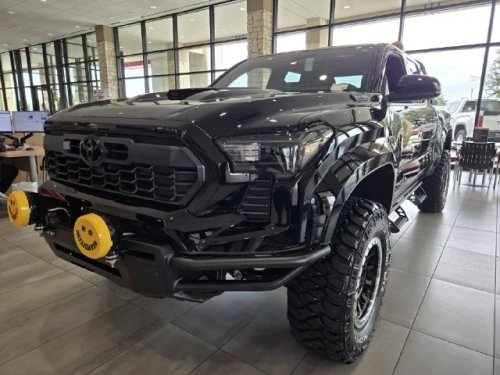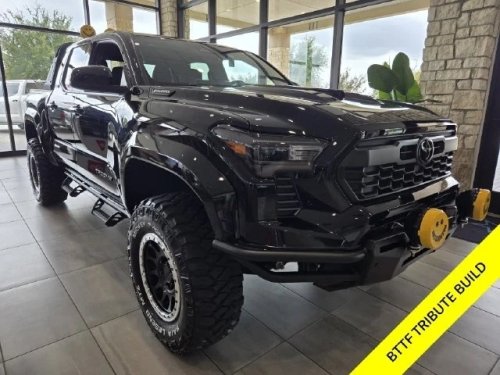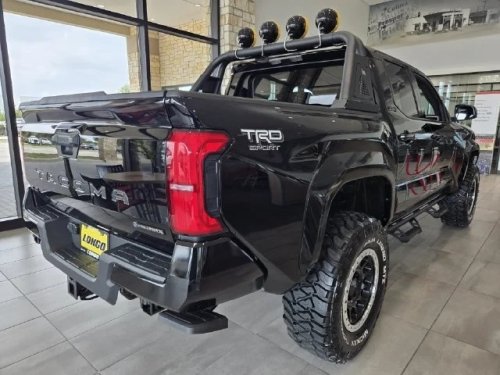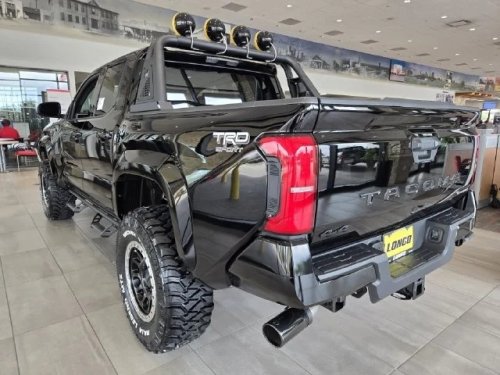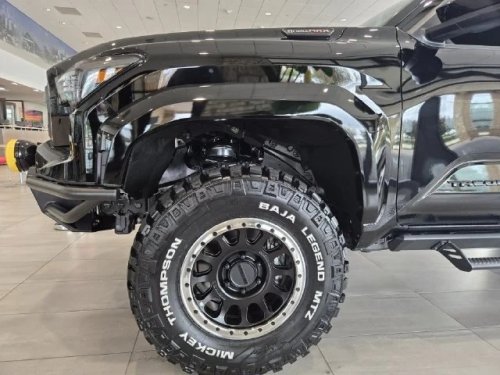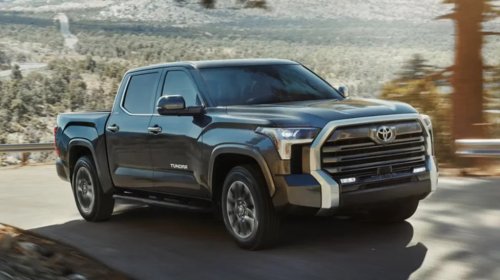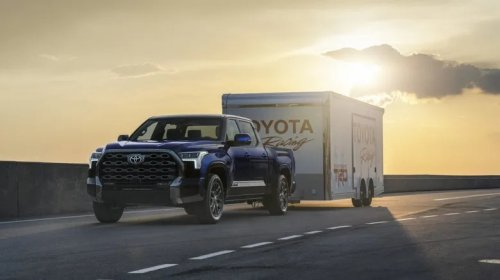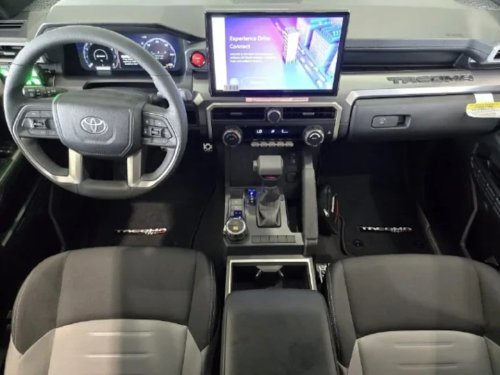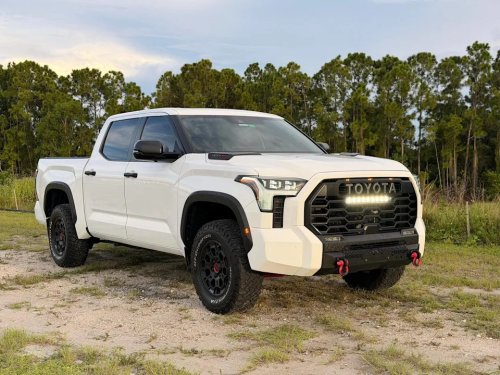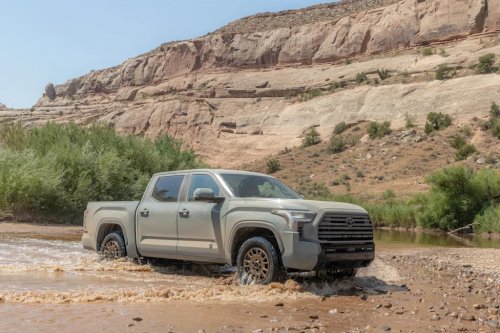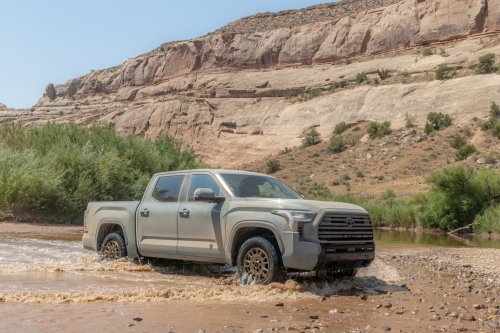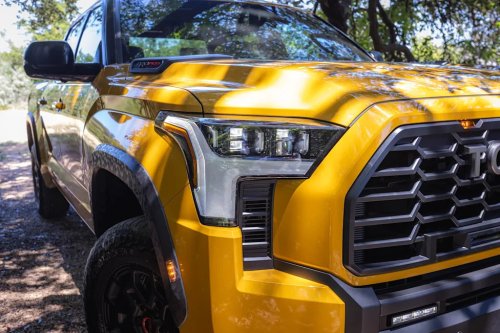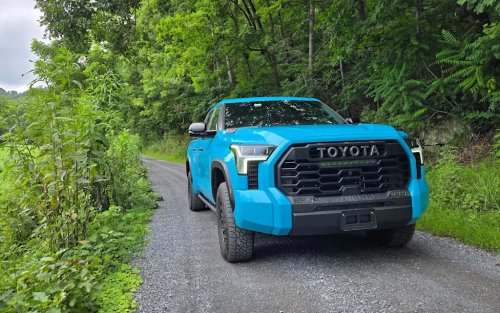
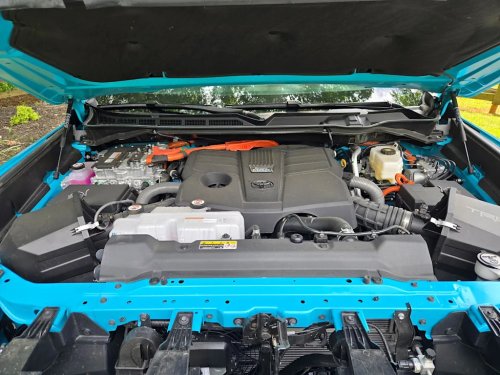
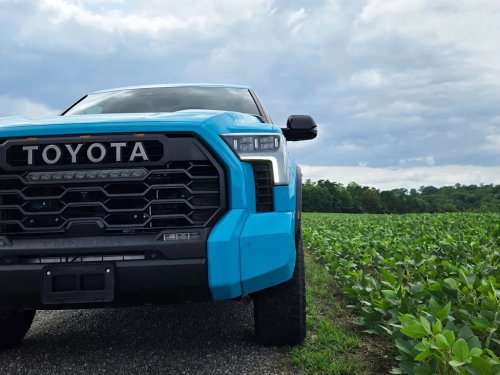
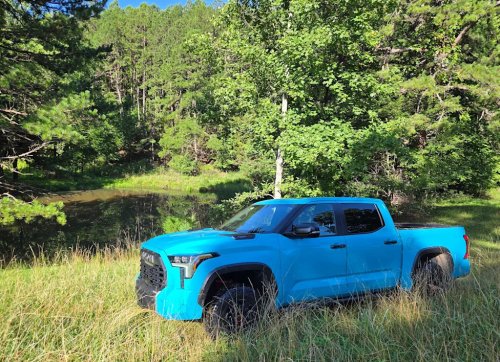



















AGDAILY got to spend a week test-driving a 2026 Toyota Tundra TRD Pro Crewmax. (Image by Ryan Tipps, AGDAILY)The half-ton pickup is a staple of rural life. Nearly every driveway or garage has one in it. This kind of vehicle is not meant to the beefiest workhorse on the farm, just the most versatile one. My pickup is nearly 20 years old, and while it still does its job admirably, I was excited to get my hands on a 2026 Toytoa Tundra TRD Pro Crewmax to test-drive and see how the modern V6 engine stacks up against a more "classic" V8.That's notable because what the Tundra TRD Pro has under its hood isn't a typical V6. This engine has the heft to power to a 6,000-pound vehicle, as well as setting out to deliver on promises of a 1,600-pound payload capacity and nearly 12,000 pounds in towing.AdvertisementAdvertisementAfter a week behind the wheel and in a variety of situations, I saw (and felt) nothing that would make me doubt these claims.The 3.4-liter i-FORCE MAX V6 Hybrid is available on the Toyota TRD Pro. (Image by Ryan Tipps, AGDAILY)The TRD Pro has the most powerful engine in the Tundra lineup: an i-FORCE MAX 3.4-liter aluminum block V6 Hybrid, featuring twin-turbochargers. It has a 4×4 engine with electronically controlled two-speed transfer case in 4WD (high/low range), something I often swapped between while driving on bumpy gravel backroads and off-roading in steep tall grass.Because Toyota doesn't have a lineup larger than its half-tons models (which are the base Tundra, the TRD, and the TRD Pro, featuring a variety of bed sizes), the company is admittedly not commonplace in rural America. (For example, a brand loyalist who uses a full-ton pickup to haul trailers is likely going to buy a half-ton manufactured by the same company.)But for those seeking a powerful and versatile option in this market, it would be a disservice to overlook what Toyota is offering.AdvertisementAdvertisementMost mechanics are sure to tell you that the Tundra lineup includes half-tons with particularly strong reputations for reliability and a powertrain that will likely last owners upwards of 300,000 miles. There's a reason you won't find people wanting to sell Tundras — they just don't want to give them up, nor do they need to.Don't sleep on Toyota when looking for a dependable half-ton for your farm. (Image by Ryan Tipps, AGDAILY)Of course, I'd also be willing to bet that most drivers aren't using their Tundra in situations as taxing as the ones I put my loaner through in recent days. I live in the foothills of the Blue Ridge Mountains, so narrow roads wind aggressively through the countryside. I spent time loading up the bed of the pickup with 21 square hay bales, each clocking in at around 50 to 60 pounds (so probably 1,100 total pounds, once the bales averaged out). I also hooked up my two-stall livestock trailer and added 15 bales in the back (for a combined towing weight of just shy of 4,000 pounds). The TRD Pro handled the curves and the inclines better than most half-tons I've driven or ridden in. Despite being "only" a V6, which had me skeptical at the beginning, it was clear when the i-FORCE MAX engine was delivering the extra power needed to pull through a tight turn in the road or give a little something extra to crest a hill. Everything drove smoothly, had sufficient power, and kept me grounded with its responsiveness.AdvertisementAdvertisementAnd that's really what makes this engine stand out. So many engines today are designed to prioritize fuel efficiency, but the i-FORCE MAX has a hybrid build that is engineered toward horsepower, low-end torque, and towing strength (per the specifications, it has 437 horsepower and 583 lb-ft of torque). It's what makes it more of a fit for larger rural properties, homestead sites, and daily farm tasks.For comparison, in premium models at some other brands, you'll come across specs like:3.5-liter PowerBoost Full Hybrid V6 engines with 420 horsepower and 578 lb-ft of torque5.3-liter TurboMax EcoTec3 V8 engines with 310 horsepower and 430 lb-ft of torque5.7-liter V8 HEMI MDS VVT engines with 420 horsepower and 469 lb-ft of torqueLooking at those makes the Tundra's numbers all that much more impressive.It's a steep incline, including some muddy spot, down to my pond. (Image by Ryan Tipps, AGDAILY)Couple all of this with the TRD Pro's advanced off-road features that allow you to tailor the vehicle to your terrain. It has standard Drive Mode, a Tow Haul mode, a Multi-Terrain Select mode that adjusts throttle and brake modulation for specific terrains, and a Downhill Assist Control that caters to low speeds on steep descents.AdvertisementAdvertisementThe combination of these settings do sacrifice how many miles you'll be able to get to a gallon. In 2WD, the TRD Pro is listed as getting 20 mpg city, 24 highway, and 22 average (in 4WD, those numbers dip to 18/20/19). Even before hauling the trailer, the dashboard read 15.3 mpg as my average for the first five days of driving. Still, I would trade a lower fuel efficiency for more powerful performance when it comes to doing real chores around my property and throughout my rural community. My land has too much mud and steepness and our roads too neglected in winter to be comfortable with anything less.This article was funded by and published on behalf of Toyota Motor North America. Visit this page to find a Toyota dealership near you.Ryan Tipps is the founding editor of AGDAILY and continues to lead the site and its print component, Arcadian magazine, as vice president of ag and rural content. The Indiana native has a master's degree in Agriculture and Life Sciences from Virginia Tech and has covered the food and farming industries since 2011.The post Toyota's i-FORCE MAX engine gives Tundra TRD Pro powerful peaks appeared first on AGDAILY.