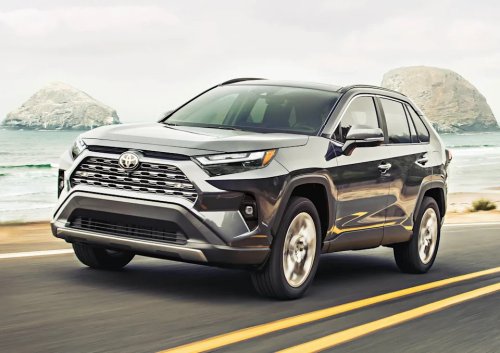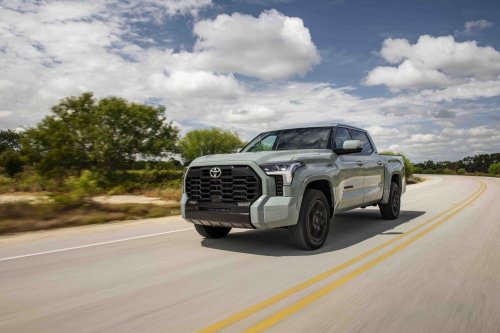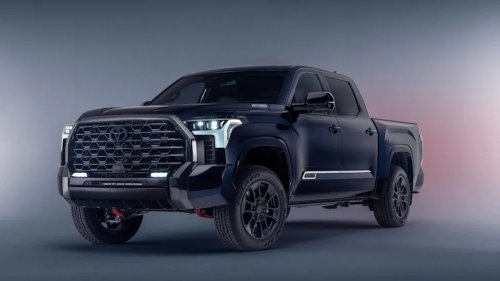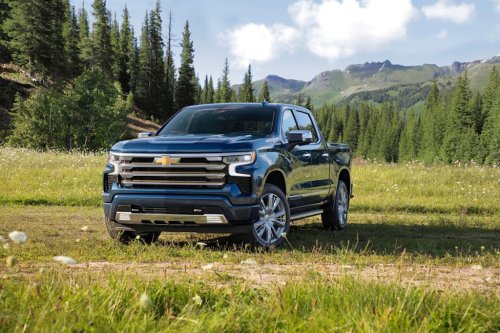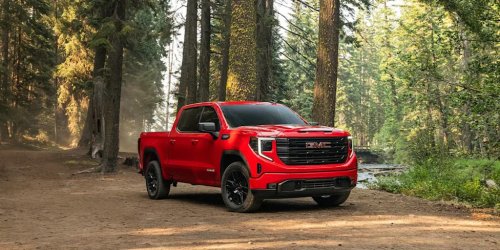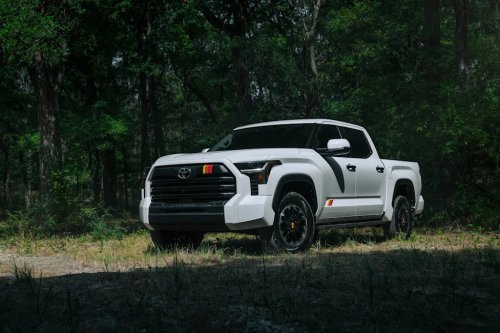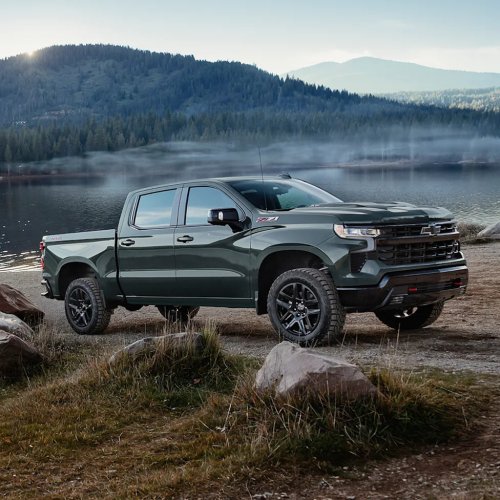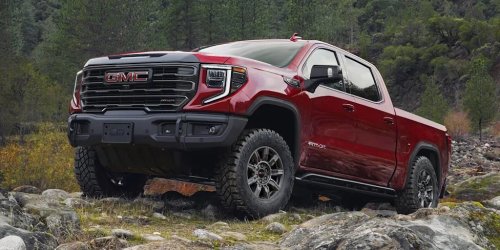



















Nearly 30 percent of trade-ins carried negative equity in Q2 2026. Average underwater loan balance reached a record Q2 high of $6,884. Popular trucks and SUVs are now often trapped by expensive financing. Remember when choosing a vehicle that held its value was considered a smart financial move? Apparently that’s no longer enough. A new report shows that millions of Americans are trading in vehicles worth less than what they still owe, and the problem continues to grow. According to Edmunds’ second-quarter data, 29.6 percent of all trade-ins toward new vehicle purchases carried negative equity. Put another way, nearly three out of every 10 buyers walked into a dealership already owing more on their current vehicle than it was worth. The Debt Keeps Growing The amount of debt being rolled into new loans is climbing too. The report says the average underwater trade-in carried $6,884 in negative equity during the second quarter, setting a new record for that period of the year. Related: He Owed $87K On A $47K Ford Truck And Still Wanted To Trade In For A Mercedes Unfortunately, that debt doesn’t simply disappear. It gets folded into the next loan, creating a financial snowball that can follow owners from vehicle to vehicle. The result is some eye-watering payment figures. Edmunds found that buyers carrying negative equity into a new car loan are now paying an average of $944 per month, a whopping $167 more than the industry-wide average. The long-term cost is even more painful. Those borrowers are expected to pay an average of $16,270 in interest over the life of their loans. That’s nearly $6,500 more than the typical new-vehicle buyer. Negative Equity Growth, 2019-26 Share of New VehiclesPurchased With A Trade-InShare of Trade-InsWith Negative EquityAverage Amount OfNegative EquityAverage Trade-InAge (Years)202646.2%29.6%-$6,8844.0202545.7%26.6%-$6,7543.8202444.8%23.9%-$6,2553.7202346.2%17.3%-$5,5433.4202246.8%14.7%-$4,4873.2202150.8%23.1%-$4,2463.6202045.6%37.2%-$5,8453.9201944.6%34.6%-$5,3173.8 SWIPE Source: Edmunds What’s particularly surprising is that this isn’t just happening to owners of vehicles with weak resale values. The publication says many of the biggest negative-equity trade-ins are popular trucks and SUVs that traditionally retain value well, like the Toyota Tacoma, Jeep Wrangler and Honda CR-V. “It’s easy to assume negative equity is just a story about vehicles that depreciate quickly,” said Ivan Drury, Edmunds’ director of insights. “When historically safe residual value bets are showing up underwater, it’s clear this is a financing problem, not always a vehicle choice problem.” A big part of today’s problem can be traced back to 2022, when inventory shortages pushed prices skyward and many buyers paid at or above sticker price. Those vehicles are now reaching the point where owners want to trade them in, only to discover they’re still carrying substantial debt. Trade-Ins With Highest Negative Equity, Q2 2026 ModelAverage Negative EquityChevrolet Silverado 1500-$8,516Ford F-150-$8,417Toyota Camry-$7,030Ram 1500-$8,347Nissan Rogue-$7,260Honda CR-V-$4,722Toyota Tacoma-$7,793Chevrolet Equinox-$5,668Honda Accord-$5,127Toyota Corolla-$6,191GMC Sierra 1500-$8,568Honda Civic-$4,778Ford Explorer-$7,689Toyota RAV4-$6,815Hyundai Tucson-$5,532Jeep Wrangler-$7,867Toyota Tundra-$8,929Kia Sportage-$5,568Chevrolet Traverse-$6,962Jeep Grand Cherokee-$7,357 SWIPE Source: Edmunds