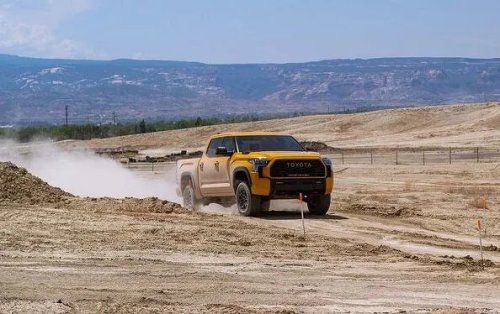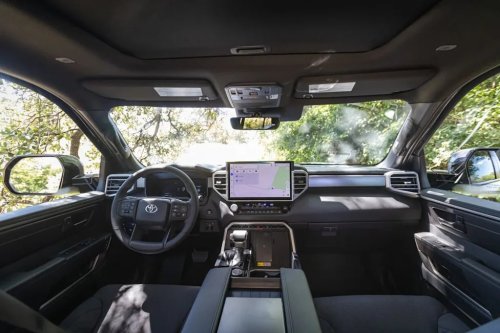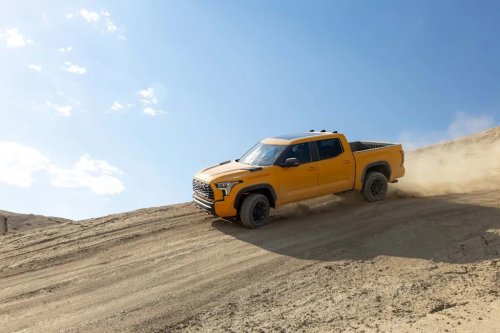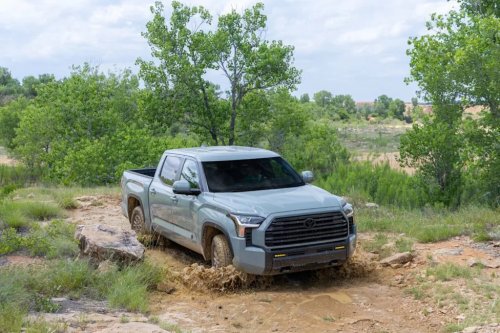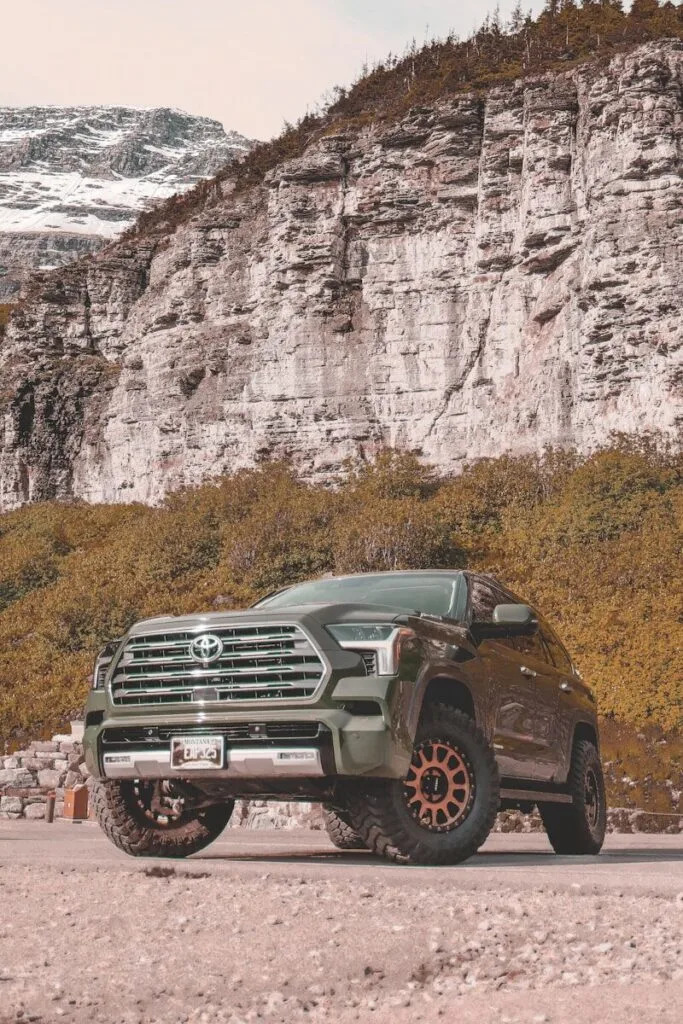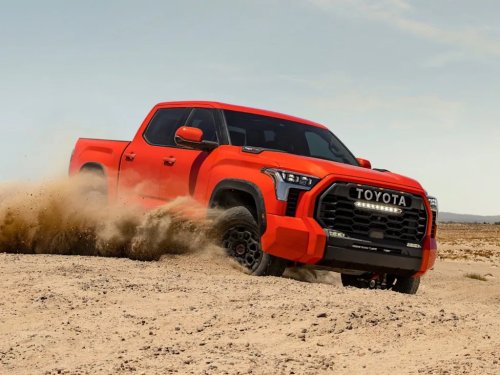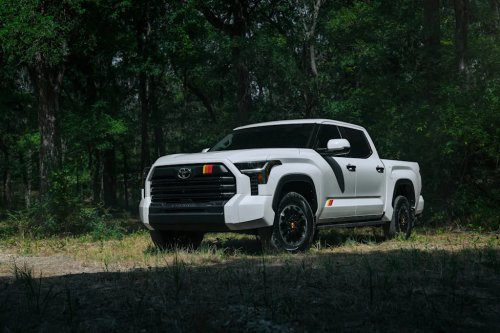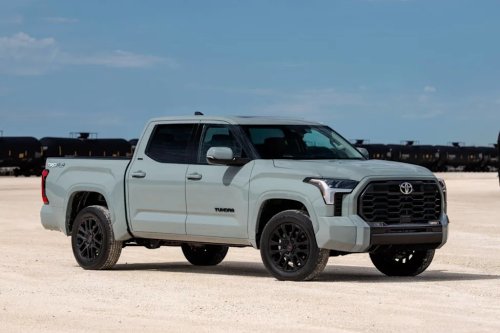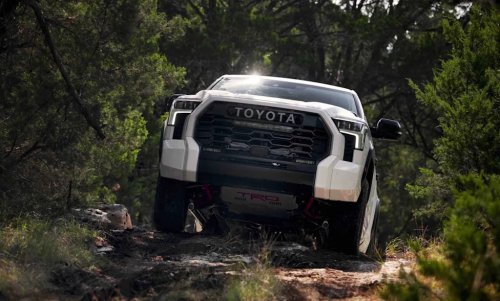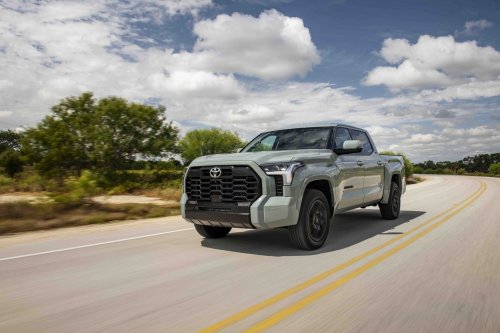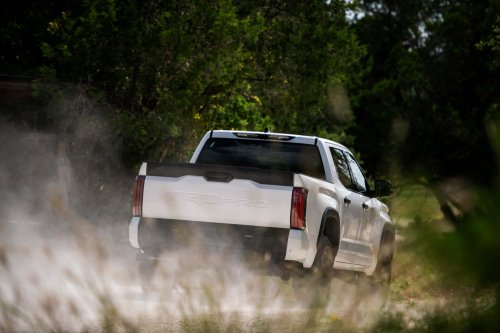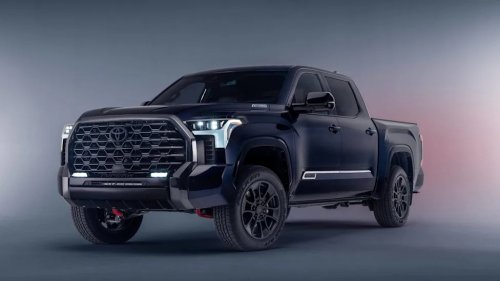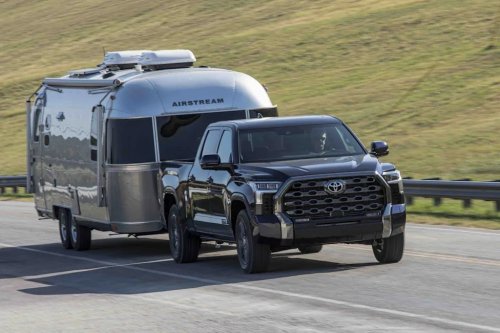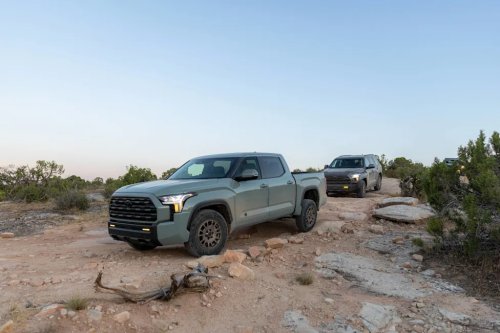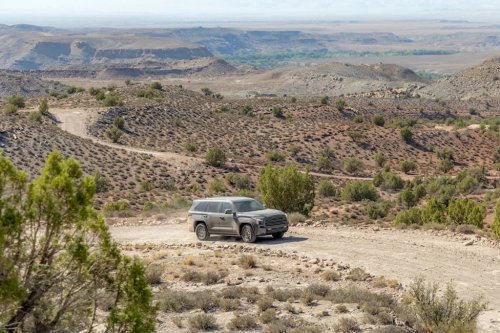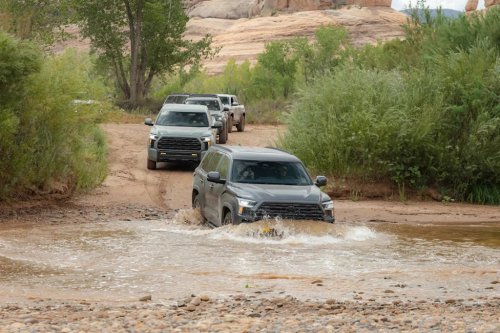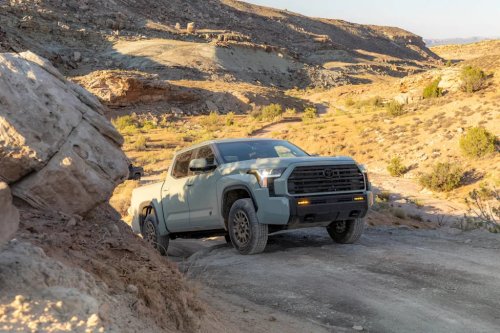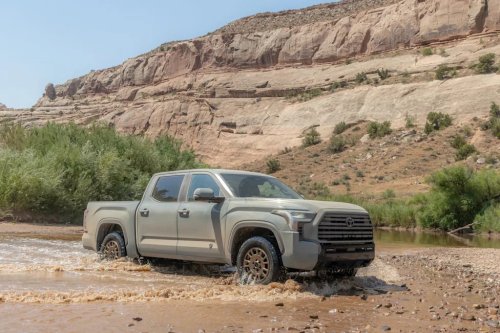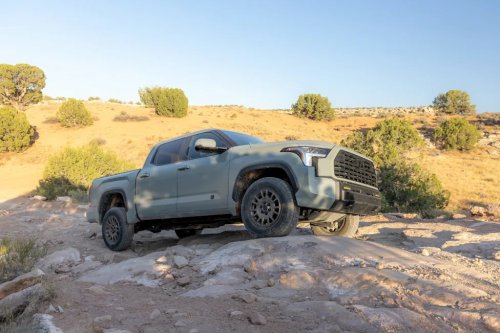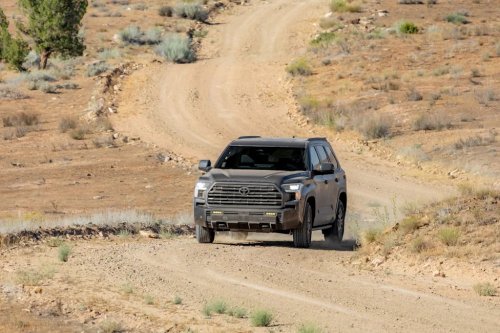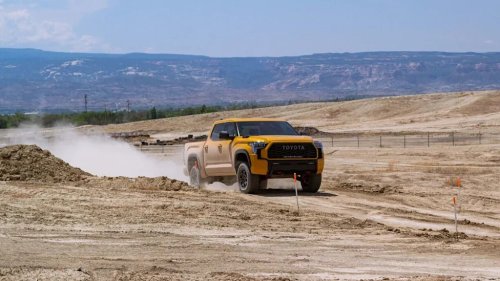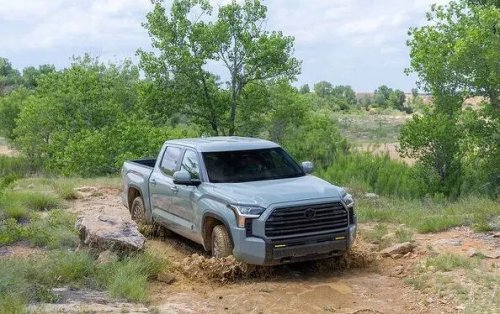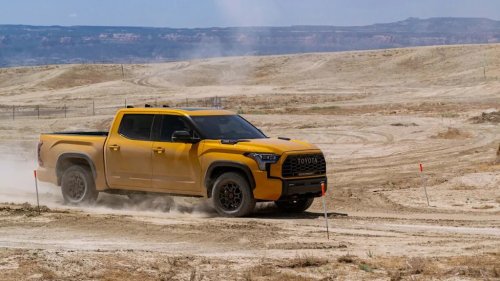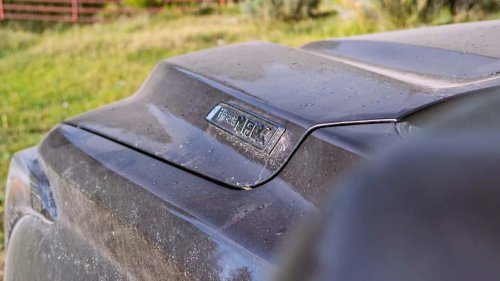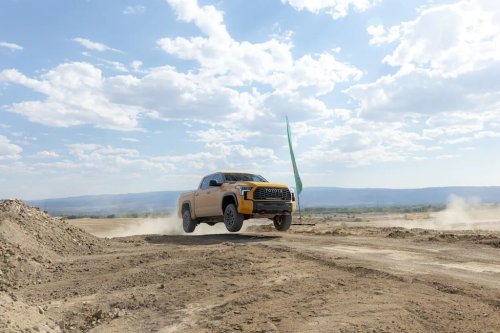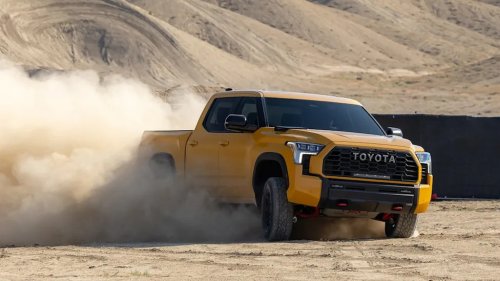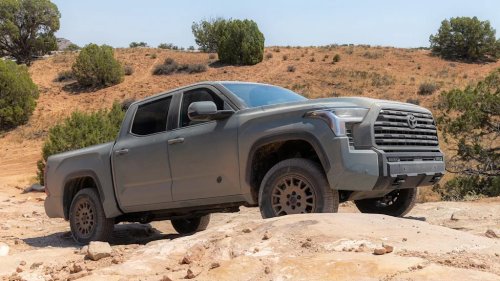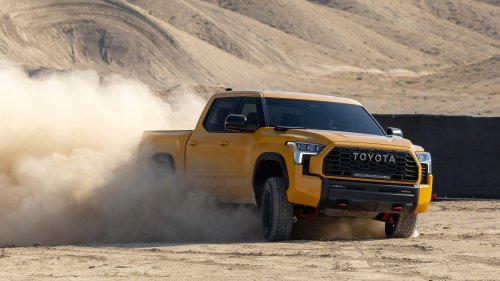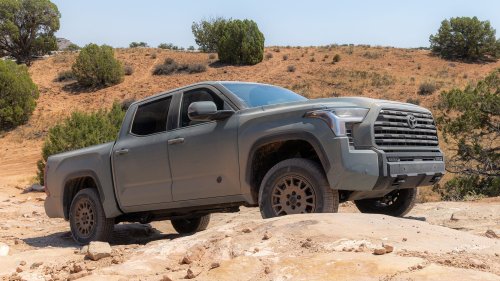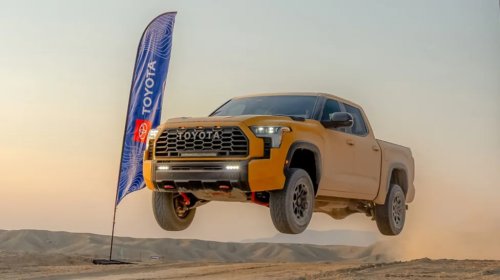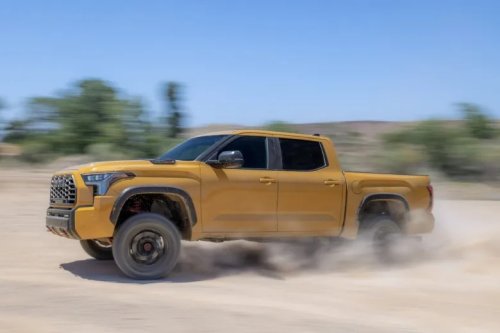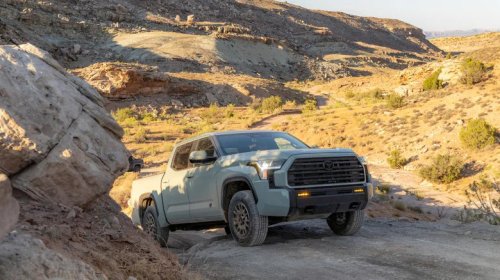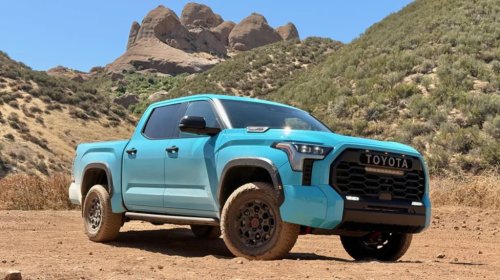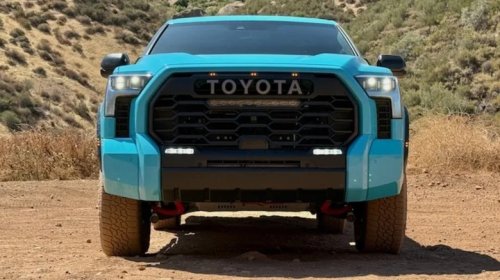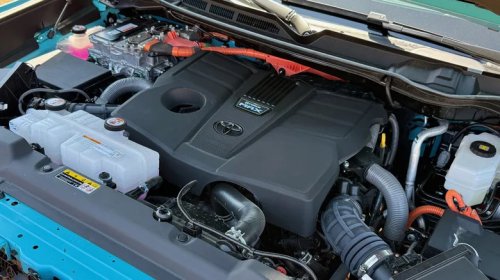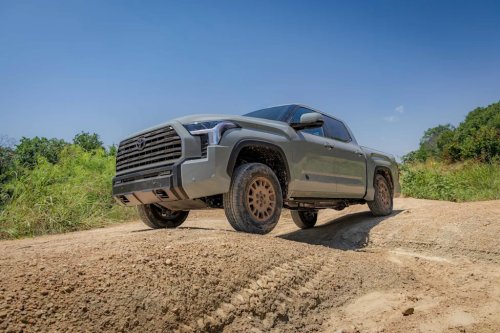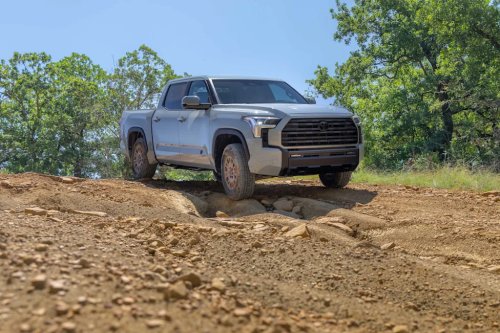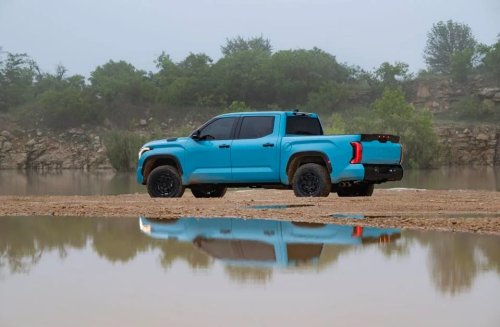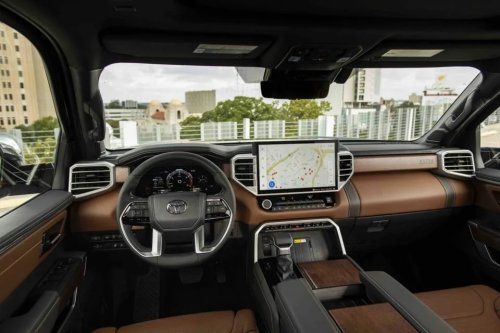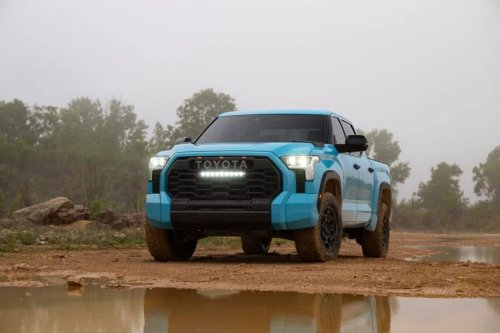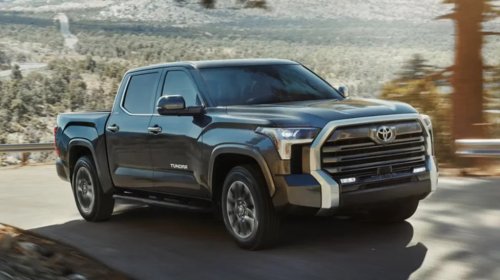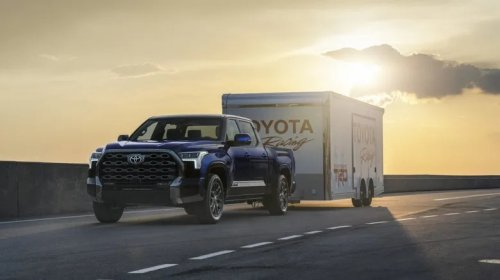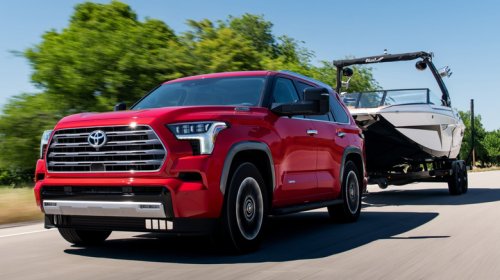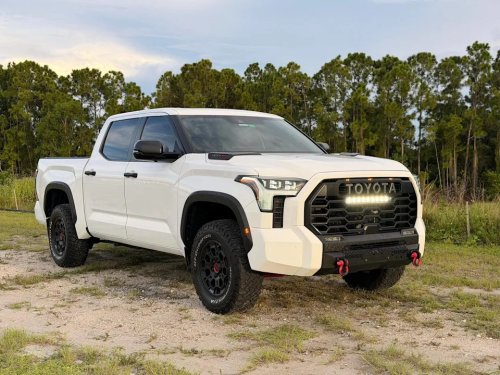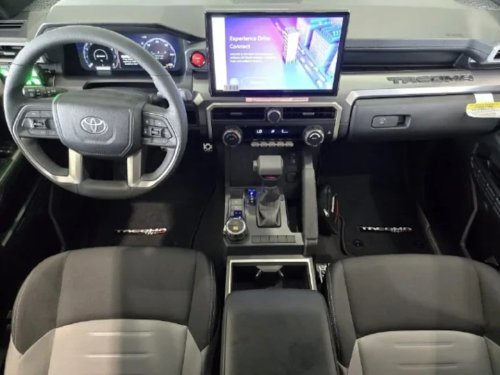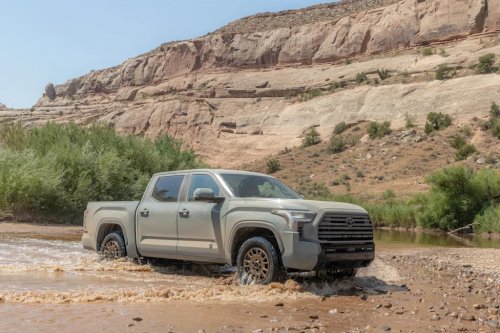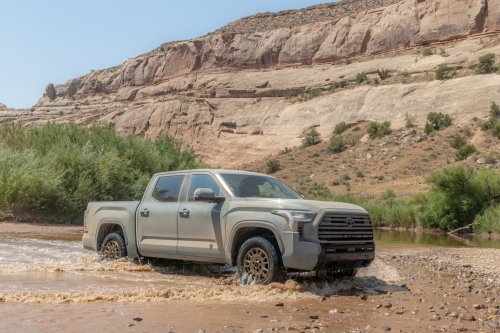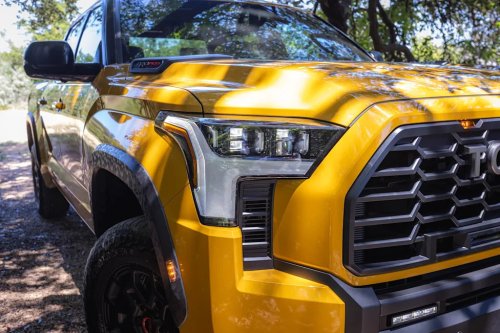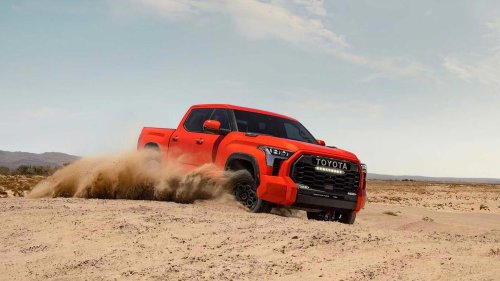
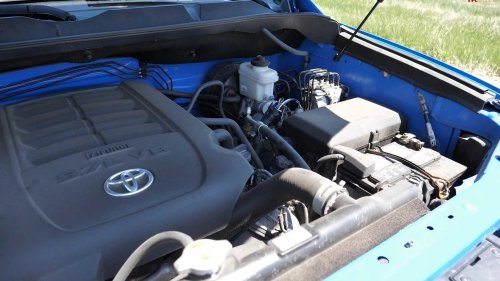
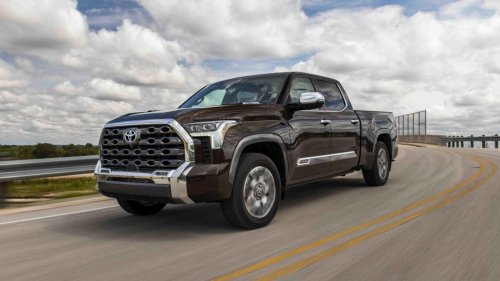
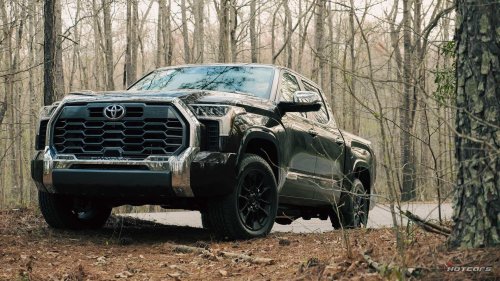



















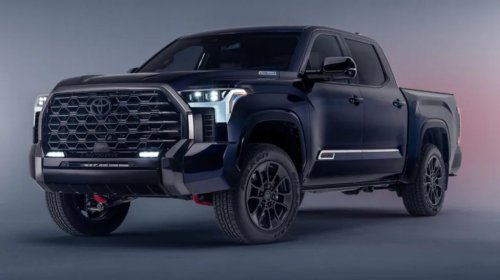
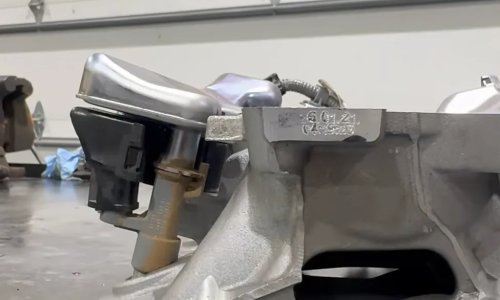
Toyota has built its global reputation on one promise above all else: engines that simply don't quit. That promise is under serious pressure right now. The automaker has recalled roughly 270,000 third-generation Tundra engines — and, in a detail that should alarm every Tundra owner, the root cause still hasn't been fully confirmed or publicly explained.The recall centers on the twin-turbo 3.5-liter V6 that Toyota introduced when it retired the legendary 5.7-liter V8 for the Tundra's 2022 redesign. Machining debris has been cited as a contributing factor in earlier filings, but the recall campaign has continued to grow — from roughly 250,000 trucks to more than 270,000 — suggesting the picture isn't as clean as Toyota would like. For a brand that built its identity on bulletproof powertrains, the optics are rough. Which Trucks Are Affected and What the Failure Looks Like ToyotaThe recall covers 2022, 2023, and 2024 model year Tundras equipped with the twin-turbo V6, with the campaign expanding in May 2026 to pull in additional 2024 units. The failure pattern, as documented in owner reports and technical filings, points to internal engine damage — knocking, bearing wear, and in the worst cases, catastrophic failure. Machining debris left inside the engine during production has been identified as a likely culprit, contaminating oil passages and accelerating wear on critical rotating components.What makes this recall unusual isn't just the scale — 270,000 engines is a significant number — it's the absence of a definitive, closed-case explanation from Toyota. The recall campaign has grown across multiple filings rather than being resolved in one clean action, which suggests engineers are still working to fully characterize the failure mode. Owners reporting knocking and sudden power loss have not always received consistent answers about repair timelines or whether their specific VIN is at risk. The Twin-Turbo V6 vs The 5.7L V8 It Replaced The Fast Lane Truck YouTube channelThe engine at the center of this recall is Toyota's 3.5-liter twin-turbocharged V6, internally designated the V35A-FTS. On paper, the swap made sense. The twin-turbo V6 produces 389 horsepower and 479 lb-ft of torque — numbers that beat the outgoing 5.7-liter V8's 381 horsepower and 401 lb-ft — while promising better fuel economy through turbocharging and cylinder deactivation technology.But gearheads who mourned the 5.7L weren't wrong to be skeptical. The old naturally aspirated V8 was a known quantity: simple, robust, and the kind of engine that racked up 300,000 miles in fleet service without drama. The twin-turbo V6, by contrast, adds complexity — two turbochargers, a more intricate oiling system, and tighter manufacturing tolerances that leave less margin for the kind of production variance that apparently contributed to this recall. It's not that forced induction is inherently unreliable, but it does raise the stakes when something goes wrong on the assembly line. What Toyota Has Said — And What Remains Unanswered ToyotaToyota's official position has pointed to machining debris as the mechanism behind the failures, with affected engines potentially suffering oil starvation or accelerated wear from contamination introduced during manufacturing. The fix involves engine inspection and, in confirmed failure cases, engine replacement.What Toyota has not provided is a clear, public accounting of why the debris issue persisted long enough to affect multiple model years and why the recall scope kept expanding. A recall that grows from one filing to the next signals an ongoing investigation, not a resolved one. Toyota has not publicly confirmed a manufacturing process change that closes the loop — and until that confirmation comes, there's no guarantee the problem is fully contained in current production trucks. What This Means for Tundra Buyers and Toyota's Reliability Brand Bradley Hasemeyer / HotCars / ValnetToyota's reliability halo is one of the most durable assets in the truck segment. It's the reason Tundra buyers have historically paid a premium over comparable domestic trucks and why the nameplate holds resale value that defies depreciation curves. A recall of this scale, with an unresolved root cause, puts real pressure on that positioning.For current Tundra owners, the immediate step is checking their VIN against Toyota's recall database and scheduling an inspection if their truck falls within the affected range. For buyers considering a new Tundra, the question is whether Toyota has genuinely corrected the manufacturing issue in current production — and that answer isn't clearly on the table yet. The twin-turbo V6 is a capable engine when it works. The problem is that "when it works" shouldn't be a qualifier that applies to a Toyota powertrain. Tundra loyalists deserve a straight answer, and so far, they're still waiting for one.