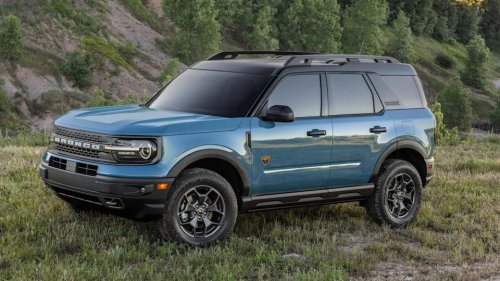
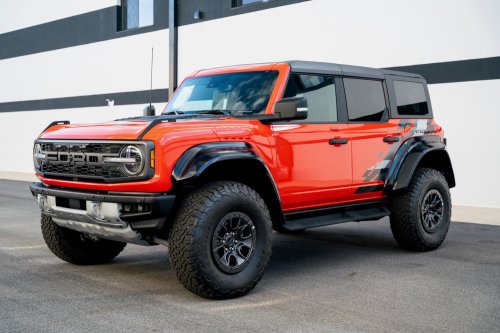
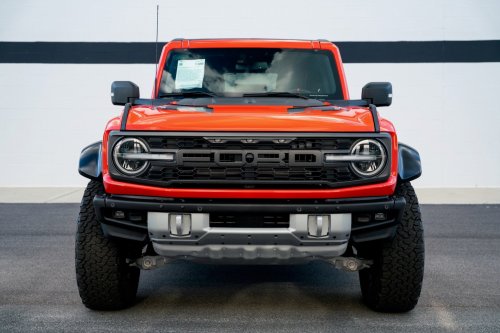
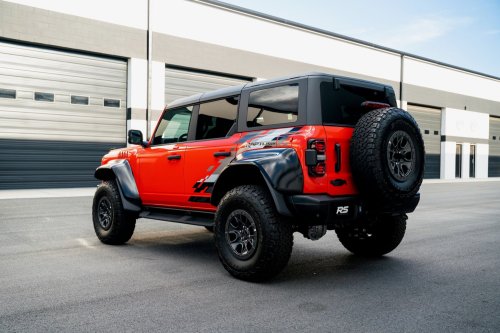
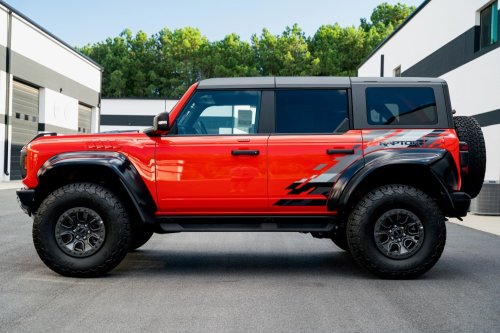
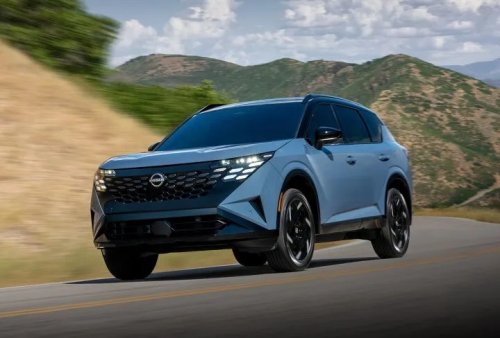
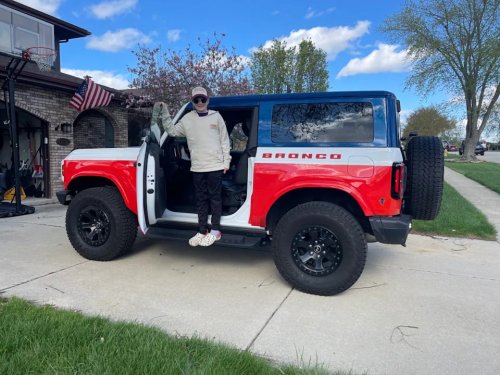
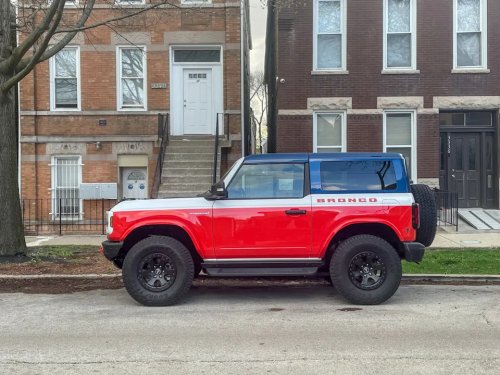
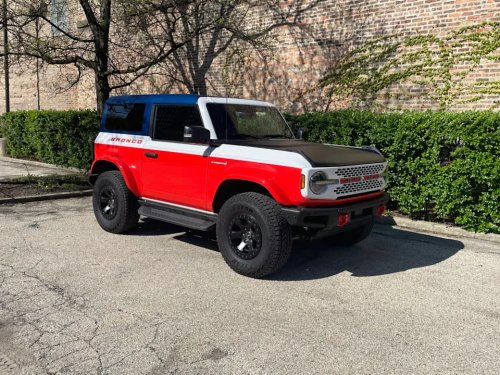
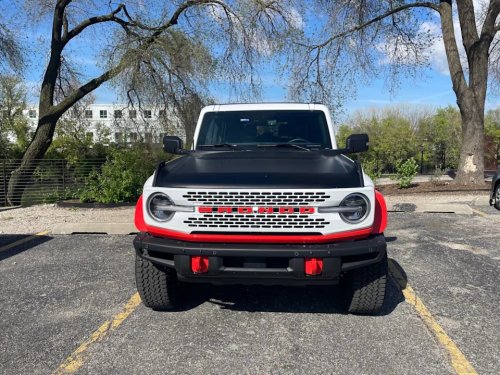
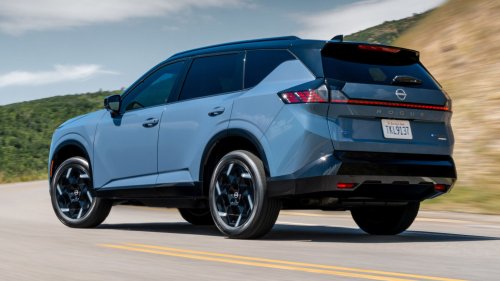
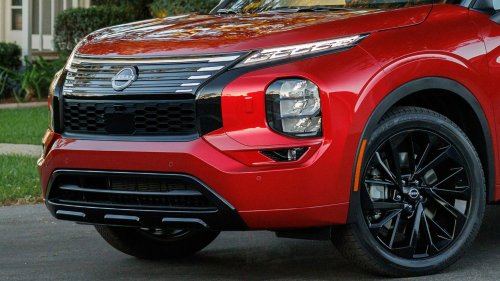
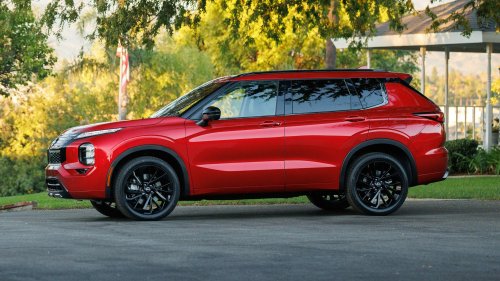
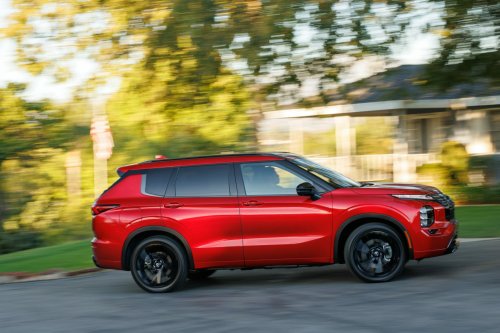
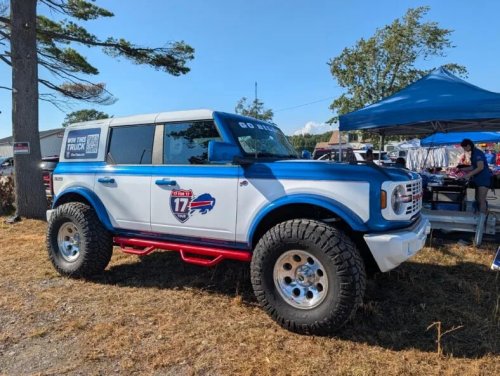
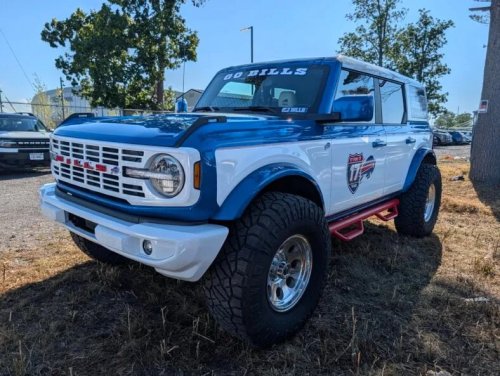
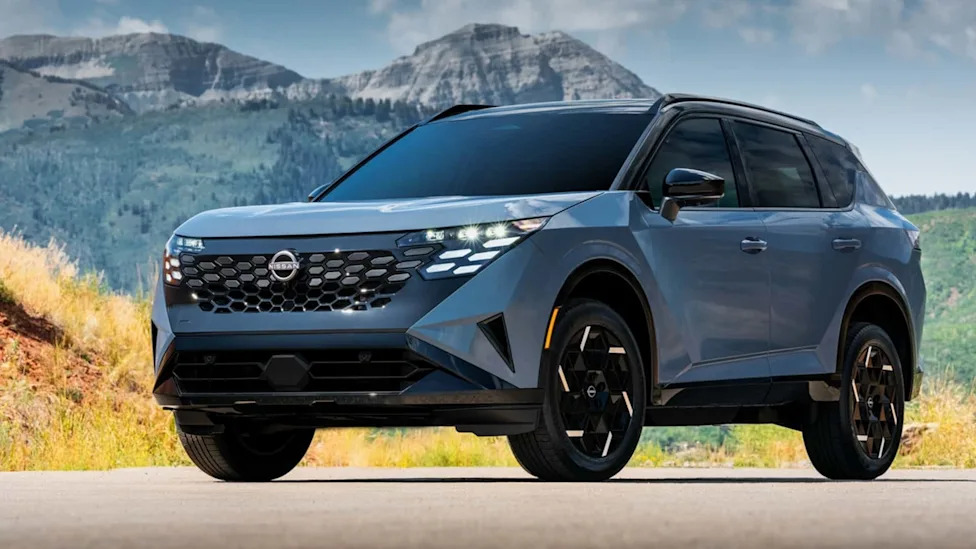
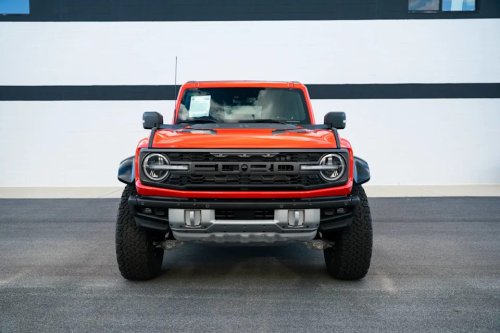
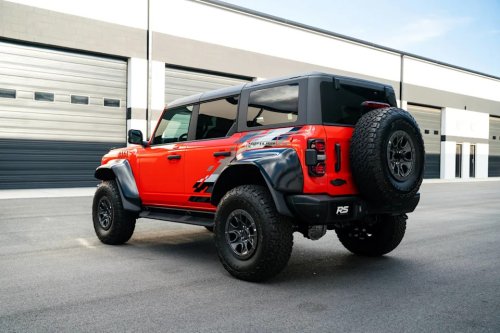
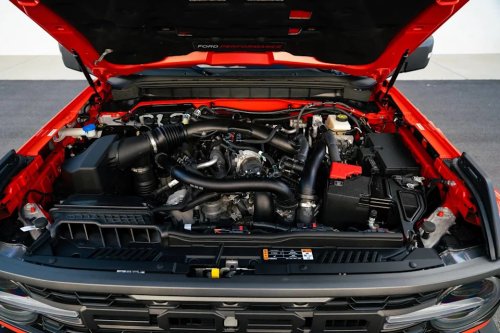
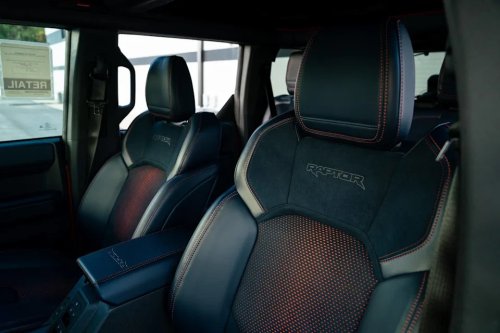
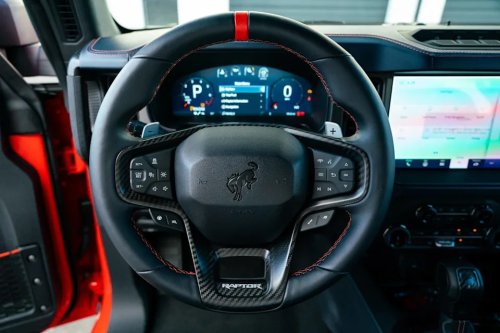
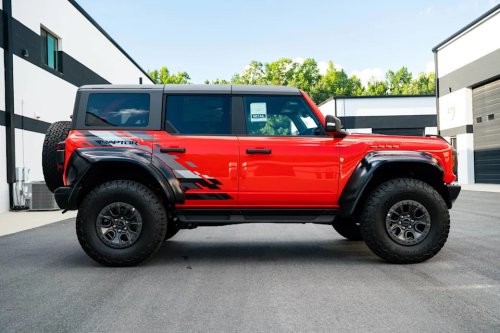
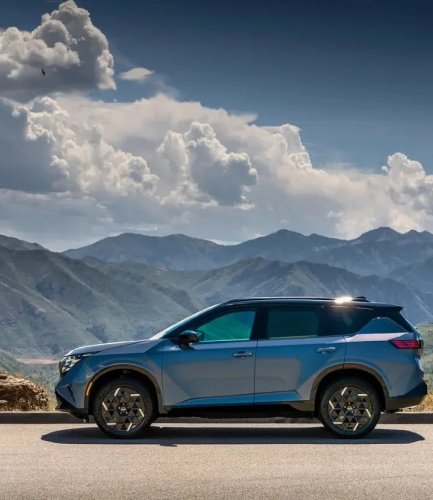
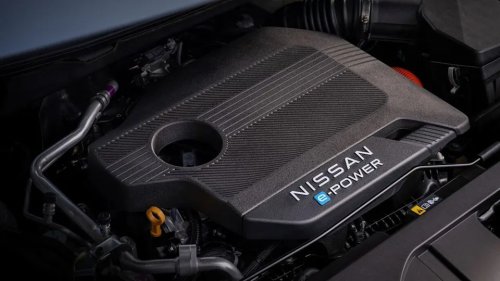
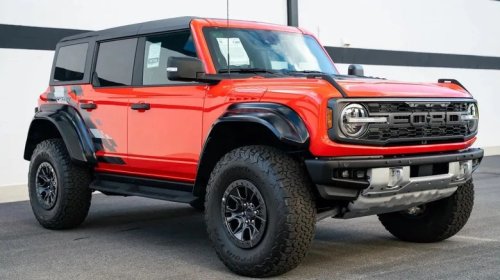
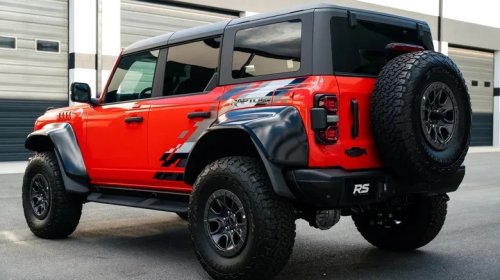
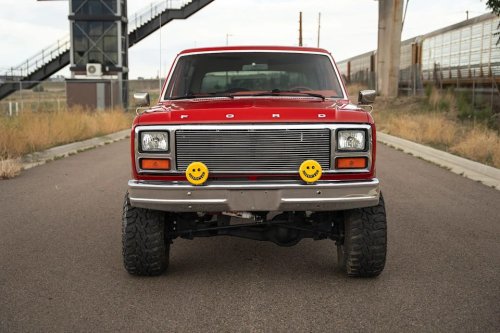
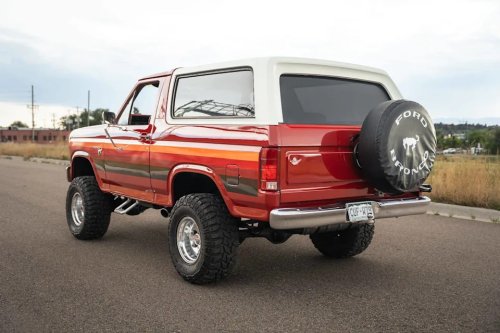
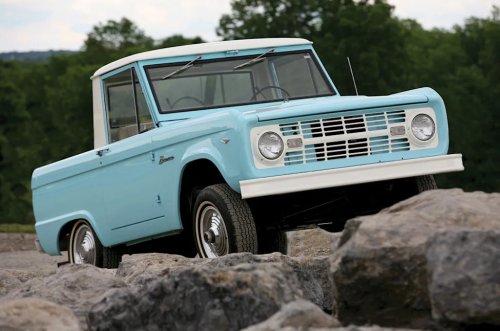
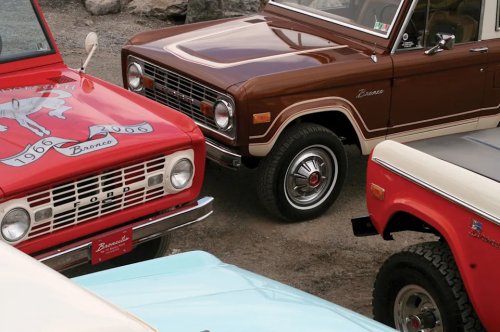
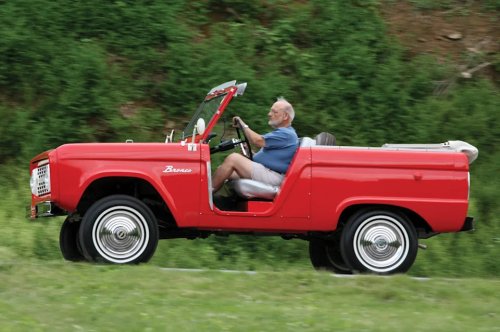
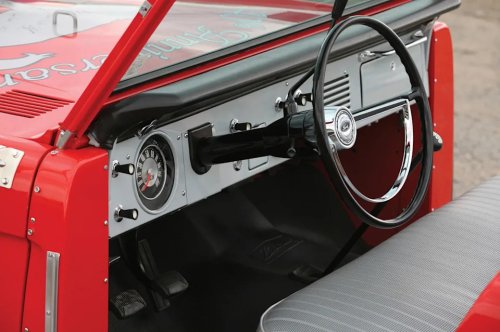
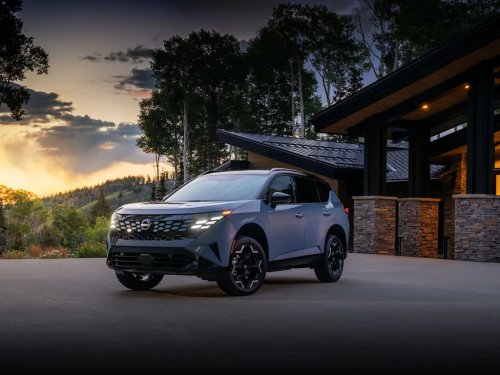
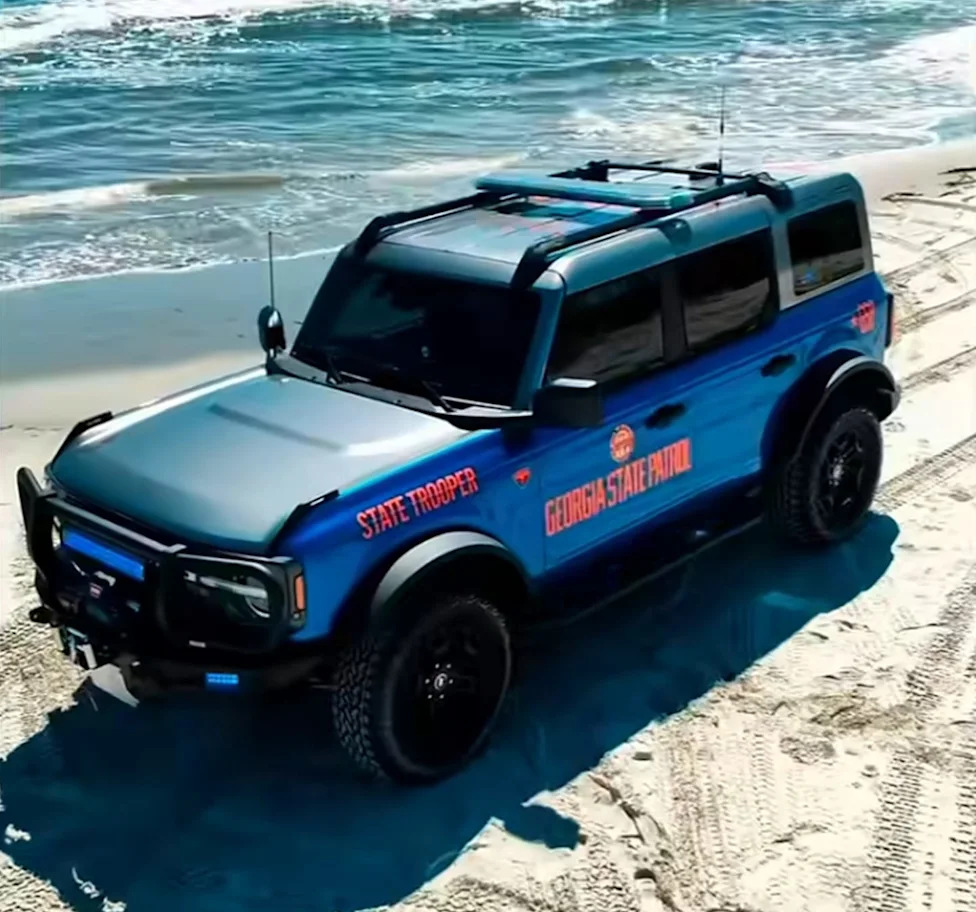
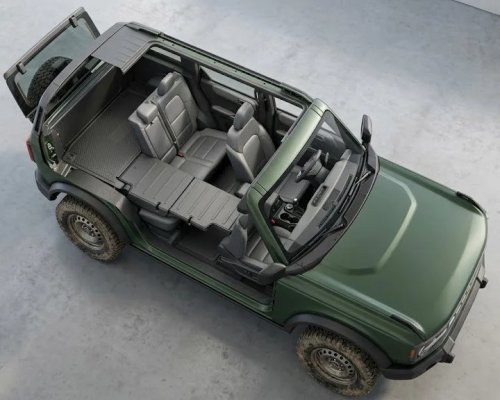
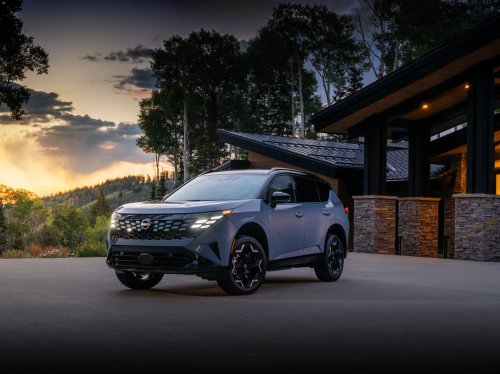
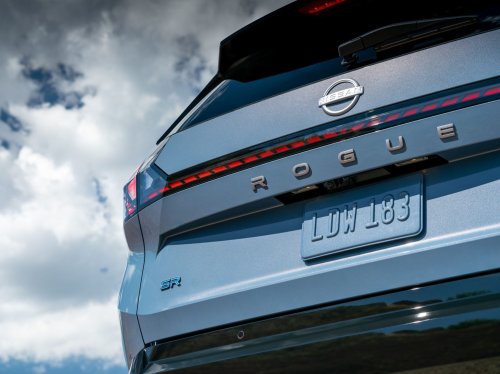
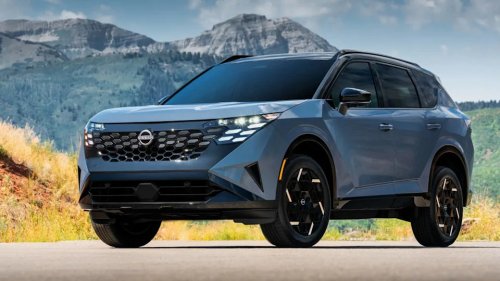
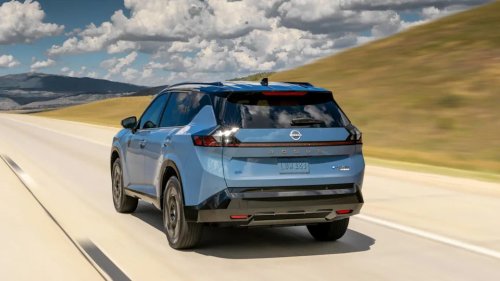
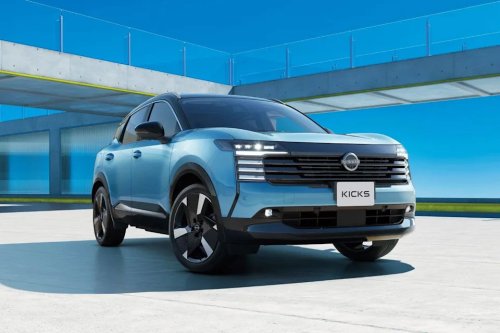
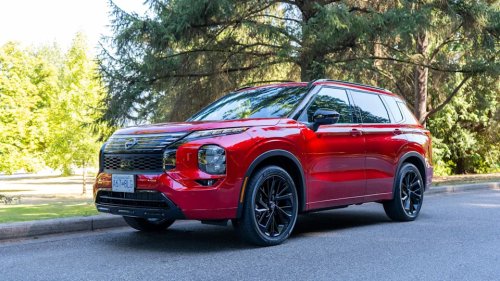
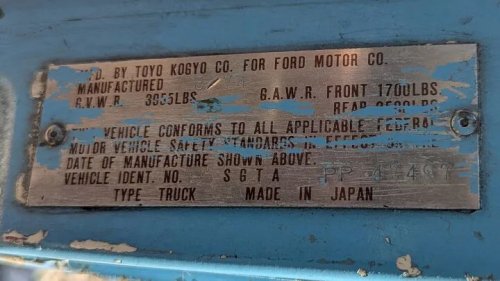
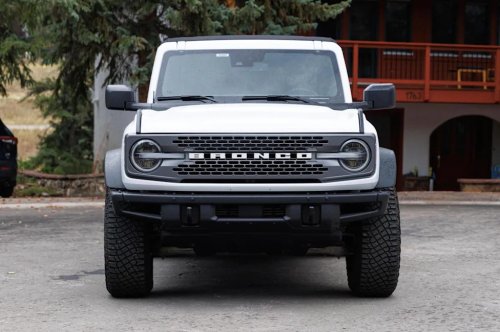
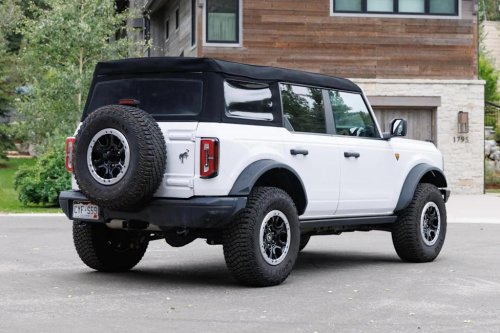
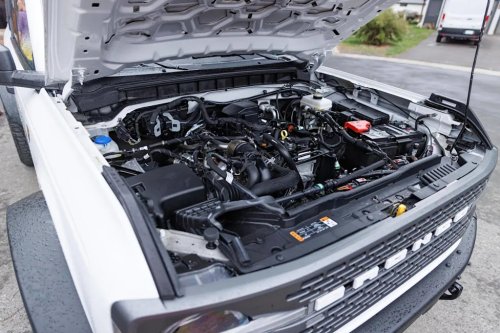
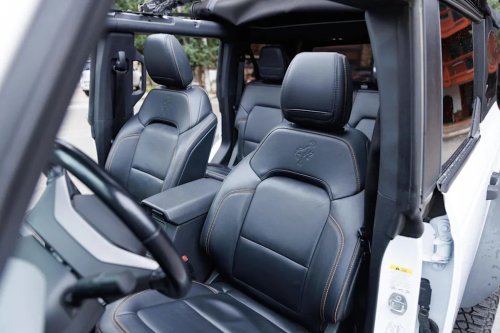
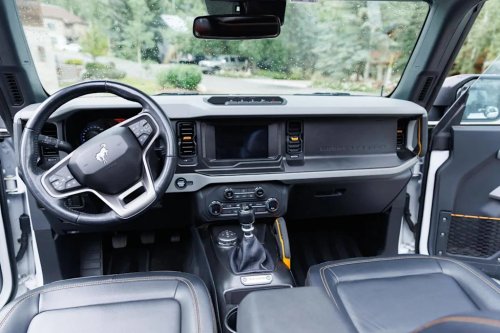
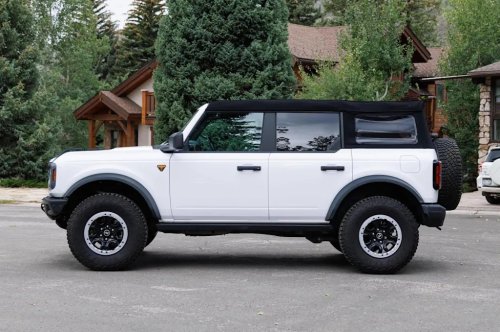
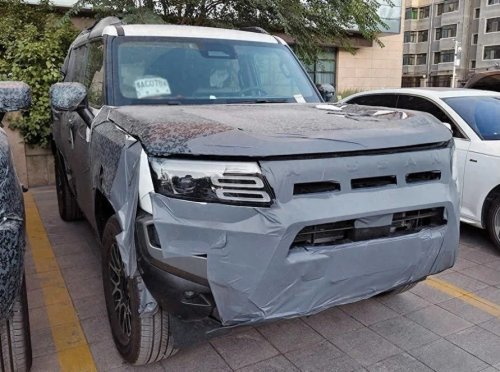
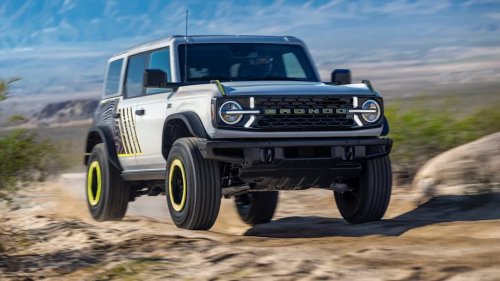
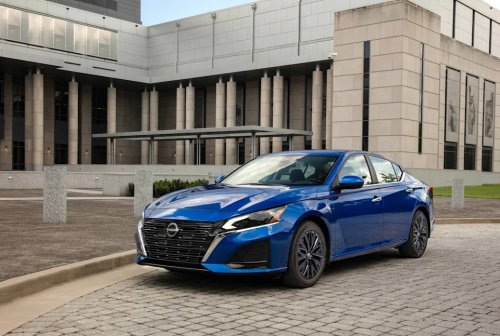
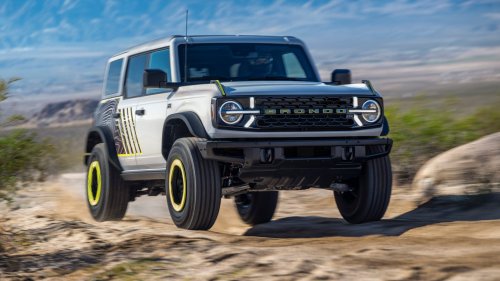
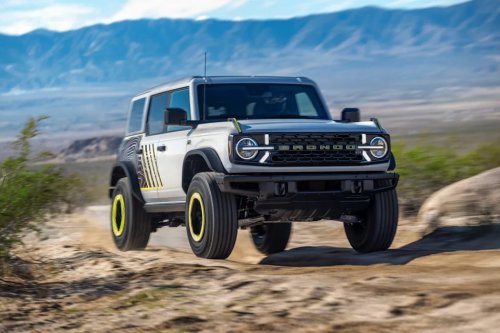
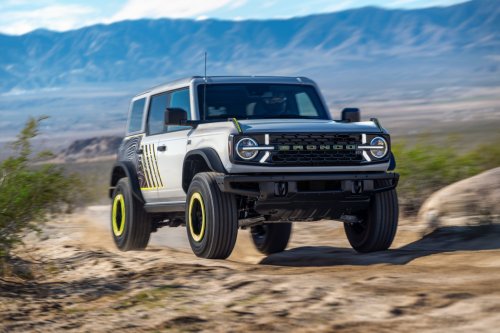
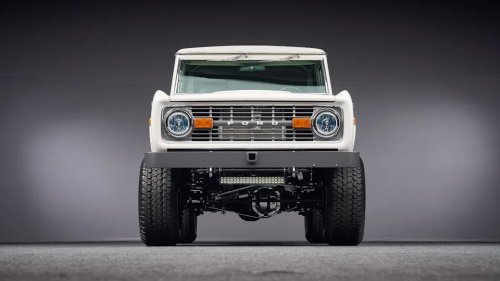
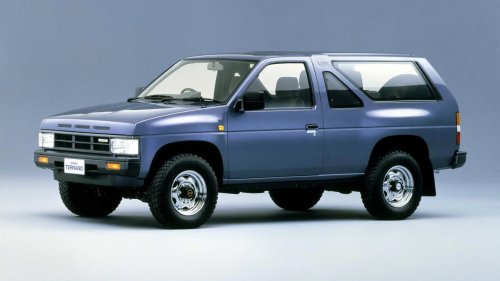
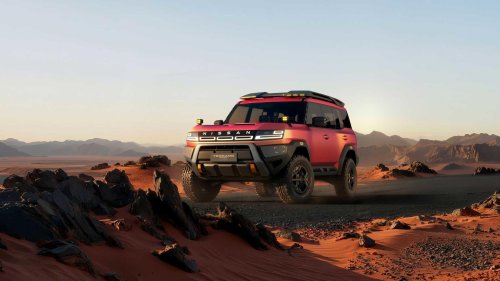
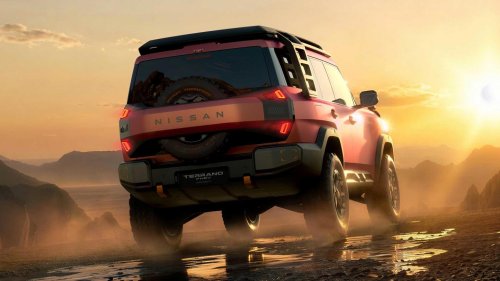
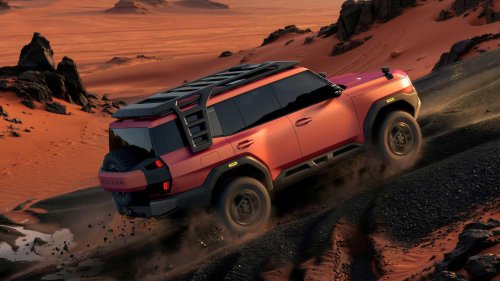
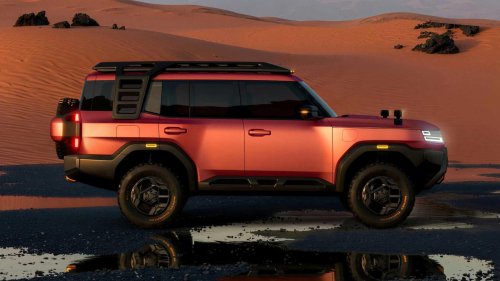
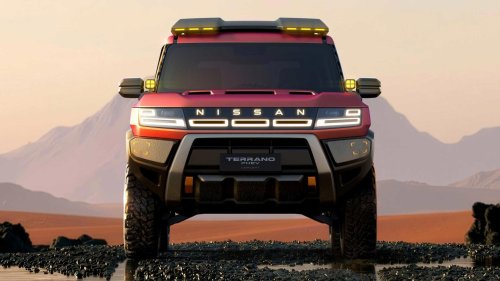
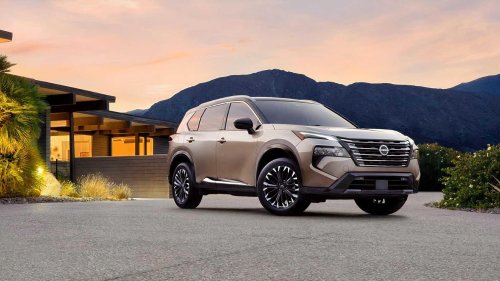
After a 25-year hiatus, the sixth-generation Ford Bronco made its long-awaited debut in July 2020 for the 2021 model year. Its reintroduction instantly captured the automotive world's attention. Although sold only in the U.S., fans worldwide still wish for an exported version. Ford’s designers achieved this by blending the boxy, short-wheelbase silhouette of the original 1966 iteration with modern sophistication. Features include the incorporation of signature elements like the round LED headlights, flat body sides, and a high-clearance stance.The retro-futuristic design also introduces contemporary innovations like an independent front suspension and modular removable doors. This formula has proven to be a massive commercial triumph. Despite early supply chain hurdles, the Bronco has seen explosive growth, culminating in a record-breaking 2025, reflecting more than 146,000 units sold. This reflects nearly a 34 percent year-over-year increase. Ford looks to break this record in 2026, having sold 35,021 units throughout Q1. While this generation is close to the end of its life-cycle, the Bronco remains a staple of the off-road segment. It has successfully narrowed the sales gap with key rivals, prompting a lot of competitors to consider reviving their former off-roading legends with a similar design strategy. Off-Road SUVs Continue To Get More Popular Nissan The surging demand for off-road SUVs in the U.S. is largely driven by a post-pandemic shift toward adventure tourism. This coincides with the arrival of the current-generation Bronco. More consumers now demand versatile vehicles that can transition seamlessly from daily commuters to remote weekend escapes. Unlike the rugged but compromise-heavy models of the past, modern examples like the Bronco and the 2026 Toyota 4Runner benefit from advanced platform architectures. These prioritize daily usability through independent front suspensions, sophisticated noise-insulation materials, and tech-focused cabins featuring advanced touchscreens and wireless connectivity.These SUVs also boast significantly improved reliability compared to their predecessors. They adopt modern high-efficiency turbochargers and hybrid powertrains that offer consistent power delivery and lower maintenance needs. Furthermore, the integration of intelligent drive-mode systems and comprehensive safety suites allows even novice drivers to navigate technical terrain with confidence, effectively turning what was once a niche hobby into a practical lifestyle choice for the average American household. Nissan's Forgotten Off-Roading Legend Nissan The WD21 Nissan Terrano first entered the market in 1986 as a rugged, body-on-frame SUV. In the U.S., it adopted the more familiar Pathfinder moniker. Most typically recognize the badge for its second generation, the Terrano II, which was introduced in 1993. Nissan never introduced this model to the U.S., but it was a massive hit in global markets, until its demise in 2006.Despite its durability and strong global sales in the 1990s, the model eventually struggled against newer, more refined unibody crossovers that offered superior fuel economy and on-road comfort. Consequently, Nissan decided to retire the nameplate in the mid-2000s to streamline its global SUV identity under the Pathfinder banner. This created a clear path for modern replacements like the Rogue and Rogue Sport. The Terrano Concept Breathes New Life Into Nissan Nissan At the 2026 Auto China show, Nissan introduced two new plug-in hybrid SUV concepts as part of its plan to release five new electrified models in the region over the next year. The first, the Urban SUV, is a compact vehicle designed for city driving, while the second marks the return of the Terrano name with a focus on both off-roading and daily commuting.Nissan expects to reveal production-ready versions of these vehicles within a year, viewing the Chinese market as a primary location. There is a strong possibility that they will go on to develop examples intended for global exports. Under this new strategy, the company aims to move away from traditional engines toward cleaner, easier-to-adopt electrified powertrains, including hybrids and BEVs. Why This Is An Important Strategy Nissan If we take this market shift into consideration, Nissan's timely introduction of a new Terrano is ideal. Consumer preferences are clearly pivoting away from full electrification, so the decision to make it a plug-in hybrid adds strong appeal. Recent sales data shows that hybrid registrations have surged to nearly 30 percent of the market while battery-electric adoption has cooled, largely due to lingering concerns over charging infrastructure and the high depreciation of used EVs. Nissan's miscalculated plans have led to dire financial consequences. Reuters reports that it has cut its total global workforce by 15 percent after closing one of its production lines in the U.K.Nissan This technology, showcased in the recent concept, shows us that Nissan can offer American buyers an adventure-ready SUV. The new design is reminiscent of the original Pathfinder that proved to be immensely successful in the U.S., but without the range anxiety of a pure electric configuration. This middle-ground approach allows Nissan to capitalize on the lucrative off-road SUV segment, providing a vehicle that is capable of technical trail work while remaining efficient enough for the long-distance highway hauls that define American driving habits. The Xterra Project Bolsters Nissan's Future Nissan Nissan is doubling down on its resurrection strategy, as it also plans to introduce an all-new Xterra for the 2029 model year. This will be a critical introduction for the brand and is expected to be a volume-driver SUV that sits above the niche Terrano PHEV. The Japanese brand plans to base it on a rugged, American-produced body-on-frame platform shared with future trucks and multi-row SUVs. The third-generation Xterra will directly challenge rivals in the midsize segment with an assertive design characterized by modern amber DRLs and a high-clearance stance.Most importantly, it bridges the gap between traditional power and modern efficiency by offering a standard V-6 engine alongside an optional hybrid powertrain. This direction ensures it has the low-end torque required for serious trail work without the range constraints of a full EV. As per a report conducted by Edmunds, Nissan plans to position the Xterra as a capable, mid-sized adventure vehicle with a targeted starting price under $40,000. This decision effectively reclaims its off-road heritage to appeal to a growing segment of enthusiasts who value both mechanical toughness and daily practicality. The Terrano Needs To Fight Hard NissanThe primary challenge for Nissan will be overcoming the deeply entrenched brand loyalty and mechanical credibility that the Ford Bronco has solidified in the American off-road community. While the Terrano’s plug-in hybrid system offers a clear efficiency advantage, it faces a market that is increasingly skeptical of PHEV complexity. This includes high upfront costs and the potential for long-term electrical reliability issues, which often deter buyers looking for a long-lasting trail-climber.NissanFurthermore, the Bronco’s identity is built on a pure mechanical experience, offering features like a manual transmission and a highly modular, open-air design. To compete, Nissan must prove that its hybrid powertrain can handle the heat and torque demands of technical rock-crawling without software glitches. It also has to overcome its soft-roader reputation, created by its existing crossover-focused lineup. Ultimately, the Terrano will have to justify its premium price tag by demonstrating that its fuel savings aren't offset by the rapid depreciation and maintenance hurdles that have plagued many of its hybrid SUV contemporaries in 2026. Nissan Desperately Needs High-Volume Sellers Nissan In the first quarter of 2026, Nissan’s U.S. market performance was defined by a stark divide between its flourishing utility lineup and its collapsing sedan portfolio. While the group reported an overall sales decline of 7.5 percent, totaling 247,068 units, the brand's trucks and SUVs emerged as clear bestsellers. Demand for this catalog collectively increased by 15.6 percent. The Nissan Rogue remains the undisputed volume leader, moving 70,174 units and remarkably outselling Nissan’s entire passenger car lineup combined.Other high performers included the Frontier, up 47.9 percent, and the Pathfinder, up 45.2 percent. This duo benefits from a disciplined retail strategy focusing on U.S.-built inventory and a consumer shift toward rugged, versatile vehicles. Conversely, the worst-sellers list was dominated by legacy sedans and aging EVs. The Sentra, Altima, and Versa all saw catastrophic drops of 34 to 47 percent. Even the Leaf struggled, with sales plummeting 71 percent to just 668 units, suggesting that Nissan’s traditional cars are rapidly losing relevance as the brand transitions its identity toward the more profitable adventure and crossover segments.




















 +26 others