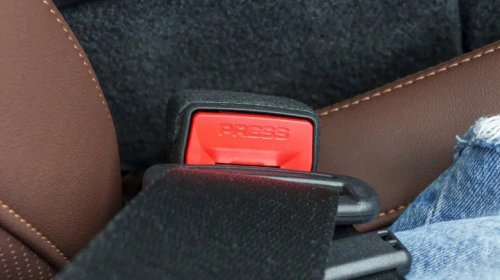
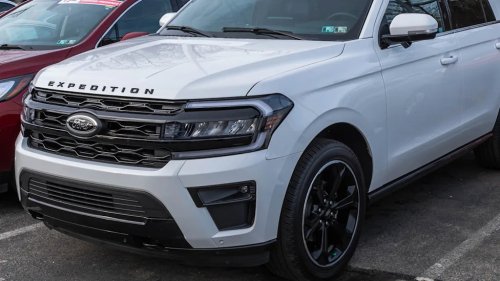
NHTSA: Ford recalls 419,967 U.S. vehicles over seat belt malfunctionFord Motor Company is recalling 419,967 sport-utility vehicles in the United States after regulators flagged a defect that could prevent seat belts from tightening properly in a crash. The action, initiated in coordination with the National Highway Traffic Safety Administration, focuses on large SUVs where a key safety component may fail at the moment it is needed most. The recall covers certain Ford Expedition and Lincoln Navigator vehicles built over multiple model years. It reflects growing scrutiny of how advanced restraint systems perform in real-world collisions and renews attention on the basic expectation that a seat belt will work every time. What changed in NHTSA: Ford recalls 419,967 U.S. vehicles over seat belt malfunction Federal safety regulators said nearly 420,000 Ford vehicles are being recalled after an investigation into seat belt pretensioners used in the front seating positions. In affected SUVs, the driver and front passenger seat belt pretensioner assemblies can malfunction, meaning they may not properly tighten the belt during a crash. That failure can increase the risk of injury for occupants who rely on the system to remove slack from the belt in the first milliseconds of a collision, according to NHTSA findings. The recall covers 419,967 Ford Expedition and Lincoln Navigator SUVs in the United States that were built for the 2018 through 2022 model years. These are full-size, body-on-frame vehicles that often carry multiple passengers and are frequently used for family transport, business fleets, and livery services. Regulators identified the vehicles after reviewing field data and engineering information that pointed to a defect in the pretensioner mechanism on the front outboard seats. Seat belt pretensioners are small pyrotechnic or mechanical devices that rapidly pull the belt tight when a crash sensor detects a severe impact. In the recalled SUVs, the pretensioner can fail to deploy as intended. According to the recall documentation summarized by safety officials, the malfunction may leave extra slack in the belt at the moment of impact, allowing greater forward movement of the occupant. Ford told regulators it would notify owners and dealers of the problem and provide a remedy at no cost. The company plans to replace or repair the affected pretensioner assemblies after inspecting each vehicle. The recall covers vehicles registered across the United States, and Ford has committed to contacting owners by mail with instructions on how to schedule service once parts and procedures are in place. Why NHTSA: Ford recalls 419,967 U.S. vehicles over seat belt malfunction matters now Seat belts remain the most fundamental safety feature in any vehicle, and pretensioners are a critical enhancement designed to work with airbags and crumple zones. When pretensioners do not function correctly, the entire restraint system can underperform in a crash. In these Ford Expedition and Lincoln Navigator SUVs, the defect affects the driver and front passenger seating positions, which are the most occupied spots and the ones most frequently involved in serious frontal impacts, according to recall summaries. The scale of the recall is also significant. With 419,967 vehicles affected in the United States, the issue touches a substantial share of Ford’s recent full-size SUV production. Many of these vehicles are still relatively new, with some only a few years old, and they often serve as primary family transport. The combination of large passenger capacity, frequent highway use, and towing or hauling duties means these SUVs see demanding real-world conditions where crash risks can be significant. Regulators have not detailed a long list of injuries tied directly to this defect, but the recall is framed as a preventive step to reduce the risk that seat belts fail to protect occupants in a severe crash. The National Highway Traffic Safety Administration has pressed automakers to address restraint system issues quickly, especially when they involve core components like pretensioners and airbags. In this case, the agency highlighted the increased injury risk if the pretensioners do not operate as designed, a concern reflected in regulatory filings. The recall also arrives amid heightened attention to vehicle safety and corporate accountability. Large recalls can influence consumer confidence, particularly when they involve family-oriented SUVs sold under well-known nameplates like Expedition and Navigator. Owners who purchased these vehicles for their size and safety image may feel unsettled by a defect that strikes at the core function of a seat belt. It also underscores how complex modern safety systems have become. Pretensioners are tightly integrated with crash sensors, control modules, and airbag deployment logic. A fault in one component can ripple through the entire restraint strategy. That complexity increases the importance of rigorous testing and quality control, as well as transparent reporting when problems emerge. From a regulatory perspective, the action reinforces NHTSA’s role as a watchdog for safety-critical components. The agency depends on a combination of automaker reports, consumer complaints, and crash data to identify patterns. Once a defect is confirmed, recalls like this one become a key tool to mitigate risk across hundreds of thousands of vehicles already on the road. What comes next for NHTSA: Ford recalls 419,967 U.S. vehicles over seat belt malfunction For owners of affected Ford Expedition and Lincoln Navigator SUVs, the immediate next step is to wait for official notification and then schedule a repair appointment. Ford has said it will notify owners of the 419,967 vehicles by mail and instruct them to bring their SUVs to a dealer, where technicians will inspect and, if necessary, replace the front seat belt pretensioner assemblies. The repairs will be performed free of charge, according to company statements. Until repairs are completed, regulators have not ordered owners to stop driving the vehicles, but they emphasize the importance of using seat belts on every trip. While the defect can reduce the effectiveness of the pretensioners, the belts still provide substantial protection compared with riding unrestrained. Safety agencies typically advise drivers to avoid unnecessary high-speed travel or aggressive driving when a restraint system defect is known but not yet fixed, although such specific guidance has not been detailed in the available recall descriptions and is therefore Unverified based on available sources. From NHTSA’s perspective, the recall will move into a monitoring phase once owner notifications begin. The agency will review Ford’s progress in completing repairs, track any new complaints or incidents, and determine whether additional action is needed. If new data suggest the defect affects more vehicles or involves additional components, regulators could push for an expanded recall or further engineering changes. Ford, for its part, faces both technical and reputational tasks. Technically, the company must ensure that replacement pretensioners are available in sufficient quantity and that dealers are trained to perform the repairs correctly and efficiently. Logistically, coordinating nearly 420,000 potential service visits requires careful planning to avoid long wait times and parts shortages, especially in regions where Expeditions and Navigators are popular. Reputationally, Ford will need to reassure customers that the defect has been fully addressed and that future vehicles will not suffer similar issues. Clear communication, prompt repairs, and transparent reporting to regulators can help rebuild confidence. How the company handles the recall could influence buyer perceptions of its broader safety culture at a time when consumers have many choices in the large SUV segment. More broadly, the recall may prompt other automakers to reexamine their own seat belt pretensioner designs and testing protocols. When a defect in a widely used technology surfaces, suppliers and manufacturers across the industry often review their systems to avoid parallel problems. That knock-on effect can lead to design improvements that extend beyond the specific vehicles named in a recall. For drivers and passengers, the message is straightforward. Checking a vehicle’s identification number against recall databases, paying attention to manufacturer notices, and promptly scheduling repairs remain essential habits. The Ford Expedition and Lincoln Navigator recall is a reminder that even well-equipped modern SUVs can harbor hidden flaws, and that safety depends not only on buying a vehicle with advanced features but also on keeping those features in proper working order. More from Fast Lane Only Unboxing the WWII Jeep in a Crate 15 rare Chevys collectors are quietly buying 10 underrated V8s still worth hunting down Police notice this before you even roll window down *Research for this article included AI assistance, with all final content reviewed by human editors



















 +3 others