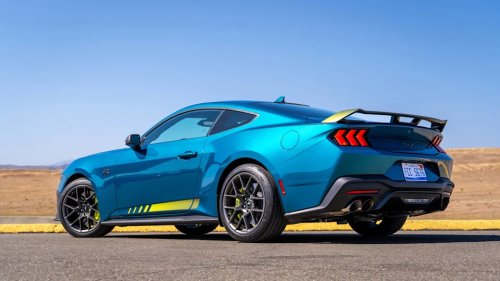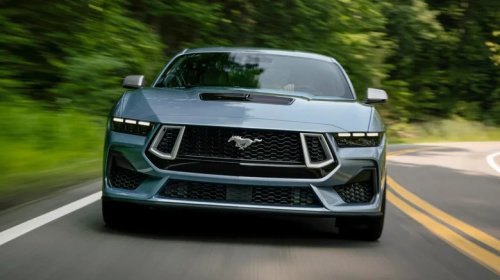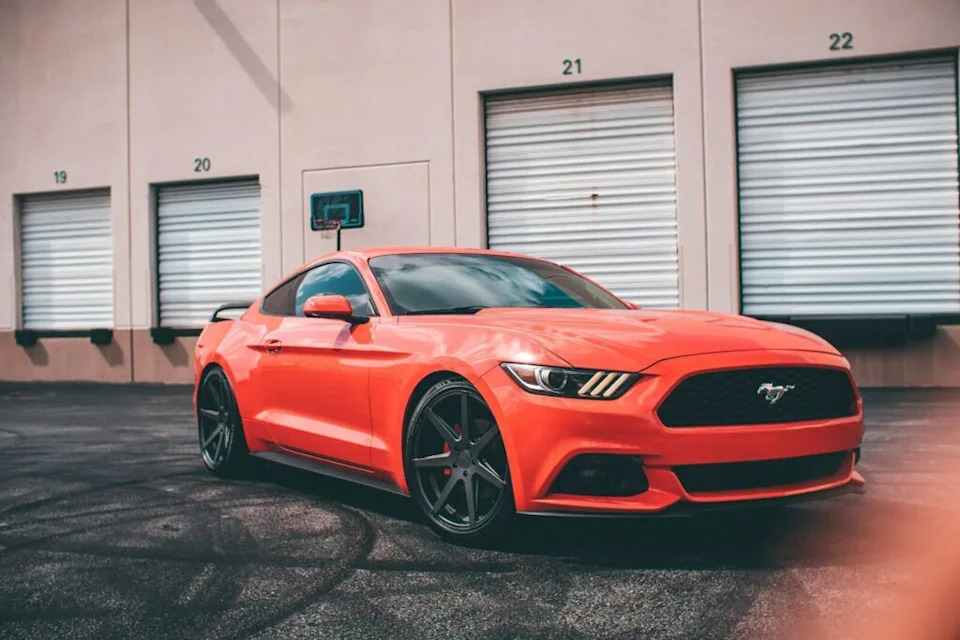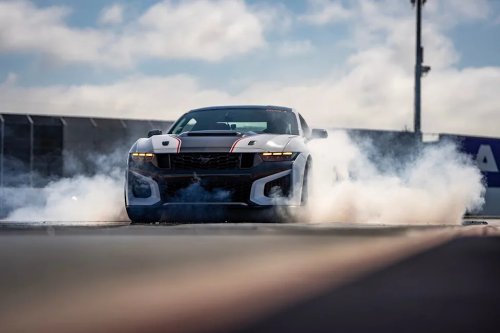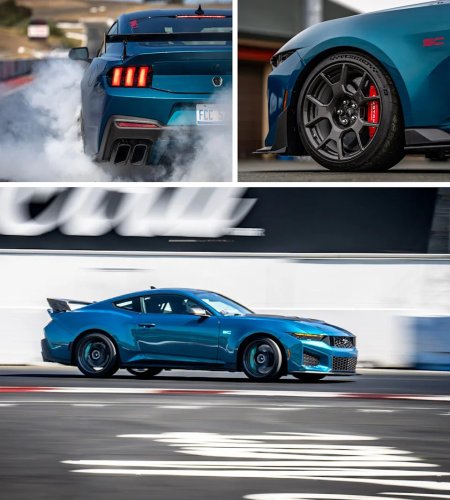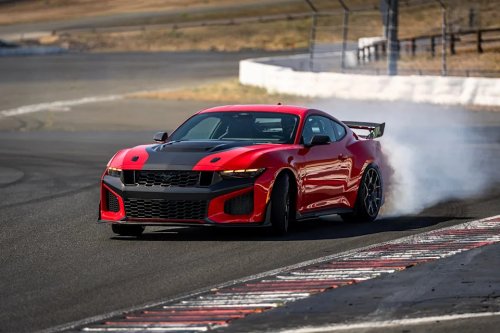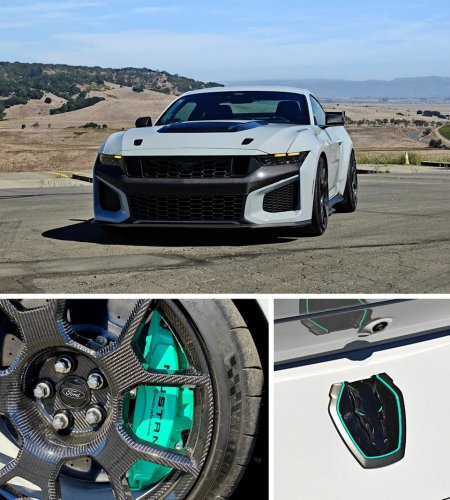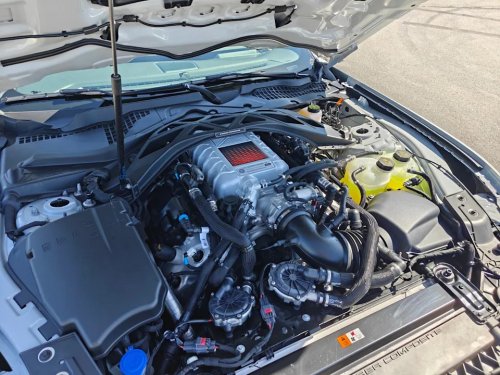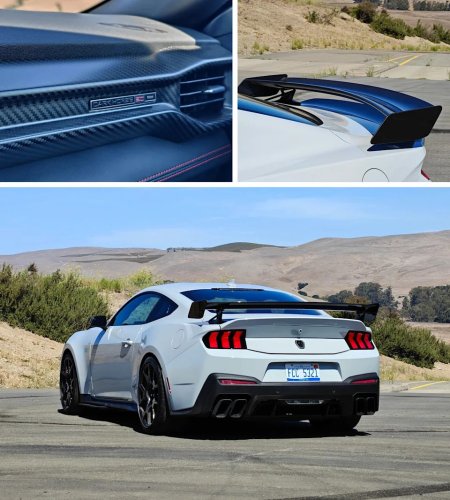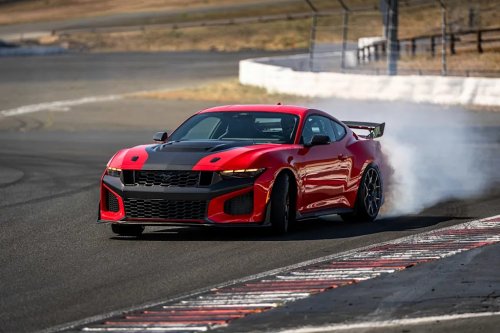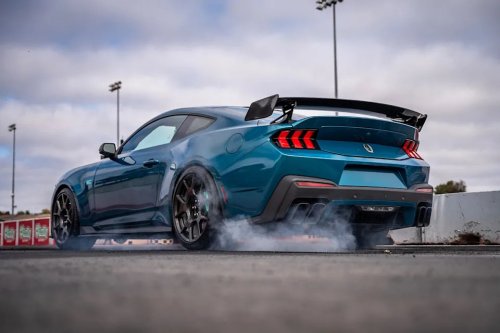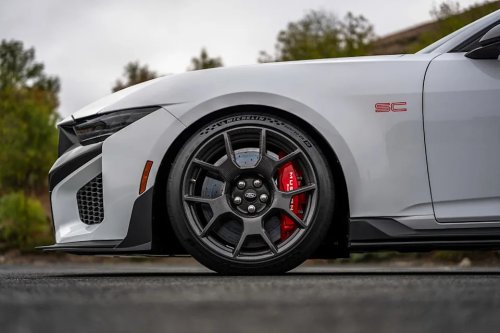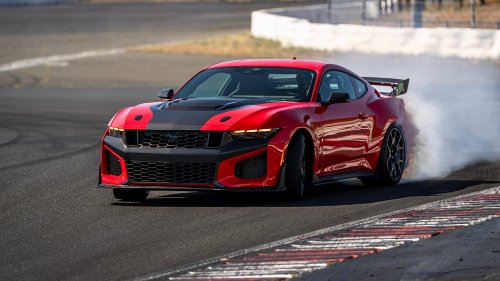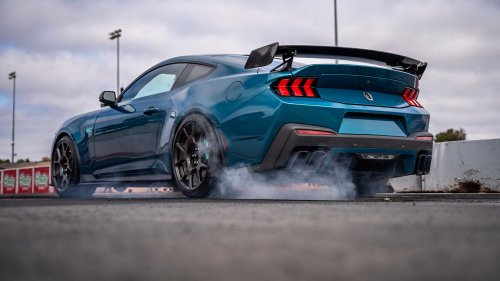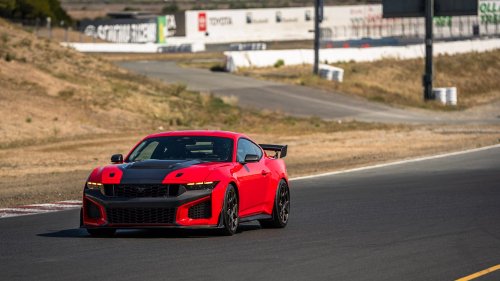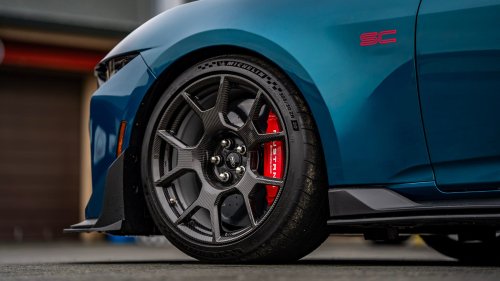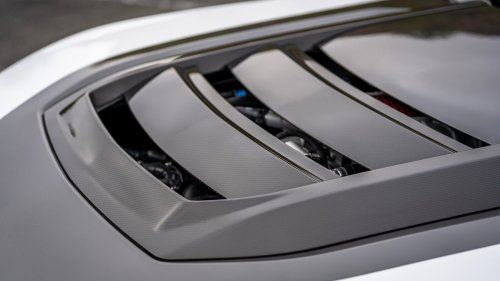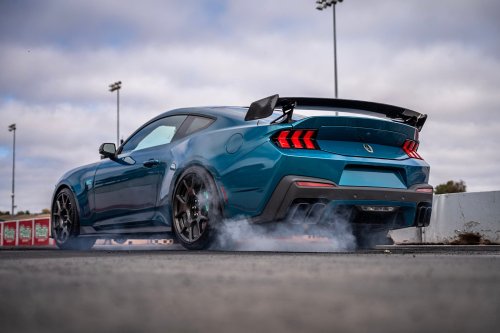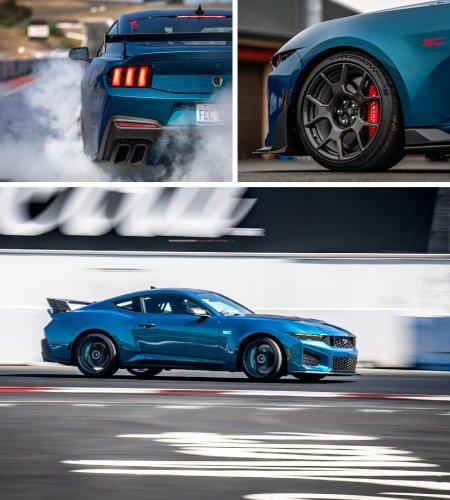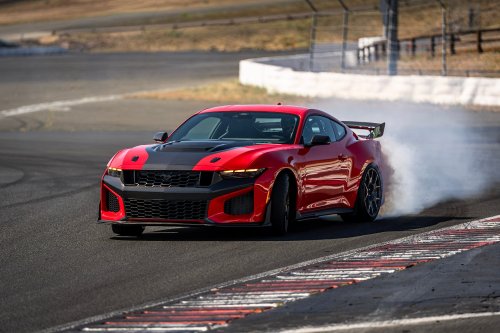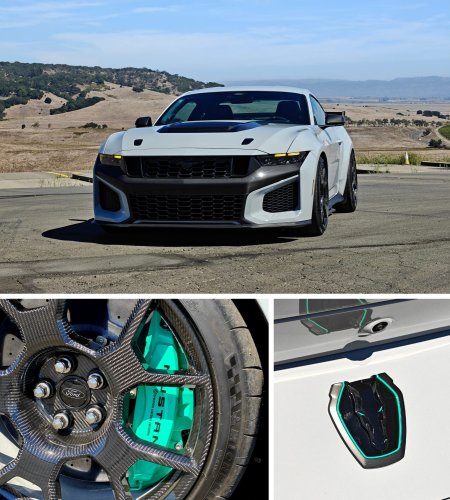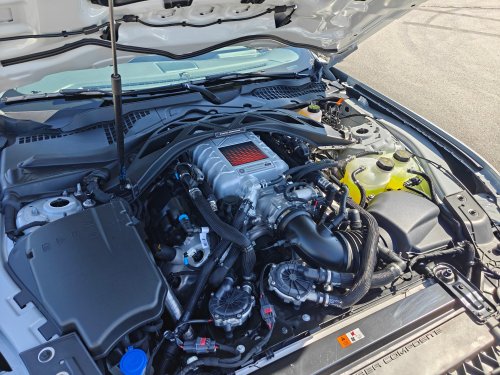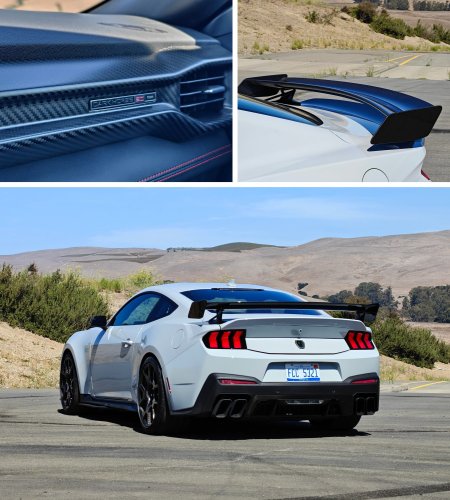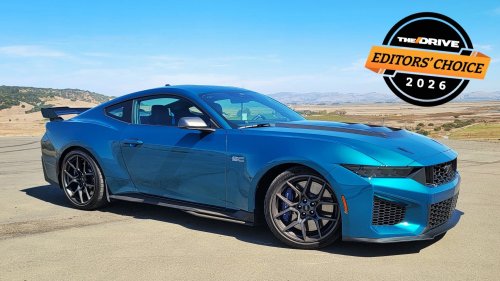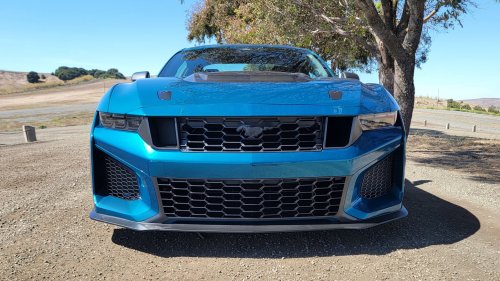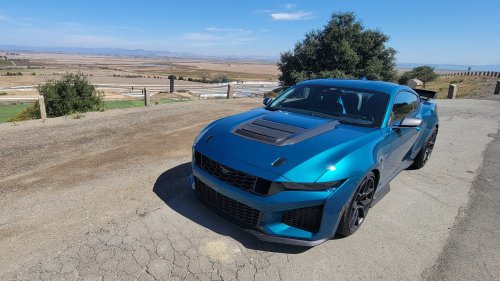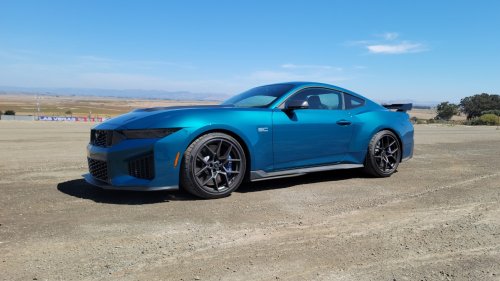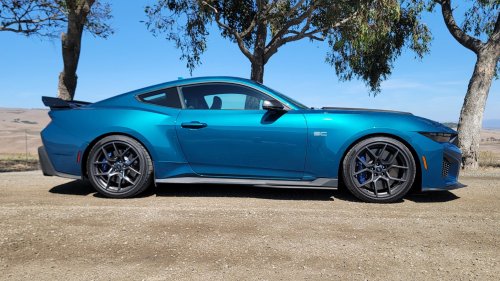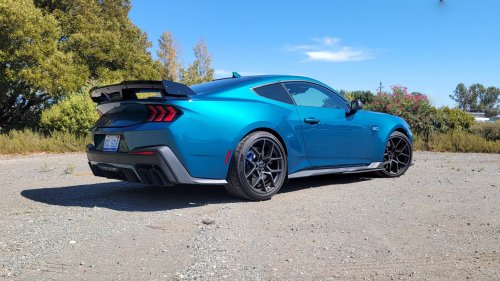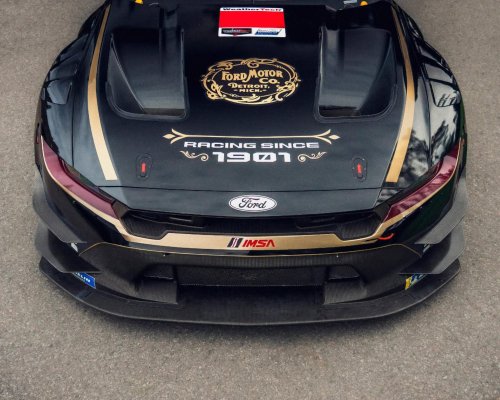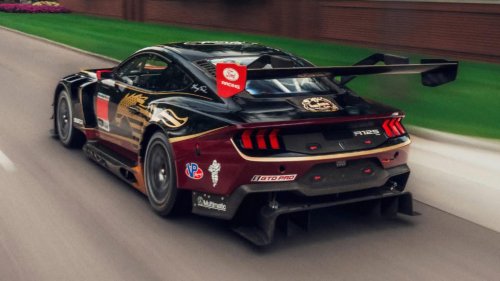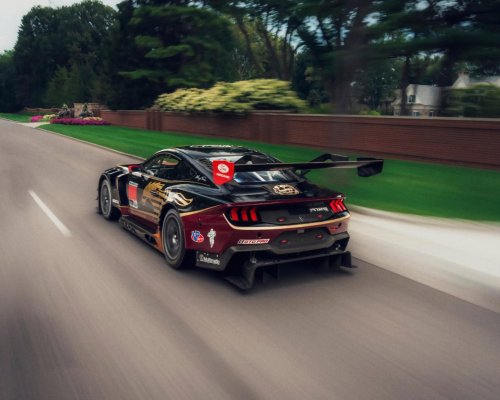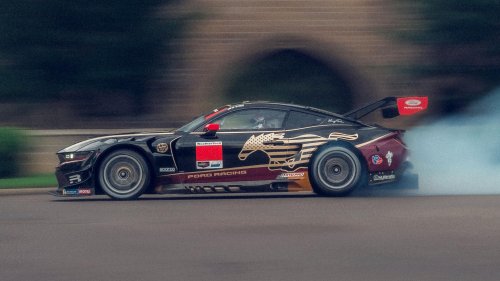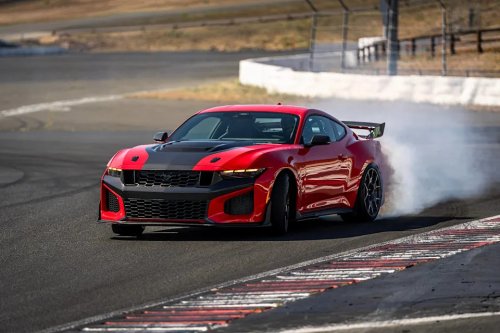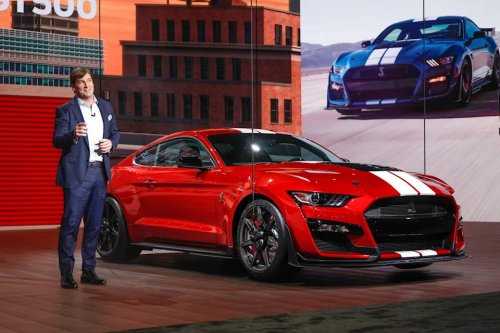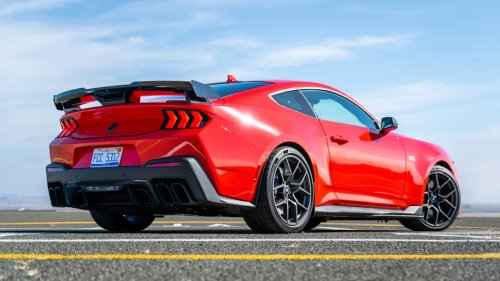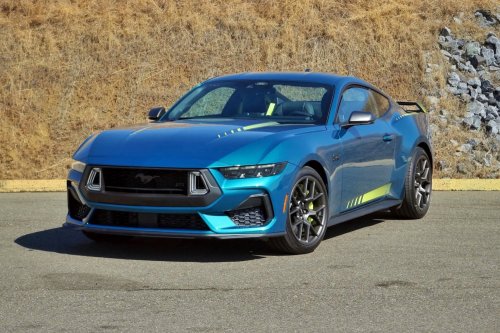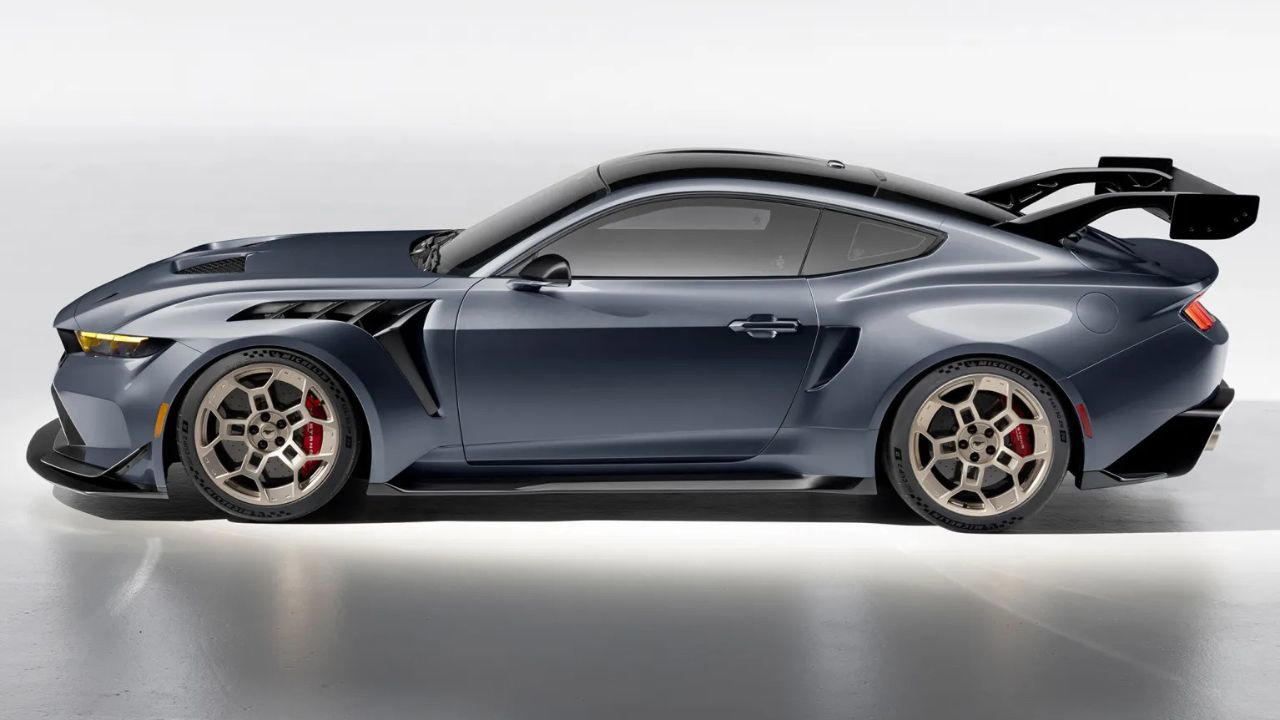



















Ford has moved to protect the visual identity of its halo Mustang by ordering a prominent YouTuber to halt plans for a body kit that closely mimics the Mustang GTD. The cease-and-desist letter lands at the intersection of factory-backed performance, influencer culture, and a thriving aftermarket that depends on pushing visual boundaries. At the heart of the dispute is whether a tuner can sell a kit that makes a regular Mustang look nearly identical to Ford’s limited-production GTD, a track-focused flagship positioned far above the standard pony car. How Ford handles this clash with a high-profile creator could shape how aggressively automakers police lookalike builds in the social media era. How Ford’s cease-and-desist changed the Mustang GTD replica project The conflict began when YouTuber and tuner TJ Hunt revealed plans to develop a widebody kit that would give a standard Ford Mustang styling very similar to the Mustang GTD. Hunt, who has built a business around modified cars and branded parts, previewed the project as a centerpiece for a future SEMA build and as a product his company could sell to customers. According to reporting on the letter, Ford’s legal team contacted Hunt and demanded he stop work on the GTD-style kit. The automaker argued that the proposed design copied the distinctive look of the Mustang GTD too closely, including its aggressive front fascia, deep vents, and towering rear wing. The message was clear: Ford sees the GTD’s appearance as proprietary, not just another variation on Mustang styling that anyone can sell. Hunt described receiving a formal cease-and-desist that targeted the kit’s resemblance to the GTD and its marketing as a near-replica. Coverage of the dispute notes that Ford framed the issue as a matter of intellectual property, not a personal attack on Hunt’s channel or his broader catalog of parts. The company did not object to modifying Mustangs in general, but rather to a product built to imitate one specific, high-end model. The letter effectively froze the project. Hunt paused development of the GTD-style kit and pulled back from plans to showcase a completed car at SEMA. That decision removed what could have been one of the show’s most talked-about unofficial Ford builds, and it sent a signal to other tuners considering similar “halo car” conversions. In coverage that focused on the human side of the story, Hunt’s audience learned how the cease-and-desist upended months of planning, from design work to manufacturing logistics. Reporting highlighted how one letter from Ford’s legal department can instantly change the trajectory of an aftermarket project that was already being teased to hundreds of thousands of followers, as described in the account on Ford’s cease-and-desist. Why Ford’s move against a GTD lookalike matters for the wider car world The Mustang GTD is not just another trim level. Ford has positioned it as a track-ready, road-legal showcase with a price tag and performance envelope far above the mainstream Mustang GT. That status gives Ford a strong incentive to keep the GTD’s visual identity exclusive, especially when the car’s rarity and cost are part of its appeal to collectors and enthusiasts. By targeting a GTD-style body kit, Ford is drawing a line between generic Mustang modifications and products that could blur the distinction between a factory-built GTD and a dressed-up standard car. If anyone could bolt on a kit and claim GTD looks, the argument goes, the cachet of owning the real thing might erode, and the brand value tied to that model could weaken. For the aftermarket, the letter raises uncomfortable questions about where design inspiration ends and infringement begins. Widebody kits, aggressive aero, and motorsport-inspired wings have been part of Mustang tuning for decades. Many of those parts echo cues from factory race cars or special editions. The difference in this case, as Ford’s legal stance suggests, is the intent to create a near one-to-one visual clone of a specific, named model that has its own marketing and intellectual property protections. The situation also highlights the power dynamics between large automakers and independent creators who rely on social media. Hunt’s business model blends content and commerce: he builds cars on camera, then sells parts that let viewers chase a similar look. When a company like Ford intervenes, it affects not only a single build but also the revenue stream tied to that narrative. Reporting on the dispute notes that the cease-and-desist hit just as Hunt was gearing up to promote the kit as a flagship product for his brand, a detail emphasized in coverage of the Mustang GTD lookalike. Enthusiasts watching from the sidelines are split. Some argue that Ford is right to guard a hero car that required heavy investment and careful branding. Others see the move as heavy-handed, especially given that the aftermarket has long thrived on copying the spirit, if not the exact lines, of factory specials. The cease-and-desist arrives in a climate where automakers have already become more protective of logos, model names, and even silhouette likenesses used in games, apparel, and unlicensed merchandise. There is also a practical concern. If automakers broadly adopt Ford’s posture, tuners might hesitate to design kits that resemble any high-profile variant, whether it is a GTD, a Shelby, or a motorsport homologation car. That could narrow the creative space for body kits and push more builders toward generic, less distinctive designs, changing the visual diversity that makes events like SEMA compelling. What the cease-and-desist means for Mustang tuners and Ford’s next steps In the near term, the most direct consequence is that TJ Hunt’s GTD-style kit is on hold. Without a negotiated agreement or a redesigned product that clearly distances itself from the GTD’s signature cues, the project is unlikely to move forward in its original form. Hunt can still modify Mustangs, but the path to a GTD clone kit now runs through Ford’s legal interpretations. For Ford, the letter serves as a test case for how far it can go in defending the visual identity of its halo models without alienating the enthusiast base that keeps the Mustang name culturally relevant. The company has long benefited from a strong tuning ecosystem, from classic Shelby builds to modern supercharger packages and widebody conversions. Overly aggressive enforcement could chill that ecosystem, while too little enforcement could dilute the uniqueness of high-end variants. One likely outcome is a shift in how tuners frame and market their products. Instead of advertising kits as replicas of specific models, companies may lean into more generic descriptions or emphasize original design elements. They might still draw inspiration from factory specials, but they will be more careful about copying exact shapes or using model names in product branding. Another possibility is that automakers and aftermarket brands deepen official collaborations. Ford already works with established performance partners on licensed parts and appearance packages. If demand for GTD-inspired styling remains strong, Ford could channel that interest into sanctioned components that preserve some exclusivity while generating revenue and maintaining design control. That approach would give enthusiasts a path to GTD-flavored builds without triggering legal threats. For creators like Hunt, the episode is a reminder that content-driven builds tied to specific OEM nameplates carry legal risk once they cross from one-off show cars into mass-produced parts. A single SEMA concept that nods to a GTD might slip under the radar, but a full production run of kits marketed as near-identical to a halo model is more likely to provoke a response. Going forward, builders may invest more heavily in legal review of their most ambitious projects before announcing them to millions of viewers. The broader Mustang community will be watching how this standoff resolves. If Ford and Hunt find a compromise, such as a revised kit that softens the resemblance, it could provide a template for future disputes. If the project simply disappears, it will reinforce the message that certain factory designs are effectively off-limits for close imitation. More from Fast Lane Only Unboxing the WWII Jeep in a Crate 15 rare Chevys collectors are quietly buying 10 underrated V8s still worth hunting down Police notice this before you even roll window down *Research for this article included AI assistance, with all final content reviewed by human editors.