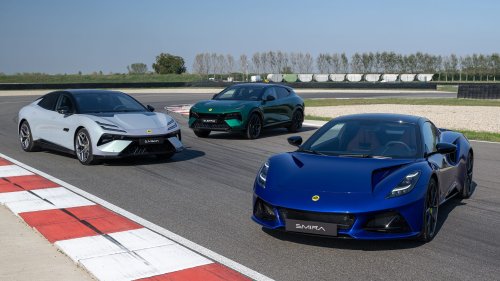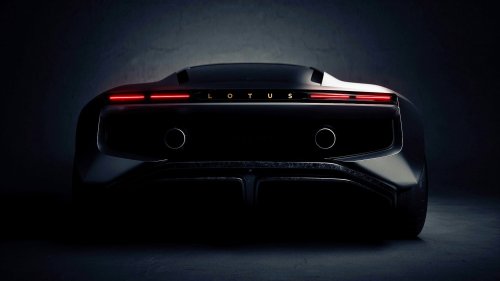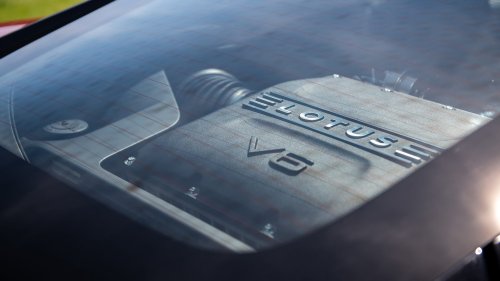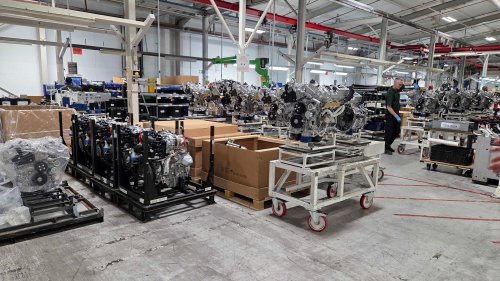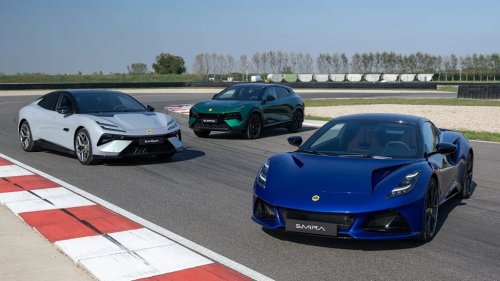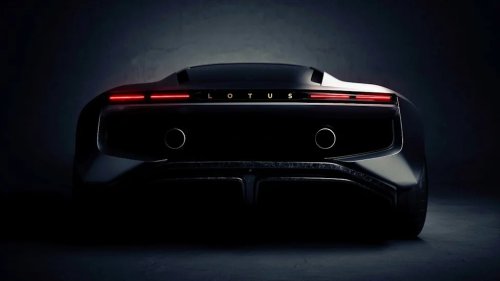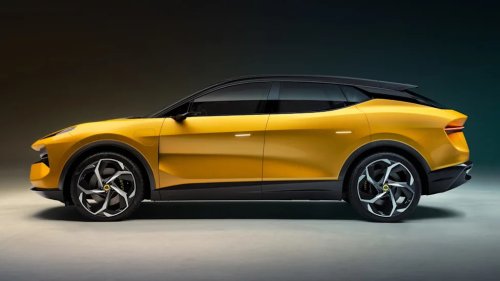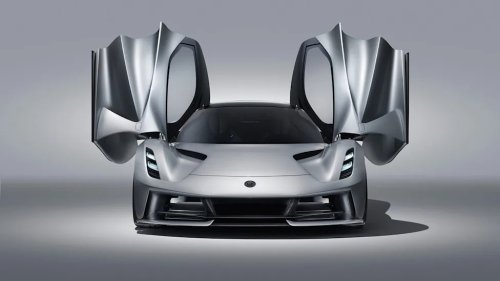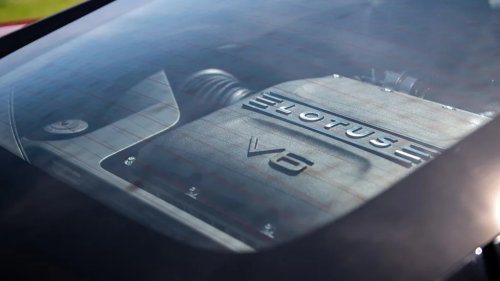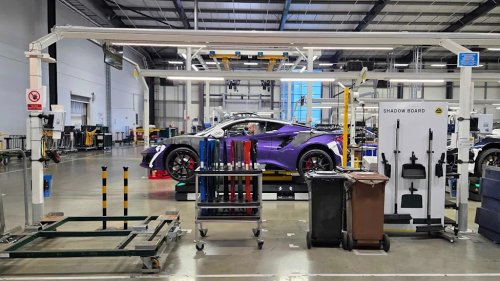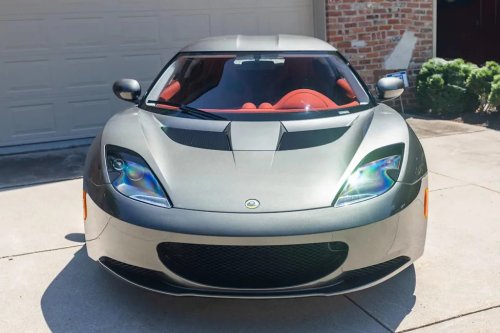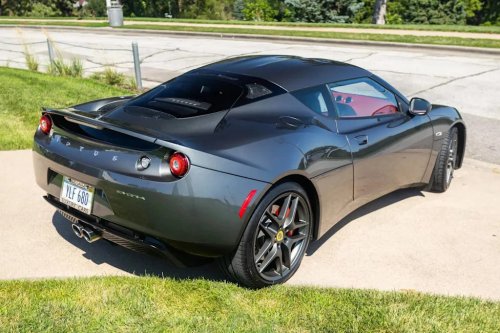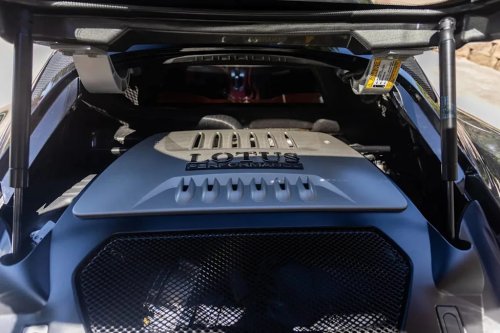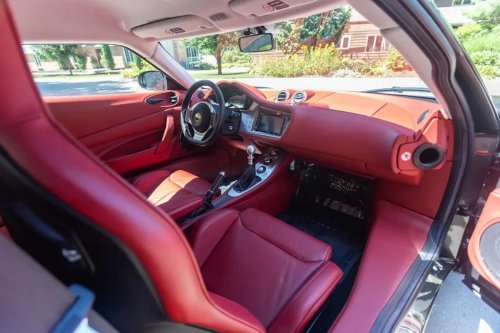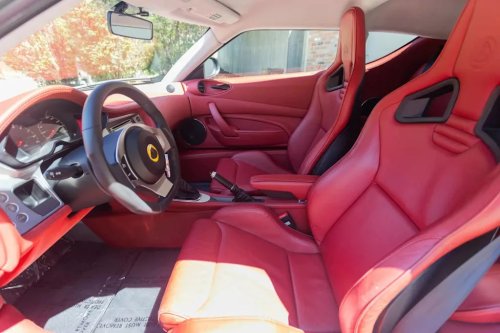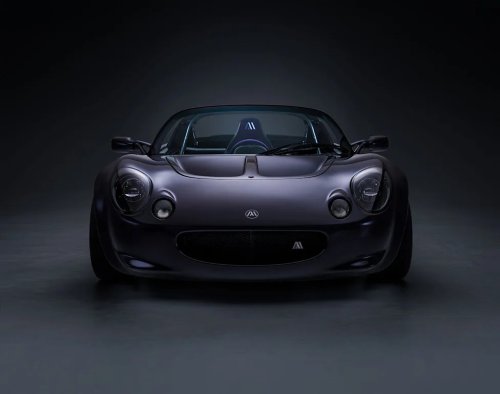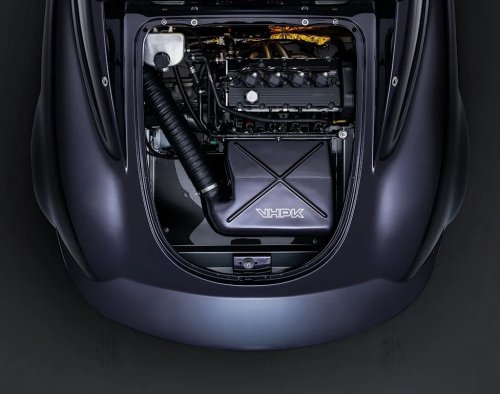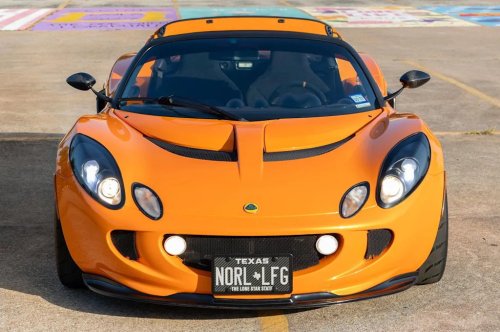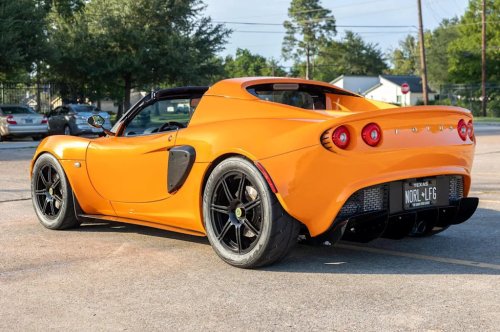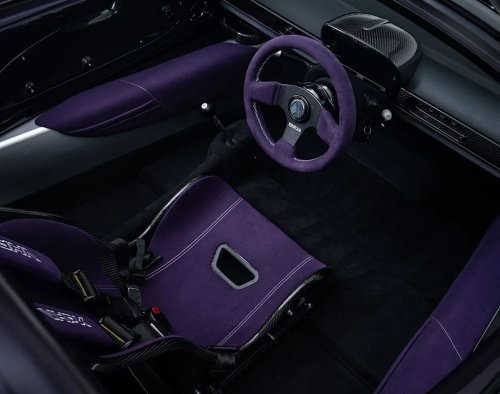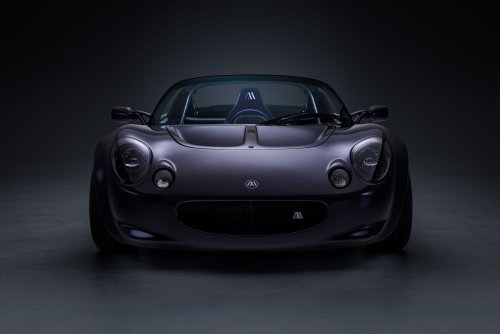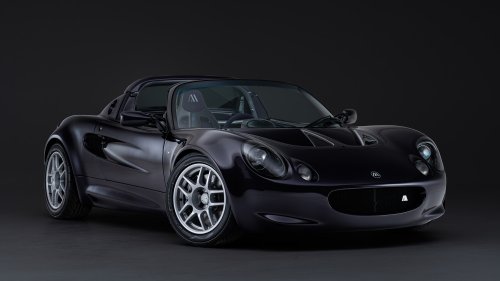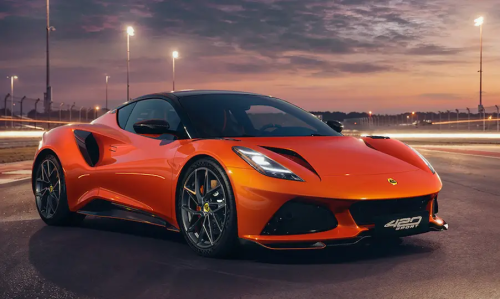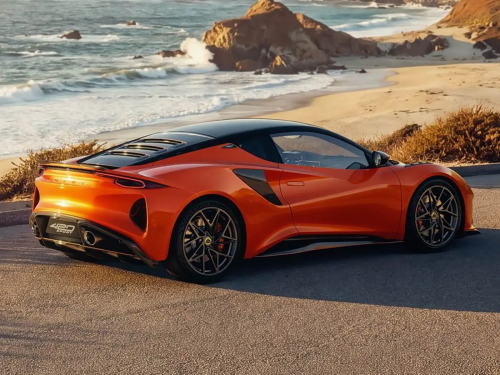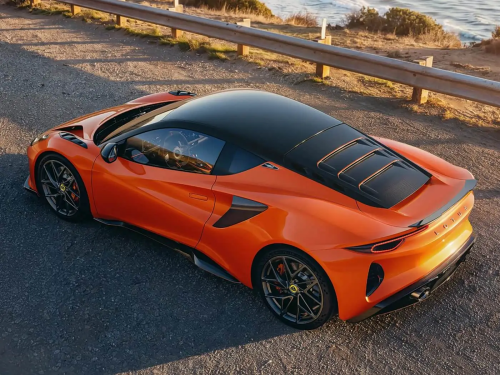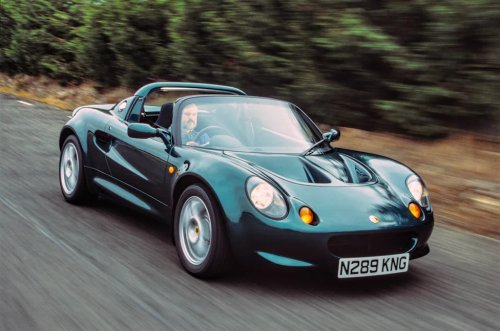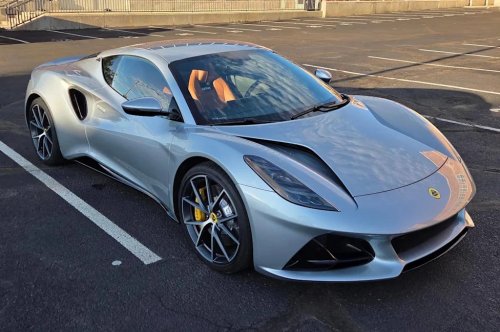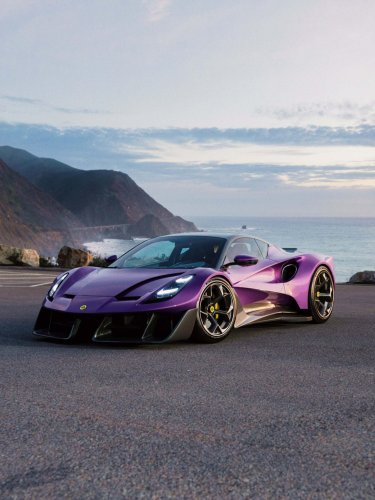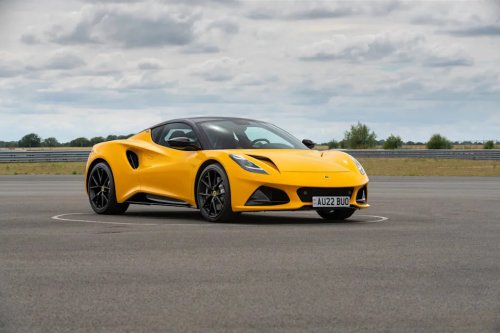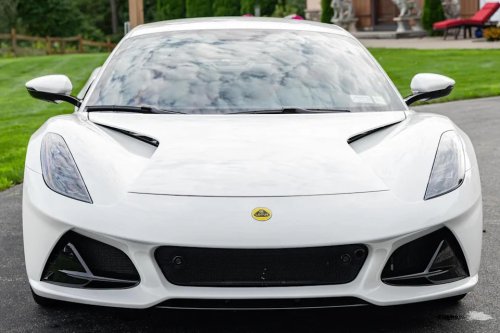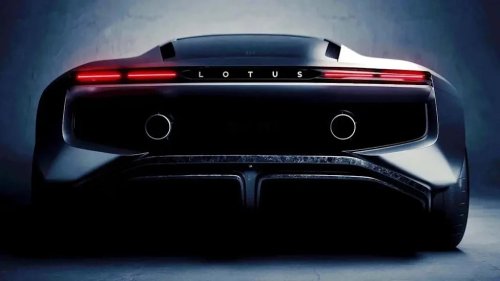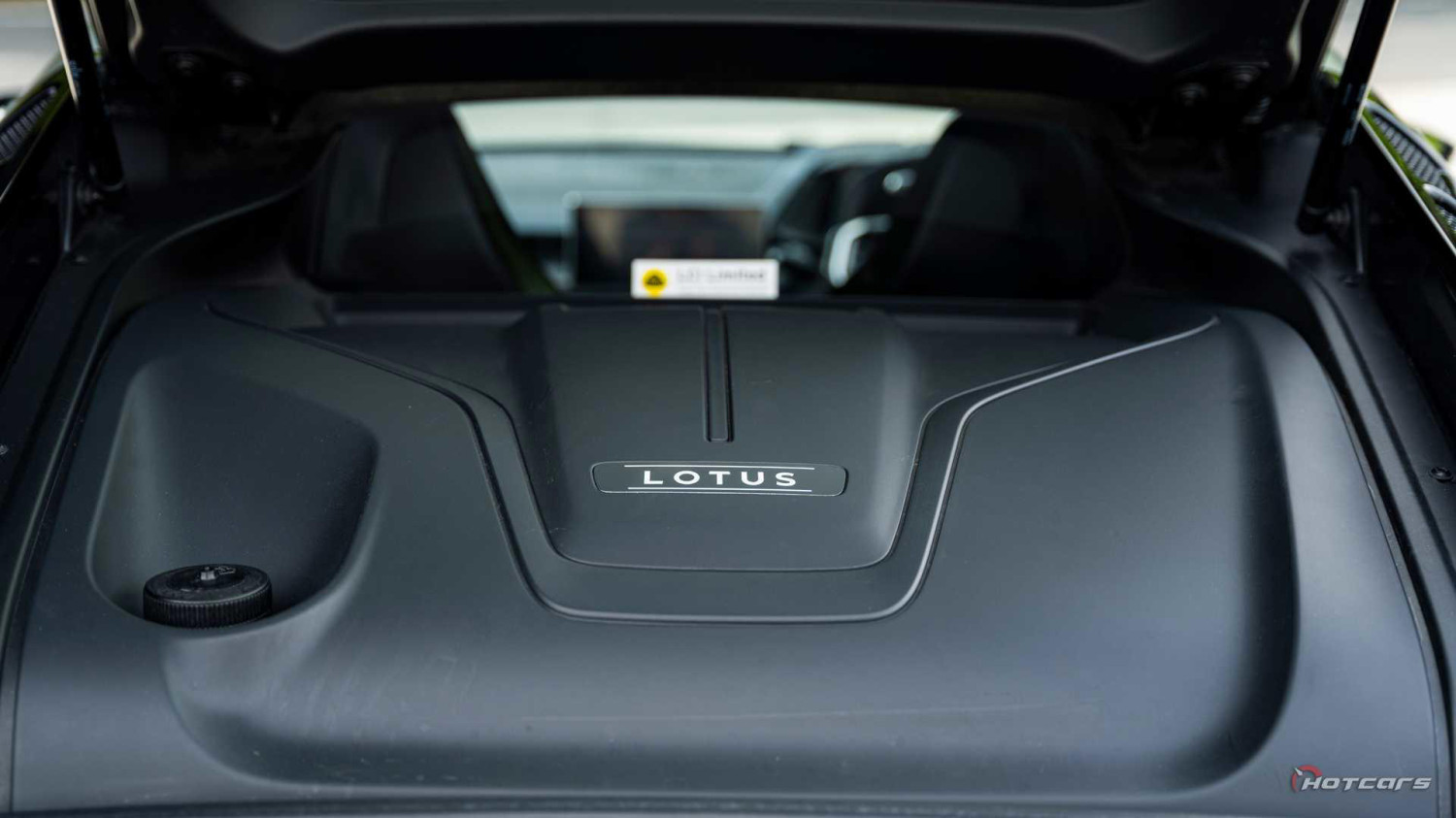
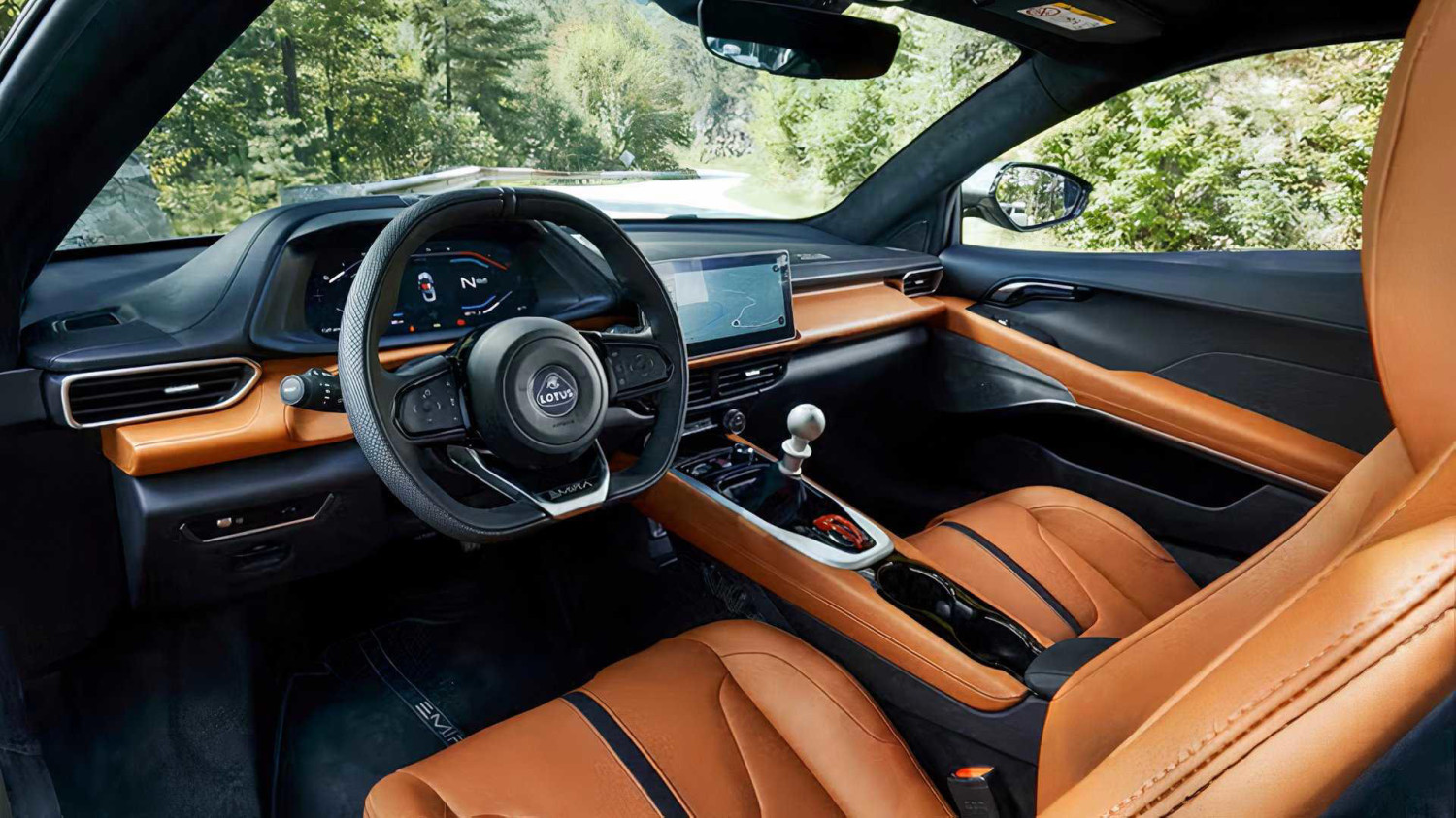
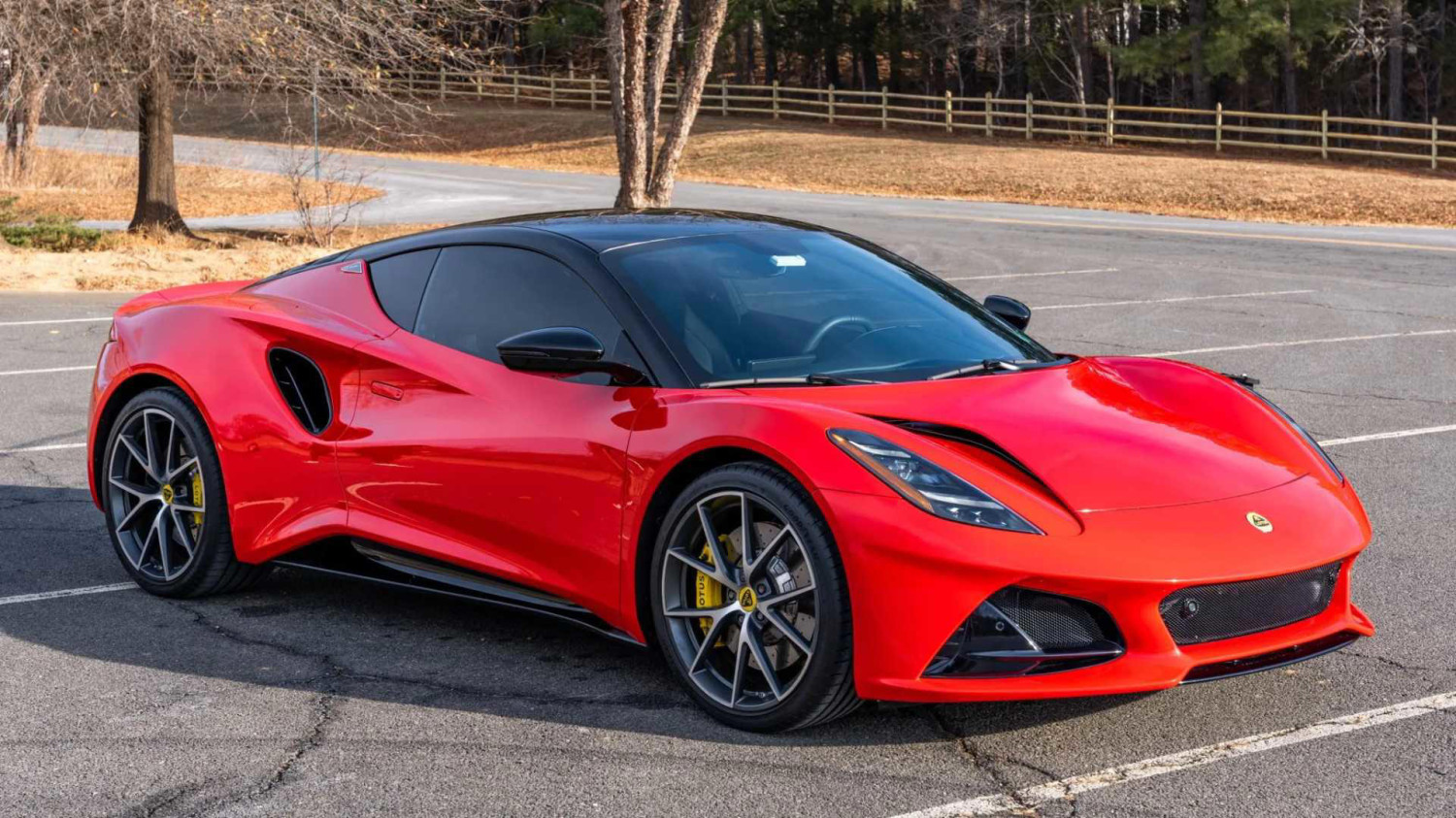



















Although previously covered, sources confirmed this week that the Lotus Emira will receive an entirely new hybrid V-6 powertrain, replacing both the current Toyota-sourced 3.5-liter supercharged V-6 and the AMG-built 2.0-liter inline-four. The new unit comes from the Renault-Geely joint-venture engine program and delivers more power than either existing option, a meaningful step up for a car already regarded as one of the sharpest driver's machines available under $100,000.The announcement marks a clear strategic inflection for Lotus. The Emira launched as the brand's self-declared last non-EV sports car, and its original powertrain choices — a turbocharged four-cylinder and a supercharged six — were deliberately old-school in character, if not in execution. Swapping both for a single hybrid V-6 signals that Lotus is willing to rethink what "lightweight and driver-focused" means as electrification creeps into even the purest end of the sports-car segment. A Single Hybrid V-6 Replaces Two Very Different Engines Ayesh Seneviratne, Claire-Kaoru Sakai / HotCarsThe outgoing lineup gave buyers a genuine choice of character. The AMG four-cylinder, tuned to around 400 horsepower in the Emira's application, kept weight low and revved freely, while the Toyota 3.5-liter supercharged V-6 pushed closer to 430 horsepower and carried more mass, but was more of a purist pick since it also offered the manual transmission. Both engines fed a mid-engine, rear-wheel-drive chassis that Lotus tuned to within an inch of its life.The new Renault-Geely hybrid 3.0 V-6 consolidates that choice into one unit that exceeds current output at around 536 horsepower, although Lotus has not yet published final horsepower or torque figures. The hybrid architecture — motor placement, battery capacity, and whether the system operates as a full parallel hybrid or a lighter torque-fill assist — has not been detailed in full. Those specifics will matter enormously to buyers trying to judge whether the Emira's balance of responses has changed alongside its spec sheet. What The Hybrid System Means For The Emira's Lightweight Philosophy Car and DriverLotus built its entire identity on Colin Chapman's founding principle: add lightness. The Emira, at roughly 3,175 pounds in base form, is already heavier than the Elise or Exige generations that preceded it — a concession to modern safety standards, daily-usability features, and a more premium interior. A hybrid system, even a compact one, adds battery mass, power electronics, and an electric motor. The question is how much.If the system is designed primarily as a torque-fill assist, smoothing throttle response and covering the V-6's low-rpm gap rather than adding a large battery buffer, the weight penalty could be modest and the driving character largely intact. A heavier, range-capable hybrid architecture would be a different story. Lotus has historically been skilled at packaging weight centrally and low, which can offset a modest mass increase in terms of handling feel, but there is a point beyond which more power and more weight simply produce a different kind of car. Whether the hybrid Emira stays on the right side of that line is the central question the spec sheet hasn't yet answered. Enthusiast Reaction: Progress Or A Line Crossed? Bring a TrailerAmong Emira owners and Lotus watchers, the announcement has landed with a mixture of cautious optimism and genuine concern. The power increase is welcome on its face, with more headroom on track, stronger mid-range pull on the road, but the community's attachment to the Emira is rooted in how it drives, not how fast it goes in a straight line. Owners who chose the four-cylinder specifically for its lighter nose and higher-revving nature are the most likely to feel the loss of that option most acutely.The broader context is that Lotus is navigating a difficult transition. The rest of the lineup has moved to full electrification, leaving the Emira as the sole combustion-engined model. Keeping it commercially viable and keeping it evolving requires meeting tightening emissions targets in key markets. A hybrid powertrain is the obvious answer to that constraint. Whether it also turns out to be the enthusiast's answer depends entirely on how the finished car feels from the driver's seat. Full specifications for the hybrid V-6, including output figures, system weight, and on-sale timing, are expected to follow as Lotus moves toward a production reveal. For a car that has always been defined by the sum of its dynamic details rather than its headline numbers, those details will tell the real story.Source: Autocar