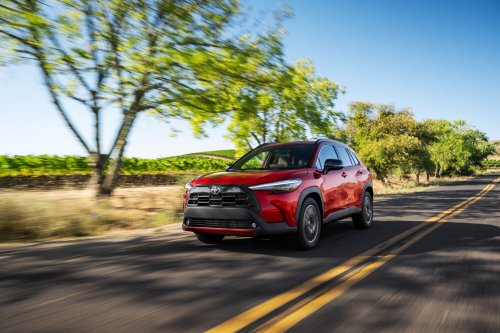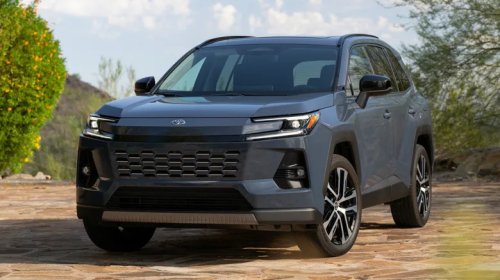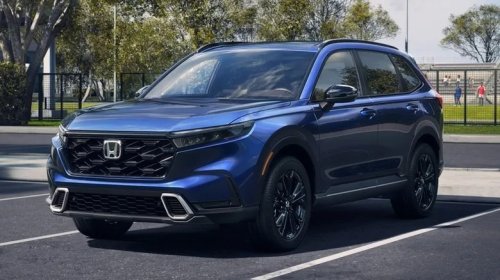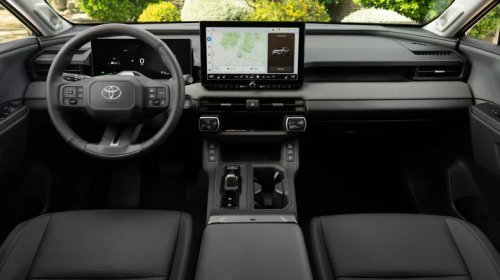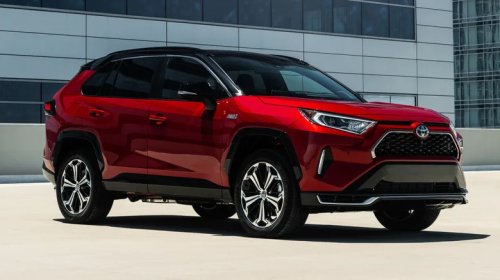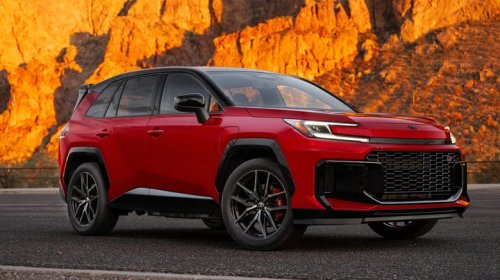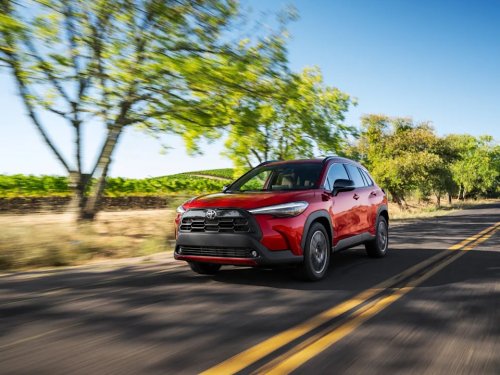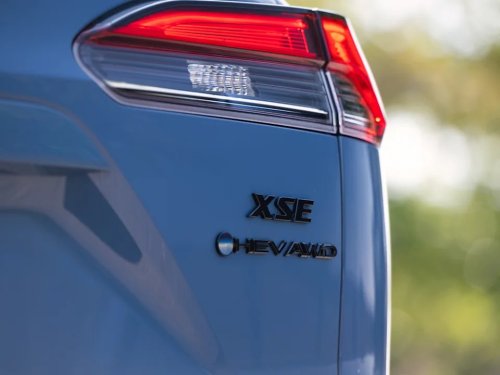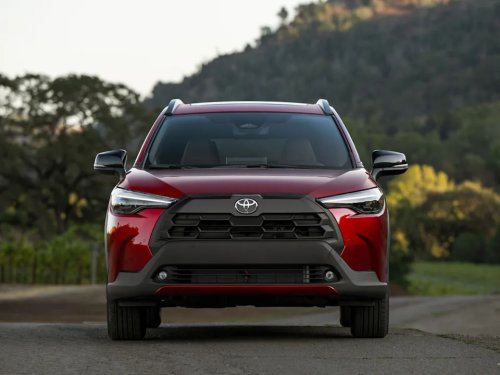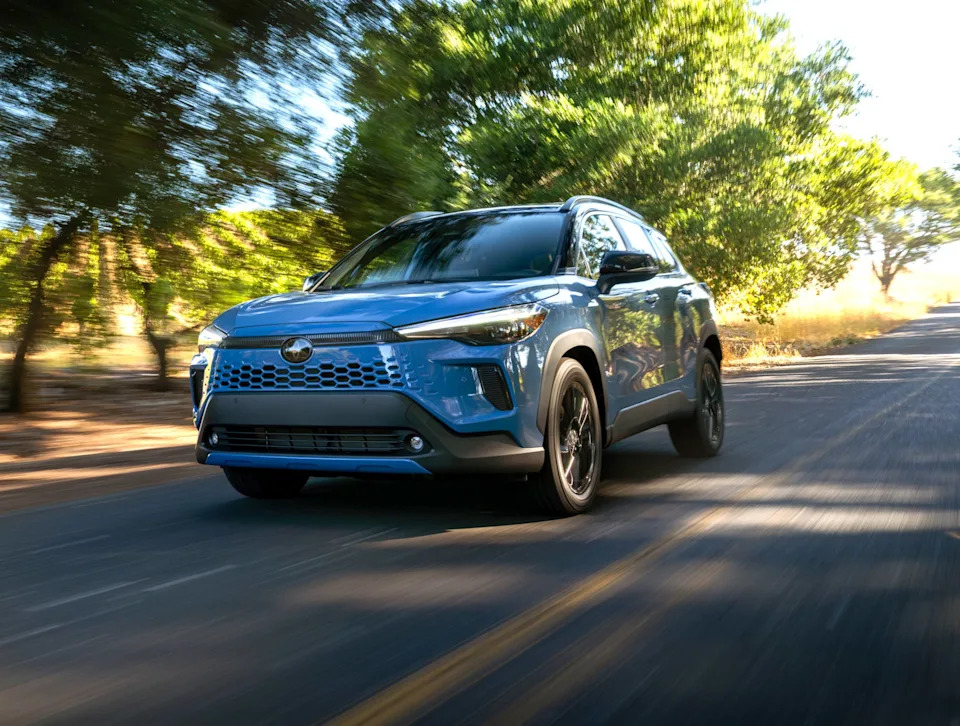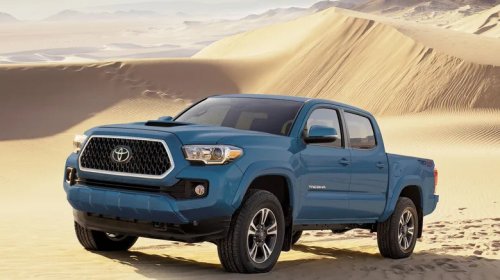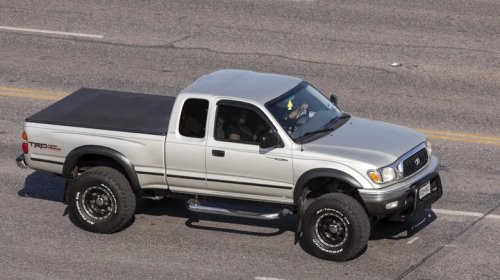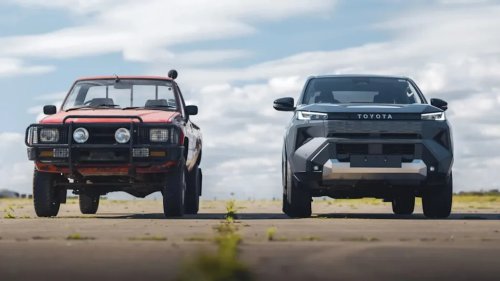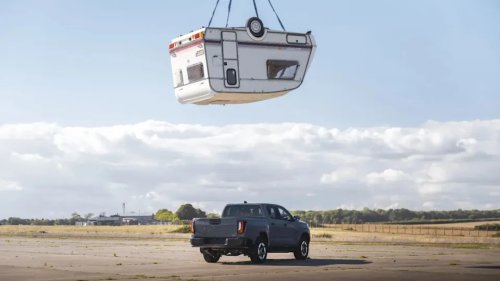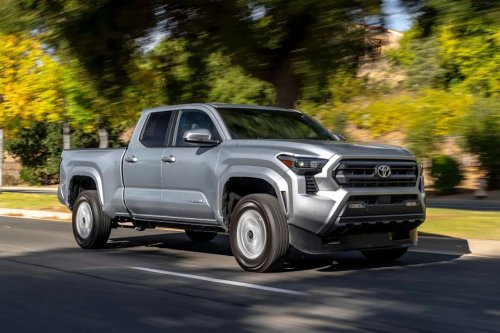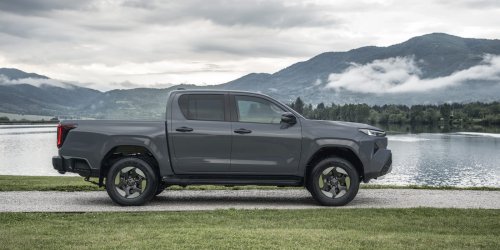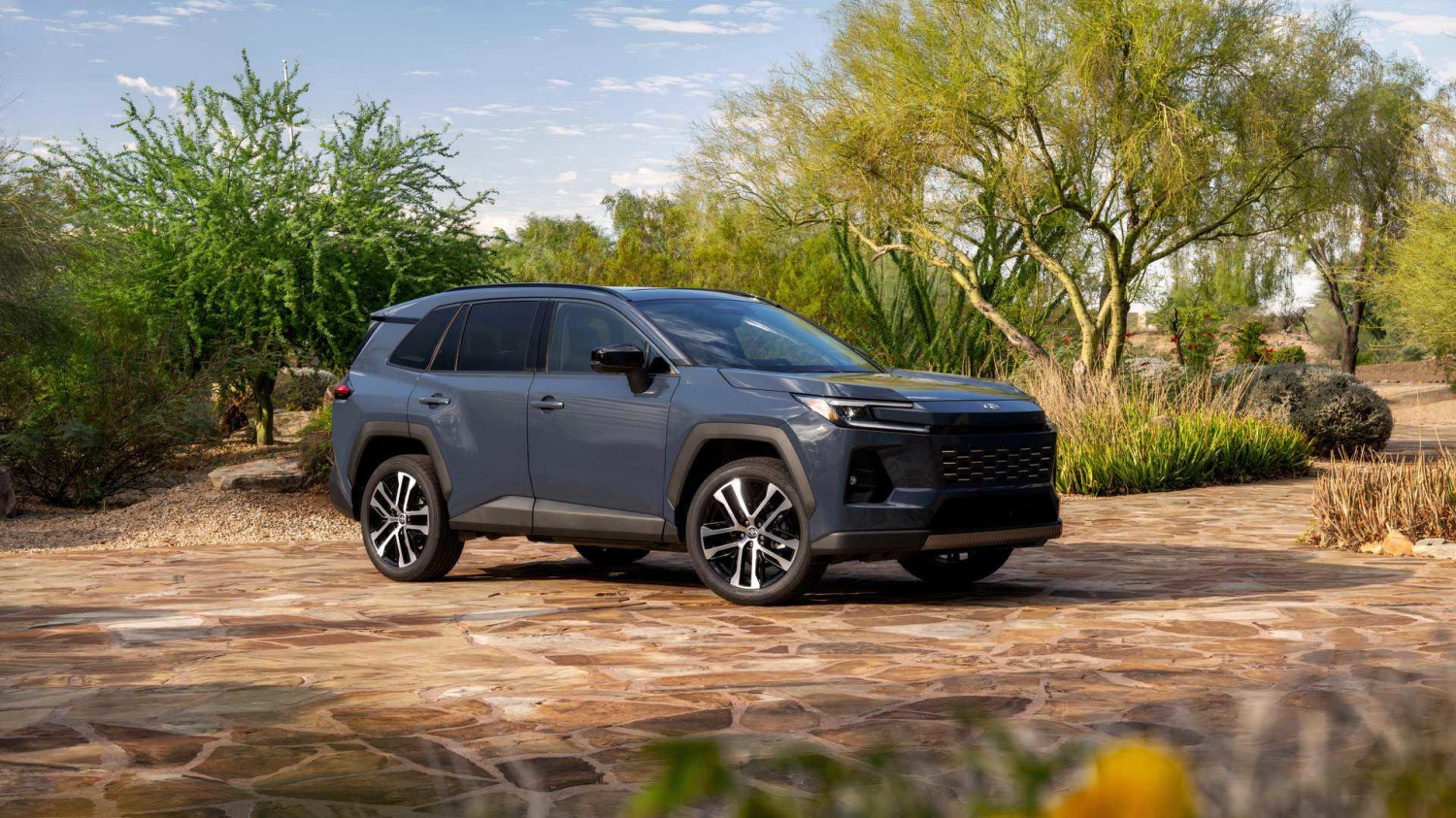
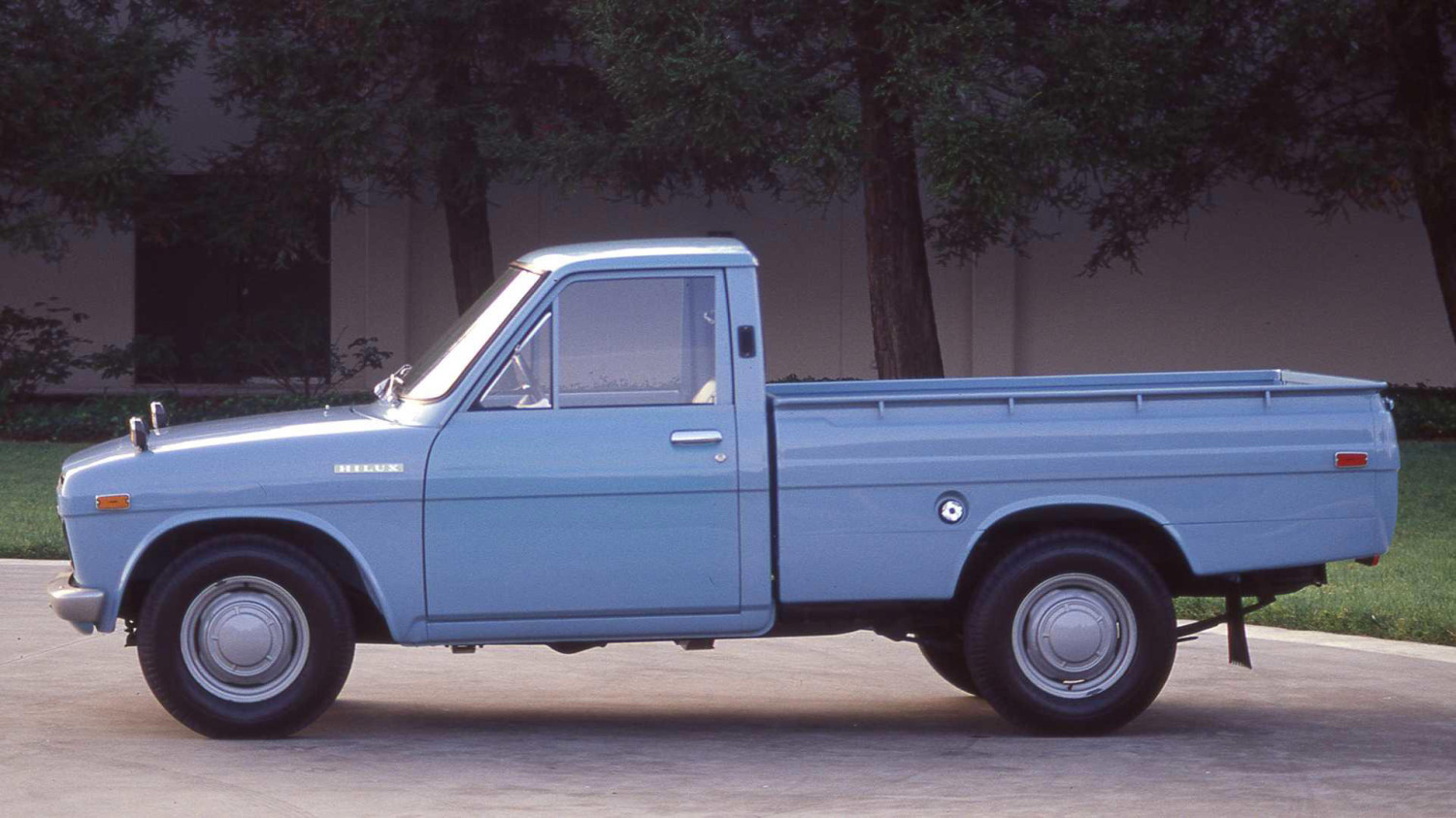



















Toyota has been quietly circling the compact-truck segment for years, but a new report from Car & Driver now points to the platform that would make it real: the RAV4's unibody architecture. That's a significant detail, and not just because it names the hardware—it defines almost everything about what this truck can and can't do before a single prototype turns a wheel.The compact pickup segment has been effectively dormant in the U.S. for the better part of two decades. Toyota itself helped close that chapter when the T100 and first-generation Tacoma gave way to progressively larger, body-on-frame trucks chasing the midsize mainstream. A RAV4-derived compact would mark a deliberate step back down in size—and a deliberate step toward a different kind of truck buyer. What The RAV4 Platform Actually Brings To A Pickup ToyotaThe current RAV4 rides on Toyota's TNGA-K platform—a unibody architecture shared across a wide range of the brand's crossovers. Unibody construction integrates the body and frame into a single welded structure, which delivers real advantages: lower curb weight, a more compliant ride, better fuel economy, and a lower load floor. For a compact truck aimed at urban buyers and light-duty haulers, those are meaningful wins.The tradeoffs are equally real. Unibody trucks carry lower tow and payload ratings than body-on-frame equivalents of similar size, and they're more vulnerable to the kind of flex and stress that comes with sustained off-road use or heavy towing cycles. The RAV4 in its current form is rated to tow up to 3,500 pounds in properly equipped configurations—a figure that's workable for a small trailer or a couple of PWCs, but well short of what even the base Tacoma can manage. Payload is the other pressure point: unibody beds typically can't absorb the same abuse as a body-on-frame truck bed, which matters if you're actually loading it. The Compact-Truck Gap Toyota Left Behind ToyotaTo understand why this truck matters, it helps to remember what Toyota walked away from. The original compact Tacoma—the 1995 first generation—was built around a traditional body-on-frame layout but in a genuinely small footprint. It weighed around 2,700 pounds in base form, fit in a standard garage, and could be had with four-wheel drive without the bulk that comes with today's mid-size trucks. The T100 before it tried to split the difference between compact and full-size and never quite found its audience.What's been missing since isn't just a small truck—it's a small truck that makes sense in 2026. Fuel prices, urban parking, and a generation of buyers who grew up with crossovers have created real demand for something lighter and more efficient than a current Tacoma, which has grown to a curb weight north of 4,400 pounds in some configurations. A RAV4-based compact could thread that needle, even if it can't match the Tacoma's off-road credentials. Does A Unibody Truck Satisfy The Enthusiast Crowd? The honest answer is: it depends on which enthusiast you're asking. If the target buyer wants a small, efficient daily driver with a bed—something to haul bikes, lumber runs, or camping gear without committing to a full-size footprint—a RAV4-based platform is genuinely well-suited. The TNGA-K architecture supports hybrid powertrains, which means this truck could arrive with the kind of fuel economy numbers that body-on-frame trucks simply can't match at comparable power levels.For the crowd that wants a trail-capable, tow-rated workhorse in a compact package, the platform is a harder sell. Unibody construction doesn't preclude off-road ability—the Ford Maverick, built on a similar crossover-derived platform, has proven that a unibody compact truck can handle moderate trail use—but it does set a ceiling. Serious rock crawling, sustained towing, and heavy payload work are where body-on-frame trucks earn their keep, and a RAV4-derived compact won't challenge the Tacoma TRD Pro on that terrain.What it could do is carve out a segment the Tacoma doesn't serve: the buyer who wants truck utility without truck mass. That's not a consolation prize — it's a different product for a different use case, and Toyota may be betting there are enough of those buyers to justify the investment.Nothing is confirmed yet — Toyota hasn't announced the truck, and the RAV4 platform detail comes from reported sourcing rather than an official reveal. But platform architecture is rarely a late-stage decision, and if TNGA-K is genuinely the foundation, the truck's character is already largely written. The question now is whether Toyota builds around the platform's strengths or tries to paper over its limits.