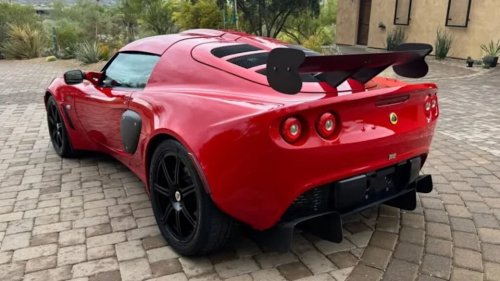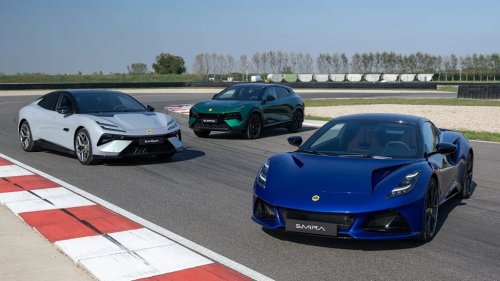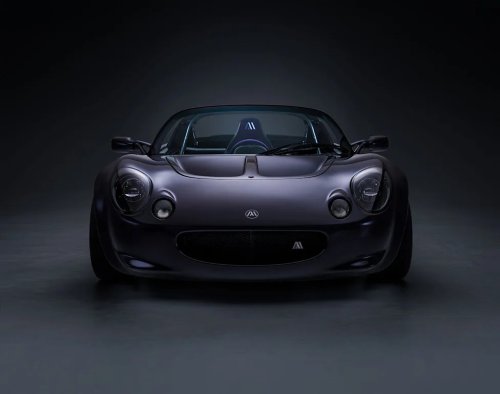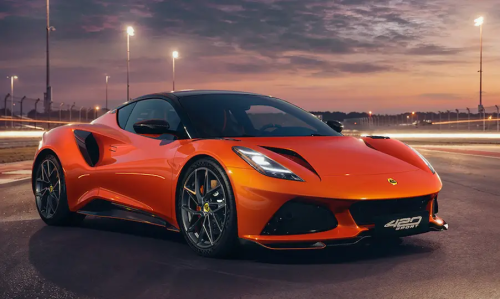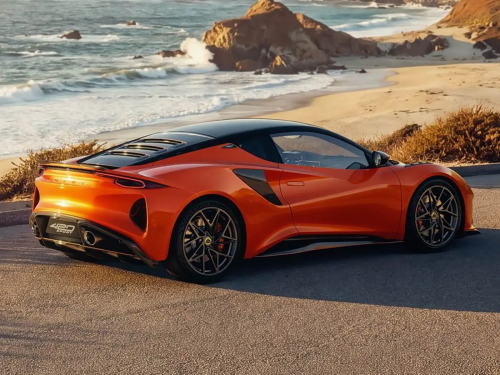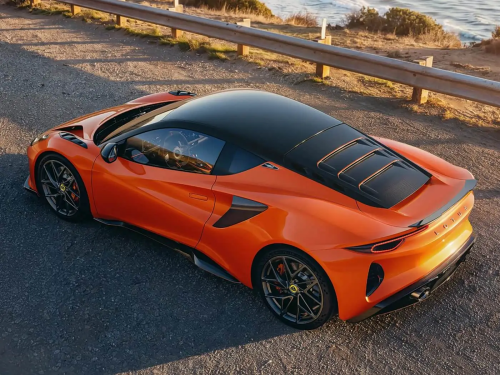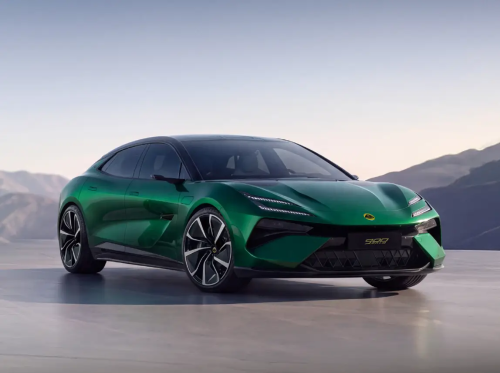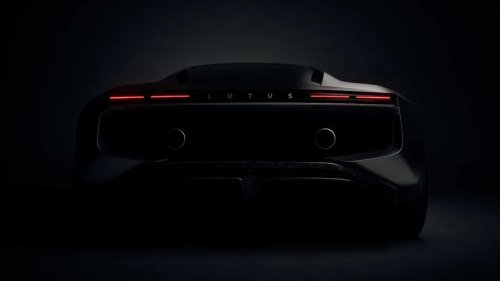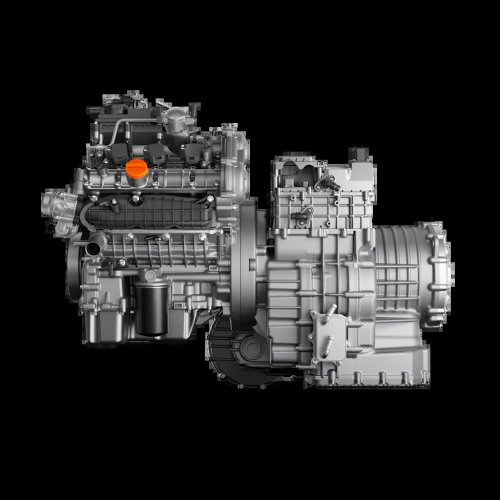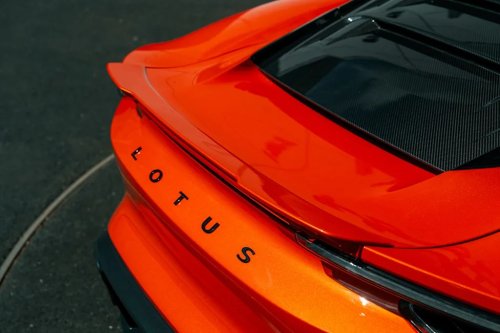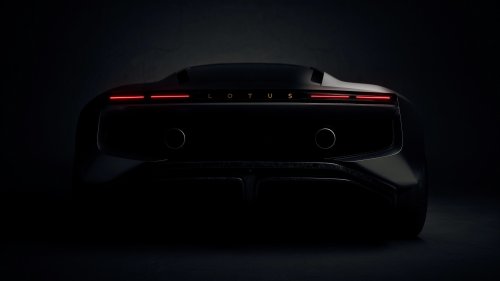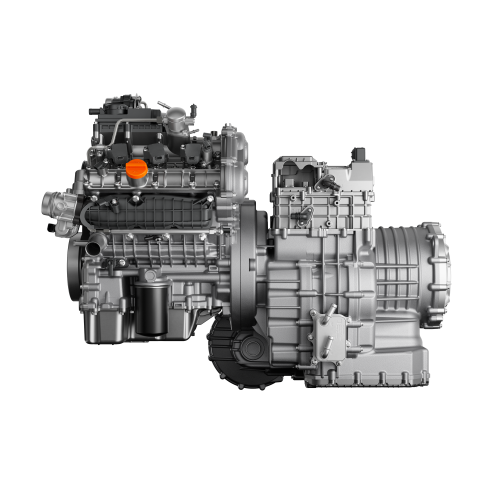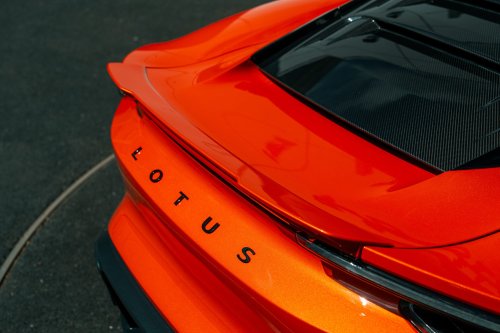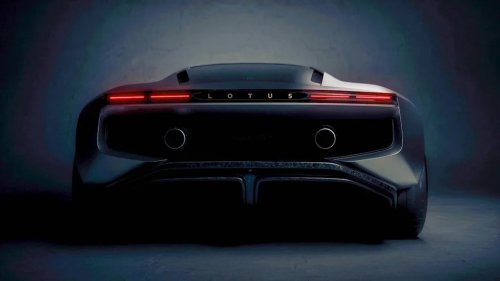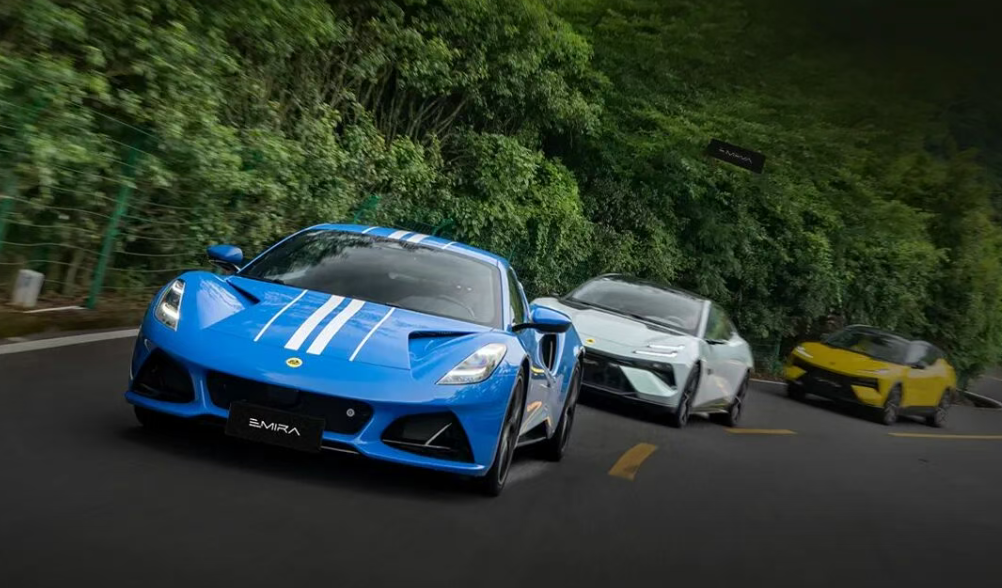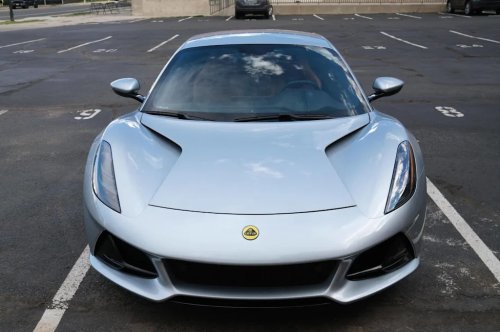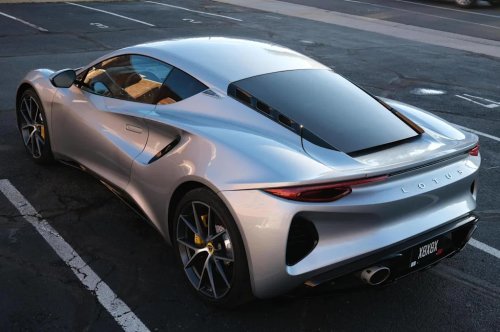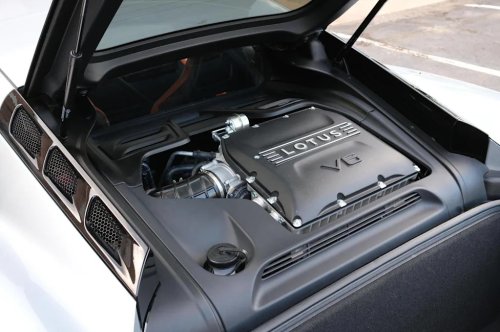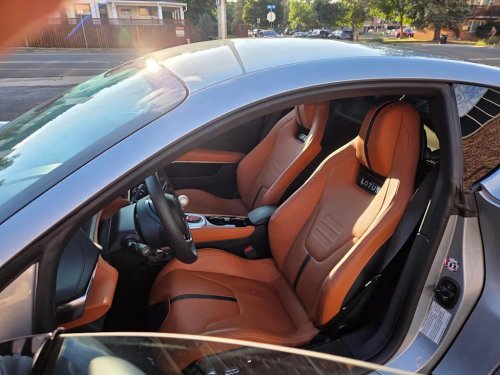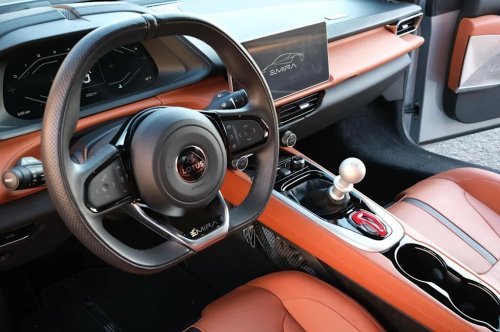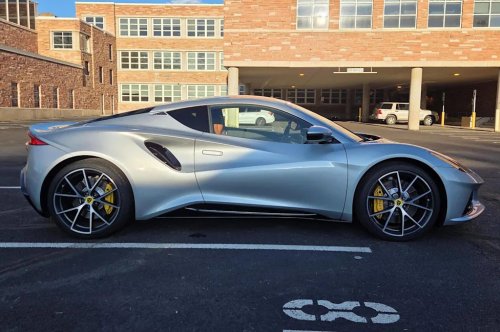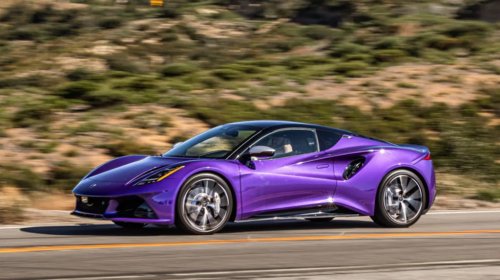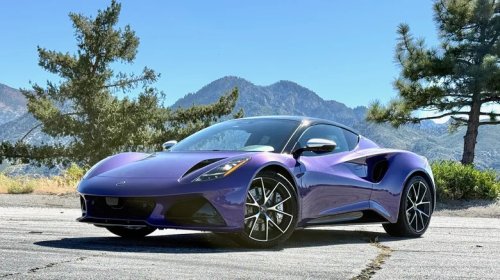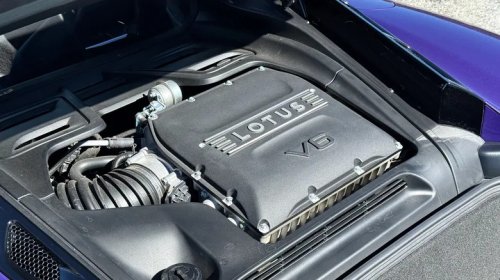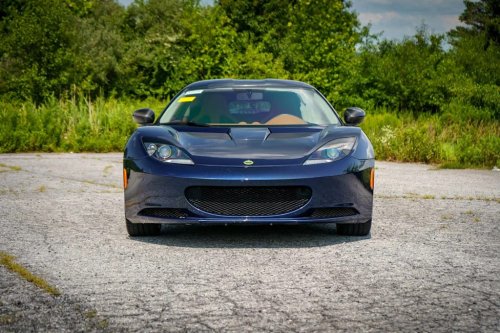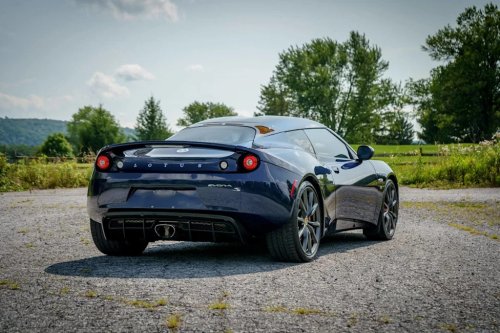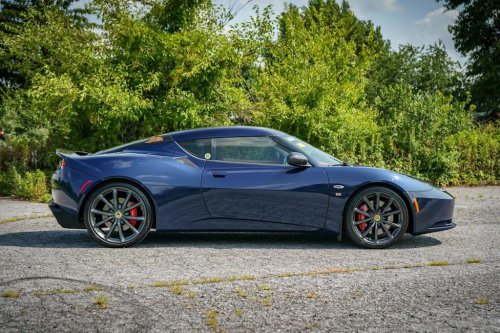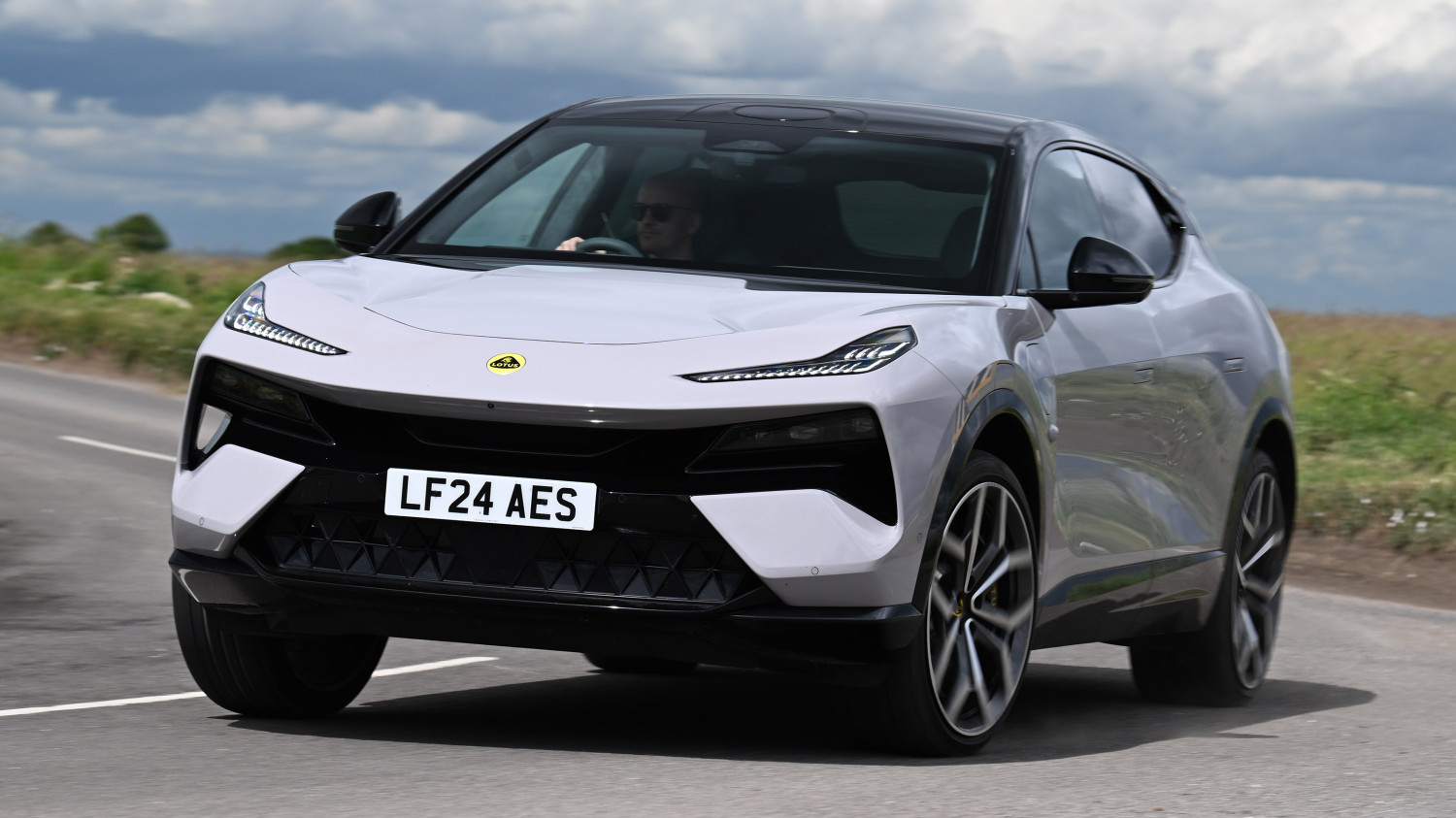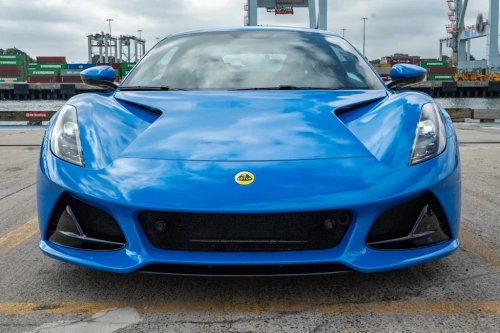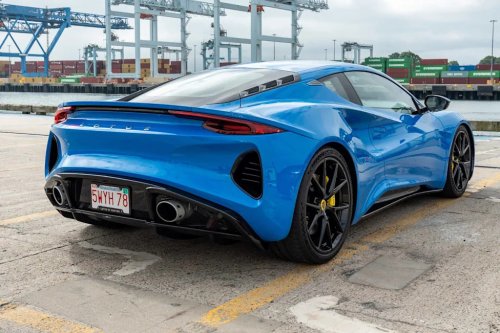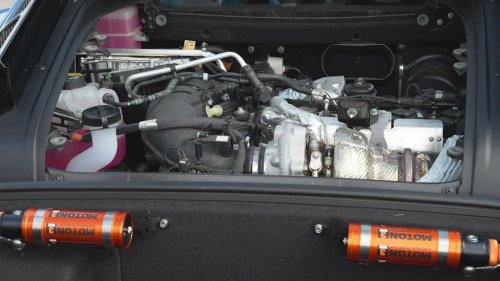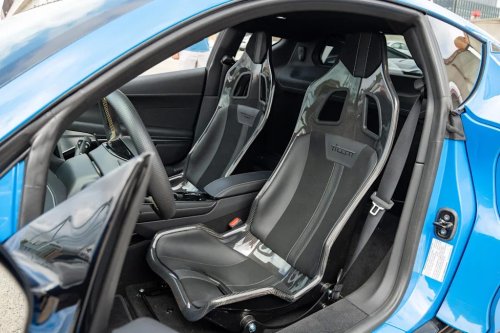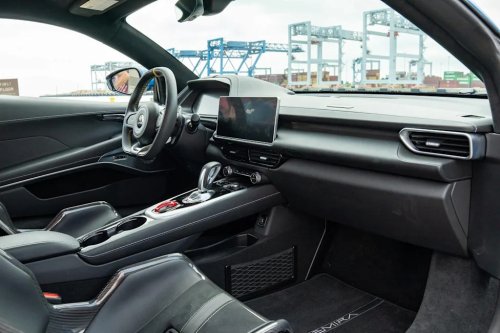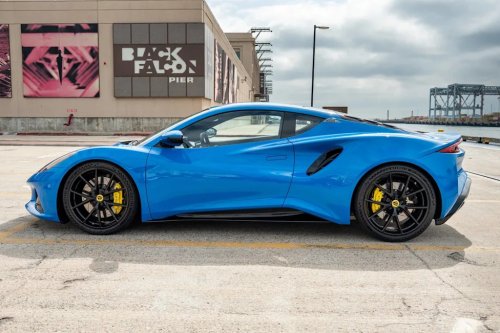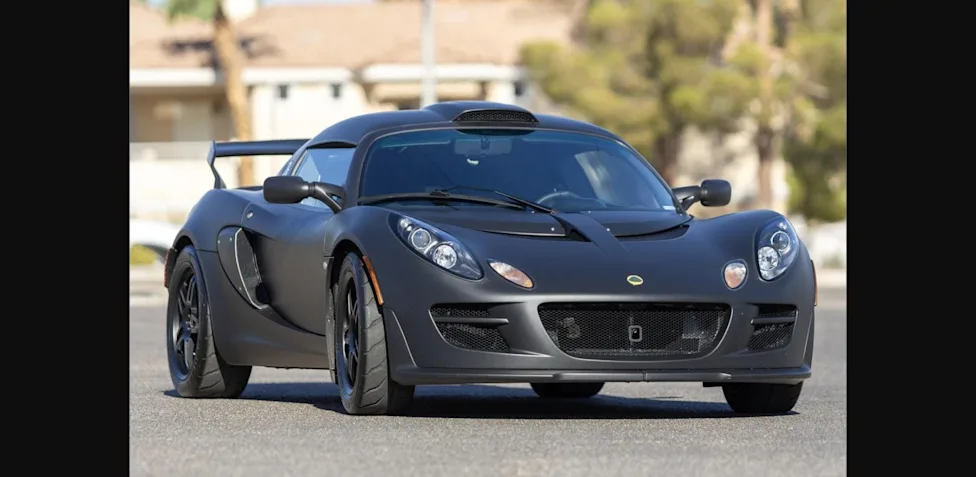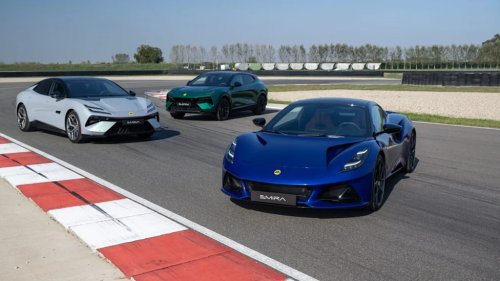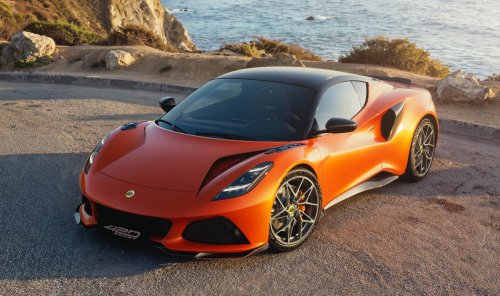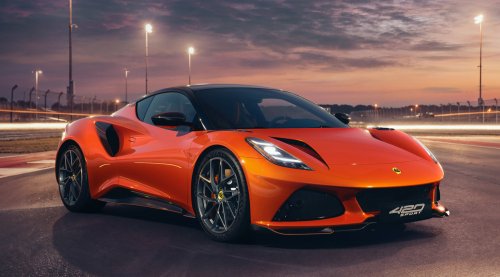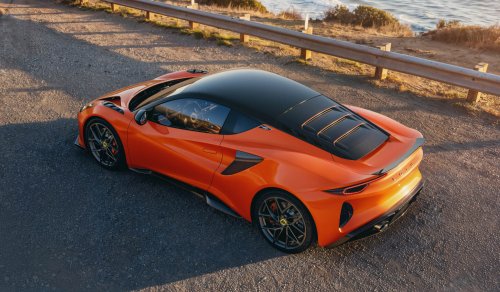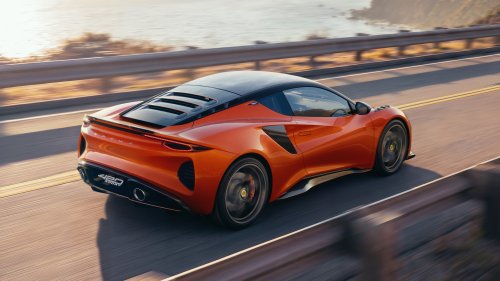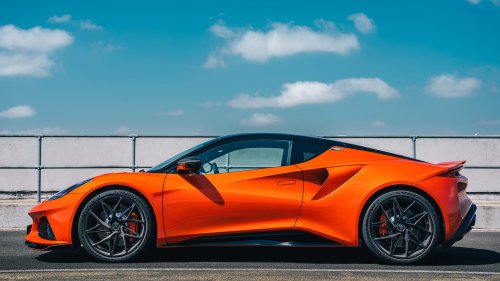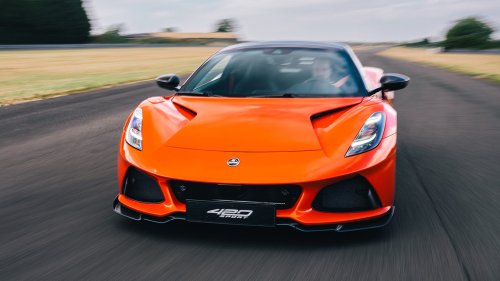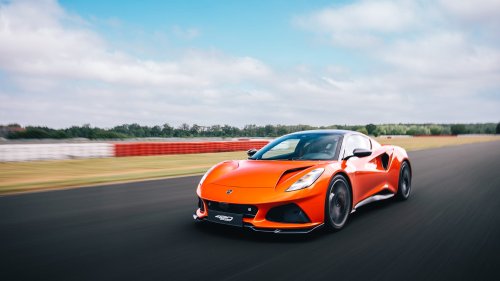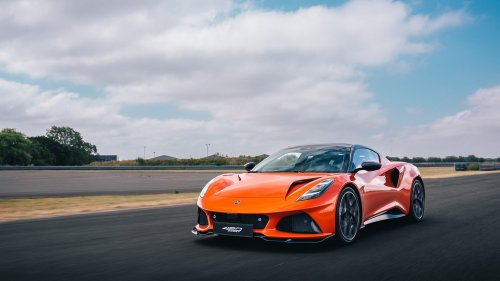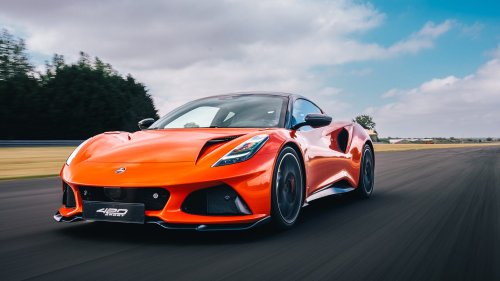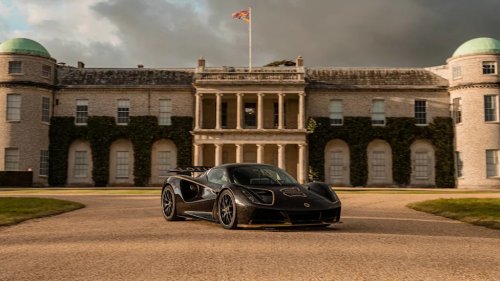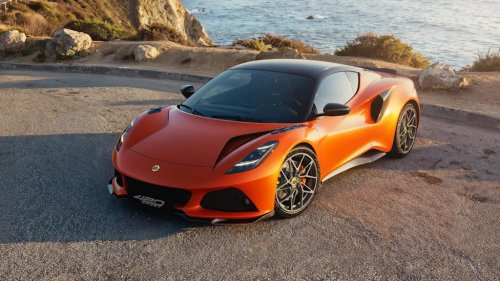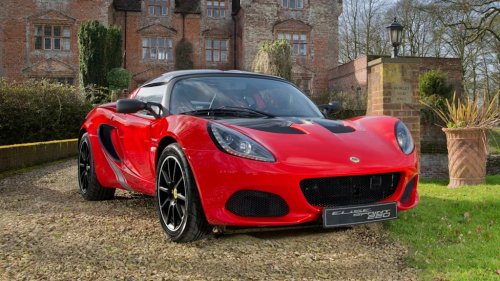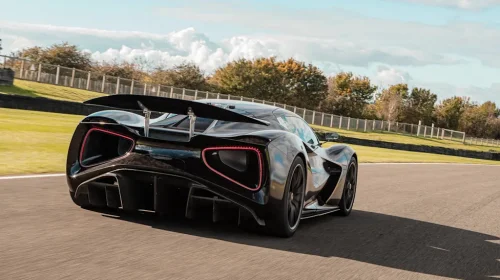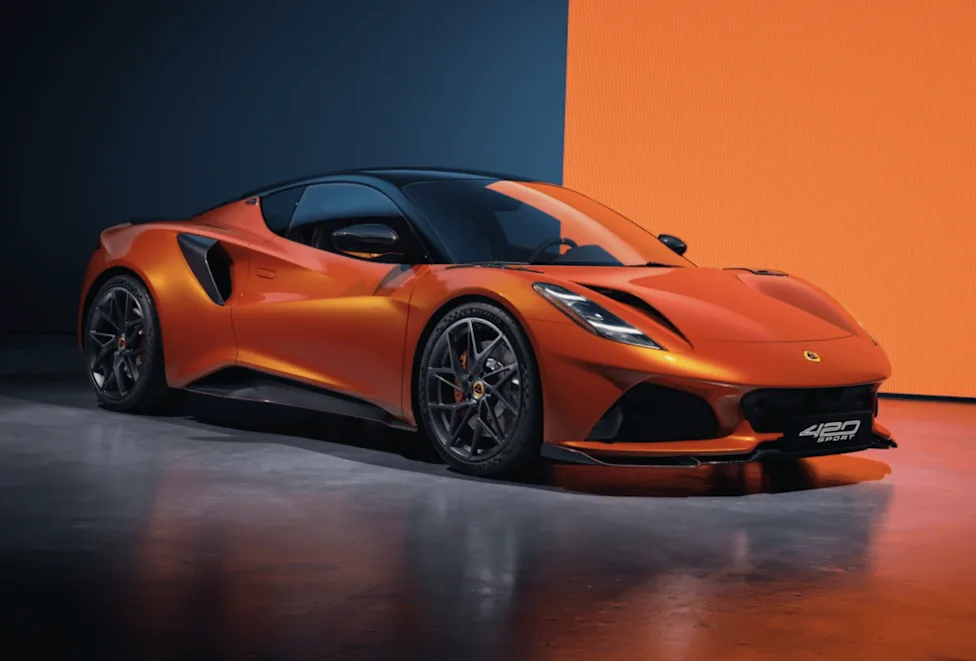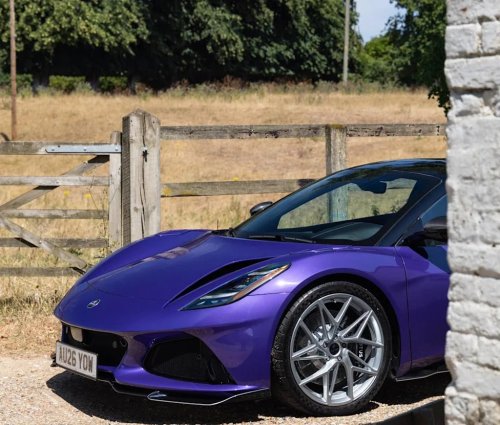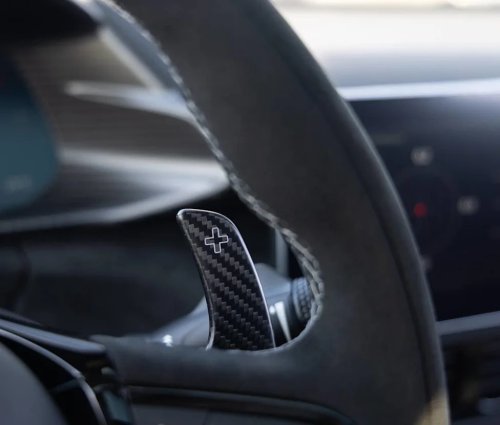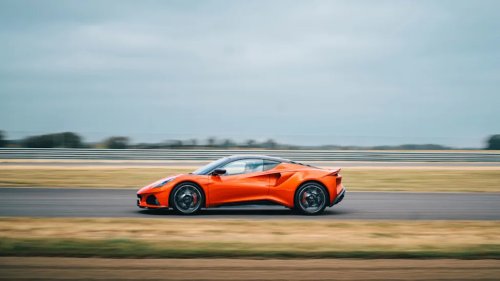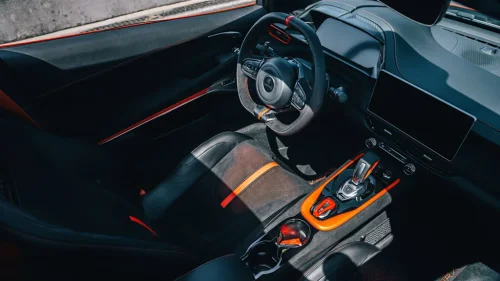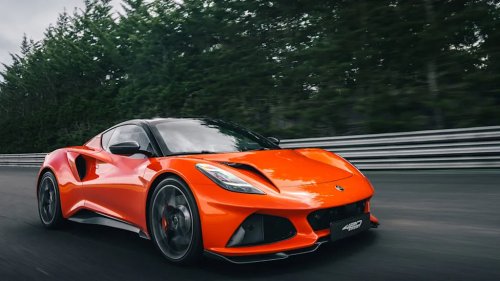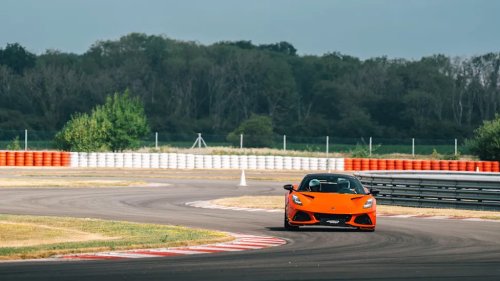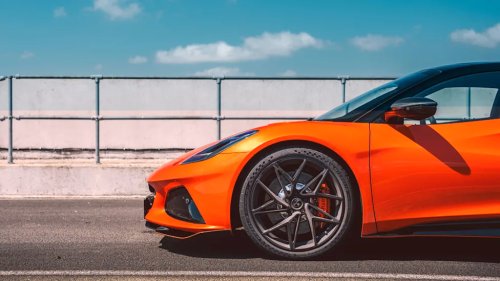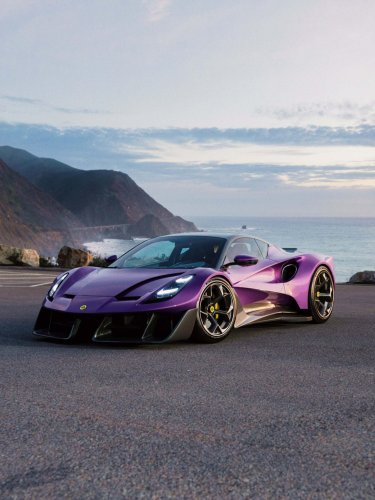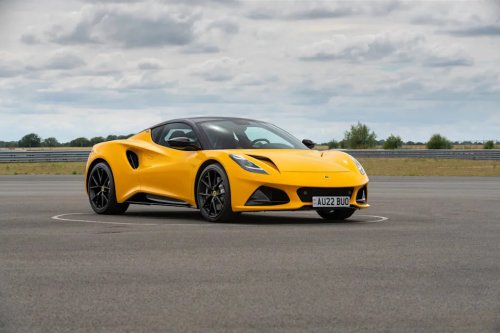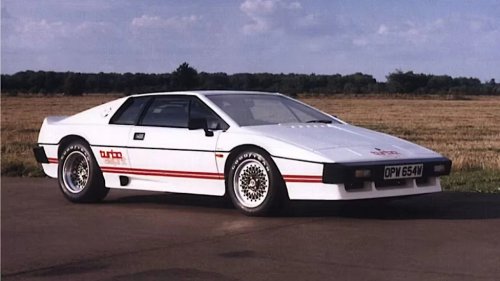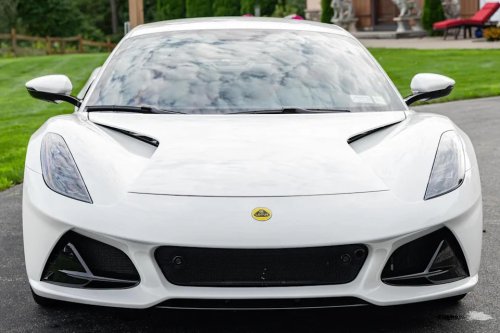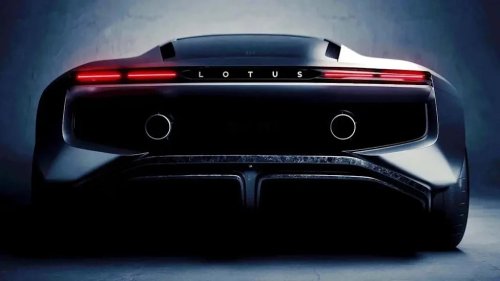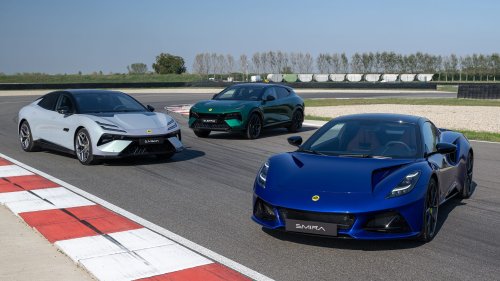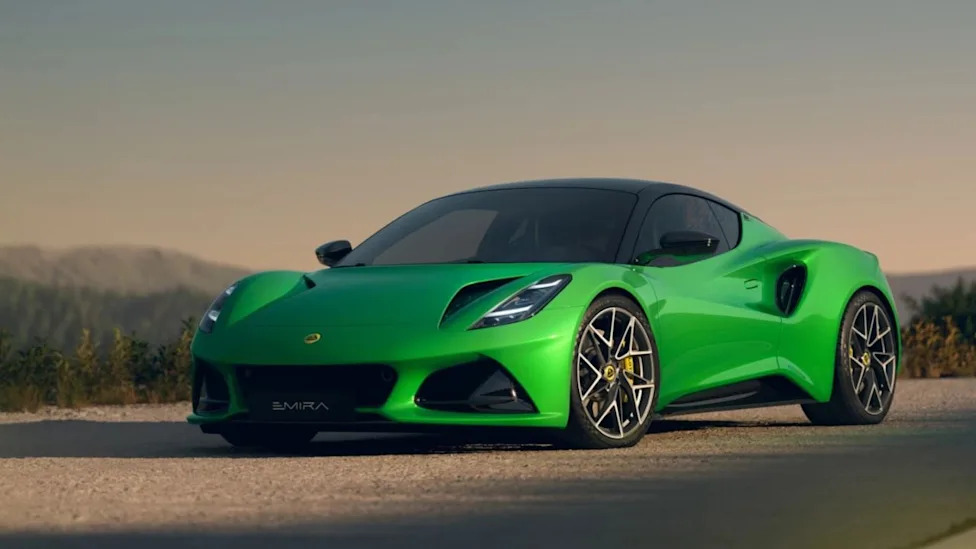
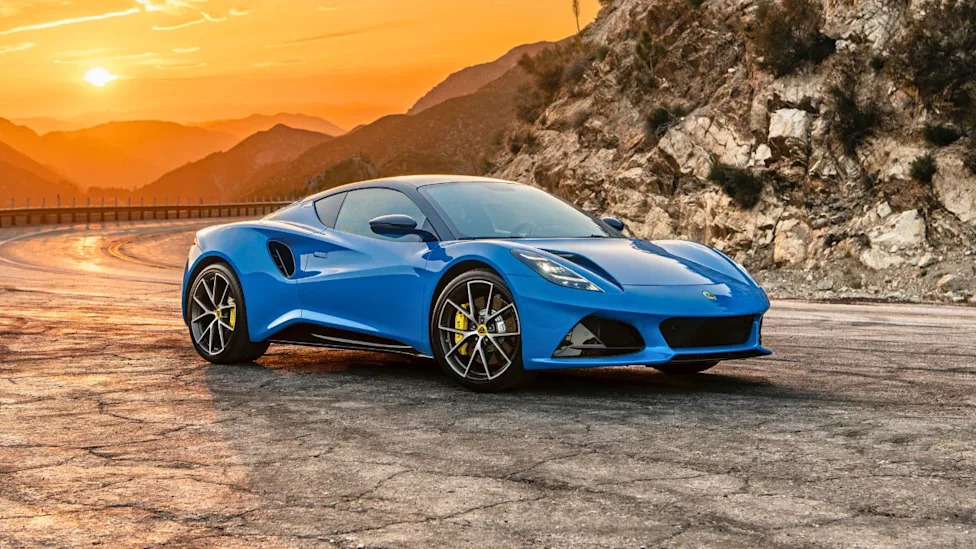
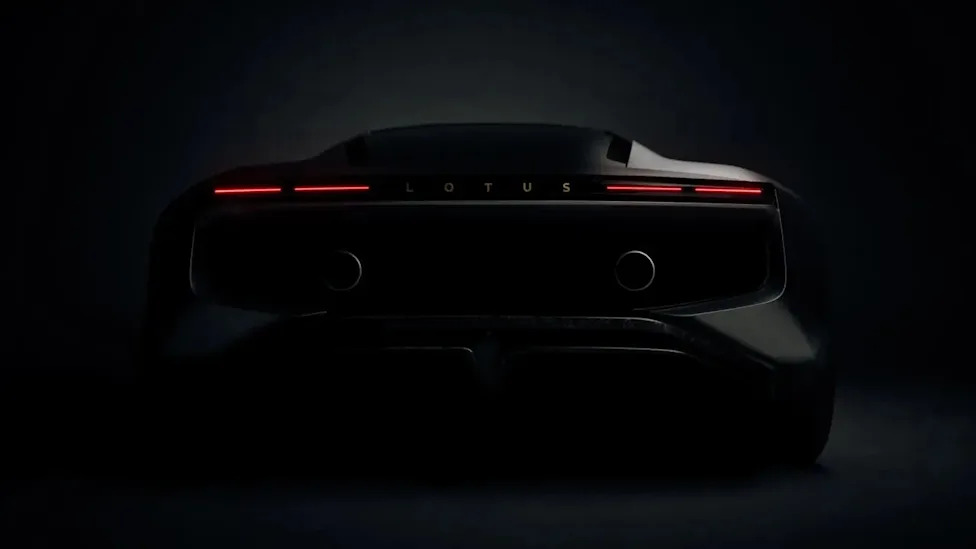



















Image Credit: Lotus.Lotus is preparing for a major shake-up under the hood of its future sports cars. After years of relying on Toyota and Mercedes-AMG engines, the British automaker is now turning to a new in-house solution developed through Geely and Renault’s Horse Powertrain joint venture.The move will begin with the updated Lotus Emira, which is expected to arrive later this decade with an all-new turbocharged V6 hybrid engine. Lotus executives have now confirmed that both the Toyota-sourced supercharged V6 and AMG-supplied four-cylinder currently used in the Emira will disappear entirely.That engine transition also lays the groundwork for something much bigger. Lotus says its upcoming flagship supercar, due in 2028, will use a new hybrid V8 developed from the same modular engine family, potentially reviving the legendary Esprit name in the process.AdvertisementAdvertisementThe decision reflects the strategy transition at Lotus as the company backs away from an all-electric-only future. Instead, the brand is now embracing hybrids and combustion performance cars once again while trying to stay true to its lightweight sports-car roots.Lotus Is Dropping Toyota And AMG PowerImage Credit: Lotus.The current Emira lineup uses two very familiar engines. Buyers can choose between a supercharged 3.5-liter Toyota V6 or a turbocharged 2.0-liter AMG four-cylinder sourced from Mercedes-Benz.Both engines are now on borrowed time. Lotus CEO Feng Qingfeng confirmed that the updated Emira will switch exclusively to a newly developed 3.0-liter turbocharged V6 created by Horse Powertrain, a 50:50 joint venture between Renault and Geely.Horse may not be a household name yet, but the company is quickly becoming a major player in hybrid and combustion powertrain development and already supplies engines to brands including Renault, Nissan, Dacia, and Mercedes-Benz.AdvertisementAdvertisementFor Lotus, the change offers several advantages. Developing engines internally through the Geely umbrella gives the company greater flexibility, lower long-term costs, and better integration with future hybrid systems.The New V6 Is Surprisingly CompactHorse officially unveiled the new engine at the Beijing Auto Show earlier this year. Internally codenamed W30, the twin-turbocharged 3.0-liter V6 is designed specifically for hybrid applications.The company claims the engine weighs just 353 pounds, making it lighter than many rival V6 engines currently on the market. Horse also says it is the smallest hybrid-ready V6 in production today.Performance numbers are impressive as well. The engine can reportedly produce up to 536 horsepower and 516 pound-feet of torque, depending on the application.AdvertisementAdvertisementThe V6 is compatible with mild-hybrid, full-hybrid, and plug-in hybrid setups. Horse also developed a dedicated four-speed hybrid transmission with integrated electric motors to pair with the engine.For the Emira, the hybrid setup is expected to deliver both stronger performance and lower emissions compared to the outgoing Toyota engine. That matters because tightening European regulations would have eventually made the older V6 difficult to keep compliant.Lotus’ Future Supercar Will Get A Hybrid V8Image Credit: Lotus.The V6 is only the beginning. According to Lotus and Horse executives, the same modular engine architecture will also underpin a larger V8 planned for Lotus’ future flagship supercar.That car, currently codenamed Type 135 and heavily rumored to revive the Esprit name, is scheduled to arrive in 2028. Lotus previously confirmed the model will feature a hybrid V8 setup producing more than 1,000 horsepower.AdvertisementAdvertisementThe upcoming supercar is expected to take inspiration from the striking Theory 1 concept shown in 2024, although the production version will move away from the concept’s fully electric powertrain.Lotus executives now openly acknowledge that customer demand played a major role in the company’s combustion-engine reversal. The United States, in particular, remains a strong market for six-cylinder sports cars.Feng admitted that American buyers strongly preferred the V6-powered Emira. “The V6 version is our best-seller in the US market,” he told Autocar.Hethel Factory Gets A LifelineThe decision to continue building combustion sports cars is also excellent news for Lotus’ historic Hethel factory in the UK. Rumors about potential closure plans surfaced last year as Lotus struggled financially and EV demand softened globally.AdvertisementAdvertisementNow, the company says both the updated Emira and future V8 supercar will help increase production at the Norfolk facility. Lotus hopes to push annual output closer to the plant’s 10,000-unit capacity over the coming years.The timing may work in Lotus’ favor as well. Reduced tariffs on UK-built vehicles exported to the United States have improved the economics of building sports cars in Britain again.For enthusiasts, though, the biggest story is that Lotus is keeping combustion performance alive, and future cars will still feature six-cylinder and V8 engines instead of abandoning internal combustion entirely.If you want more stories like this, follow Guessing Headlights on Yahoo so you don’t miss what’s coming next.