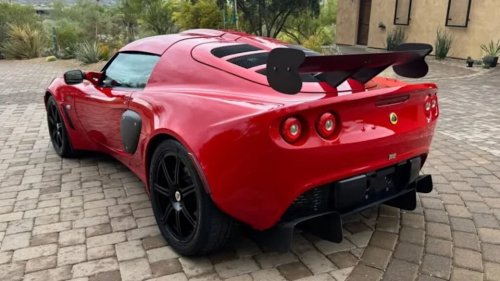
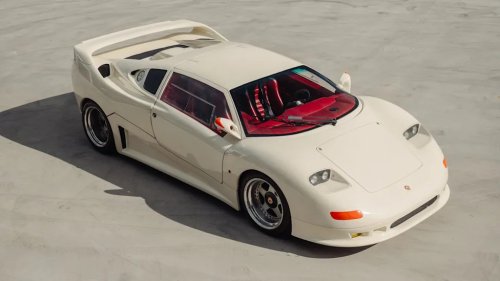
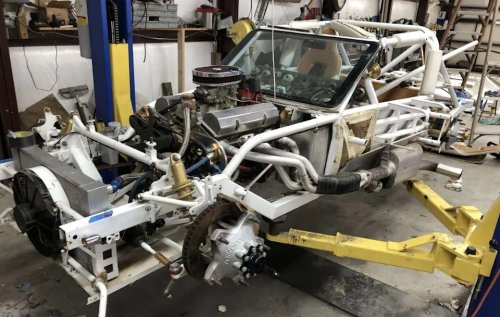
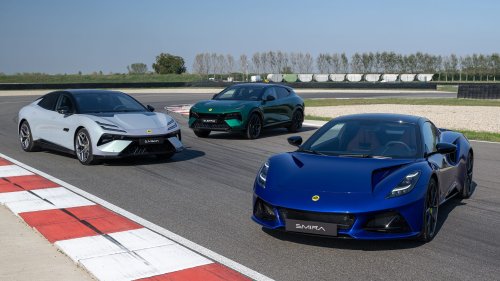
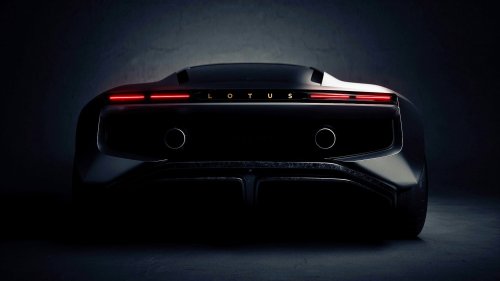
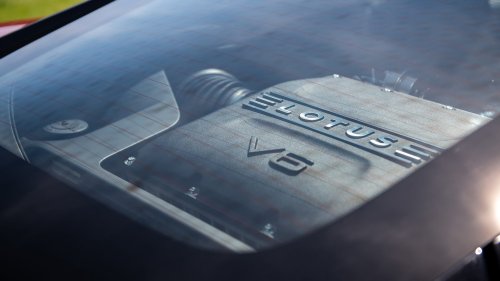
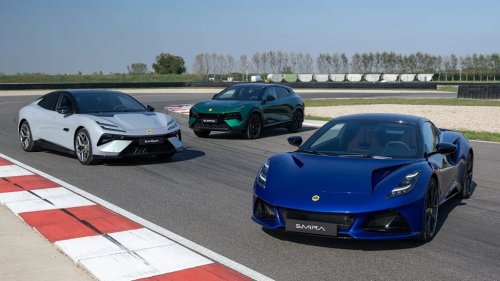
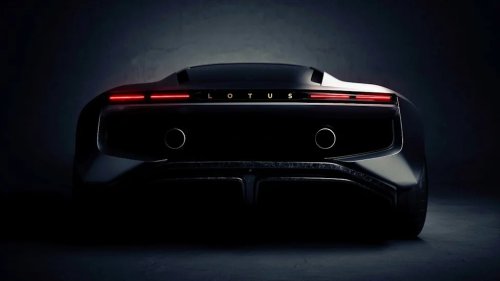
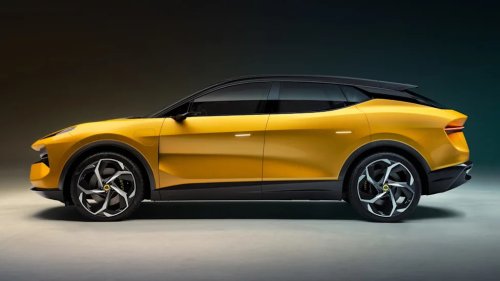
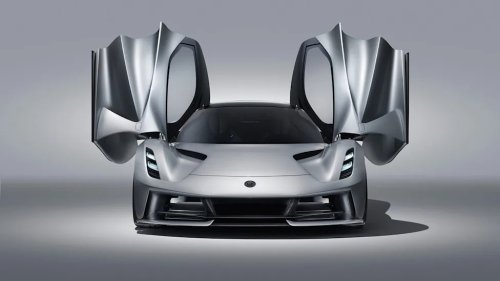
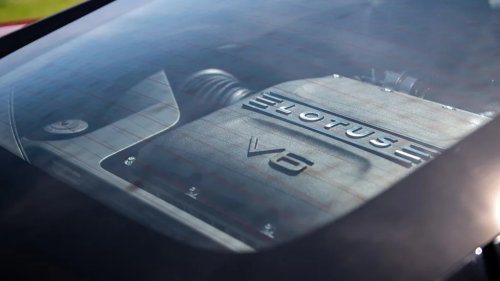
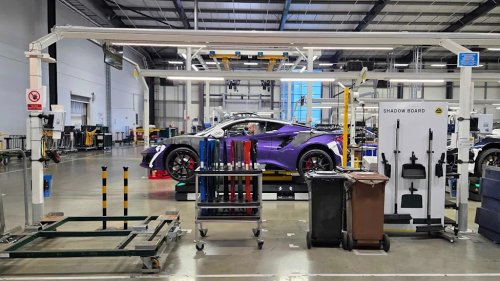
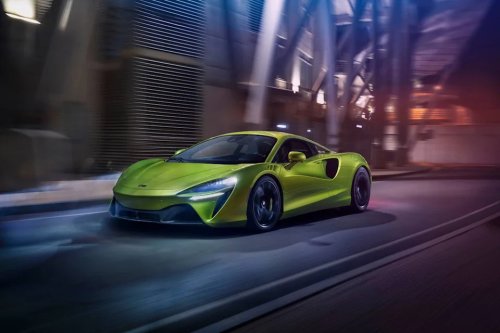
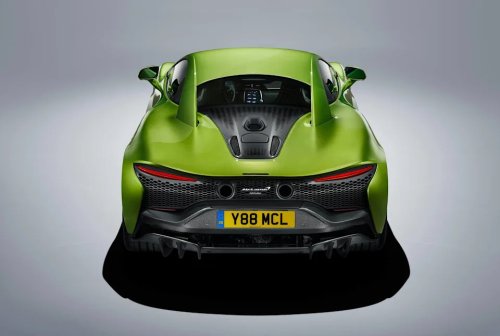
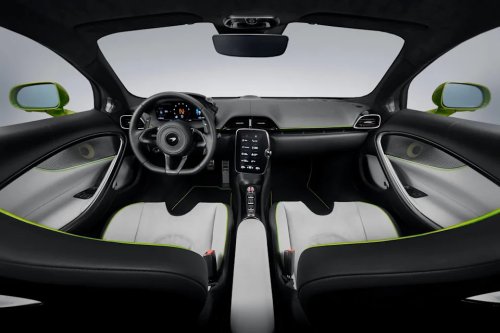
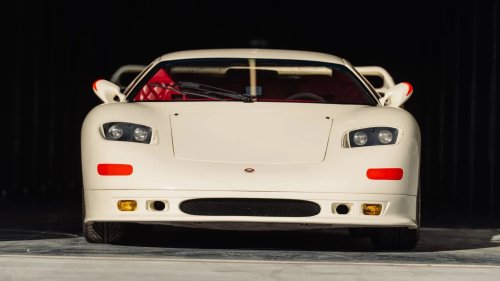
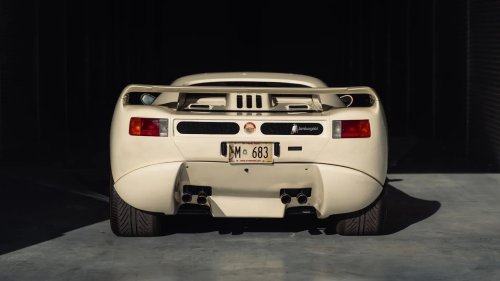
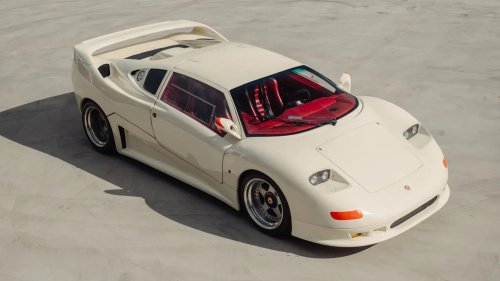
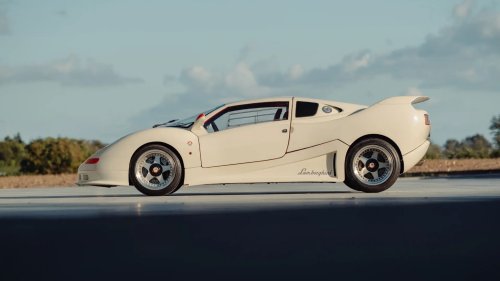
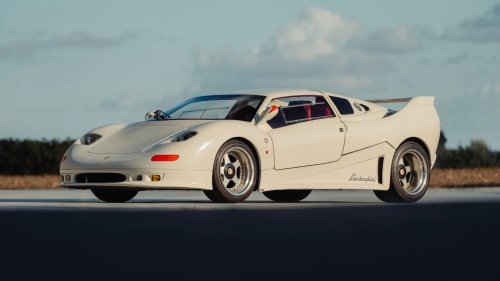
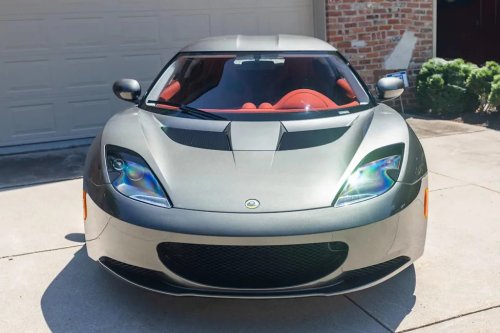
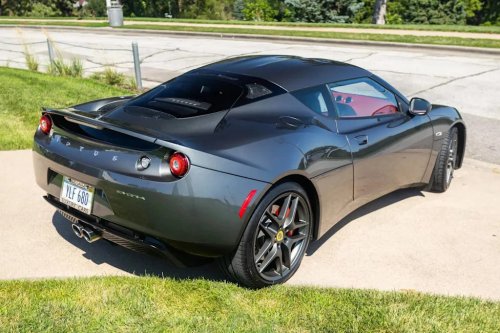
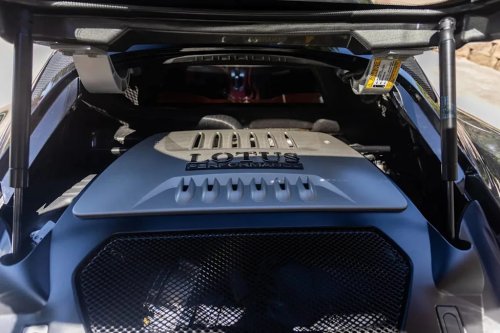
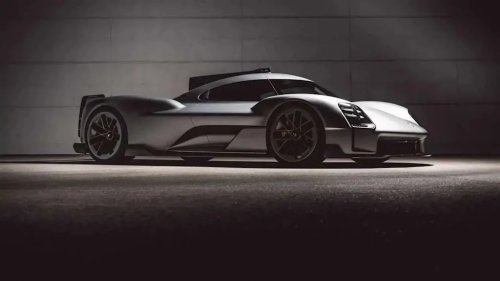
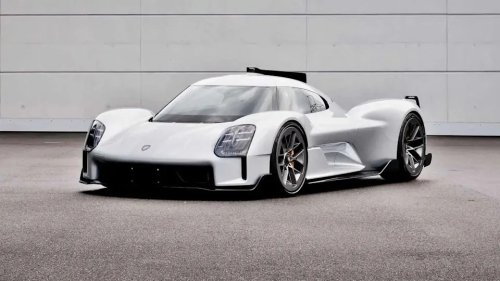
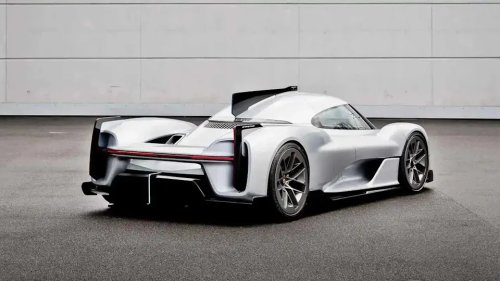
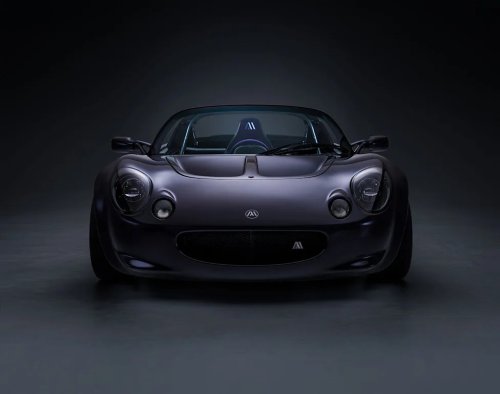
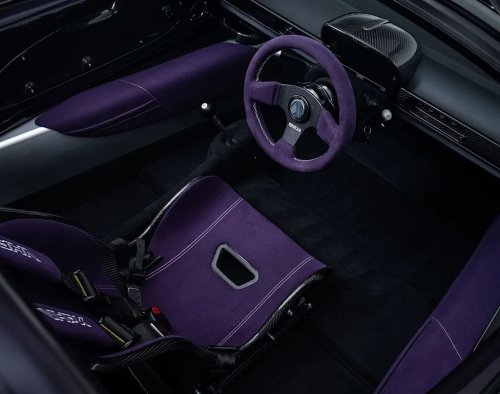
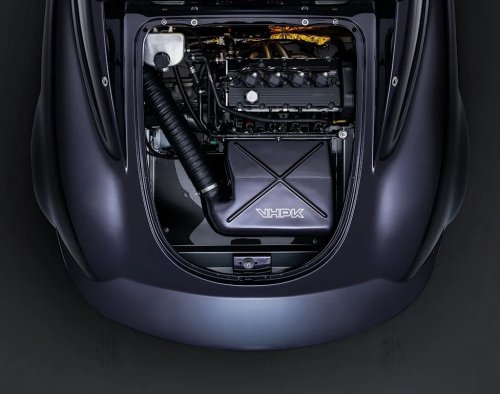
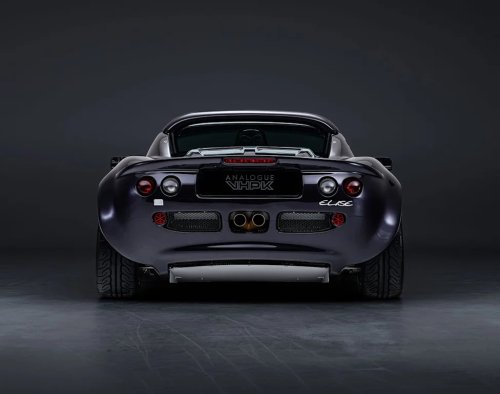
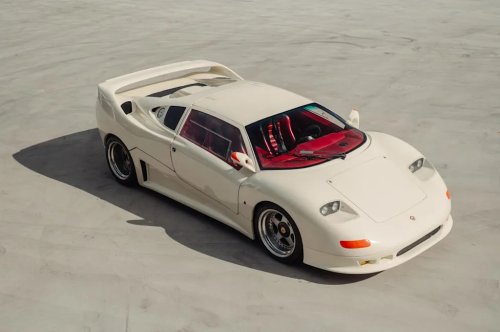
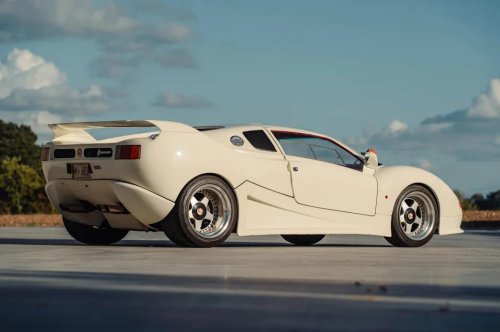
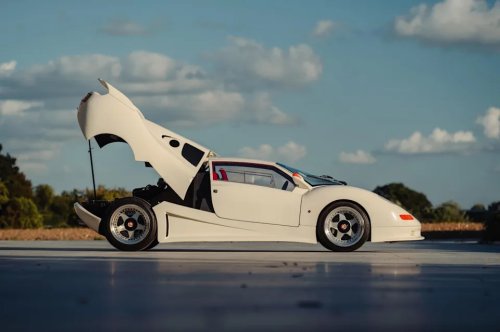
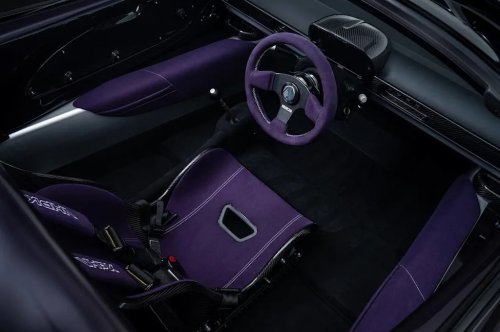
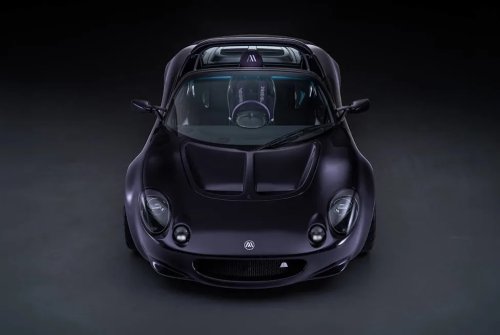
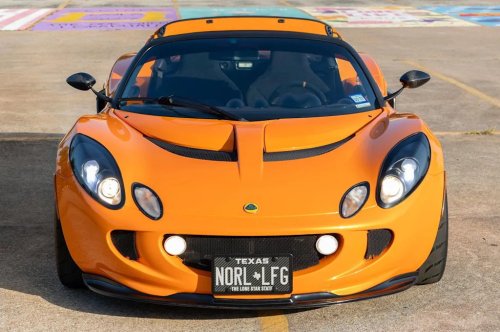
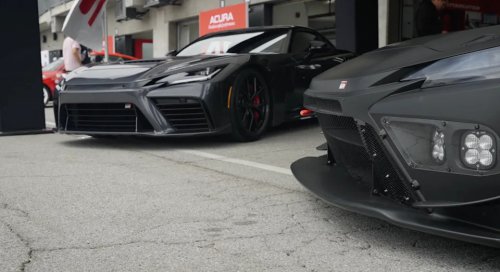
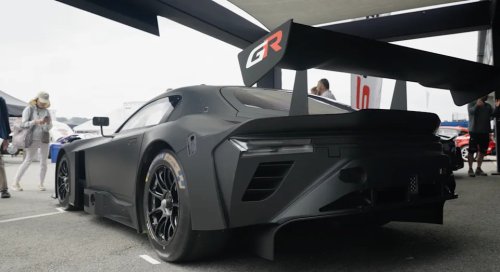
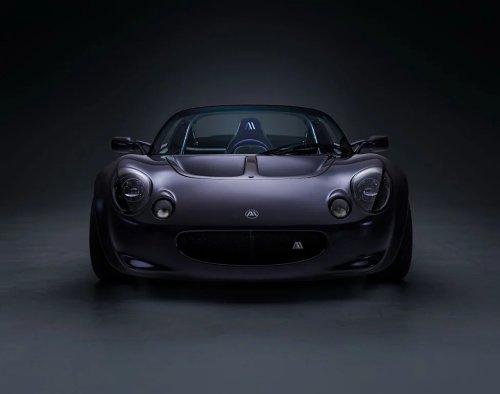
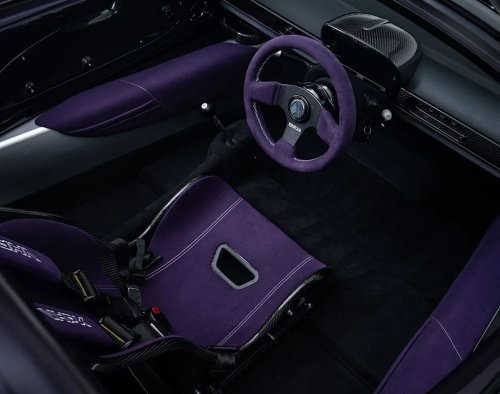
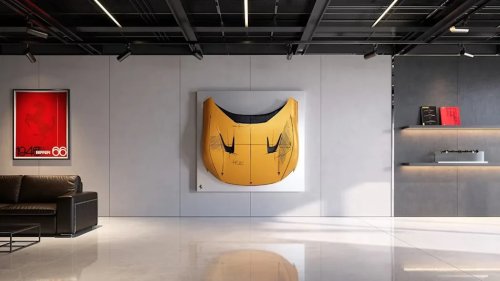
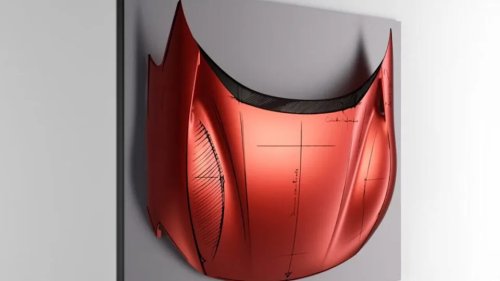
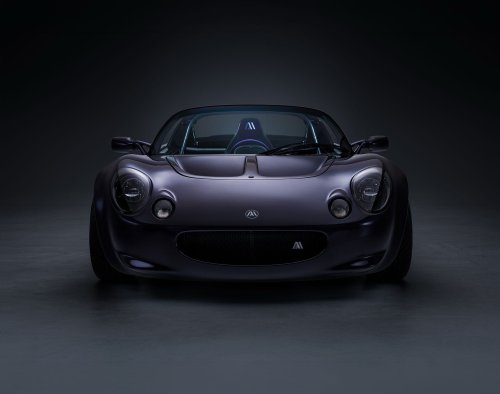
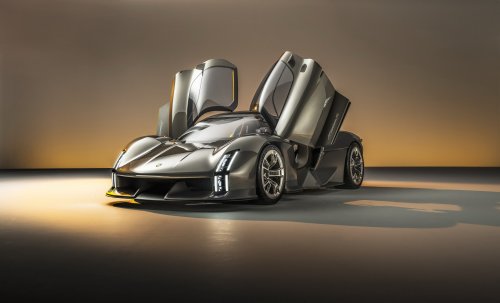
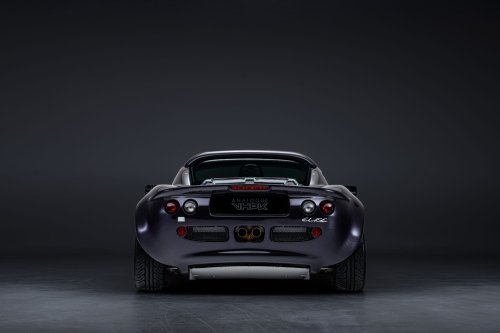
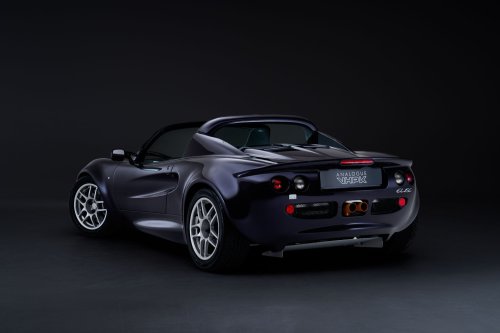
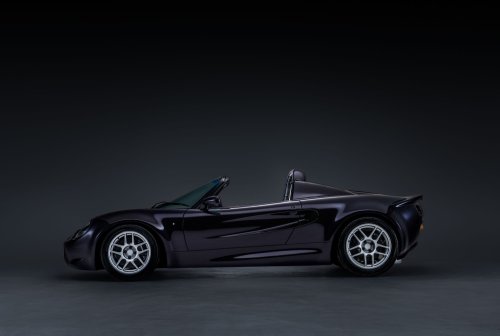
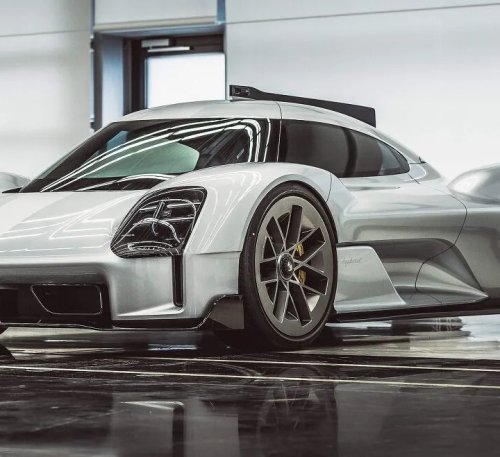
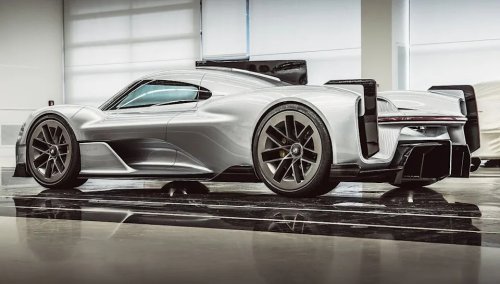
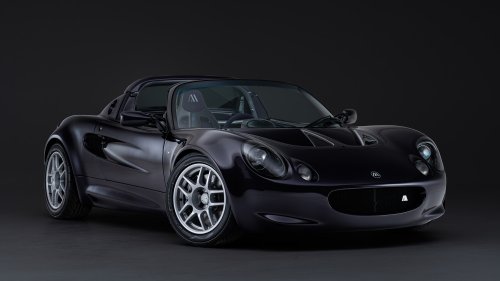
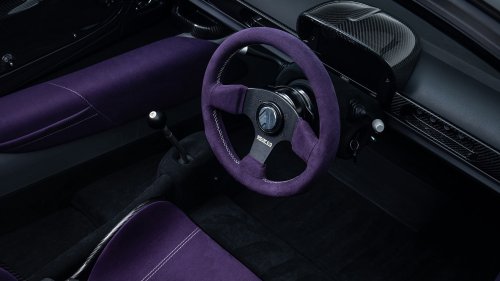
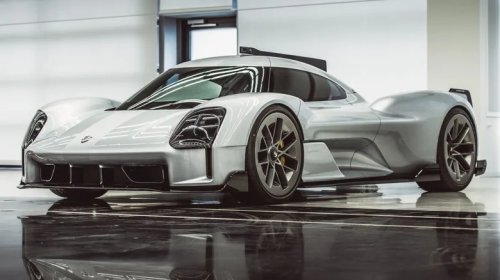
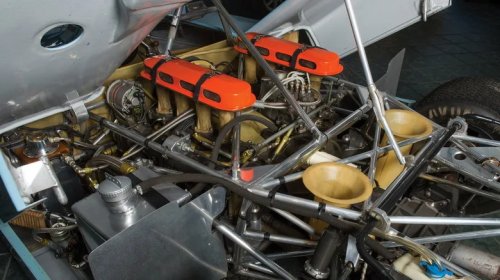
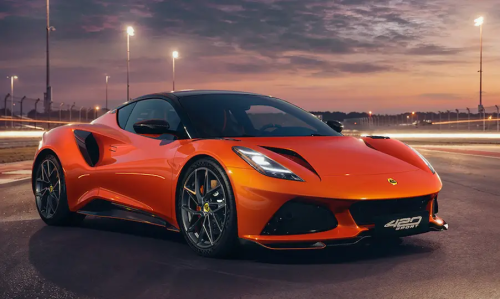
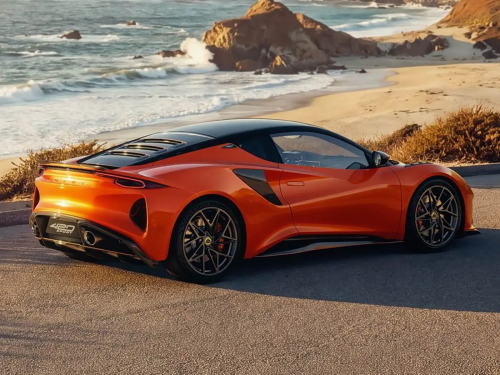
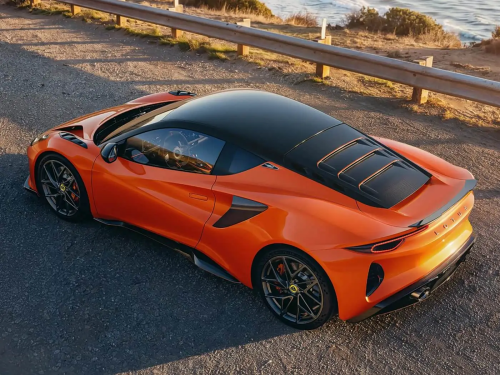
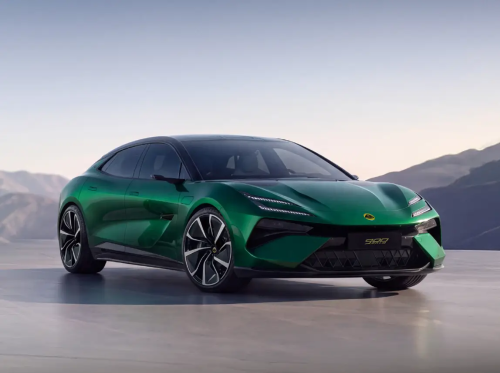
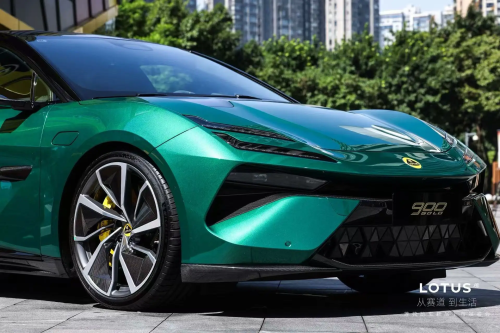
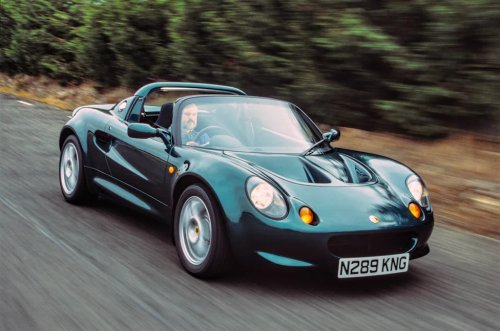
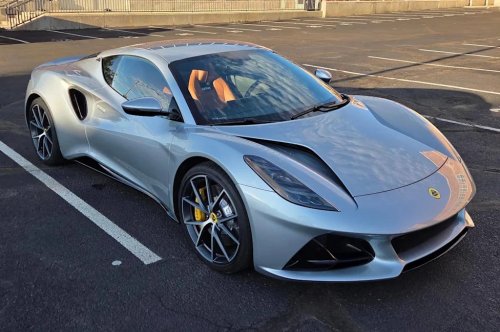
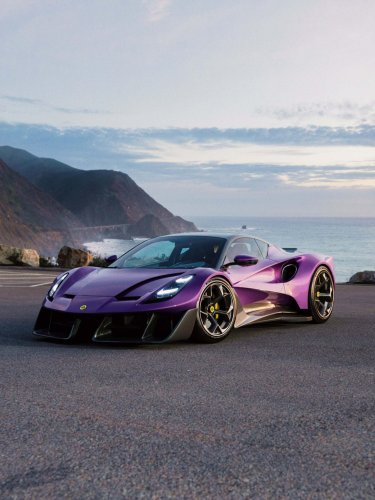
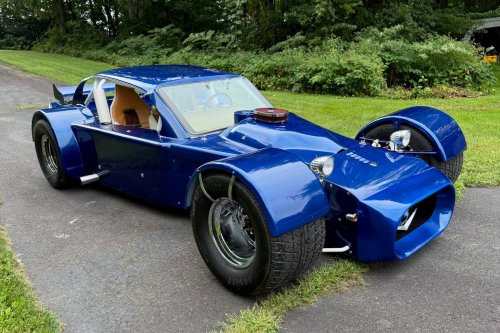
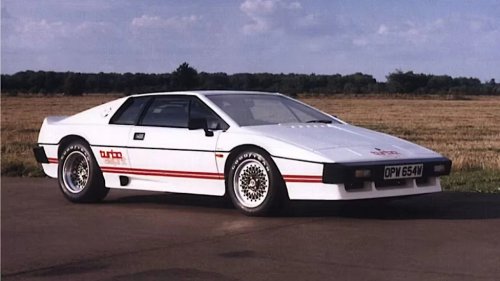
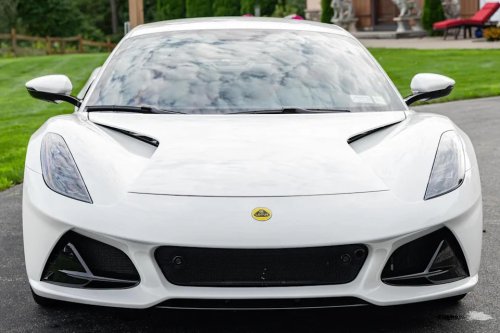
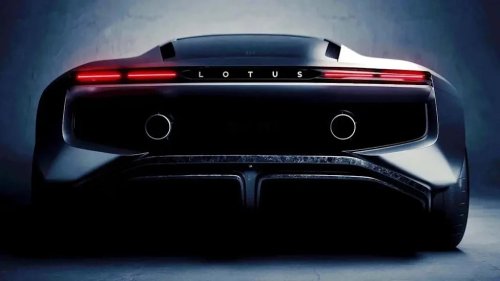
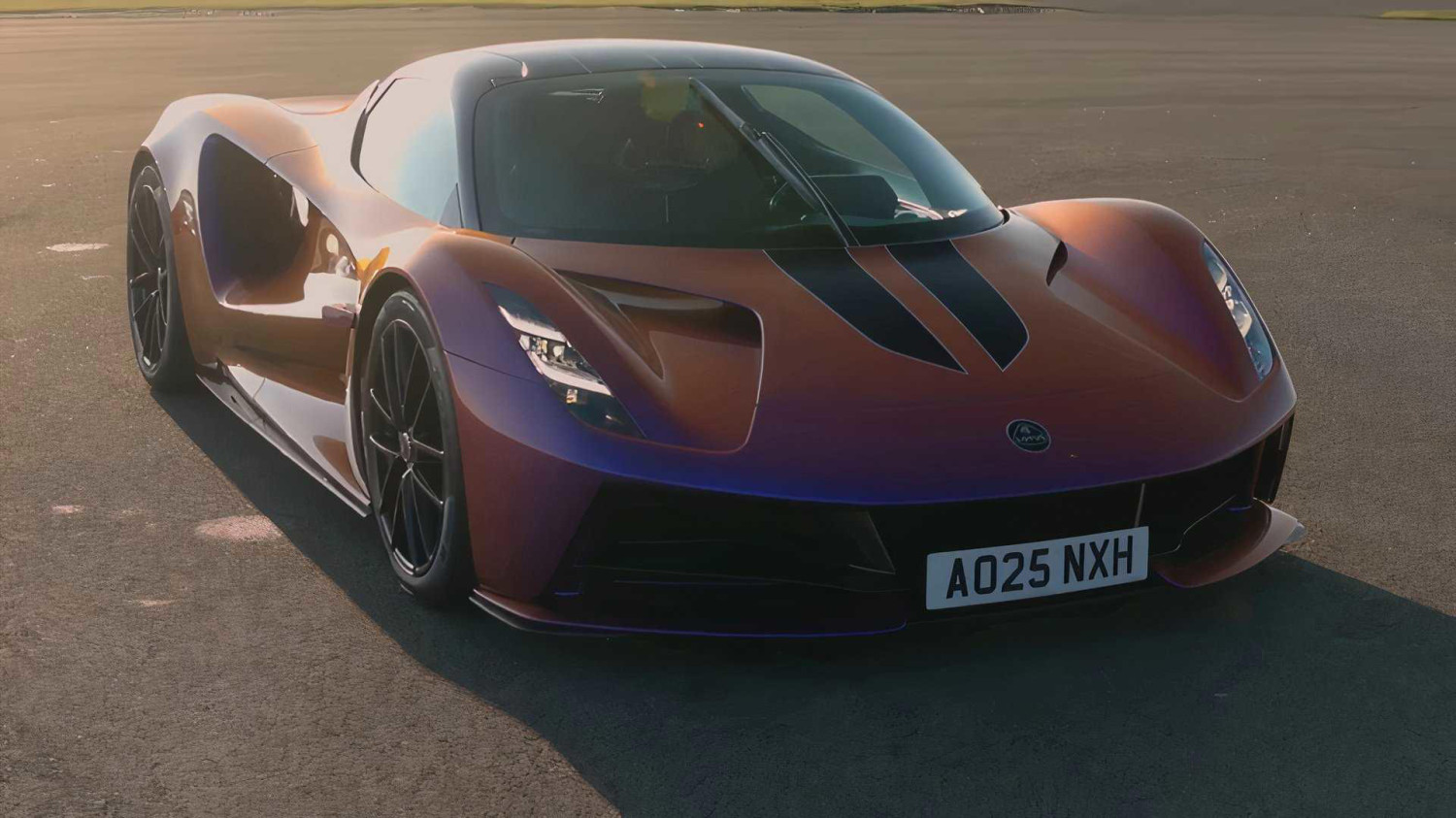
Lotus confirmed this week what would have sounded like heresy just a few years ago: a 1,000 HP V8 hybrid supercar, developed under the brand's Focus 2030 strategy. The announcement marks a dramatic reversal from Lotus's earlier commitment to an all-electric future — and it lands squarely in the middle of a debate every Lotus enthusiast has been having since the brand's Geely-era transformation began. What 1,000 HP From A Hybrid V8 Actually Means On Paper Autocar YouTube channelThe confirmed figure is 1,000 HP from a V8 hybrid powertrain — a combination that pairs internal combustion displacement with electric motor assistance in a configuration Lotus has not yet fully detailed. In isolation, the number is extraordinary. In context, it sits between two very different points in Lotus's own history.The Esprit V8, Lotus's last great twin-turbocharged flagship, produced around 350 HP in road trim and was later pushed to approximately 610 HP in higher-output configurations — a car that weighed roughly 2,900 lbs and felt violent precisely because the power-to-weight ratio was so favorable. The 3-Eleven, a track-focused open-wheeler built on Chapman's principles in their purest modern form, made 430 HP from a supercharged Toyota unit and tipped the scales at just 1,500 lbs — giving it a power-to-weight ratio of around 539 HP per tonne. The all-electric Evija, Lotus's hypercar outlier, claimed 2,011 HP but carried the weight penalty of a large battery pack.For the new V8 hybrid to honor that lineage rather than simply chase a headline number, weight management will be everything. If Lotus can keep the Focus 2030 car below 3,000 lbs — a genuine challenge with a hybrid drivetrain — the power-to-weight ratio would land around 714 HP per tonne, comfortably beyond the 3-Eleven and firmly in hypercar territory. If the hybrid architecture pushes the car toward 3,400 lbs or beyond, the number starts to look like marketing rather than engineering. The Focus 2030 Platform And The Weight Problem Lotus Has To Solve Ayesh Seneviratne, Claire-Kaoru Sakai / HotCarsFocus 2030 is Lotus's broader product and technology roadmap, and the V8 hybrid supercar is its most provocative entry. The platform's confirmed existence signals that Lotus is not treating this as a one-off halo exercise — it is, at least in intent, a strategic direction.The challenge is structural. Hybrid powertrains add weight. Battery packs, electric motors, power electronics, and the cooling systems they demand all work directly against the lightness-first philosophy that produced the Elise, the Exige, and the Evora. Chapman's cars were fast because they were honest about physics: less mass means less energy required to accelerate, brake, and change direction. A 1,000 HP figure can mask a multitude of sins if the car carrying it is too heavy to exploit that power cleanly.What Lotus has not yet confirmed — and what enthusiasts will rightly demand to know — is a kerb weight target. Without it, the 1,000 HP figure is context-free. The brand's credibility on this car will be built or broken by what the scales say, not what the dyno does.




















 +77 others