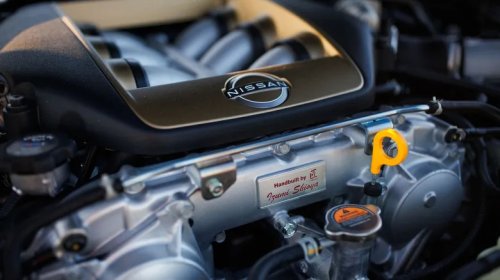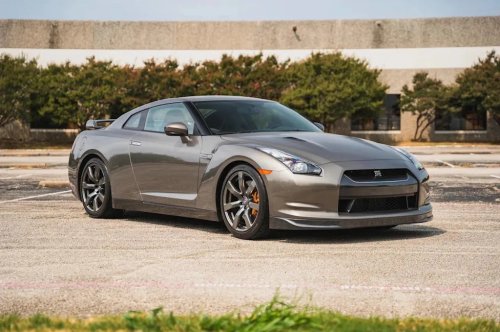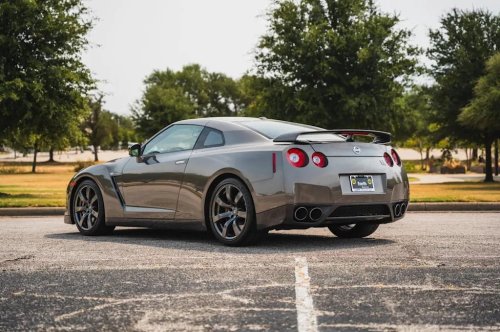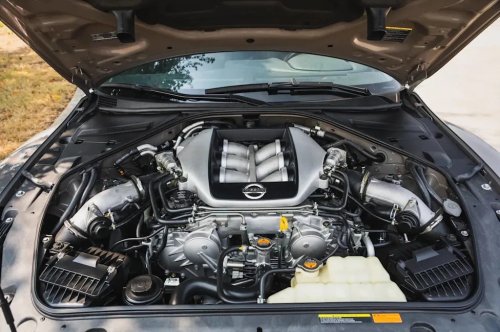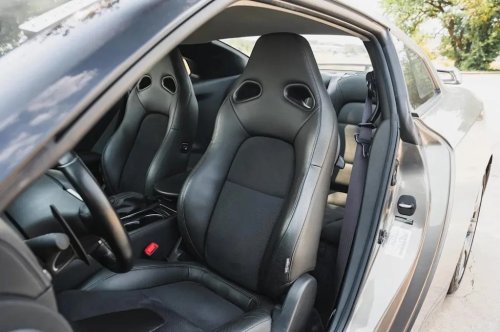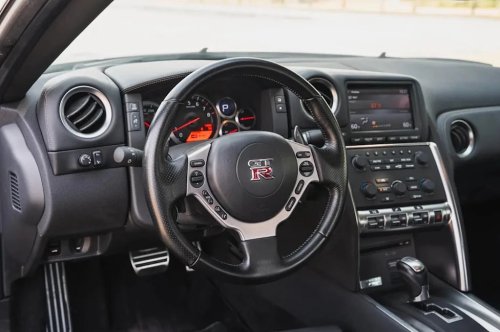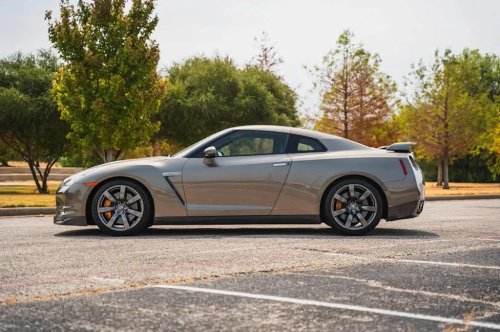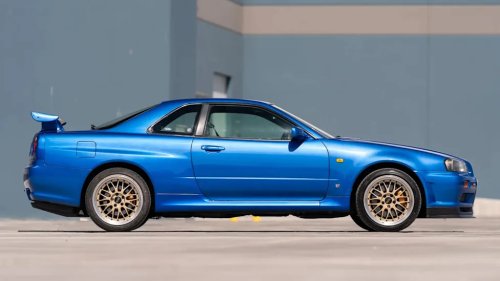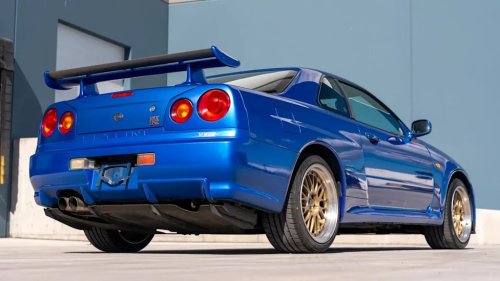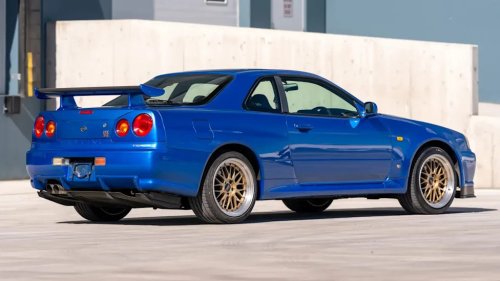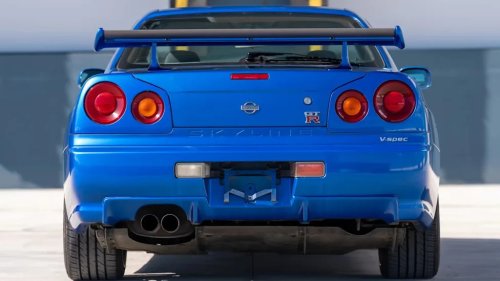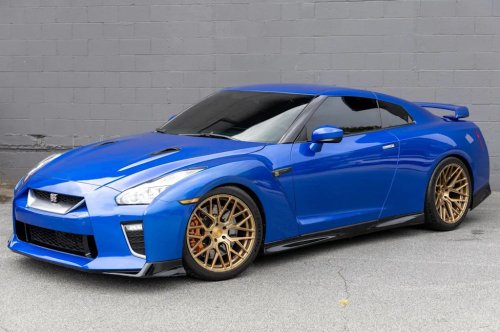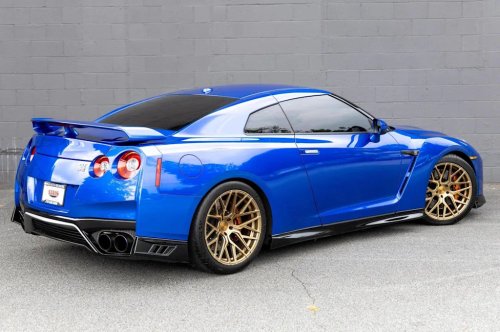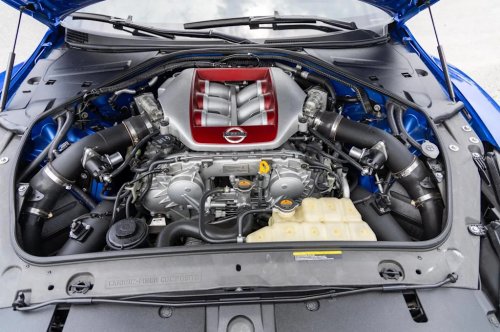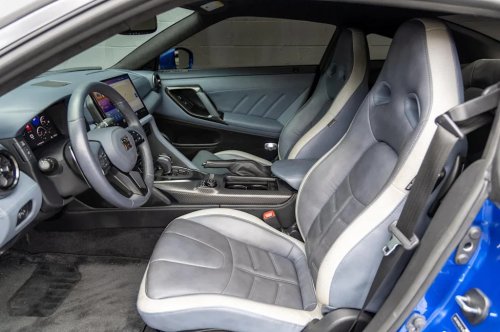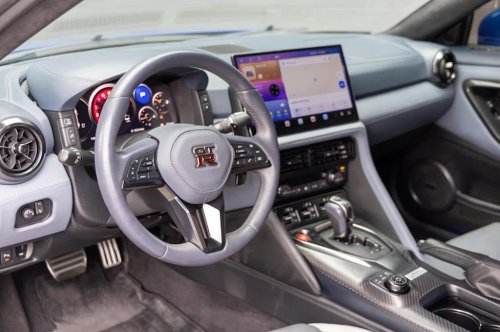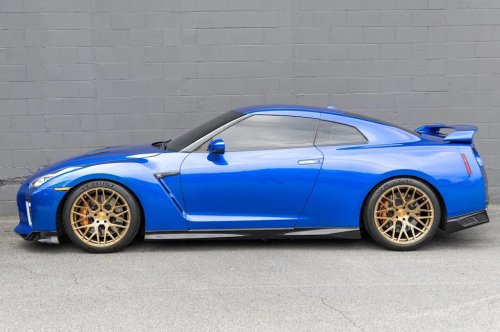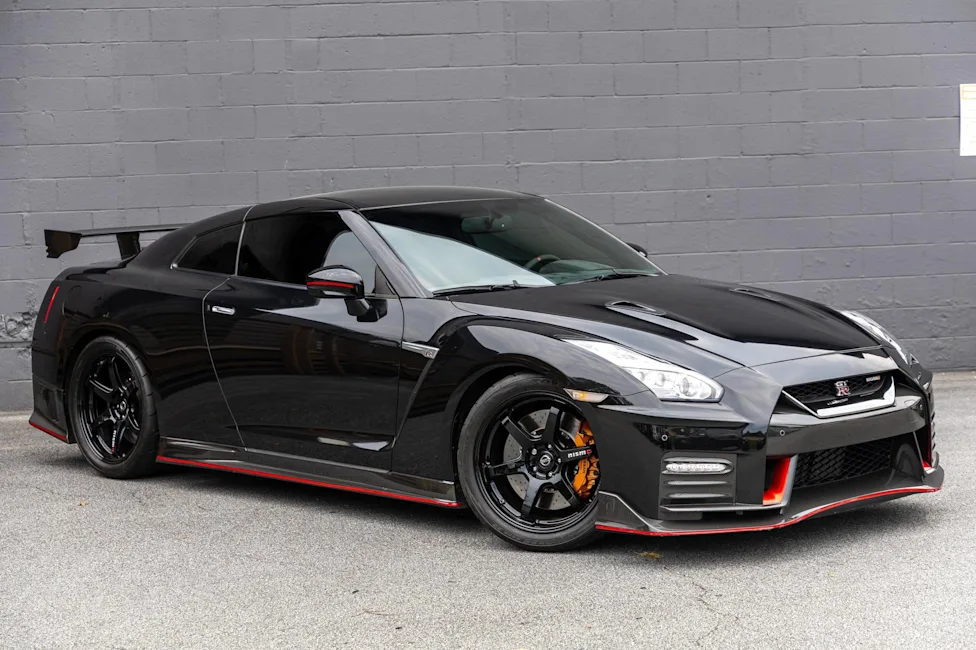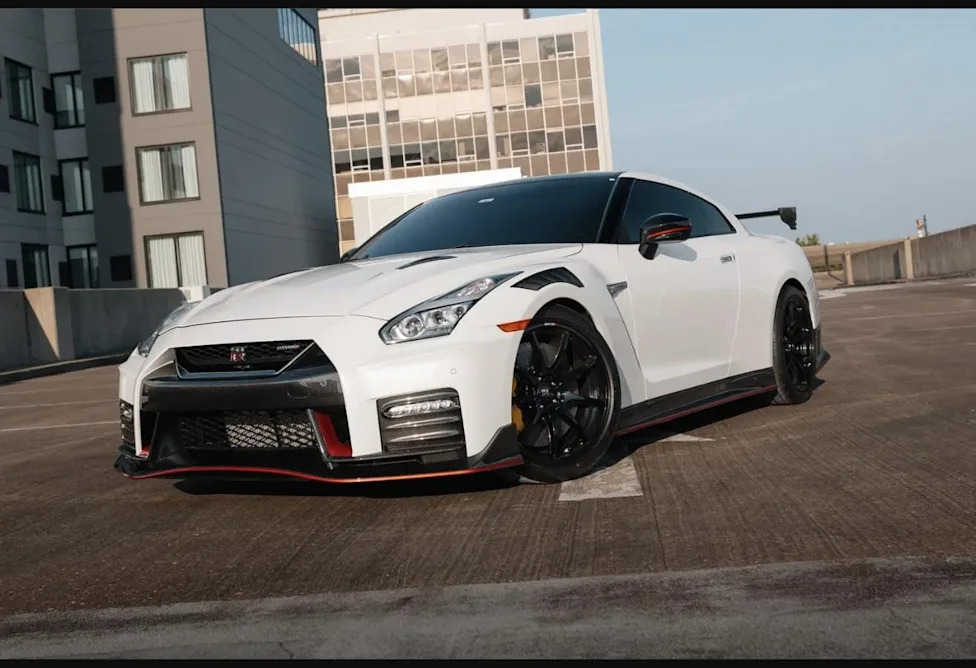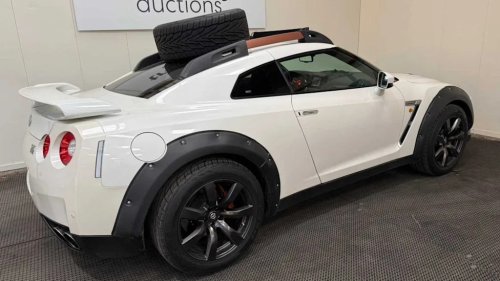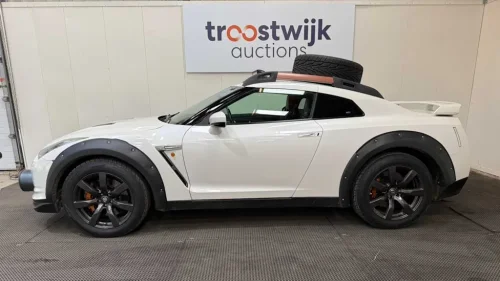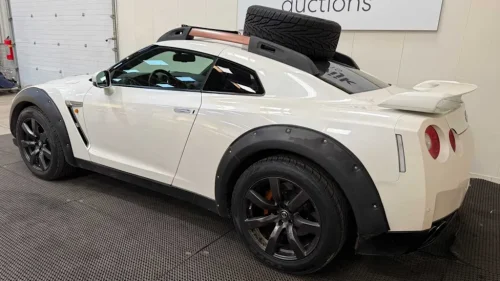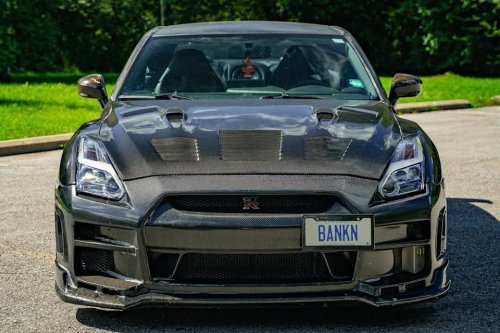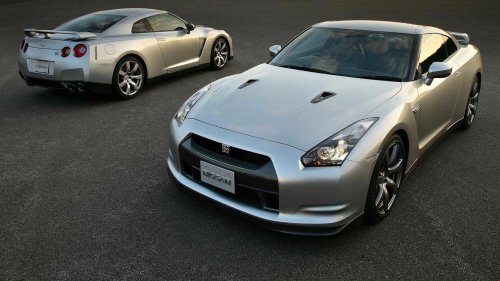
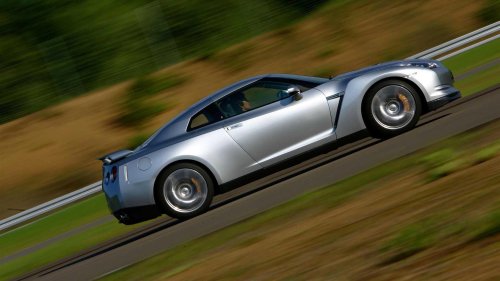
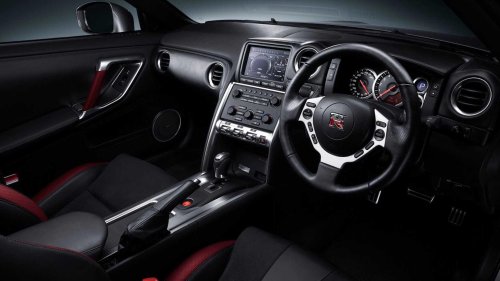
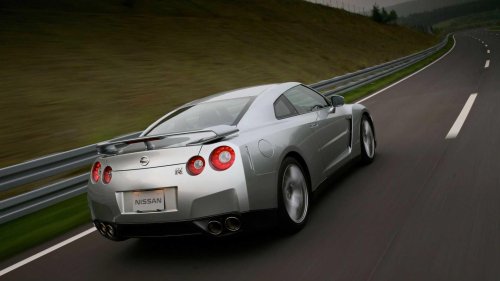
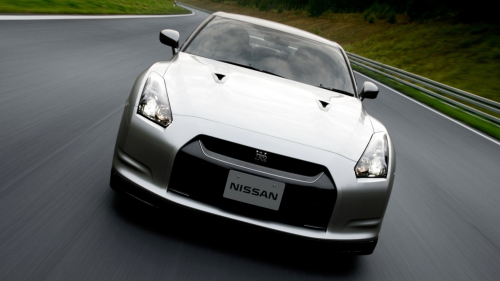
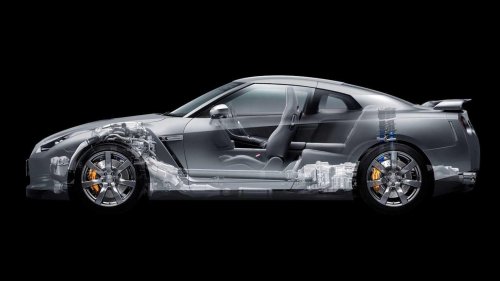
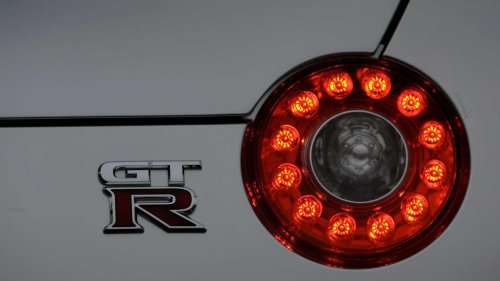



















When it arrived for the 2009 model year, the R35-generation Nissan GT-R landed with a MSRP of $69,850, a figure that, even back then, felt almost unreal for the level of performance on offer. It wasn’t just fast, it was a genuine giant killer, a car engineered to punch far above its weight and immediately reset expectations for what a sub-$100k machine could do.Even today, the R35 still holds its own against far newer machinery, and on a regular road there are still very few cars that can genuinely run with it, save for the likes of a Porsche 911 Turbo or one of its closest rivals, and even then things stay uncomfortably close. Now that production is over, the market is starting to catch on to the GT-R's greatness, as even the earliest examples are trading close to MSRP.This article is intended for informational purposes only and should not be considered financial or investment advice. Pricing and market information were accurate at the time of writing, but are subject to change. Used GT-R Prices Defying Gravity NissanNearly two decades after it rewrote the supercar rulebook, the R35 GT-R is proving just as formidable in the used market as it was on a back road. Listings on the CarBuzz Marketplace and other major classifieds sites show early examples still regularly trading in the $60–80k range, or right over the original $69,850 MSRP. Step into the 2012 model year and average asking prices quickly climb past $80,000, while clean 2014-and-newer examples routinely flirt with six figures or more. Key Facts To Know Debuted at the 2007 Tokyo Motor Show Production totaled just 48,000 units over 18 years Roughly 37% were sold in Japan NissanInterestingly, mileage doesn’t seem to influence values as heavily as you might expect. That's because for a high-performance car that has been around since the late 2000s, surprisingly few GT-Rs have accumulated serious mileage. Examples showing around 50,000 miles remain common, while lower-mileage cars are hardly unusual, even with the earlier model years.Condition, however, matters enormously. The GT-R became one of the defining tuner cars of its era, and plenty have lived hard lives filled with aftermarket upgrades, drag-strip launches, and track-day abuse. As a result, clean, unmodified cars with a documented service history are becoming increasingly difficult to find and help support average prices.It’s also worth remembering that the GT-R launched as a genuine performance bargain before steadily moving upmarket throughout its production run. Nissan raised prices almost continuously over the years, pushing the GT-R beyond the $100,000 mark by the 2014 model year and never looking back. That trajectory is still reflected in today’s used market, with used 2014 examples and newer still hovering close to six figures on average.Nissan Then there’s the simple fact of rarity. Despite an 18-year production run, Nissan delivered only around 48,000 GT-Rs globally, with roughly 37% of them never leaving Japan. Put that against rivals like the Chevrolet Corvette and Porsche 911: Chevy sells more than 30,000 Corvettes in a single year, while Porsche delivers upward of 50,000 911s annually. By comparison, GT-R production averaged just 2,667 cars per year, only a few hundred more than Lamborghini managed with the Huracán. Performance Still On Another Level Nissan The GT-R’s stellar performance, even today, also helps justify its price. Nearly two decades after its debut, even the earliest R35s can still embarrass plenty of modern performance cars. When the car launched, it was posting quicker lap times than the Porsche 911 Turbo – a feat that raised eyebrows, and more than a few protests, in Stuttgart.But fans didn’t care. The GT-R had arrived as the giant killer they’d been dreaming of. And the original 2009 model still feels special today. Its steering is heavy and direct, the twin-turbo V6 hits with a brutal wave of torque once the boost arrives, and the dual-clutch transmission snaps off shifts with an almost mechanical violence that modern performance cars have largely polished away. There’s a rawness to the early GT-R that makes the experience feel alive, demanding, and deeply rewarding when driven hard.Over the years, Nissan continuously refined the GT-R with incremental upgrades that sharpened performance across the board, adding more power and torque, honing the aerodynamics, and stiffening the chassis. By its final year, the standard GT-R produced 565 horsepower, or 85 more than when it first arrived. And for buyers chasing even more performance, Nissan offered the hardcore GT-R Nismo with 600 hp. But Nismo pricing always lived on another level, starting at $149,990 in 2015, its first year on sale, before climbing to $222,985 for 2024, the car’s final year in the US. Charting The Changes Nissan The changes Nissan made to the GT-R over the years tended to come with corresponding increases in price, and those steady climbs are clearly reflected in used pricing. The first major round of updates arrived for the 2012 model year, when output for the standard GT-R increased to 530 horsepower and pricing rose to $89,950. Power climbed again for 2013, reaching 545 hp, while pricing jumped to $99,590.The next major update came for 2017, when the GT-R received its final 565-hp rating along with a substantially redesigned front fascia that improved aerodynamics and gave the aging supercar a more aggressive, modern appearance. By then, pricing had risen to $109,990, meaning the GT-R was no longer the performance bargain it had once been.Those constant and often substantial price increases, despite relatively little changing beyond performance improvements, are one of the main reasons GT-R sales began to fizzle after the first few years. In the US, sales peaked at 1,534 units during the GT-R’s first year, but declined significantly after 2015, when typically a redesigned model would arrive. From that point on, annual US sales averaged fewer than 500 units per year. Today, with used prices remaining remarkably close to the original MSRP, your budget will dictate which model year – and thus performance level – is for you. Things To Watch Out For Nissan Buying a used GT-R means paying just as much attention to the car’s history as its condition. Many R35s have been heavily modified, often with larger turbos, aggressive tunes, and launch-control abuse to chase extreme levels of performance figures Nissan's engineers never envisaged. The problem is that plenty of those cars are later returned to stock before sale, masking the fact that critical components like the transmission, drivetrain, and engine may have spent years coping with far higher power levels than what the factory delivered. A clean-looking stock GT-R isn’t always as untouched as it appears.That matters because transmission problems are among the GT-R’s most notorious weak points. CarComplaintshas documented issues ranging from rattling noises under load to complete transmission failure, particularly on early models, and replacement costs can easily stretch into five figures. RepairPalrates the GT-R as generally reliable overall, but ownership costs can escalate quickly when problems appear.Buyers should watch for common GT-R wear items like worn suspension bushings, cracked factory brake rotors, uneven tire wear, and leaks of the Bilstein dampers, all of which can point to hard use even on stock cars. Ignition coil failures and driveline shudder are also known issues, making a thorough inspection essential before buying. The Market Finally Caught On Nissan In a market where clean, unmodified examples are becoming increasingly scarce, the GT-R’s sticky pricing starts to make more sense. Rarity plays a major role, but so does a growing appreciation for just how capable and ahead of its time the R35 really was.Depreciation has largely stalled, and in some cases reversed, meaning ownership is often defined more by running costs than by long-term value loss. Buy carefully, maintain it well, and the GT-R may prove to be one of the rare modern performance cars you can enjoy for years and sell on without taking much of a financial hit.