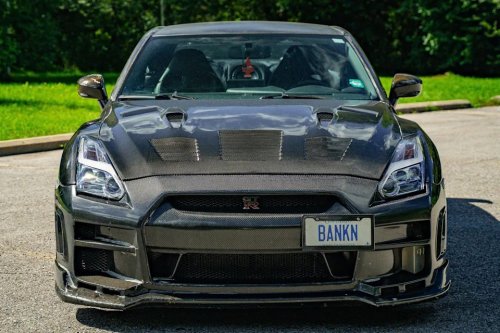
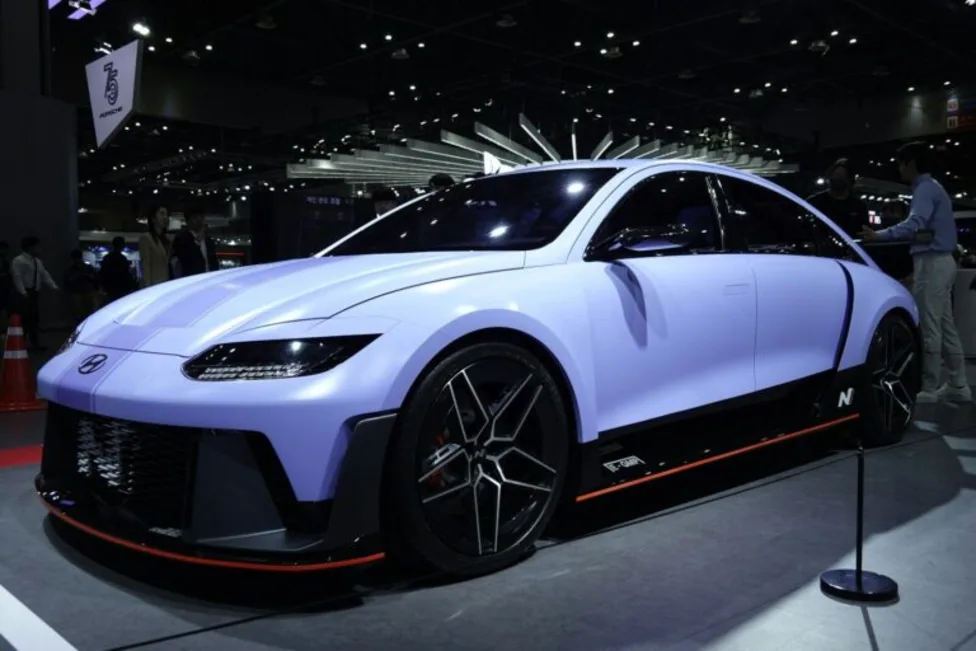
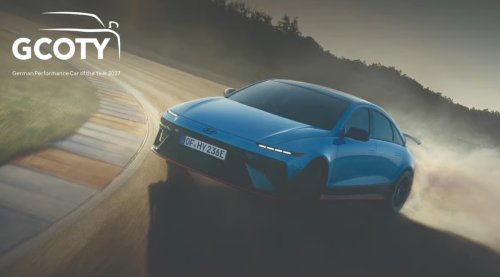
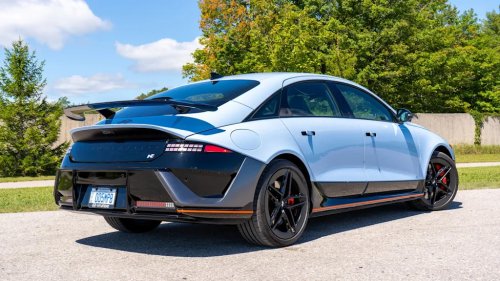
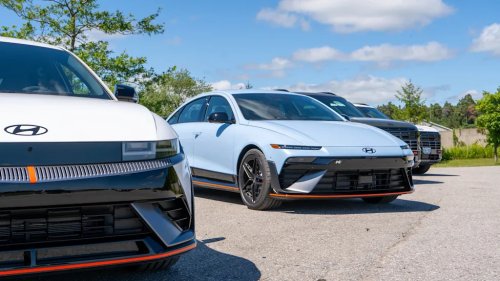
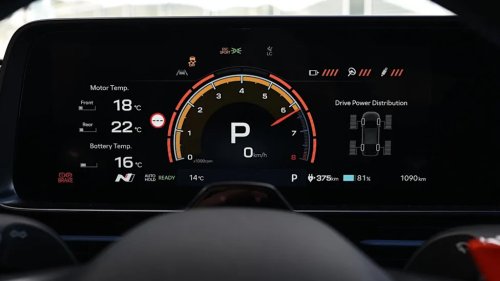
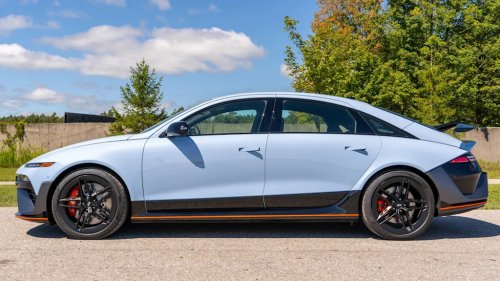
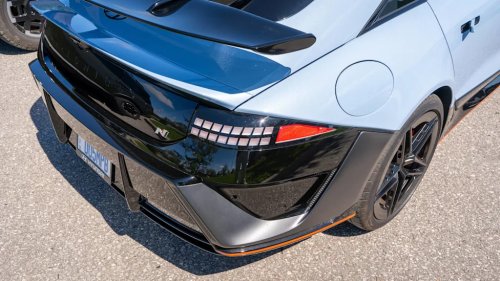
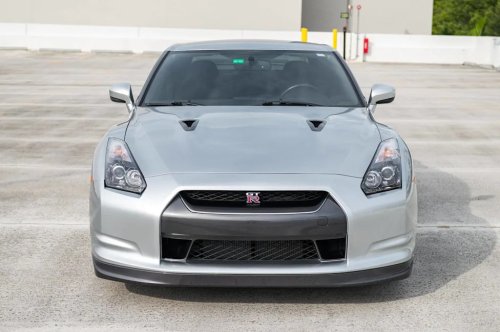
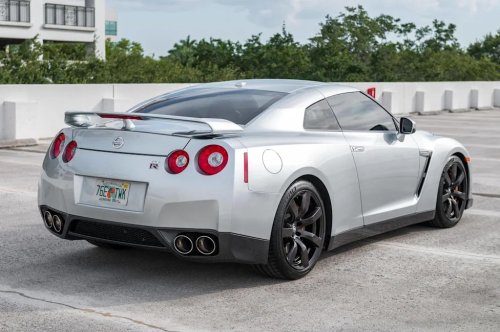
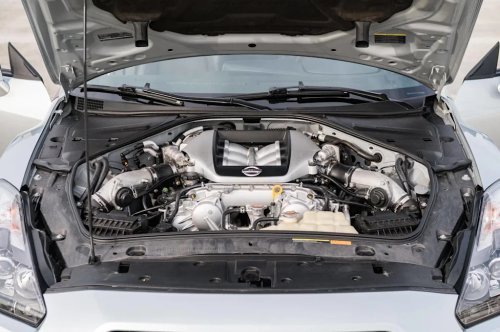
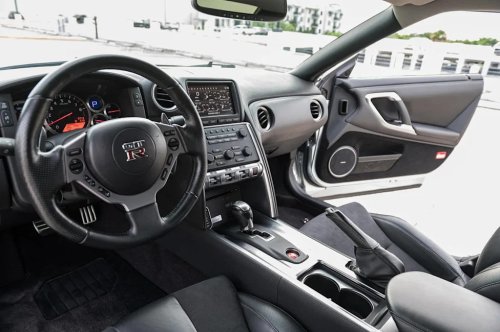
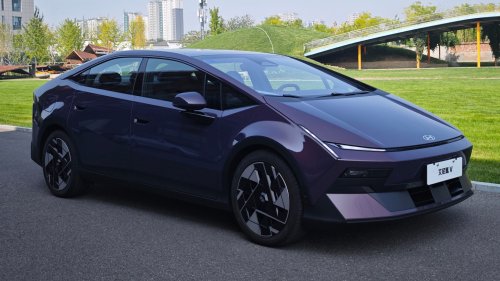
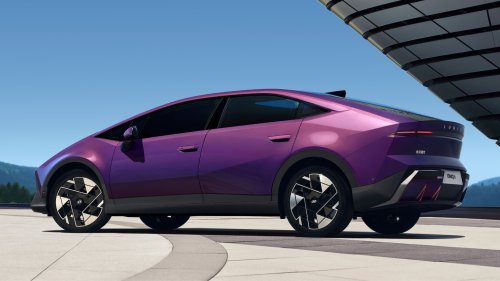
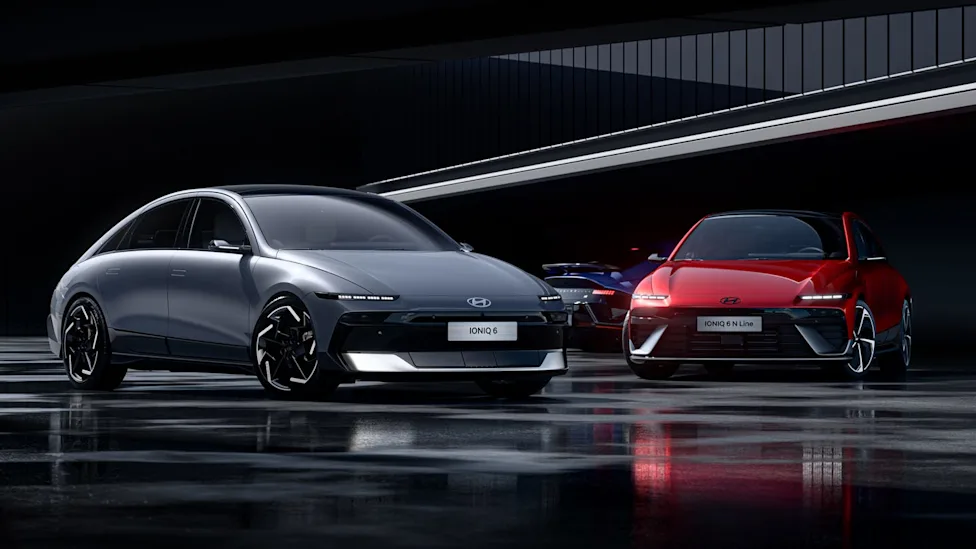
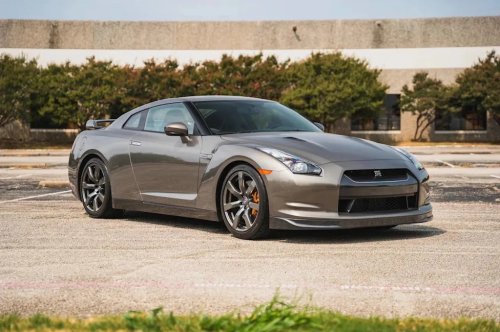
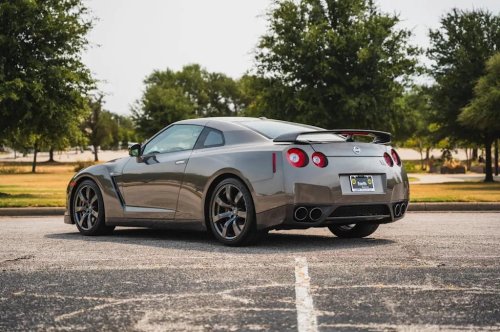
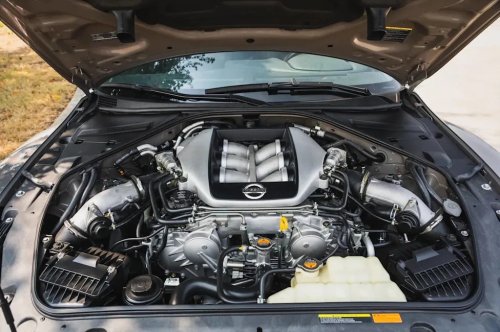
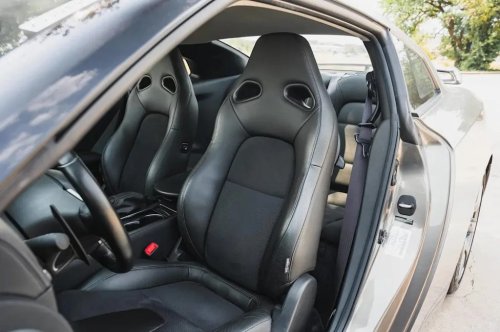
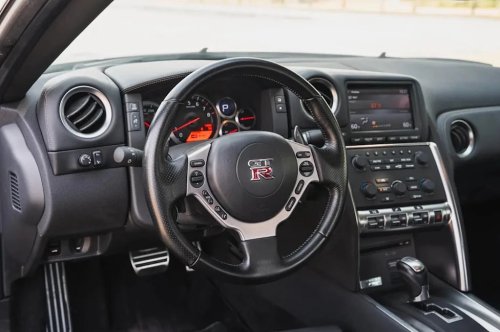
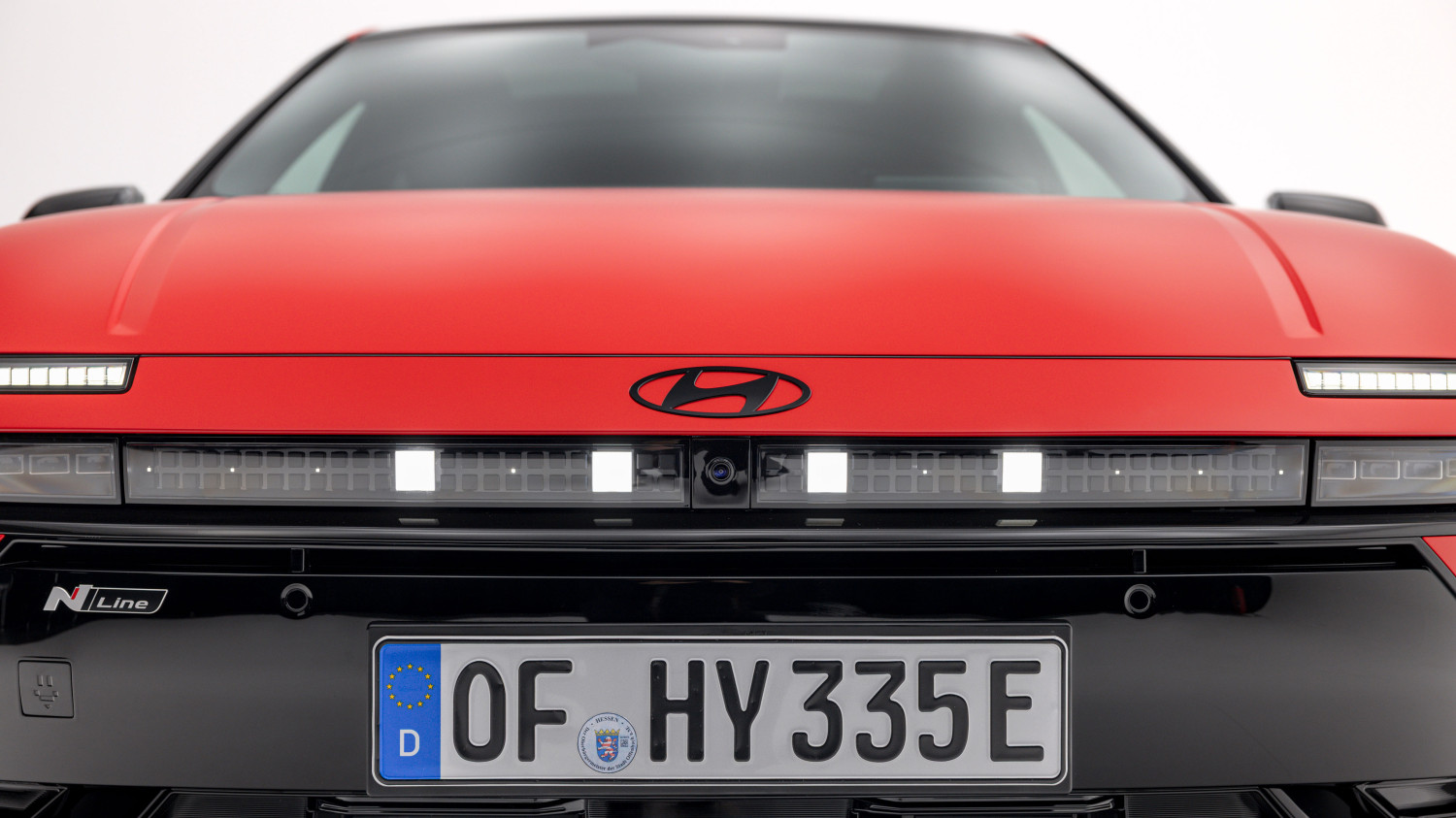
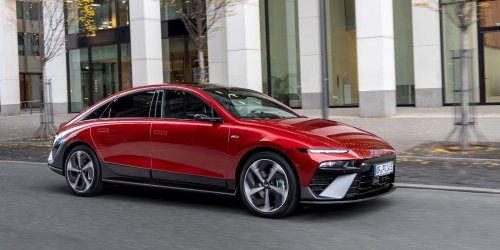
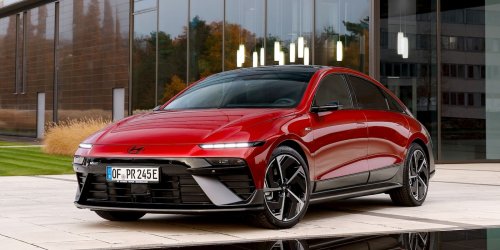
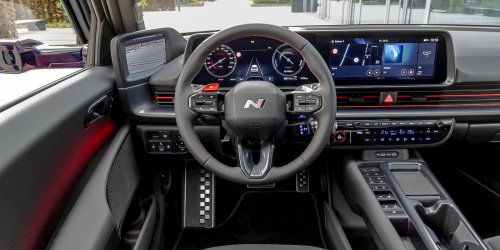
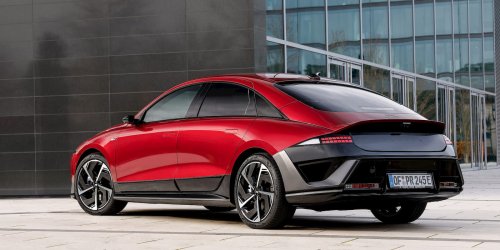
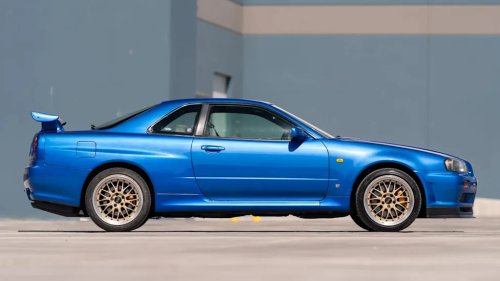
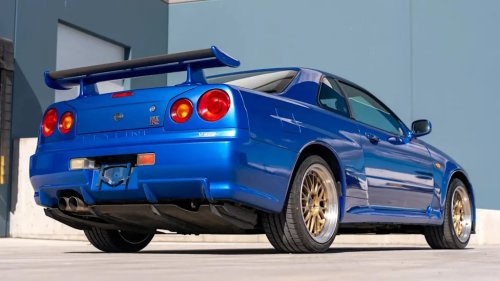
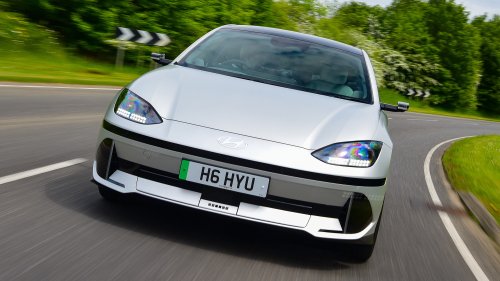
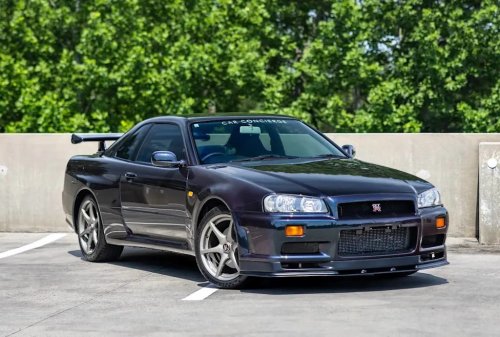
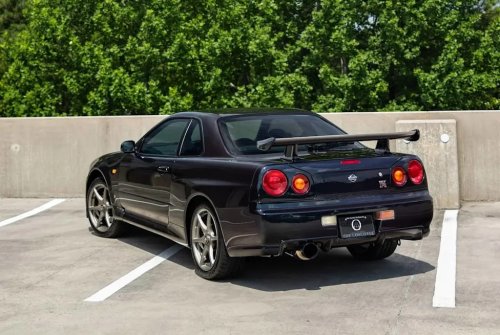
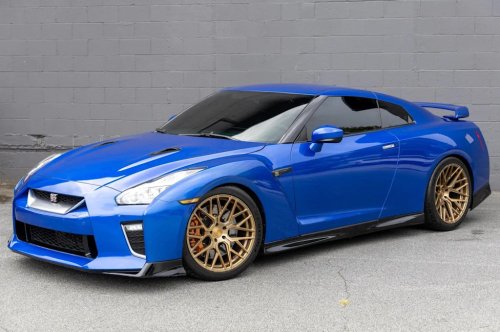
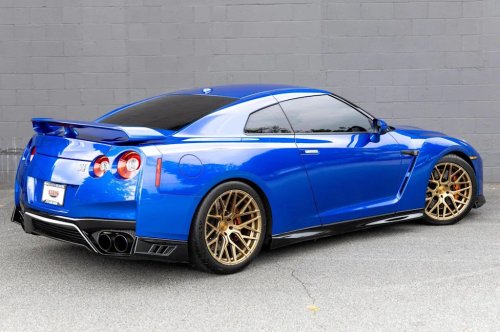
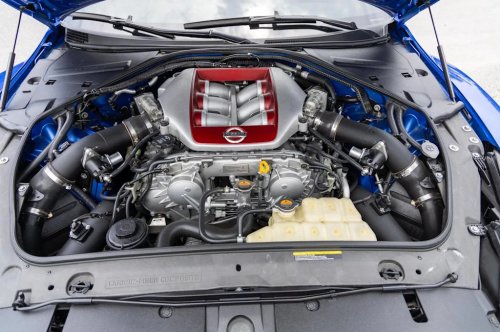
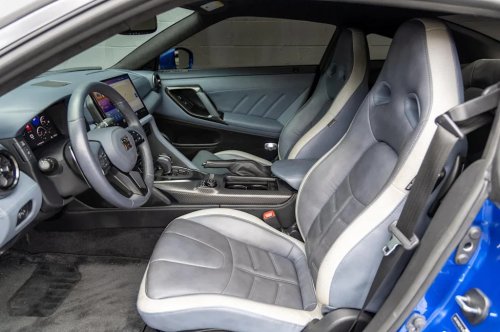
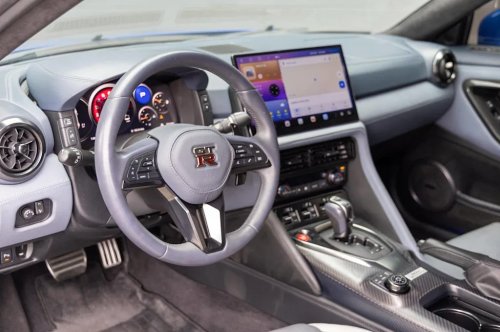
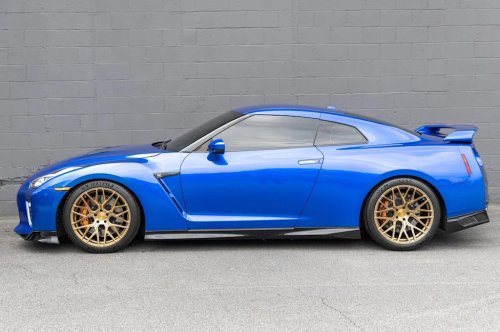
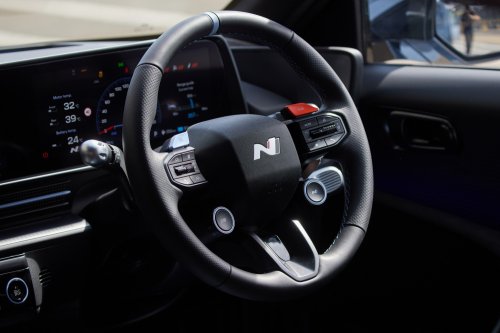
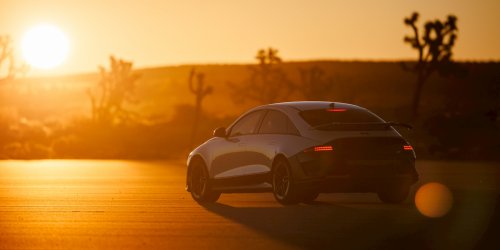
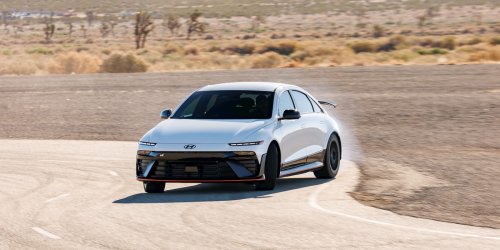
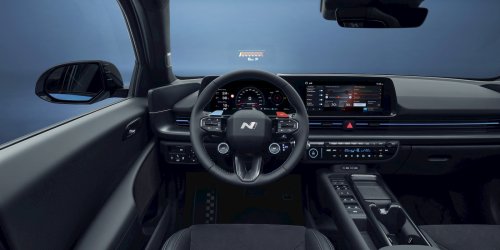
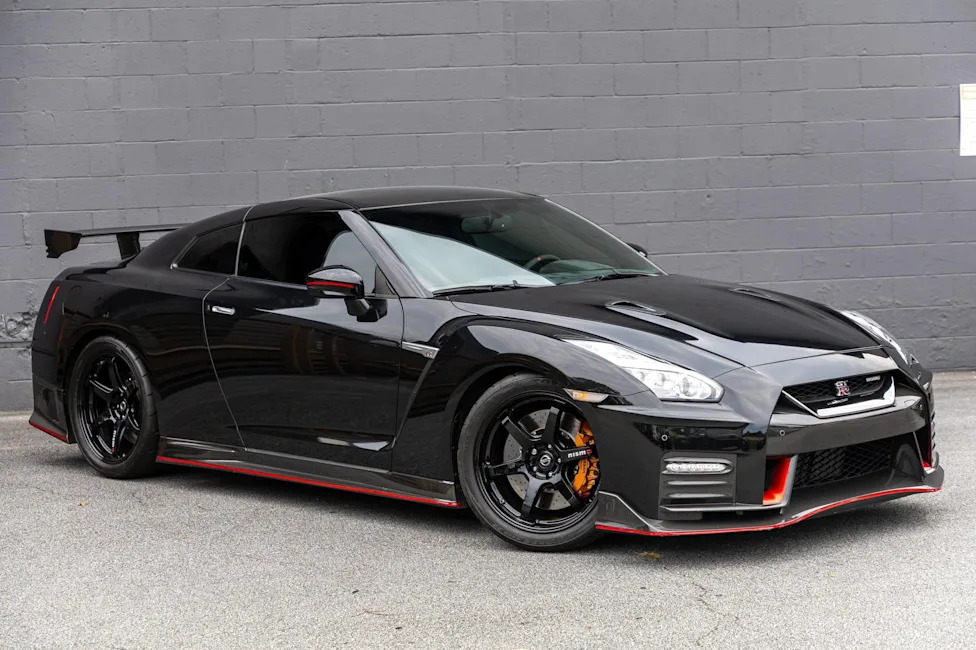
Hyundai Ioniq 6 N Beats 650-HP Tuned Nissan GT-R in Track BattleThe Nissan GT-R R35 spent the better part of two decades being the car that made everything else look slow. A hand-assembled twin-turbo V6, all-wheel drive, and a dual-clutch gearbox that could read a corner before you'd consciously thought about it. Now a four-door electric sedan has gone around a track faster than one.Driven+ posted a track battle pitting a Litchfield-tuned R35 GT-R against a Hyundai Ioniq 6 N, and the Hyundai won. The Ioniq 6 N lapped in 50.01 seconds. The GT-R managed 50.07. Six hundredths of a second separated them – barely anything, and yet entirely the point.The Numbers Behind a 0.06-Second GapThe GT-R in this test wasn't a standard car. Litchfield's Stage 4-plus tune brings the 3.8-liter VR38DETT up to 650 horsepower and 800 Nm of torque, which puts it on equal footing with the Ioniq 6 N's 641 hp figure using N Grin Boost. On paper, the GT-R actually had a nine-horsepower advantage.AdvertisementAdvertisementWhat it didn't have was a weight advantage. The Ioniq 6 N tipped the scales at 2,166 kg against the GT-R's 1,722 kg – a 444-kg deficit that would normally bury an electric car in the twisty stuff. The GT-R also ran Michelin Pilot Sport 4S rubber, which the Driven Plus presenters openly acknowledged was the better tyre for this circuit compared to the Ioniq 6 N's Pirelli P Zeros. The Hyundai won anyway."We live in a world in which an EV is now faster than a tuned GTR. Let that sink in," the host Sam Maher-Loughnan said. "And after watching the lap back, he went further: "An EV is faster than a Nissan GTR on track. Not just in a drag race."The driver, who had set 80% of torque distribution to the rear axle after getting frustrated by the GT-R's tendency to wash out at the front, described the Ioniq 6 N as something that earned a proper rethink mid-session. "The gearbox works like a manual ICE engine. It sounds like one. It goes like one. It turns like one. And if you can readjust your brain and just get over it, it's wicked."He also called it a probable 49-second car on better rubber – and added the GT-R would likely match that, too.Why This Result Matters Beyond One Track DayThe Ioniq 6 N was launched at Goodwood in July 2025. It shares the E-GMP platform with the Ioniq 5 N but carries revised suspension geometry, stroke-sensing adaptive dampers, and a rear wing generating up to 275 kgf of downforce at top speed. The battery management system can precondition itself depending on whether the driver is about to do drag launches, sprint laps, or sustained circuit work. Hyundai N clearly built this thing to be taken seriously on track, and Christian Gebhardt of Sport Auto recorded a lap time of 7:35.42 around the Nürburgring, a figure that undercuts the original Nordschleife times the R35 GT-R posted when it first established itself as a landmark performance vehicle.AdvertisementAdvertisementThe GT-R, meanwhile, is in its final year of production after 17 years. A next-generation model isn't expected until around 2030, and whether that will run an internal combustion engine at all remains an open question. Maher-Loughnan offered perhaps the most generous reframe of the result:"The fact that that Nissan GTR kept up with a brand new EV in 2026, that is the best way to flip it." He's not wrong. An aging platform tuned to 650 hp and running on developed hardware from the mid-2000s came within a blink of beating a car built with every advantage modern EV engineering can offer.The result doesn't make the GT-R look bad. It makes the Ioniq 6 N look like exactly what Hyundai claims it is – and that's the harder thing for the enthusiast world to sit with.



























![Hyundai's IONIQ 6 N looks ready for its US launch [Image]](https://cdn.topcarnews.net/thumb/id/aHR0cHM6Ly9pMC53cC5jb20vZWxlY3Ry-ZWsuY28vd3AtY29udGVudC91cGxvYWRz-L3NpdGVzLzMvMjAyNi8wOS9IeXVuZGFp-LUlPTklRLTYtTi1VUy1sYXVuY2gtMS5q-cGVnP3c9MTUwMCZhbXA7cXVhbGl0eT04-MiZhbXA7c3RyaXA9YWxsJmFtcDtzc2w9-MQ/e25ca12388b88f2eff0fe729e5bf28a1.jpeg?t=20261001&post_id=61807)