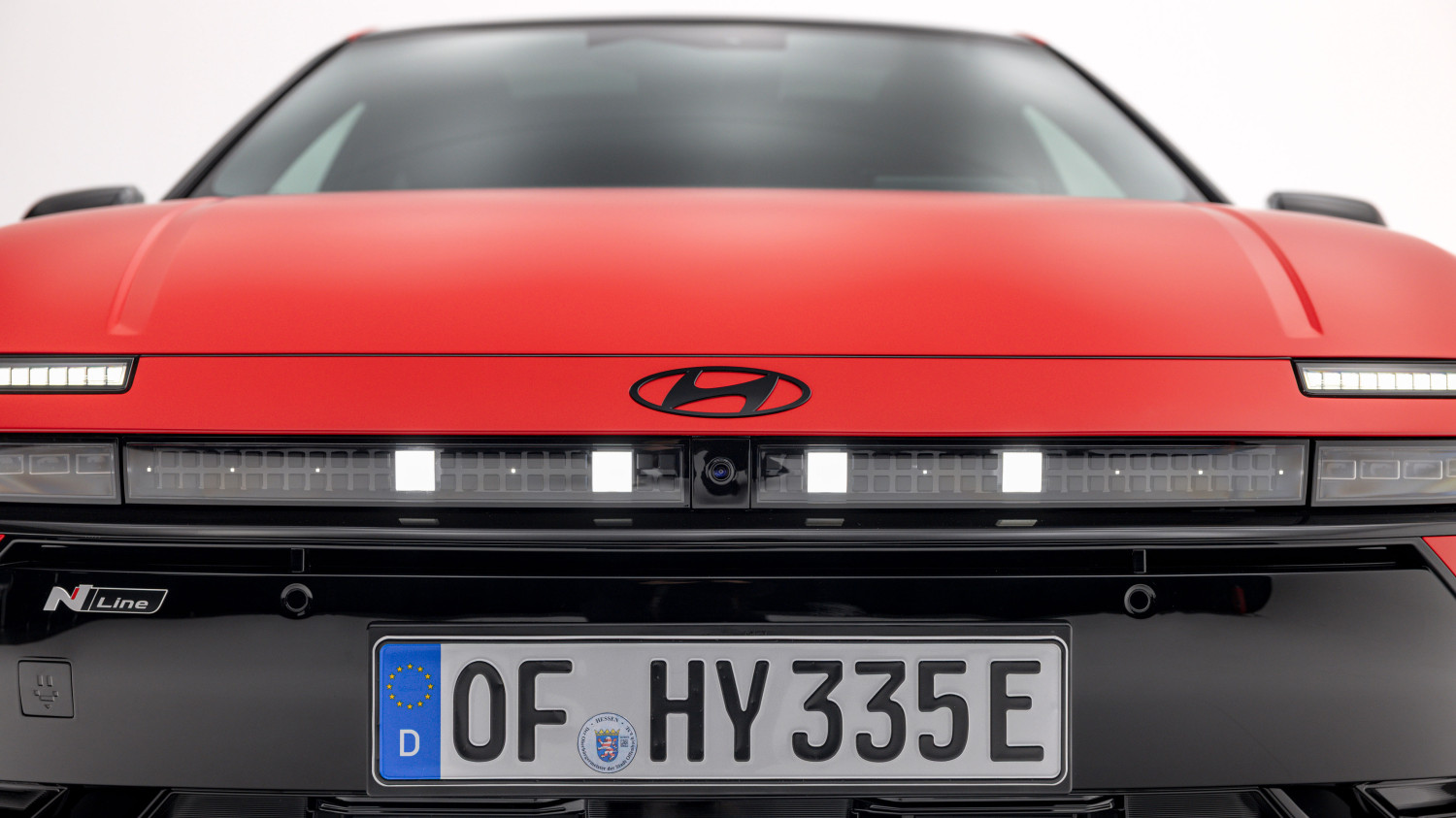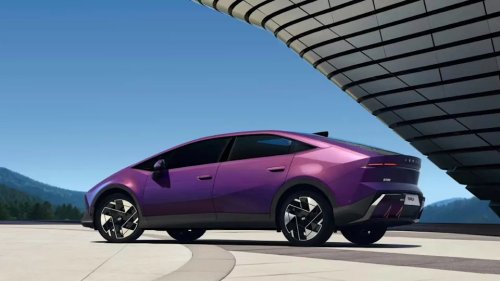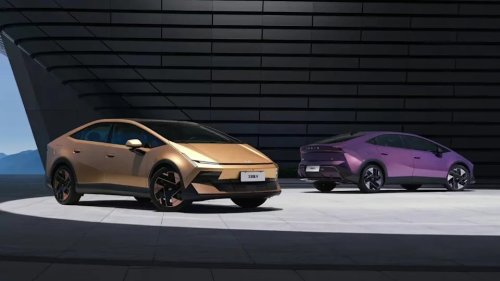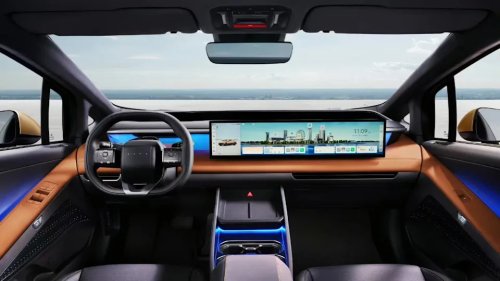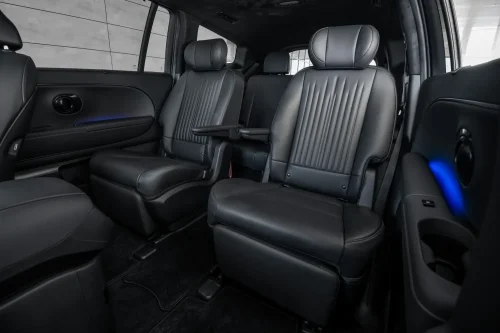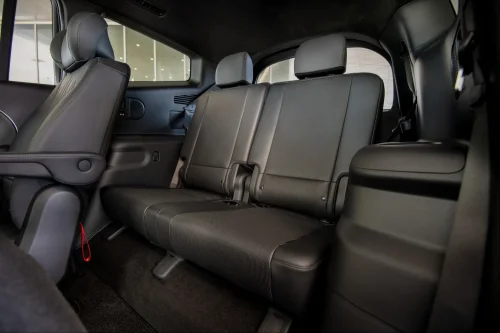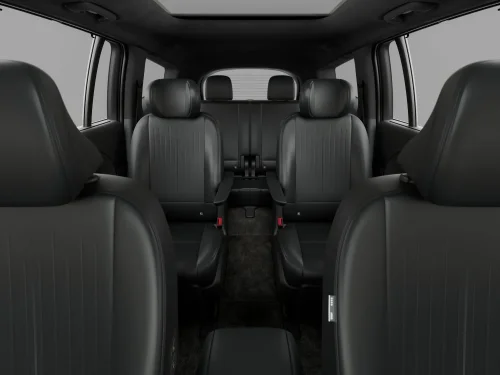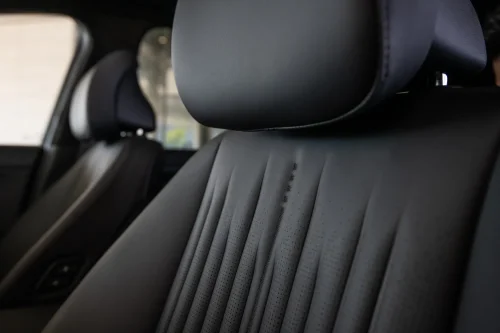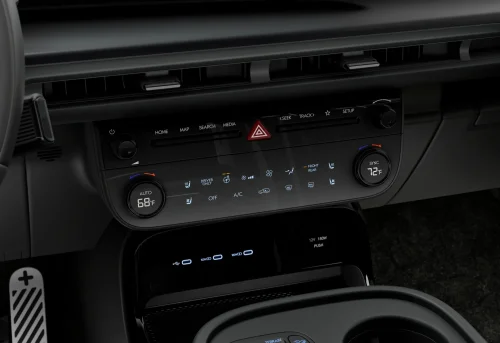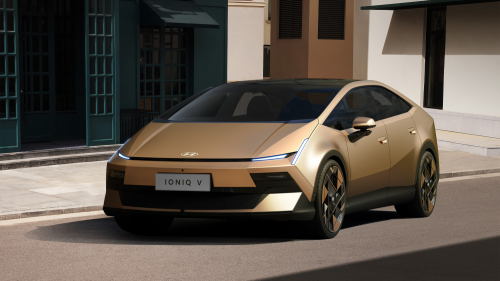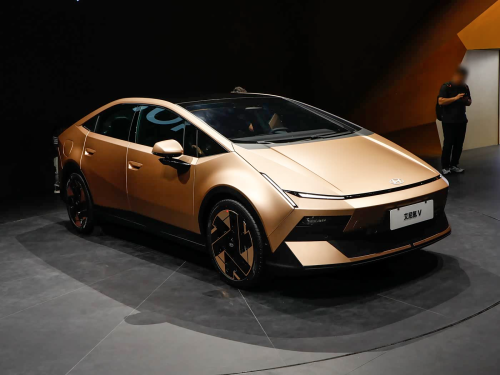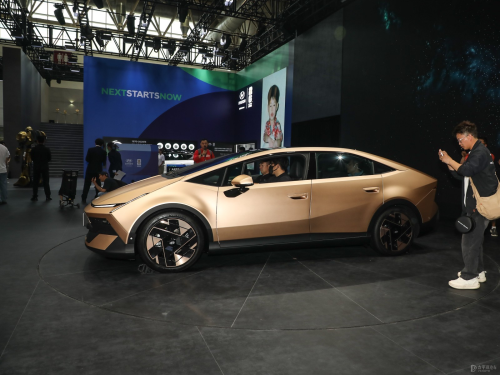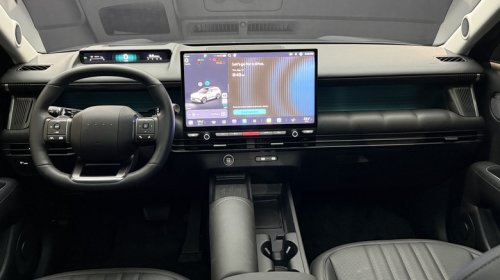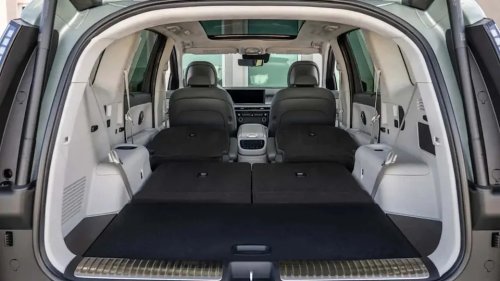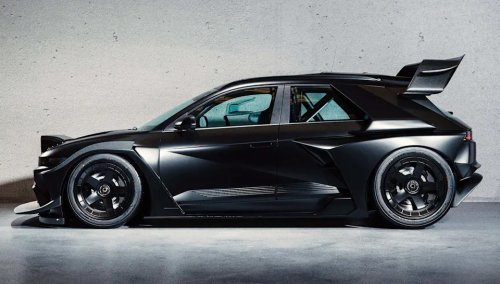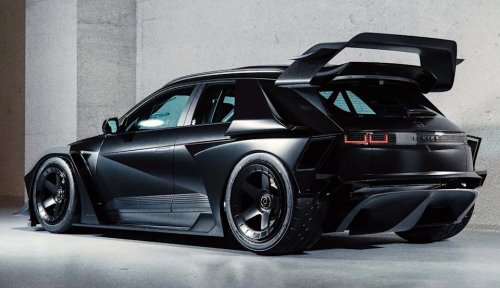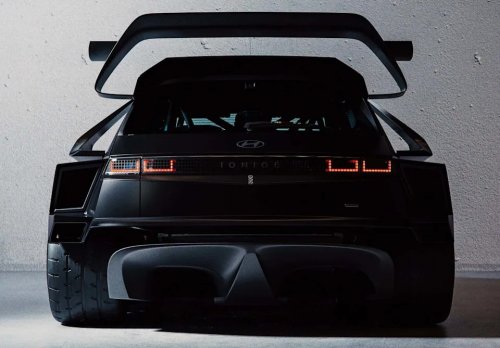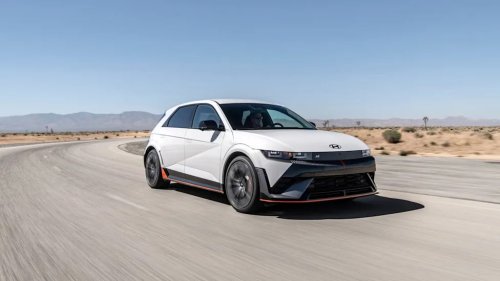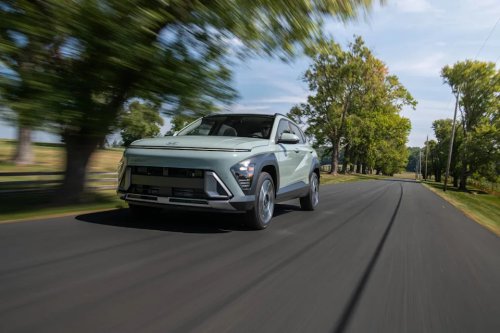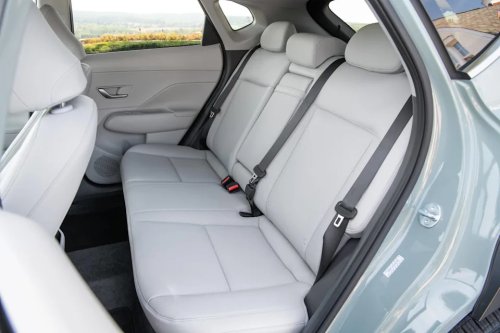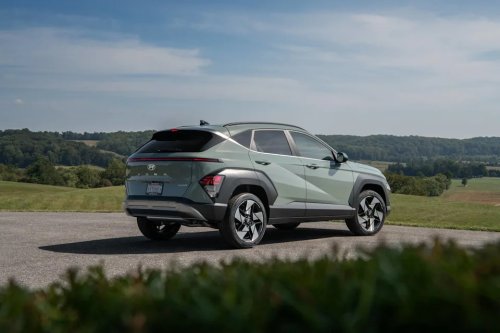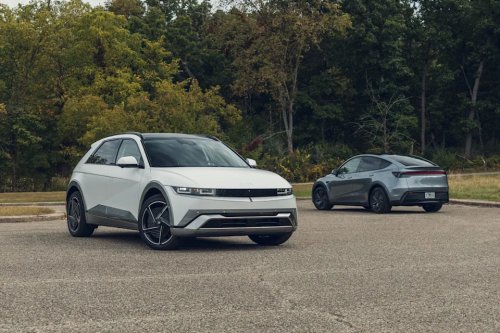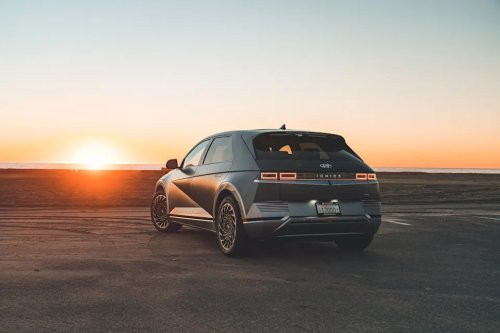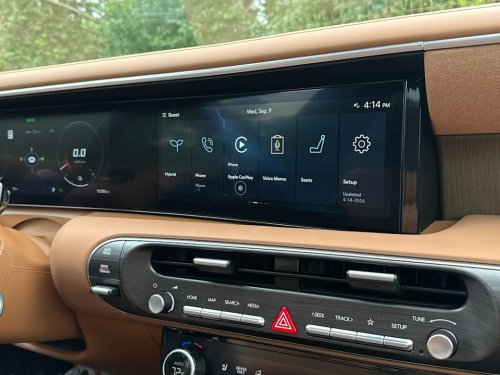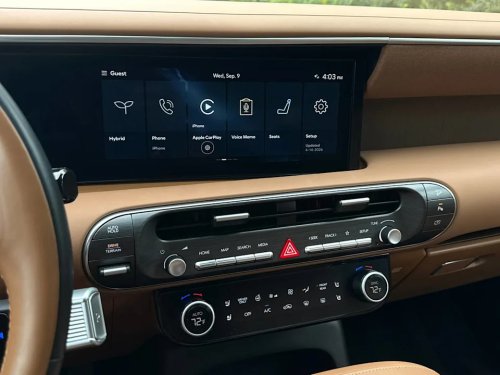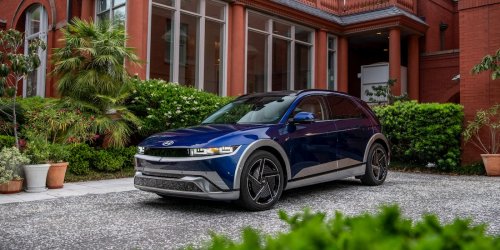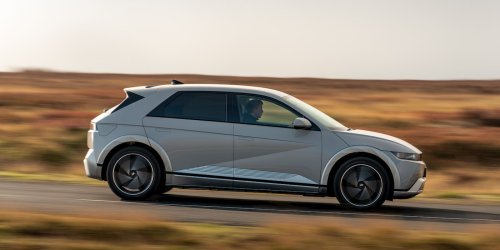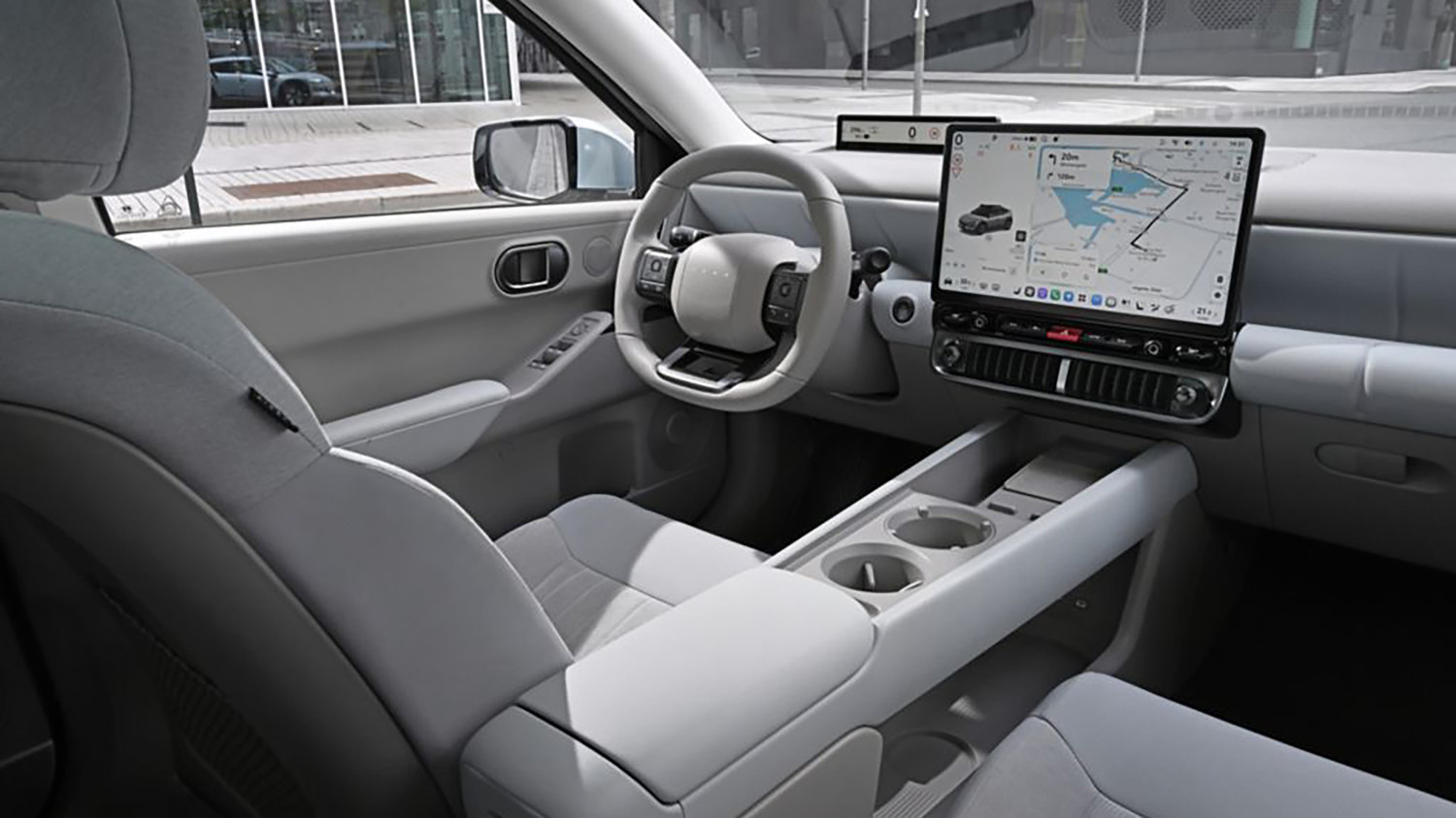
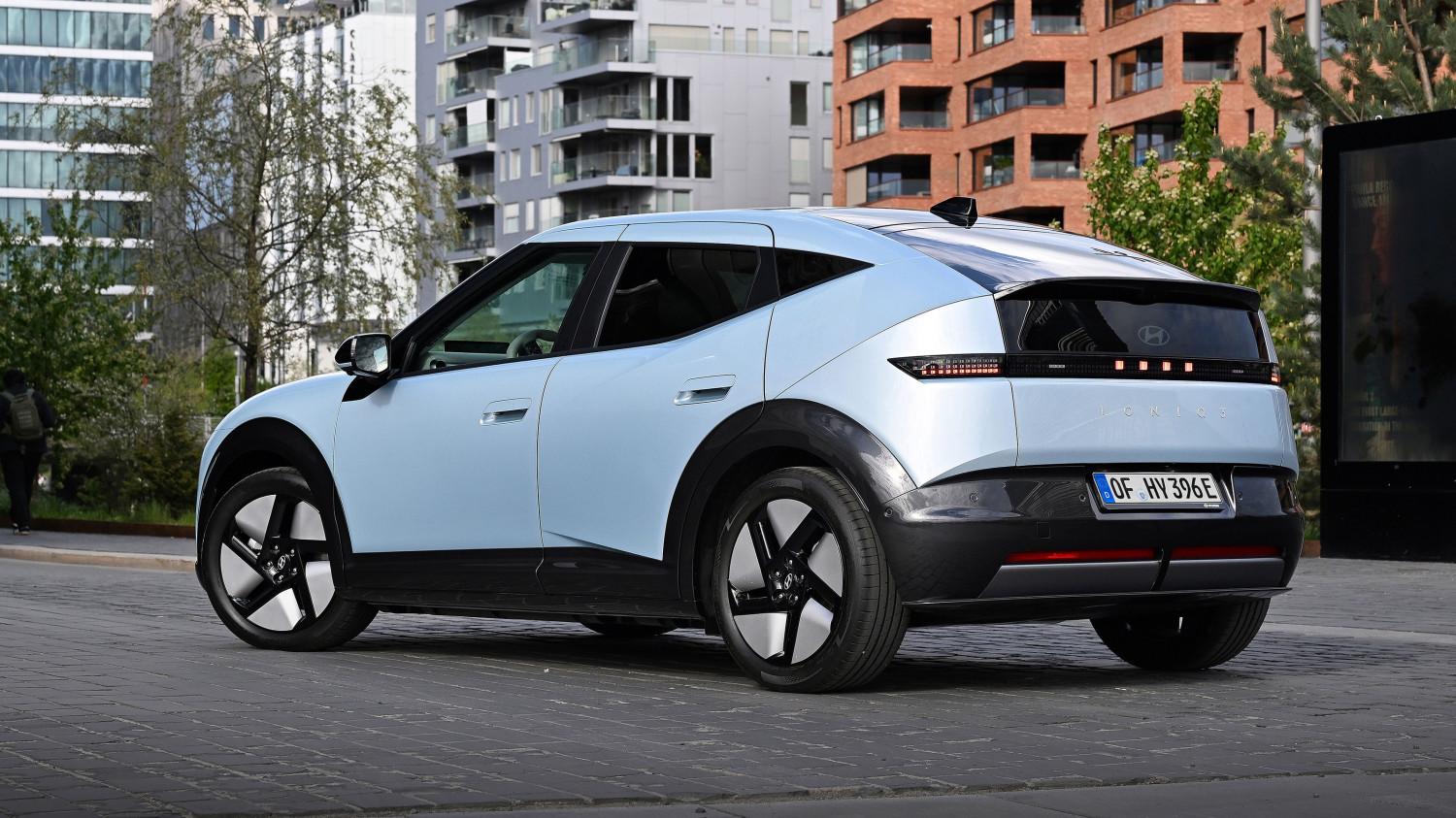
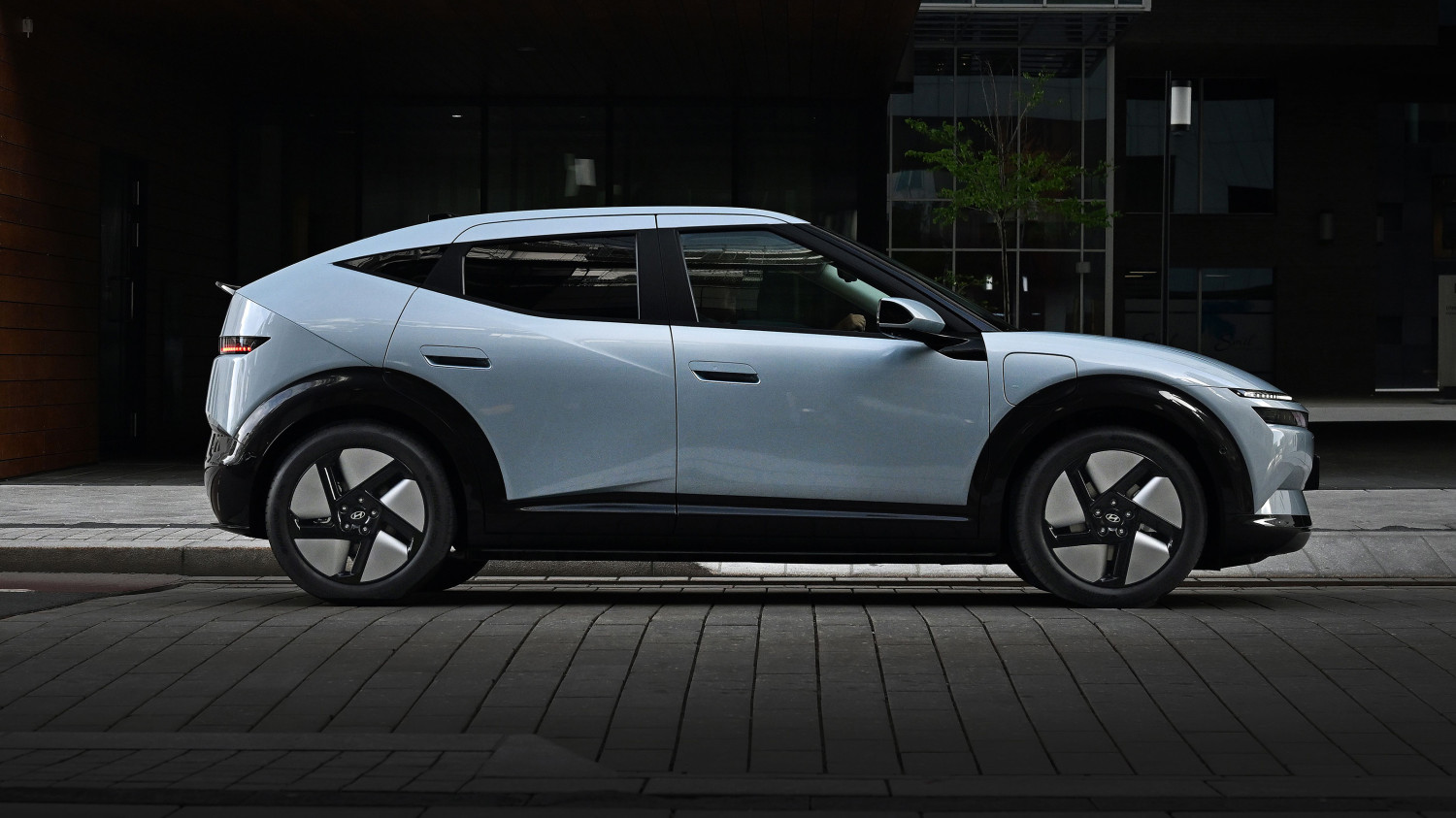




















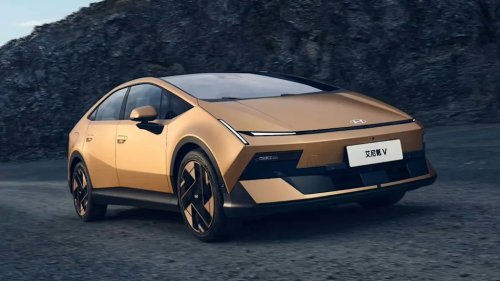
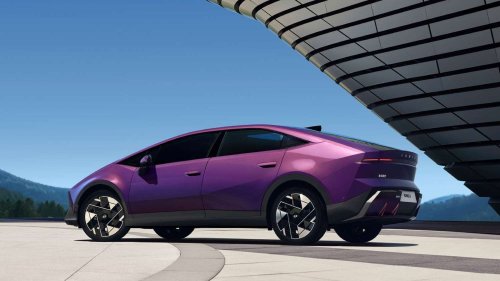
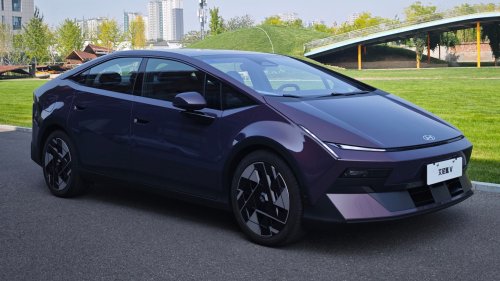
Hyundai has expanded its range of all-electric Ioniq-badged models once again. The all-new Hyundai Ioniq 3 has just opened for orders in the UK to contest the ever more congested electric supermini sector. Pricing for the Hyundai Ioniq 3 kicks off at £21,870, which makes it £1,915 cheaper than the upcoming base version of the Cupra Raval and £1,575 cheaper than the Renault 4. Besides those cars, the Hyundai also has to compete with the Renault 5, and the Cupra’s sister models, the Skoda Epiq and Volkswagen ID. Polo. Sharing the same underpinnings as the Ioniq 3 is the new Kia EV2, though the Ioniq 3 undercuts its sibling by £2,375. In fact, the Ioniq 3 is also £1,885 less expensive than the smaller Hyundai Inster electric supermini, underlining its focus on value of money. That headline price tag is for the small battery car in base ‘Advance’ trim and with a single metallic red no cost paint option. Above this are Advance, Premium, Ultimate and N Line Evo models that all come with the larger battery. Hyundai says it is confident all the larger battery Ioniq 3 cars will receive the government’s £1,500 Electric Car Grant so its given customers who place a reservation now a ‘£1,500 Hyundai Reservation Saving’ on those models. With that saving in place the larger battery Advance starts at £23,870, the Premium at £25,570, the Ultimate from £28,070 with the sporty-styled N Line Evo topping off at £30,070. We expect the Hyundai to be eligible for the grant given that its Kia EV2 sister model, which is already available on the Auto Express Buy A Car service, is eligible for the Government’s £1,500 Electric Car Grant. We’ve already had a chance to test the N Line Evo trim in prototype guise, but now we have confirmed specification of the base Advance trim level. Whether you go for the 42kWh battery or the 61kWh battery, Advance gets 16-inch alloy wheels, LED front headlamps and rear lamps, rounded, plus less aggressive front and rear bumpers, plus a smaller rear lip spoiler compared to the one on the N Line Evo. The Advance also has front and rear parking sensors, dual-zone automatic climate control, rear view monitor, smart key with push-button start and adaptive cruise control. There's also no driver's display (like you get in a base-spec MINI) with all driver-related information displayed on the central screen. Premium models get the same exterior body styling as the Advance, but add 17-inch alloy wheels and tinted windows. On the inside there’s a 9.9-inch digital driver’s display, a wireless smartphone charger, plus the option to add the £1,250 ‘EV Pack’ which includes a heat pump and vehicle-to-load functionality. 42Step up to the Ultimate and you get 18-inch alloys, integrated sat-nav, matrix LED headlights with a dynamic welcome function, heated front seats, a heated steering wheel, air vents for rear passengers, reclining rear seats and ambient lighting. For £2,500 you can also add the ‘Comfort Pack’ which includes heated rear seats, ventilation for the front seats, a Bose sound system and a smartphone key. Then there’s the N Line Evo which comes with a sportier bodykit all around, featuring a larger rear lip spoiler, N Line badging and 19-inch alloy wheels. Inside there’s suede and cloth upholstered N Line seats, red accents all around the cabin, a 360-degree monitor and remote park assist. The N Line is also the only trim to offer a 14.6-inch touchscreen with the rest of the line up getting 12.9-inch displays instead. On those screens there’s Hyundai’s new Android-based infotainment software ‘Pleos Connect’ - the Ioniq 3 is actually the first Hyundai to use this system. Offering a “modern smartphone-like user interface” according to Hyundai. Pleos Connect is based on Android Automotive OS and is designed to simplify Hyundai’s infotainment layout. We found it similar to Tesla’s design with the car’s key information on the driver’s side on the screen and the rest of the display taken up by a large sat-nav map. Sitting on a shrunken version of the E-GMP architecture (shared with Hyundai’s Ioniq 5, but more closely Kia’s new EV2), there’s a 400-volt system on board. There’s also a choice of a ‘Standard Range’ 42.2kWh battery in that base Advance trim or a ‘Long Range’ 61kWh unit – just as you get in the Kia. The smaller battery will return 213 miles, which is up on the EV2’s 194-mile range, part of the reason behind the efficiency gap is down to aerodynamics, the Hyundai has a drag coefficient of 0.26, while the Kia’s figure is 0.29. If you need more range, the large battery Ioniq 3 in the Advance trim will get up to 308 miles. The Premium trim drops to 303 miles while the Ultimate drops to 300 miles (presumably because of their extra kit on board), but then the N Line Evo has a significant decrease in range, covering a maximum 265 miles. 42The maximum charge speed for the Ioniq 3 with the 42kWh battery is 119kw, resulting in 29 minutes to top up from 10 to 80 per cent of its battery capacity. The 61kWh models charge up to 110kW, but take a minute longer for the same top-up. As for power, given the shared EV technology between the Ioniq 3 and EV2, it’s no surprise that the Hyundai features the same choice of electric motors, too. Strangely, it’s the cheapest Ioniq 3 that is the quickest - the 42kWh car has an 8.8-second 0-62mph time with a 144bhp motor, while the Long Range with its 134bhp electric motor takes 9.6 seconds – however, both are slightly slower than the equivalent EV2. During our test drive of the Ioniq 3 in N Line form we found the chassis well set up without being overly firm or wallowy - an electric hot hatch rival to the 223bhp Cupra Raval it is not, we’ll have to wait for the Ioniq 3 N for real excitement behind the wheel. Hyundai displayed the Concept Three at the 2025 Munich Motor Show last September and while there have been plenty of changes to make the Hyundai Ioniq 3, this new model is the realisation of that rather wacky concept. The Ioniq 3 sits below the Ioniq 5, Ioniq 6 and Ioniq 9 as the smallest Ioniq-branded Hyundai. However, at 4.1m long, it’s not the smallest Hyundai electric car – that honour goes to the 3.8-metre Inster supermini. Both the Ioniq 5 and Ioniq 6 have pretty distinctive designs, so it’s no surprise the Ioniq 3 looks set to turn a few heads, too. Hyundai describes the model as an ‘aero hatch’ and while it sits higher than the Concept Three, the overall profile is familiar, with a low front end, swept-back windscreen and tapered windowline. 42The overall surfacing of the Ioniq 3 comes from Hyundai’s ‘Art of Steel’ design philosophy, which is most evident in the creases down the side that point up towards the rear spoiler. Colour-contrasting wheelarches help give the Ioniq 3 a squat-looking stance (although not quite as extreme as the show car’s) and to the rear the upright form and narrow light bar have a whiff of the Alfa Romeo SZ. As with the Alfa, Hyundai’s design is purposefully bold, with one designer telling us “the best thing for us is people not immediately loving it, we want a polarising design”. An element of the Concept Three that hasn’t made its way to the Ioniq 3 is the fake exhaust, which provided exterior sound on the concept. However, we were told that this feature might be something we’ll see on future Ioniq 3 models, such as a hot Ioniq 3 N. The Ioniq 3 might look like the sleeker cousin to the EV2, but it’s got the bigger boot, at 441 litres, once you remove the load-bay floor. With the rear seats folded there’s 1,213 litres back there. We found the interior isn’t quite as spacious as the EV2, particularly for rear headroom, but with a flat floor and slightly sunken rear seats it’s not uncomfortable back there. The front features a big space under the centre console which can extend into a large flask storage area by removing one of the cup-holders entirely – a pretty nifty solution.