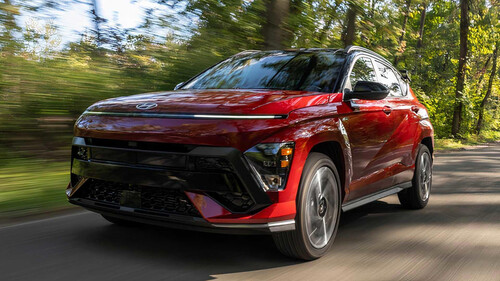
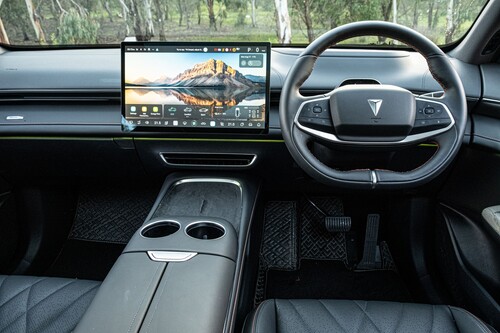
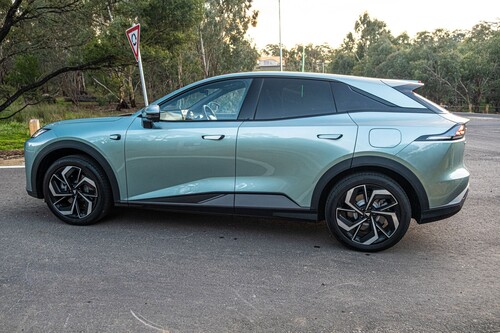
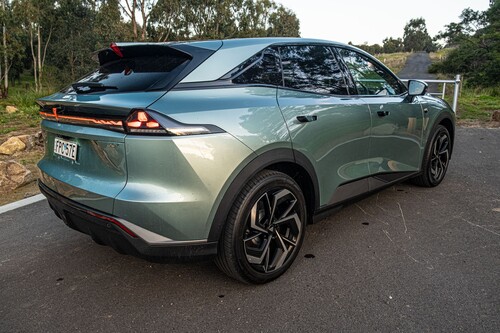
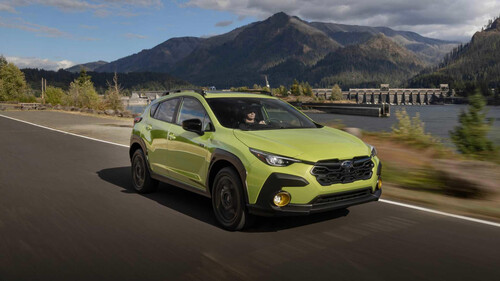
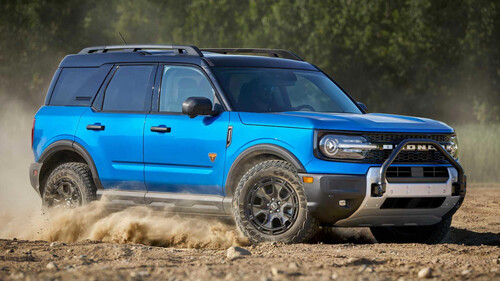
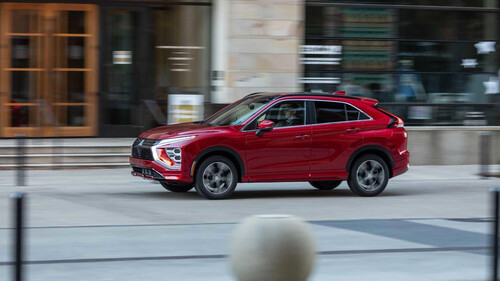
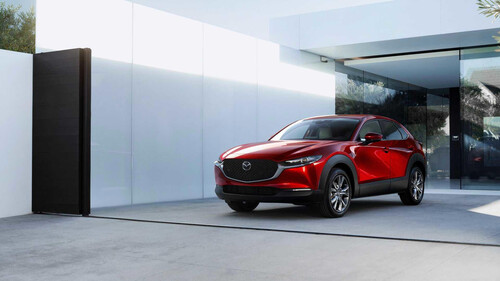
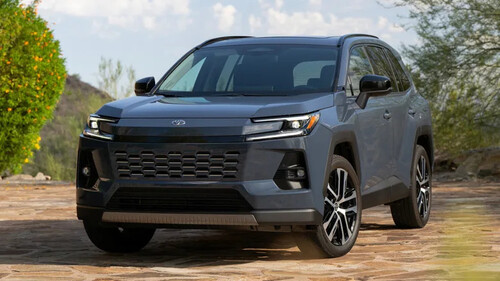
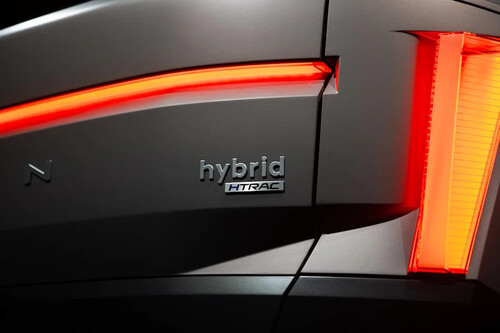
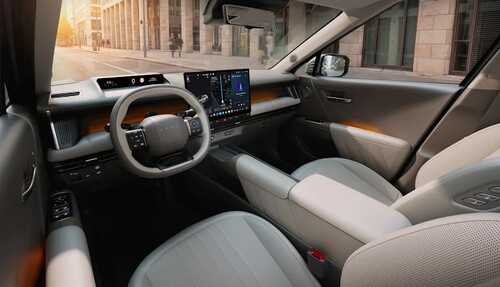
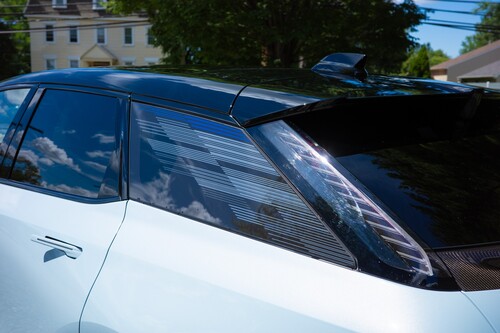
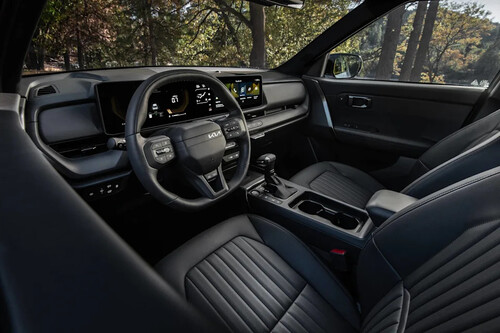
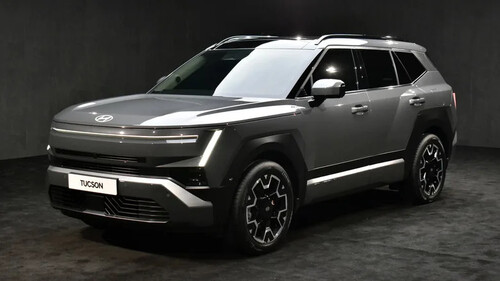
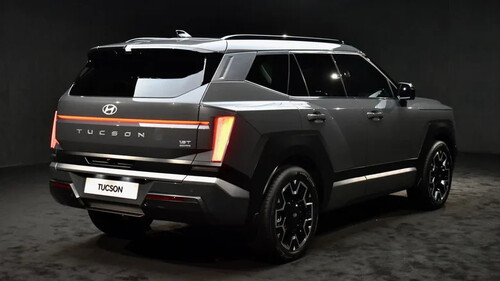
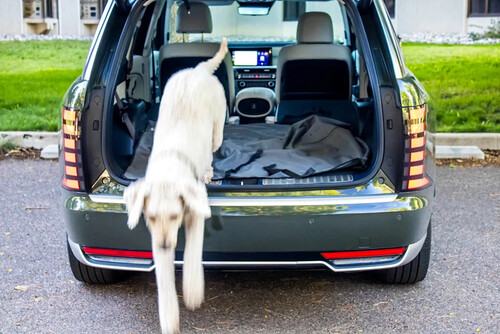
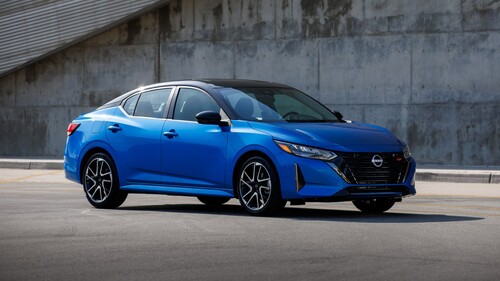
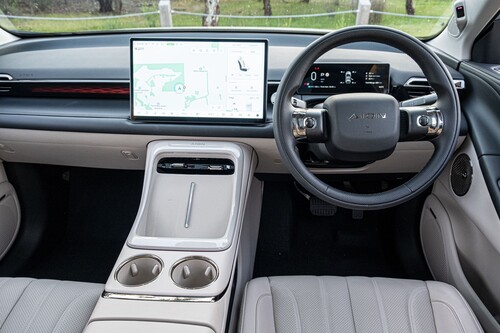
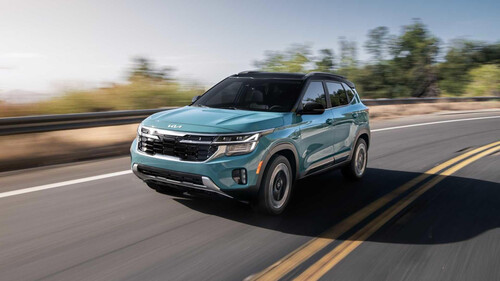
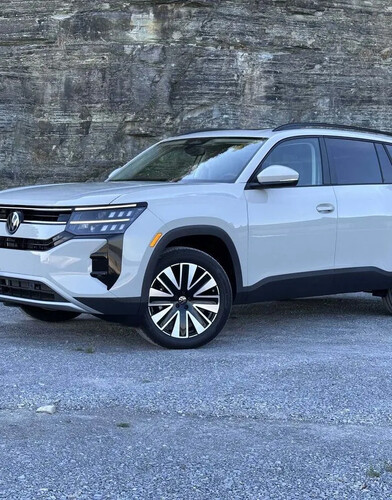
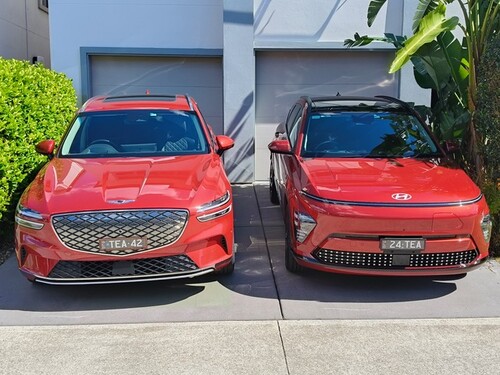
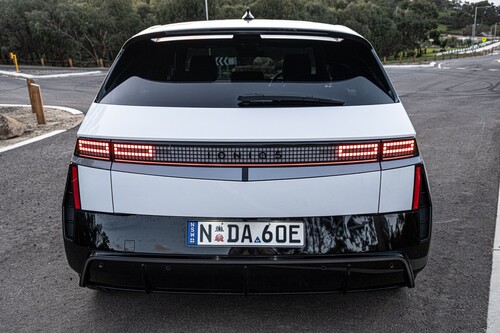
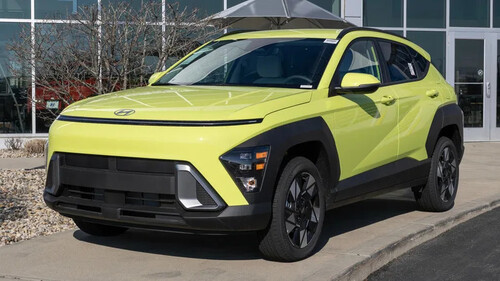
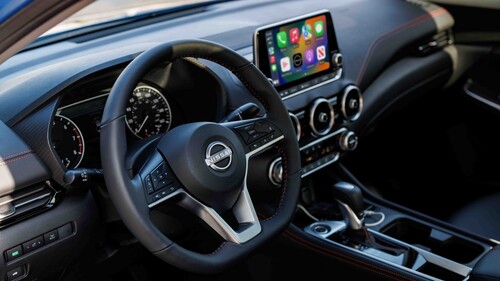
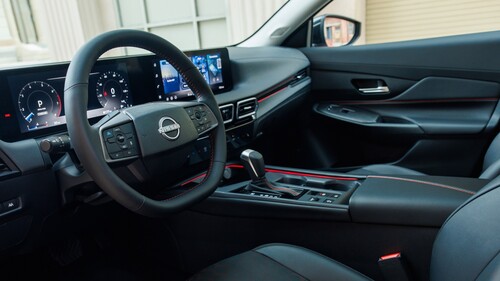
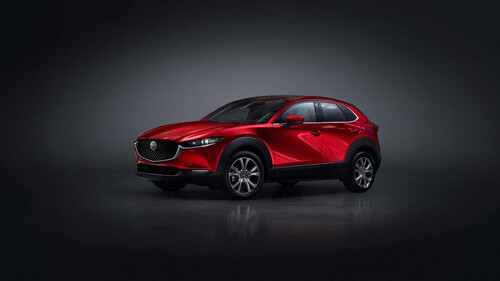
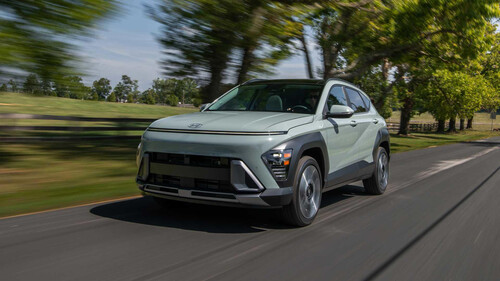
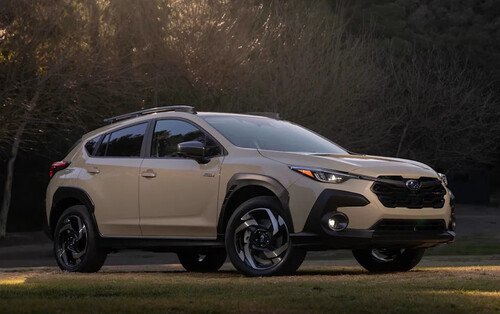
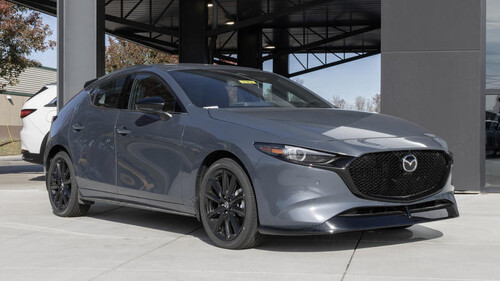
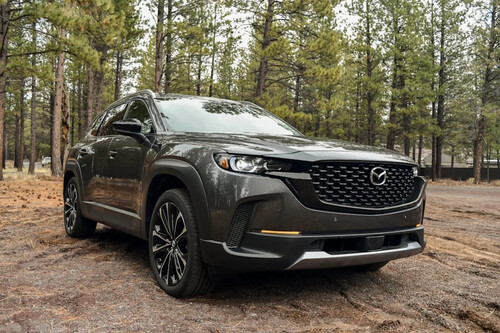
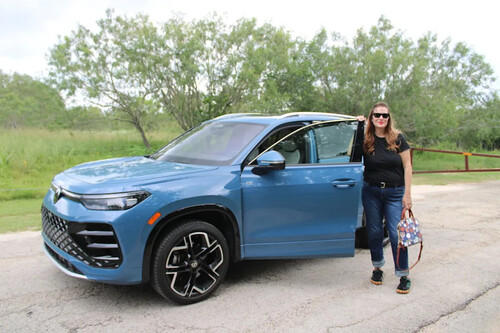
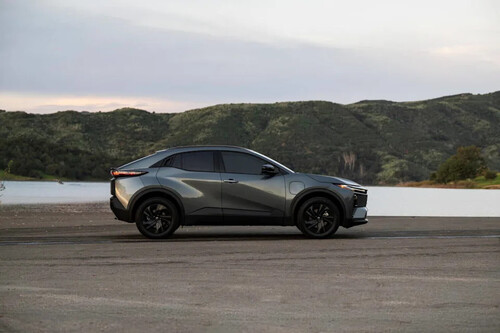
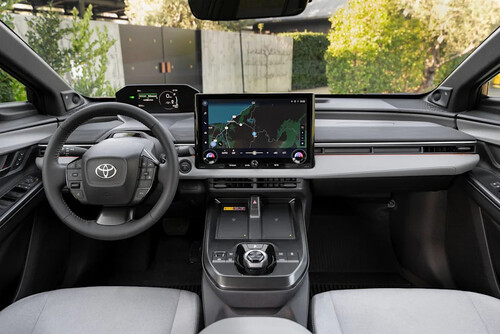
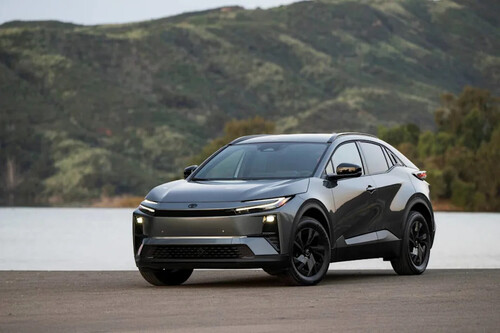
The Hyundai Kona arrived for the 2018 model year as the smaller sibling to the Tucson. It has since grown into a more substantial little SUV, which puts it in the same conversation as the Kia Seltos, Subaru Crosstrek, and Mazda CX-30. I'm especially fond of the Mazda because it reminds me that an affordable crossover can still be fun to drive. The Kona takes a different approach. It offers generous space, a long list of features, and, in Limited trim, enough power to keep the driving experience from feeling like homework.HyundaiThere's a sizable gap between the least and most expensive gas-powered Konas. The SE starts at $25,500, while the Limited starts at $32,535, both before freight and other charges. That's still a reasonable entry point, but a Limited with all-wheel drive can move into the mid-$30,000 range quickly. At that price, I expect more than a handsome face and a large screen. Fortunately, the Kona has more than one trick up its sleeve.HyundaiPowertrain and performanceThe standard 2.0-liter four-cylinder makes 147 horsepower and 132 pound-feet of torque and is paired with Hyundai's Intelligent Variable Transmission. It's the sensible choice if the purchase price matters most. The Limited gets a 1.6-liter turbocharged four-cylinder producing 190 hp and 195 lb-ft, along with an eight-speed automatic transmission. That is the combination I'd choose. The additional torque gives this small SUV a welcome dose of enthusiasm, and I'd rather have the conventional automatic than the variable transmission when I'm asking the engine to get moving. Front-wheel drive is standard, and Hyundai's HTRAC all-wheel drive is available.There is a fuel-economy trade-off for the turbo. Hyundai lists the Limited at an EPA-estimated 26 mpg city, 31 highway and 28 combined with front-wheel drive. The all-wheel-drive version returns 25 city, 28 highway and 26 combined. Those are respectable numbers, even if nobody is going to mistake this for a fuel-sipping hybrid. The reward is a Kona that feels better suited to highway merging and passing than the base model's output suggests.Would I call it the most engaging vehicle in the class? No. For that, I'd still point you toward the Mazda CX-30. But there's a difference between wanting a little more driving enjoyment and demanding that every grocery run feel like a qualifying lap. The turbo Kona has enough punch to make ordinary driving more pleasant, which is exactly what I want from an everyday vehicle.HyundaiInterior, technology and utilityThe Kona makes excellent use of its size. There are 25.5 cubic feet of cargo space behind the second row and 63.7 cubic feet with the rear seats folded. That's useful room for luggage, shopping and the miscellaneous cargo that somehow accumulates the moment you own a vehicle with a hatch. Compared with Hyundai's smaller Venue, the Kona feels like the more practical choice for someone who regularly carries passengers and their belongings. The rear seats also recline and split 60/40, giving you a little more flexibility than the exterior dimensions might suggest.The Limited piles on the creature comforts. It has heated and ventilated front seats, H-Tex upholstery, a power driver's seat with lumbar adjustment, dual-zone climate control and rear air vents. The hands-free power liftgate is another feature you'll appreciate most when both of your hands are occupied. Up front, the broad digital display arrangement gives the cabin a more expensive appearance, while wireless Apple CarPlay and Android Auto keep everyday phone use simple. Bose audio, wireless device charging and a digital key add to the impression that Hyundai was determined to fit as much equipment as possible into this trim.Related: Before the Cars, Kia Mobilized South Korea on BicyclesI'm also glad Hyundai kept physical climate controls. I don't need to conduct a touchscreen treasure hunt just to turn down the fan. The Limited's surround-view camera and blind-spot view monitor add practical value, especially in tight parking lots. Technology is wonderful when it saves time or prevents a mistake. It is less wonderful when it makes me stare at a menu while the windshield fogs up.2026 Hyundai KonaHyundaiFinal thoughtsThe 2026 Kona Limited makes a strong case for itself as a well-equipped, useful small SUV. Its turbo engine and eight-speed automatic are the powertrain to get, its cargo space is genuinely helpful, and the cabin includes features I once expected to find in considerably more expensive vehicles. Hyundai's 10-year/100,000-mile limited powertrain warranty is another persuasive point, provided you pay attention to its terms.Still, I wouldn't buy one without driving the Mazda CX-30. That car offers a more connected feel, while the Kona makes its pitch through room, equipment and everyday ease. Which one wins depends on what you value once you're behind the wheel. For me, fun still counts for an awful lot, but I can't ignore how much the Kona gives you for the money.It's a smart, capable little SUV. I only wish something called Kona brought a bit more aloha to the drive.Related: 2026 Mazda CX-30 2.5 S Aire Edition Review: A Little Crossover With a Lot of Personality