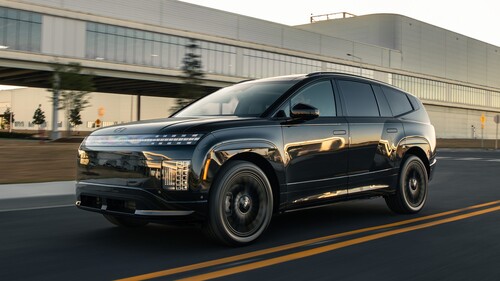
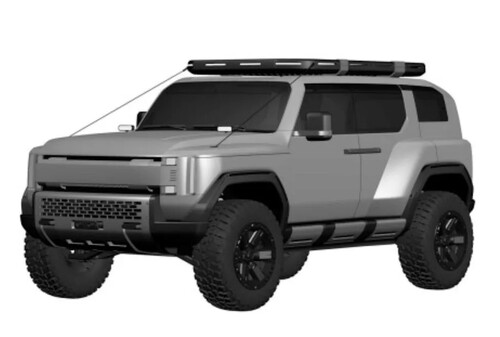
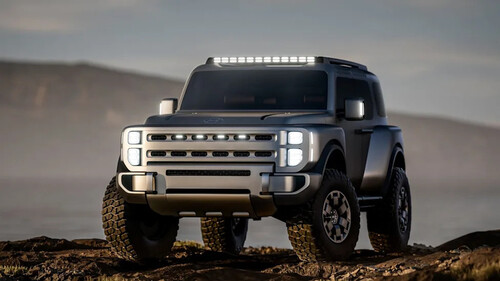
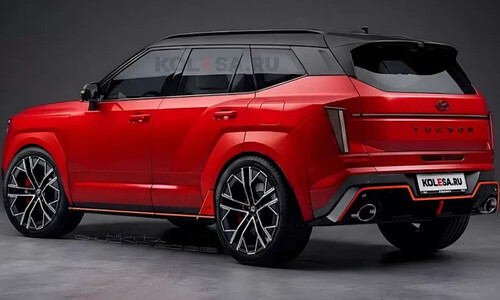
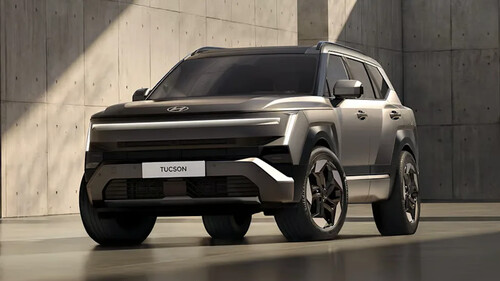
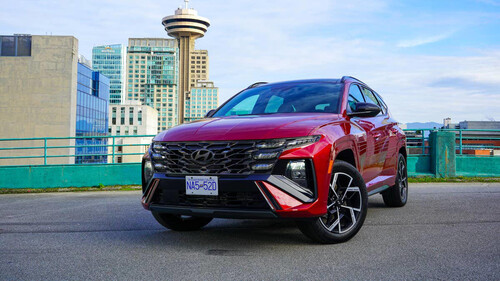
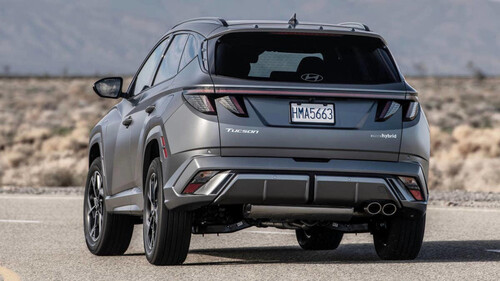
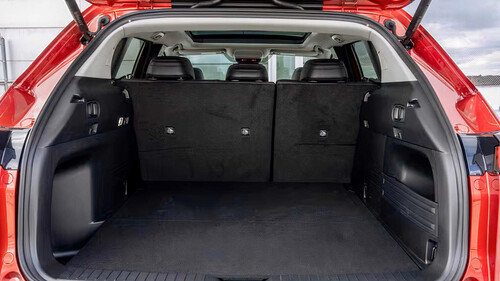
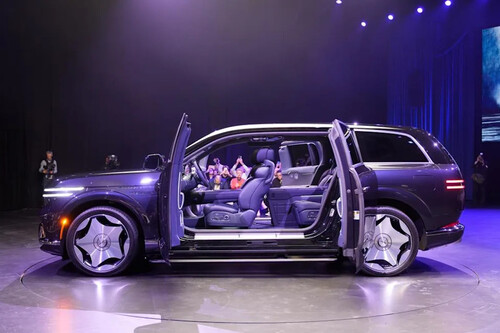
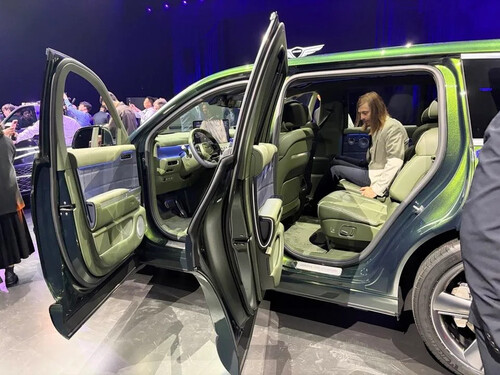
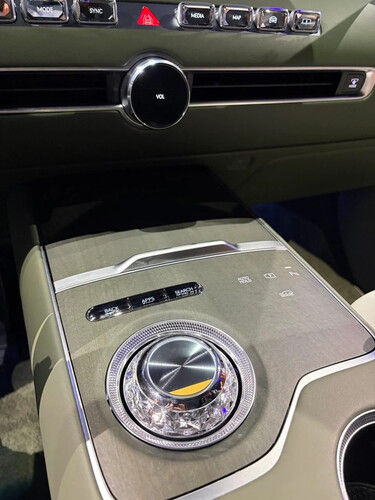
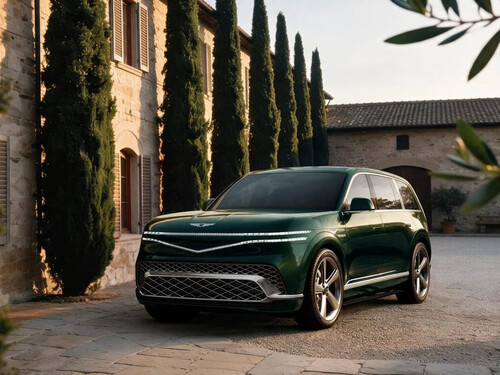
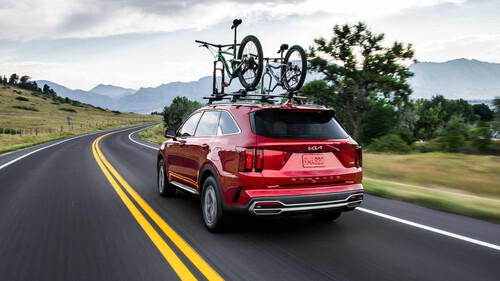
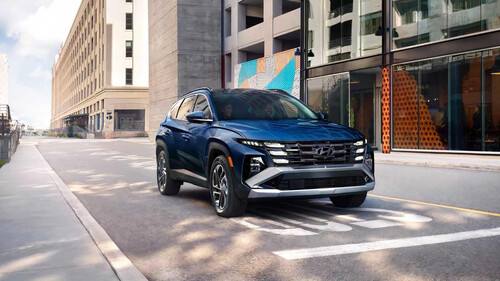
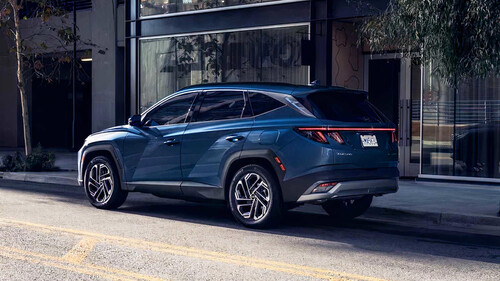
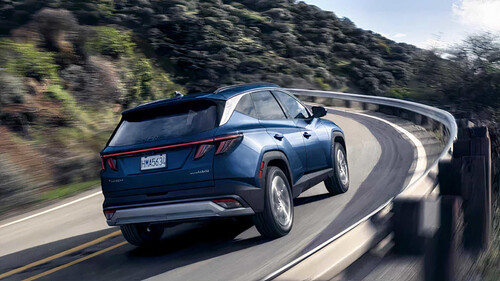
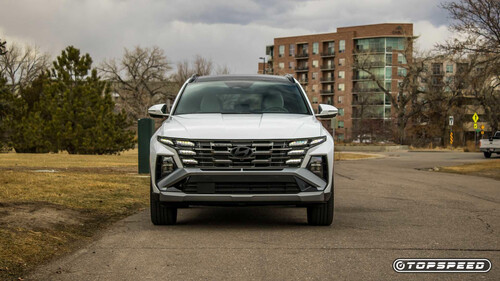
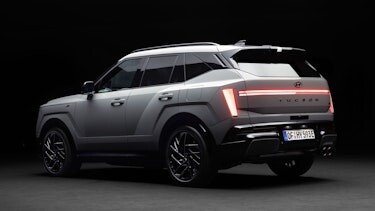
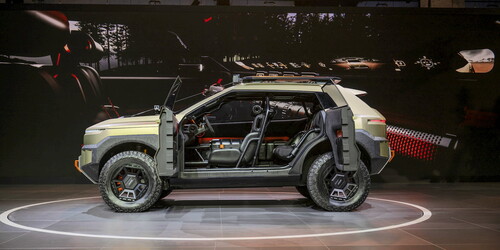
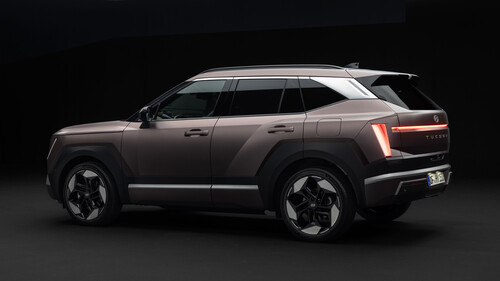
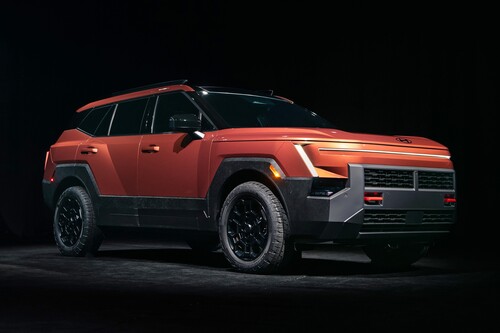
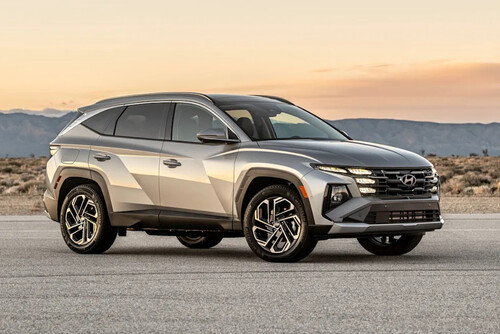
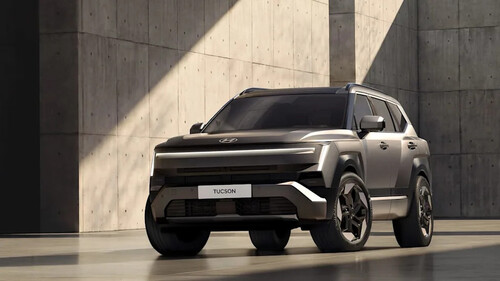
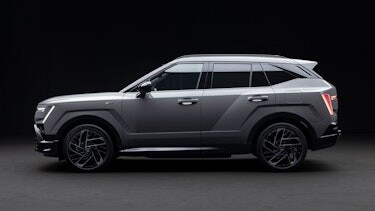
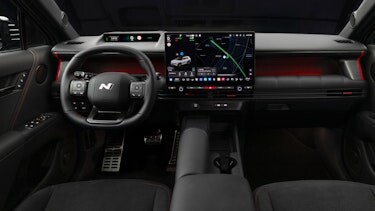
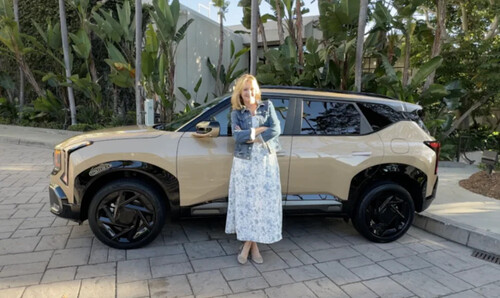
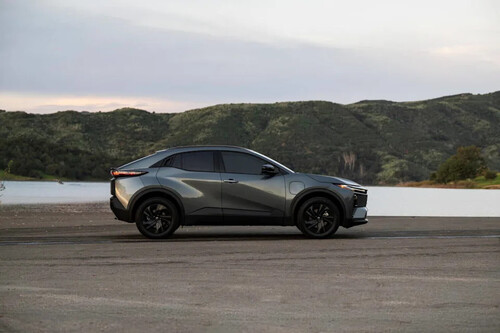
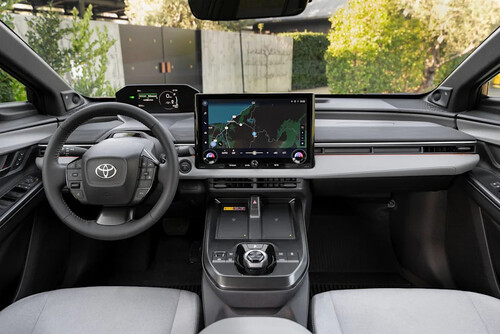
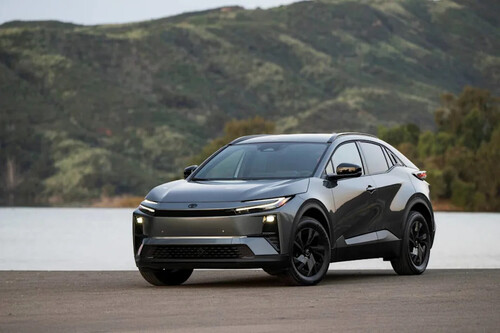
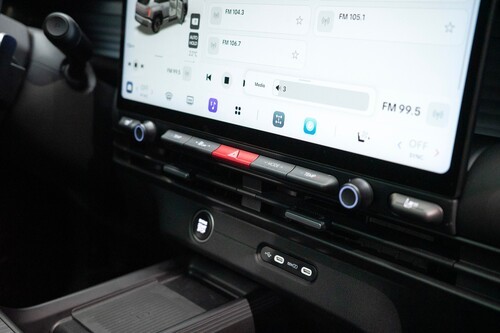
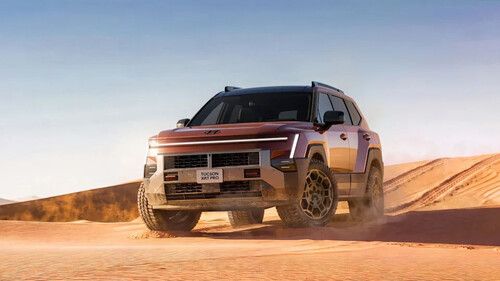
Scotty ReissHyundai is calling the 2027 Tucson a redesign, but it's way more than that. It propels us into the company's future of design and driving.I wasn't ready for this. I knew that Hyundai had been busy redesigning the Tucson, the company's best-selling 5-passenger SUV and one of the most-loved cars on the road.Then I saw it. And I was stunned.To say that the 2027 Hyundai Tucson was redesigned is almost misleading; it's a completely new SUV. The design implements hints of its modern design direction—Hyundai Santa Fe, the Crater off-road concept that was seen at last year's Los Angeles Auto Show—and integrating the brand's evolving design language, which we've seen in the Kona, the Ioniq 9 and the new Palisade. But here, these ideas explode into something completely new and strong yet reserved.Hyundai calls it bold, but as I explored a pre-production model taking photos and video, I found it to be much more faceted and interesting and at the same time, smooth and polished, and a look at where the company is headed—and taking us there with them.This story is 100% human-researched and written based on actual first-person knowledge, extensive experience and expertise on the subject of cars and trucks. Additionally I was Hyundai's guest for this first look.The New Hyundai Tucson Design Is a Stunning SurpriseThe 2027 Hyundai Tucson LimitedJust take a minute to look. Really look. Take in the flat front face trimmed with a thin strip of light just under the hood line. Notice the blade lights inset into the sides of the frame, almost hidden until they're not. They are slim and subtle, but by necessity, powerful. Small stacked lights sit below them. The overall effect is minimalist and modern in its sculpture.The lighting design, which Hyundai called "H-Edge Lighting" for it's place at the edge of the frame and an allusion to the "H" logo, frames the rear end, too. Even more distinct blade-style tail lights frame the rear and a thin light bar tucked into the lift gate connects the light blades, mimicking the look on the front. Scale is what is so notable here; the light blades extend from the frame creating prismatic light that seems intended to appear to trail when the car is in motion. And the delicateness of the horizontal light bar plays on the design trend but also, downplays it; it appears as almost a gossamer light. I look forward to seeing this design on the road at night.Read: The 2025 Hyundai Tucson Wants to Help Take Care of Your (Actual) BabyThe Design Frames the Tucson's New CharacterThe rear light blades on the 2027 Hyundai TucsonI would never know this was the Hyundai Tucson if I hadn't been told. It retains almost nothing of its prior self—other than its engine and powertrain, which have been tweaked a bit to improve performance and efficiency.The frame has been emboldened with sharper fenders over the wheels, boxy SUV proportions and on the front, a flat face that looks more like an EV than a gas-powered engine for its lack of an open-air grille, something we've come to expect on cars.The overall effect is to look at the future of cars, taking on the boxy proportions of SUVs that we love for their presence and space, and the sleek, rounded, details that are great for aerodynamics and less jarring to the eye.And, it sets the stage for the XRT Pro version, a more rugged version of the Tucson designed for off-roading and messy weather.Read: 6 Things I Loved (And 2 I Didn't) In the Capable and Comfortable Hyundai Tucson XRTAn Evolved, Modern Interior Defines the 2027 Hyundai TucsonThe front cabin in the 2027 Hyundai TucsonDespite the stunning new look of the exterior of the Tucson, I wasn't ready for the new interior. Silly me. If they put that much in to the look on the outside, why leave the interior behind?Luckily, they did not. In fact, the interior might be even more evolved and advanced than the exterior. The interior starts with dashboard screens: a slender driver display that sits over the steering wheel and a large center touch screen. This is a trend we're seeing: Taking the multi-function display away from the driver's eyes so you can be more focused on the road. The driver's display holds only the key details you need to see while driving.A large center screen display on the dashboard is where most functions are found — though there are also buttons for quick access to climate and radio. Gone is the long, linear single-pane glass (that I've loved so much and found to be so chic and modern). The center screen strategy is something we're seeing in models from Land Rover, Tesla, BMW, VW and others. The idea is to put the function on a screen where everyone can see it and allow the driver to focus on the road.The screen's operating system, called Pleos Connect, has been completely redesigned. It promises better function and more intuitive organization and it uses AI to anticipate your needs. The system retains "Hey Hyundai" voice assistance and over the air updates to the software will improve its function over time.Then, there are thoughtful ergonomic touches: A panel of buttons below the touch screen offer quick access to key things like climate and radio volume. There are dual wireless phone charge pads that are magnetic, raised and cooled so your phone won't overheat. And the cup holders were lowered and set to the side next to the front passenger's seat so they are out of the way of the buttons and screen controls.Listen: Have you downloaded our recent podcast? Get them all here!More Capable Space for More ComfortThe dashboard and driver's screen in the 2027 Hyundai Tucson LimitedBehind those screens is a rounded linear bolster that spans the dashboard. This bolster idea is one that is seen other places in the Tucson, too; on the door panels, on the center console, even in the shape and stitching on the seats. Together the idea, inspired by vintage Italian furniture from the 1970s, adds a soft, welcoming feel; it softens the feel of the cabin and adds a human dimension.Behind the bolster on the dashboard is a strip of light, part of the ambient light strategy that illuminates the cabin and frames different features so they are easy to see at night. Hyundai calls this an architectural approach but I tend to think of it more as style and function, like recessed lighting behind your kitchen cabinets that let you see the backsplash and countertops you spend eons picking out.The rear seat continues the idea, though less pronounced, but more spacious. The 2027 Hyundai Tucson is 2.4" longer and 1.6" wider, meaning there's more legroom and elbow room in the rear seat, which is where most of the added space is seen.A Tucson Truly Designed For FamiliesThe wider-opening rear door and larger rear seats are designed for familiesThat extra length and width also means that families who found this compact SUV too small in the past should take a second look: not only is there more space for rear-facing child car seats—I measured and found about 32" behind the driver's seat set for me, and I'm 5'8"—but the doors have been adjusted to open to a nearly 90-degree angle. This wider opening means that getting child car seats into the rear seat and installing them will be easier than ever, and getting your kids in the seat, then leaning in and ensuring they are safely strapped in will be easier, too.The cargo space is still ample and capable, but Hyundai took the opportunity to improve its function, adding a movable cargo floor for either under-floor storage or more overall space, and cutouts in the wheel wells to add organization features. We haven't seen more on that yet, but I have a feeling that this will be a key part of function for families with kids who play sports (hello stinky cleats holder).Tucson XRT Pro Hints At Hyundai's Off-Road AmbitionsThe rear end of the 2027 Hyundai Tucson XRT ProAlongside the Limited edition that I toured, Hyundai proudly showed an XRT Pro version of the Tucson. This is where I could really see the impact of the the Crater concept—or more likely, where the Crater concept came from. The Tucson's size, boxy shape and sharp proportions lend to an off-road ethos; the added muscle and insinuated capability of the Crater are clearly related.The Tucson XRT Pro will meet most off-road standards. It's outfitted with tow hooks, all-terrain tires, lower cladding covered in a camo graphic, skid plates, a higher ground clearance of 8.1", a minimum for off-roading. But the biggest news, and something that I am excited to try out, is a new off-road function called Smart Terrain Assist. This might be called AI for the off-road; the system interprets the conditions of the trail and adjusts as needed, from sand and mud to gravel, incline, water and more. With these advances inside and out, Hyundai is clearly mapping out a future off the pavement.The Basics: Price and PowerThe center console was designed with rounded edges and a lowered cup holder that doesn't block the climate control buttonsIn our introduction Hyundai emphasized the changes to the model as well as the XRT Pro and hybrid powertrains. There will also be a gas-powered model, as there is now, but the company didn't ad a plug-in hybrid version to the lineup (at least for 2027), though there's one in the current model year.The 2027 models will offer a choice of the same 4-cylinder, 187 HP gas-powered engine and turbo 4-cylinder hybrid, though the hybrid power increases a tad to 233 HP. The engines, while the same as the current generation, have been tweaked for 2027 to be more efficient and capable.Hyundai didn't announce pricing but we expect that while prices may go up a bit, this will still be a very competitive model. Current model prices start at about $29,000 and run to about $43,000 for the hybrid. It's hard to say if or how much prices will increase, but we do know this: Hyundai likes to invest in technology, features and finishes and still deliver a competitive price, so we expect slight increases in lower trims, though newer or more capable models may nudge the price up a bit more.There's still a lot to learn, from trim-levels, feature packages, interior finish options and more. But don't wait; when you can, take your own tour of the 2027 Hyundai Tucson. Despite everything I've told you and what you can see here, you'll be stunned, too.