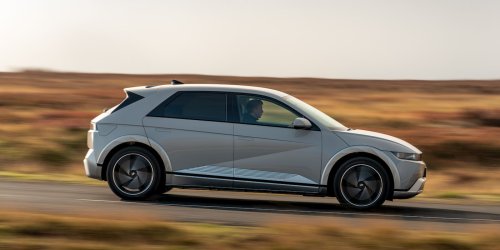
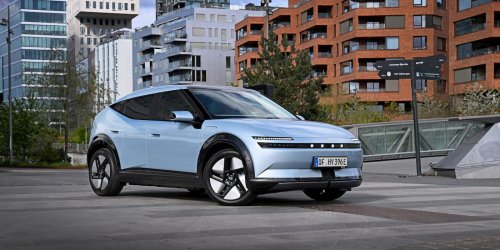
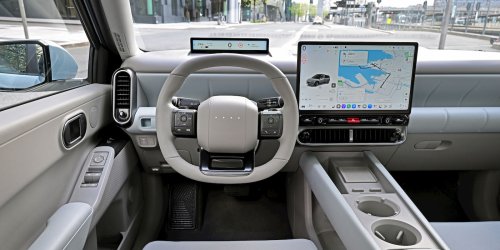
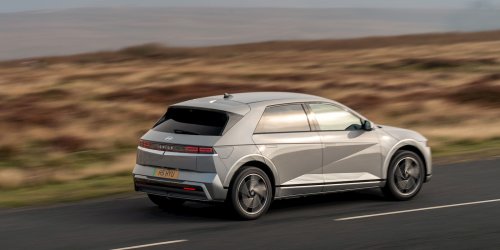
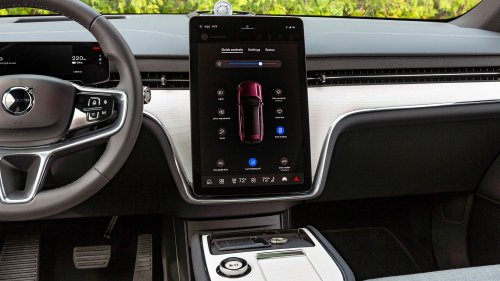
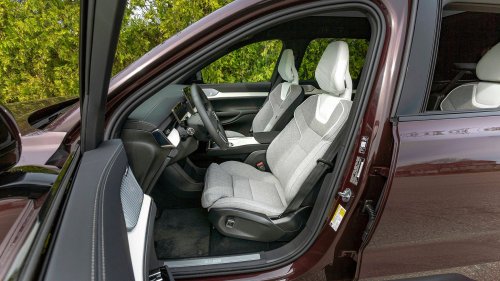
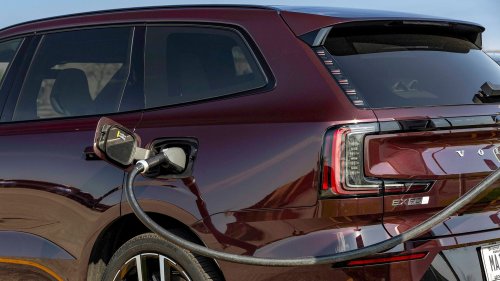
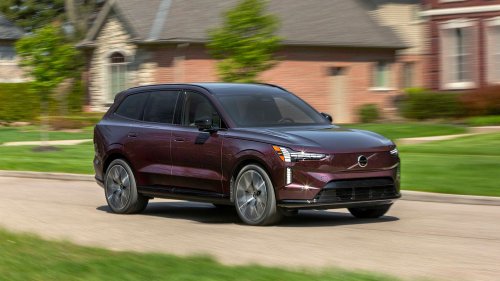
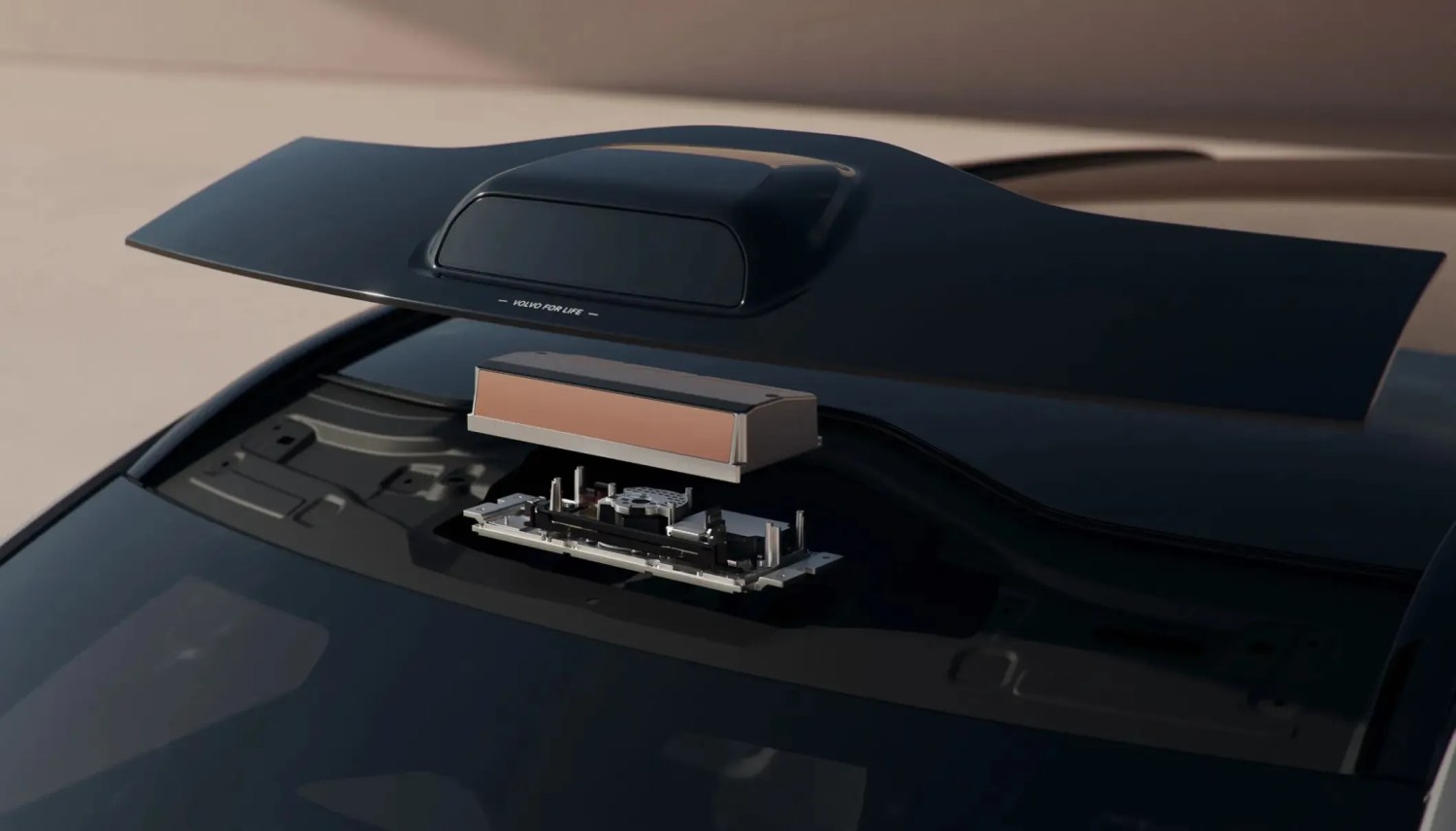
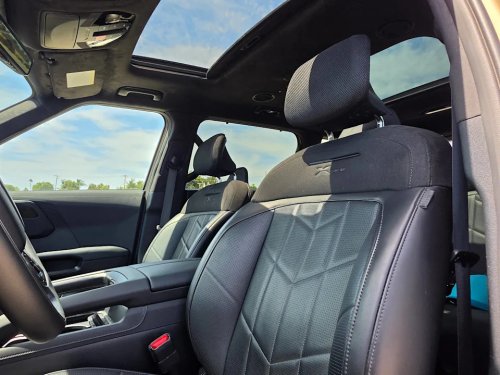
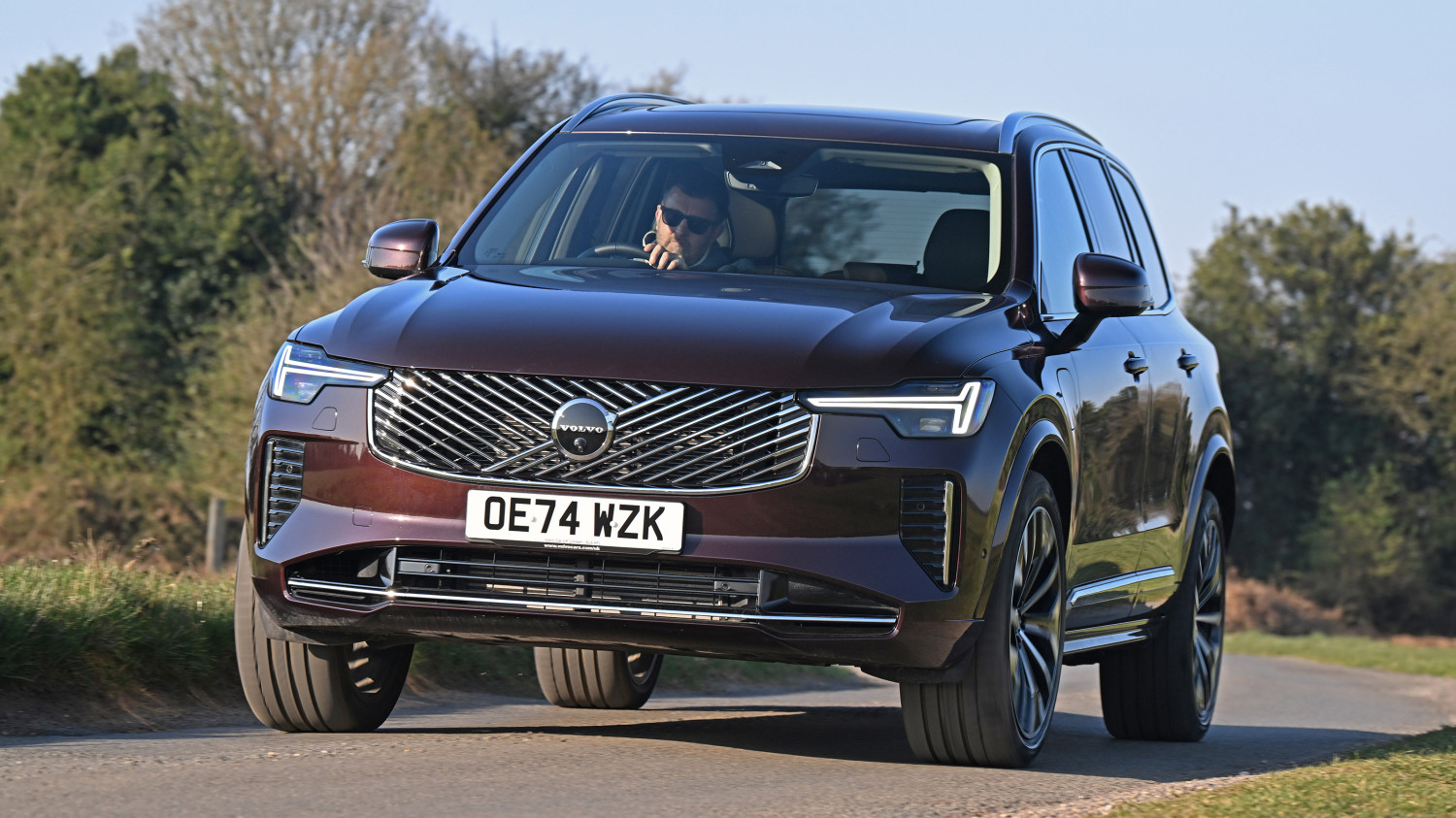
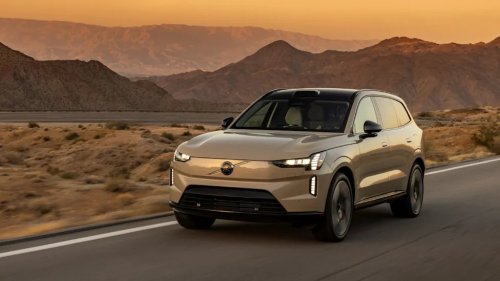
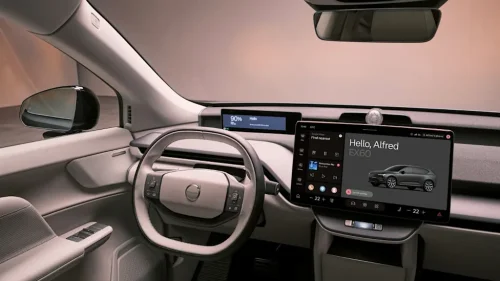
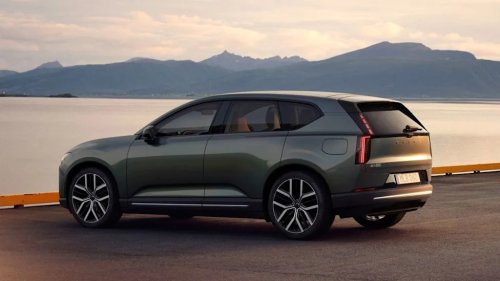
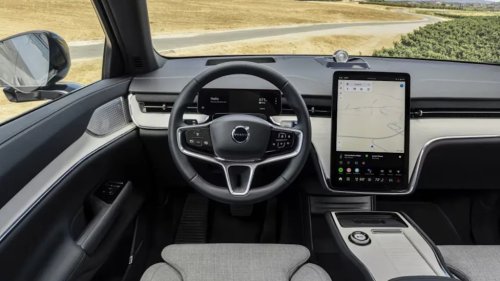
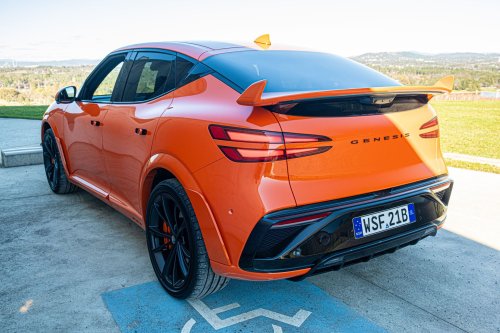
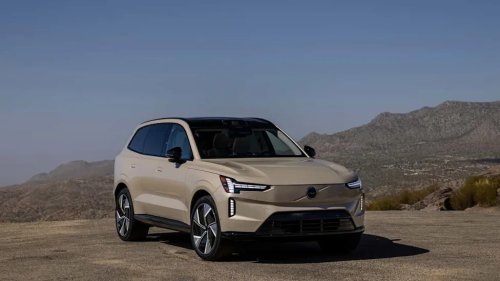
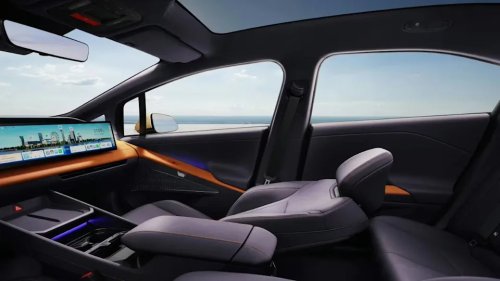
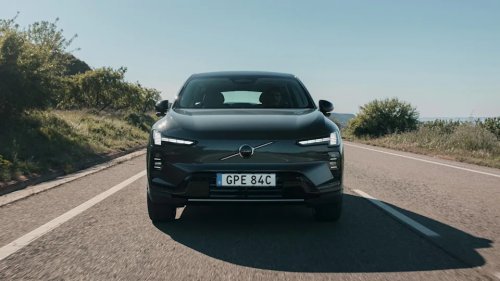
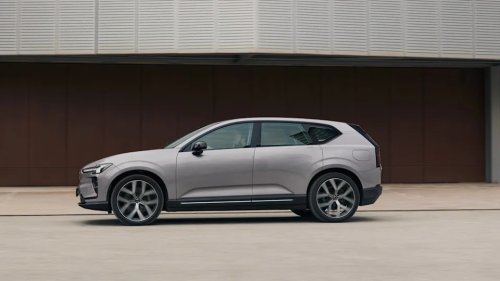
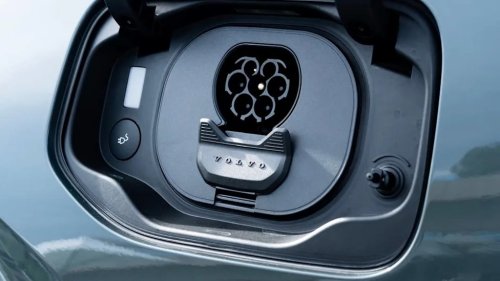
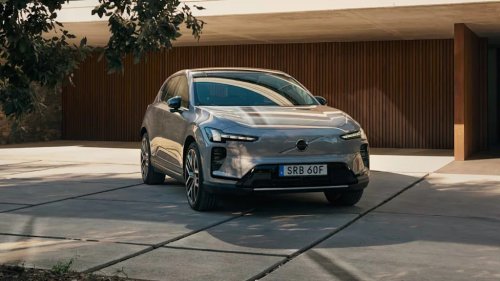
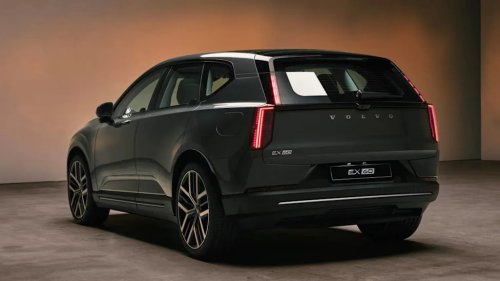
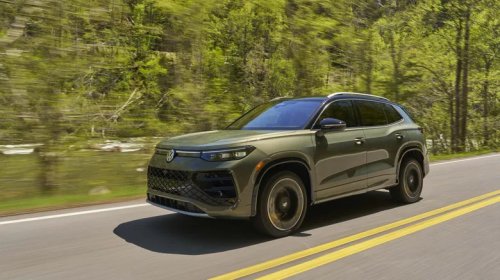
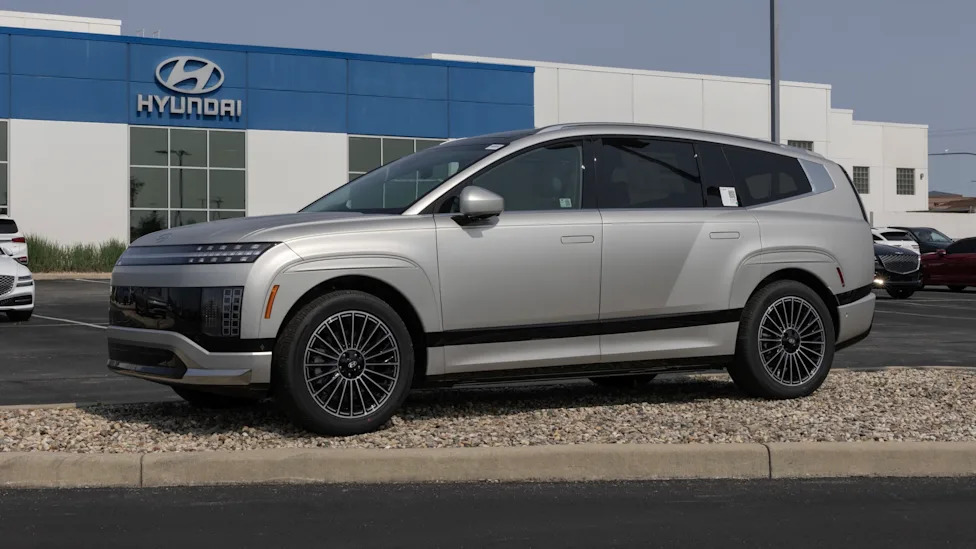
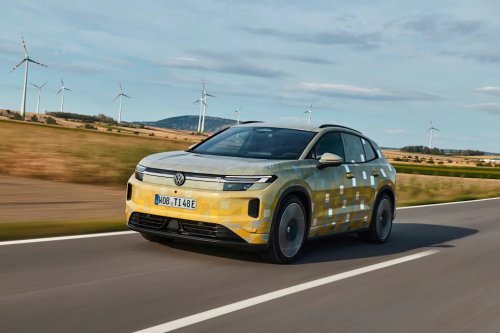
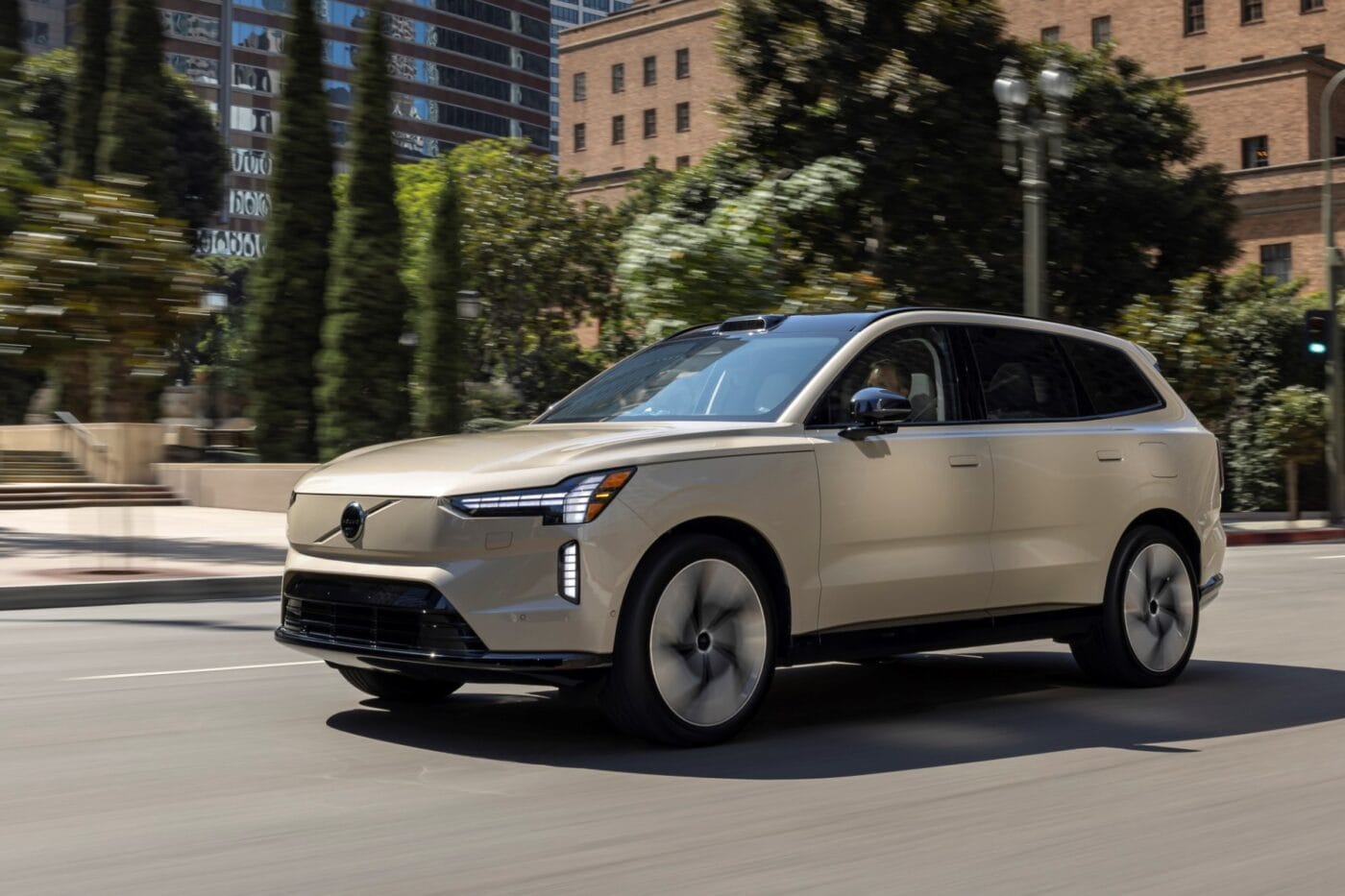
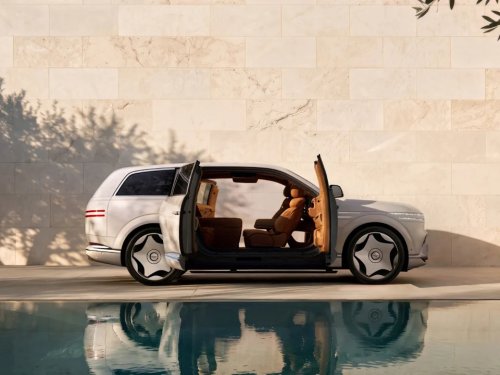
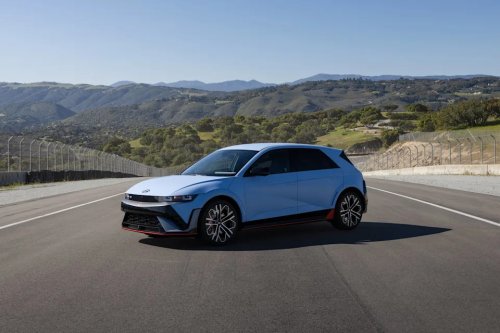
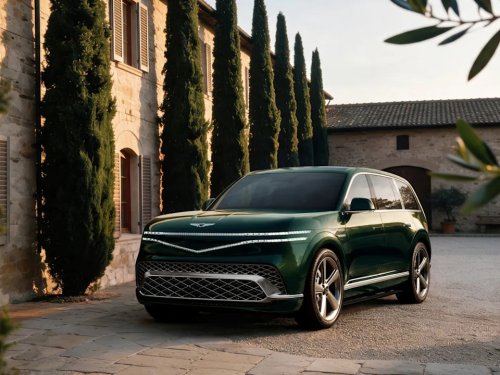
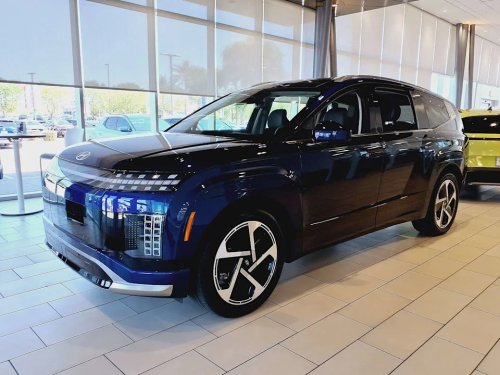
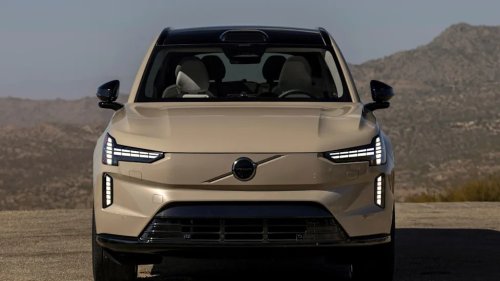
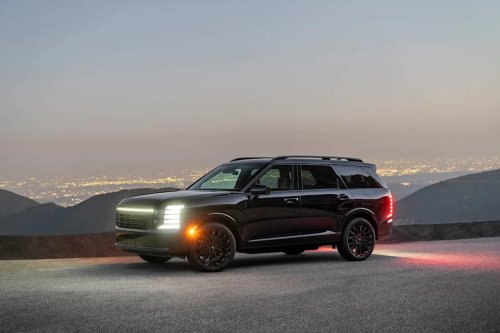
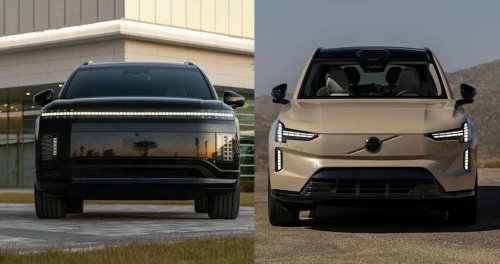
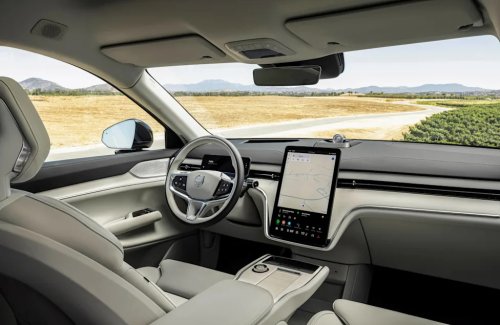
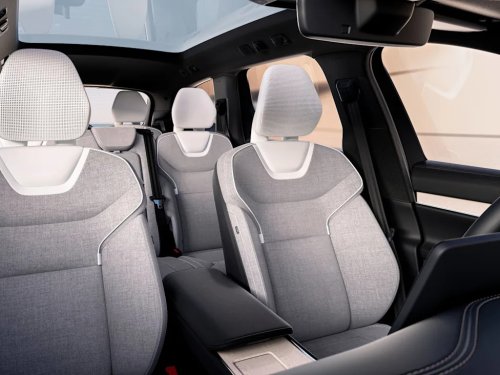
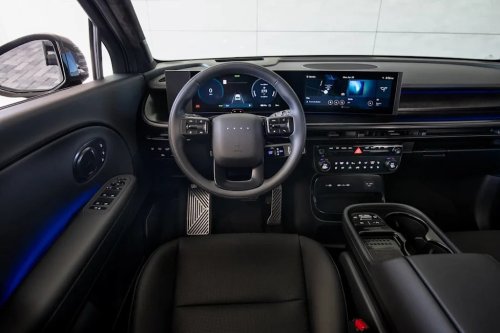
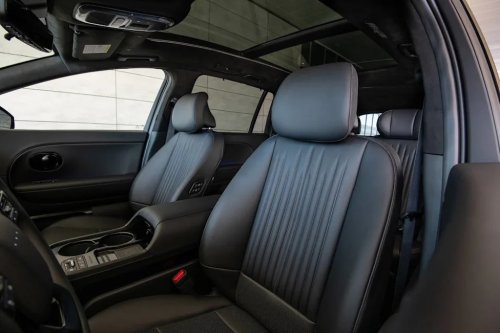
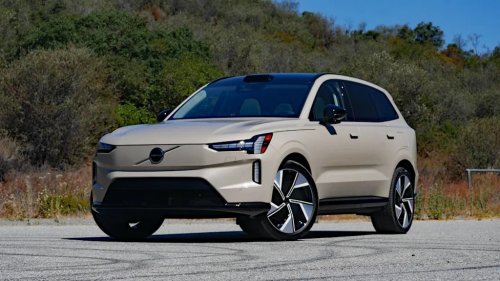
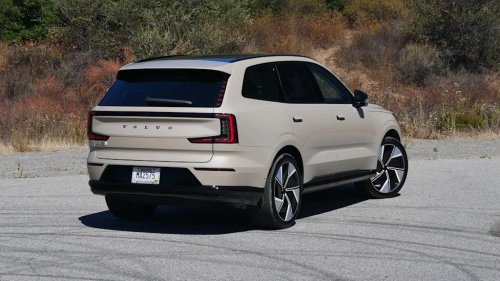
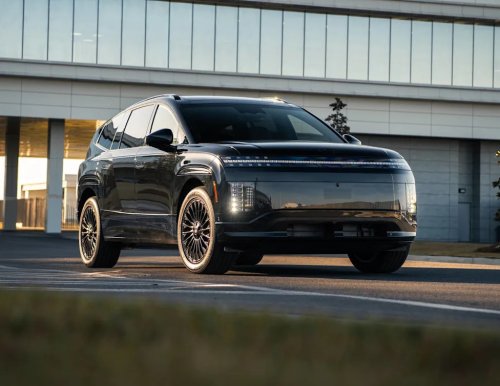
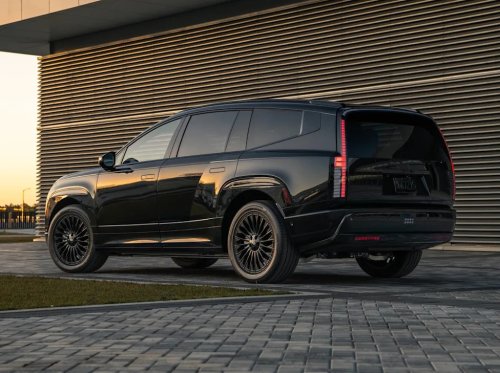
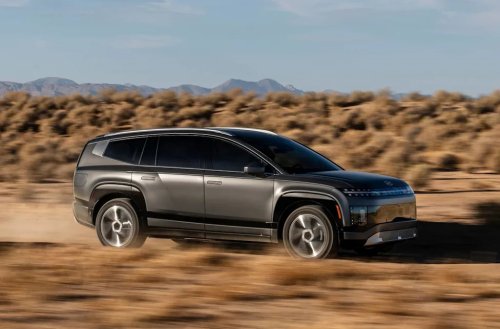
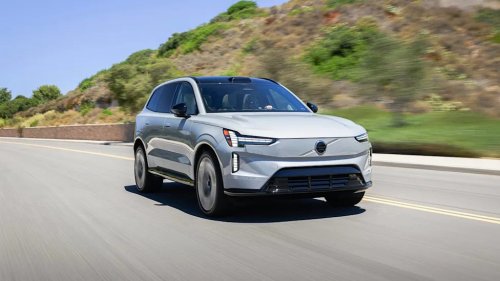
Autoblog and Yahoo may earn commission from links in this article.Redefining the Premium 3-Row Electric SUVPremium brands used to be the only place you could find, well, premium vehicles. The tide has turned now that brands like Hyundai have quickly moved into space once occupied by the likes of BMW, Mercedes, Cadillac, and Volvo. How did they do it? By pushing the design, tech, and materials envelope. Now it's a materials question, a software question, and increasingly a value question — which is exactly why the 2026 Volvo EX90 and 2026 Hyundai IONIQ 9 make such an uncomfortable pairing for Volvo.One is a Scandinavian flagship engineered to redefine what a luxury EV cabin feels like. The other is a South Korean flagship with cutting edge styling that costs roughly $18,000 less to start and, by several measures, out-executes it. It's hard to believe a once bargain brand has climbed the ladder to an elevated status so quickly, but the Ioniq 9 proves that premium is a game that can be played outside of what's been the norm for so long.The Numbers Don't LieLet's take a look at some of the important data for both vehicles. In terms of price, the EX90 easily eclipses the Ioniq 9 with its cheapes trim coming very close to the Hyundai's most expensive. Occupant space favors the Hyundai. The IONIQ 9, surprisingly, also wins the range game. The Volvo wins in the power department, but as you'll read later, the performance results are closer than you'd expect.AdvertisementAdvertisementCharging is excellent for both, and the difference really is negligible. When it comes to interior appointments and standard features, it largely comes down to preferences.Category2026 Volvo EX902026 Hyundai IONIQ 9Price (incl. destination)$78,090–$90,740$60,555–$79,090Legroom (1st/2nd/3rd)40.9 / 36.5 / 31.9 in41.4 / 42.8 / 32.0 inHeadroom (1st/2nd/3rd)44.2 / 41.6 / 35.8 in41.5 / 41.0 / 39.7 inEPA range276–305 miles311–335 milesPower329–670 hp; new 800-volt architecture for 2026215–422 hp, 110.3-kWh pack across the lineDC fast charging10–80% in as little as 22 min.10–80% in as little as 24 min at 350 kW, native NACS portStandard and Available FeaturesBose premium audio, head-up display, advanced sensing suite, surround-view camera, power tailgateBose premium audio, Dynamic Voice Recognition, head-up display, Hyundai SmartSense suite, blind-spot view monitor, adaptive cruise, heated front seats, dual 12-inch displaysInfotainment14.5-in portrait touchscreen, Google built-in, Snapdragon cockpit platform, wireless CarPlay, 5G, six USB-C portsDual 12.3-in displays, wireless charging, retained physical climate controlsCabin materialsNordico bio-attributed leather alternative or 30% wool / 70% recycled polyester tailored wool blend; FSC-certified backlit woodStain-resistant cloth (S/SE), H-Tex synthetic leather (SEL up), Nappa leather with corn-derived eco-suede headliner and pillars on CalligraphyWhere the Volvo EX90 WinsVolvoThe EX90 reflects the evolution of Volvo's Scandanavian minimalist design language. The Nordico upholstery — recycled PET and bio-attributed polymer from Swedish and Finnish forests — has a smooth, lustrous hand that doesn't read as leather substitute so much as its own material. The optional tailored wool blend is environmentally opulent, though for 2026 it's restricted to the six-seat configuration. Backlit FSC-certified wood glows after dark. The 17-speaker Bose system is standard, and Ultra buyers can step up to a 25-speaker Bowers & Wilkins setup.VolvoThe interior is architecturally stunning but not necessarily posh in the way you'd expect of a premium European brand. That doesn't detract from how beautiul it is, though. Volvo has smartly managed to create its own interior ethos that's actually more special than its exterior design. If you favor stunning design above all else, it's hard to argue against the EX90.Where the Hyundai IONIQ 9 WinsHyundaiThe IONIQ 9, especially in Limited and Calligraphy trims, feels pretty special apart from the car's lack of a premium branding. It is also minimalist in its own way with simple shapes juxtaposed against complex details. Then there's the sheer airiness of the occupant space. The IONIQ 9 gives second row passengers 42.8 inches of legroom against the Volvo's 36.5. Third-row headroom is 39.7 inches versus 35.8. Volvo's third row isn't as voluminous and not nearly as adult-friendly as the IONIQ 9. Hyundai also heats the third row, which the EX90 doesn't offer at all.HyundaiAdvertisementAdvertisementThe Calligraphy trim provides Nappa leather seats, two-tone leather-wrapped wheel, headliner and pillars in suede spun from 100% corn-derived yarn, and organically patterned aluminum trim meant to evoke handworked metal. At $76,590 that lands below a loaded EX90 while delivering more space and more range. Every IONIQ 9 clears 300 miles, and the rear-drive S manages 335 — more than any EX90 configuration, at less than half the top Volvo's price.Exterior Styling: Swedish Modernism vs. Korean FuturismJames RiswickThe EX90 borrows a lot from the nearly timeless XC90 that has held up remarkably well over the past ten years with only a recent refresh. The EX90 is definitely more minimalist thanks to the absence of a grille, flush door handles, and the less is more body. Volvo's approach is subtraction. The grille gives way to what the design team calls a "shield," flanked by revised Thor's Hammer lights that split horizontally at night to reveal the Matrix LEDs beneath — a genuine piece of automotive theater executed with total restraint.James RiswickThe one element that breaks the purity of the exterior is the roof-mounted lidar pod, which engineers insisted on placing high for its 250-meter forward view; designers wrapped it in a teardrop cover to manage airflow. At the rear, vertical Volvo taillamps are reimagined as stacked horizontal light segments, losing one of the XC90's truly special design elements.HyundaiHyundai went the other way. The IONIQ 9 pushes the envelope of what an electric SUV looks like, especially with the "Aerosthetic" body that tapers into a boat-tail rear borrowed from ship hulls, and the Parametric Pixel light signature — geometric cubes inspired by the Korean character ㅁ — wraps the front fascia and arcs across the tailgate. There's only the slightest bit of restraint peppered with dramatic elements. Case in point, the unique fender trim that's different from anything else in the industry.HyundaiAdvertisementAdvertisementThe payoff of the Ioniq 9's teardrop shape is functional: a 0.259 drag coefficient, best among SUVs in its class, plus the industry's first dual-motion active air flap in the lower front bumper. It won a 2025 automotive exterior design commendation, but the pixel motif has also drawn its share of criticism as overapplied. Volvo's design is more under the radar but still visually pleasing; Hyundai's is elegant but daring, using individual styling elements to make a statement.Performance: Horsepower Doesn't Tell the Full StoryHyundaiThe Volvo EX90 offers a 329-hp single motor, a 449-hp dual motor, and the top dog 670-hp Twin Motor Performance. The Hyundai IONIQ 9's 422 horsepower seems scant by comparison. Volvo claims 4.0 seconds to 60 mph versus 5.3 for the standard Twin Motor and 6.6 for the single-motor base. The Volvo weighs 6,213 pounds.But Hyundai's dual motor Performance AWD models will do the same sprint in an impressive 4.4 seconds and rip through the quarter in 13.1 seconds at 104 mph. How do you account for the close acceleration numbers with the substantial power delta? Well, the IONIQ 9's curb weight is 5,908—about 300 pounds less than the Volvo. Neither one is going to be used in a drag race, but both the Volvo and the Hyundai post some very low numbers for their size and weight.VolvoThat means a $76,590 IONIQ 9 Calligraphy is effectively as quick as a $90,740 EX90 Twin Motor Performance, while also towing up to 5,000 pounds and holding 0.88 g on the skidpad. The mid-tier AWD models split the difference at roughly six seconds, and the rear-drive S is honest but slow at 7.8 seconds. The Volvo Twin Motor Performance can tow 4,850 pounds and put down 0.86 g of lateral gs. It falls short of the Ioniq 9, but only just so.The VerdictIf premium is about the experience of actually living with a three-row electric SUV, the IONIQ 9 makes an incredibly strong case. It's more spacious, goes farther between charges, moves almost as quickly in dual motor performance format, and does all of it for significantly less money. The Hyundai's cabin isn't quite as special to touch, but it's more accommodating to occupy. Buyers who prize the intangible — design integrity, badge, that particular Scandinavian restraint — will find the EX90 worth its premium. The conclusion is less about which model wins and more about the shrinking gap between a mainstream three-row and a European luxury flagship. Either way, the fact that we're weighing taste rather than tallying deficiencies tells you how far the mainstream has come.AdvertisementAdvertisementThis story was originally published by Autoblog on Aug 20, 2026, where it first appeared in the Features section. Add Autoblog as a Preferred Source by clicking here.



















 +68 others