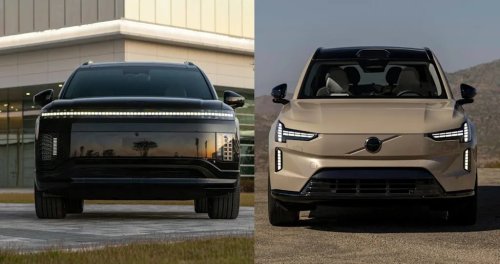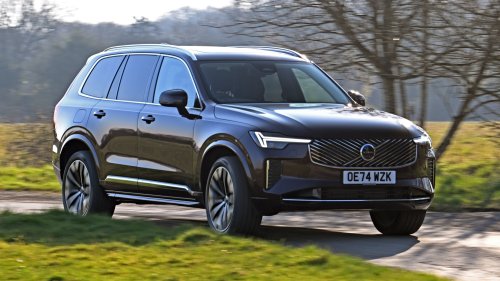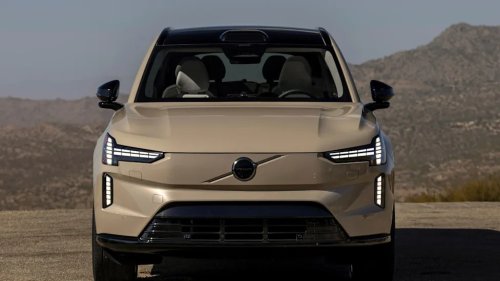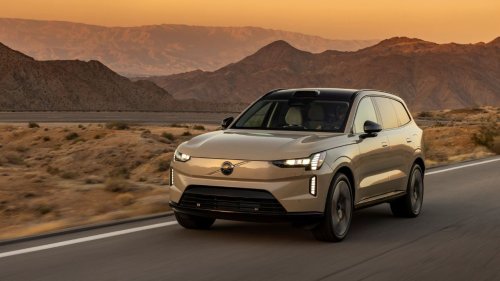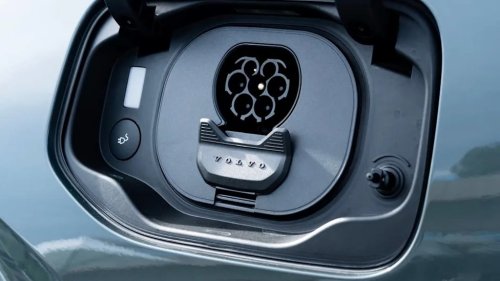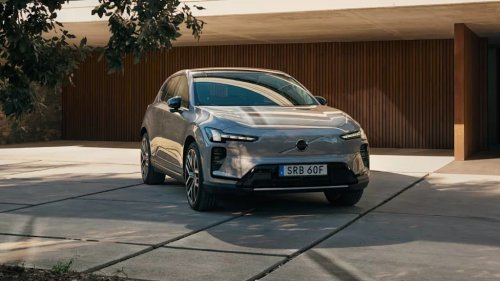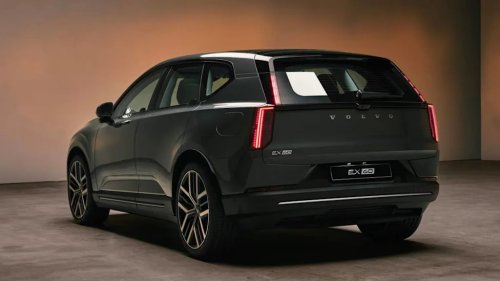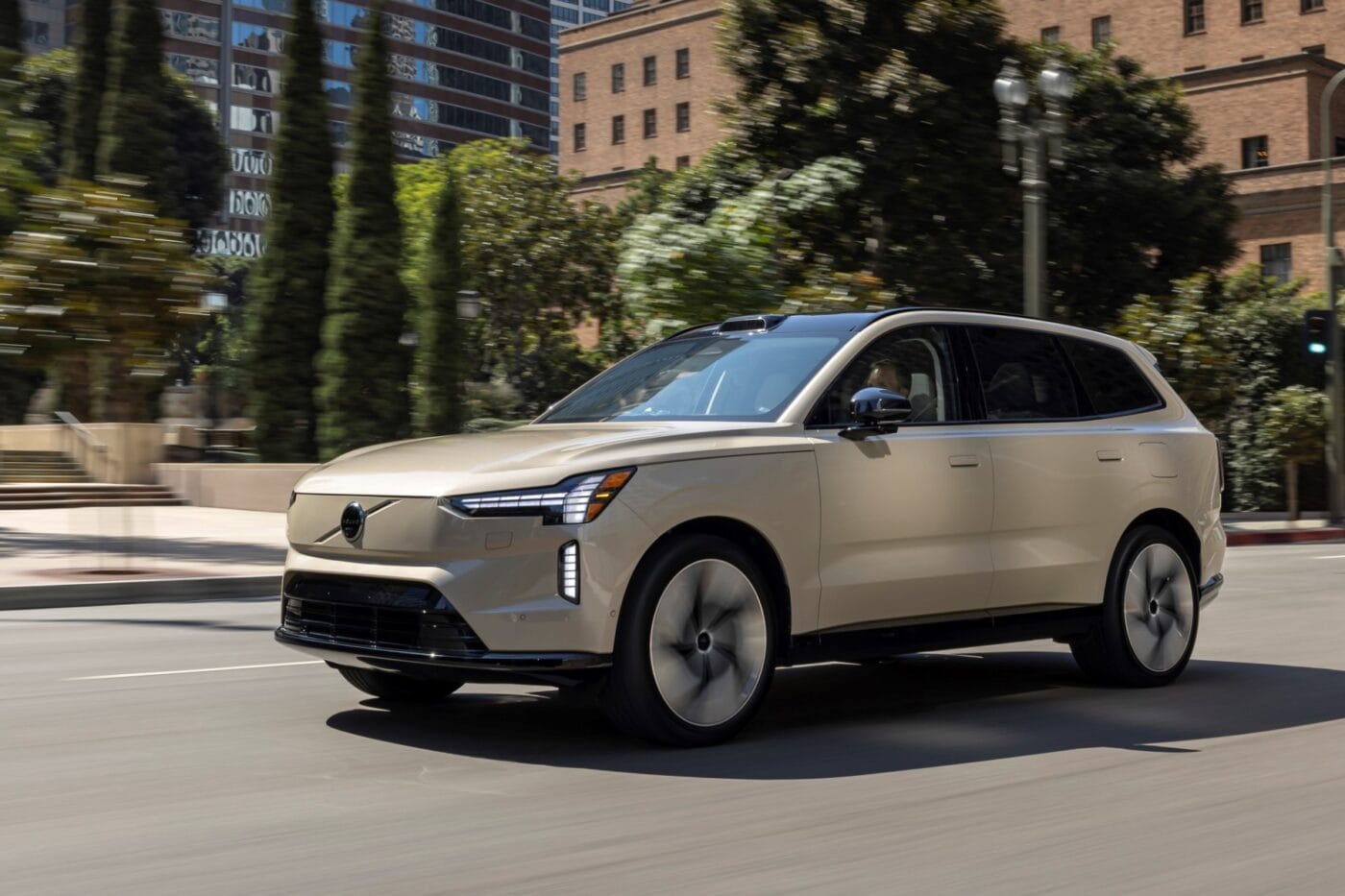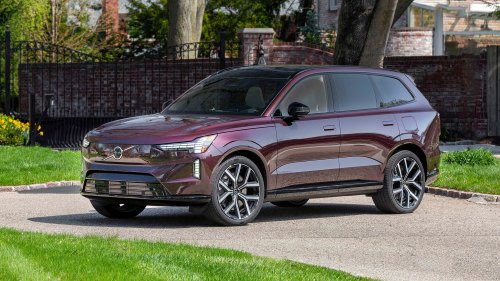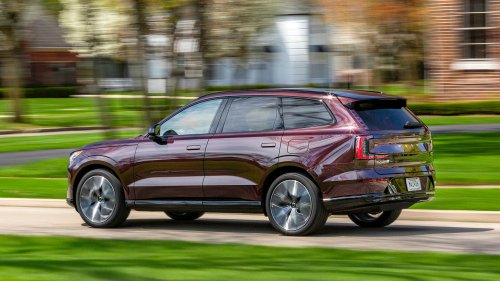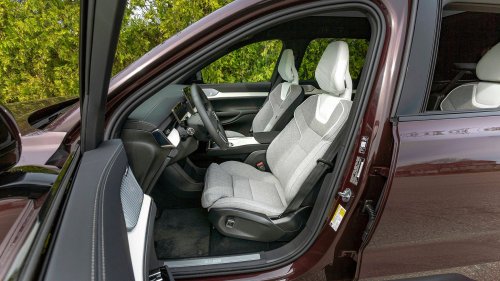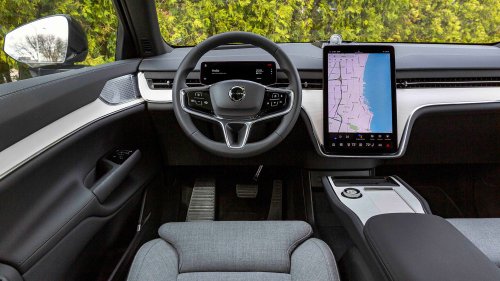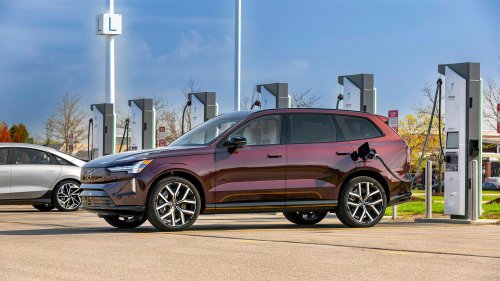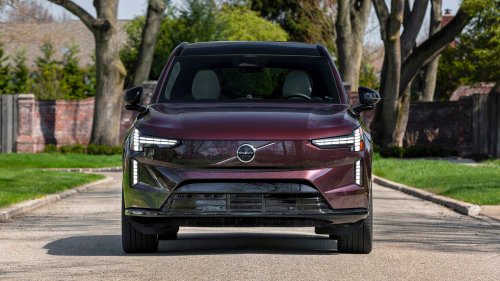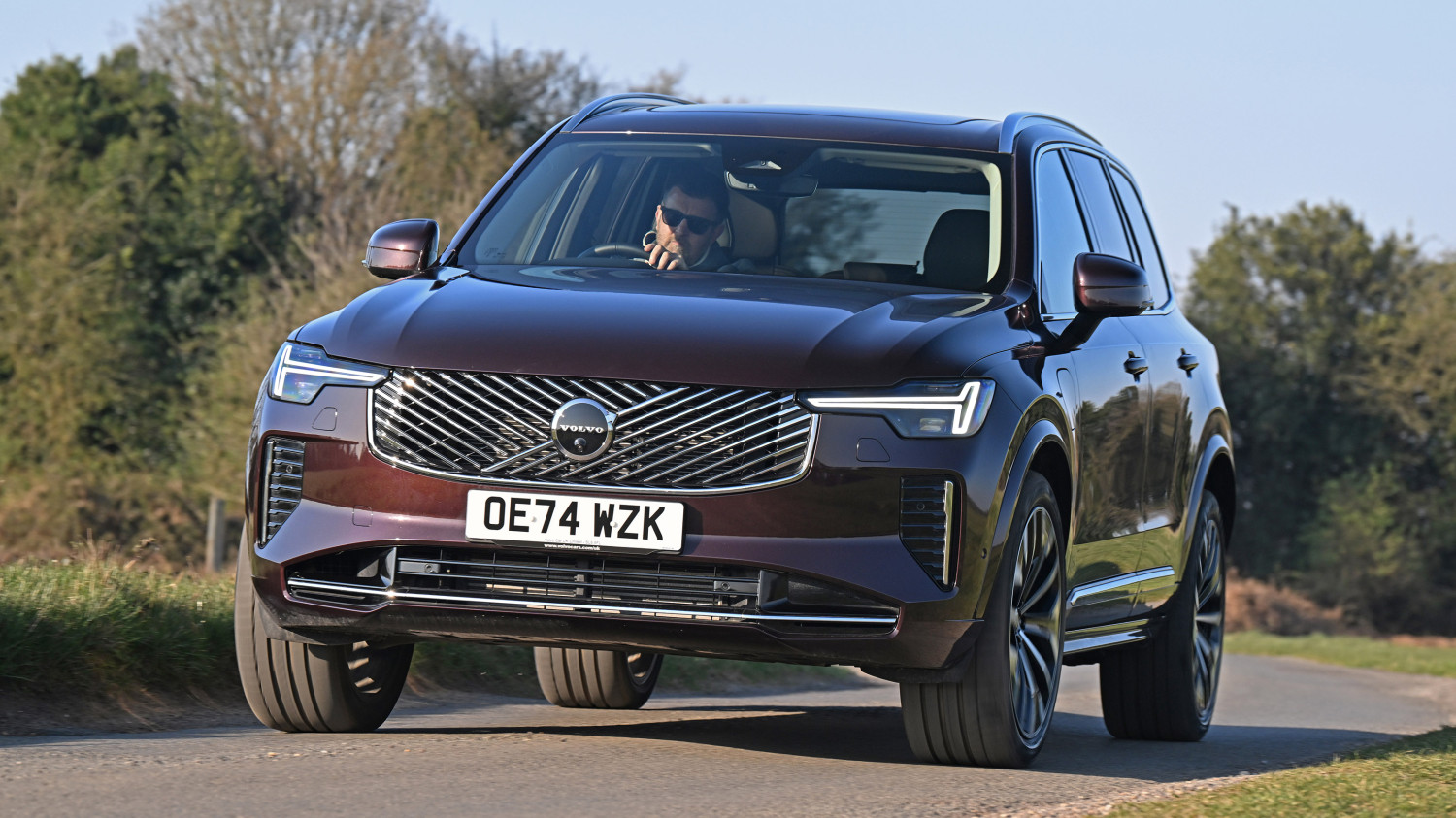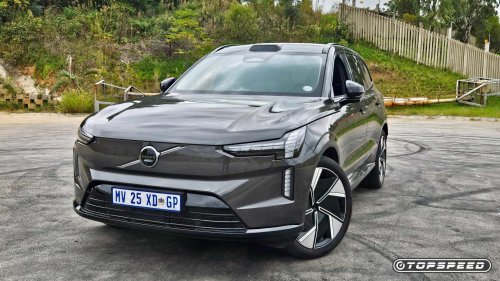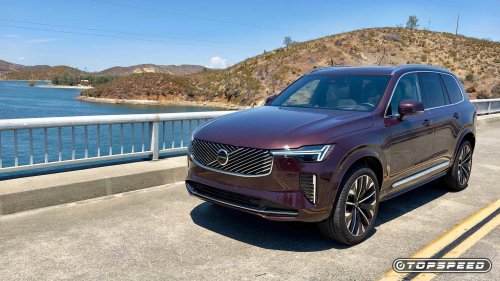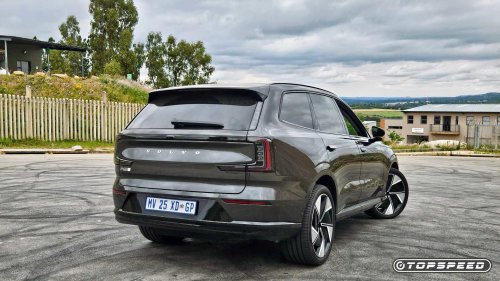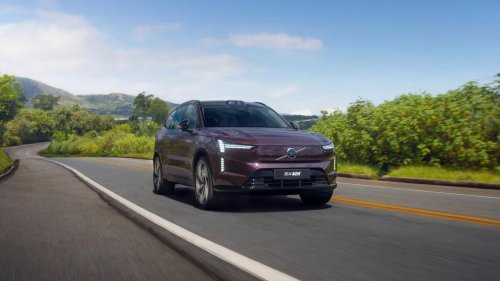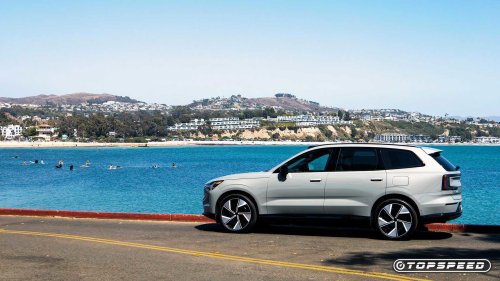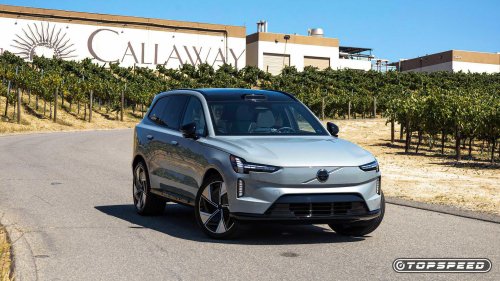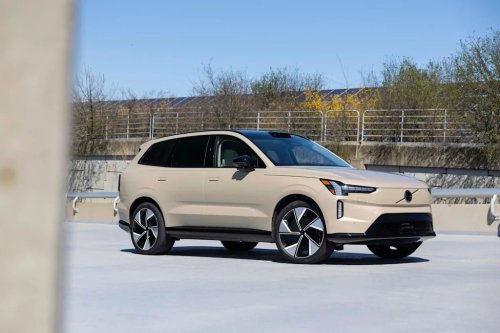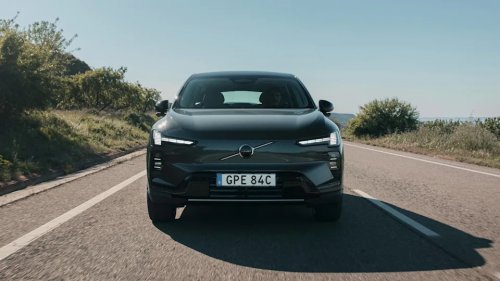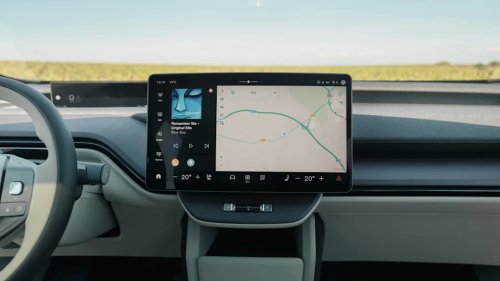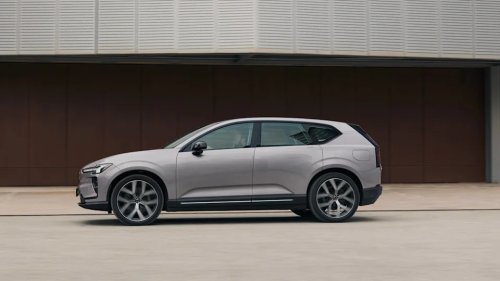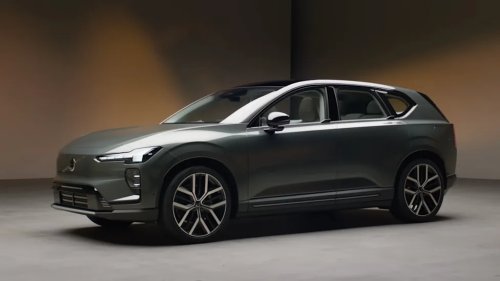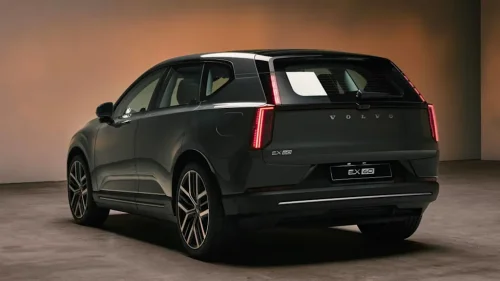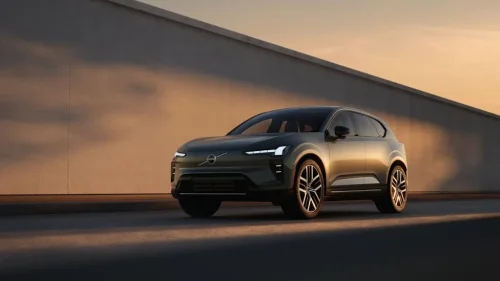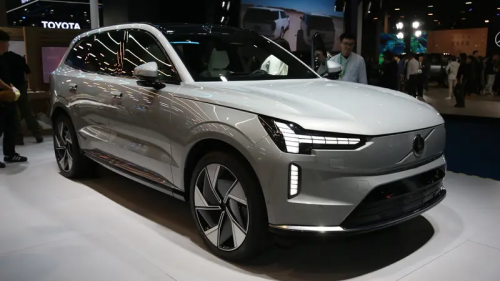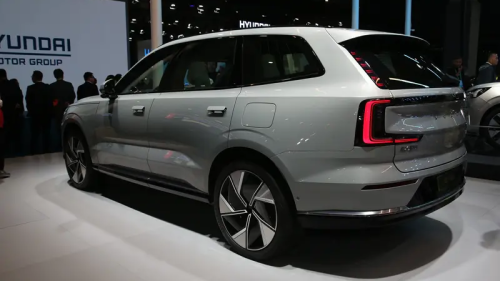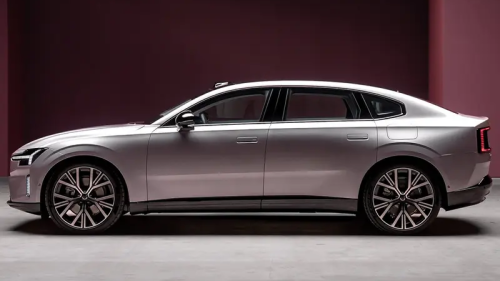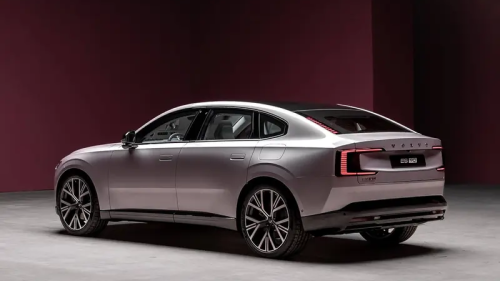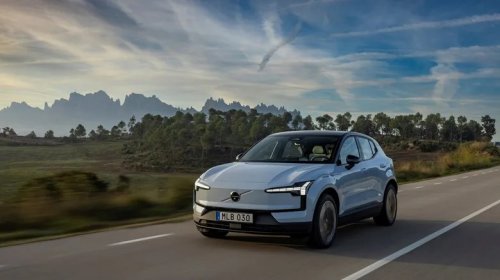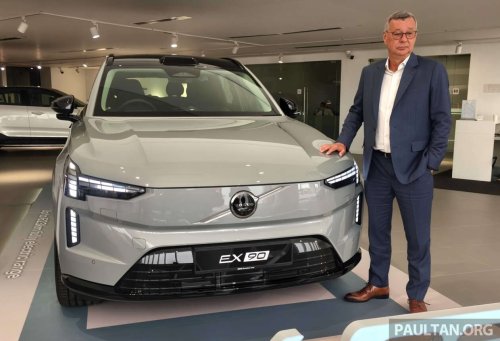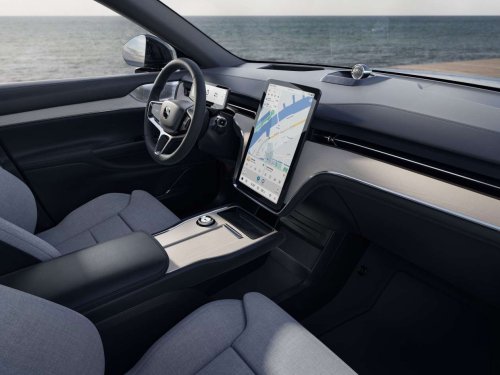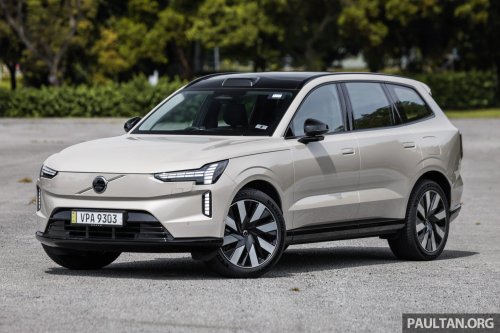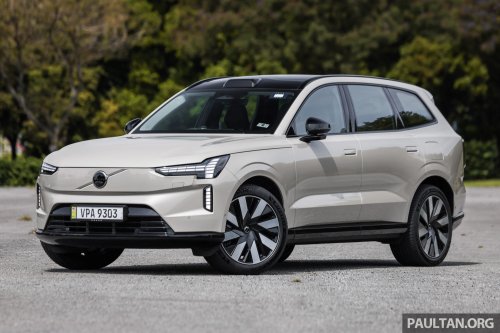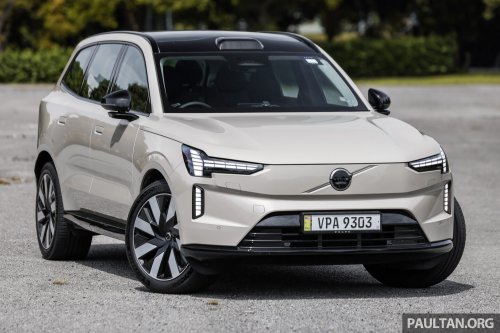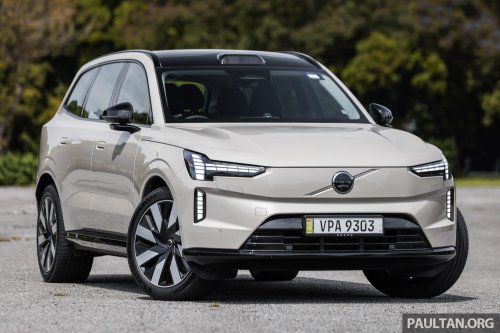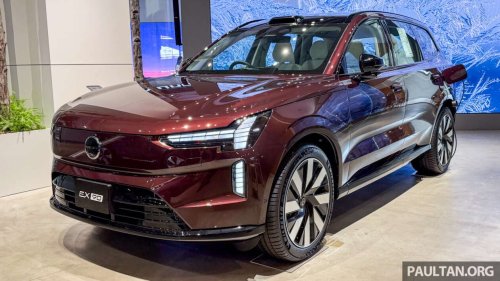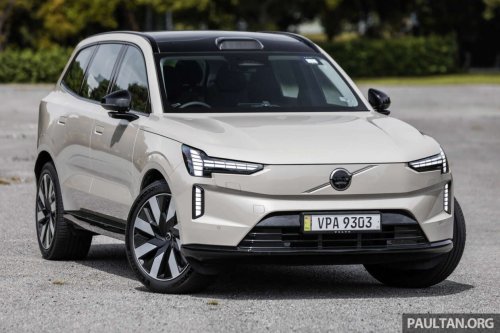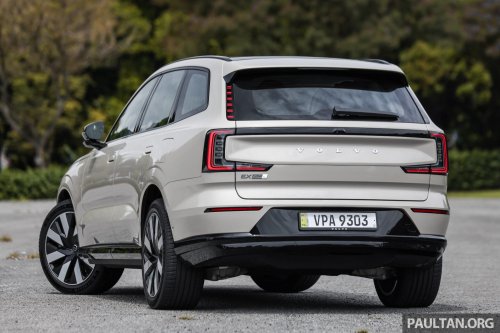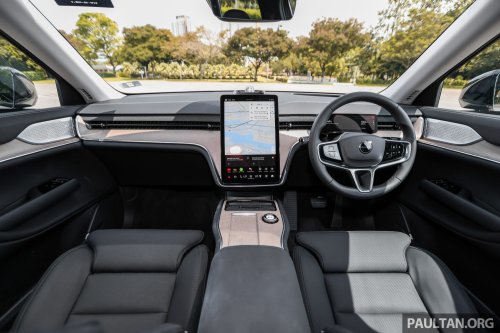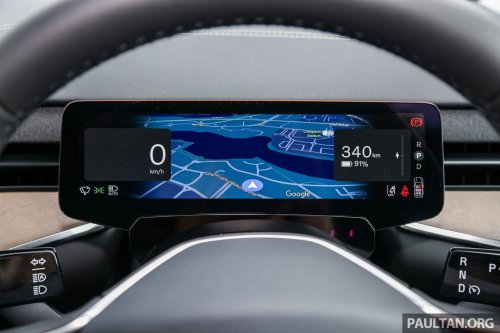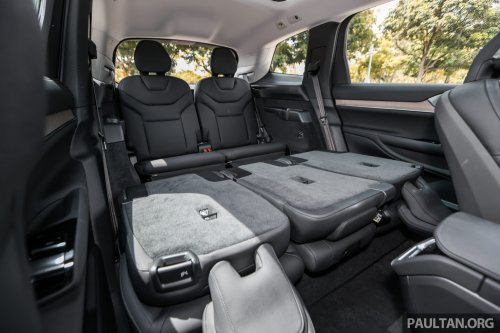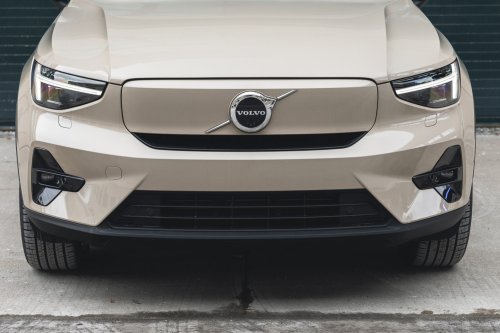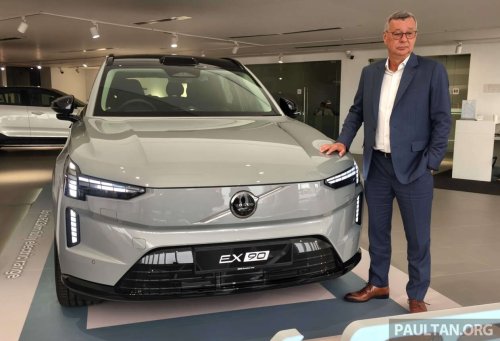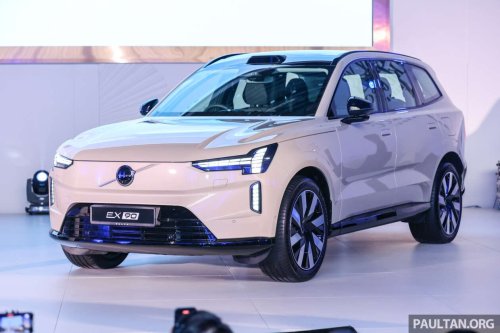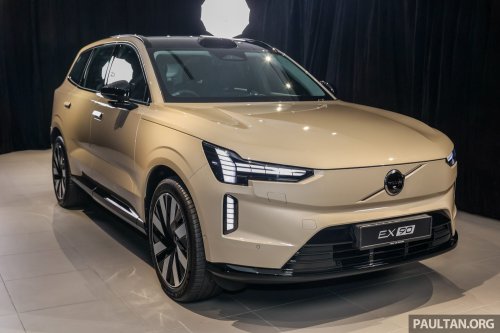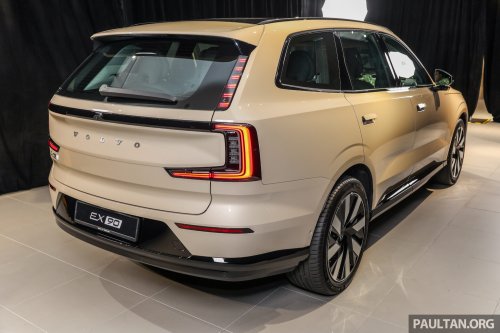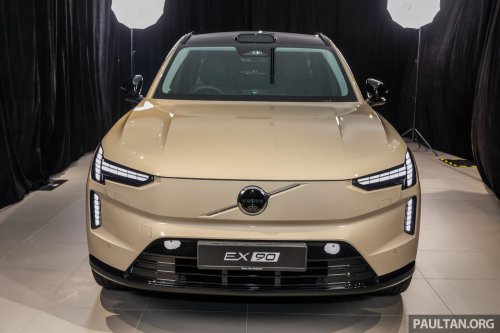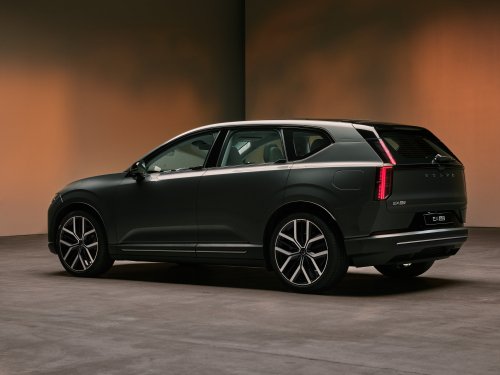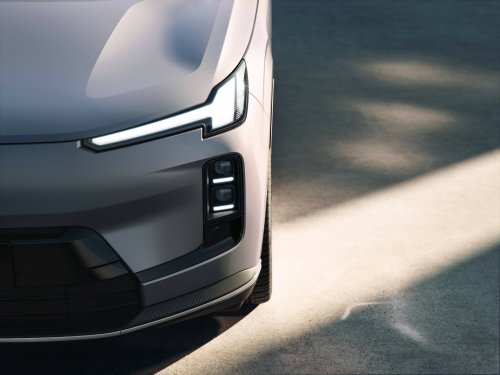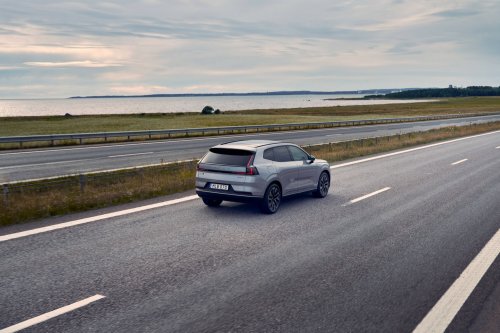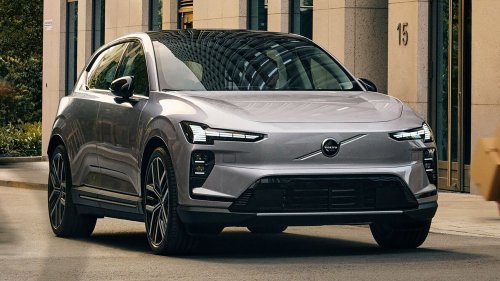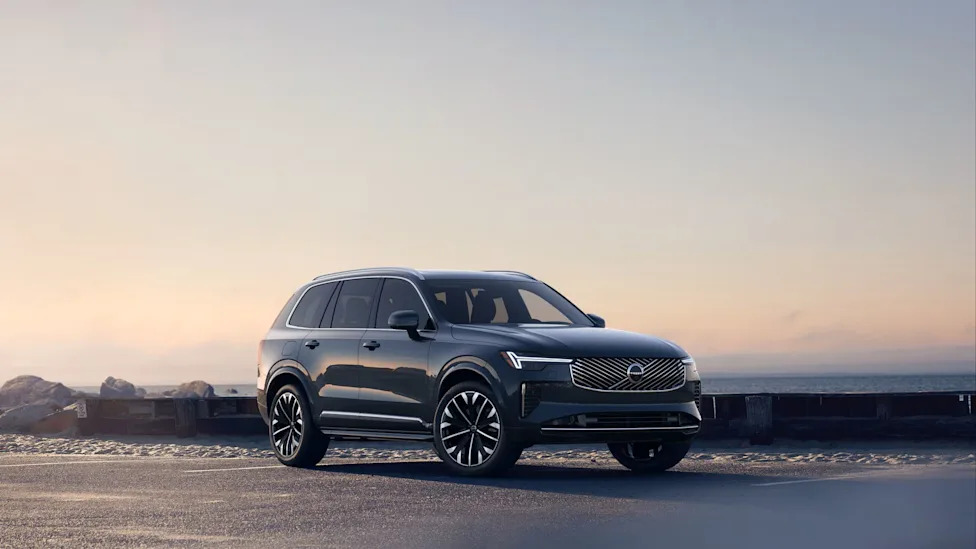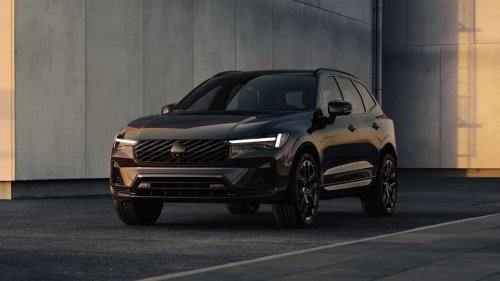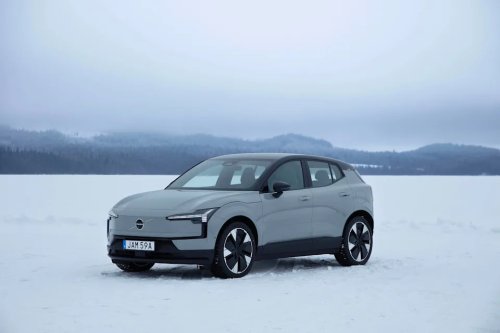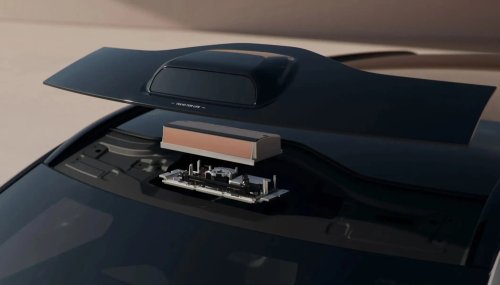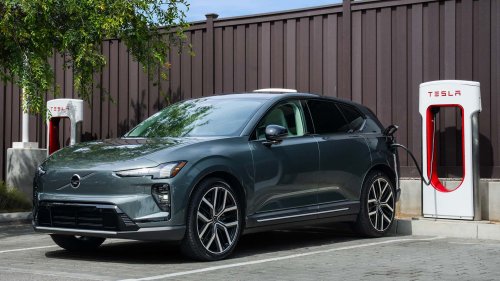


















Photo Credit: iStockVolvo's EX90 appears to have undergone a major overhaul after its troubled debut, but shoppers browsing used listings or dealer-lot inventory may not realize just how different the newer version is from the 2025 model.Because both versions share the EX90 badge, what looks like a normal year-to-year update may actually separate early examples from a later SUV with notably different underlying hardware.Here's what to knowAccording to a video from Out of Spec Reviews (@OutofSpecReviews), the 2026 EX90 moves to Volvo's SPA2 Upgraded high-voltage architecture and brings changes to the battery configuration, electronics, powertrain approach, and advertised charging performance.As one reviewer put it, "This is a completely different car."AdvertisementAdvertisementThe contrast matters because the 2025 EX90 reached customers after a troubled rollout marked by software problems and reliability concerns, an awkward outcome for a brand associated with safety and dependability.For 2026, Volvo reportedly removes the earlier roof-mounted lidar arrangement, shifts from a front-primary setup to a rear-primary one, adds about 130 horsepower, and raises peak claimed charging from 250 kilowatts to 350 kW.Early-owner frustration showed up in the comments as well.One commenter wrote, "I have the 2025, and within the first year, it's been towed to the dealer 3 times for 'electrical fault' issues where the car won't run, and 2 times it died while in traffic."AdvertisementAdvertisementSo even when the badge says EX90 in both cases, buyers may be looking at SUVs with different charging characteristics, hardware packages, and resale outlooks.More backgroundReviewers characterized the 2026 model as more than a fix for the original car's issues. In their view, Volvo effectively redid the EX90 for its second year.That creates room for confusion in the used market, where shoppers might expect one EX90 to be much like another even though the 2025 and 2026 versions may diverge in charging system, battery details, and feature expectations.That does not change the broader appeal of EVs. For many households, making your next car an EV can mean spending less on fuel and avoiding routine maintenance such as oil changes, while also cutting pollution from daily driving.What can be done?Before buying, check the model year, charging equipment, and installed features carefully. With the EX90, that now includes confirming whether the vehicle is the earlier low-voltage version or the later high-voltage one.AdvertisementAdvertisementBase your purchase decision on current functionality rather than promised future updates. That means verifying real charging performance, trying the software firsthand, and making sure any advertised driver-assistance functions are already enabled.If home charging is part of the plan, that can improve the math even more. Charging an EV at home often costs half as much as using public chargers, though basic Level 1 charging tends to be slow. Qmerit provides free, instant installation estimates for faster Level 2 home charger installations.For Volvo, the EX90 now appears to span two notably different versions under one name. Better disclosure and clearer model-year distinctions would make that easier for shoppers to understand.Get TCD's free newsletters for easy tips, smart advice, and a chance to earn $5,000 toward home upgrades. To see more stories like this one, change your Google preferences here.