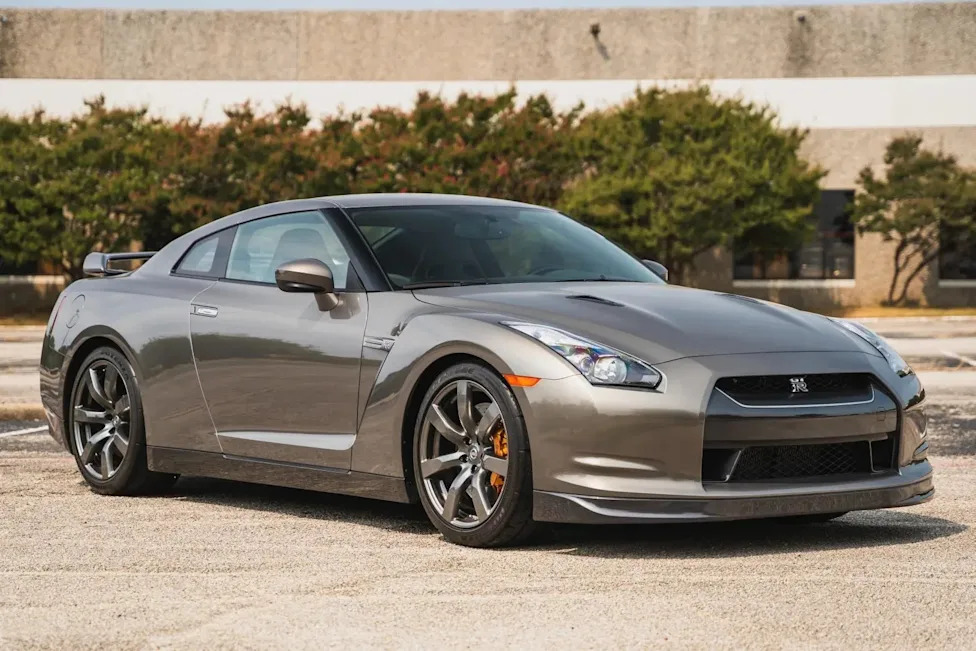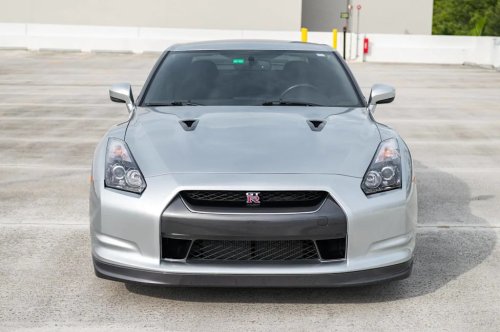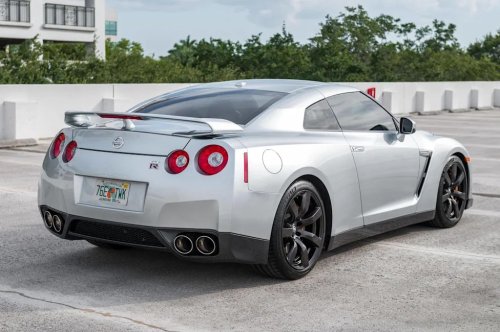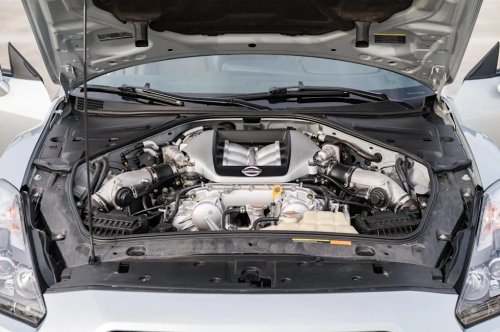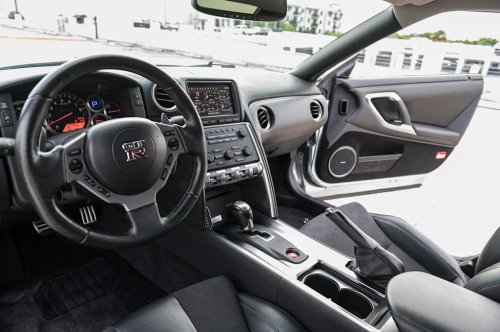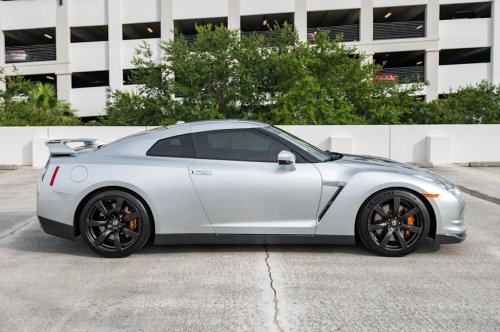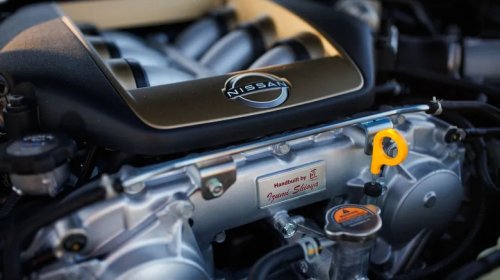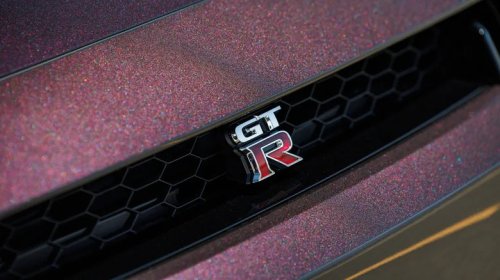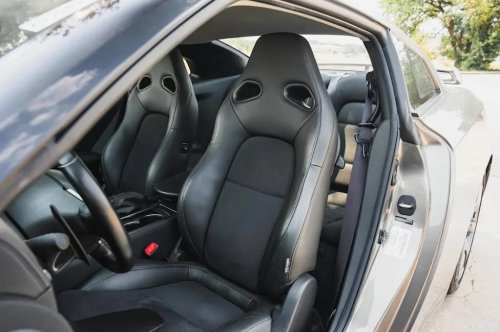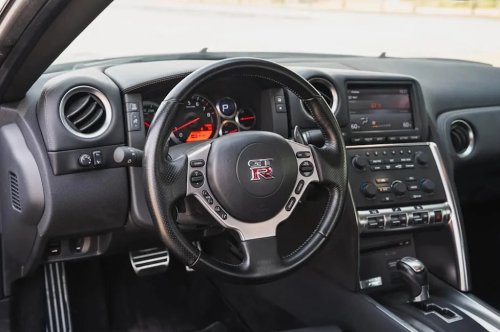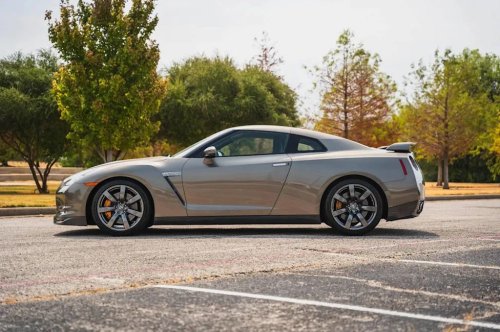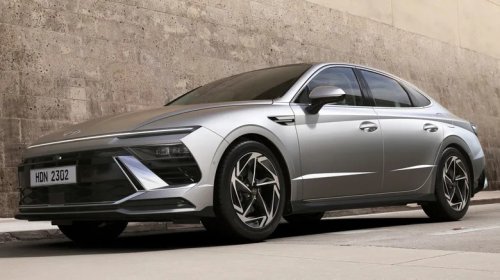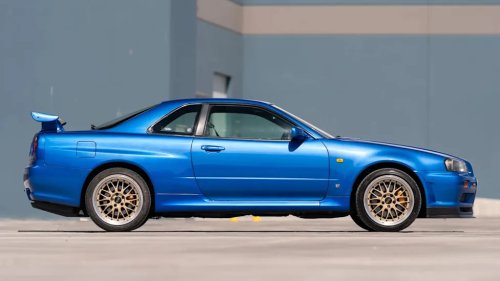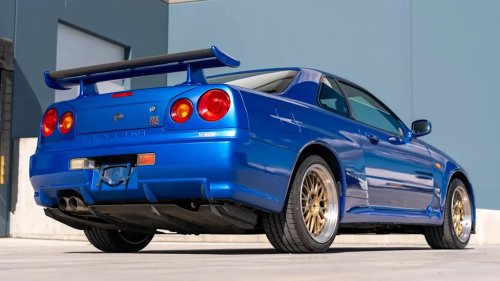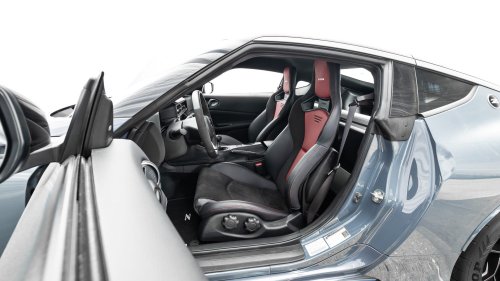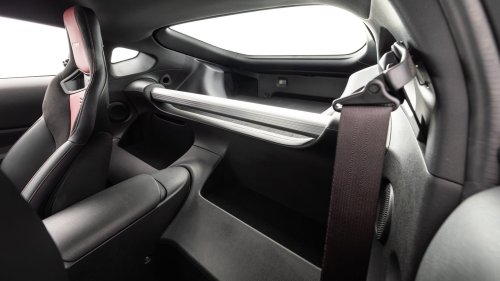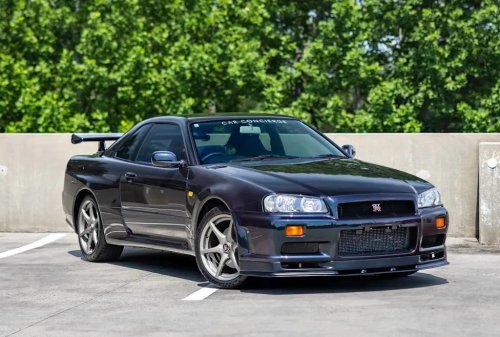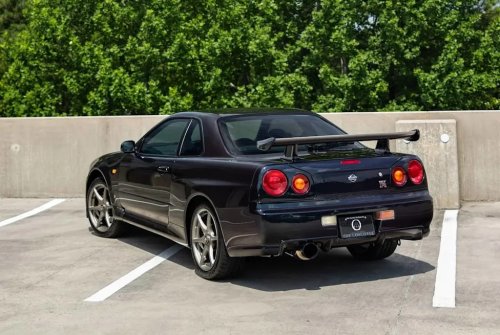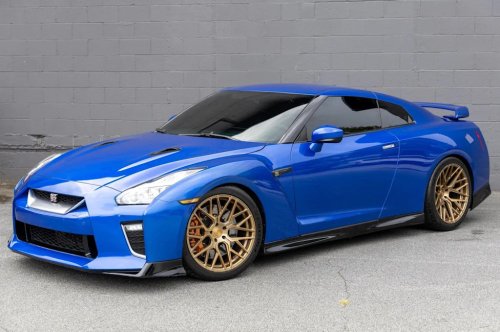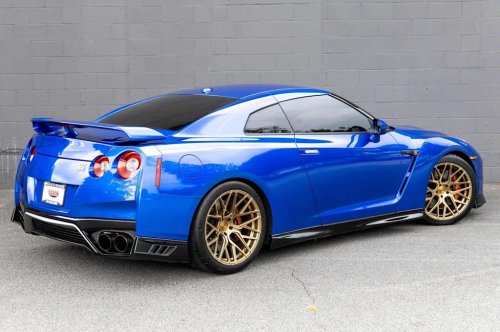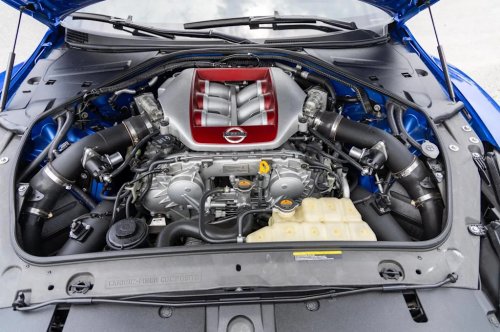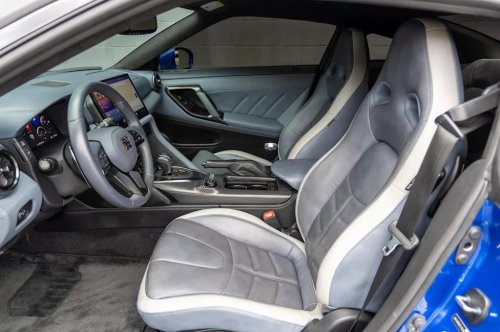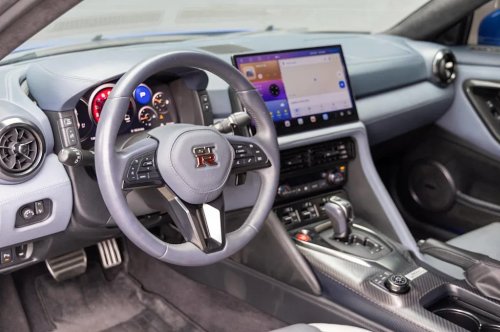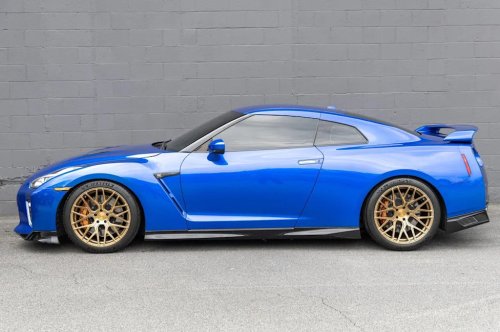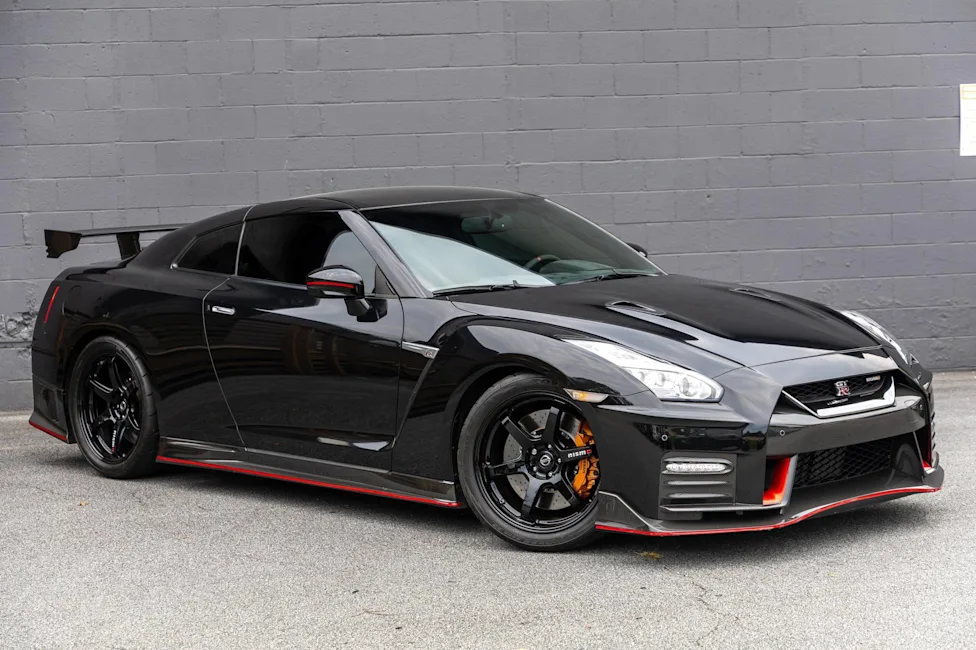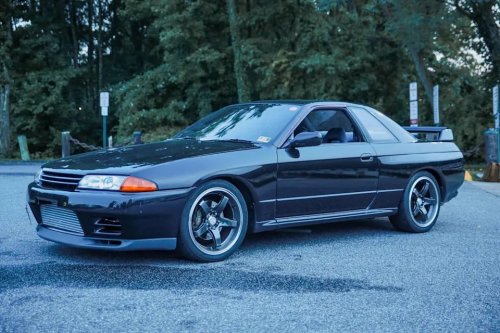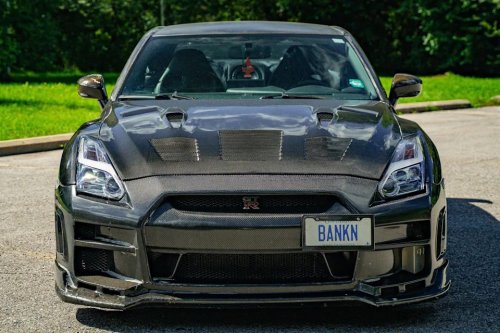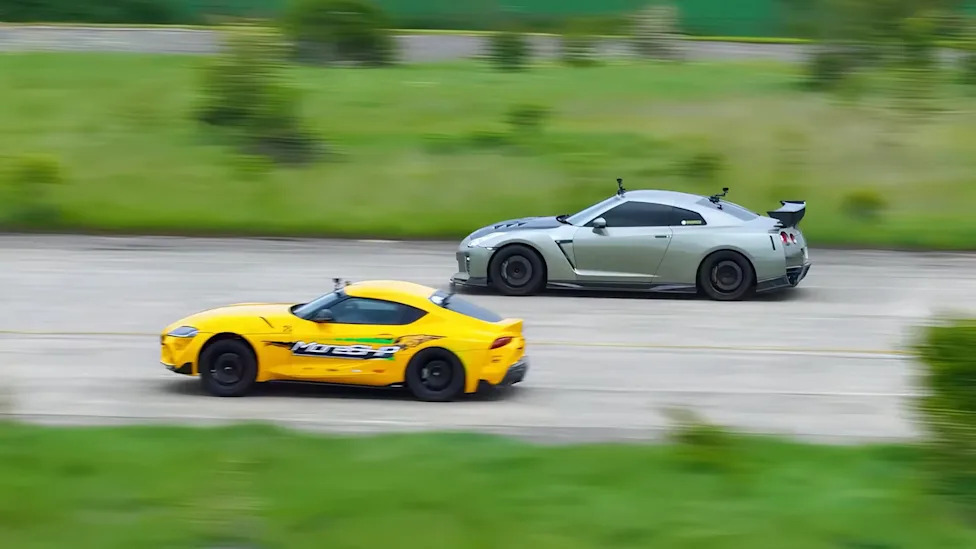
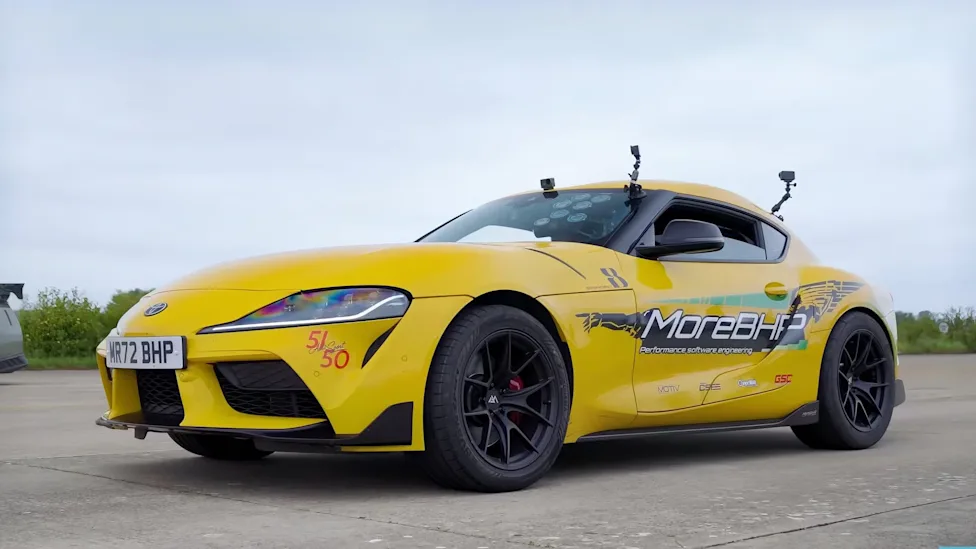
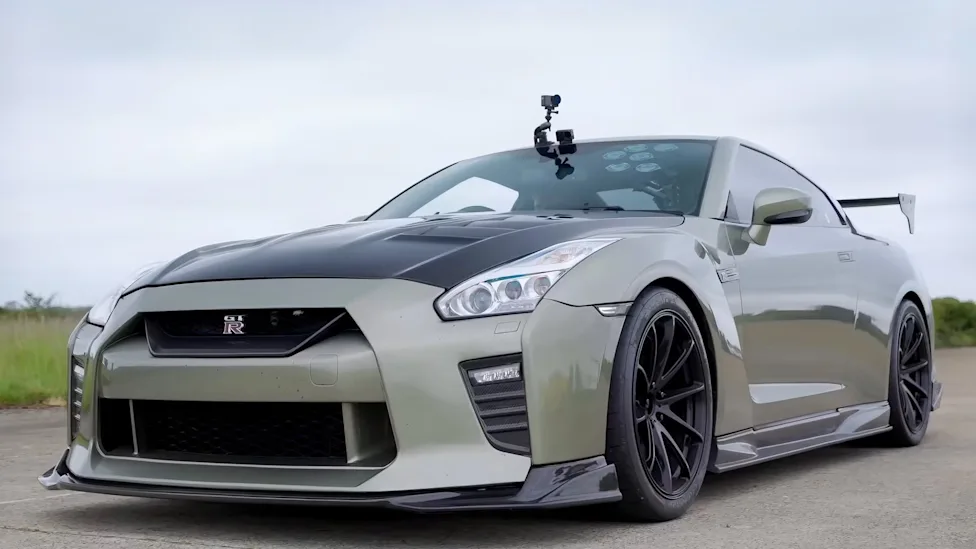



















Image Credit: carwow / YouTube.The Nissan GT-R has long been regarded as the benchmark for high-horsepower Japanese performance builds. Its proven all-wheel-drive system and immense tuning potential have made it one of the most formidable drag racing machines on the planet.Toyota's latest Supra has also become a favorite among tuners, although most examples still send their power exclusively to the rear wheels. One ambitious builder has decided that wasn't enough, creating what is claimed to be the world's first all-wheel-drive A90 Supra.Carwow recently brought the two modified monsters together for a series of drag races, rolling races, and braking tests. On paper, the matchup looked incredibly close, with both cars producing four-digit horsepower figures and carrying six-figure price tags.AdvertisementAdvertisementDespite similar performance numbers, the showdown quickly proved that raw power tells only part of the story. Mechanical reliability, traction, driver confidence, and consistency all played major roles in deciding which Japanese icon came out on top.The Supra Brings A Unique FormulaImage Credit: carwow / YouTube.The heavily modified Toyota Supra is powered by a fully built 3.0-liter turbocharged inline-six that retains the factory engine architecture while receiving strengthened internals and extensive supporting upgrades. A larger turbocharger, upgraded fuel system, reinforced transmission, and stronger driveline components help it produce an impressive 1,070 horsepower and 885 lb-ft of torque.Its biggest talking point sits underneath the car. Instead of driving only the rear wheels, this Supra has been converted to all-wheel drive, making it the first known A90 build to feature such a setup.The conversion transforms the Supra's ability to launch, although it also introduces additional complexity. Rather than using conventional launch control, the car relies on a transbrake system that requires a specific launch procedure before unleashing its full potential.Godzilla Still Packs A Serious PunchImage Credit: carwow / YouTube.Facing the Supra was a heavily modified Nissan GT-R producing an even 1,000 horsepower and 804 lb-ft from its fully built twin-turbo V6. Power continues to be delivered through Nissan's well-established all-wheel-drive system that has earned the GT-R its legendary reputation.AdvertisementAdvertisementThe GT-R also carried a slight weight disadvantage, tipping the scales at approximately 3,836 lbs compared to the Supra's 3,505 lbs. Even so, its predictable launches and strong acceleration made it a dangerous opponent throughout the competition.Both cars are valued at roughly the same amount after their extensive modifications. With each build costing well into six figures, the contest represented two very different approaches to extracting extreme performance from Japanese sports cars.Mechanical Problems Created Plenty Of DramaThe races did not go entirely according to plan. During early runs, the Supra repeatedly displayed drivetrain warning messages, occasionally shifted into the wrong gear, and even dropped boost halfway through acceleration.Each interruption forced the team to diagnose the issue before returning to the starting line. Fortunately, resetting the electronics cleared some of the faults, allowing testing to continue despite the occasional warning lights.AdvertisementAdvertisementThe GT-R remained comparatively consistent throughout the day, although it was not completely trouble-free. Driver reaction times and launch execution often determined the outcome, with both cars trading victories depending on how cleanly each run unfolded.A braking test from 100 mph added another challenge. The GT-R's owner admitted the car was fitted with lightweight drag-oriented rear brakes, giving the Supra a slight advantage when it came time to slow both machines from high speed.The AWD Supra Finally DeliversOnce the Supra completed a clean launch without electronic interruptions, its extra horsepower and lighter weight became impossible to ignore. The all-wheel-drive conversion helped it leave the line aggressively while maintaining impressive traction despite its enormous output.Several races remained extremely close, particularly when the Supra experienced mechanical hiccups. Whenever everything worked properly, however, the Toyota consistently showed the pace needed to edge ahead of its rival.AdvertisementAdvertisementThe quickest run of the day saw the Supra complete the standing quarter-mile in just 9.6 seconds. The GT-R followed with a highly respectable 10.0-second pass, proving it remained incredibly competitive despite giving away power and carrying extra weight.A New Challenger For Japan's Tuning KingThe GT-R has spent nearly two decades dominating conversations surrounding four-digit-horsepower street cars. This head-to-head battle suggests the latest Supra platform is quickly establishing itself as a legitimate rival in the tuning world.Converting the A90 Supra to all-wheel drive represents a significant engineering challenge, and this project demonstrates just how much potential builders continue to unlock from Toyota's modern sports coupe. Combining that drivetrain with over 1,000 horsepower creates an exceptionally capable drag racing machine.Neither car behaved like a polished production supercar during the event. Warning lights, shifting issues, and drivers wrestling for control served as reminders that extreme tuning often comes with compromises, even when the end result delivers astonishing straight-line performance.AdvertisementAdvertisementIf you want more stories like this, follow Guessing Headlights on Yahoo so you don't miss what's coming next.