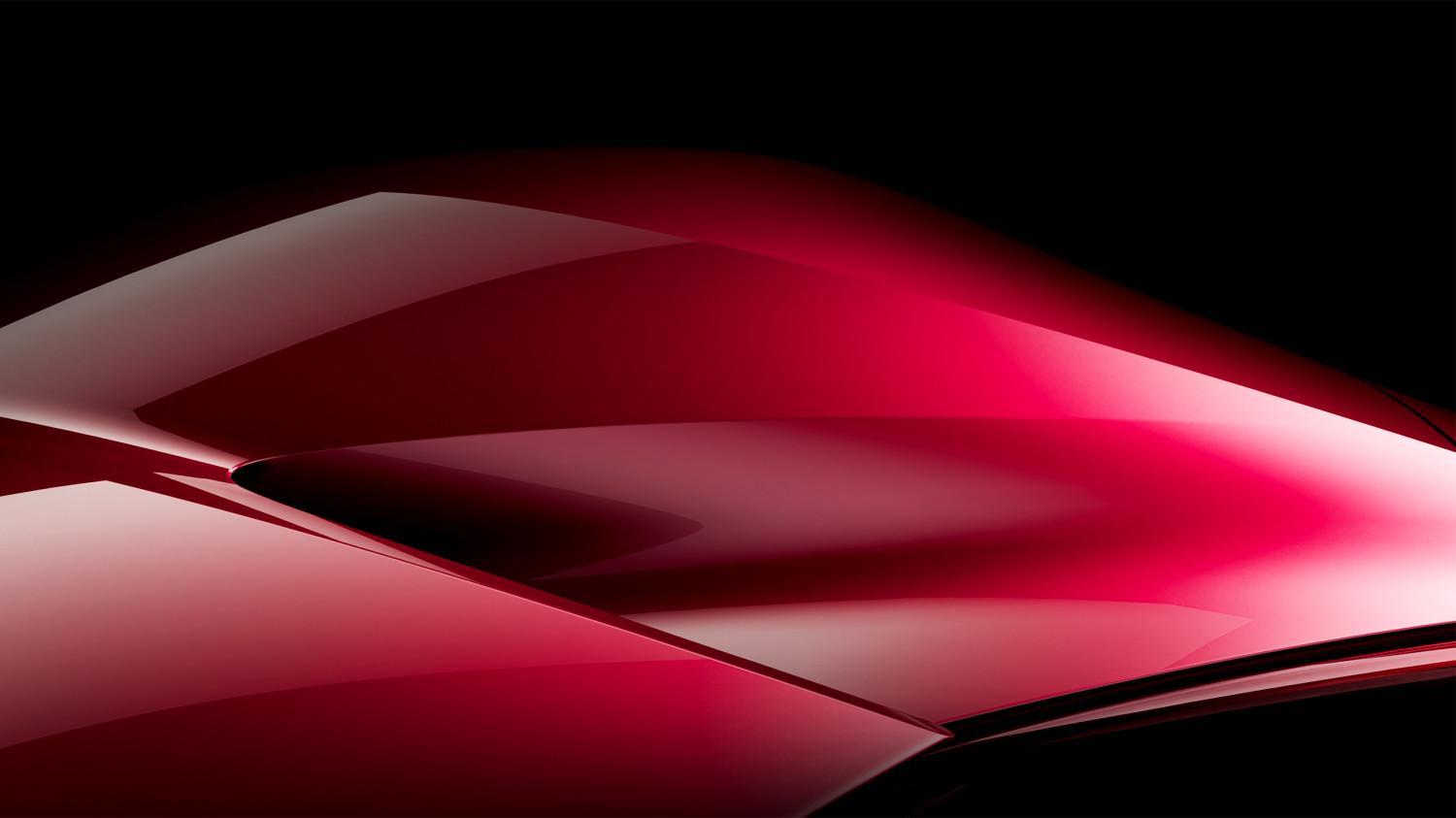
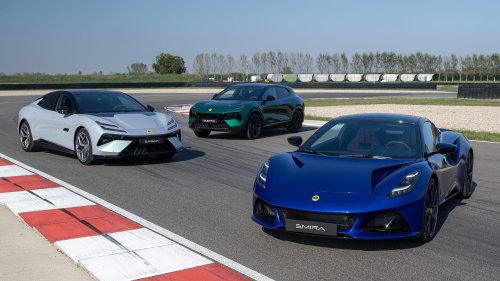
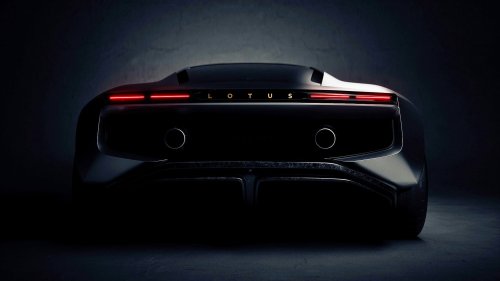
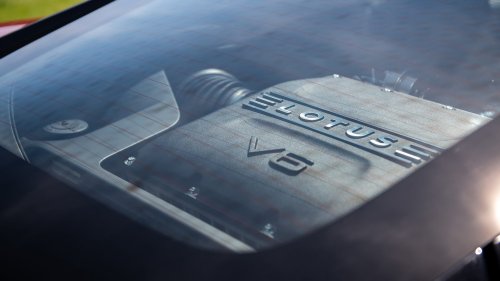
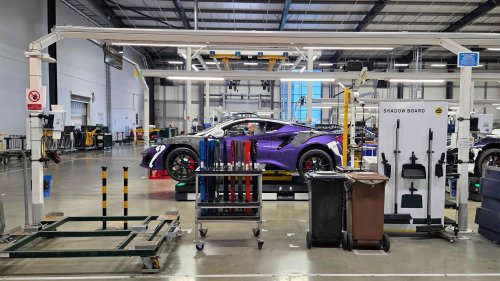
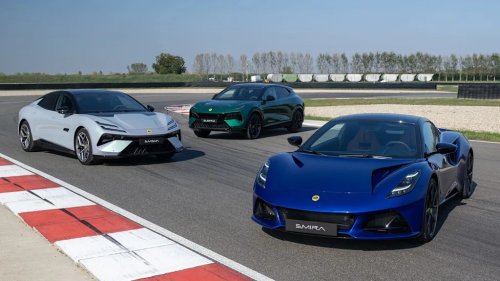
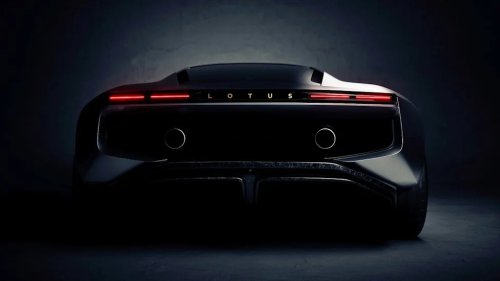
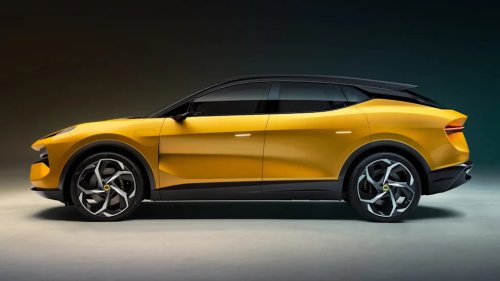
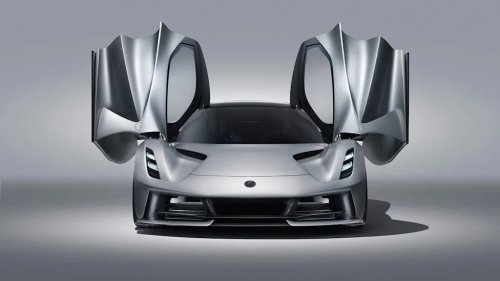
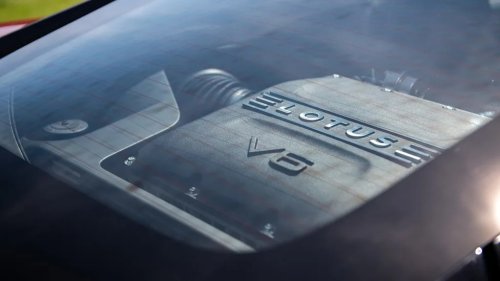
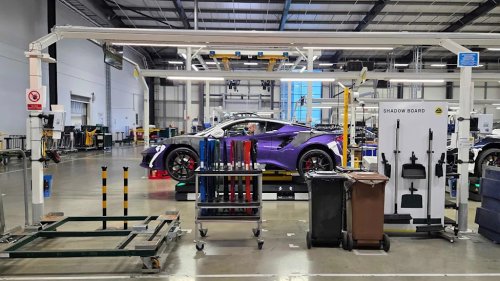
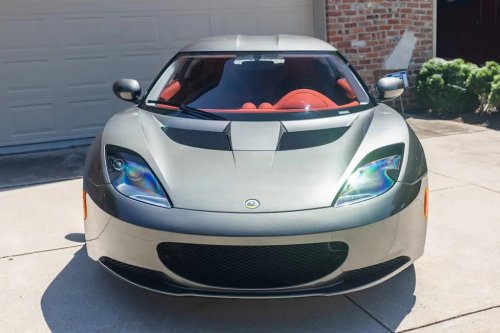
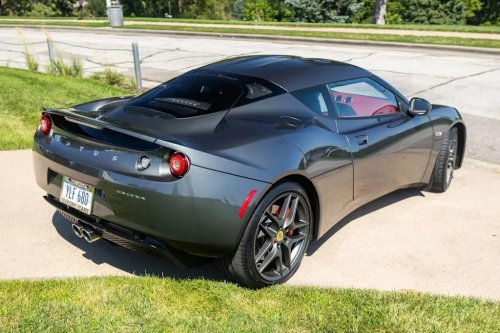
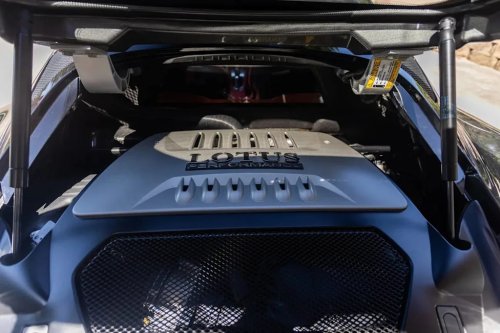
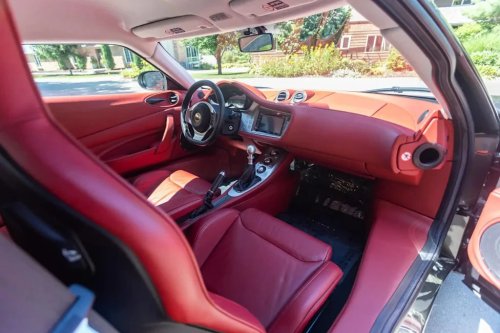
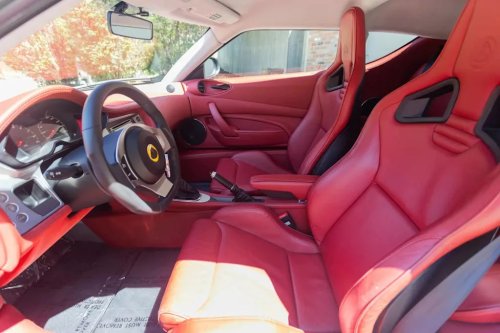
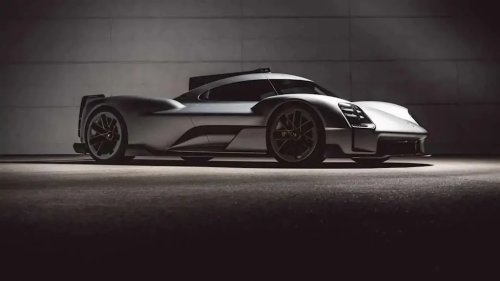
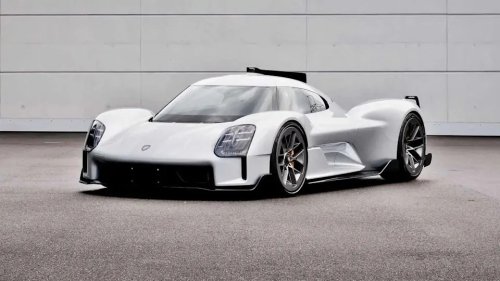
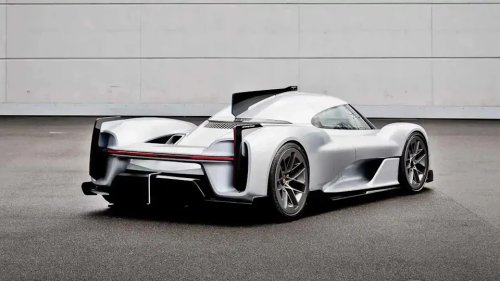
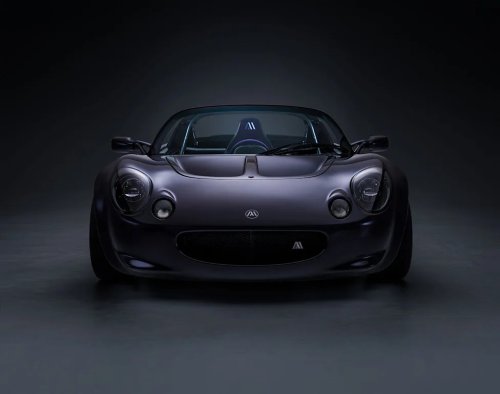
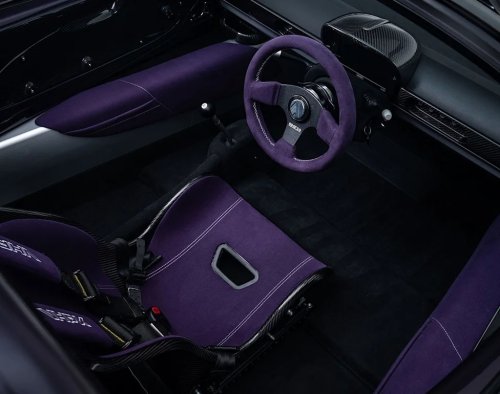
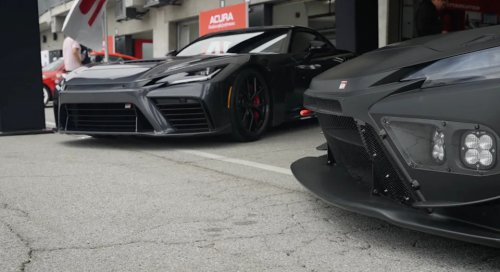
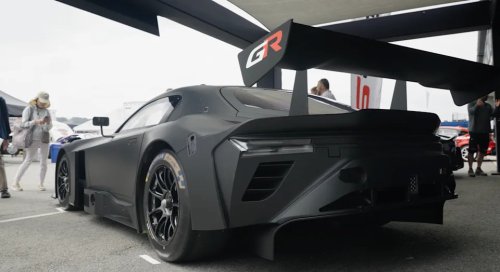
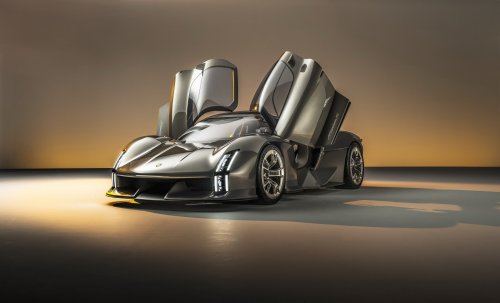
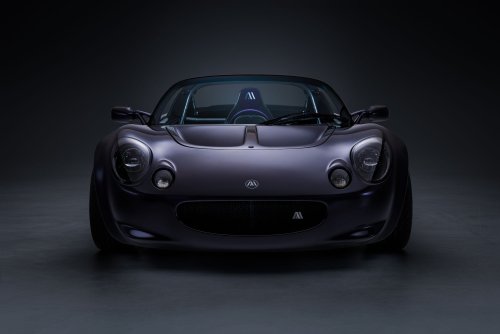
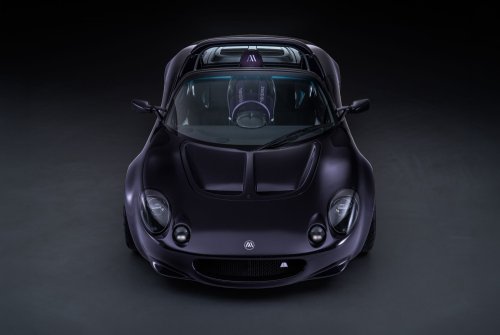
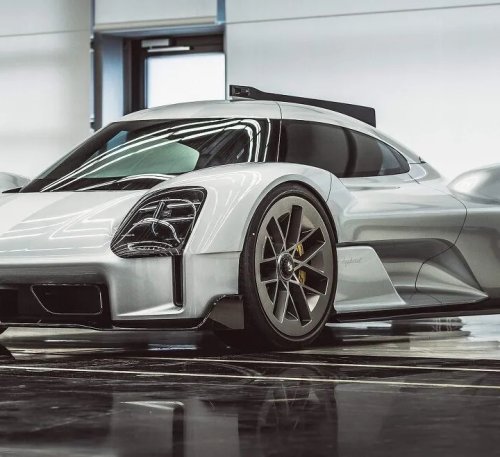
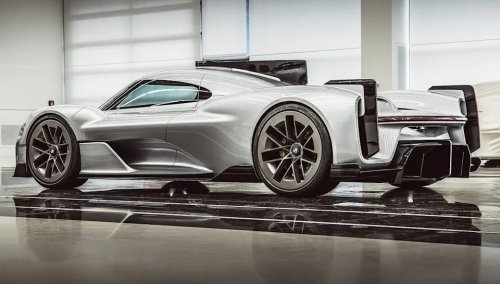
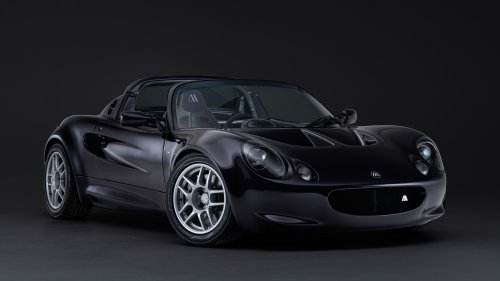
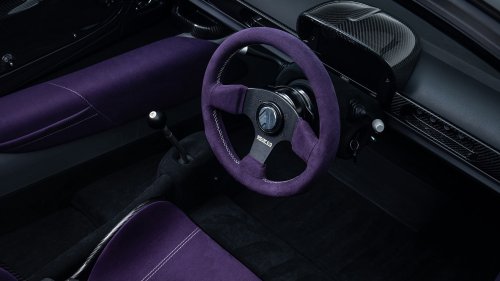
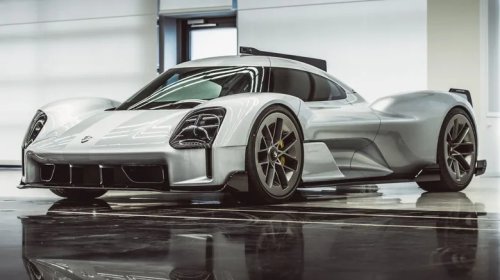
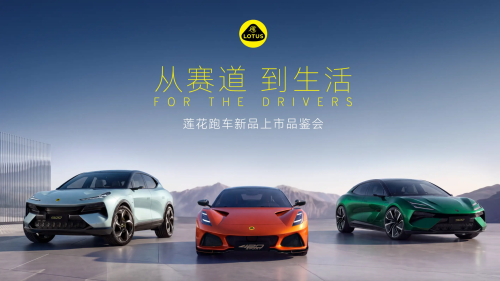
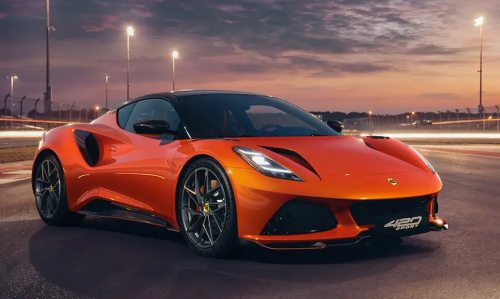
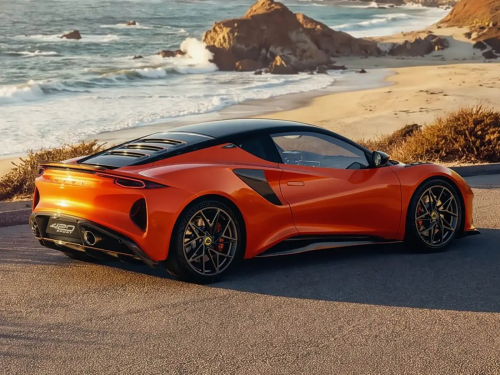
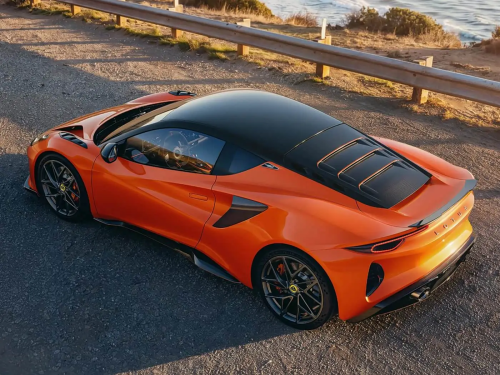
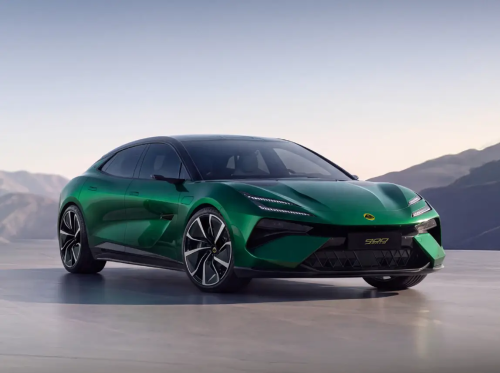
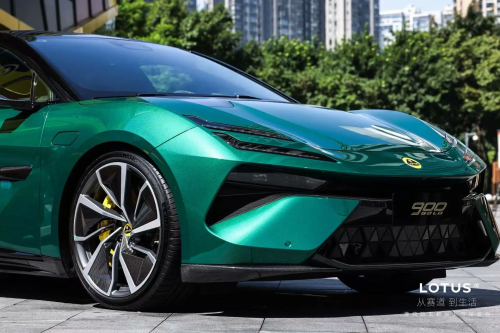
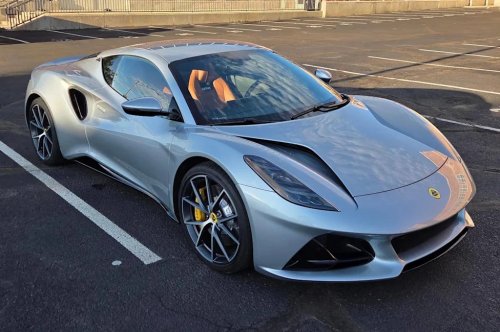
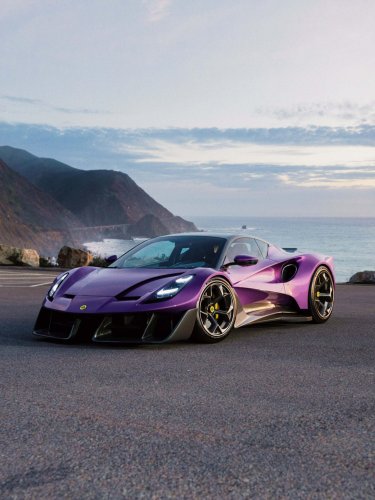
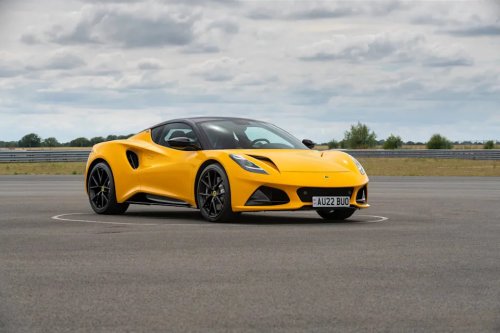
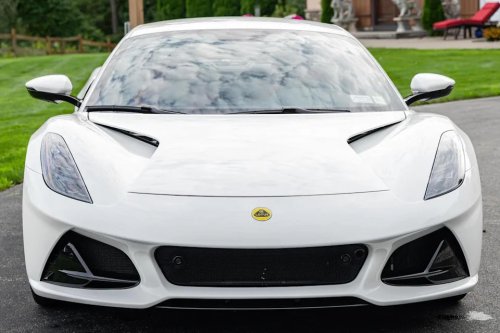
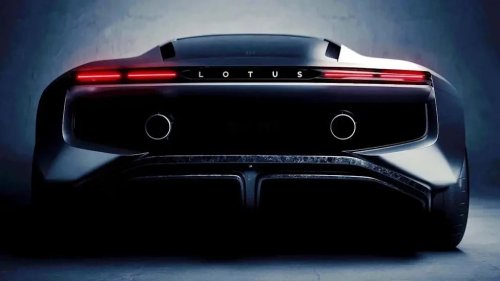
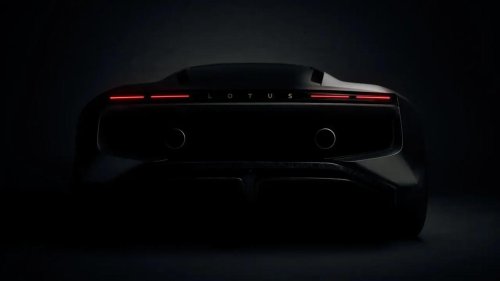
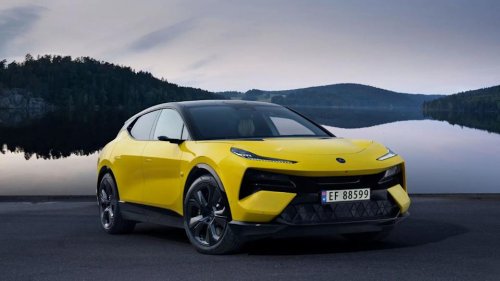
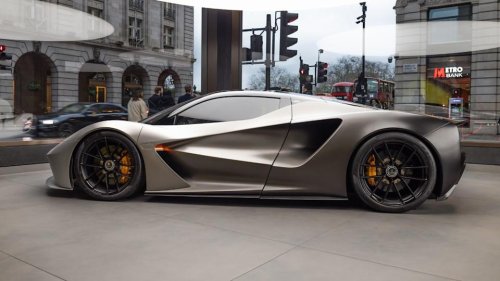
Image Credit: Lotus.Lotus has unveiled a major new business strategy called “Focus 2030,” and at the center of it is a dramatic return to the company’s core identity. Rather than abandoning performance heritage in pursuit of full electrification, the British automaker says its future will revolve around lightweight engineering, driver engagement, and high-performance hybrid technology.The biggest headline is the confirmation of an all-new hybrid V8 supercar currently known as the Lotus Type 135. Scheduled to arrive in 2028, the new flagship will produce more than 1,000 horsepower and mark the return of a V8-powered Lotus road car for the first time in over two decades.Lotus executives say the company’s transformation is not about chasing trends but preserving what historically made the brand special. CEO Qingfeng Feng emphasized that the company remains “obsessed with engineering, obsessed with performance, and obsessed with building drivers’ cars.”AdvertisementAdvertisementThe announcement also signals a major strategic move away from Lotus’ previous all-electric ambitions. Instead of rapidly phasing out combustion engines, Lotus now plans to pursue a broader multi-powertrain strategy built around hybrids, EVs, and internal combustion, depending on customer demand and regional markets.The New V8 Hybrid Supercar Will Lead Lotus Into A New EraLotus confirmed the Type 135 will sit above the Lotus Emira as the company’s new halo performance model. While full technical specifications remain under wraps, the company says the car will feature a hybridized V8 powertrain delivering over 1,000 PS, or roughly 986 horsepower.The supercar will use a development of Lotus’ new X-Hybrid system, which recently debuted in the Lotus Eletre X hybrid SUV. That setup combines high-performance electrification with extended driving range and rapid charging capability.Lotus says the Type 135 will be an entirely new vehicle rather than a heavily modified Emira derivative. Teaser images suggest styling heavily inspired by the futuristic Lotus Theory 1 concept revealed in 2024.AdvertisementAdvertisementAlthough Lotus has not confirmed the final production name, many enthusiasts already suspect the company could revive the legendary Lotus Esprit badge for its new flagship.Lotus Is No Longer Going All-In On EVsImage Credit: Lotus.The Focus 2030 strategy marks a significant recalibration of Lotus’ electrification plans. Only a few years ago, the company indicated it intended to become fully electric by 2028. That timeline now appears effectively abandoned as Lotus shifts toward a more flexible approach, balancing hybrids, combustion engines, and EVs.Under the new strategy, Lotus expects hybrids to account for roughly 60 percent of its electrified portfolio in the near term, while battery-electric vehicles will represent around 40 percent. Executives say customer demand and differing global regulations make a one-size-fits-all EV strategy unrealistic.The company’s proprietary X-Hybrid system will play a central role moving forward. Lotus claims the technology combines EV-like performance with the long-distance practicality and refueling convenience many customers still want.AdvertisementAdvertisementThe current X-Hybrid setup already delivers enormous numbers. In the Eletre X, the system produces up to 952 horsepower and can travel more than 1,200 kilometers combined without stopping for fuel or charging.The Emira Stays AliveOne of the most enthusiast-friendly announcements from Lotus may actually involve its smallest car. The company confirmed continued production of the Lotus Emira, preserving a pure internal combustion sports car within the lineup despite growing emissions pressure across global markets.An updated version of the Emira is scheduled to debut within weeks, and Lotus says it will become both the lightest and most powerful Emira yet.That decision reflects ongoing demand for traditional sports cars, especially among buyers who still value lightweight chassis tuning and analog driving feel over full electrification. For many enthusiasts, keeping the Emira alive may be just as important as introducing the new hybrid supercar.Lotus Wants To Return To ProfitabilityImage Credit: Tartezy / Shutterstock.Beyond the exciting product announcements, Focus 2030 is also a financial survival plan. Lotus has struggled financially in recent years as it attempted to rapidly transform itself into a global EV brand. Deliveries reportedly fell sharply in 2025, while operating losses continued mounting amid slower-than-expected EV demand in several markets.AdvertisementAdvertisementThe company now aims to stabilize around 30,000 annual sales by the end of the decade while improving profit margins through higher personalization and stronger global positioning.Lotus’ partnership with Geely Holding Group remains central to that effort. The collaboration gives Lotus access to large-scale electrification resources and manufacturing support while allowing the British brand to focus heavily on engineering and performance development.At the same time, Lotus insists its identity will remain rooted in the UK. Engineering and design will continue being led from Britain, preserving the company’s motorsport heritage even as research, development, and global production capabilities expand internationally.Lotus Is Trying To Balance Heritage And ModernizationImage Credit: Lotus.Lotus now finds itself in a delicate position shared by many performance brands. The company must modernize fast enough to survive increasingly strict emissions regulations while still preserving the characteristics that built its reputation in the first place. For now, the company believes hybrids may offer the best compromise.AdvertisementAdvertisementA 1,000-horsepower V8 hybrid supercar probably is not what many expected from Lotus a few years ago, especially during the height of the industry’s push toward full electrification. Yet the strategy may ultimately align more closely with the company’s historical philosophy than an all-electric lineup ever could.If Focus 2030 succeeds, Lotus may prove that staying true to lightweight engineering and driver-focused performance still matters, even in an automotive industry rapidly reshaping itself around electrification.If you want more stories like this, follow Guessing Headlights on Yahoo so you don’t miss what’s coming next.



















 +77 others