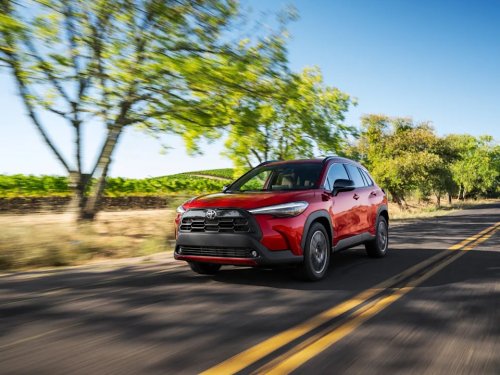
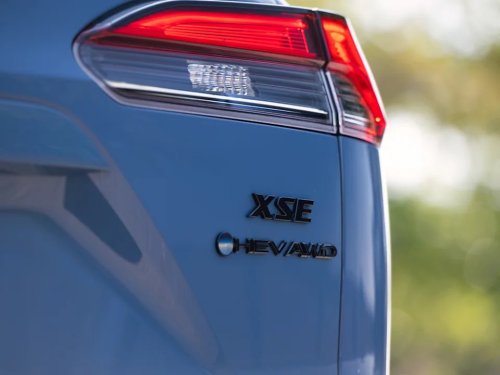
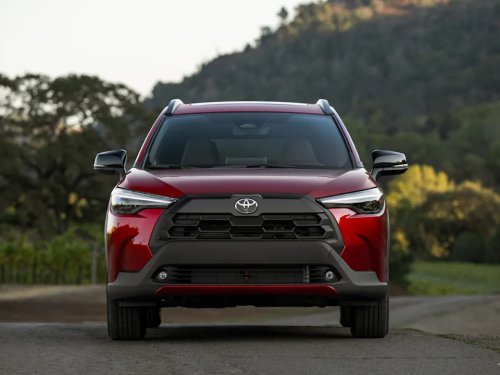
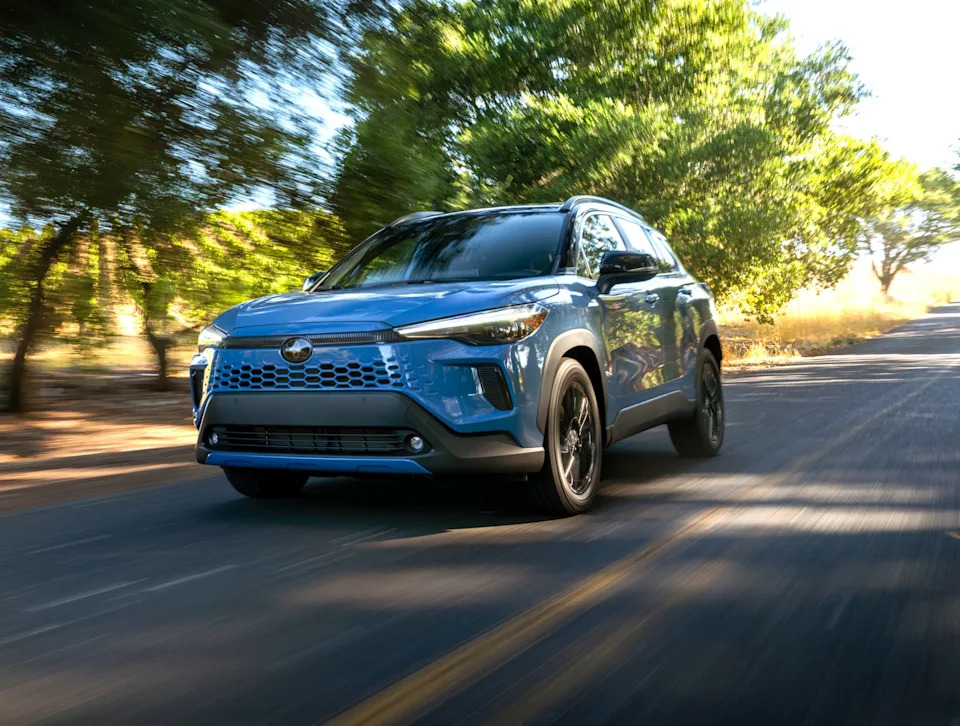
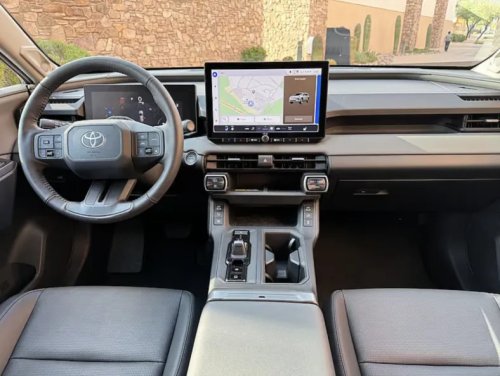
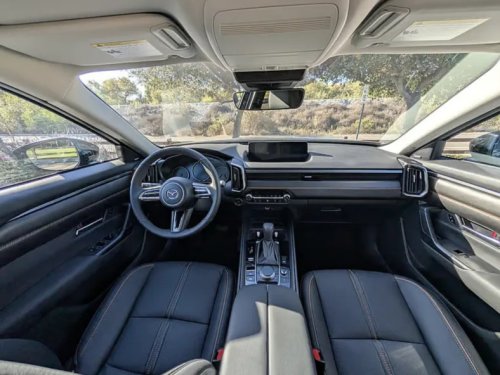
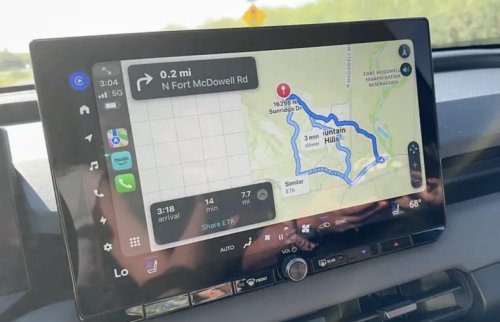
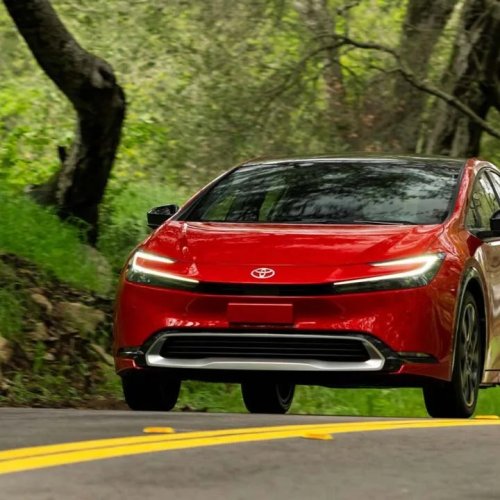
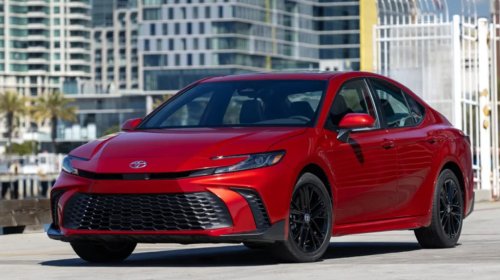
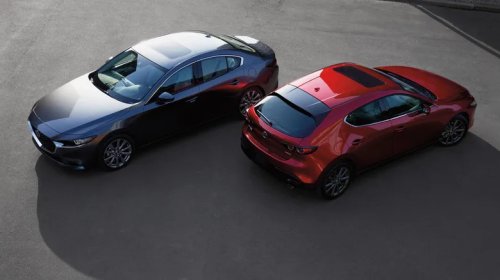
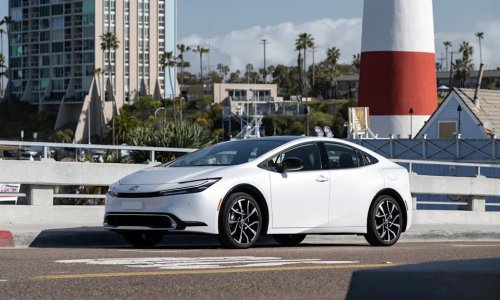
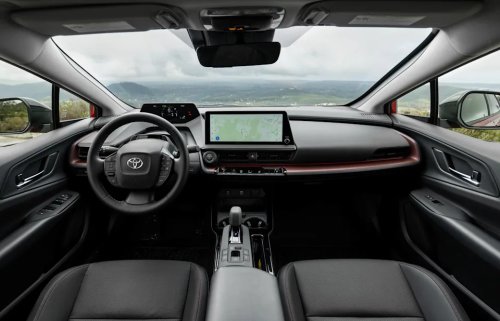
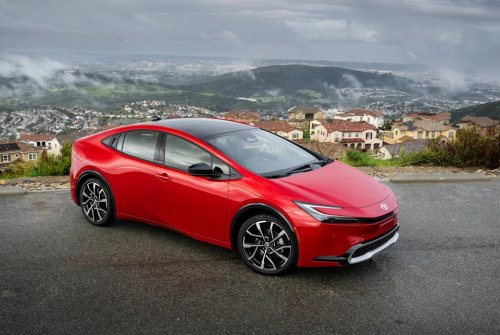
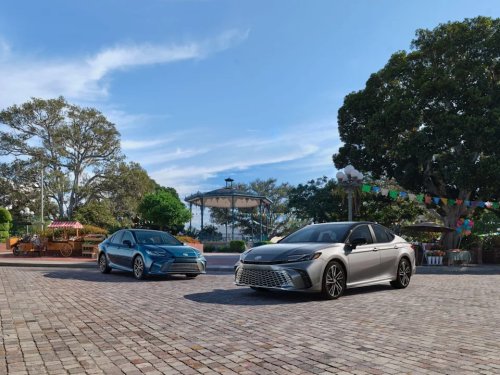
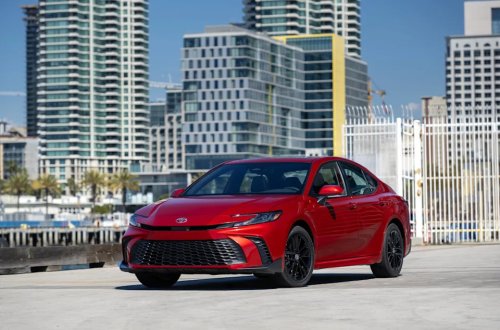
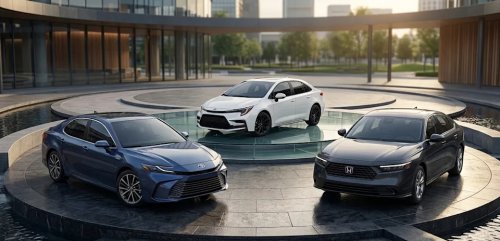
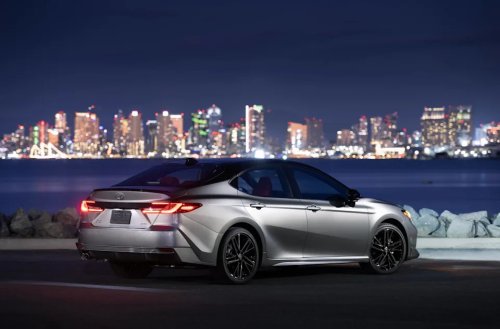
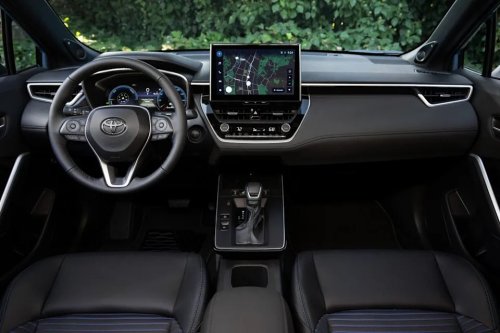
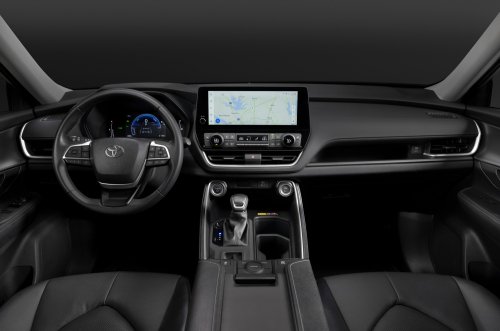
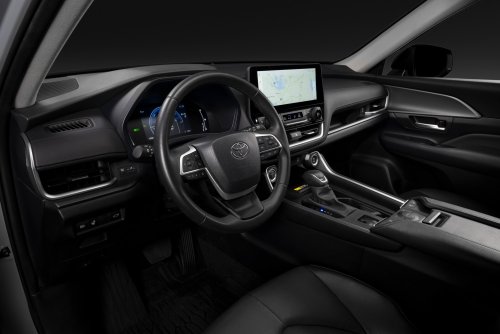
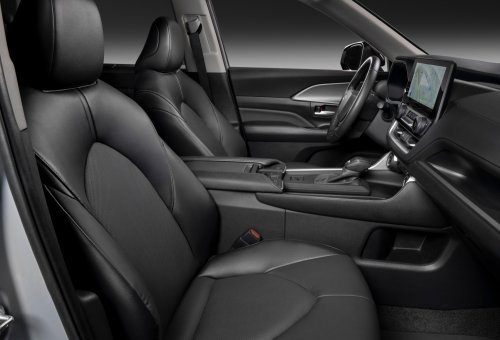
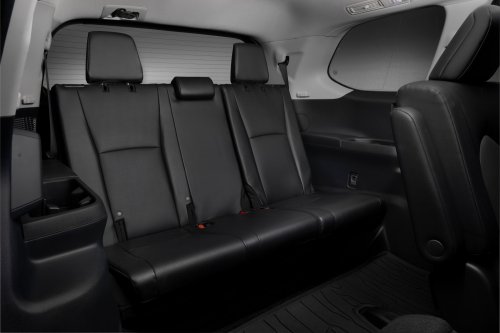
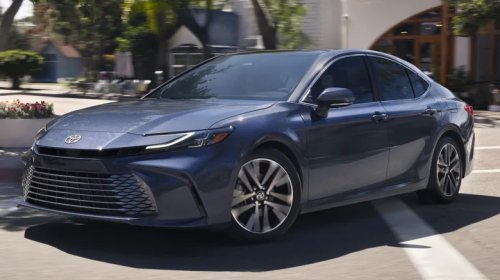
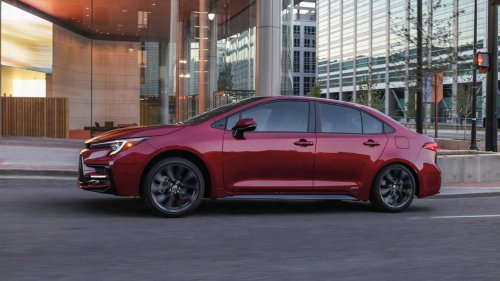
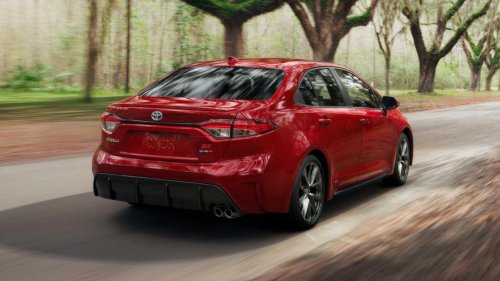
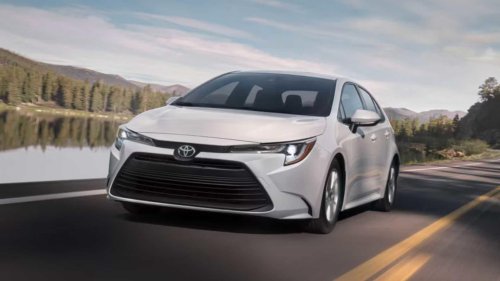
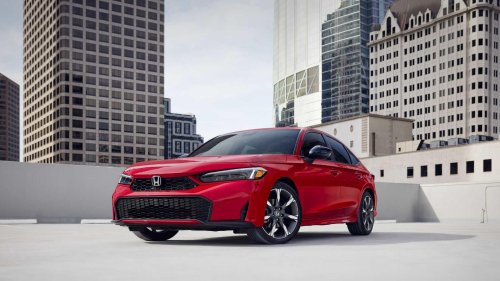
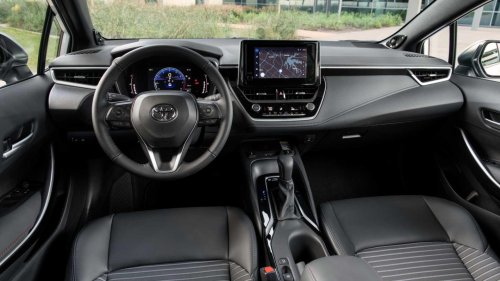
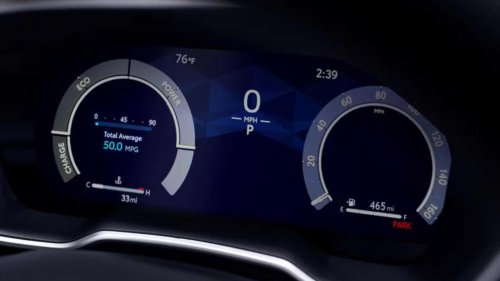
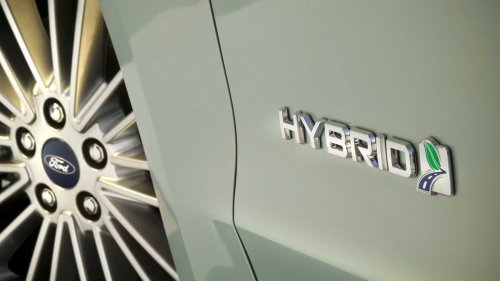
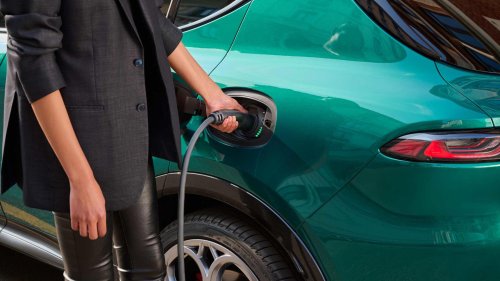
If you’re shopping for a new car, and want a sedan with a hybrid powertrain as your chosen method of transport, both the Honda Civic and the Toyota Corolla offer electrically assisted variants that are likely on your shortlist. Both these cars have plenty to offer, and can make a great choice for drivers who want a family vehicle but aren’t interested in an SUV or crossover.The Corolla has a few aces up its sleeve that might help sway your decision if you’re stuck between these two models. Let’s take a look at what the Toyota has to offer and why the hybrid beats its Civic counterpart. What The Corolla Hybrid Has To Offer Over The Civic Hybrid ToyotaOn the surface, the Corolla Hybrid and the Civic Hybrid appear to have a very similar offering: both are sensible family cars, popular to the point of being near-ubiquitous on America’s roads, with good fuel economy and reliability. However, there are a couple of key differences that give the Corolla an edge over the Civic.The first is the availability of all-wheel drive. This feature is especially popular among drivers in colder climates, where wet or snowy weather can make roads treacherous. Although having AWD is by no means a cure-all when it comes to driving in tricky conditions, and no substitute for a good set of winter tires, it’s still a feature that can help a great deal in harsh weather. While the Civic Hybrid is available only as a front-wheel-drive model, the Corolla Hybrid also offers AWD for the relatively small additional cost of $1,400.Toyota There is also a price difference that plays in favor of the Toyota. The Corolla Hybrid starts at $24,975, while the Civic Hybrid starts at $29,395 (for the sedan) and $30,595 (for the hatchback). Both prices exclude the destination charge. Even with the $1,400 AWD add-on, the Corolla remains the better value. Corolla Hybrid Vs. Civic Hybrid: Reliability And Running Costs Toyota Reliability data for the hybrid versions of both the Corolla and the Civic is frequently grouped with the rest of the two models’ lineups, making it difficult to get an accurate picture of reliability that distinguishes between the models in general and the hybrids specifically. However, both this year’s Civic Hybrid and Corolla Hybrid (as well as their wider model families) have a solid reputation for reliability.The 2026 Toyota Corolla has a J.D. Power Quality and Reliability Score of 81/100. Its NHTSA record is specific to the hybrid model and features no recalls or complaints. However, previous model years (the Corolla Hybrid was introduced in 2020) do. Over its lifespan so far, the Corolla Hybrid has had four recalls, affecting its seat belts, stability control system, steering, and braking system.According to Kelley Blue Book, the projected five-year running cost of the 2026 Corolla Hybrid is $37,071. Broken down into individual components, this figure comprises $5,167 for fuel, $15,550 for insurance, $3,418 for financing, $4,452 for state fees, $6,804 for maintenance, and $1,680 for repair costs (the latter amounting to around $336 per year).Honda The 2026 Honda Civic has a J.D. Power Quality and Reliability score of 84/100. Its NHTSA record is tied to that of the wider Civic lineup, including the gas-powered models. The 2026 Civic has no recalls and 16 complaints. The hybrid powertrain was introduced for the 2025 model year, which has two recalls and 51 complaints. The recalls are related to a fuel pump leak and steering issues.In terms of running costs, the Civic Hybrid performs very similarly to its Corolla counterpart. According to KBB, its five-year running cost is estimated at $35,612. This figure includes $7,221 for fuel, $14,835 for insurance, $3,364 for financing, $4,402 for state fees, $4,123 for maintenance, and $1,667 for repair costs (totaling around $333 per year).While the two models’ estimated running costs are comparable, the Corolla Hybrid has a lower base price and lets you add AWD at a fairly low cost. Once all these factors are taken into account, the Toyota emerges as the smarter, more versatile choice. The Corolla Hybrid's Powertrain, Interior, And Tech Toyota The 2026 Toyota Corolla Hybrid is equipped with a 1.8-liter inline-four engine, which. In the FWD version of the model, the engine is paired with a single front-mounted electric motor. The AWD version adds a second, rear-mounted motor to power the rear wheels when necessary. The system’s total combined power output is 138 hp.ToyotaInside the car, we find plenty of tech and comfort-oriented features. Some of the options on offer include heated front seats, ambient lighting, and dual-zone climate control. The hybrid version of the Corolla is also exclusively available in sedan form, a body style that provides a lot more legroom for rear seat passengers than its hatchback counterpart. It does, however, have slightly less cargo space in the trunk, though the rear seats can fold down if you need extra room.The infotainment system is controlled via an 8.0-inch touchscreen as standard, with a larger 10.5-inch unit available as an option. The system is equipped with Apple CarPlay and Android Auto for seamless mobile connectivity. Some of the Corolla’s other tech features include a subscription-based Wi-Fi hotspot and four USB-C ports to keep everyone’s devices charged while on the move. Wireless charging and a JBL audio system are available as an option.As the hybrid powertrain is exclusively available in the LE and SE trims, a 7.0-inch digital gauge display is present; higher trims only available in gas-powered form (XSE and XLE) get a 12.3-inch display instead. What Makes A Hybrid Car A Smart Choice In Today's Market? Ford Over the past two decades, hybrid vehicles have become an increasingly popular choice among drivers in the US and beyond. They have several features, from eco-friendly credentials to lower bills, that make it a great option for someone shopping for their next set of wheels. Here are some of the main reasons why buying a hybrid car can be a great idea.Increased Fuel Efficiency: In today’s world of rapidly rising fuel prices, fuel economy is a top priority for many prospective car buyers. Thanks to their powertrain technology, hybrids perform very well in that regard. For example, the 2026 Corolla Hybrid has an EPA combined fuel economy rating of 50 miles per gallon. Although hybrid cars can have a higher price tag up front due to their complex powertrains, their high efficiency helps keep running costs down.Stellantis North AmericaPerformance Boost: Hybrid cars used to be seen as boring and not particularly performance-oriented. Today, that is far from the case: electrification can boost performance in production cars, and hybrid powertrains have even made their way into ultra-high-end supercars and hypercars. For the ordinary driver, choosing a hybrid can be a way to get a little extra performance without compromising efficiency.The Best Of Both Worlds: Hybrid cars are a great halfway point between owning a gas-powered car and owning an EV. They offer many of the advantages of an EV, such as lower emissions and lower running costs, but do not require any changes to the owner’s day-to-day habits. The presence of a gas engine means range anxiety is not a factor, and for all hybrid types except PHEVs, there is no charging involved, so infrastructure (or lack thereof) is not a concern.Kind To The Environment: Today’s consumers are increasingly eco-conscious, and when choosing their next set of wheels, many will take environmental impact into account. Hybrid cars produce much lower carbon emissions than their gas-powered counterparts, and can be a great choice for someone who lives a “green” lifestyle.Sources: Toyota, Honda, J.D. Power, NHTSA



















 +28 others