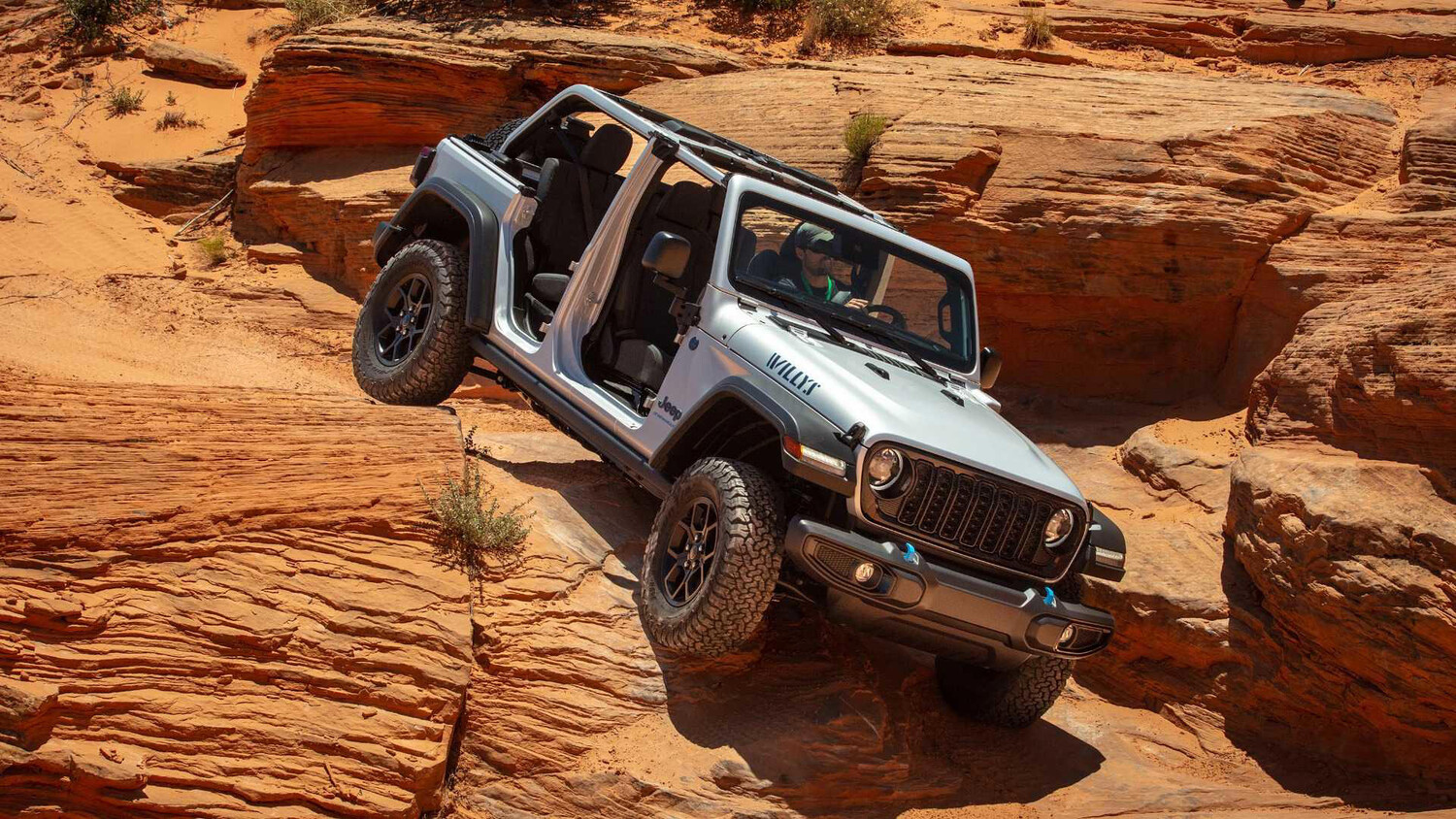
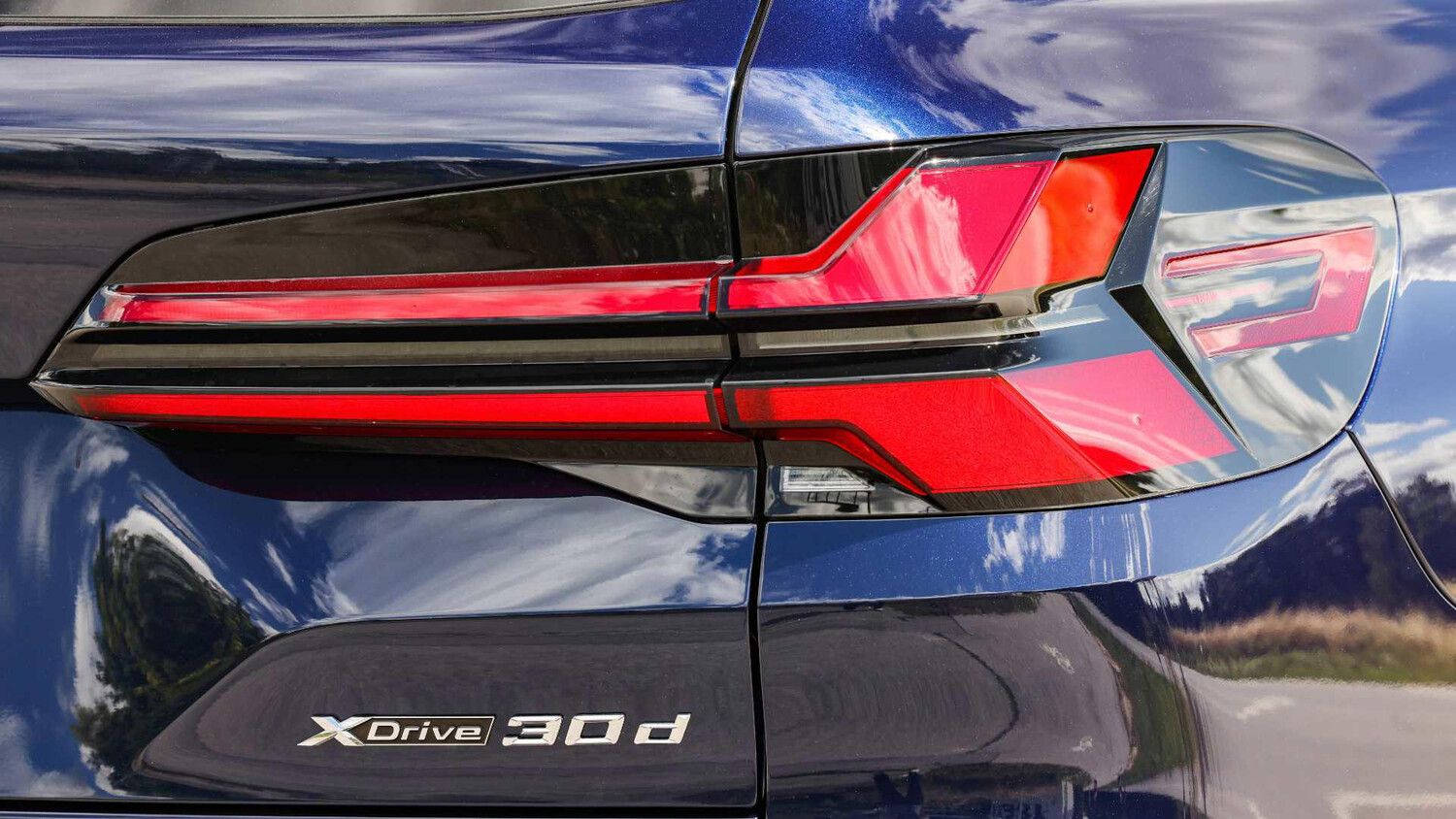
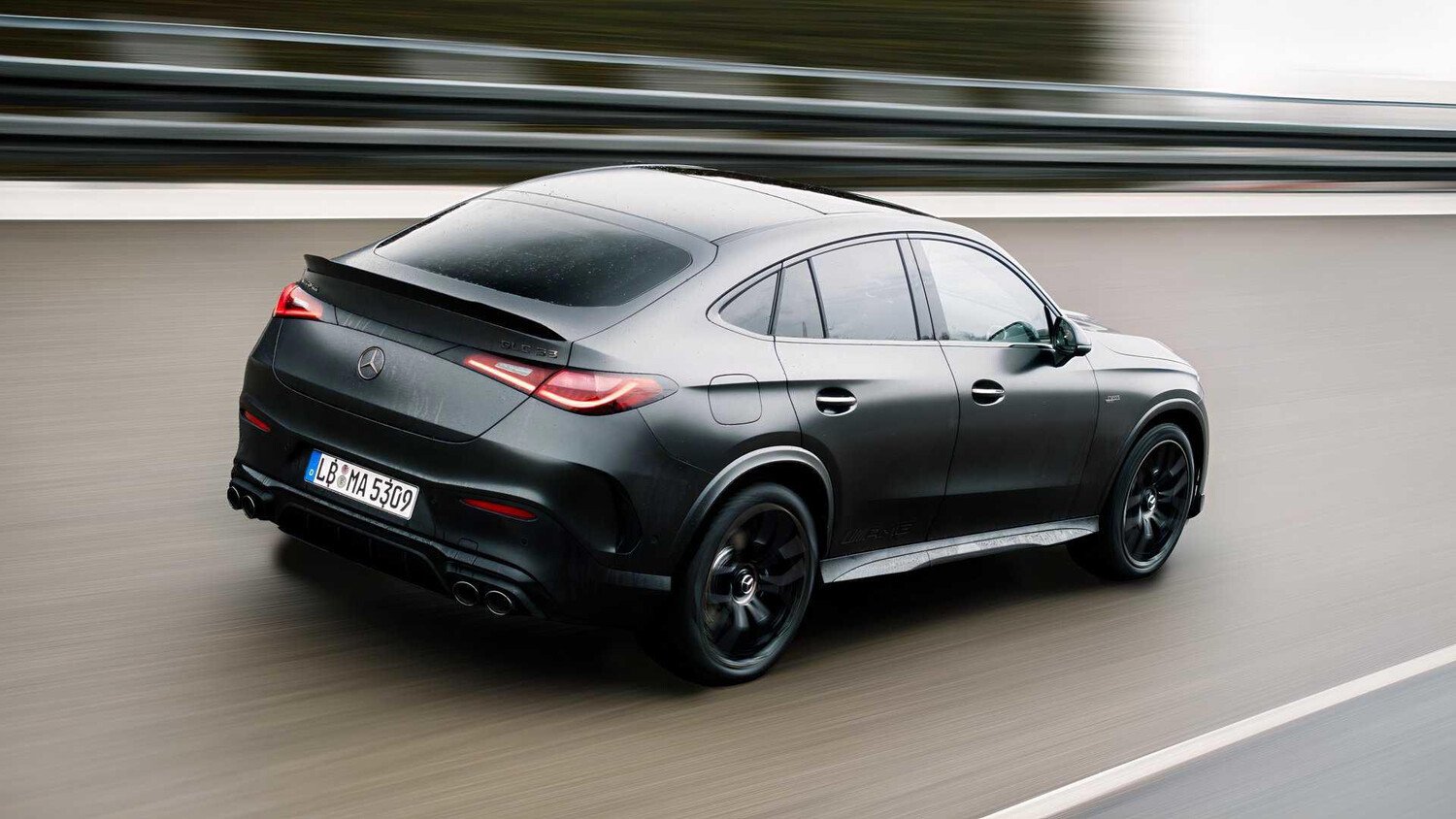
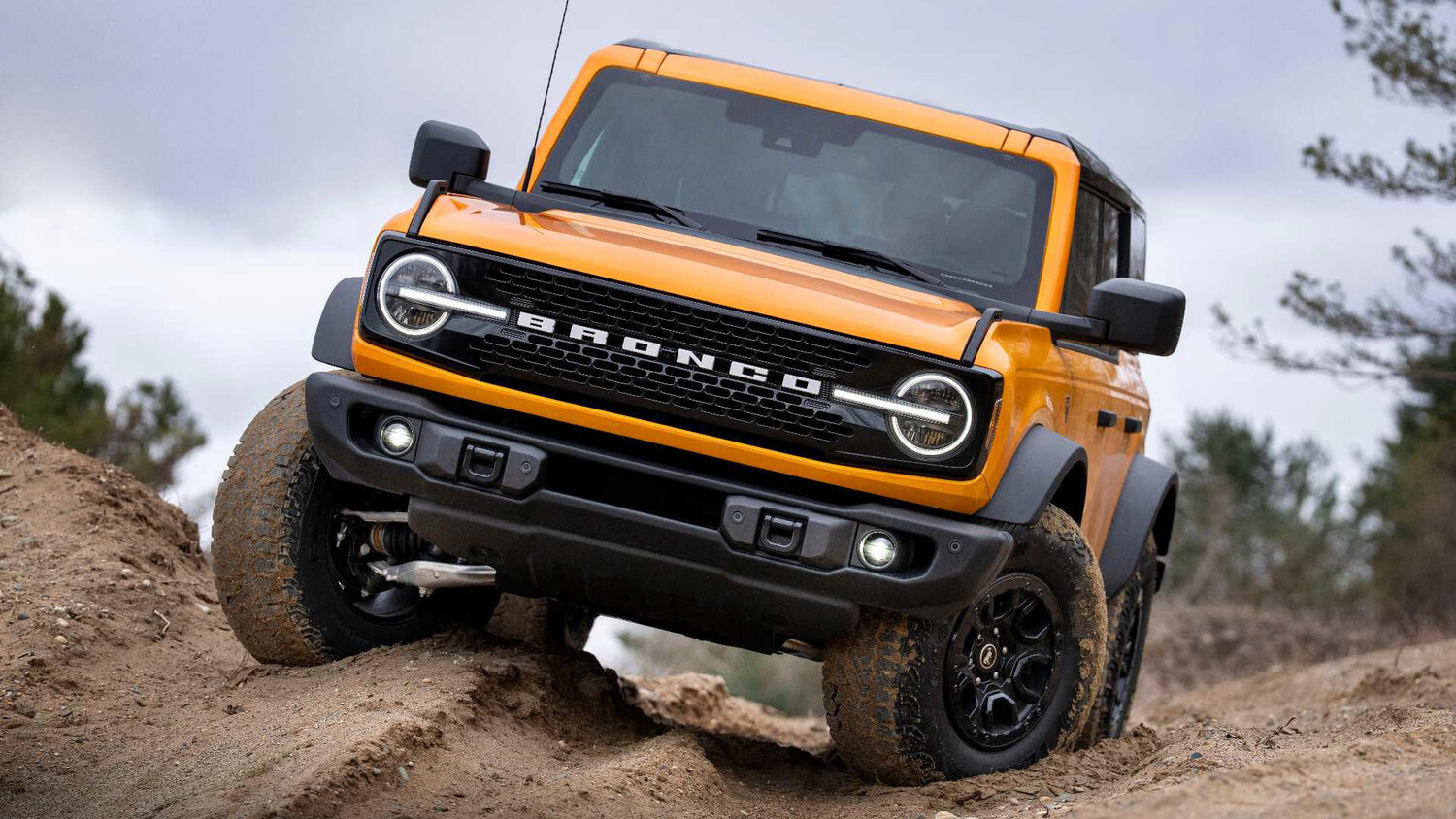
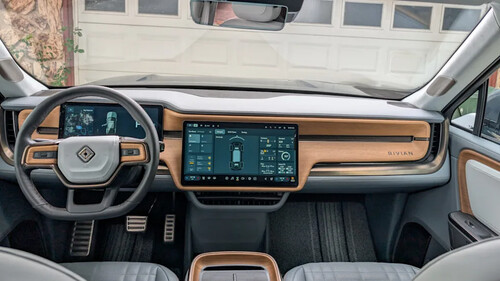
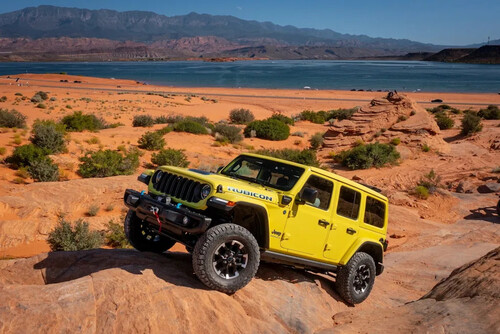
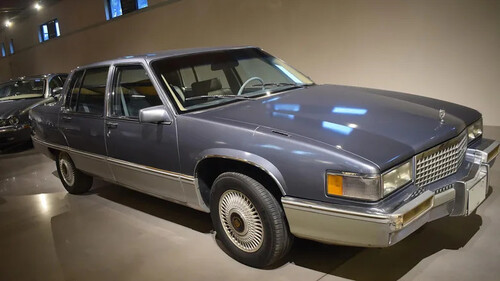
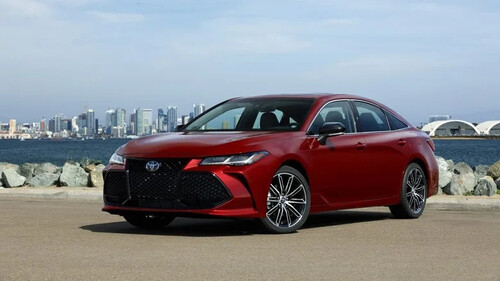
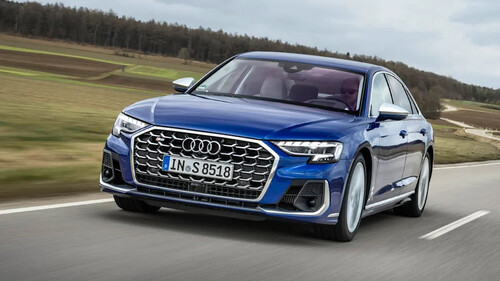
Jump LinksTrucks Are Synonymous With 4WDSome SUVs Are AWD & 4WD In OnePassenger Cars Are Either 2WD or AWDProprietary AWD/4WD SystemsAWD & 4WD In Modern EVsWhat You Should Know About AWD SystemsWhat You Should Know About 4WDBack in the day, all we had were all-wheel drive (AWD) and four-wheel drive (4WD) to get the job done when going off-road. Nowadays, the automotive landscape is saturated with acronyms that promise ultimate traction, but few are as frequently conflated as those defining driven axles. When evaluating AWD vs 4WD, the distinction is far from trivial because it dictates mechanical complexity, weight distribution, and capability. While marketing departments happily blur the lines between an all-wheel-drive crossover and a proper 4-wheel-drive SUV, the engineering reality remains stubbornly distinct.This article is intended to explain the differences between all-wheel drive and four-wheel drive systems and recommend the best use case for each; it is not intended as a verdict for which is the right system for you - your mileage may vary. Biggest Differences Between AWD vs 4WD StellantisAt an engineering level, if you are asking what's the difference between AWD and 4WD, the answer boils down to the driver’s intervention and mechanical coupling. An AWD system is inherently reactive; it utilizes center differentials, viscous couplings, or multi-plate clutches to route torque to the wheel(s) with the most grip, generally without requiring any input from the driver. It is a system designed for low-friction surfaces rather than no-friction obstacles.A traditional 4WD system is a part-time, mechanically locked arrangement. When analyzing 4-wheel drive vs all-wheel drive, the former relies on a robust transfer case to lock the front and rear driveshafts together, splitting torque a rigid 50:50. This means the system must be manually engaged and is strictly for loose surfaces. In the battle of all-wheel vs 4-wheel systems, AWD prioritizes seamless road traction, while 4WD provides mechanical leverage for extreme terrain. What Type Of Vehicles Use Which System? Trucks Are Synonymous With 4WD Hyundai When evaluating 4x4 vs AWD in production cars, it’s clear that the pickup truck segment remains the ultimate bastion of traditional 4WD hardware. Because these vehicles are fundamentally engineered for payload, towing, and off-grid duty, they require drivetrains capable of handling massive torque loads without thermal degradation. Body-on-frame trucks utilize part-time 4WD systems equipped with heavy-duty transfer cases and selectable low-range gearing. While unibody compact trucks like the Ford Maverick or Hyundai Santa Cruz have popularized the use of on-demand AWD in the open-bed segment, heavy-duty and mid-size stalwarts demand true mechanical lockup. Some SUVs Are AWD & 4WD In One Brett T. Evans / CarBuzz / Valnet The SUV market is where marketing departments dilute the mechanical definitions. The vast majority of modern midsize and compact SUVs - often categorized as crossovers - are built on unibody passenger car platforms and utilize front-biased AWD systems. These setups are entirely reactionary and send power to the rear axle only when front slip is detected. Plus, they prioritize fuel economy over outright capability. However, the full-size SUV segment maintains a dual-identity. Vehicles like the Toyota Land Cruiser or Chevrolet Tahoe continue to employ heavy-duty 4WD systems, often featuring auto-engaging transfer cases that mimic AWD convenience while retaining a true low-range gear set. This segment perfectly illustrates the modern AWD vs 4WD debate: soft-roaders rely on clutches and software to tackle snowy school runs, while body-on-frame SUVs retain heavy iron components to conquer rutted trails and overland routes without drivetrain failure. Passenger Cars Are Either 2WD or AWD Audi Passenger cars - encompassing sedans, hatchbacks, roadsters, and wagons - are almost exclusively AWD when not built for FWD (economy) or RWD (sportiness). The integration of 4WD hardware into a low-slung passenger vehicle adds extra weight and intrudes significantly into cabin space. Instead, automakers utilize compact AWD systems that are integrated directly into the transaxle. These systems have evolved from simple safety nets for bad weather into performance enhancements. High-performance sedans from Audi, BMW, and Mercedes-Benz rely on rear-biased AWD systems with active torque vectoring to manage power outputs that would overwhelm a two-wheel-drive chassis. In these applications, the AWD hardware is tasked with maximizing corner exit speeds and mitigating understeer, rather than simply maintaining forward momentum in poor weather conditions like snow. Which System Is Best For Off-road? ToyotaWhen the tarmac ends and the topography becomes hostile, traditional 4WD is superior. Off-roading is an exercise in physics, specifically the management of friction, gravity, and torque. An AWD system, regardless of how advanced its traction control algorithms are, relies on detecting wheel slip before reacting. In deep mud or loose sand, spinning a wheel to trigger a clutch pack often results in the vehicle digging itself into a stranded position. AWD systems generally lack a low-range gear set, meaning they cannot multiply engine torque sufficiently to crawl over large rocks at low speeds without frying their transmission fluids.A proper 4WD system locked into 4-Low physically binds the front and rear axles together. This ensures that even if three wheels are suspended in the air or devoid of traction, the single wheel with grip will receive exactly the same rotational speed and torque as the others. This mechanical certainty is the bedrock of off-road survival. Modern 4WD systems often supplement this raw mechanical lockup with electronic locking front and rear differentials, completely eliminating wheel speed variations across the entire vehicle. While advanced AWD systems in vehicles like the Land Rover Defender or Ford Bronco Sport employ trick twin-clutch rear drive units to simulate mechanical locking, they are constrained by thermal limits. Evolution Of AWD & 4WD Proprietary AWD/4WD Systems BMW The evolution of driven axles has been defined by a push to replace heavy mechanical hardware with intelligent software and rapid-actuating clutches. Historically, AWD was a purely mechanical affair. Audi’s original quattro system famously utilized a Torsen (torque-sensing) center differential - a mechanical device that instantaneously reacted to torque imbalances. Subaru championed the symmetrical AWD layout, while maintaining a perfectly balanced longitudinal drivetrain. However, modern proprietary systems have largely abandoned mechanical limited-slip differentials in favor of electronic multi-plate clutches.Systems like BMW’s xDrive or Volkswagen’s 4Motion (Haldex) utilize a network of wheel speed, yaw, and steering angle sensors to proactively engage a multi-plate clutch pack that sends orque to the required axle before wheel slip even occurs. Acura’s Super Handling All-Wheel Drive (SH-AWD) pioneered active torque vectoring, which utilizes twin electromagnetic clutches on the rear axle to overdrive the outside rear wheel in a corner, and physically pushing the nose of the car toward the apex and neutralizing understeer. AWD & 4WD In Modern EVs 2024 Rivian R1T Truck - exteriorOver the last decade, the rise of electric vehicles (EVs) has completely rewritten the rulebook for multi-axle propulsion. Internal combustion engines are constrained by the necessity of a physical driveshaft routing power from a single central source to multiple axles. EVs eradicate this limitation entirely through the use of independent, axle-mounted traction motors. In a dual-motor EV architecture, the vehicle operates as a purely electronic AWD system. There is no transfer case, no center differential, and no driveline loss.The vehicle’s central processor dictates the exact torque application to the front and rear axles at a frequency of hundreds of times per second. This allows an EV to infinitely and instantaneously vary its front-to-rear torque bias, switching from 100% FWD for highway cruising efficiency to a rear-biased setup for aggressive cornering in milliseconds. Quad-motor setups, such as those utilized by Rivian, allow for true, independent torque vectoring at all four corners. Knowing The Pros & Cons What You Should Know About AWD Systems Mercedes-AMG AWD represents the ultimate set-it-and-forget-it traction solution for the vast majority of drivers, because its primary strength lies in its near-seamless, autonomous operation. Localized ECUs monitor wheel slip and distribute torque instantly, and ensure optimum grip during sudden downpours or dynamic cornering without requiring driver input. While this reactive safety net is invaluable on varied road surfaces, AWD systems add unsprung weight and are inadequate for severe off-road environments.Pros: Operates autonomously without requiring driver intervention. Enhances cornering stability and wet-weather traction. Lighter and less intrusive to cabin packaging than traditional 4WD. Cons: Lacks the robust mechanical locking required for extreme off-roading. Clutch packs are prone to overheating under sustained heavy loads. Increases vehicle purchase price and long-term maintenance complexity. What You Should Know About 4WD Ford Motor Company 4WD remains the undisputed benchmark for heavy-duty applications and its core advantage is absolute mechanical certainty. By physically locking the front and rear driveshafts together via a transfer case, 4WD guarantees a rigid, unyielding torque split. When paired with a low-range gear set, this architecture massively multiplies engine torque, allowing heavy vehicles to crawl over extreme obstacles with minimal throttle input. However, traditional 4WD is compromised on dry roads, and leaving a part-time system engaged on high-friction surfaces can shatter the system’s internal components.Pros: Unmatched capability in deep mud, sand, and extreme rock crawling. Low-range gearing multiplies torque for heavy towing and slow-speed extraction. Highly durable mechanical components resist thermal degradation under stress. Cons: Cannot be driven on dry pavement while engaged without causing mechanical damage. Requires the driver to understand when and how to manually engage the system. Added weight penalizes fuel economy and on-road driving dynamics. Is 4WD More Fuel-efficient Than AWD? ToyotaWhen evaluating these systems, drivers frequently ask, does AWD use more gas than a standard two-wheel drive vehicle? The answer is yes, because the engine must rotate additional driveshafts, differentials, and axle shafts. However, when comparing 4WD directly to AWD, 4WD is almost universally less fuel-efficient.This inefficiency stems from the sheer mass of the hardware involved. A traditional 4WD system requires a heavy cast-iron or thick-aluminum transfer case, robust driveshafts, and solid axles or heavy-duty independent setups designed to withstand brutal torque loads. All of this hardware adds hundreds of pounds to the vehicle's curb weight. Even when driven in 2WD mode on the highway, the vehicle is still hauling this dead weight.In contrast, modern AWD systems are significantly lighter and heavily integrated into the vehicle's transaxle. Advanced AWD configurations feature 'disconnect' systems that physically decouple the rear driveshaft when cruising at highway speeds, which stops the rear differential from drawing unnecessary power from the engine. Conclusion: Which One Should You Buy? Subaru The decision hinges on your environment rather than your ego. If your daily drive involves torrential rain, snowy commutes, or spirited driving on winding canyon roads, an AWD vehicle provides the necessary active safety and dynamic stability with minimal compromises. But if your lifestyle necessitates towing heavy loads across loose surfaces, traversing deep mud, or crawling over rocky topography far from civilization, settling for anything less than a traditional, low-range-equipped 4WD system would be unwise.