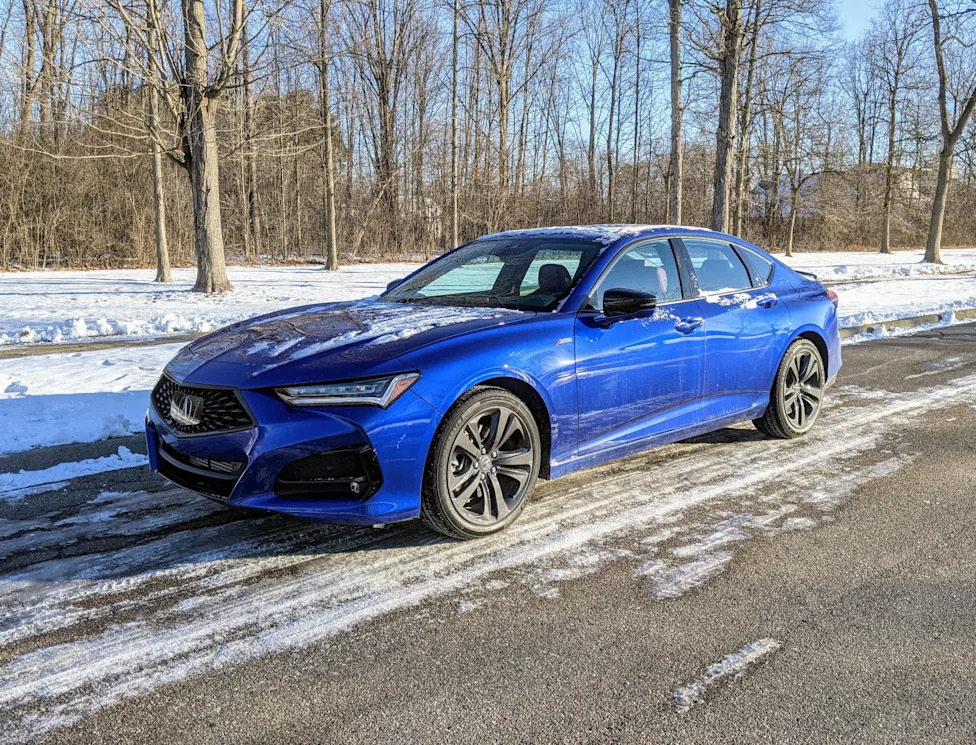
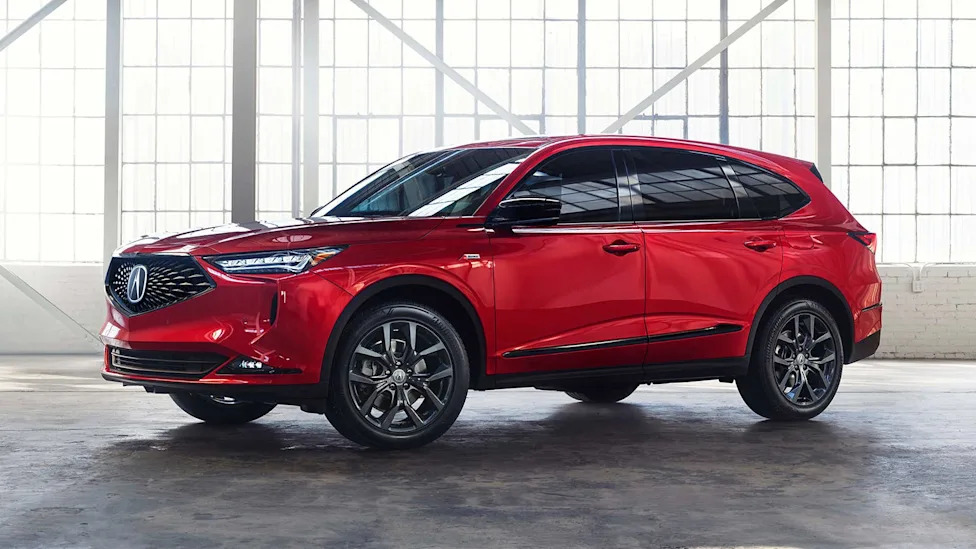
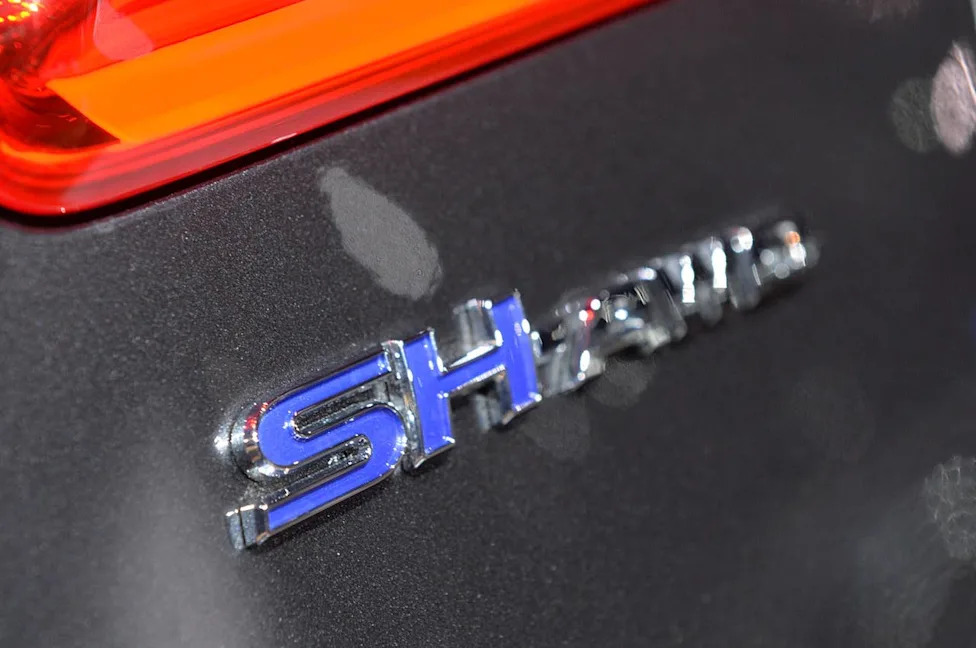
Autoblog and Yahoo may earn commission from links in this article.Understanding The TechCars are complicated; they are made up of various mechanical components that give them different capabilities. Even the simplest cars still have mechanical components that non-engineering individuals aren't all too familiar with.When you look at it from a brand perspective, each brand has its own version of a mechanical or technological feature that might operate differently from other cars. It seems this has led to some confusion about Acura's SH-AWD system, which even prompted some owners to file an actual complaint.Greg MigliorePetition DeniedThe National Highway Transportation Safety Administration (NHTSA) has a specialized department called the Office of Defects and Investigation (ODI), which received a filed petition on January 9, 2026. This petition was filed by certain owners who alleged that Acura's SH-AWD system installed in the 2021-2023 TLX, 2022-2023 MDX experienced "loss of all-wheel drive due to an interfacing spline failure between the transmission and transfer case, resulting in only front-wheel drive."AdvertisementAdvertisementSpecifically, the complaint says there are failures in the interfacing splines between the front and rear axles, preventing a transfer of drive power to the rear also. This, in turn, according to the complaint, leaves the cars powered purely by front-wheel drive. Also, the petition says that the failure reduces the "vehicle directional control."After months of investigation, ultimately the ODI determined that there wasn't enough evidence to support the claims filed in the petition. ODI explains that the Acura SH-AWD system is primarily built as a front-wheel drive (FWD) unit.Furthermore, they explained that the SH-AWD feature is merely a performance enhancement rather than a stability feature. This led the investigators to conclude that even if the SH-AWD system is non-operational, the car still retains full stability via FWD. Lastly, the Vehicle Stability Assist (VSA) remains functional, ensuring the vehicle is still safe throughout operation.Detailed InvestigationDuring the investigation, the ODI reviewed 62 Vehicle Owner Questionnaires (VOQs) and several EWR Field Reports alleging the loss of SH-AWD. During the analysis, the ODI determined that the failure is isolated to the mechanical interface between the FWD transaxle and the PTU, wherein the shearing or splicing of the shafts leads to the lack of power transfer to the rear. However, the ODI determined that the said failure does not result in any loss of power or lead to the vehicle becoming uncontrollable.AdvertisementAdvertisementAs such, the petition was denied due to a lack of evidence to support a full-blown investigation by the NHTSA.Drew PhillipsThis story was originally published by Autoblog on Aug 7, 2026, where it first appeared in the News section. Add Autoblog as a Preferred Source by clicking here.