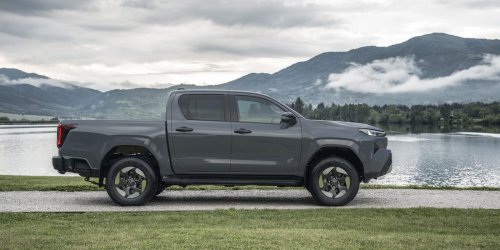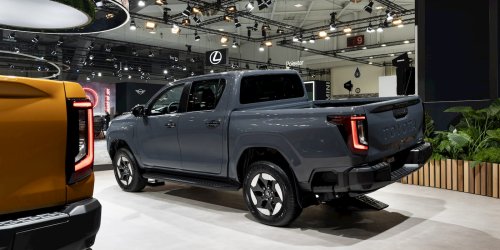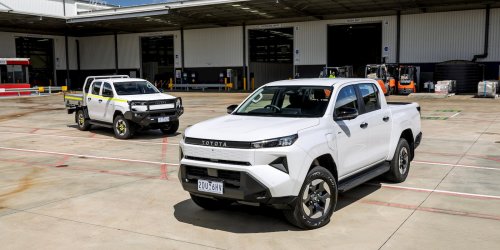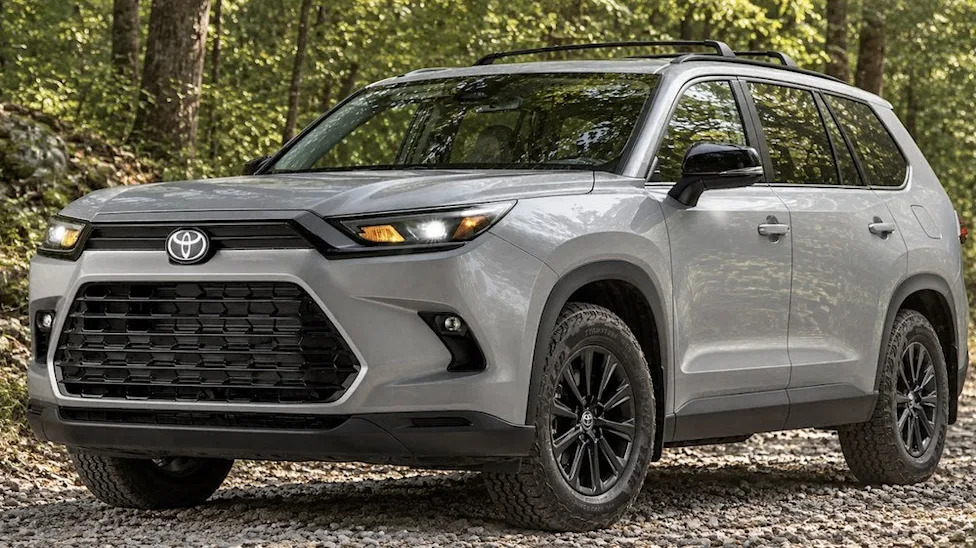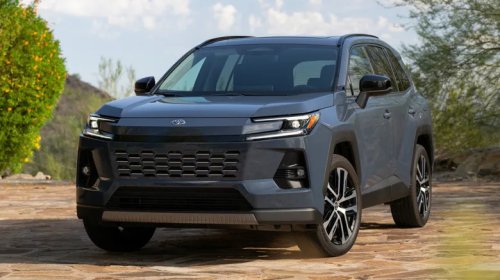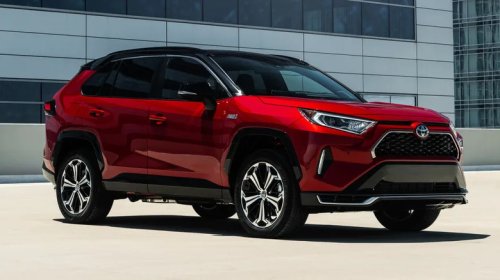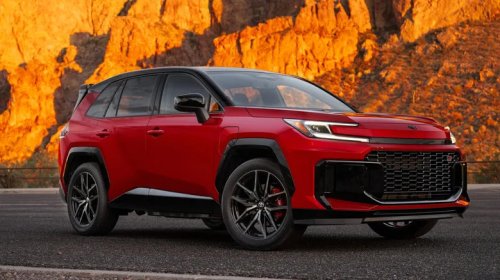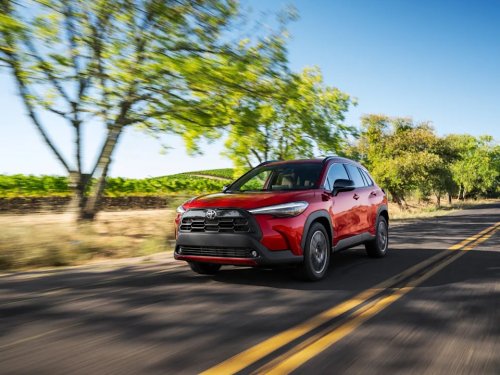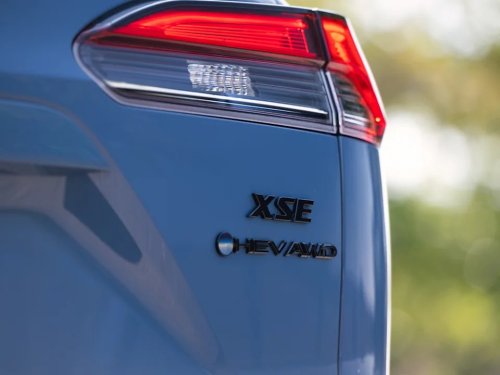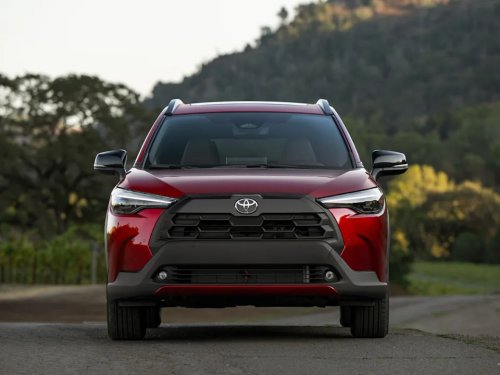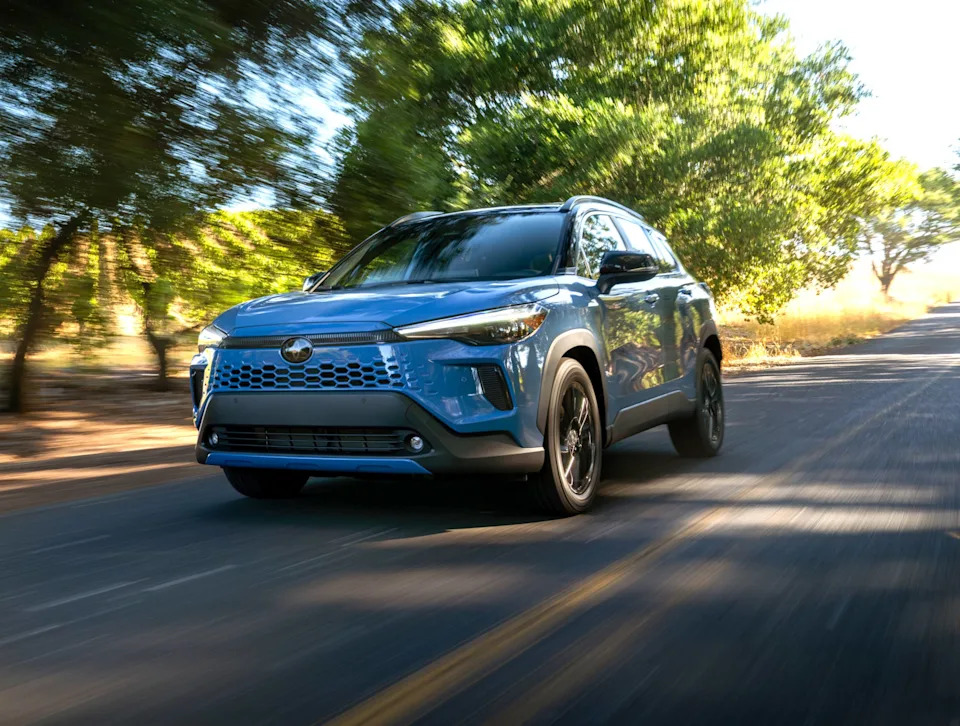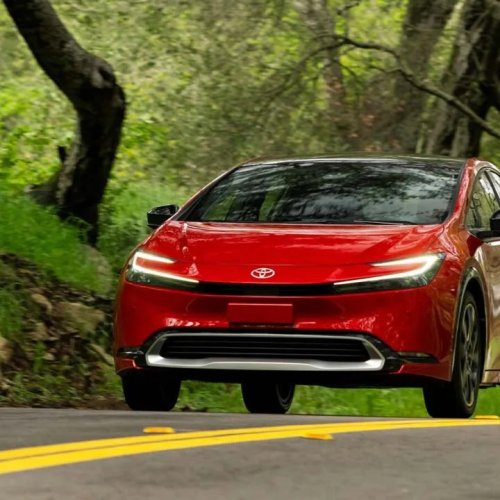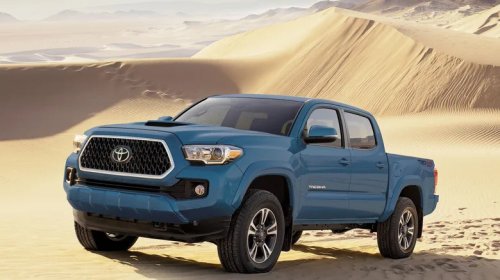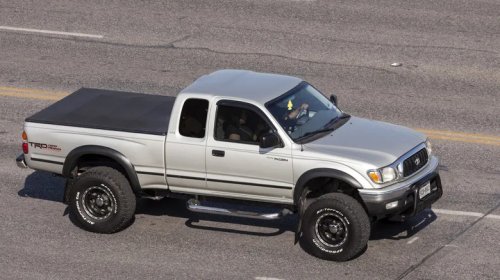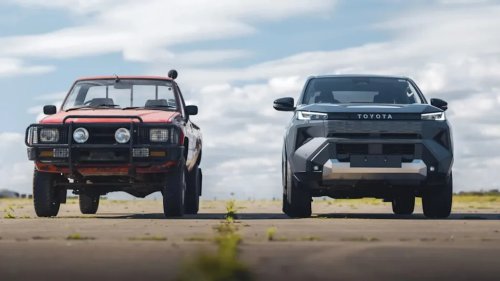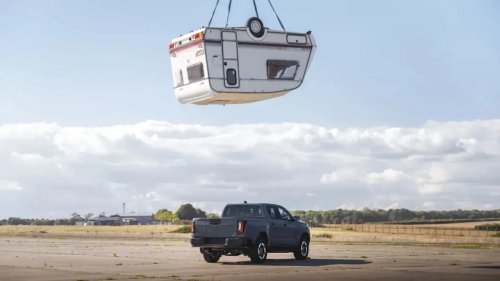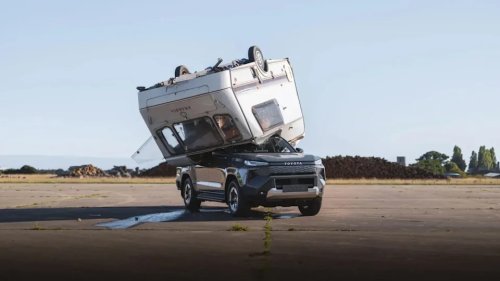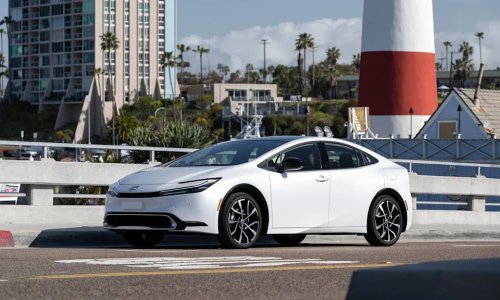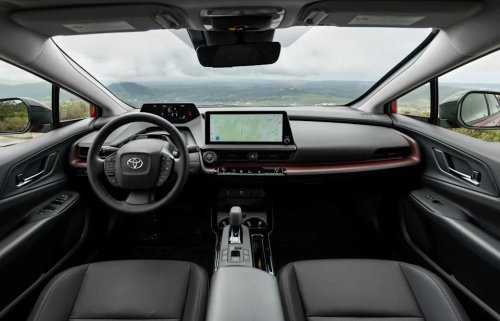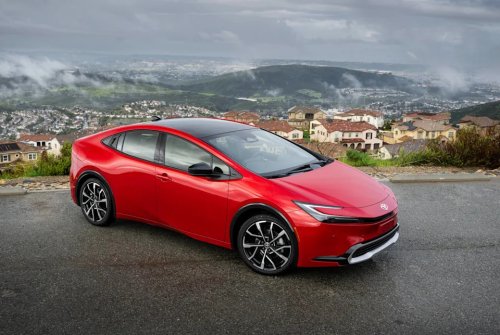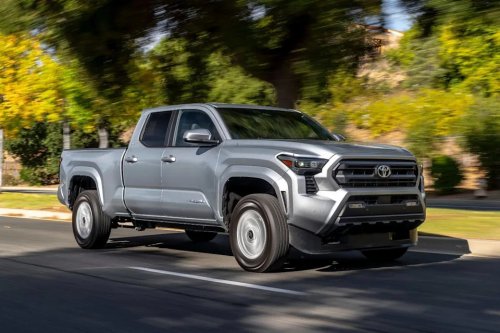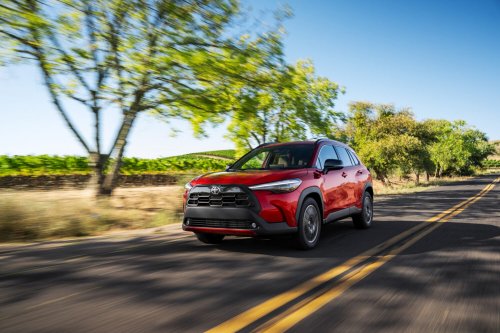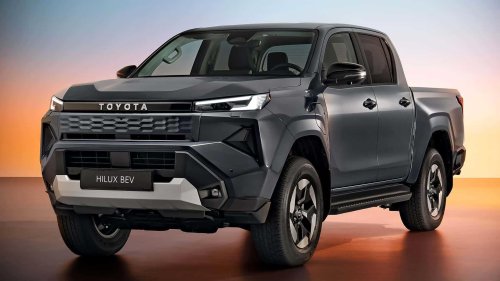
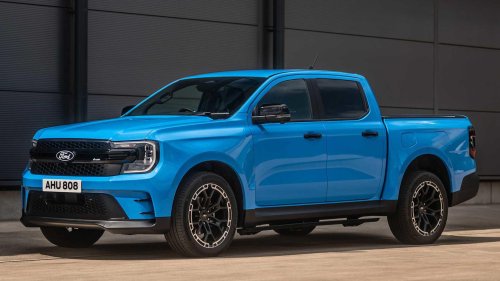
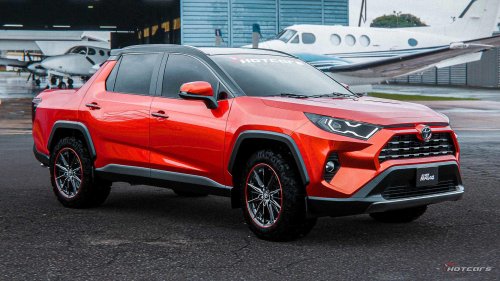
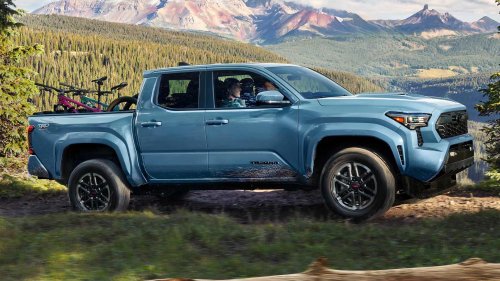



















Toyota has reportedly settled on a unibody platform for its upcoming compact truck—one built on the RAV4's bones rather than the ladder-frame architecture that underpins the Tacoma.New information came to light during an interview with Automotive News where Tetsuo Ogawa, Toyota Motor North America president and CEO said, "A RAV4-based pickup is an opportunity for us, and the dealers are waiting, but it takes time."This means that Toyota is entering the compact-truck segment not as a Tacoma alternative, but as a direct philosophical rival to the Ford Maverick. That distinction matters more than it might sound. The Maverick proved, loudly, that a car-based pickup could outsell expectations and pull buyers who never considered themselves truck people. Now Toyota is running the same calculation—and betting that RAV4 loyalty, hybrid credibility, and an accessible price point can do for its compact truck what the Maverick did for Ford. What Unibody Actually Means For A Truck Buyer ToyotaA unibody truck integrates the cab and frame into a single welded structure, the same way a sedan or crossover is built. That's the opposite of body-on-frame construction, where a separate steel ladder sits beneath the cab and bed—the traditional truck architecture the Tacoma, Tundra, and virtually every serious work truck still uses.The tradeoffs are real and worth naming. Unibody trucks ride more like cars: quieter, more composed over broken pavement, easier to park. They're lighter, which helps fuel economy. But they give up towing and payload capacity compared to a body-on-frame truck of similar size. The Maverick's maximum tow rating sits around 4,000 pounds with the optional tow package—respectable for weekend use, but well short of what a Tacoma can pull. For buyers hauling a small trailer, carrying mulch, or just wanting a bed without a full-size truck, that's a reasonable trade. For buyers who need to tow a boat or work a job site, it's a dealbreaker. How Ford's Maverick Made The Unibody Pickup Credibleb Again Via: FordWhen Ford launched the Maverick for the 2022 model year, the skepticism was audible. A front-wheel-drive, unibody truck with a hybrid powertrain as the standard engine? It read like a fleet vehicle with a bed bolted on. Then the orders came in—and kept coming. The Maverick's base price started under $22,000 at launch, undercutting the Ranger by thousands and putting a new truck within reach of buyers who had been priced out of the segment entirely.The Maverick found a buyer that body-on-frame trucks had largely abandoned: the urban and suburban driver who wants occasional truck utility without truck-sized payments, truck-sized fuel bills, or truck-sized parking anxiety. Standard hybrid powertrain, compact footprint, and a starting price that held the line made it a phenomenon. Ford couldn't build enough of them in the first two years. That success is the data point Toyota is working from. How Toyota's Version Could Differ—And Where The RAV4 Platform Helps Toyota Rav4 Pickup 4X4 hotcars.2900-2The RAV4 is Toyota's best-selling vehicle globally, and its platform carries significant engineering investment—including the hybrid and plug-in hybrid powertrains that Toyota has spent years refining. Slotting a compact truck onto that architecture means Toyota could plausibly offer a hybrid option from day one, something Ford added to the Maverick as a standard feature but that took competitors years to match.RAV4 brand equity also gives the truck a ready-made audience. RAV4 buyers already trust the platform's reliability and running costs. A truck variant would let Toyota cross-sell into that base without asking buyers to learn a new nameplate. Nothing is officially confirmed, but the logic of the segment points toward a price that undercuts the Tacoma—which starts above $32,000—while staying competitive with the Maverick's current pricing, now hovering in the mid-to-upper $20,000s after several years of increases. What This Means For The Tacoma—And The Two-Truck Philosophy ToyotaThe Tacoma isn't going anywhere. It was fully redesigned for 2024, gained a new hybrid powertrain option, and remains Toyota's answer for buyers who need genuine off-road capability, real towing numbers, and the structural rigidity that body-on-frame construction provides. A unibody RAV4 truck doesn't threaten that—it targets a completely different buyer.What Toyota is effectively doing is acknowledging that the compact-truck segment has split into two lanes. One lane is the traditional formula: body-on-frame, trail-rated, work-capable, priced accordingly. The Tacoma owns that lane for Toyota. The other lane is the Maverick formula: car-based, fuel-efficient, affordable, and sized for people who want a truck's versatility without its compromises. Toyota has now chosen to compete in both. That's not a retreat from truck culture—it's a recognition that truck culture has expanded well past the buyers who actually need to tow.