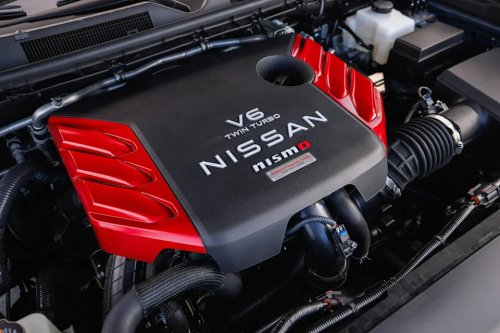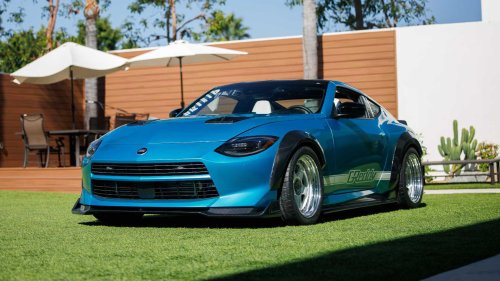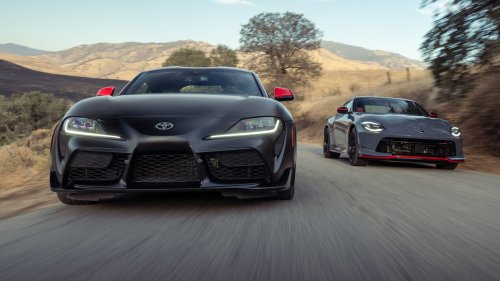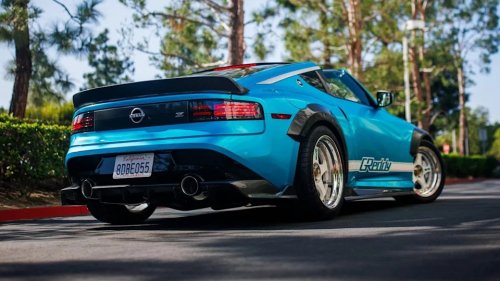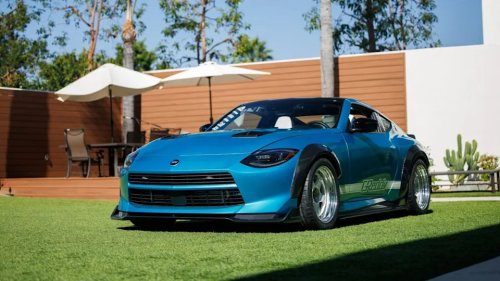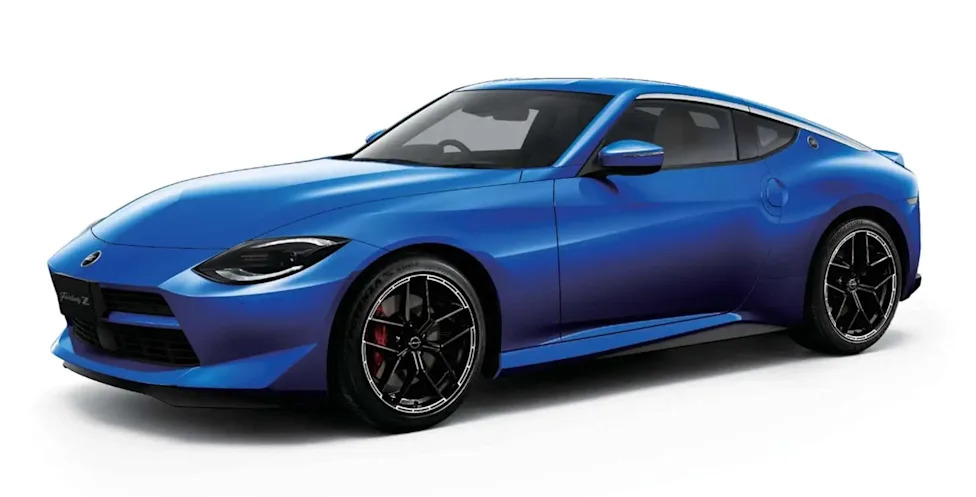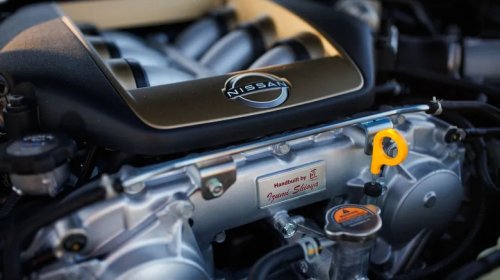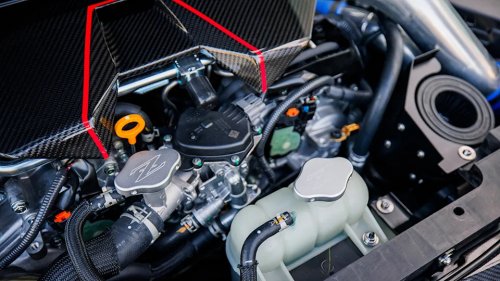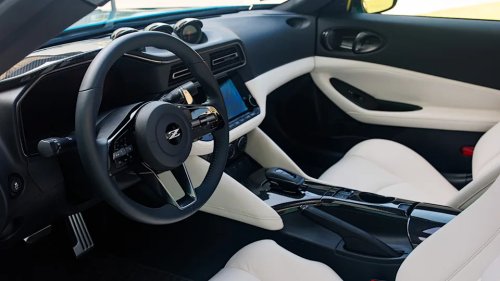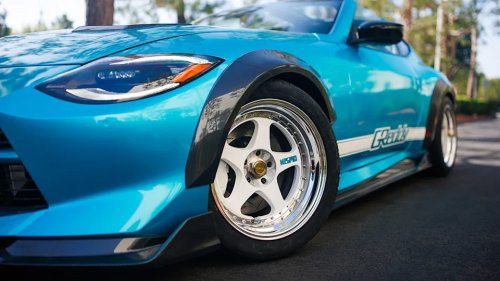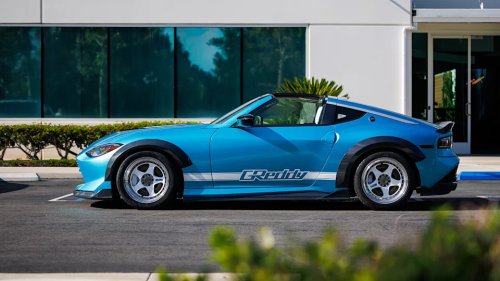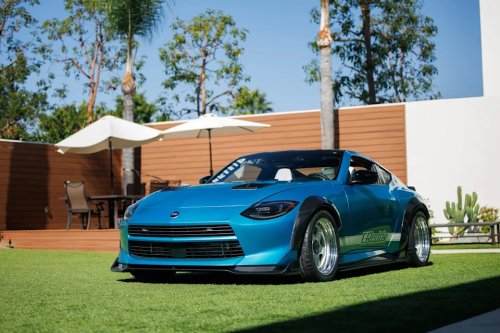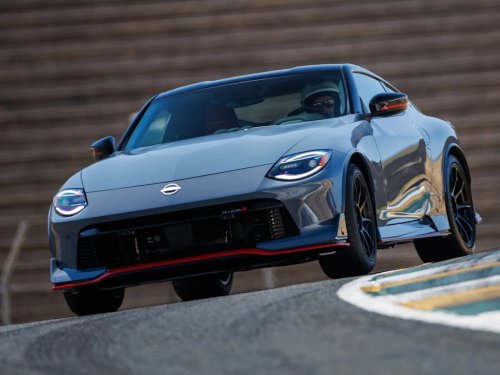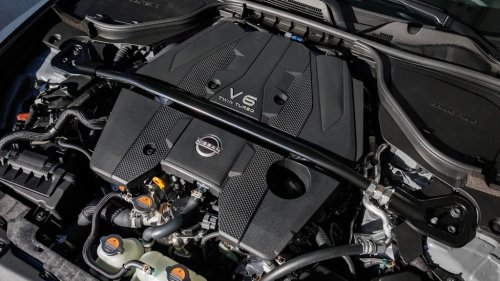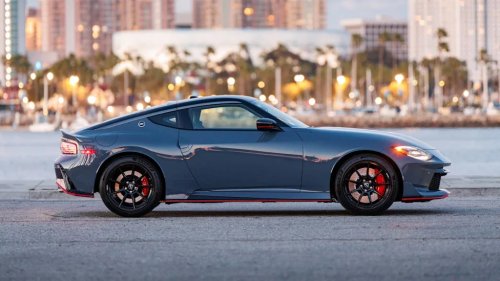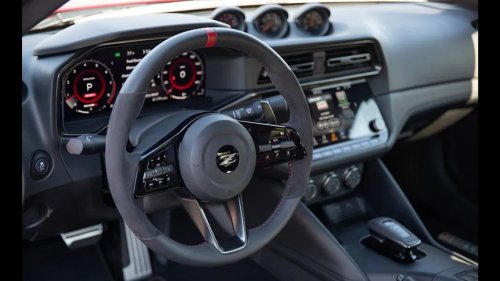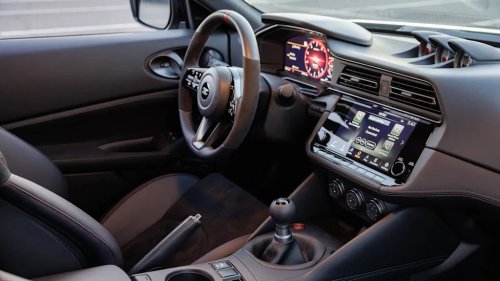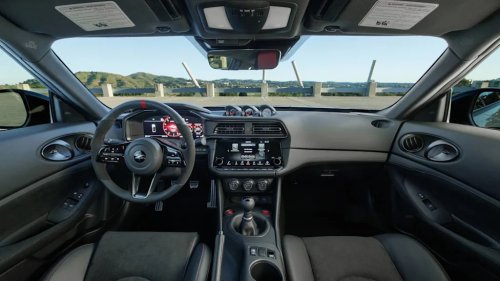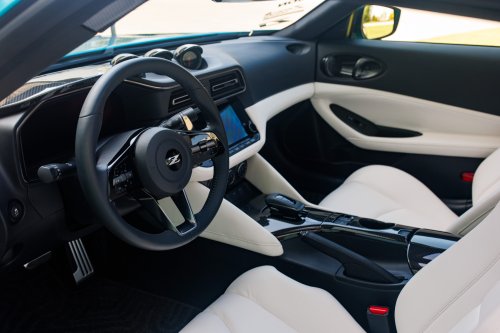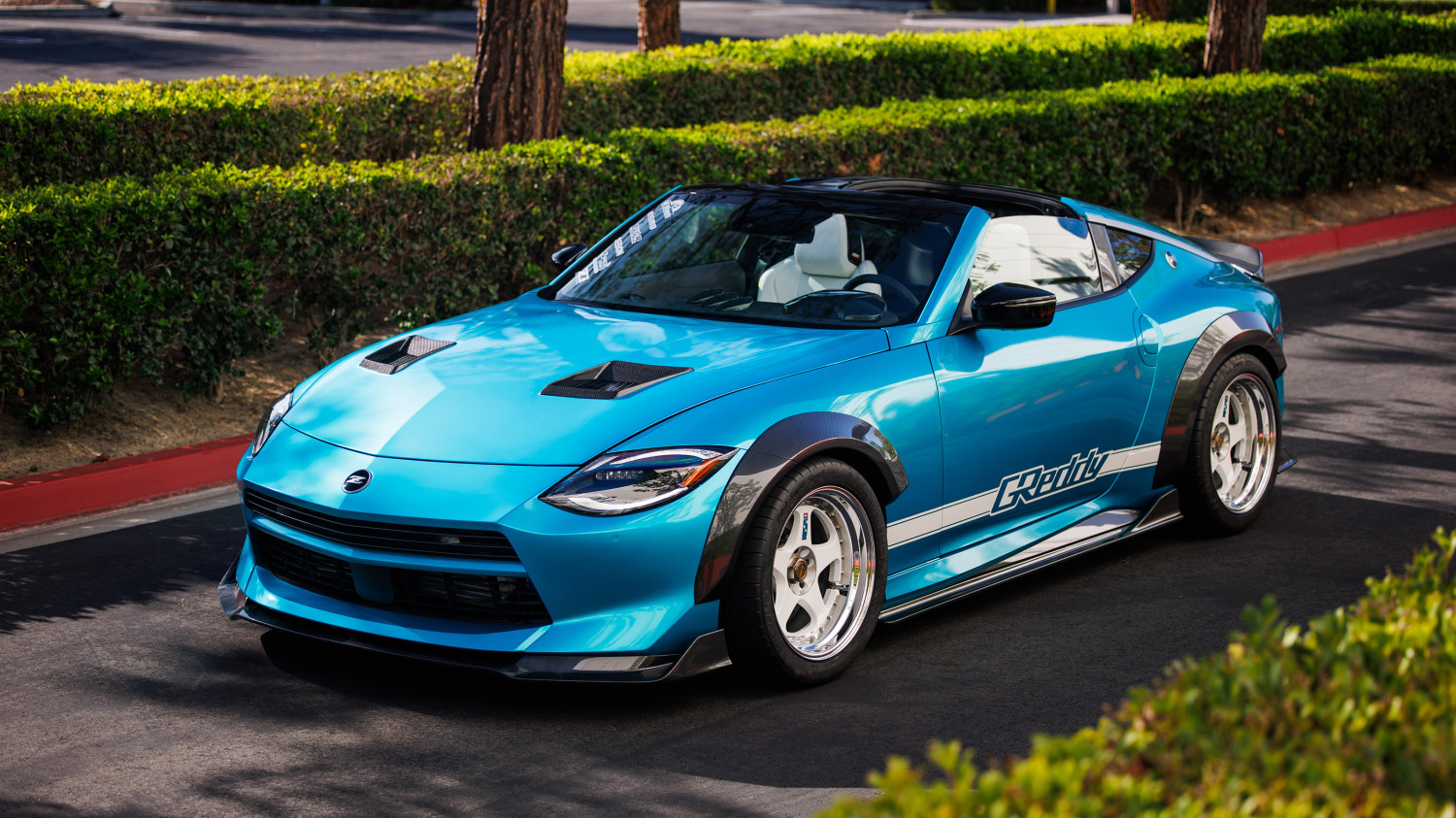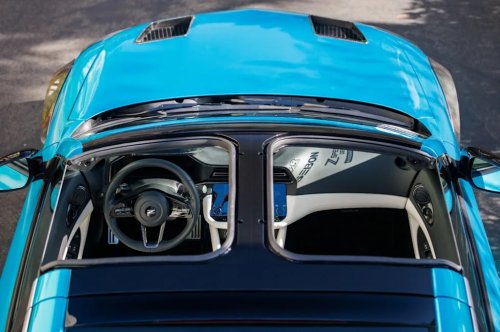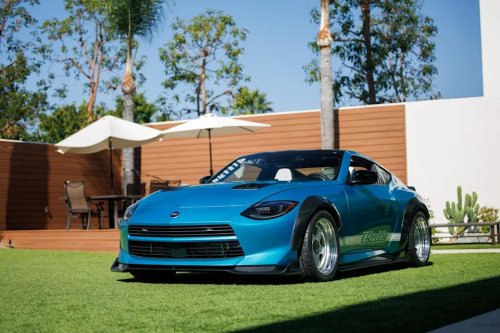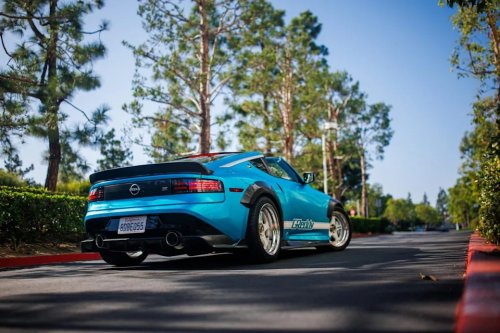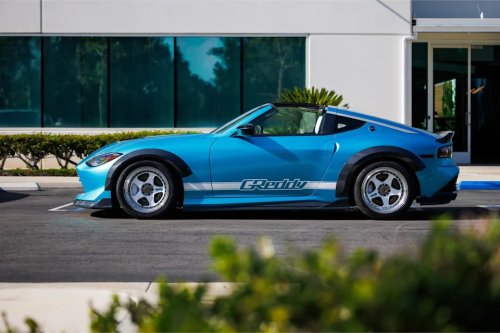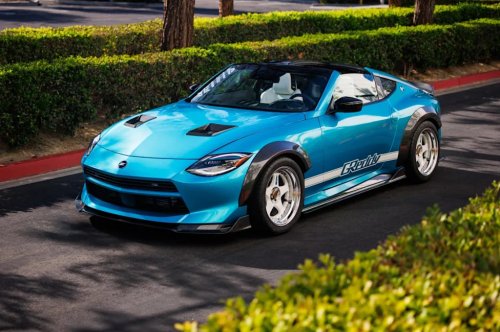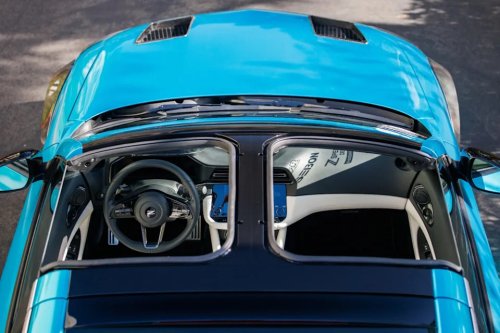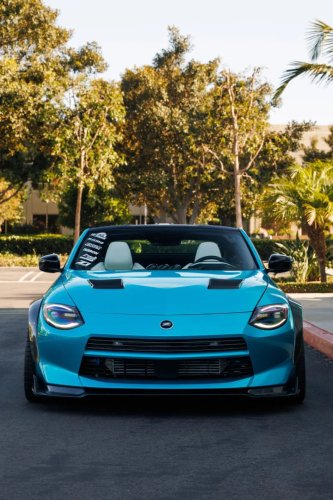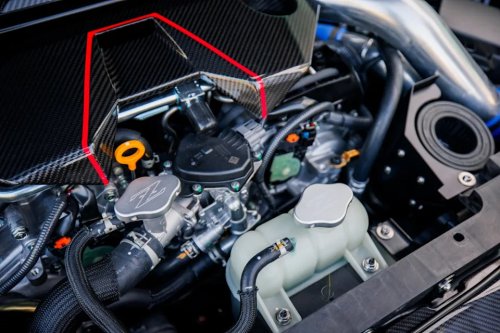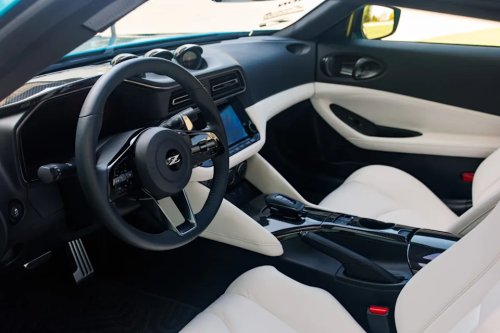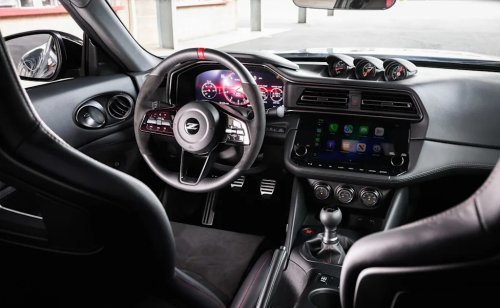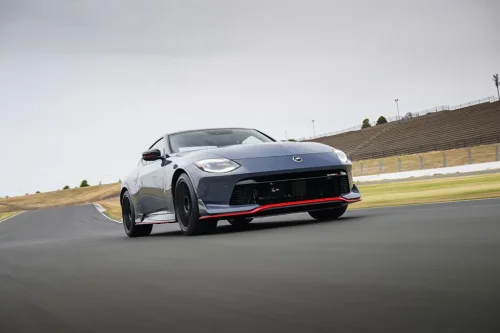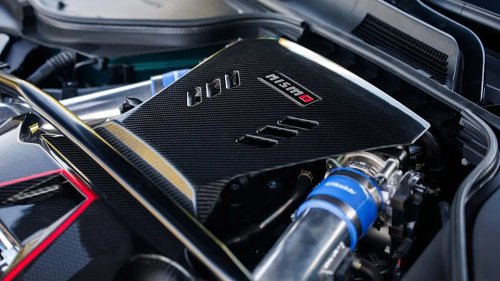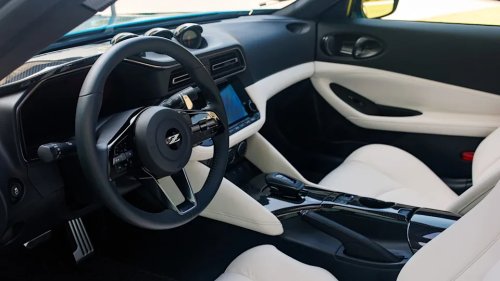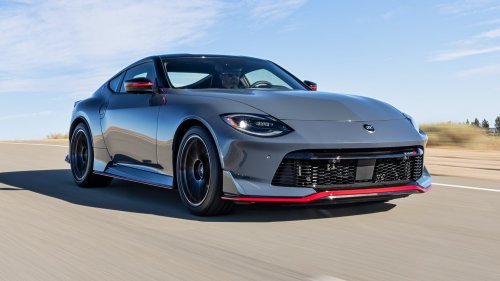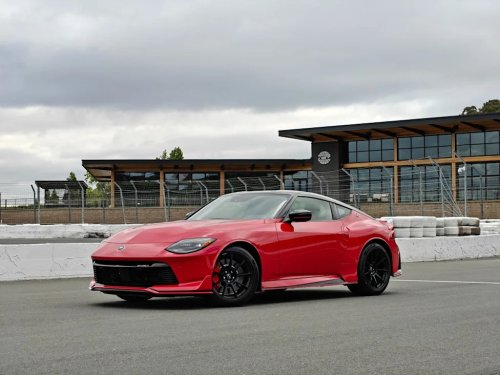
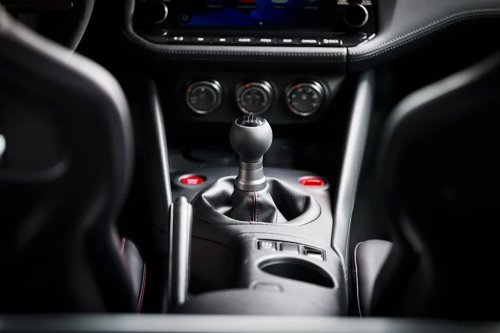
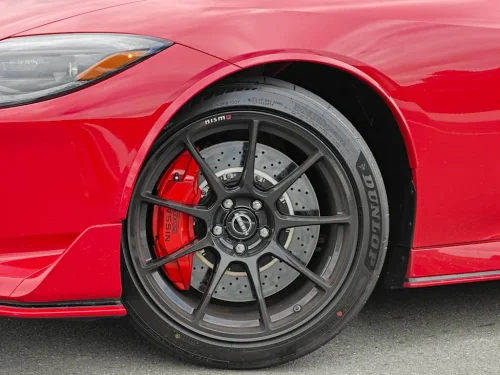
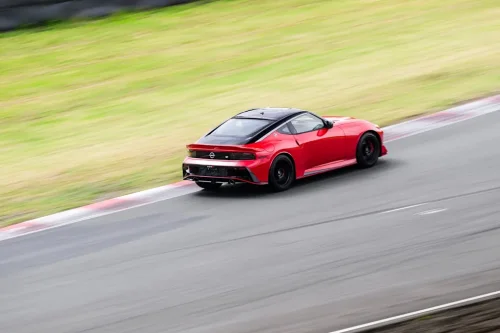
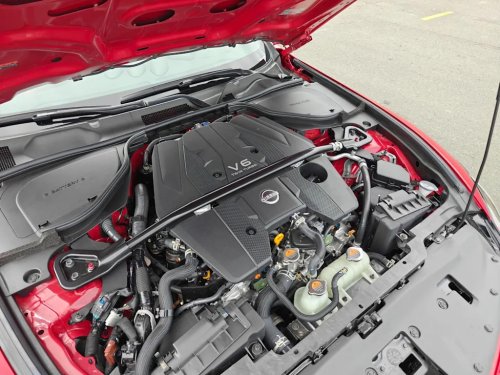
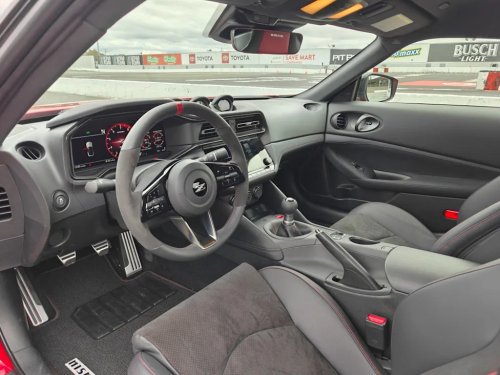
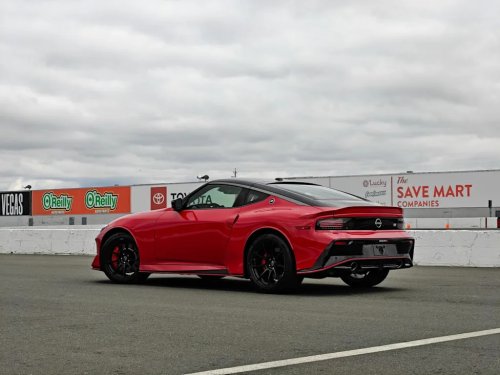



















The 2027 Nissan Z Nismo Manual Is the OneZac Palmer (Zac Palmer)Automakers sometimes seem to be playing by a different set of rules. It’s possible that this was in Nissan’s playbook all along, but the 2027 Z Nismo answers a question many of us had since this turned-up version of the sports car came out a couple of years ago: Where’s the manual transmission?Thankfully, Nissan has found it, and in doing so has turned the Z Nismo into a far better car. A whole array of upgrades found to the Nismo this year beyond the addition of a clutch and shifter, but this is the stand-out highlight, turning this into the best and most put-together version of the new Z. While the original Nismo version was a solid improvement over the regular car, with better suspension, braking and tires, the nine-speed automatic was a let-down. (Okay, not entirely heartbreaking, given the manual shifter in the regular Z was a mediocre gear-rowing partner at best, lacking gate definition and with meh engagement into individual ratios.)Nissan (Nissan)Product planner Paul Hawson says the Nismo Z’s manual shortens the stroke by about a quarter of an inch—or 6mm in metric—and also introduces some new bushings to give a notchier and more rewarding sensation. Both these changes were noticeable right away, but they’re evolutionary at best and this still isn’t a great stick; there’s a fair bit of mushiness and slop in the throws that Nissan didn’t tighten up. I’d rather be shifting a Honda Civic Type R or a Mustang Dark Horse manual over the Z Nismo’s, so I’m not going to claim this is one of the great transmissions.AdvertisementAdvertisementStill, any manual option is better than no manual option, and this is definitely a nice upgrade in tactility over the auto. Rev-match is easily toggled on and off via a switch on the center console. There shouldn’t be anything to worry about with the clutch, either; it’s fortified for the Nismo’s extra power with a higher capacity pressure plate and reinforced housing.Engineers tell me the Nismo was designed first and foremost to perform on the racetrack, then taken to road testing, where small concessions were made to make it tolerable. Which is just as well, as my first drive didn’t include any road driving element. Instead, Nissan let me rip on the Nismo on the challenging, endlessly entertaining Sonoma Raceway in California.Zac Palmer (Zac Palmer)New front brakes derived from the GT-R proved themselves a reliable straightaway partner. The two-piece, iron-aluminum rotor occupies as much space in the front wheels as possible, and accounts for 19 pounds of unsprung weight shed across the car. Not only are the new brakes lighter, but new cooling channels in the disc help lower brake temperatures on track; Nissan claimed by up to 100 degrees Fahrenheit over a 10-lap session. The new brakes are easily identifiable by way of their extra-bright-red caliper color. The rears are the same as before, but they understandably only account for a small fraction of the Z’s braking.The brakes held up no problem in my lapping, but I was only allowed to run five-to-six-lap stints. Heavy braking zones like the one going into the hairpin with walls on all sides would see the rear end get a little light and wander, but it never felt hairy. Nissan's choice to fit 200-treadwear track tires from the factory surely helps when it comes to braking stability, but those Dunlops showed their benefit at every point on the track. Not only was there gobs of grip ready to be exploited, but there was also no fall-off as the tires got hot.Nissan (Nissan)Nissan has also made some tiny refinements to the suspension this year, the biggest of which is a damper re-tune that softens things a smidge to allow for better balance and communication. This should also mean a better ride on poor roads. I felt quite at home with the balance of the car on the track right away. Don’t think for a minute that it’s not extremely stiff, because it is, but Nissan has made the car easier to drive fast by filtering some of the more extreme edginess out of it.AdvertisementAdvertisementAnother key update is found in the steering rack, where Nissan managed to remove some friction by making both hardware and software updates. The change is one I noticed immediately, as the steering is smooth and buttery, extremely accurate, and even rich in communication. My first on-track session was in partially wet conditions, and I was surprised at how well the steering spoke to me, effectively telling me where the car’s limits lie in both slow corners and damp, high-speed sweepers.Zac Palmer (Zac Palmer)The 3.0-liter twin-turbo V-6 under the Nismo’s hood has the same output as before—420 hp and 384 lb-ft of torque—but Nissan says it sprinkled a little GT-R magic at it via new ignition and timing control for better throttle response and more sustained torque delivery. The Nismo definitely has a touchier throttle, so much so that Sport mode has become too jumpy and sensitive for the granular throttle control you want on the track. You’re better off leaving it in Standard, as this gives the throttle a natural crescendo and keeps the steering rack at a reasonable weight.Nissan adjusted its sound strategy with the manual, too. Gone are the pops and crackles on the overrun and downshifts from the automatic. It’s simply a clean V-6 exhaust note now. Instead of those theatrics, Nissan emphasizes the intake and exhaust via the car’s active sound enhancement system. After listening to the Nismo fly by at Sonoma all day I can say the Nismo’s exhaust sounds significantly better than the standard Z’s, but it’s still far too quiet for my taste.Zac Palmer (Zac Palmer)The whole package is a car you could drive straight from the dealer lot to the racetrack and have a hell of a fun time. All of the extra bracing, added spot welds (30 more than the regular car), and suspension tweaks help transform the Nismo Z from a car that reluctantly goes around the track to one that relishes being chucked into the high-speed esses on the back half of Sonoma.AdvertisementAdvertisementNissan does a swell job making sure the interior is up to the task, with sculpted bucket seats holding me tight against cornering loads. These are manually adjusted—saving weight—and positioned to give a far lower hip point than the standard Z’s electric seats. I didn’t care for the partial suede steering wheel (full leather would be best) though it certainly looks the part inside the black-and-red cabin. One big quality of life update Nissan made for 2027, outside of performance, is a magnetic wireless phone charger in the center console; my phone stuck to it no matter how hard I was driving. Another track-focused detail change: revised chambering in the gas tank, to prevent fuel starvation under sustained g-loadings.Zac Palmer (Zac Palmer)The one part of this equation we’re still missing is a price for the manual Z. The 2026 automatic came in at $67,045. Presuming it comes in around $70,000, it’s tough to see the manual Nismo having the same wide appeal as alternatives like the Ford Mustang Dark Horse or BMW M2. And yes, this car is right in the ballpark of a base M2 these days. But now it’s even more tempting for the Nissan and Nismo enthusiast. I didn’t get to drive it on the road, but it’s undoubtedly going to be far more engaging and livelier in day-to-day driving with the manual. But buyers should definitely take the manual Nismo to the track. It’s ready to play right out of the box.You Might Also LikeIf You Can Only Own One Car, Make It One of TheseThese Are the Most Popular Cars by State