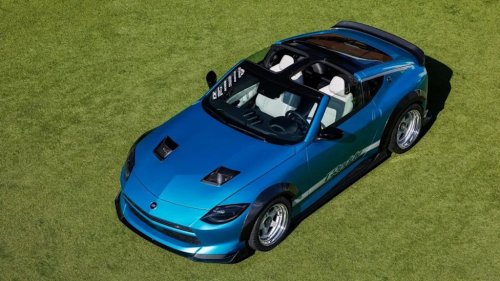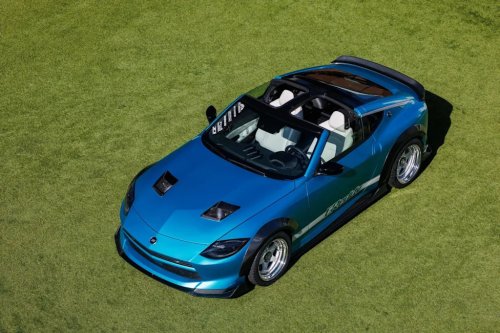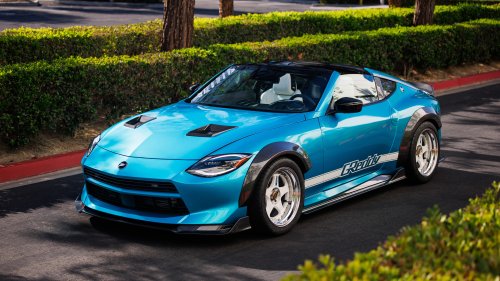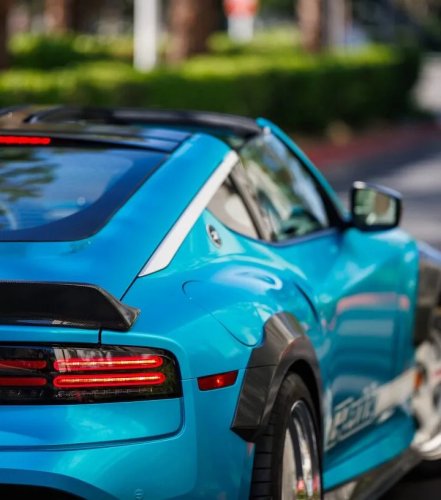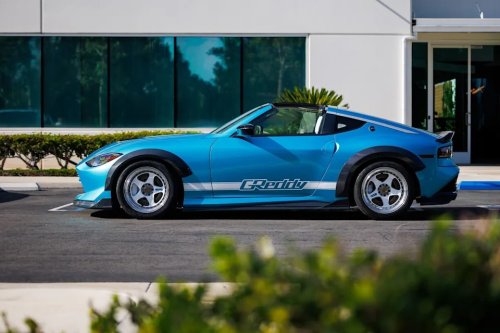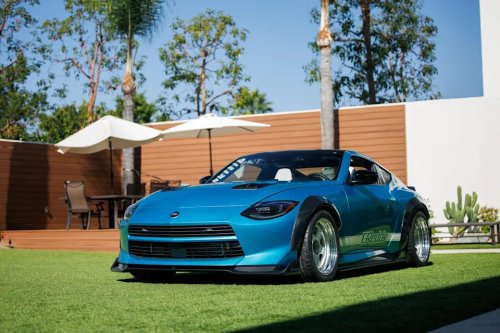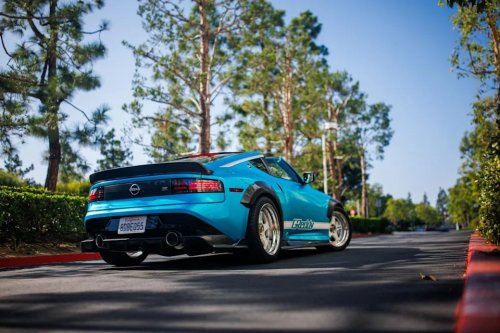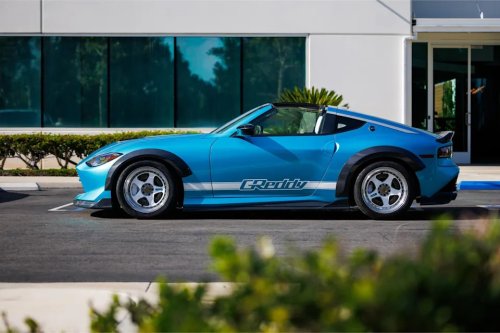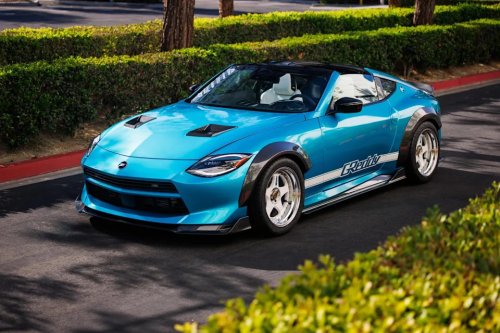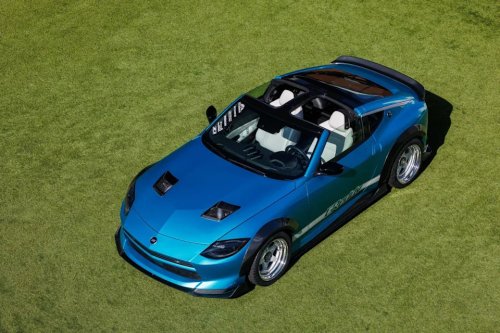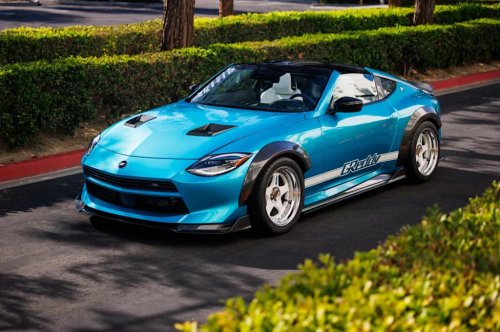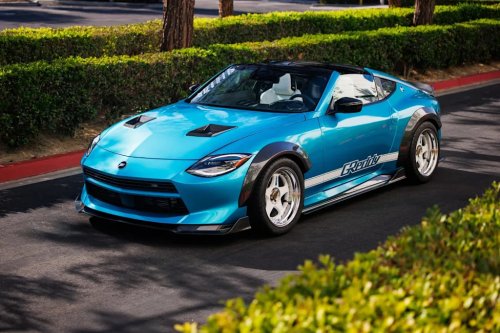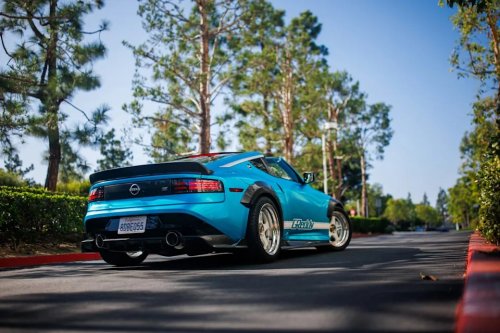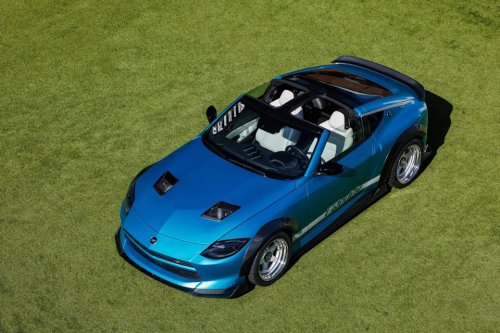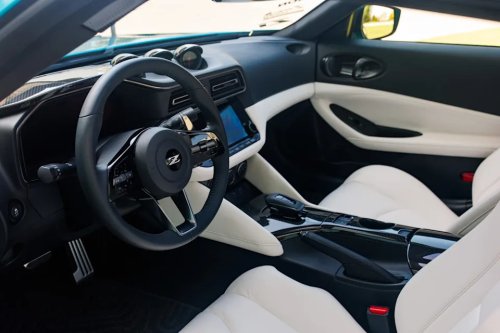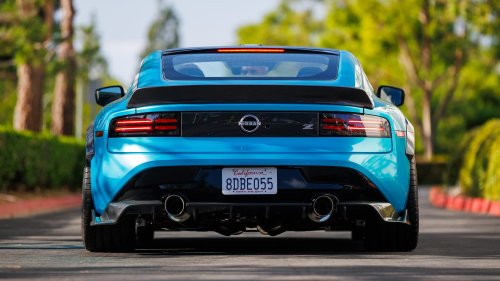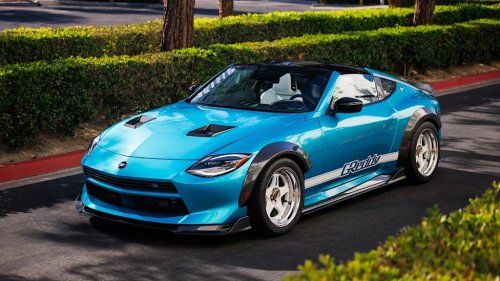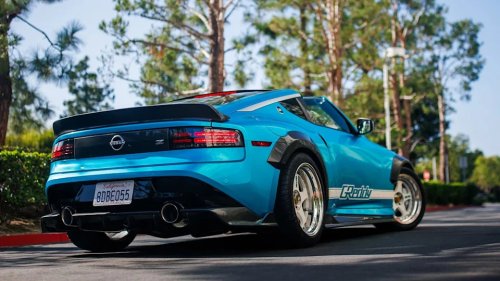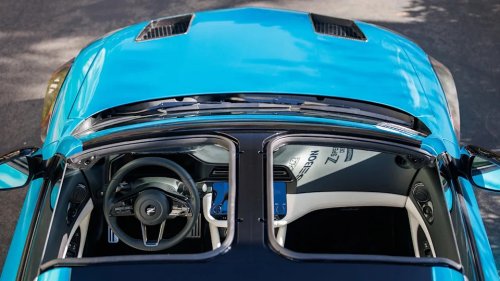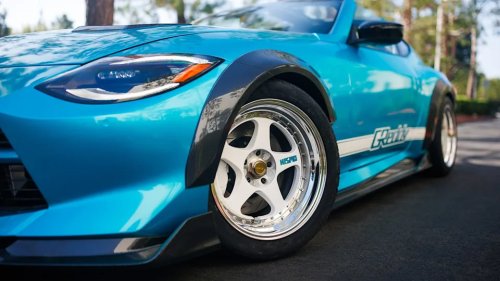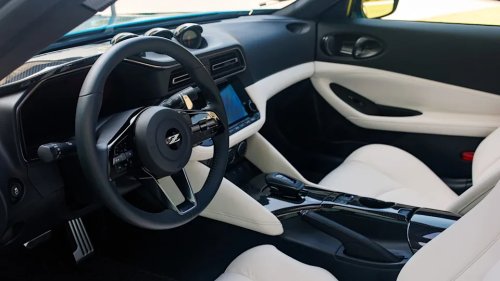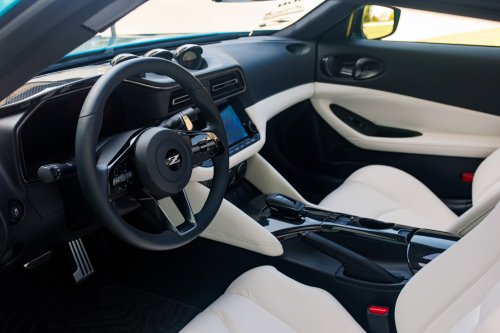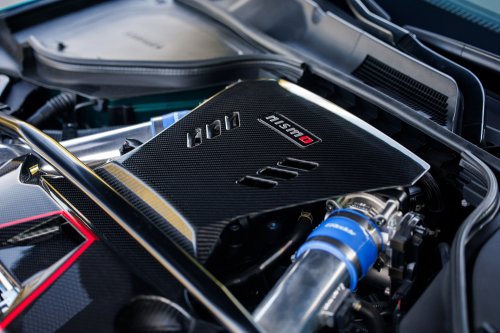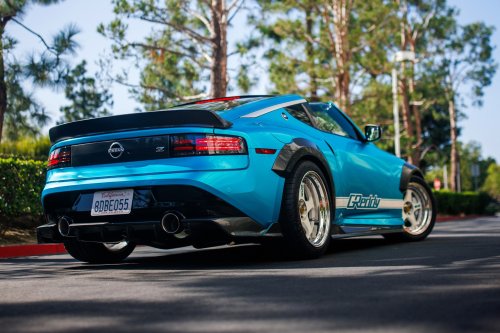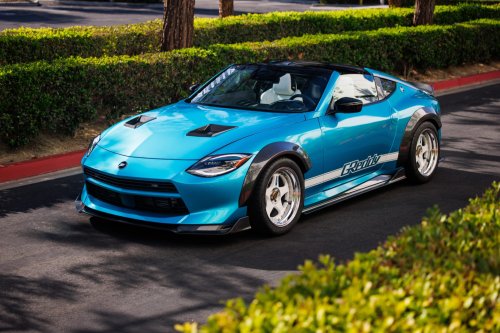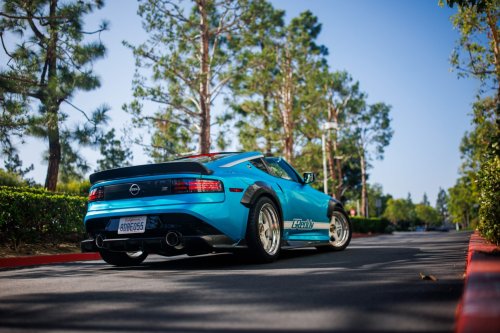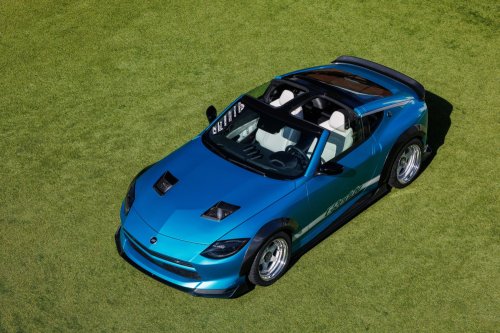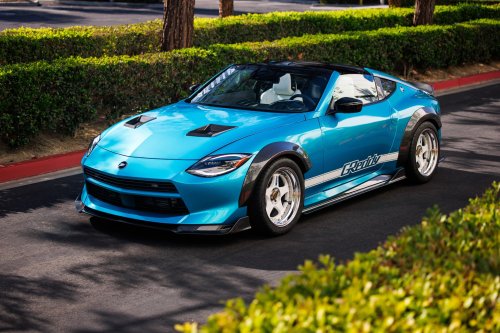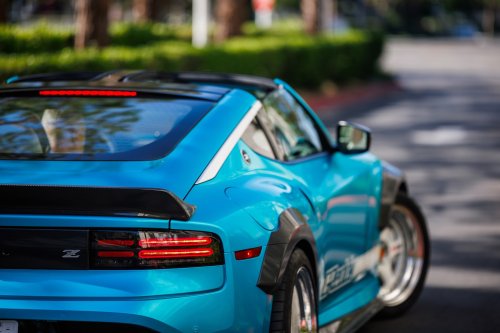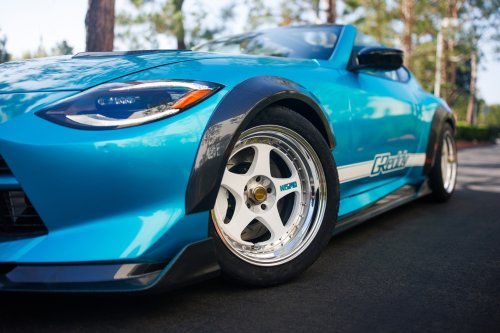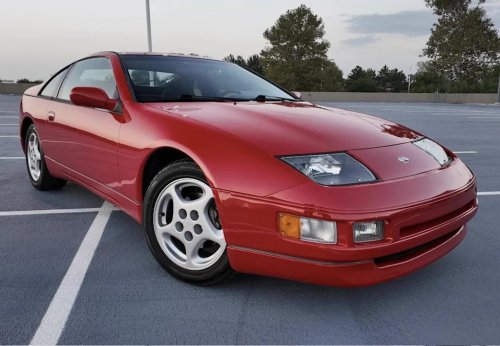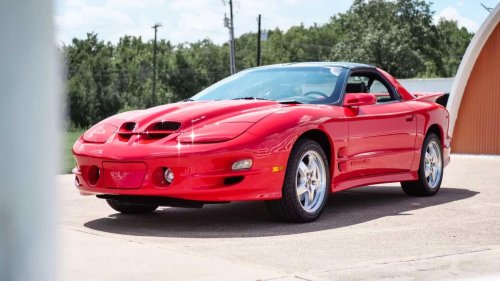
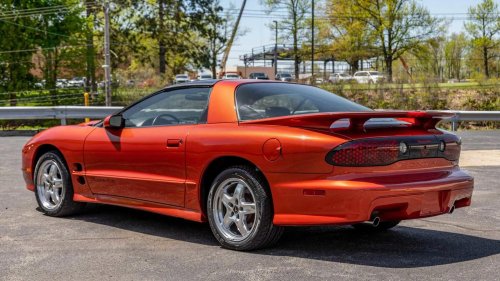
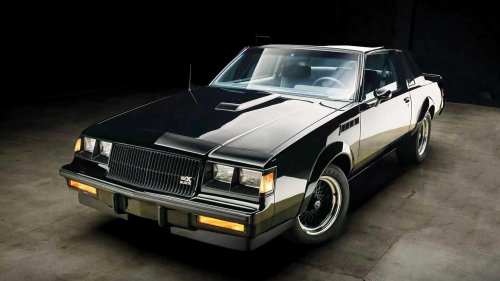
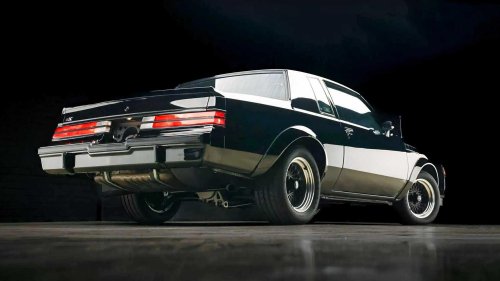
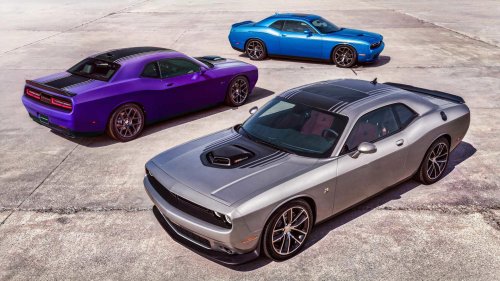
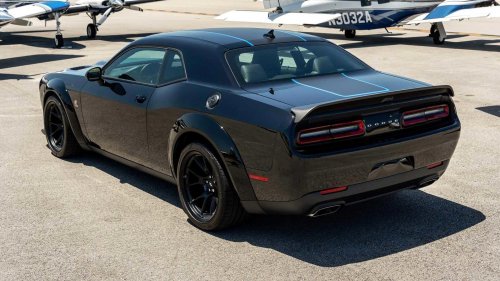
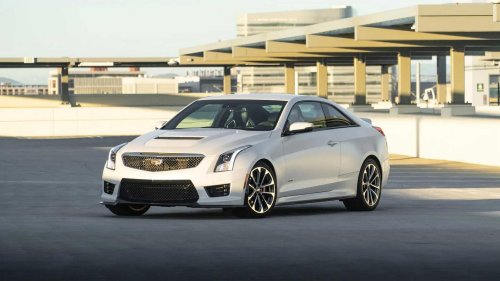
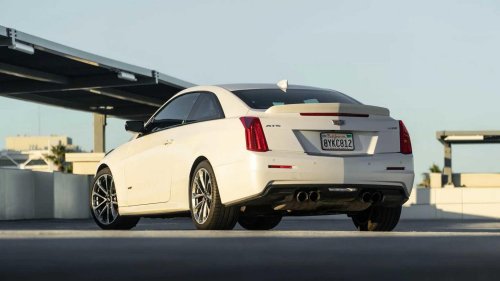
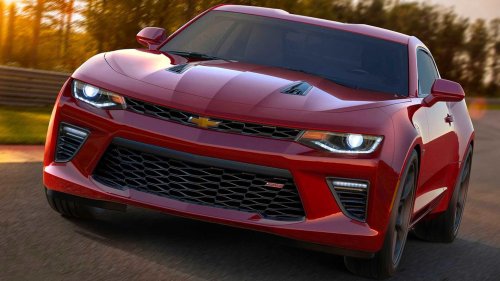
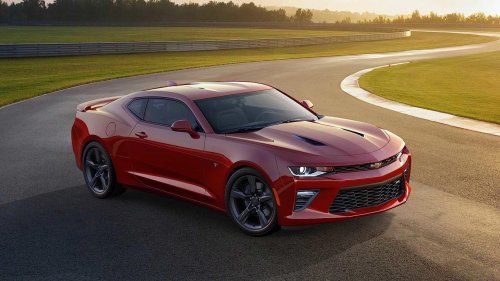
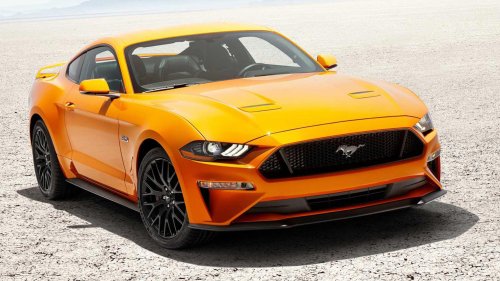
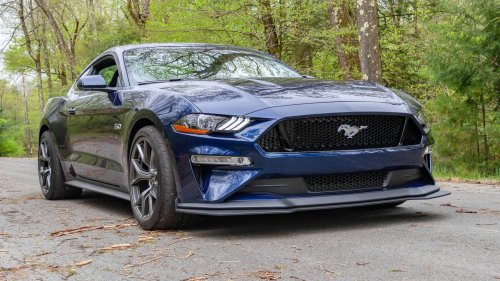
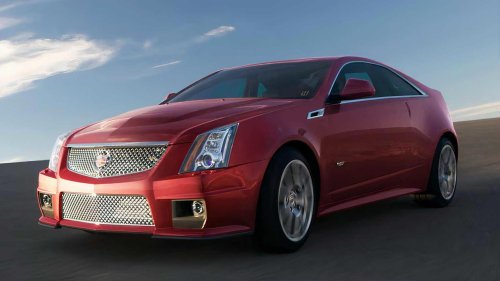
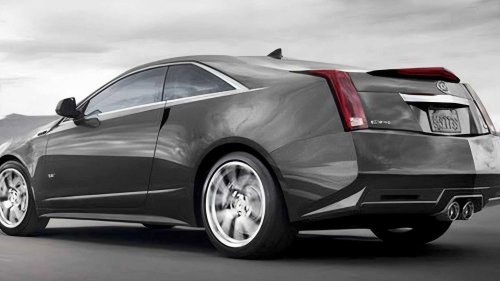
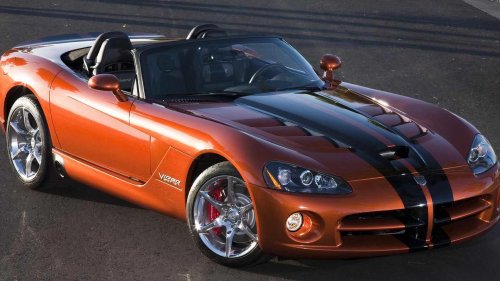
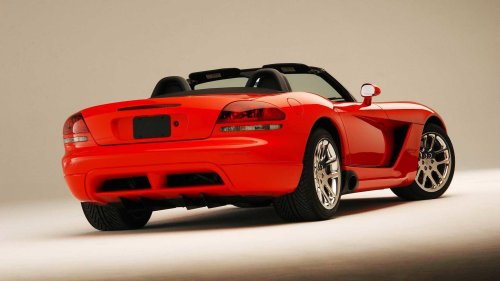
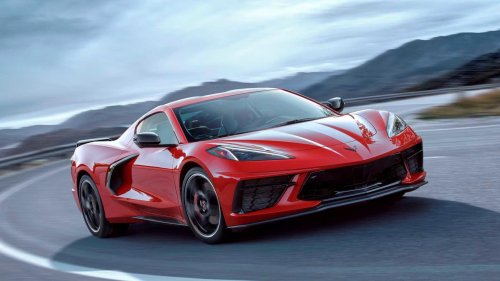
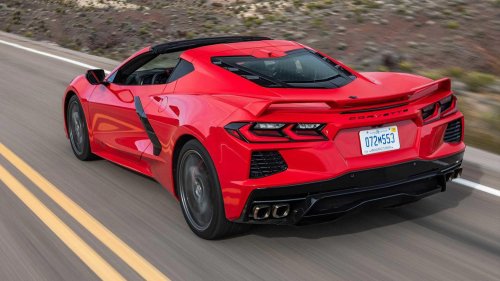



















The Nissan 350Z still has the look, the balance, and the soundtrack to make enthusiasts slow down while scrolling classifieds. It was quick when new, too. Period tests put the early 2003-2009 350Z around 5.3 to 5.5 seconds from 0-60 mph, which made it a serious sports coupe in the early 2000s.That number also makes the 350Z a great measuring stick. It is fast enough to matter, but not so fast that only exotic cars can beat it. These nine American coupes all clear that bar, and they do it with very different flavors – turbo V6 weirdness, big V8 noise, luxury-car violence, and one mid-engine Corvette that basically brought a bazooka to a thumb-wrestling match. 2000 Pontiac Firebird Trans Am WS6 Coupe 0-60 MPH: 5.0 seconds Bring a Trailer The 2000 Pontiac Firebird Trans Am WS6 is one of those cars that looks like it was drawn during a thunderstorm. The nostril hood, low nose, wide rear, and angry stance all scream late Pontiac. Better yet, the drama was not fake – MotorTrend tested a 2000 Trans Am WS6 at 5.0 seconds to 60 mph and 13.5 seconds in the quarter mile at 107.4 mph, giving it just enough punch to outrun the 350Z benchmark.Bring A TrailerThe WS6 package did more than add a hood with attitude problems, too. It brought functional Ram Air hardware, a Hurst shifter, 17-inch wheels, sticky Goodyear tires, and a bump to 320 horsepower and 345 lb-ft of torque from the LS1 V8. In comparison, the 350Z feels sharper and tidier, but the WS6 has old-school shove. 1987 Buick GNX 0-60 MPH: 4.9 seconds Bring a Trailer The 1987 Buick GNX remains one of the best “wait, that was a Buick?” cars ever built. It looked like a blacked-out accountant’s coupe that had discovered organized crime, but underneath sat a turbocharged 3.8-liter V6 with serious bite. The 4.9-second number used here already beats the 350Z, and period testing often made the GNX look even nastier. For example, Car and Driver recorded 4.7 seconds to 60 mph and a 13.5-second quarter mile at 102 mph.Bring a TrailerThe GNX also has one of the coolest backstories on this list. Buick built only 547 examples, and ASC/McLaren helped turn the Grand National into something meaner, using upgrades like a Garrett turbo, improved intercooling, and a stated 276 horsepower and 360 lb-ft of torque. The ratings likely played polite for corporate reasons. Thankfully, the car did not. In the late 1980s, this square Buick could embarrass sports cars with far better posters. 2015 Dodge Challenger R/T Scat Pack 0-60 MPH: 4.2 seconds Dodge The 2015 Dodge Challenger R/T Scat Pack proves that weight jokes only work until the big guy wins the race. This coupe weighed more than two tons in tested automatic form, yet MotorTrend recorded a 4.2-second 0-60 mph run and a 12.6-second quarter mile at 112.3 mph. That is a couch with a gym membership and a 392 Hemi.Via: Bring A TrailerThe secret sits under the hood, a 6.4-liter V8 rated at 485 horsepower and 475 lb-ft of torque. The Scat Pack also hit a sweet spot in the Challenger family – it skipped the Hellcat’s tire-melting absurdity but kept enough power to feel properly rude. Compared with a 350Z, the Challenger feels like a bowling ball fired from a cannon. 2016 Cadillac ATS-V Coupe 0-60 MPH: 4.2 seconds BaT The 2016 Cadillac ATS-V Coupe was Cadillac trying to punch BMW in the kidney, politely, while wearing a tailored jacket. MotorTrend tested the manual ATS-V coupe at 4.2 seconds to 60 mph and 12.6 seconds in the quarter mile at 114.2 mph. That makes it at least a full second quicker than a stock 350Z while still feeling like a proper driver’s car, not just a power number with leather seats.BaTIts 3.6-liter twin-turbo V6 made 464 horsepower and 445 lb-ft of torque, and Cadillac offered it with a six-speed manual or an eight-speed automatic. The ATS-V is interesting because it does not rely on old muscle-car tricks. Instead, it has boost, brakes, chassis tuning, and real track intent. It is the car for someone who wants American speed but also wants to argue about turn-in feel at dinner. Every family has that person. Sometimes they are right. 2016 Chevrolet Camaro SS 0-60 MPH: 3.9 seconds Via: Chevrolet The 2016 Chevrolet Camaro SS changed the pony-car fight in a big way. Car and Driver tested an eight-speed automatic SS at 3.9 seconds to 60 mph and 12.3 seconds in the quarter mile. That put it well ahead of the 350Z and right into serious performance-car territory. The sixth-gen Camaro also shrank onto GM’s Alpha platform, and that made it feel less like a big coupe and more like a weapon with cupholders.ChevroletPower came from the 6.2-liter LT1 V8, rated at 455 horsepower and 455 lb-ft of torque. The Camaro’s hidden trick was not just speed, though. Possibly the best part is that it could corner, brake, and rotate with real confidence. The cabin visibility still felt like looking out of a mailbox slot, sure, but that gave owners an excuse. “Sorry, officer, the car is too fast, and the windows are too small” is not a legal defense, but points for creativity. 2018 Ford Mustang GT 0-60 MPH: 3.9 seconds Ford The 2018 Ford Mustang GT showed how much a good transmission can change a car. MotorTrend tested the 10-speed automatic GT at 3.9 seconds to 60 mph and 12.1 seconds in the quarter mile at 118.8 mph. That is wild for a naturally aspirated Mustang GT that people could still buy, commute in, and use for the sacred American ritual of revving near a tunnel.Via FordThe updated 5.0-liter Coyote V8 made 460 horsepower and 420 lb-ft of torque, and Ford’s Drag Strip mode helped the automatic car launch hard. What makes this Mustang special is its split personality – it has the polish to run errands, the sound to annoy homeowners’ associations, and the speed to walk away from a 350Z without much theater. The 350Z may feel lighter on its feet, but the Mustang brings a bigger hammer and knows where to swing it. 2011 Cadillac CTS-V Coupe 0-60 MPH: 3.9 seconds Cadillac The 2011 Cadillac CTS-V Coupe looked like stealth technology got bored and became a luxury car. It had sharp creases, a chopped roofline, and the kind of rear end that made people either stare or complain. Underneath, though, it was all business. Edmunds recorded 3.9 seconds to 60 mph with rollout and a 12.2-second quarter mile at 117.5 mph.CadillacThis Cadillac used a supercharged 6.2-liter LSA V8 rated at 556 horsepower and 551 lb-ft of torque. That engine gave the CTS-V Coupe a different attitude from the ATS-V – the smaller V car felt precise and tight. The CTS-V felt like it had an angry furnace under the hood. It also came from an era when Cadillac wanted to prove it could build real performance cars, not just comfortable ones with chrome confidence. Mission accomplished. 2008 Dodge Viper SRT10 0-60 MPH: 3.5 seconds Dodge The 2008 Dodge Viper SRT10 Coupe did not care about being friendly. It cared about going fast, making noise, and reminding drivers that physics keeps receipts. Car and Driver tested the 2008 Viper coupe at 3.5 seconds to 60 mph and 11.6 seconds in the quarter mile at 126 mph. That is not merely faster than a 350Z – that is a different league.StellantisFor 2008, Dodge enlarged the V10 to 8.4 liters and rated it at 600 horsepower and 560 lb-ft of torque. The Viper’s charm comes from how little it filters the experience – no soft edges, no gentle handshake. It is a manual-transmission supercar with a truck-sized engine and side-exit exhaust heat that could toast a sandwich. Terrible lunch plan. Great car. 2020 Chevrolet Corvette Stingray Z51 0-60 MPH: 2.8 seconds Chevrolet The 2020 Chevrolet Corvette Stingray Z51 Coupe rewrote the rules for American performance. Car and Driver recorded a 2.8-second 0-60 mph run and an 11.2-second quarter mile at 122 mph, while MotorTrend also clocked 2.8 seconds to 60 mph in its first test. Against a stock 350Z, the C8 leaves the line like it heard someone open a bag of chips in another room.Via; ChevroletThe big change was engine placement. By moving the V8 behind the driver, Chevrolet gave the Corvette far better launch traction than the old front-engine layout. The Z51 car’s LT2 6.2-liter V8 made up to 495 horsepower and 470 lb-ft of torque with the performance exhaust. It still used classic small-block muscle, but the mid-engine layout turned that power into brutal, repeatable acceleration. The result feels less like an old-school American coupe and more like a supercar that forgot to charge supercar rent.