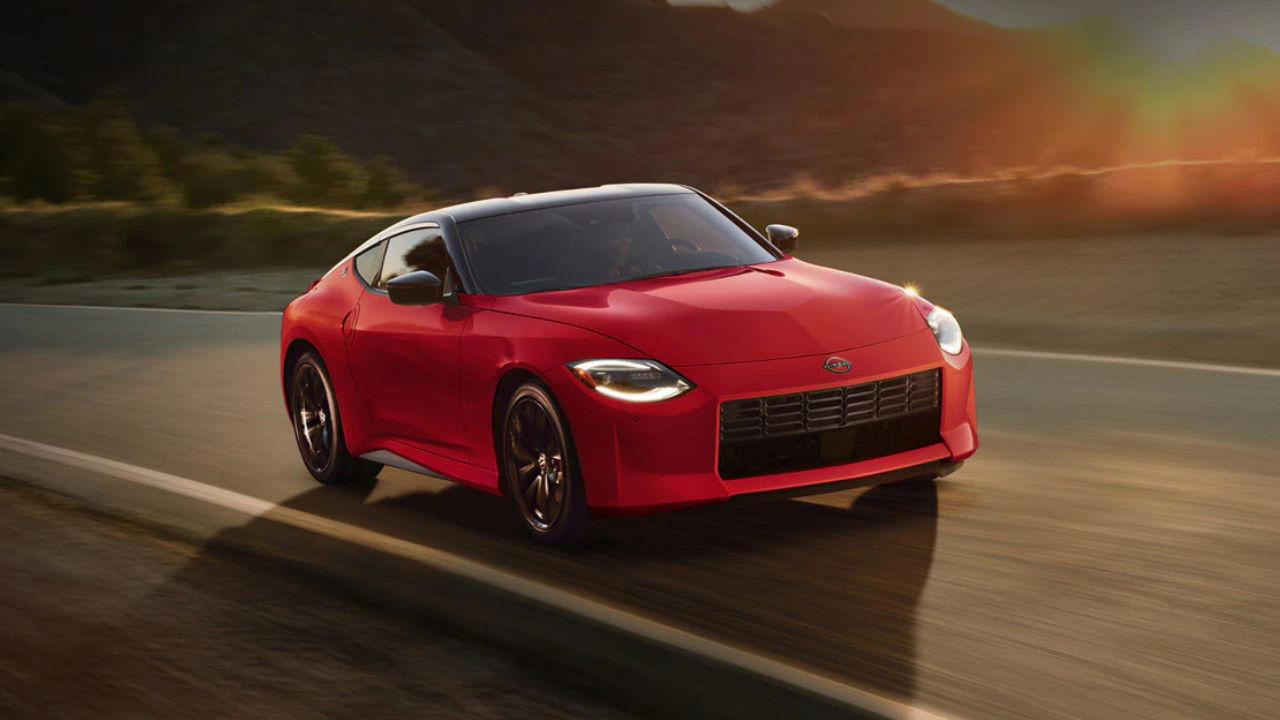
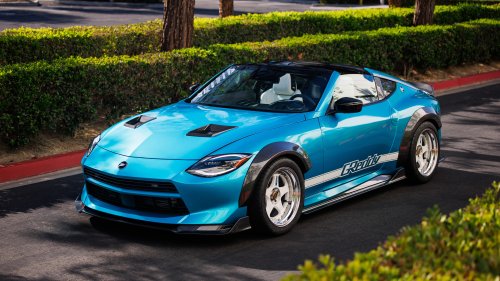
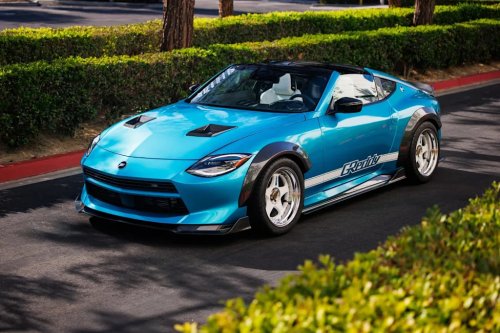
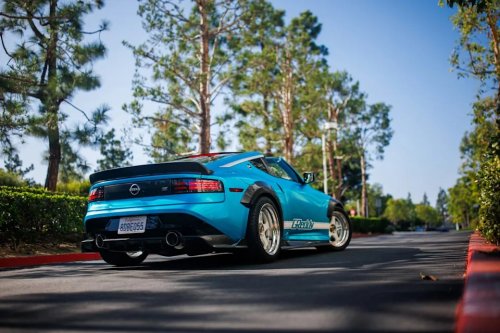
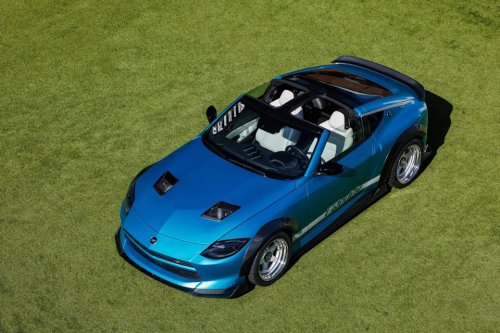
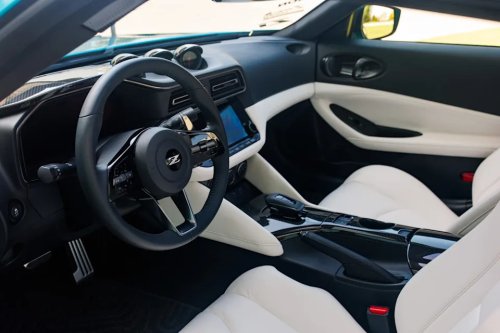
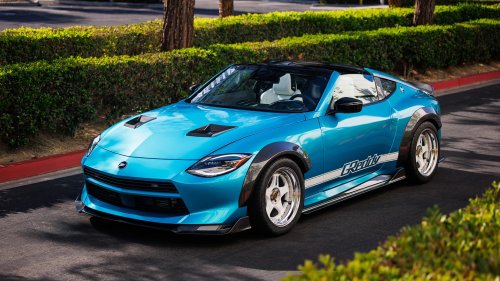
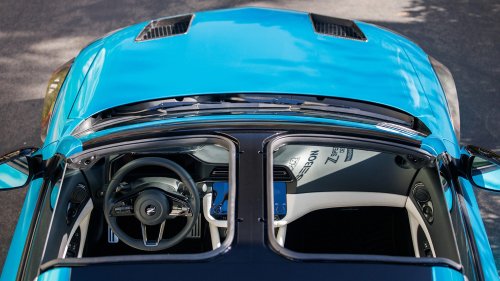
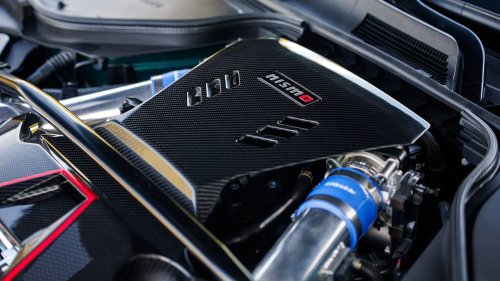
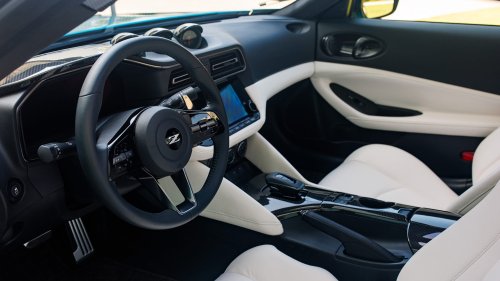
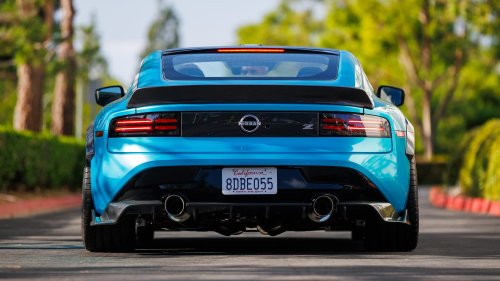
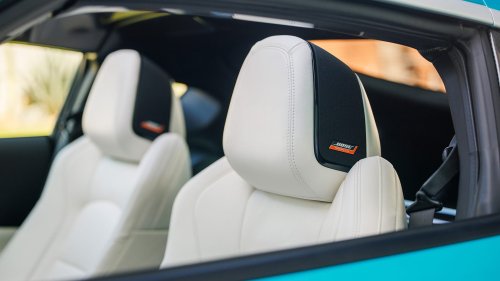
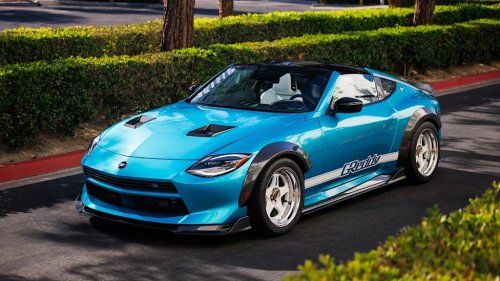
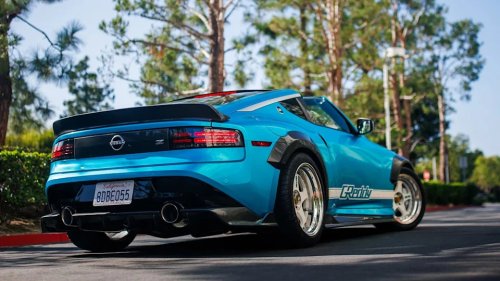
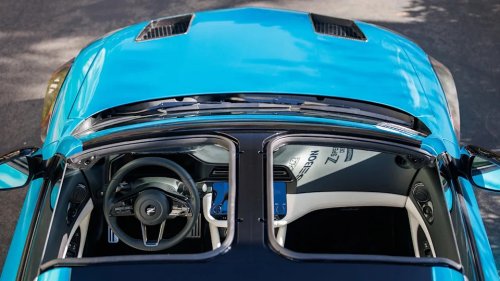
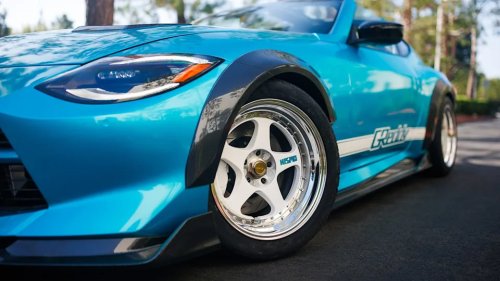
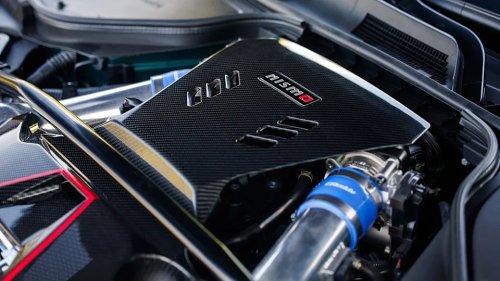
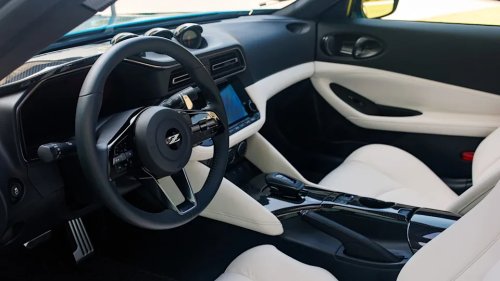
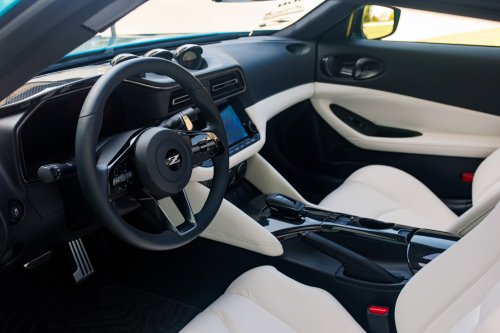
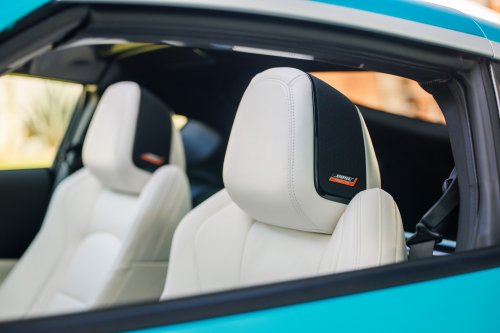
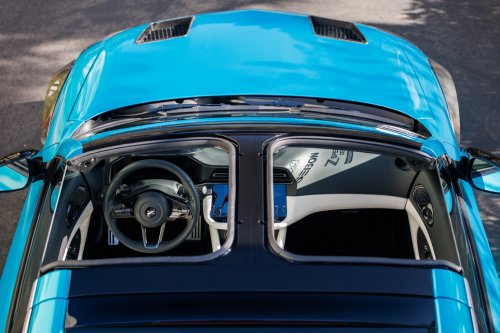
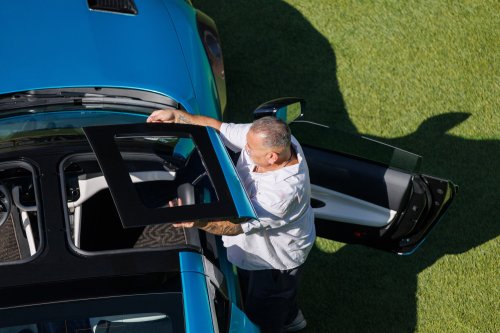
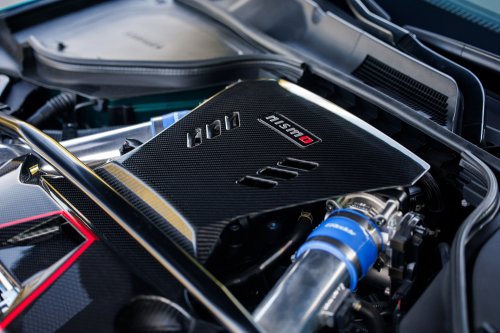
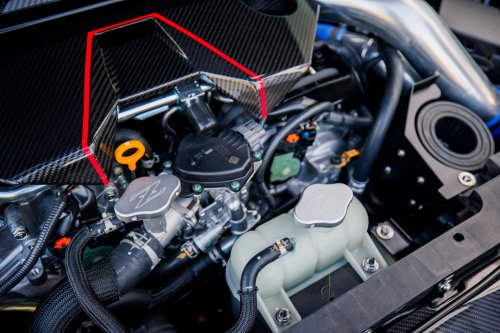
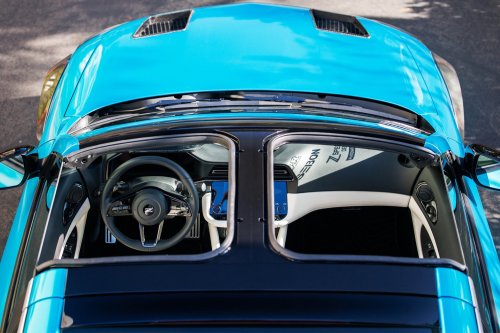
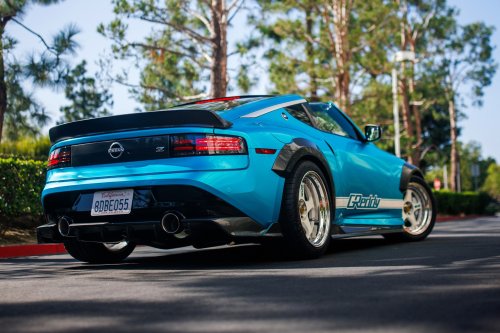
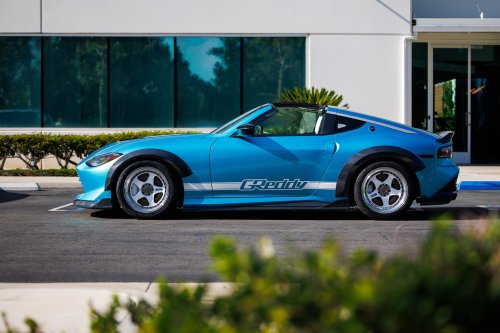
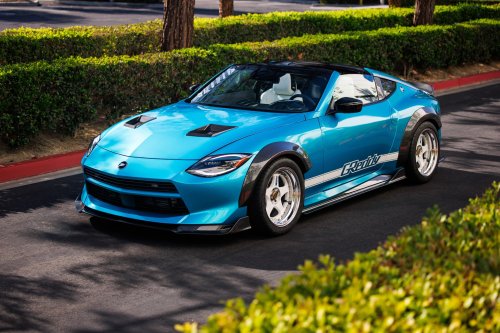
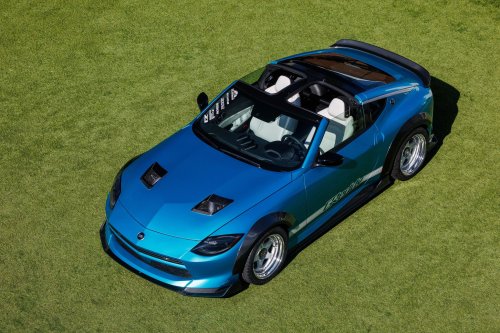
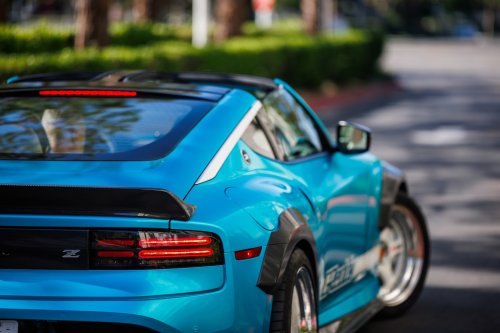
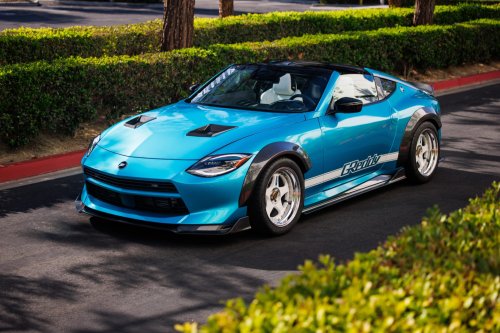
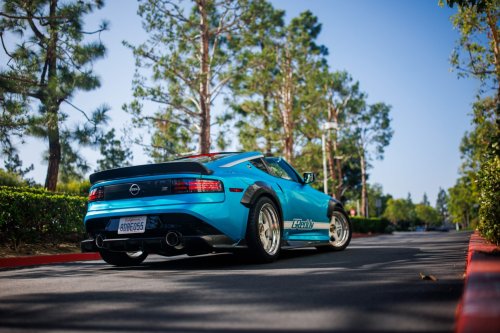
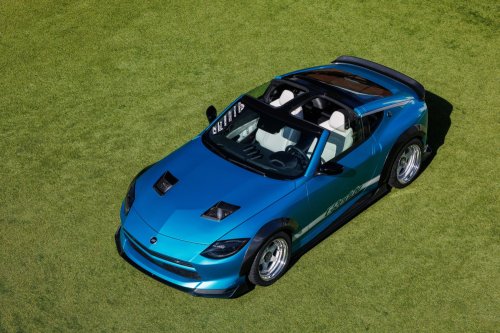
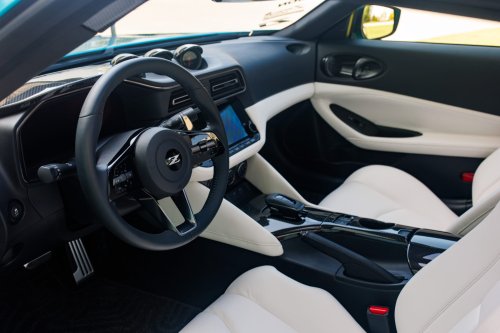
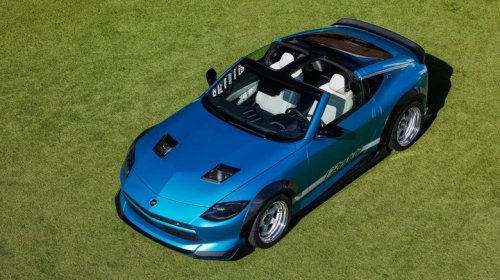
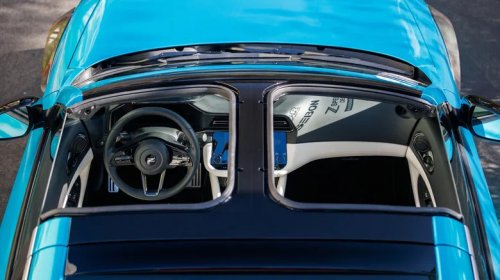
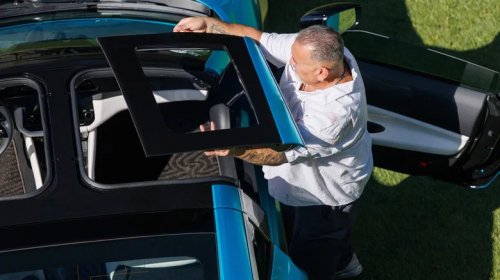
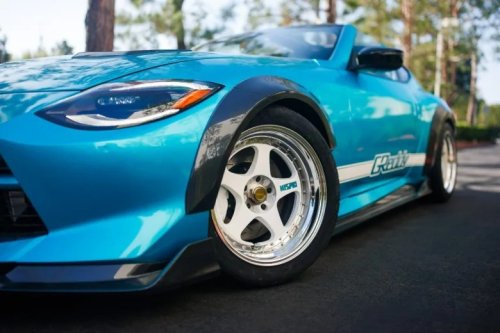
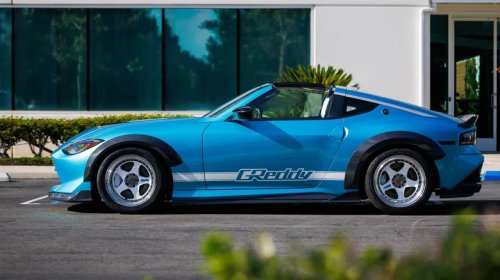
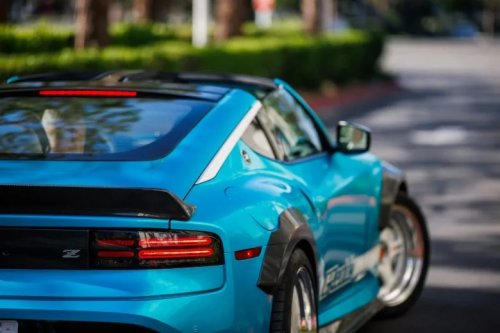
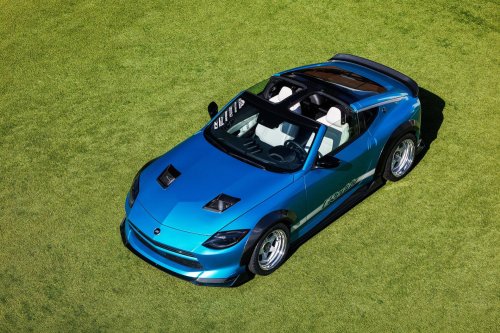
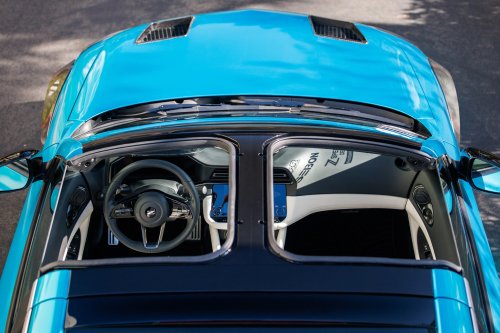
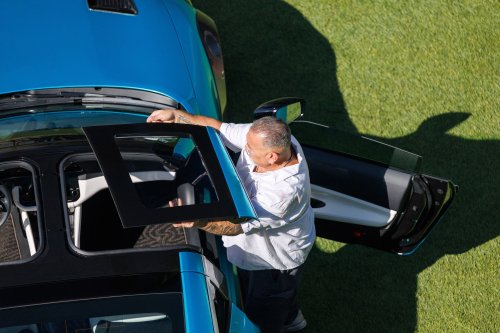
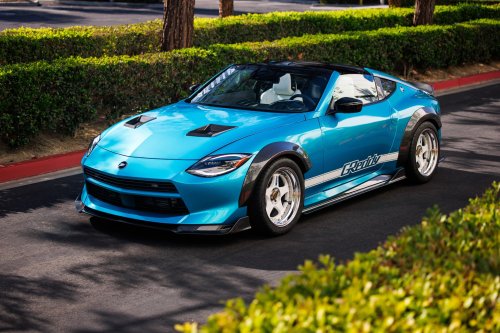
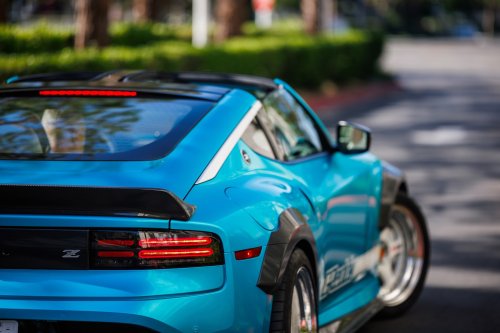
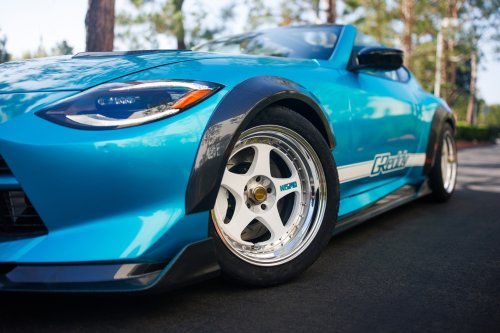
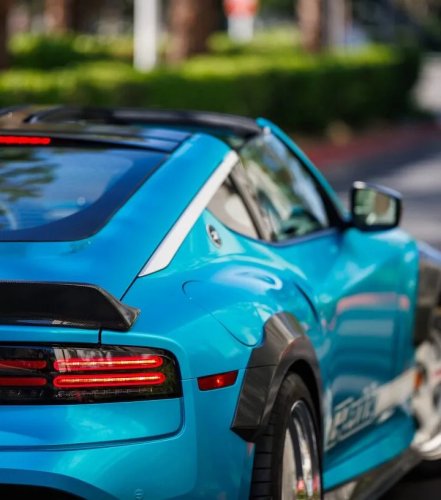
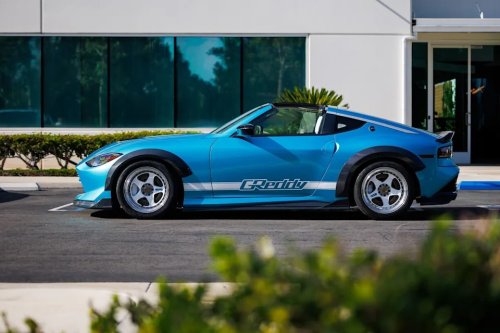
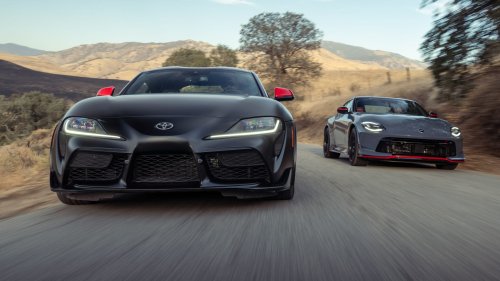
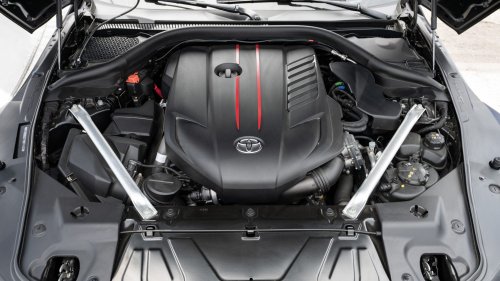
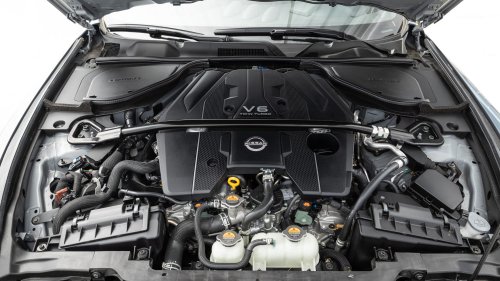
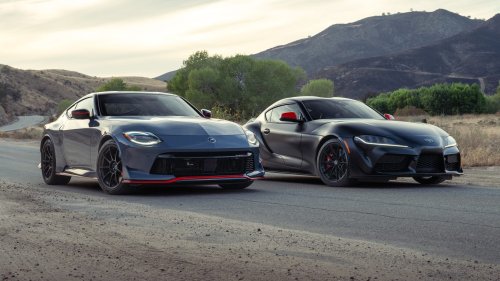
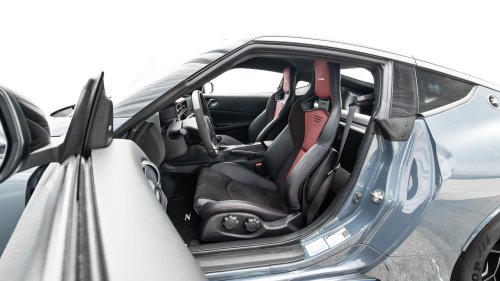
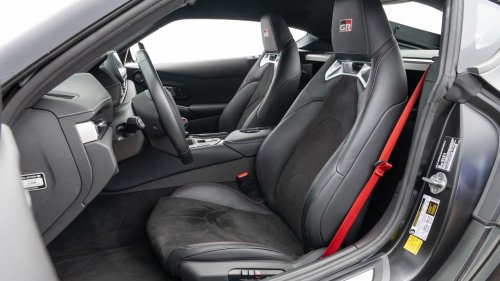
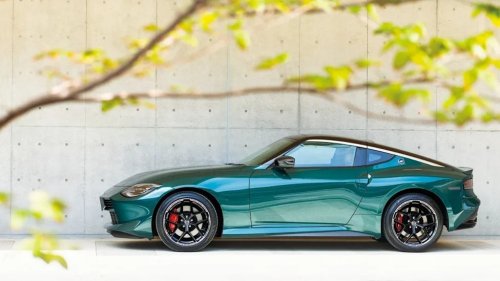
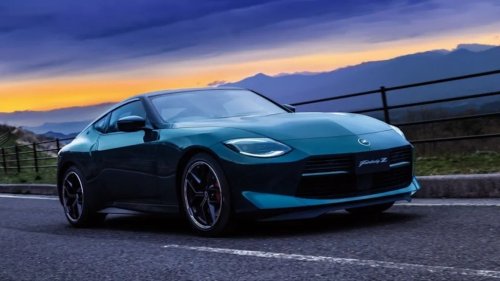
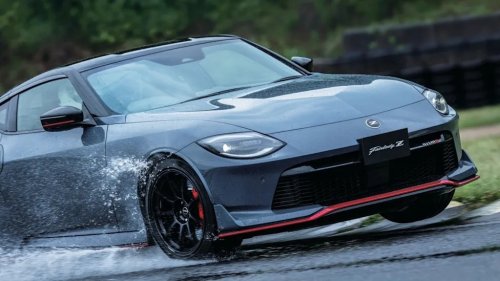
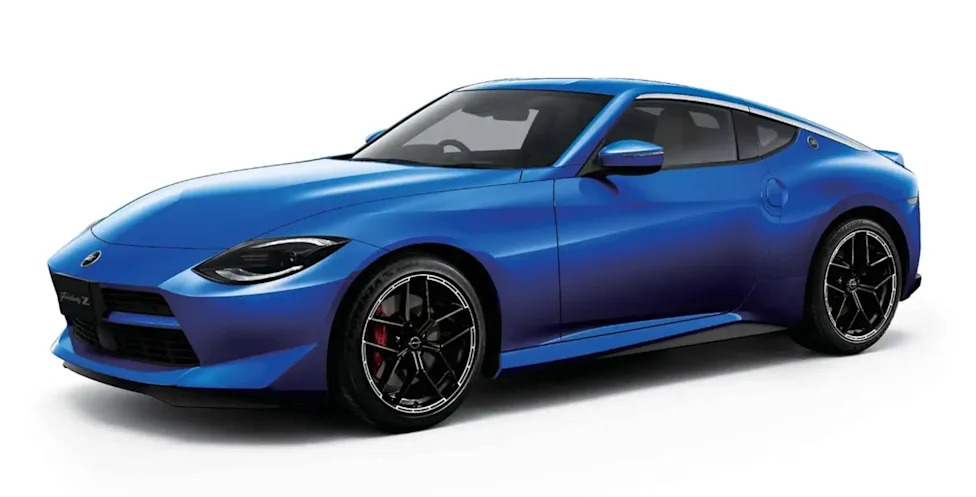
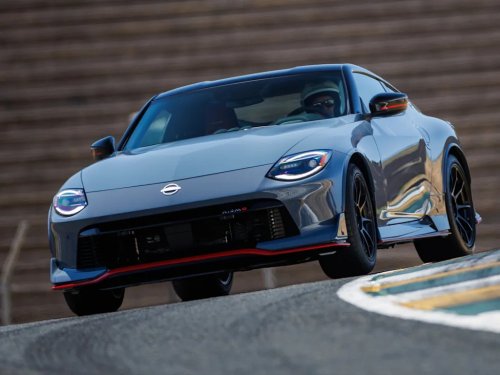
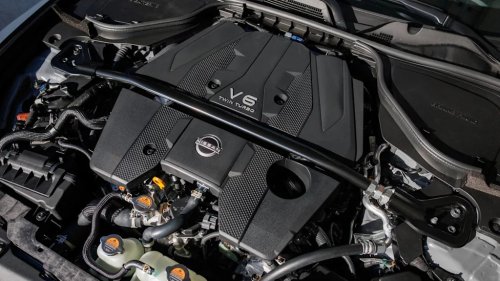
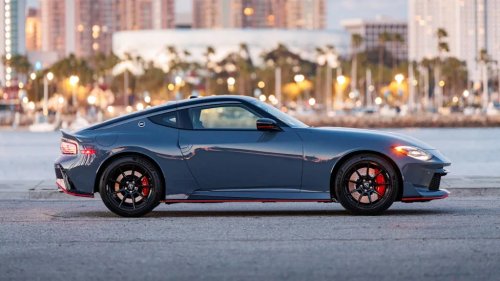
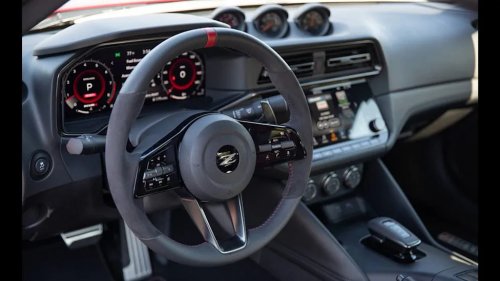
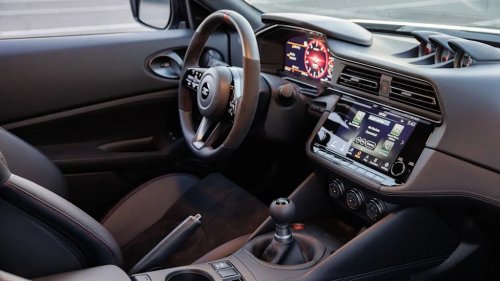
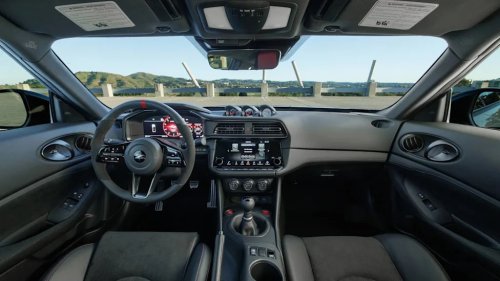
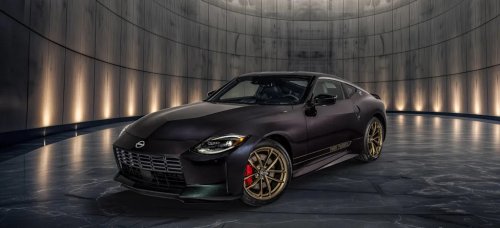
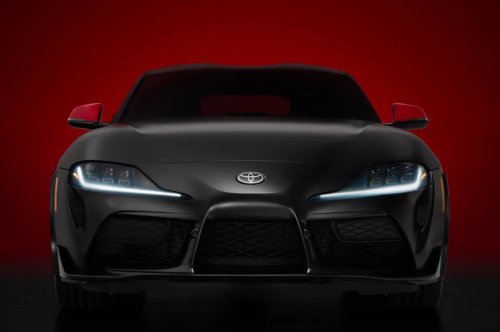
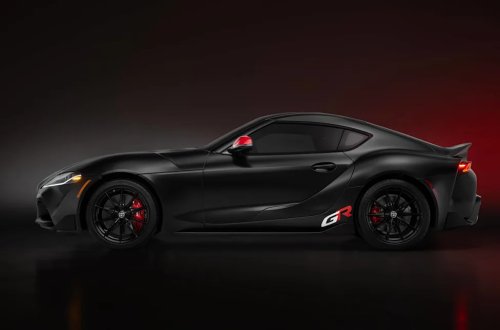
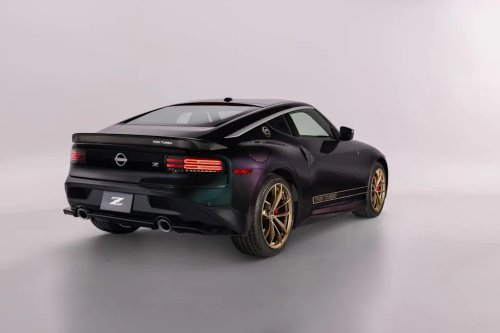
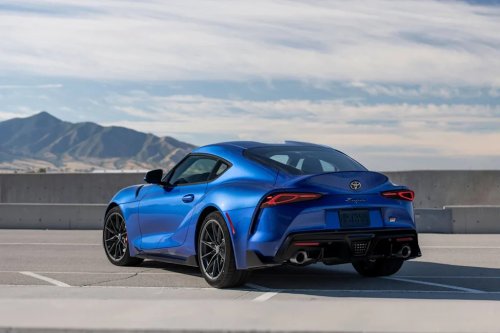
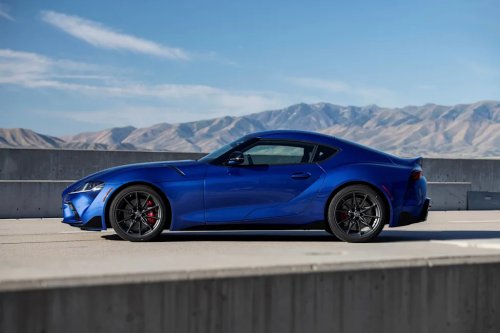
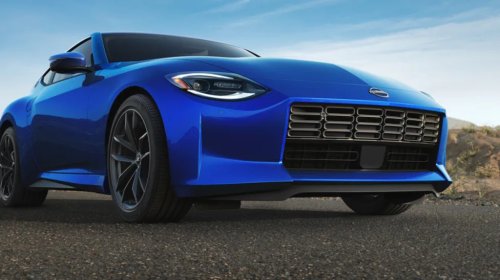
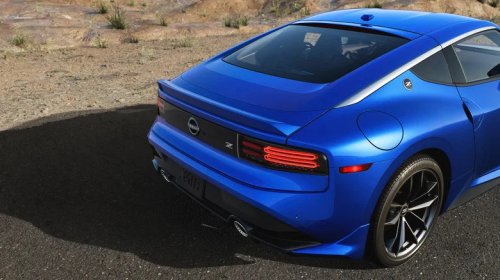
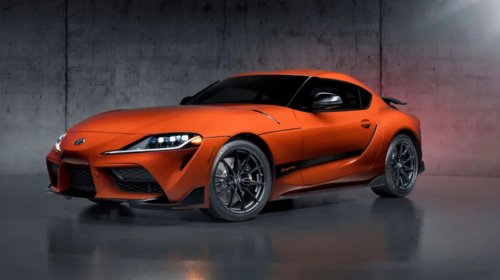
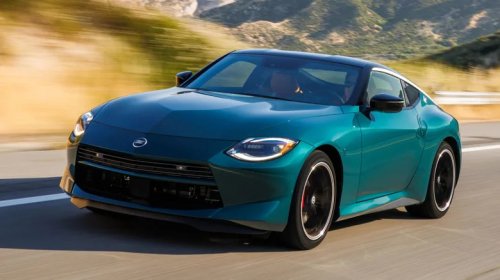
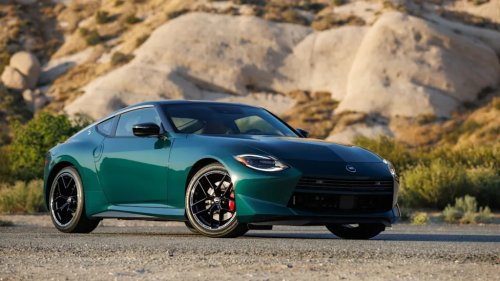
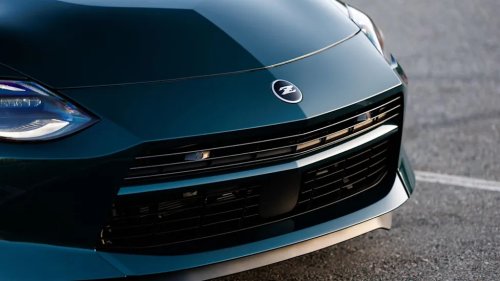
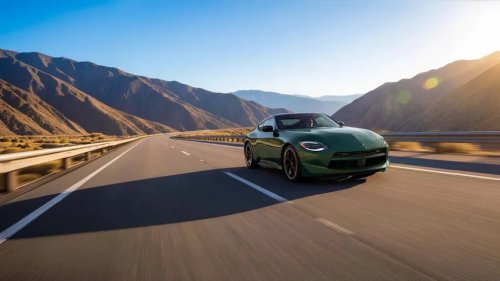
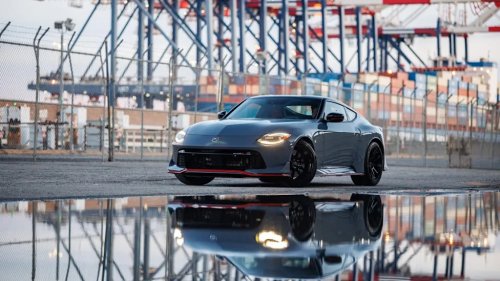
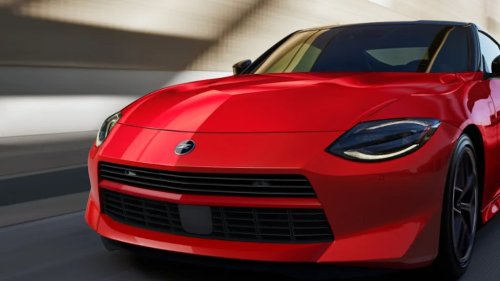
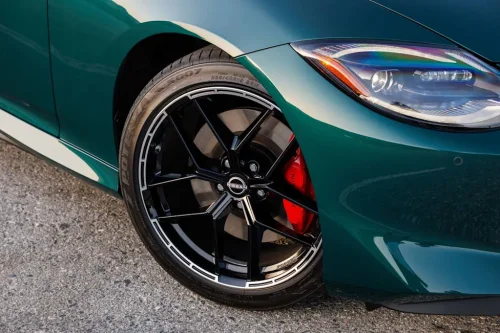
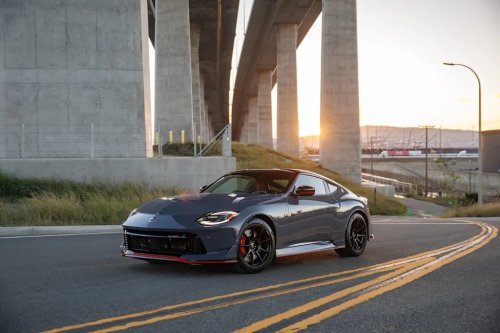
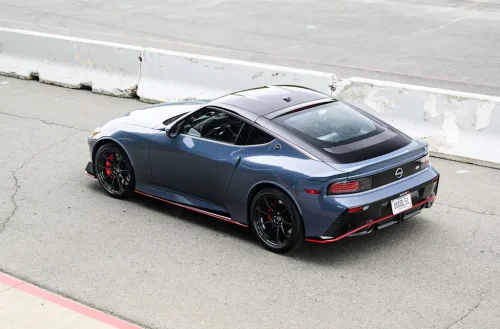
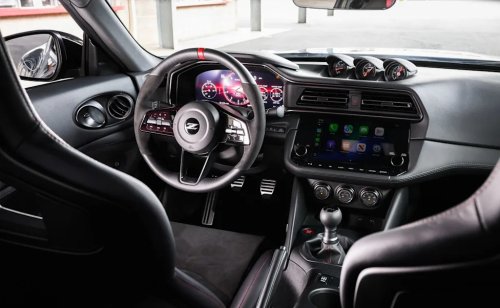
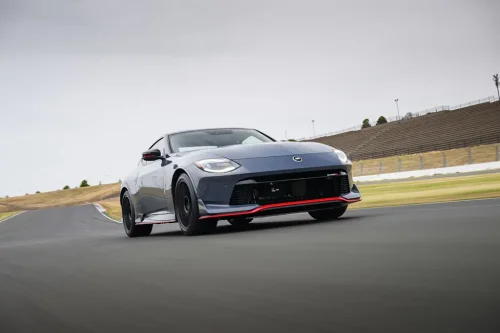
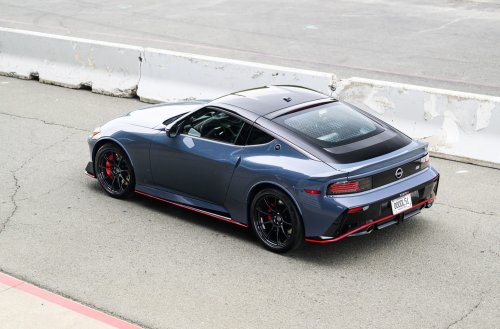
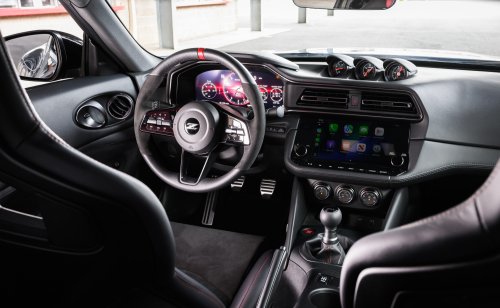
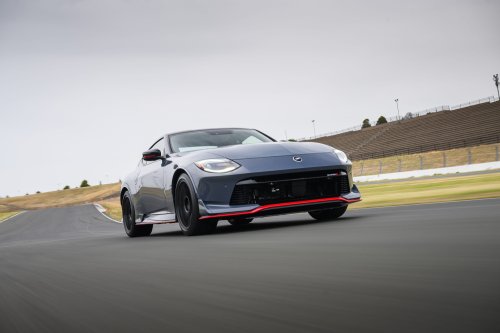
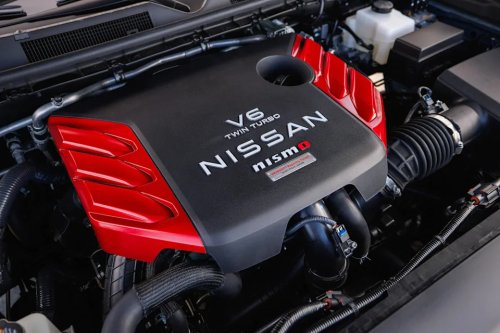
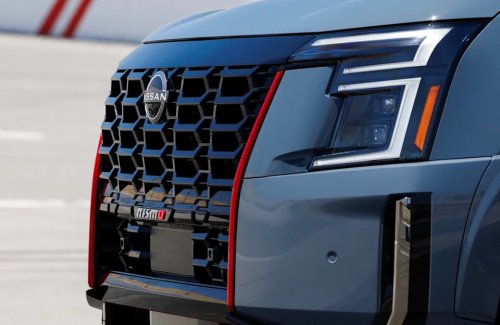
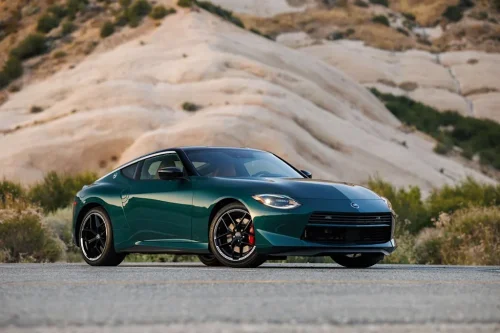
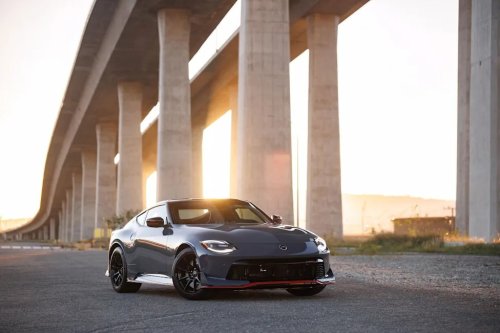
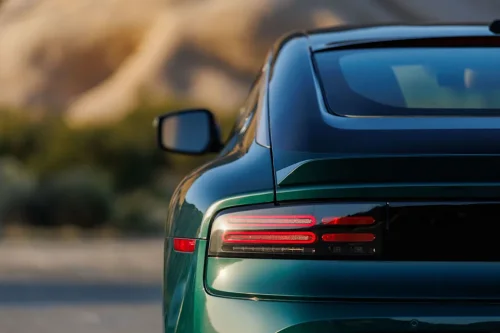
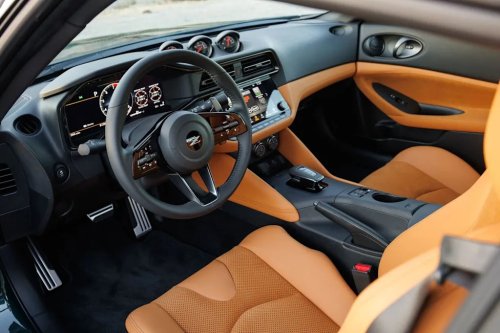
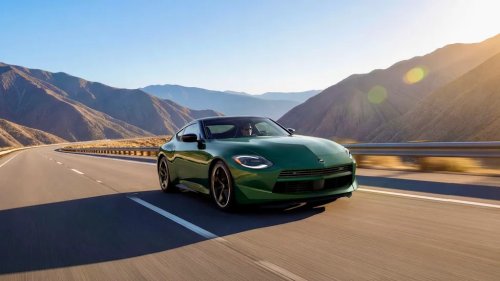
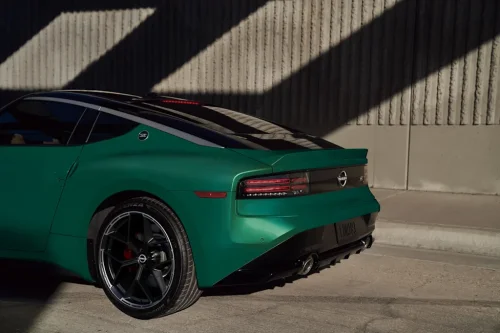
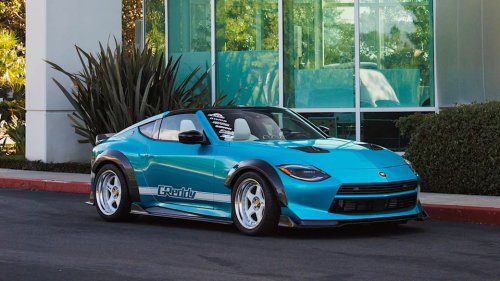
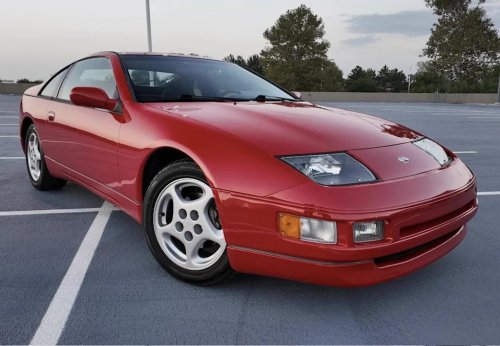
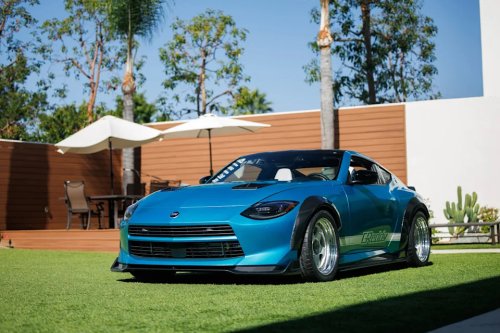
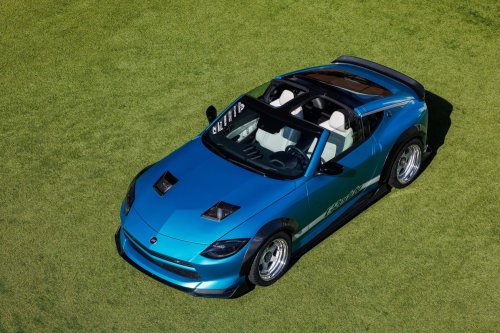
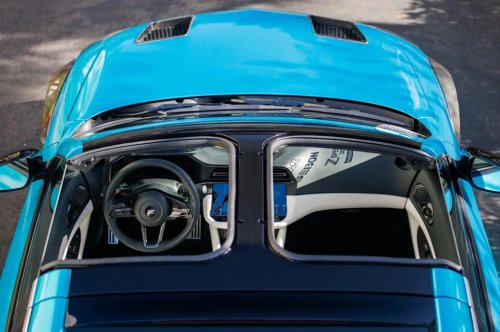
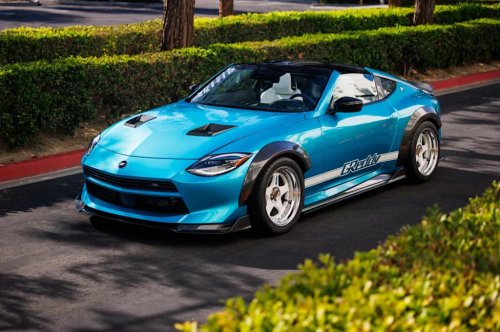
The new Nissan Z is trying to save the two-seat coupe and the pressure is buildingThe latest Nissan Z arrives as more than a nostalgic sports car. It is a rare new two-seat coupe in a market that has steadily turned away from low-slung, gas-powered toys and toward crossovers, trucks, and electric family cars. For Nissan, the car is a rolling statement that there is still room in the lineup, and on the balance sheet, for a focused driver’s machine. This Z is under pressure not only to satisfy loyal enthusiasts but also to justify the very idea of a traditional coupe inside a cautious global industry. Its success or failure will signal how much life remains in a segment that once defined Japanese performance. What happened Nissan has launched a new generation of its long-running Z sports car, a two-seat coupe that pairs a twin-turbocharged V6 with a six-speed manual gearbox and rear-wheel drive. The car sits on a heavily reworked version of the previous 370Z platform, but with extensive changes to bodywork, chassis tuning, and cabin technology that aim to bring the formula up to current expectations for performance and comfort. Reviewers who sampled the car in Japan describe a machine that feels significantly sharper and more mature than its predecessor, yet still recognizably a Z. On the outside, the car blends retro cues with modern surfacing. The long hood, short rear deck, and fastback roofline echo the original 240Z, while the squared-off grille and distinctive LED signature give it a more contemporary face. The proportions remain resolutely coupe: two doors, two seats, and a compact footprint that prioritizes agility over outright practicality. Inside, the driver faces a digital instrument cluster, new infotainment system, and a more supportive seating position, all wrapped in a cabin that mixes analog switchgear with cleaner, more modern design. Under the hood, the twin-turbo V6 delivers strong mid-range torque and a claimed power output that pushes the car firmly into modern sports-car territory. Nissan offers both the six-speed manual and an automatic transmission, but early coverage has focused on the manual as the truest expression of the car’s mission. Chassis revisions include stiffer body structures, updated suspension components, and recalibrated steering that aim to cure the 370Z’s reputation for feeling heavy and slightly vague at the limit. On tight Japanese roads, testers report that the new car feels more composed and eager to change direction, with better body control and improved ride quality. Crucially, Nissan has kept the Z as a relatively attainable sports car rather than chasing supercar pricing. The company positions it against rivals such as the Toyota GR Supra and the Ford Mustang, betting that there is still a customer base willing to trade some practicality for a purer driving experience. Early impressions from Japan suggest that the car’s combination of performance, heritage styling, and updated cabin technology gives it a credible shot at that niche, with some reviewers arguing that the new Nissan Z feels like a return to form for the nameplate. Why it matters The arrival of this Z matters because the traditional two-seat coupe is under sustained pressure from several directions at once. Global regulations are tightening emissions rules, pushing automakers toward electrification and away from relatively low-volume performance models that are hard to justify on fleet-average carbon numbers. At the same time, consumer demand has shifted toward crossovers and SUVs, which offer higher seating positions, easier access, and more perceived value per dollar. In that environment, a rear-drive coupe with two seats and a thirsty turbocharged engine can look like a luxury that is easy to cut. Recent product decisions across the industry underline that trend. Several manufacturers have trimmed their coupe lineups or converted them into higher-riding “crossover coupes” that preserve the roofline but abandon the traditional sports-car stance. Even among performance brands, the focus has moved toward four-door models and electric flagships that can spread development costs across more customers. The Z, by contrast, is a focused, combustion-powered sports car that serves a relatively narrow audience, which makes its business case harder to defend inside a large, risk-averse company. For Nissan, the car also carries symbolic weight. The Z badge stretches back to the late 1960s and has been part of the company’s identity through cycles of boom and crisis. Keeping that lineage alive sends a signal that Nissan still values driving engagement and brand heritage, not only volume and electrification targets. The company has been rebuilding its image after years of internal turmoil and product gaps, and a well-received halo coupe can help restore credibility among enthusiasts who might otherwise drift toward rival brands. The car’s positioning also highlights a broader strategic question: how to bridge the gap between traditional sports cars and an electric future. Nissan was an early mover in mass-market EVs with the Leaf, and it continues to invest in battery technology and electrified crossovers. Yet it chose to keep the Z firmly combustion-powered rather than pivot to hybrid or electric assistance. That decision reflects both cost realities and a belief that the core audience still wants the sound, response, and mechanical feel of a gasoline engine paired with a manual gearbox. If that bet pays off, it suggests there is still room for carefully chosen enthusiast models even as the rest of the showroom goes electric. There is also a cultural dimension. Two-seat coupes like the Z, Supra, and Mazda MX-5 Miata helped define Japanese automotive identity for decades, especially in export markets where they became attainable aspirational objects. As those cars disappear, something more than just a body style is at risk. The new Z aims to keep that legacy alive for another generation of drivers who grew up on video games and streaming-era car culture but may never have owned a dedicated sports car. Its success would show that heritage and emotional appeal still carry weight in purchase decisions, even as buyers face rising costs, higher interest rates, and competing priorities. What to watch next The first key question is whether demand for the new Z can stay strong beyond the initial wave of enthusiasts and collectors. Early allocations are likely to sell quickly to brand loyalists, but the car’s long-term future depends on attracting a broader base of buyers who might otherwise consider a hot hatch, a performance crossover, or a rival coupe. Sales performance in core markets such as North America and Japan will reveal how deep that pool really is, especially once early excitement fades and incentives, interest rates, and insurance costs come into play. Regulation will be the second major pressure point. As emissions standards tighten further over the next product cycle, Nissan will have to decide how long a relatively high-output combustion coupe can survive without some form of electrification. That could mean mild-hybrid assistance to trim fleet-average emissions, a plug-in variant that pairs the V6 with electric torque, or a more radical shift to a fully electric successor. The company’s decisions on future updates, facelifts, and powertrain tweaks will show how committed it is to keeping a traditional Z in the lineup rather than replacing it with a high-performance EV crossover that trades heritage for compliance. Competition will also shape the Z’s trajectory. The Toyota GR Supra, BMW’s compact coupes, and the Ford Mustang all chase a similar buyer, but each takes a different approach to balancing heritage, performance, and modern tech. If rivals move more quickly toward electrification or introduce lighter, more efficient platforms, Nissan may face renewed pressure to upgrade the Z’s underpinnings or risk falling behind on refinement and efficiency. On the other hand, if those rivals retreat from the segment, the Z could find itself in a smaller but less crowded niche, with a clearer identity as one of the last traditional sports coupes standing. More From Fast Lane Only: Unboxing the WWII Jeep in a Crate 15 rare Chevys collectors are quietly buying 10 underrated V8s still worth hunting down Police notice this before you even roll window down The post The new Nissan Z is trying to save the two-seat coupe and the pressure is building appeared first on FAST LANE ONLY.