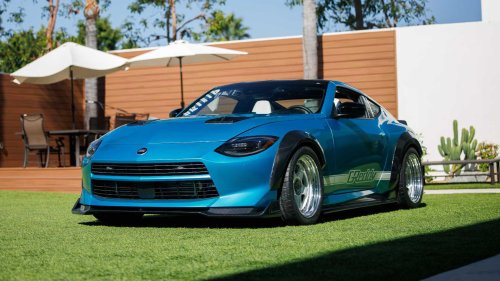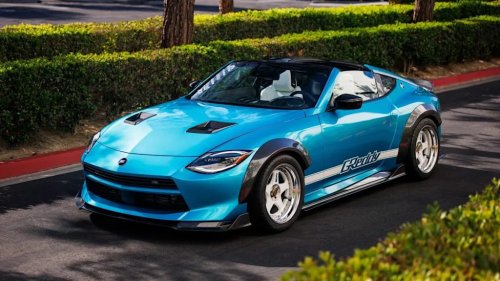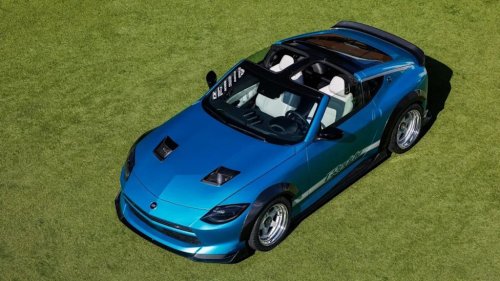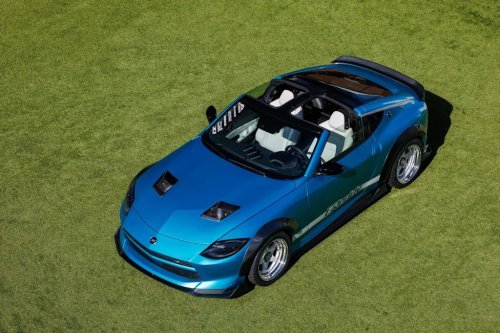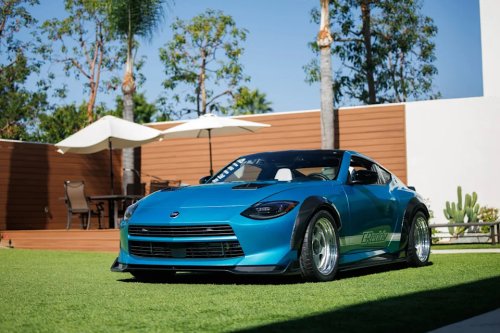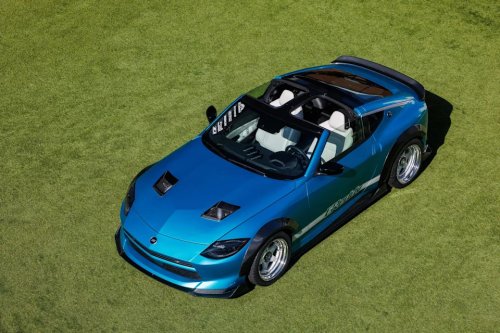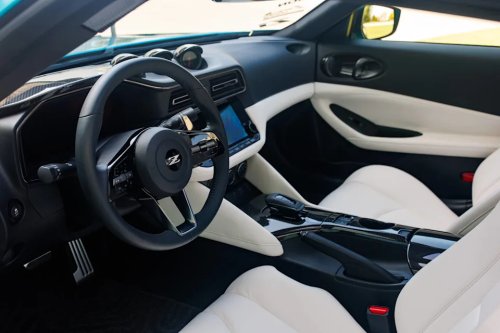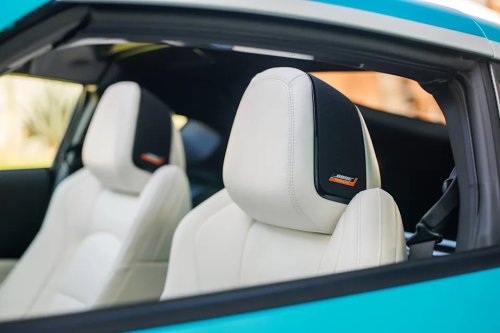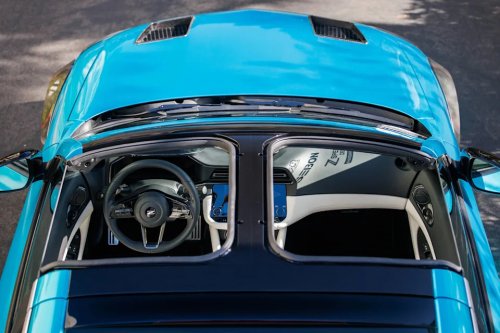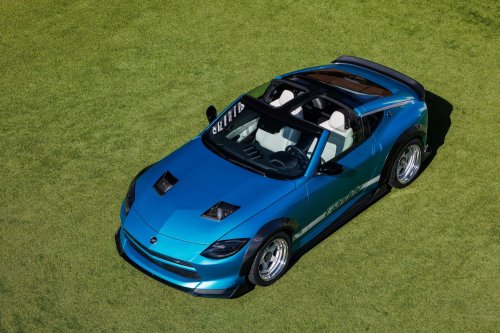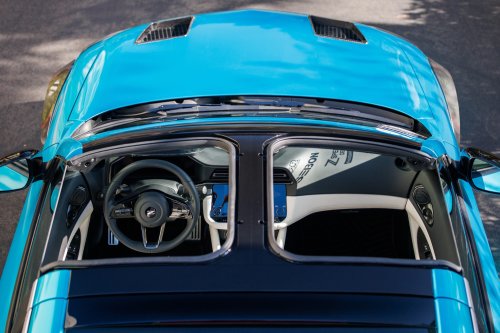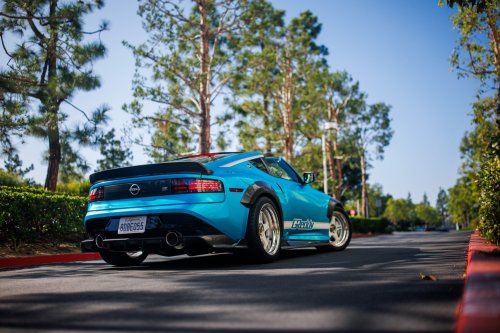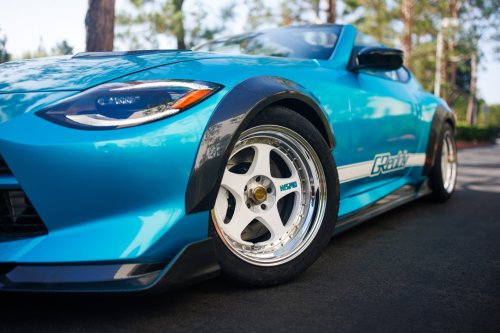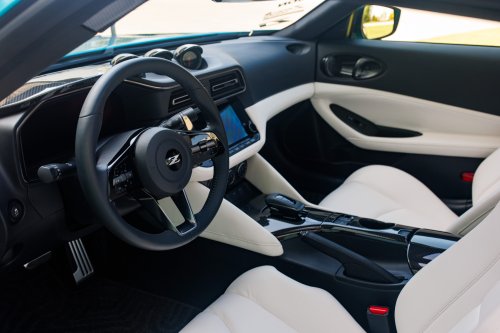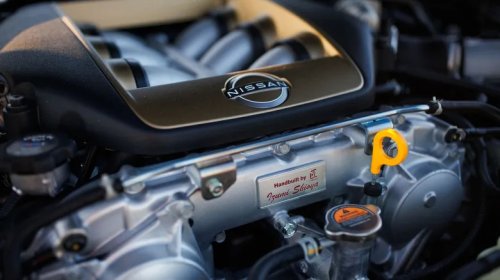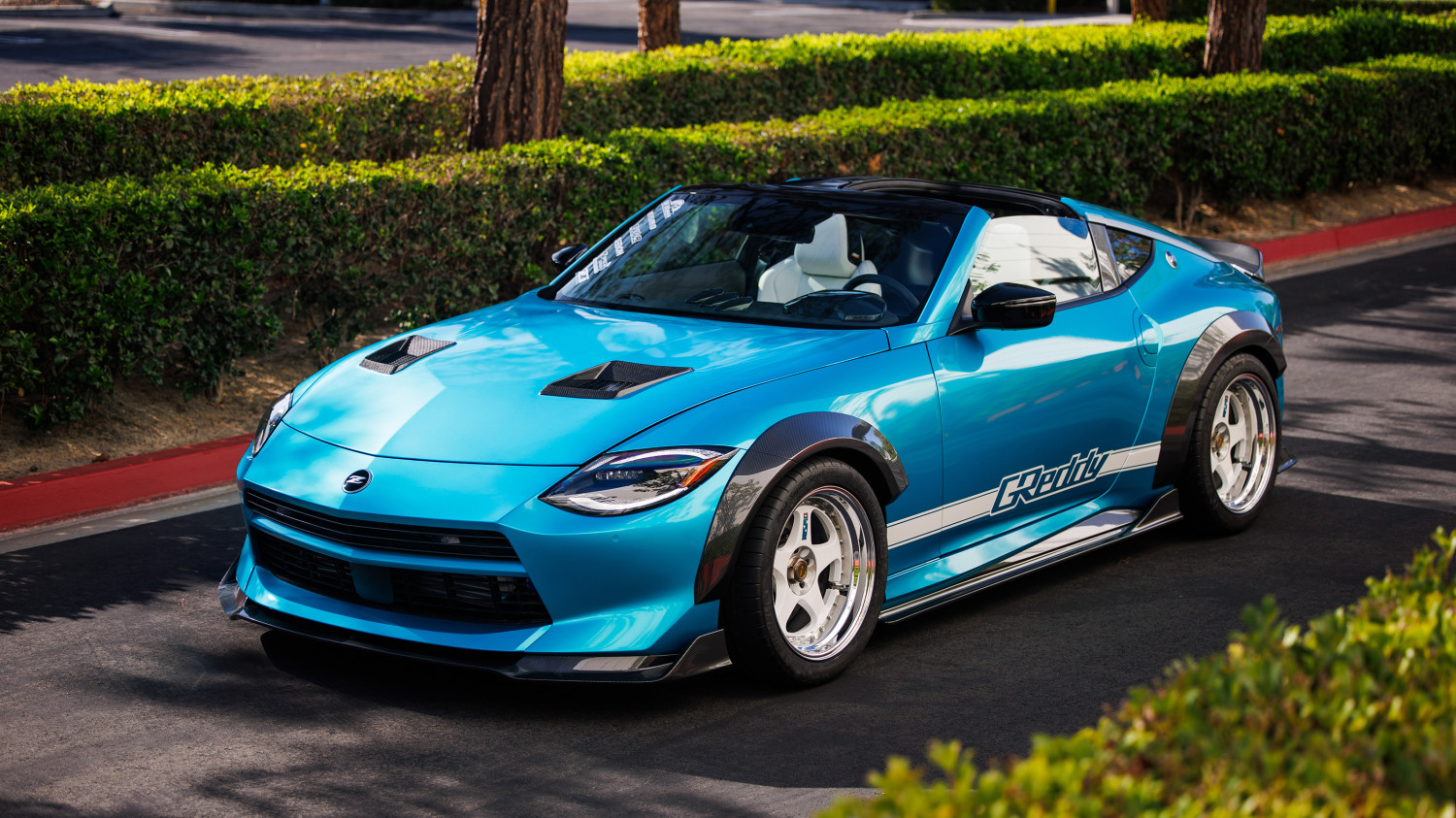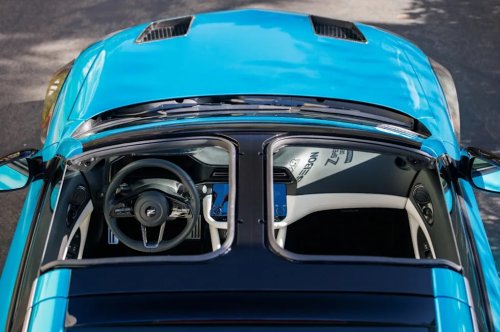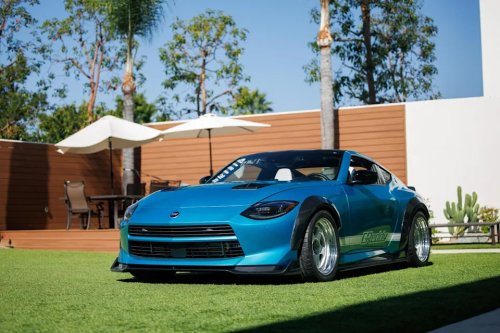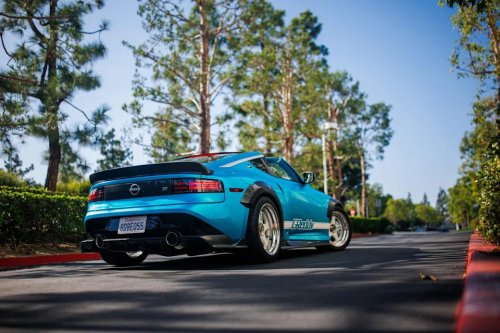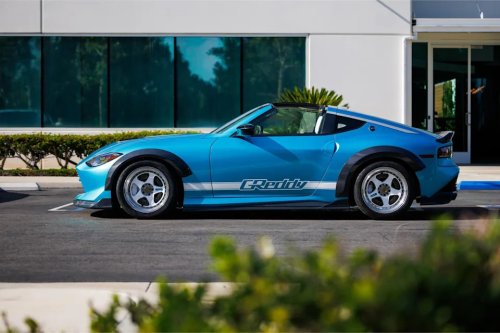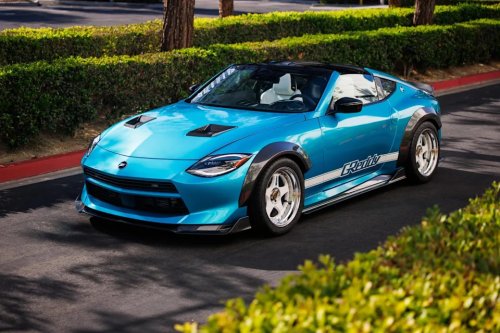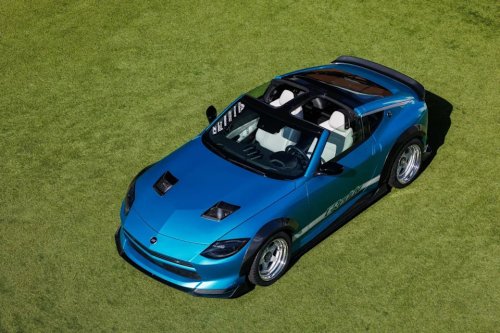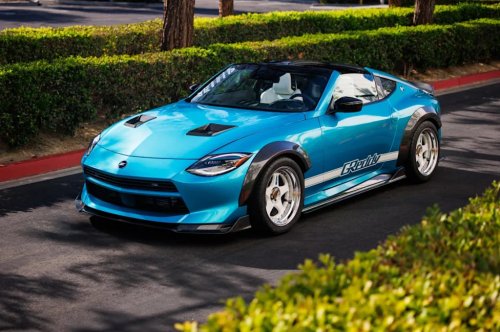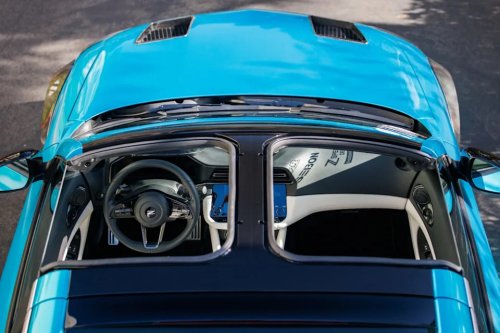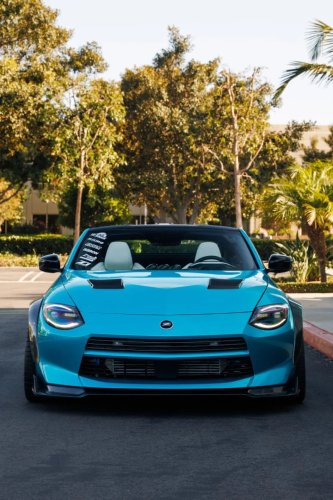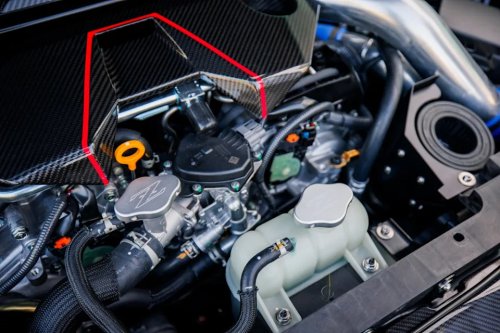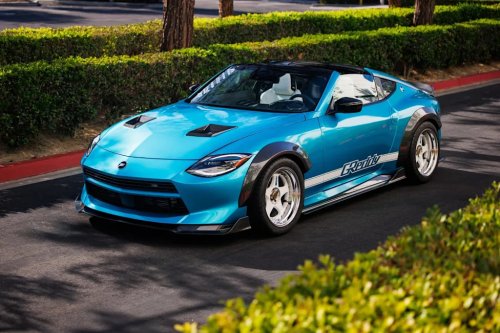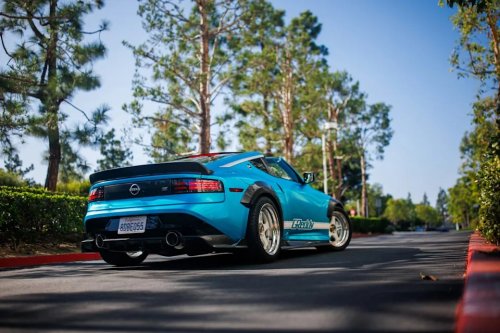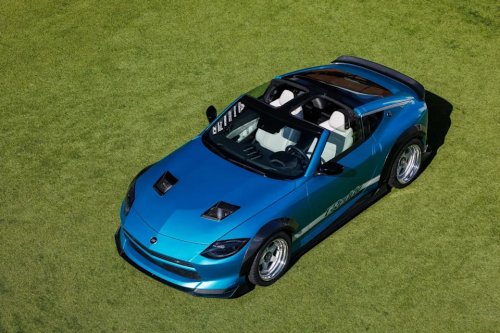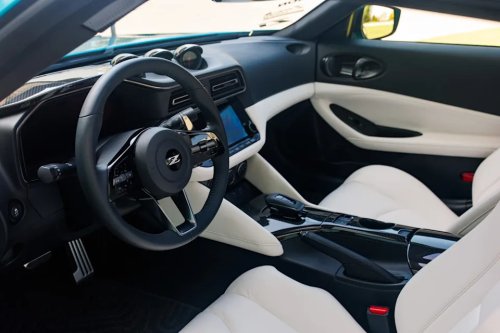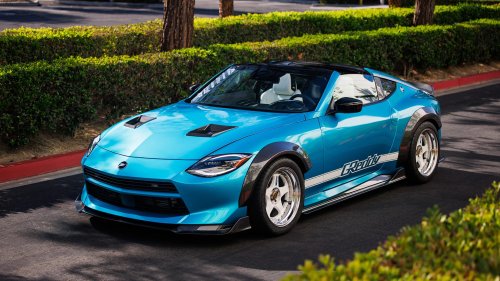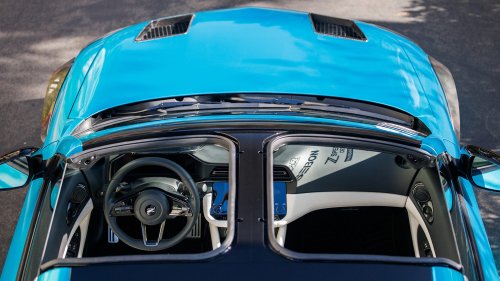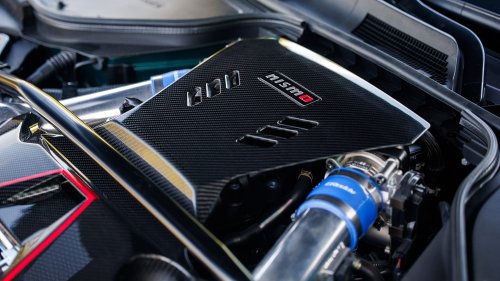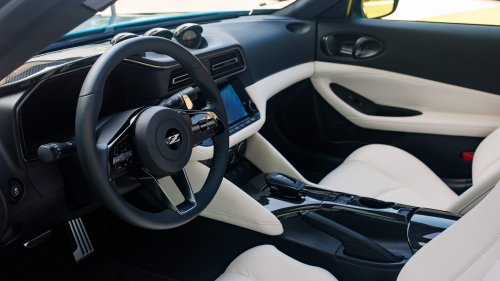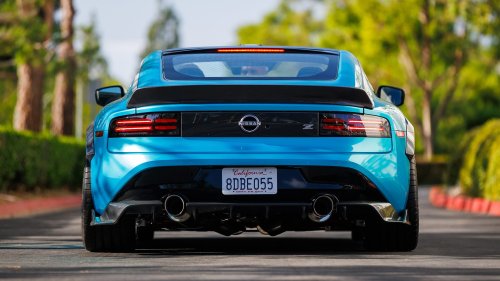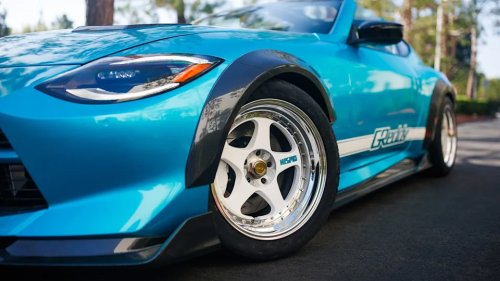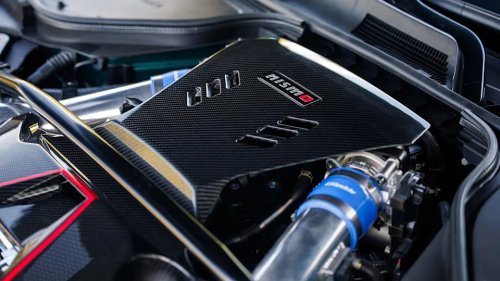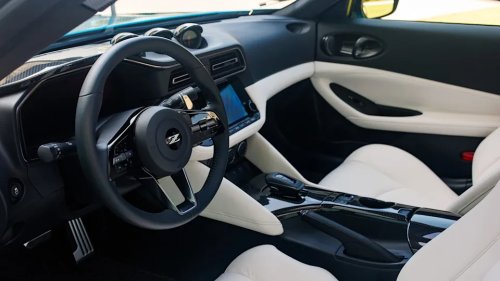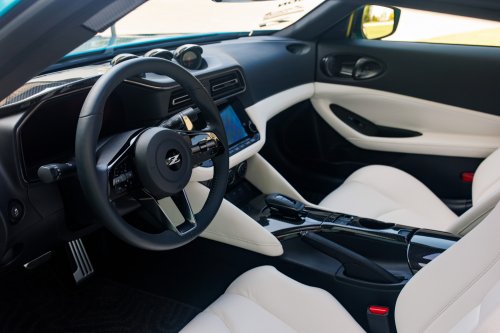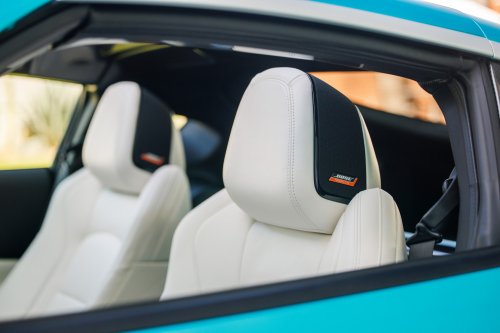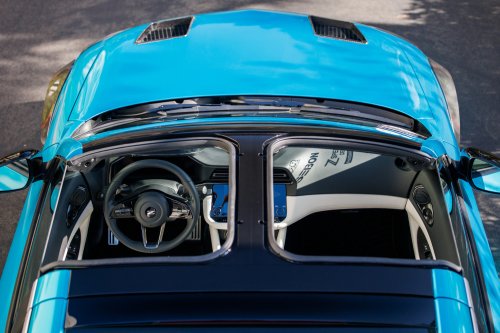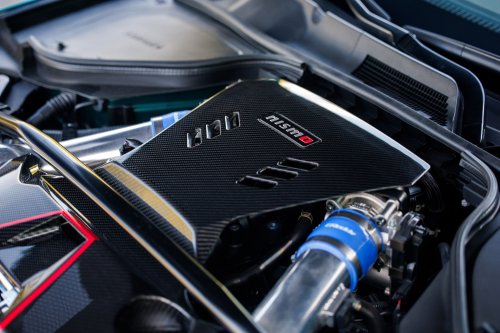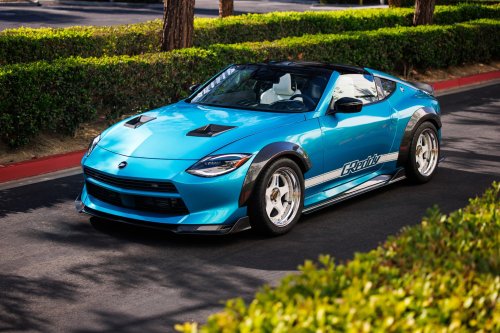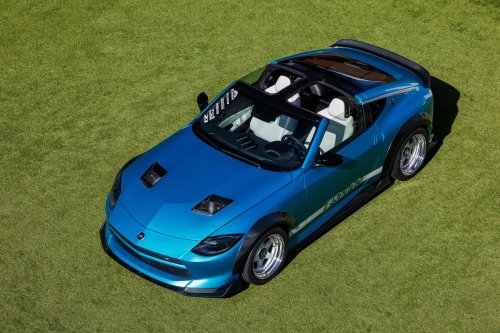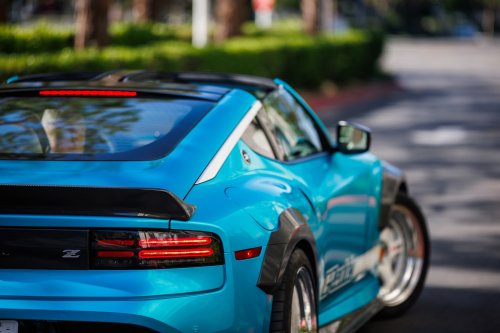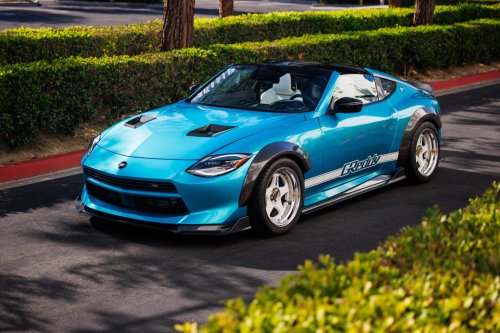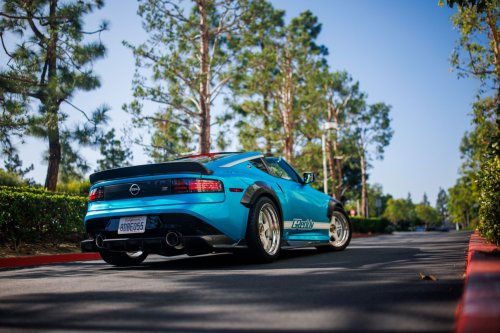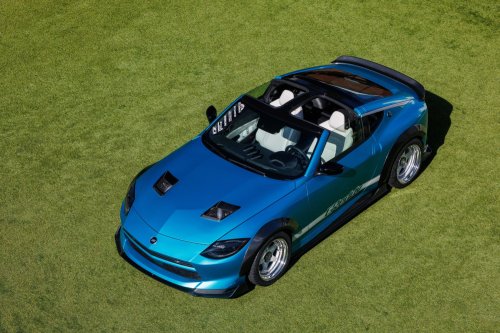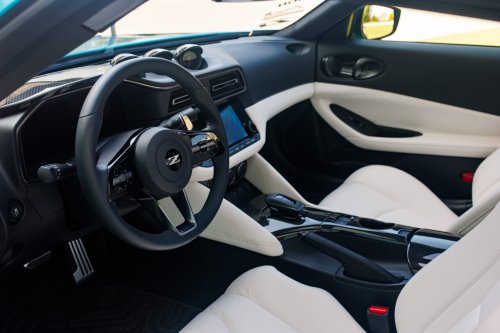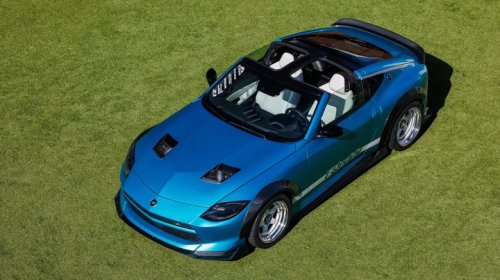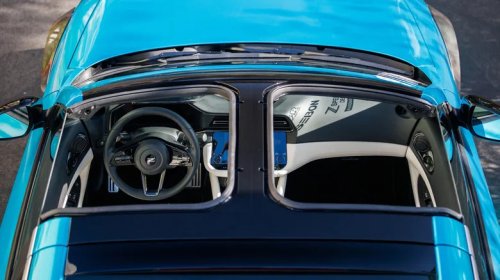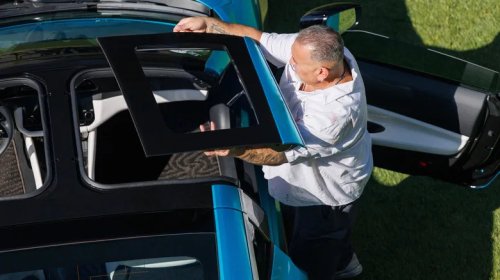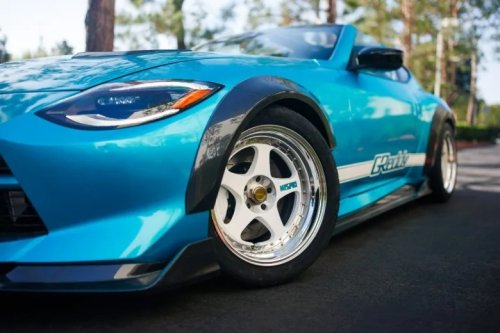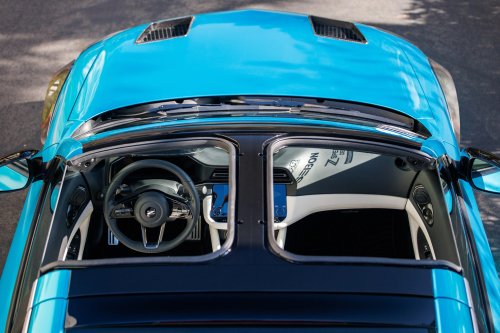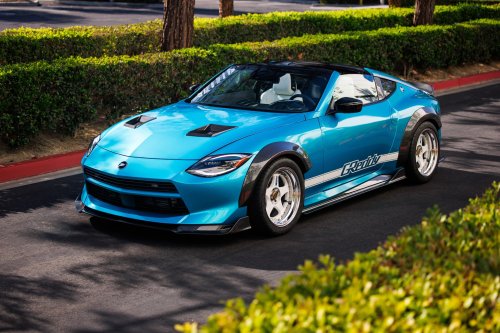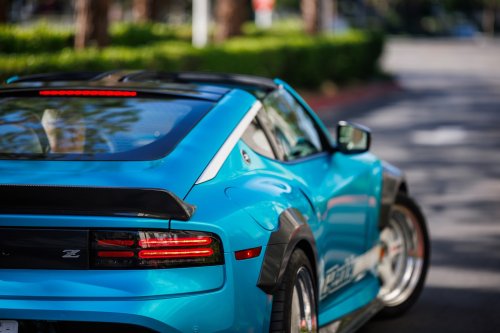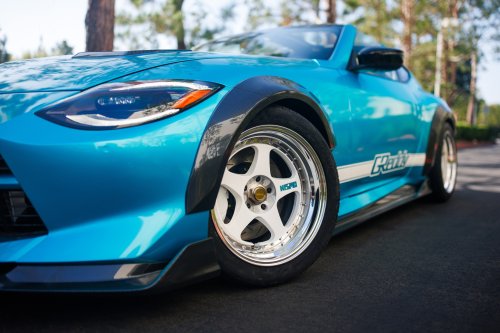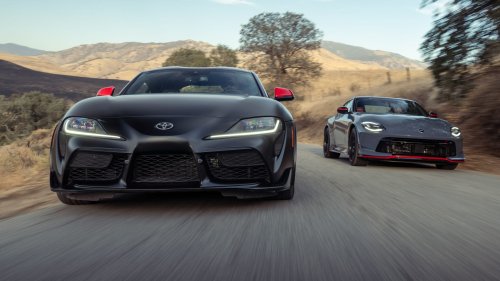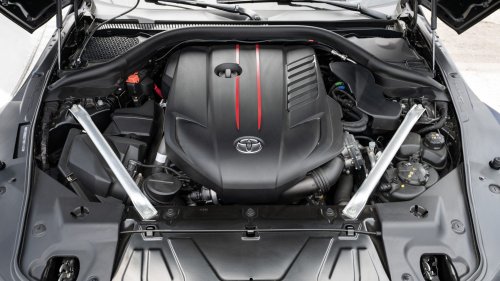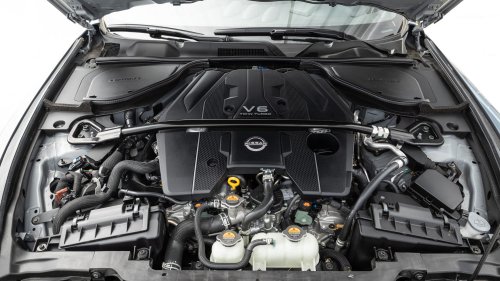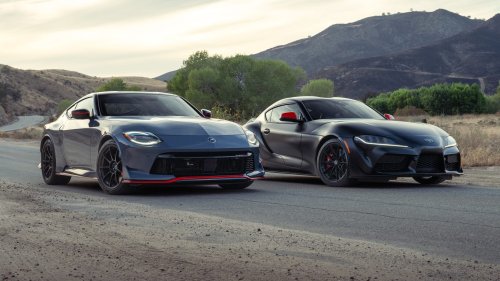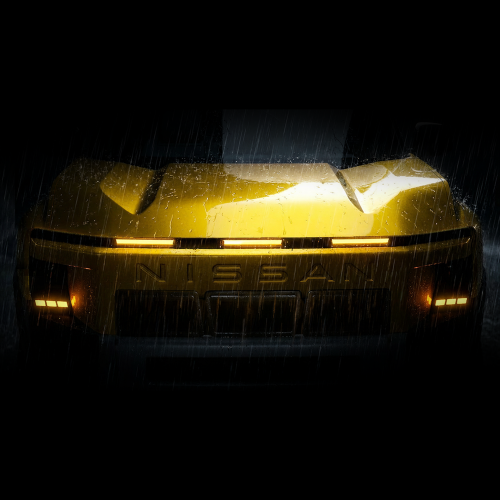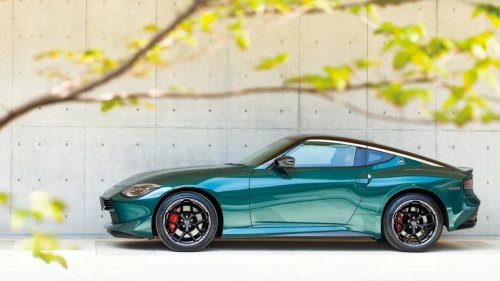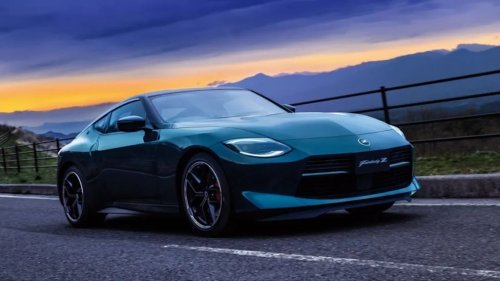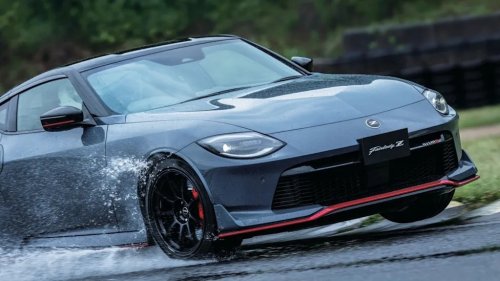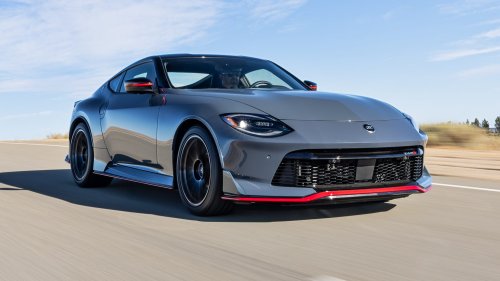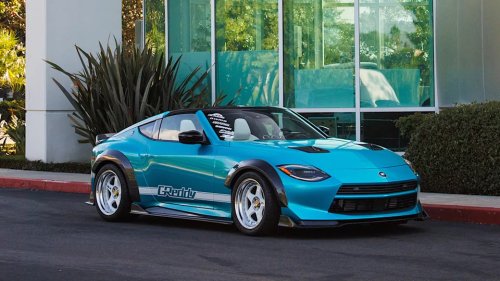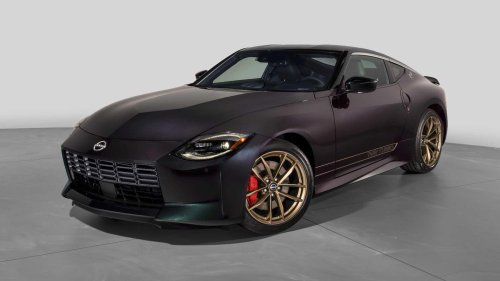
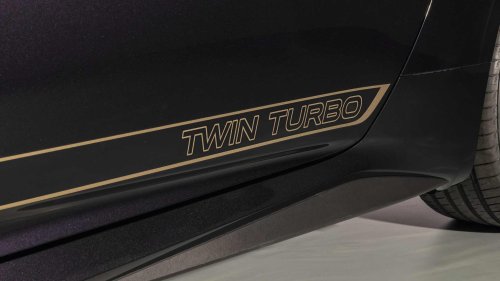
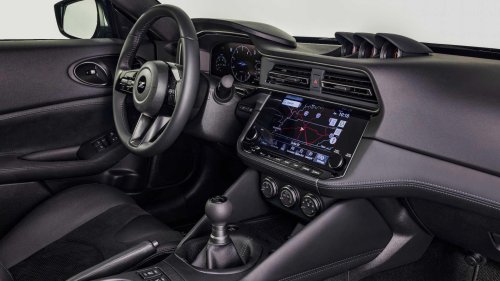
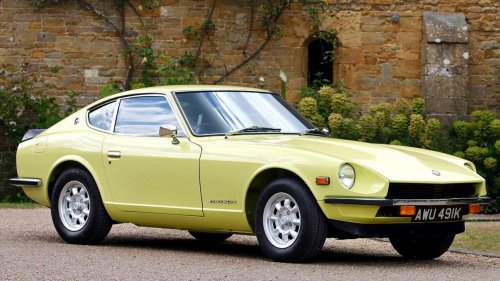
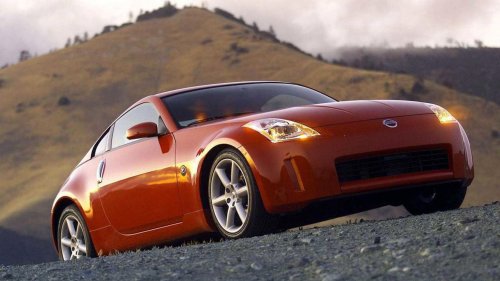
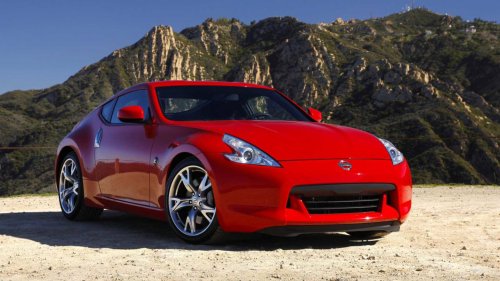
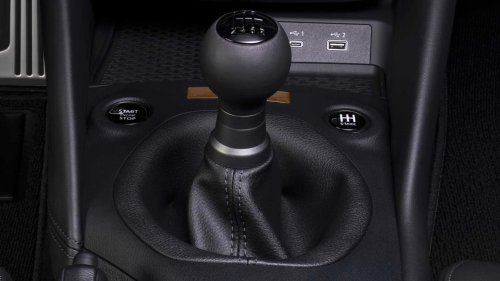



















When it comes to compact engines, the twin-turbo V6 has been one of the heroes of the segment. Until now, that is. In recent years, the V6 has been phased out by some automakers in favor of the inline-six engine, due to its smoother operation and higher power potential. We'll probably see the V6 in pickup trucks and SUVs for a while, but when it comes to sports cars, the V6 is largely dying, though it's not dead yet.One of the cars keeping the dream alive, along with maintaining the coveted manual transmission, is the Nissan Z. The latest iteration, simply called the Z, was introduced in 2023. Its blend of retro styling and futuristic flair is certainly captivating. Not to mention, its 3.0-liter, twin-turbo V6 heart is potent enough to give the Z some serious acceleration.Nissan recently unveiled the details of the 2026 Z, including an all-new model called the Heritage Edition, which makes this the perfect opportunity to take a closer look at the only sports car of its kind on sale in the USA.This feature focuses on traditional two-door sports cars. Sedans, such as the Cadillac CT4-V Blackwing, don't fit the criteria, and, therefore, are not mentioned. All Roads Lead to "Z" Nissan Nissan Z marks the seventh generation of the Z-car The current-gen Z drops the usual numeric nomenclature of the past. One of the first models to be part of the "Nissan Next" program Rubbing shoulders with popular Japanese sports cars like the Toyota Supra, the Nissan Z has earned its iconic status. Not a newcomer by any means, as the Z-car family has been around since the late 1960s, and the Z's recipe back then was much the same as it is today; a front-mounted six-cylinder engine, two doors, and a well-balanced chassis.Until the current generation, Nissan Z cars contained a three-digit numerical identifier in front of their respective alphabetical denominators. The three digits would typically denote the model's engine displacement. However, because the current Z contains a 3.0-liter engine, Nissan couldn't go back to using the "300Z" name again, so they opted to simplify it to just "Z," leaving some Z-car purists a bit miffed.The 2026 Z is available in three trims. The entry-level Sport retails for $42,970, while the Performance is exactly $10,000 more. The 2026 Heritage Edition mentioned earlier will be based on the Performance Grade, and will add $2,940 to the price. Oddly, the Nismo trim is only available with an automatic, though it has to be said that we prefer it that way. Having said that, a manual Nismo is in the pipeline. Styling Cues From The Past It's important to touch on the Z's styling, as it's not an ordinary look for a modern car. Extraordinary, would be a better word for it, as Nissan combined the essence of past Z cars into the new version with a futuristic twist. Its front end is dominated by a huge rectangular grille which takes elements from the original 240Z and the 350Z. Along its sides, you can see the sloped back-end that's been a characteristic of the Z-car since its introduction in 1969. It also uses 240Z-inspired headlights, while the rear features a black-bezeled taillight bar reminiscent of the 300ZX, and dual, brushed aluminum exhaust tips. The Z's Powertrain, Explained NissanAs previously mentioned, a Nissan Z car isn't complete without some sort of six-cylinder engine. In the current Z's case, its power comes courtesy of Nissan's VR30DDTT twin-turbocharged V6. Infiniti fans may spot the same engine that has been used in the discontinued Infiniti Q50. It also earned a place on Ward's 10 Best Engines list in 2017 and 2018. Like many Nissan six-cylinder engines, the VR30DDTT has proven itself.In addition to the Nissan Z's 3.0-liter V6 getting the usual modern accouterments like variable valve timing and direct injection, its turbos produce 14.7 pounds of boost to the car's 6,800 rpm redline with 400 horsepower on tap. Saving The Manual Nissan As for how the Z transfers that twin-turbo power to its drivetrain, Nissan gives buyers a choice of two options. First is a nine-speed automatic transmission taken from the Nissan Frontier mid-size pickup truck. Interestingly, this transmission is actually made by Mercedes-Benz, but is sold under license by Jatco and given the code name JR913E. Those who select this transmission option will be granted the use of launch control and paddle shifters.Option two is the coveted six-speed manual. Most enthusiasts that want an extra layer of connection with their car will opt for the manual transmission, which is arguably the best way to achieve that connection. The Z's manual uses an Exedy clutch and includes Hill Start and Automatic Brake Hold. The Z-car's Roots NissanThe Nissan Z's story began in 1969, when Nissan, then called Datsun in the US, realized they needed some sort of sports car to rouse the American market after poor sales of their Datsun Fairlady effort a decade prior. The 240Z offered an affordable, reliable, fun-to-drive sports car that outshined most everything in its class.NissanFollowing its successful launch, over the span of 31 years and four generations, Nissan sold their Z car with relative success, albeit with criticism as time went on due to the car's increasing size, weight, and what some would refer to as designers becoming lazier over time.NissanThe model range was discontinued in the U.S. between 1997 and 2022, before making a comeback with the 350Z for the 2023 model year in a supposed return to the Z car's roots in a modern way. After that, the 370Z was ushered in for the 2009 model year, which ran until 2020. Two years later, the Nissan Z was introduced as the seventh-generation model. Why Is The Manual Transmission Dying? Nissan Most known manuals are dying at an exceptionally-high rate of speed in the U.S., and at a slower rate around the developed world. As of just a few years ago, only 1.7 percent of new cars were sold with manuals, according to J.D. Power. While that's an increase from the 0.9 percent seen in 2021, it's still an extremely low number. One of the biggest factors is automatic transmission improvements. They offer improved quick shifting, are cheaper to make, and, in turn, are often more desirable for buyers. Back in the day, manuals were sold on base model cars, with automatics carrying an upcharge. Today, with some vehicles, it's the opposite.Another reason for the manual's demise is simply a lack of interest. Today, nearly two-thirds of American drivers know how to drive a stick, but referencing the previous 1.7 percent figure, it seems most manual-savvy owners opt for the convenience and the ease-of-use of an automatic or CVT transmission. Those both have their advantages, such as easier driving in traffic, but you can't replace the feel of slipping a manual into gear, or feathering the clutch just right, and the Nissan Z remains one of the few examples to keep that feeling alive.