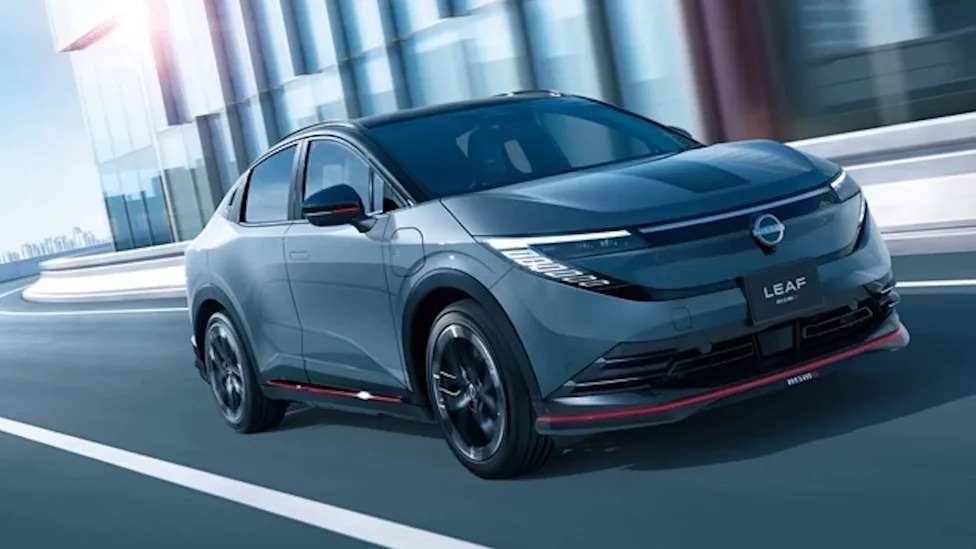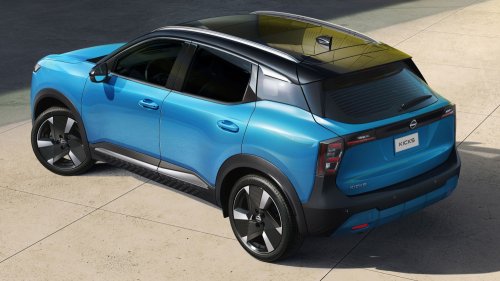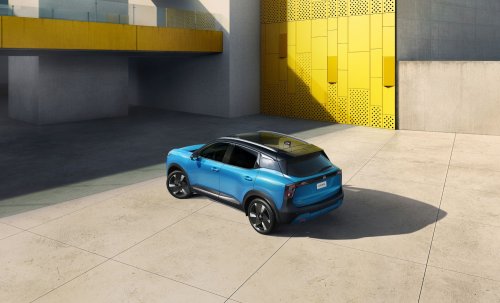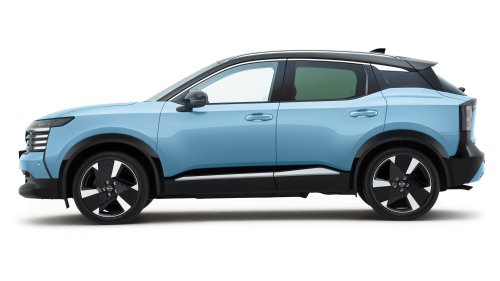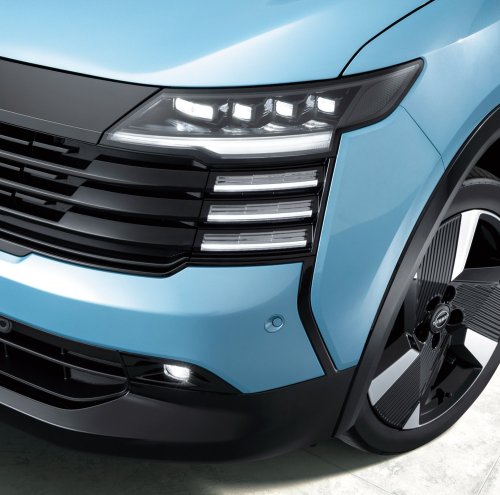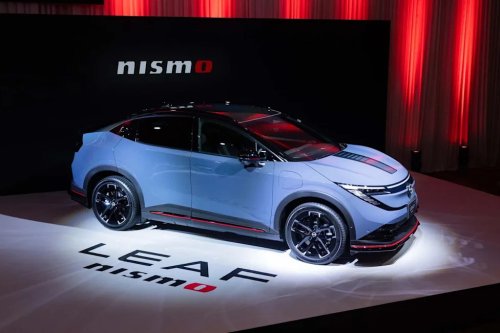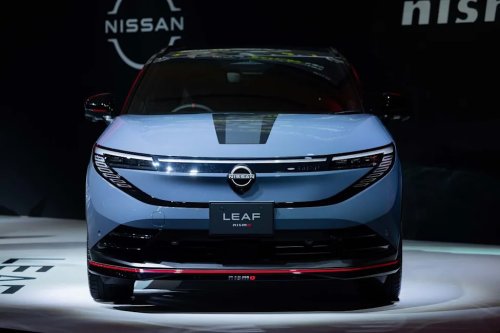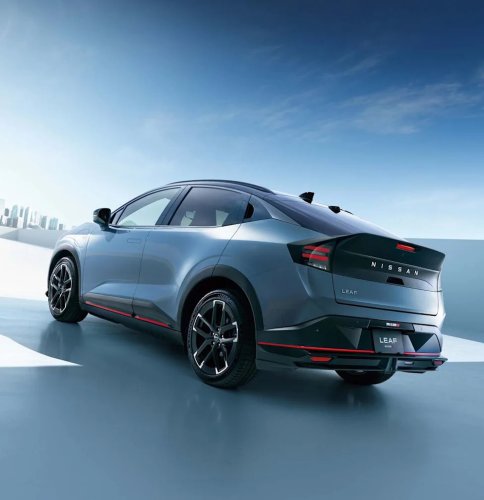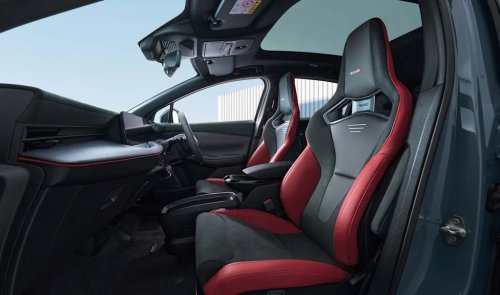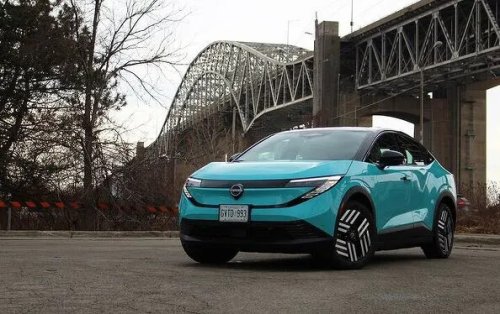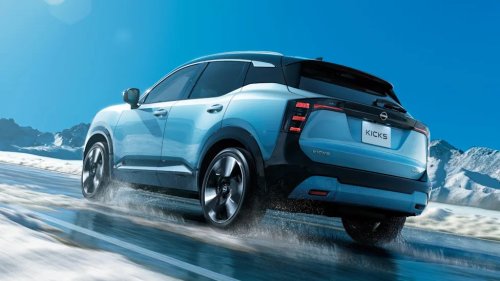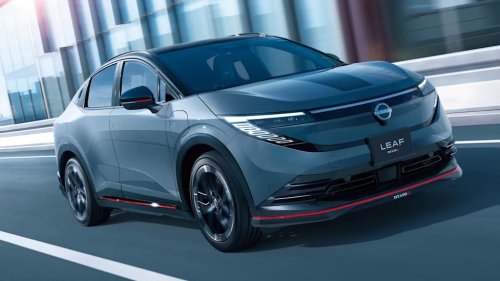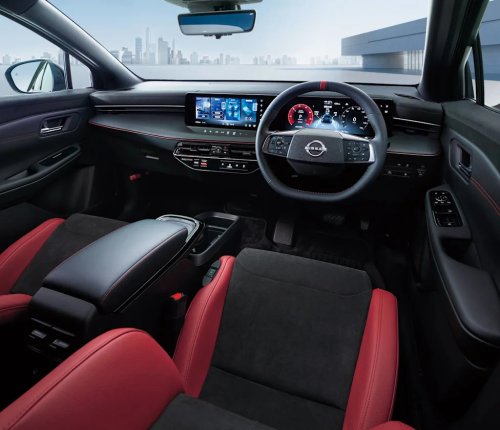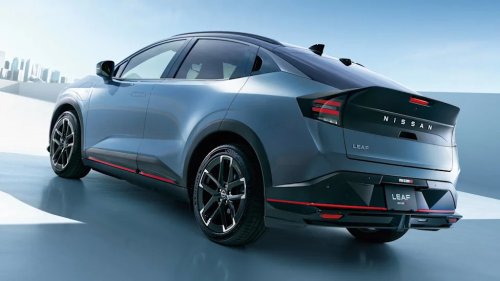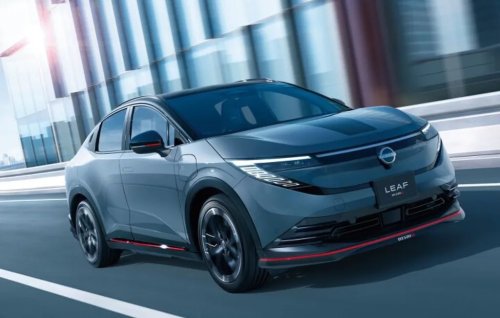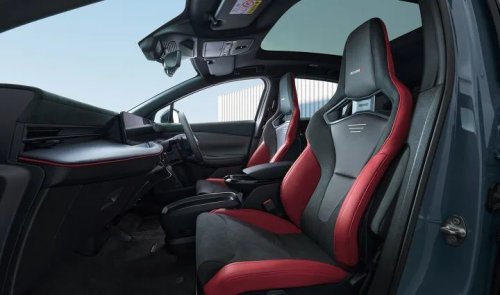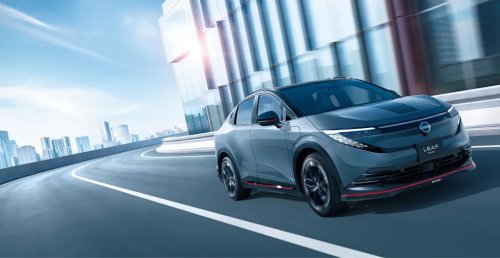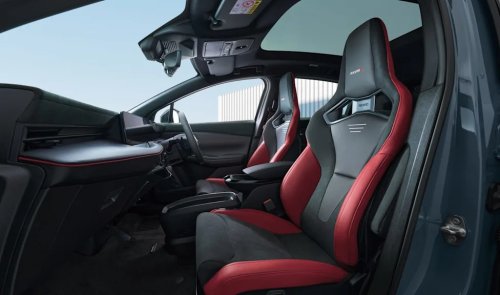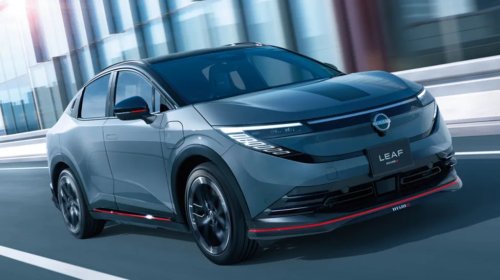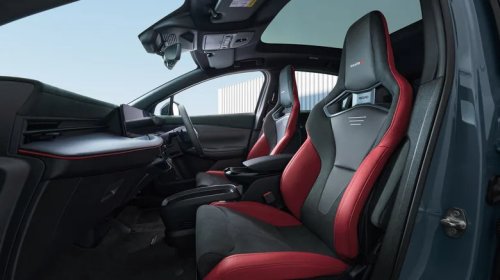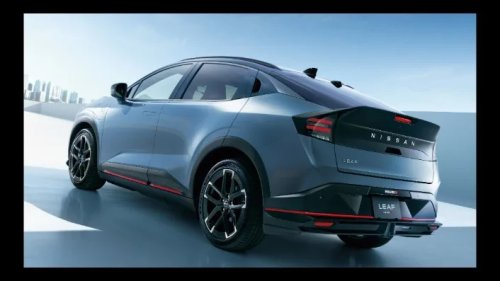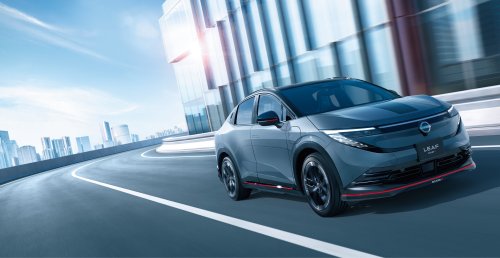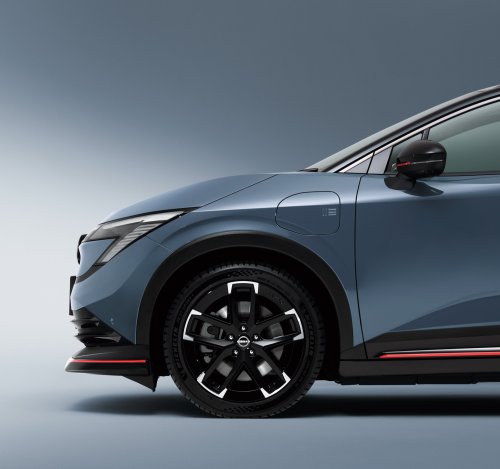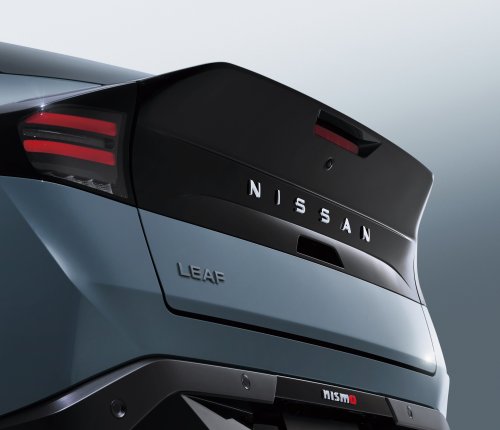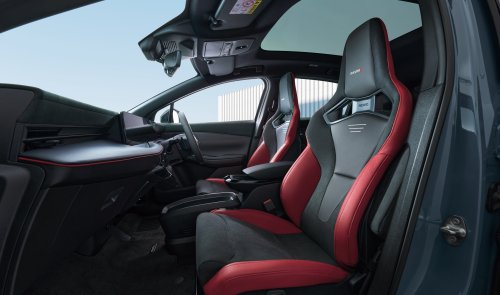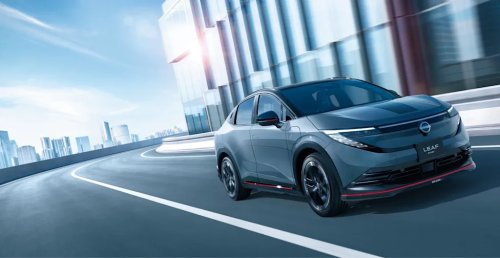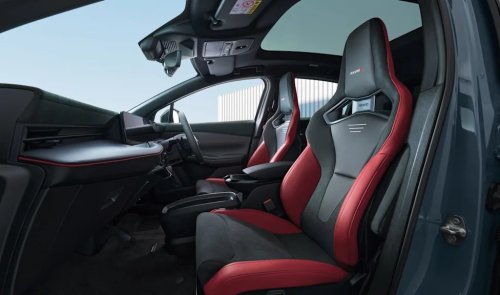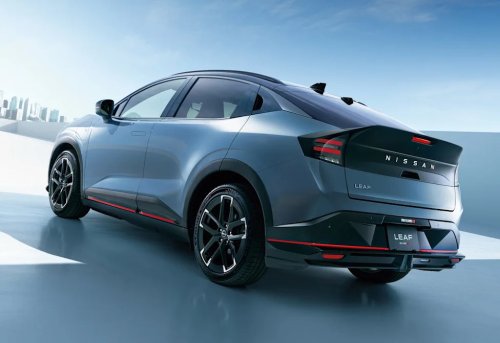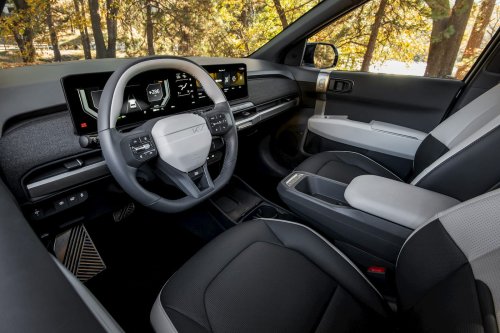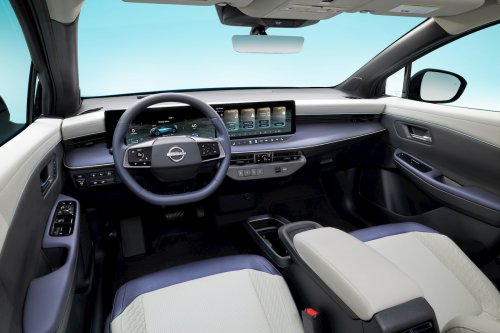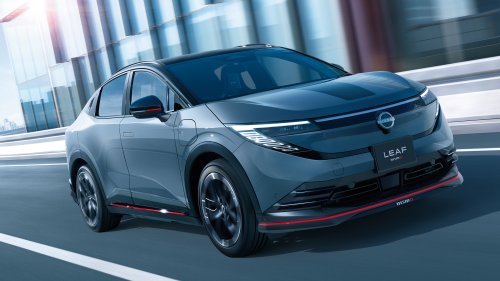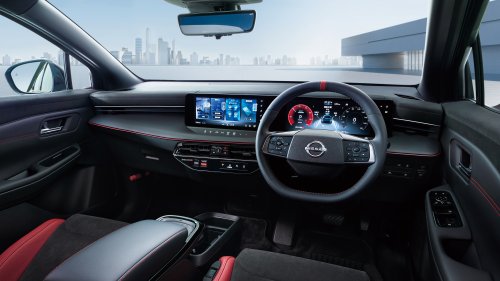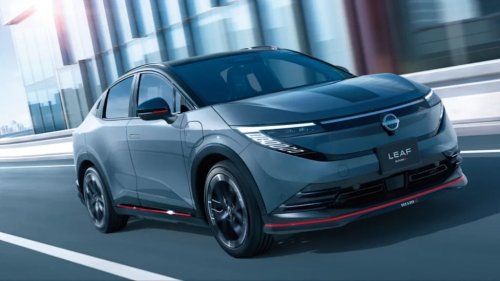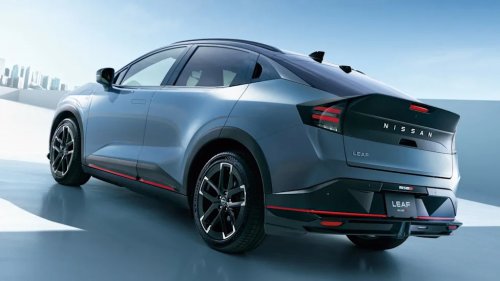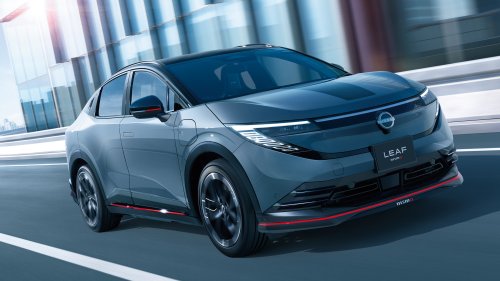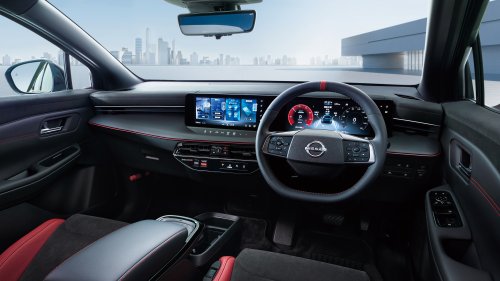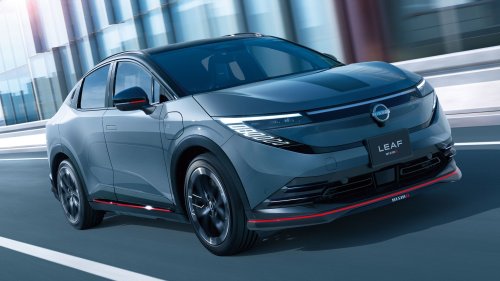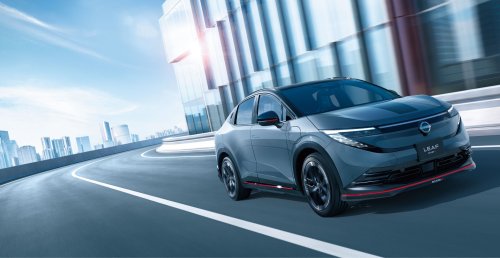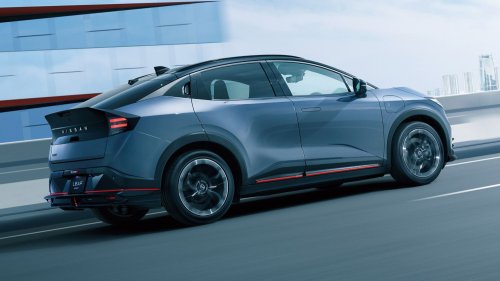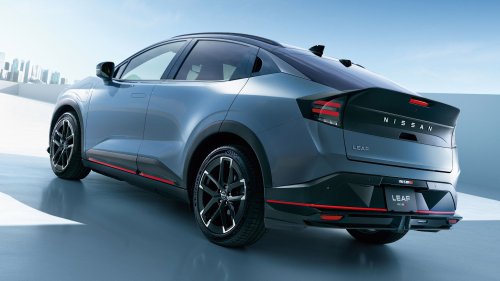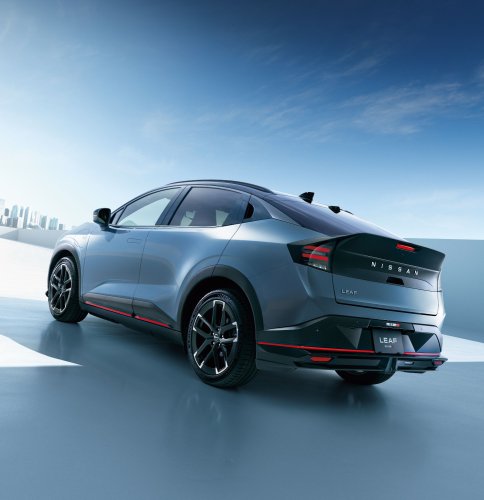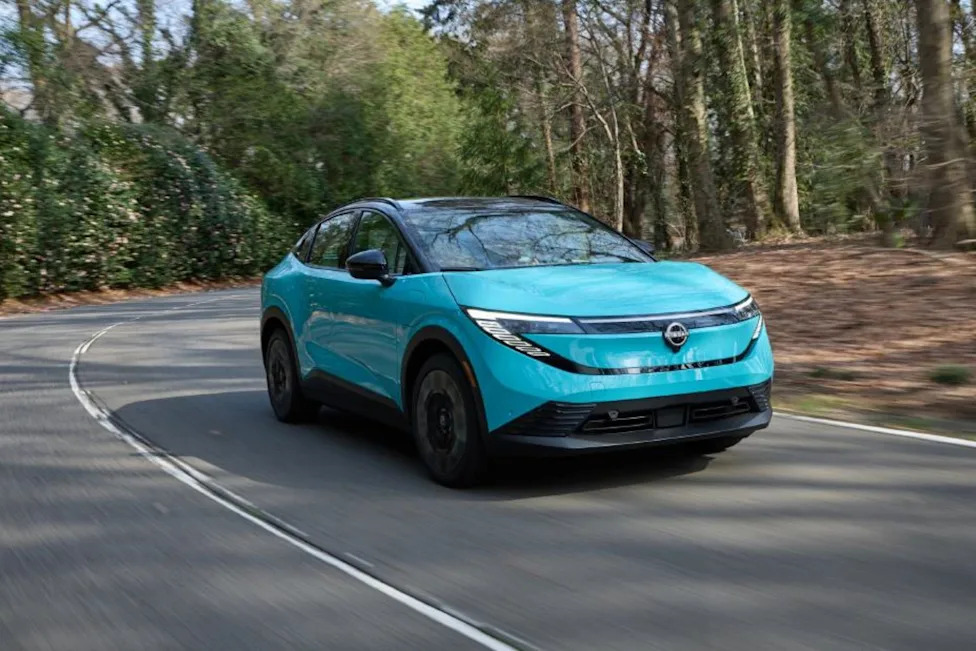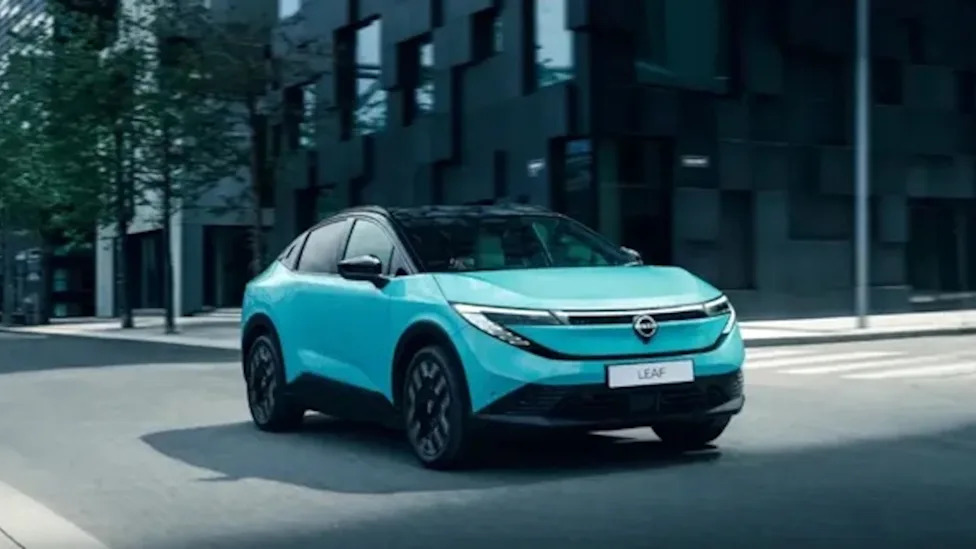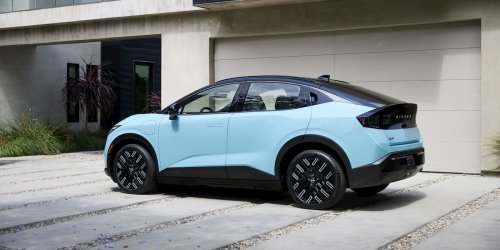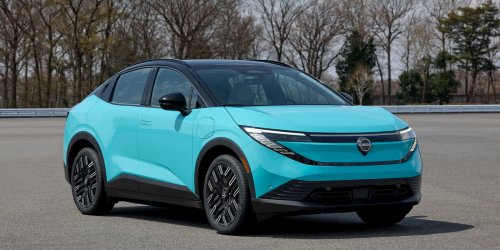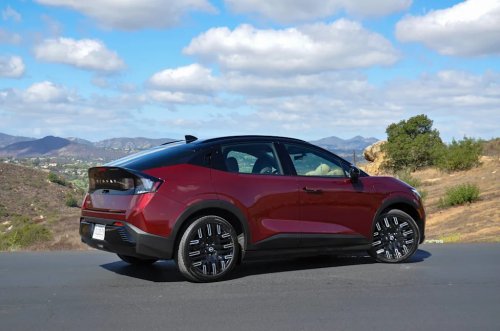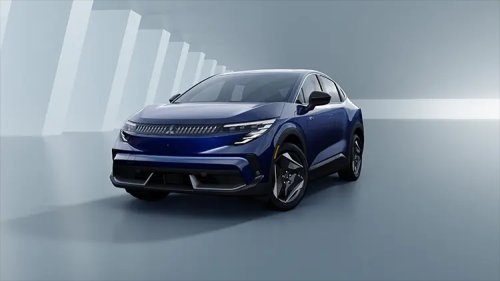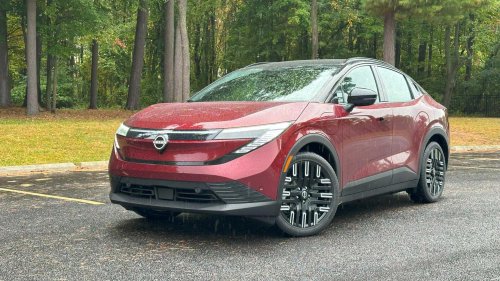
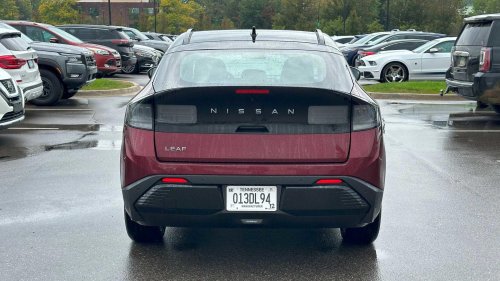
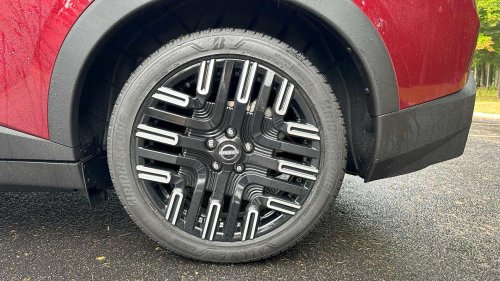
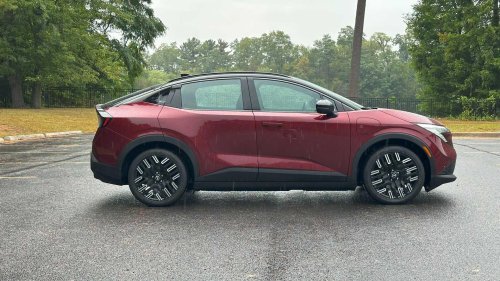
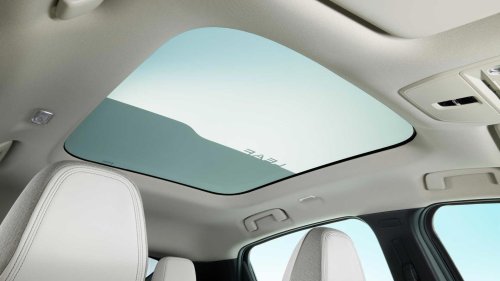
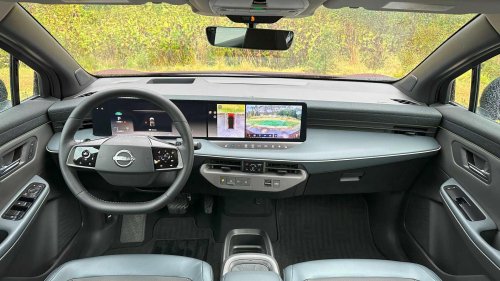
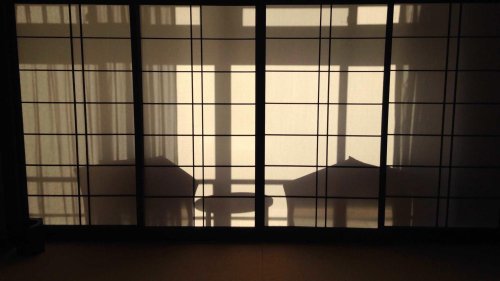
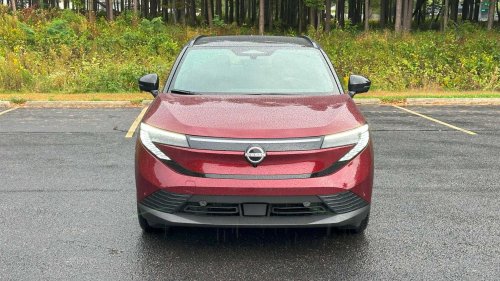
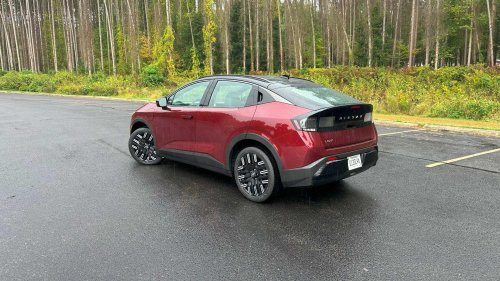



















If there were a trophy for the most improved electric vehicle of the year – hell, the last decade – it would probably go to the redesigned 2026 Nissan Leaf. Not only does this pioneering nameplate offer far more range than before, the vehicle’s interior quality is orders of magnitude better, there’s way more technology, and the new Leaf wears some seriously sexy styling, but that’s not all. This electric crossover also incorporates a range of subtle design elements that were inspired by Nissan’s Z-Cars and even Japanese art. How Many “Ni-sans” Can You Spot? Craig Cole | HotCars Probably this vehicle’s most obvious styling motif is the unique “2-3 iconography.” You can easily spot this on the Leaf’s rear, where each taillamp assembly is comprised of three vertical rectangles juxtaposed next to another two that are mounted perpendicularly. These rectangles, which all have gently rounded corners, are used throughout the vehicle, from the lamps at the rear to the headlights up front, the wheels, charging port doors, dashboard air vents, and elsewhere.Craig Cole | HotCars If you know your Nissan history, this eye-catching styling element is sure to look familiar. The 2026 Leaf’s taillights were inspired by the ones fitted to the 300ZX sports car, which was built throughout the 1990s.Craig Cole | HotCars Beyond that historical tie-in, there’s a hidden meaning to this iconography that is as fascinating as it is clever. Depending on how those rectangles are arranged, they actually spell out the automaker’s name, well, almost. In Japanese, the number two is “ni” and three is “san.” So, when the group of two rectangles is next to the cluster of three, they spell “ni-san.” Pretty clever, eh? Don’t Cut Yourself On The Katana Blades! Craig Cole | HotCars Another Z-Car-inspired styling element employed to great effect on the new Leaf is this electric crossover’s upper-body moldings. Curved to match the gentle arc of the roofline, this collection of trim pieces was inspired by katanas, that is, samurai swords. Similar roofline trim is employed on today’s Z, which is motivated by a 3.0-liter twin-turbocharged V6 that is rated at a stout 400 horsepower in standard models and 420 ponies in pumped-up NISMO trim. Despite being shorter in length, these appliques are still much more prominent than the ones on the Leaf, both broader in scale and brighter in finish. Your Head's In The Clouds Nissan The striking 2-3 motif and sword-like exterior trim add to this EV’s handsome styling but, “Then there’s also the elements of the Japanese futurism in little things,” explained Simon Kinderknecht, senior product planner at Nissan, while talking to HotCars. And one of these items is right up top.Craig Cole | HotCars The 2026 Leaf is available with a dimmable panoramic glass roof. Almost like a sliding shade, this panel can be selectively adjusted to control how much sunlight enters the cabin from above. Catering to driver needs, the glass goes from transparent to nearly opaque, but interestingly, the individual segments, complete with their rounded, almost stair-stepped pattern were inspired by something called “kasumi monyou.” According to Kinderknecht, this is a stylized Japanese cloud pattern that “symbolizes impermanence.” Often soft or hazy, he added that this motif is frequently incorporated in artwork and textiles. Perhaps this makes the new Leaf a piece of art.maadhatter via Pixabay In addition to that stylized cloud pattern, this vehicle’s dimmable roof also recalls an iconic piece of Japanese furniture: shoji. Often lightly built of thin wood and covered in paper, these screens – or, apparently, doors, room dividers, or windows, too – obscure views and block direct light without blacking things out entirely. Leaves All Over the Leaf Craig Cole | HotCars Finally, Nissan designers had fun with this new all-electric utility vehicle in another way. True to its name, they hid a little ginkgo leaf pattern in certain nooks and crannies, subtle spots that aren’t immediately obvious. “There’s one in the wireless charging pad [area] at the bottom,” noted Kinderknecht. Beyond that, he said there’s one at the base of the cupholders and, curiously, another hidden behind the license plate.Craig Cole | HotCars Incorporating little Easter eggs in a vehicle is nothing new; in fact, Stellantis has been doing this for years before Stellantis as a name even existed. Chrysler incorporated the Detroit skyline in its second-generation 200 sedan, while Jeep has hidden little flags, vehicle silhouettes, and seven-slot grilles throughout its products for many years, something Ford started doing with its Bronco SUV as well.