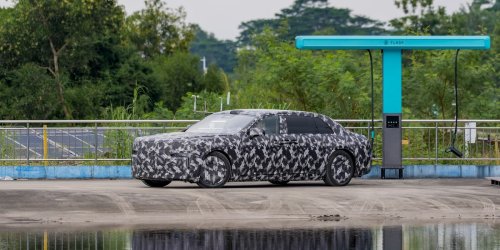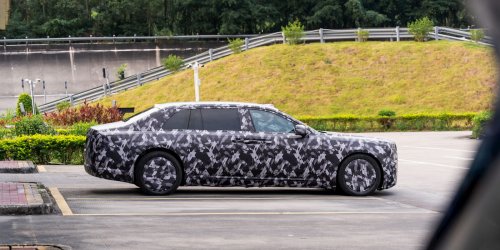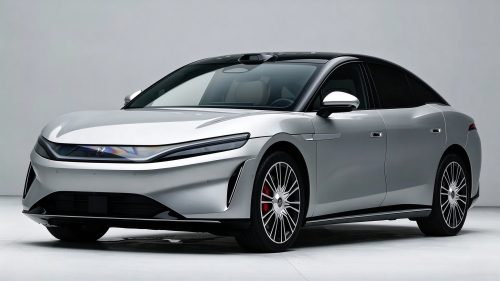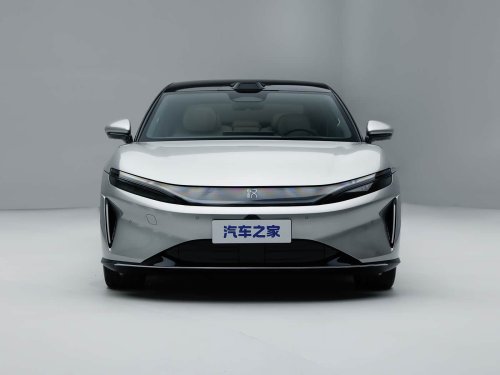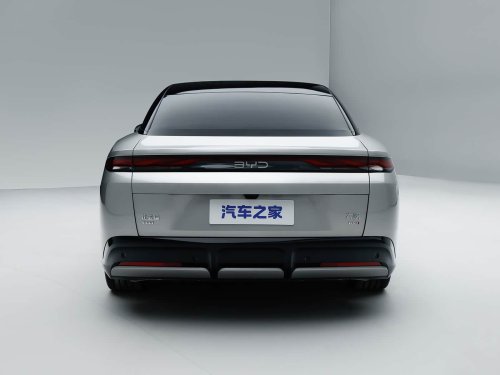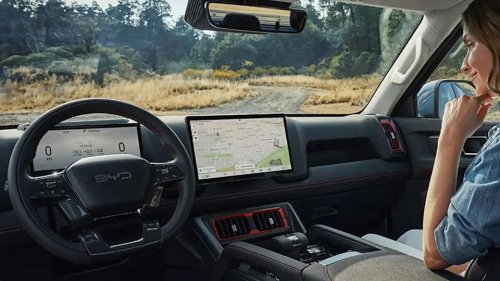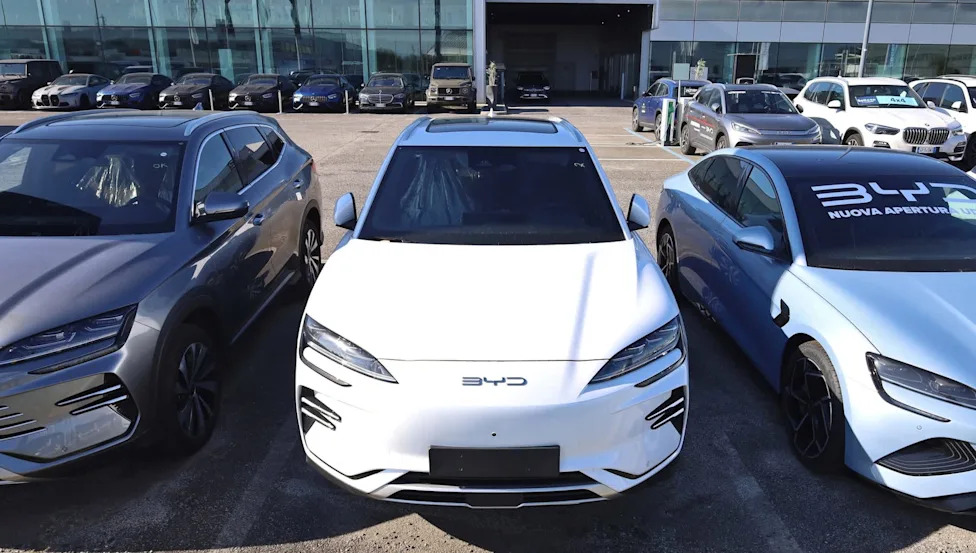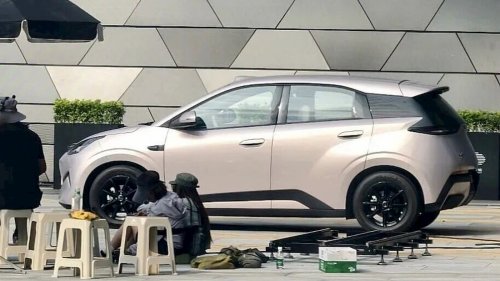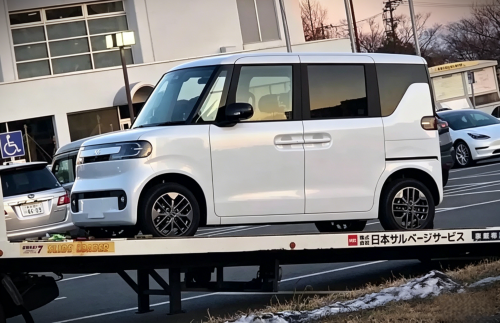
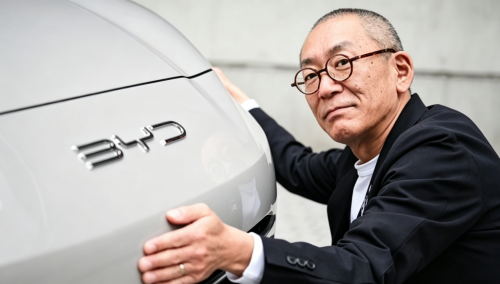
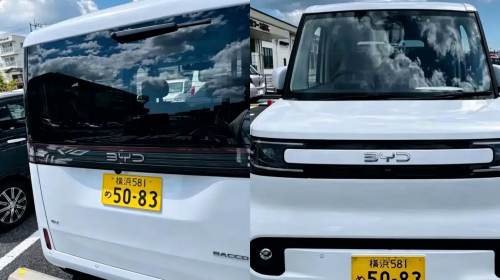
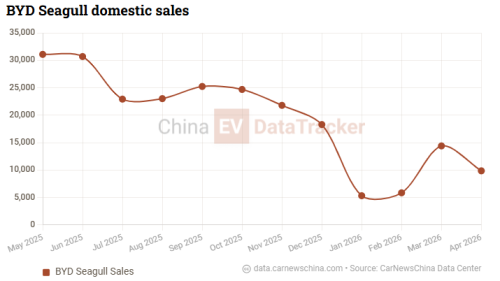



















BYD Racco EV designed for Japan’s compact K-Car regulations. Credit: BYD Fans Understand China EV’s Market Real-time notifications when critical EV data is released All important data in one place 2,000,000+ data points Become a member BYD is preparing to launch its Racco electric K-Car in Japan this summer, with development involving former Nissan engineer Hirohide Tagawa, according to Nikkei. The Racco is a compact EV designed specifically for Japan’s tightly regulated K-Car segment, where strict limits on vehicle dimensions, output, and taxation define one of the country’s most established automotive categories. Despite these constraints, K-Cars remain central to Japan’s domestic market due to their efficiency in dense urban environments and low ownership costs. 25–30 years at Nissan and K-Car “visionary” background Former Nissan product planner and vehicle engineer Hirohide Tagawa worked for Nissan for roughly 25 to 30 years. He initially joined Nissan in the 1990s and became closely associated with the company’s kei-car development strategy over multiple generations. He became known internally as one of Nissan’s “light car (kei car) visionaries,” contributing to product planning and development for major compact models, including the Nissan Dayz and the Nissan Sakura, as well as to Nissan’s dedicated electric K-Car program. The Sakura, launched in 2022, marked Nissan’s transition into mass-market electric K-Cars, while the Dayz line represents one of the company’s core domestic kei platforms. Tagawa later left Nissan and became involved in Japanese-market EV development projects with BYD Auto Japan, according to industry reports. Former Nissan Dayz and Sakura engineer joins BYD Racco project. K-Car expertise at the centre of BYD’s Japan push The Racco represents BYD’s first dedicated attempt to enter Japan’s K-Car segment with a model engineered specifically for local regulatory requirements rather than adapting an existing global EV platform. K-Car development in Japan is a highly specialised engineering discipline requiring strict optimisation of packaging efficiency, cost structure, and regulatory compliance while maintaining usability in dense urban traffic conditions. Tagawa’s background in Nissan’s long-running K-Car programs places him within a rare group of engineers with deep experience in Japan’s most structurally constrained automotive category. Product positioning and technical specifications The Racco has been designed as a compact urban EV tailored for Japan’s usage environment. Reported specifications include: 20 kWh lithium iron phosphate battery pack Approximately 180 km WLTC driving range DC fast charging capability up to 100 kW L2+ driver assistance systems as standard The vehicle is also described as featuring sliding rear doors and a tall-body layout designed to improve accessibility in narrow streets and tight parking conditions common in Japanese cities. Racco reportedly registered in Tokyo for early customer delivery. Japan market positioning and earlier reporting context The Racco was previously outlined as BYD’s entry into Japan’s K-Car segment, targeting the regulatory-defined compact vehicle category with a locally optimised design. Earlier industry analysis highlighted increasing competitive pressure in Japan’s small EV segment, where domestic brands such as Suzuki and Nissan continue to dominate volume production. Previous reporting also placed the Racco’s expected starting price at around 2.5 million yen, or roughly 107,000 yuan (15,700 USD), positioning it within Japan’s mainstream K-Car pricing band. BYD’s small EV lineup context The Racco extends BYD’s compact EV lineup beyond the Seagull, currently its smallest passenger vehicle sold in China. According to China Ev DataTracker, the Seagull deliveries reached 9,864 units in April 2026, down 71.0% year-on-year and 31.5% from March. March deliveries totalled 14,409 units, while January–February combined deliveries reached 11,185 units. BYD’s Seagull sales in China. Credit: China EV DataTracker.