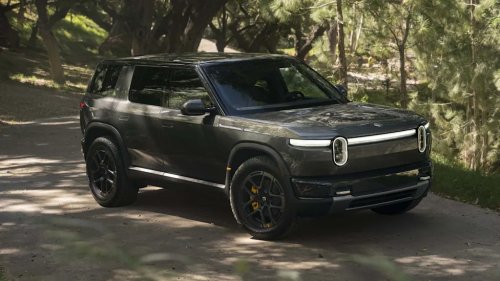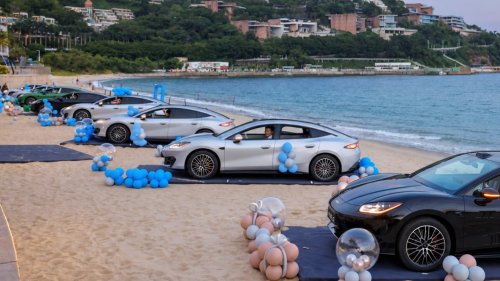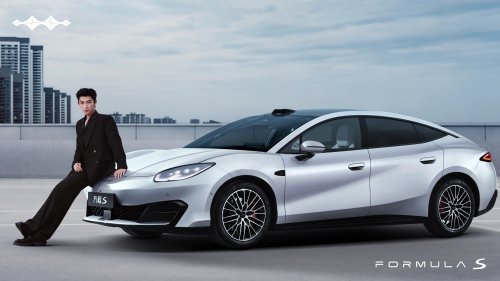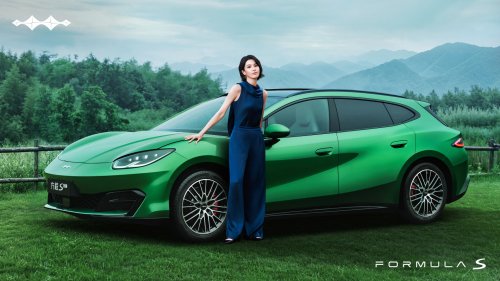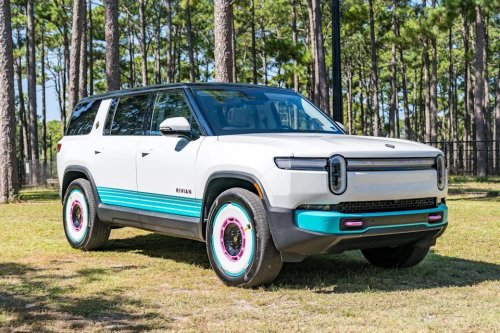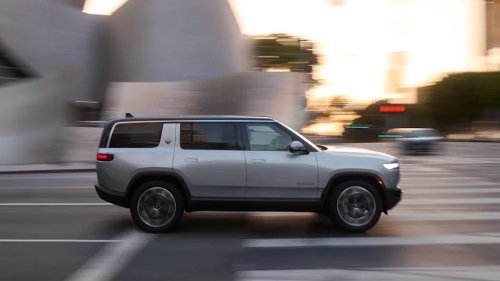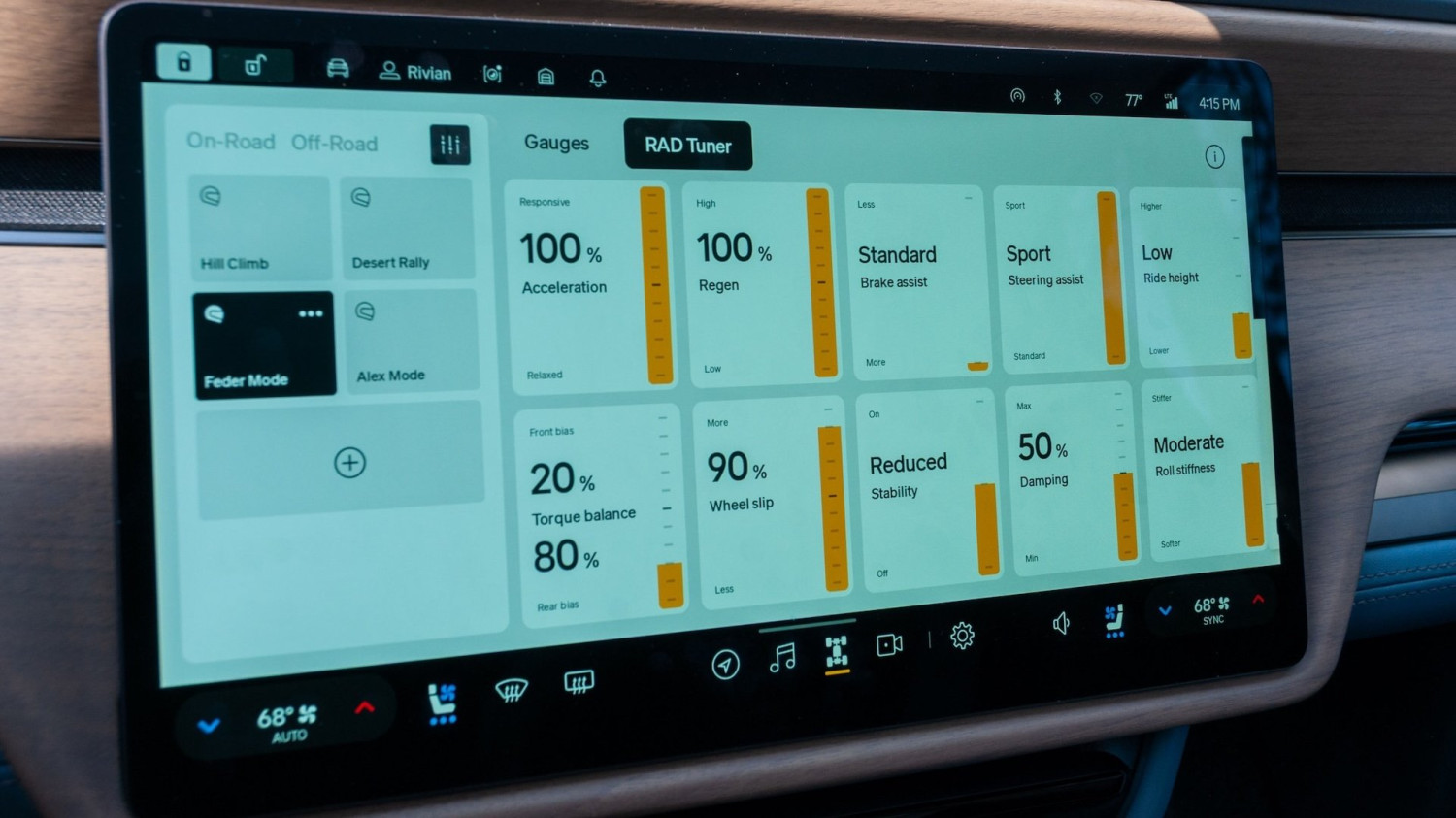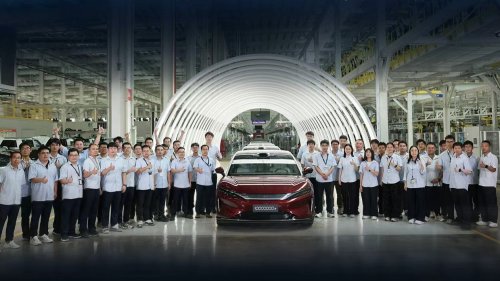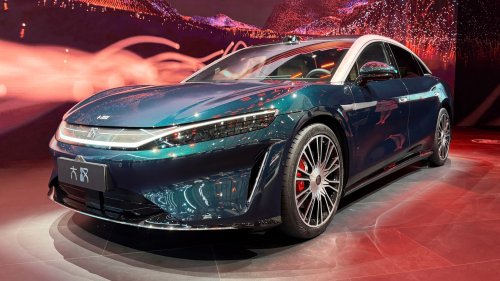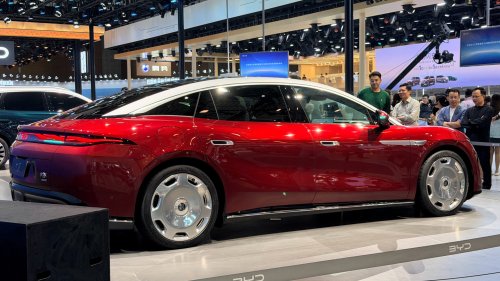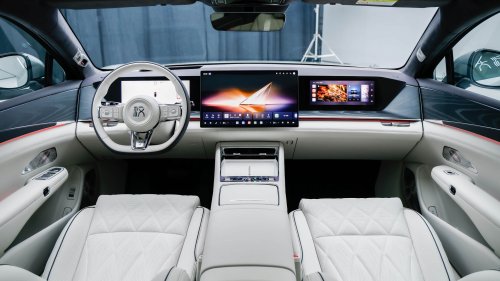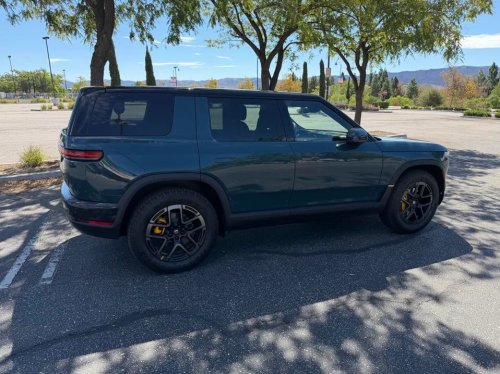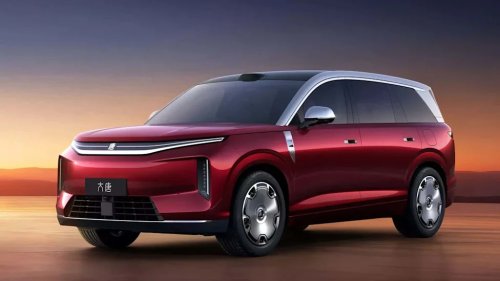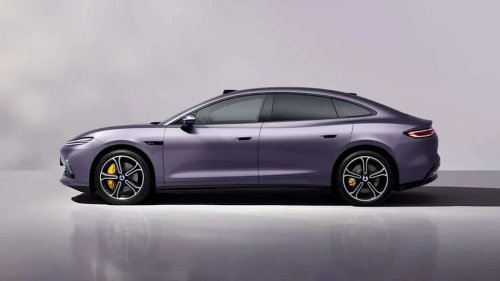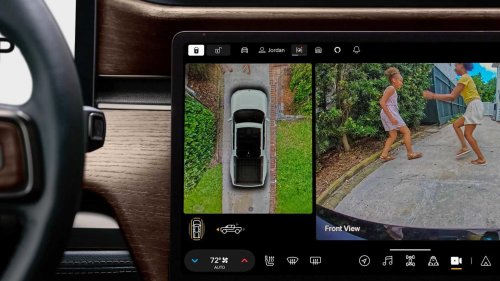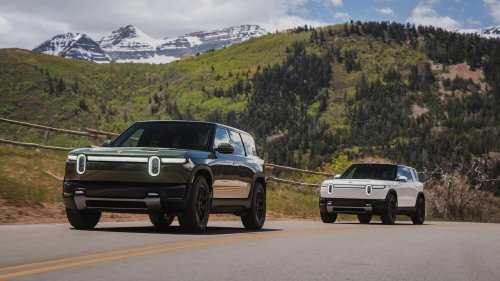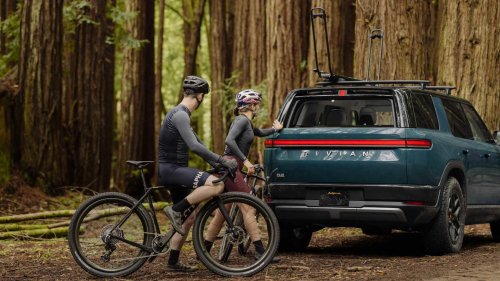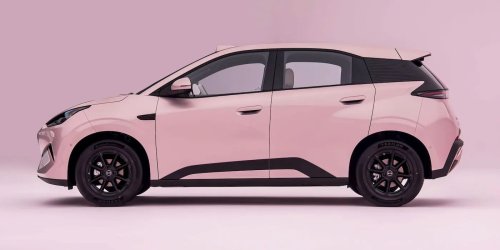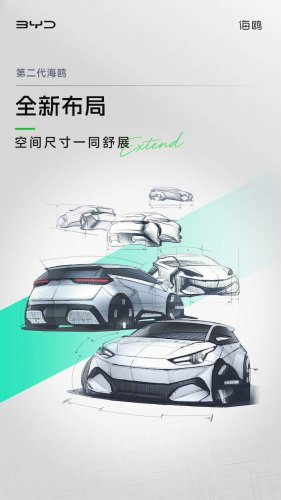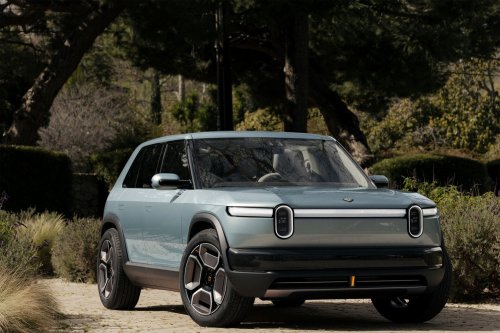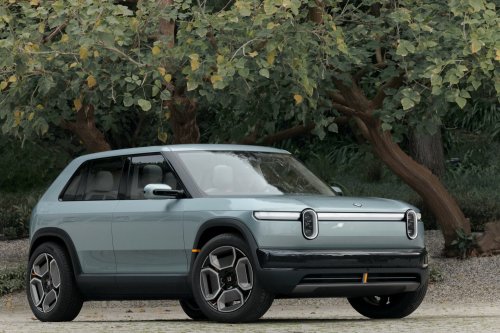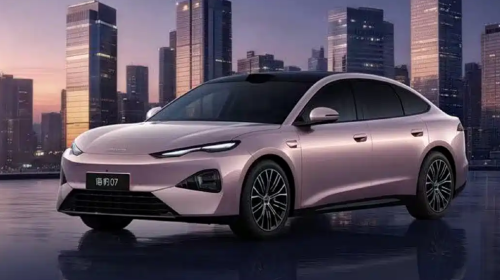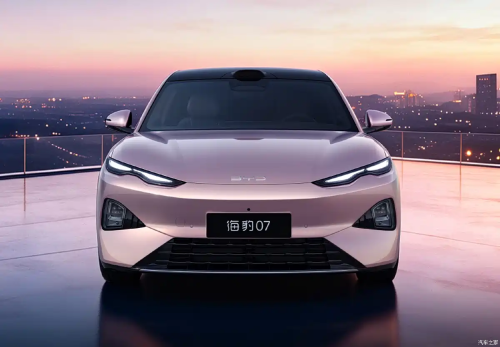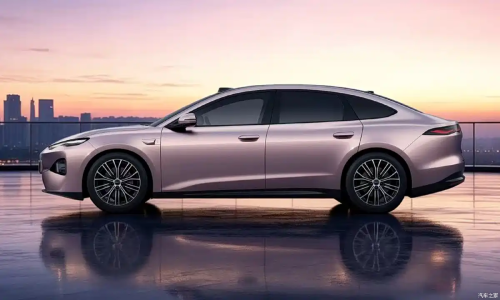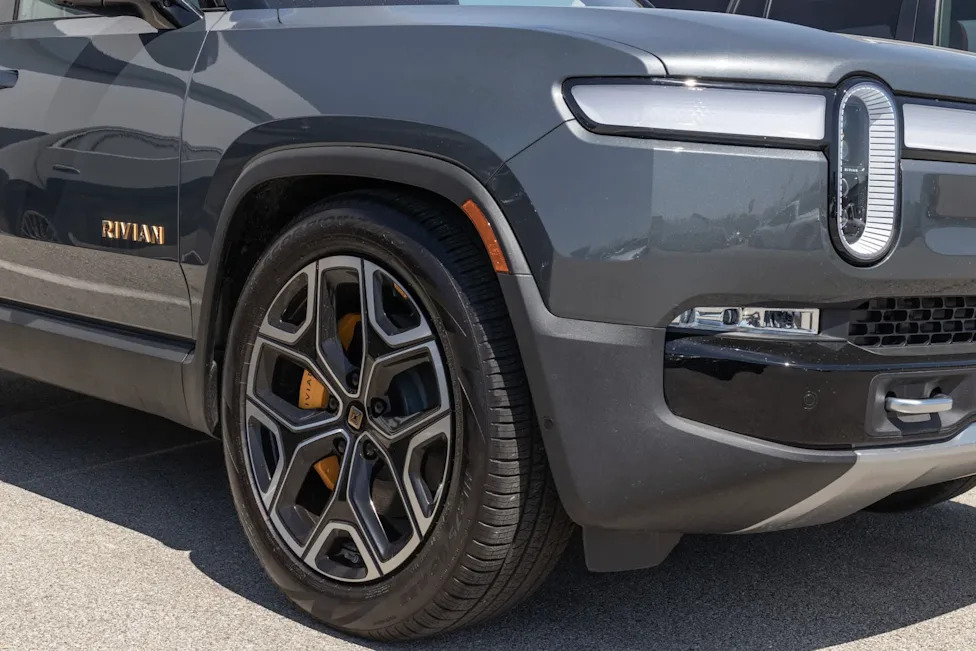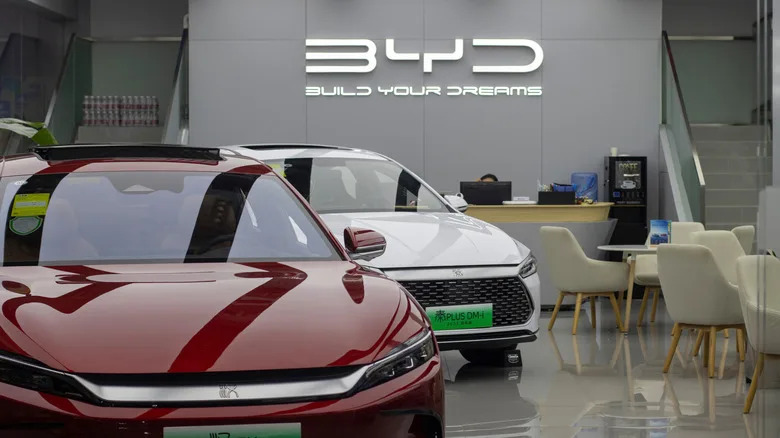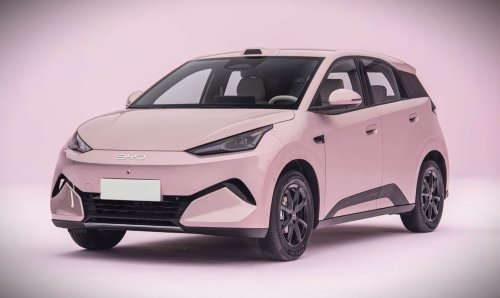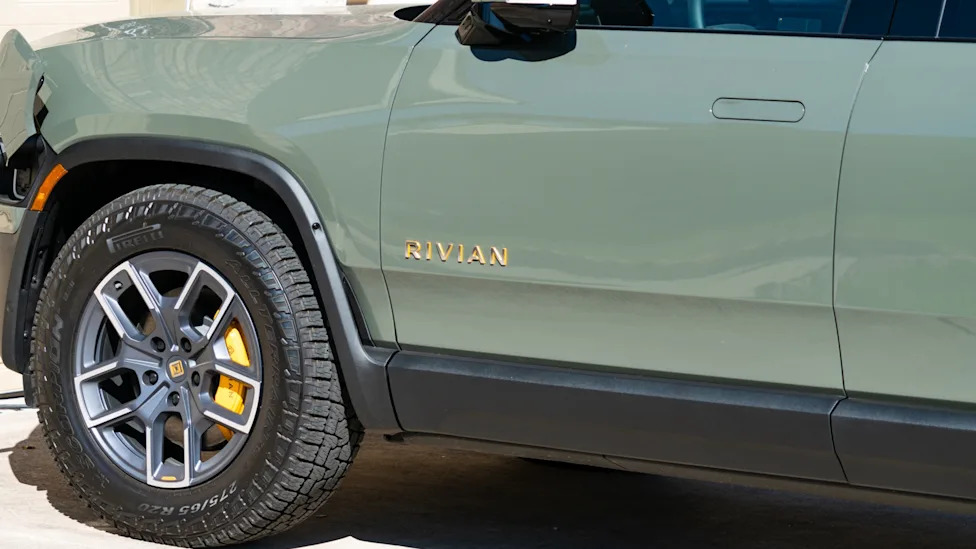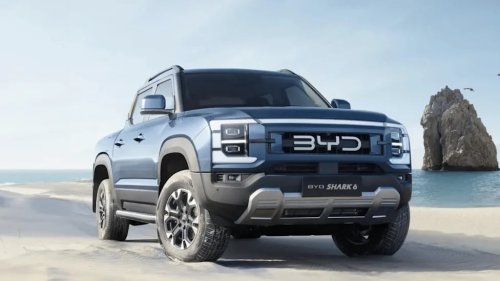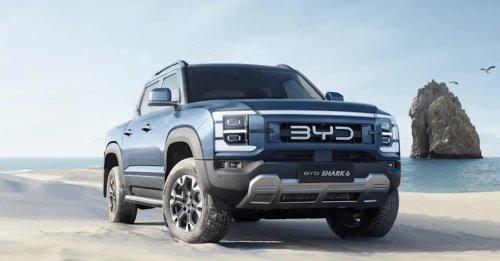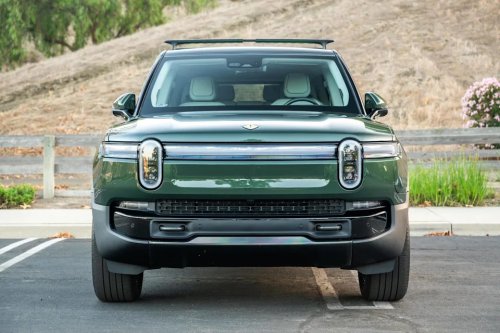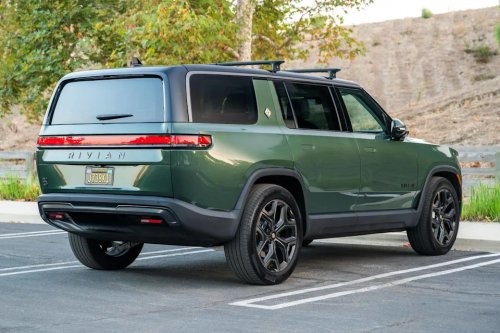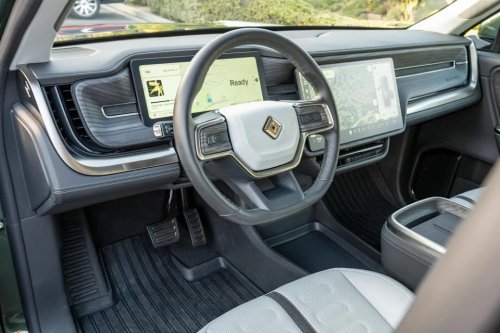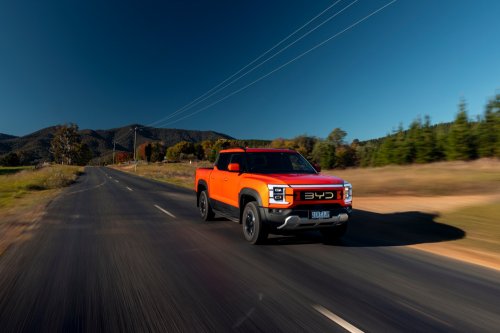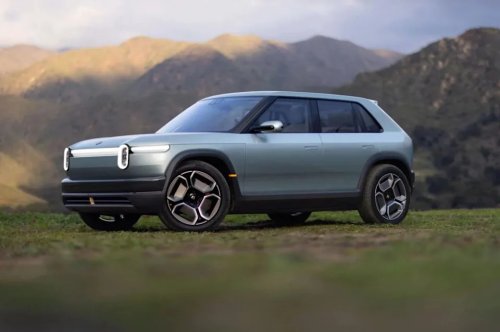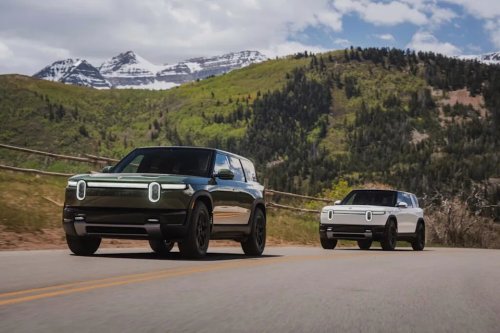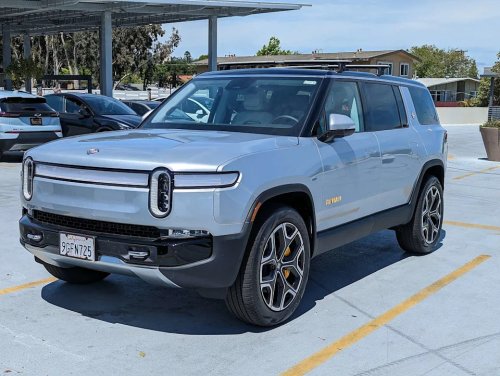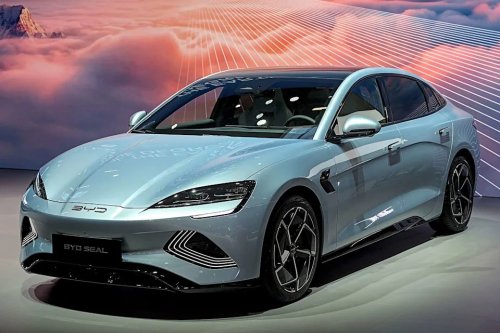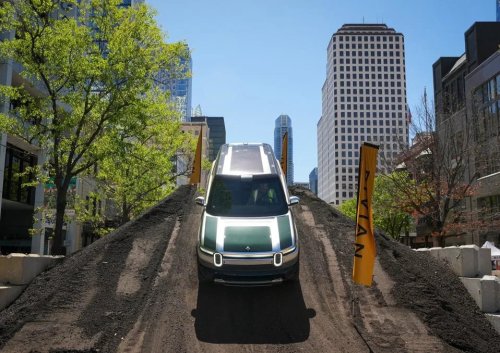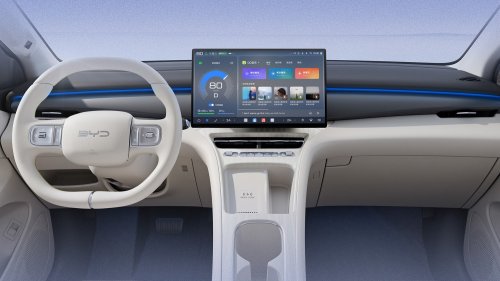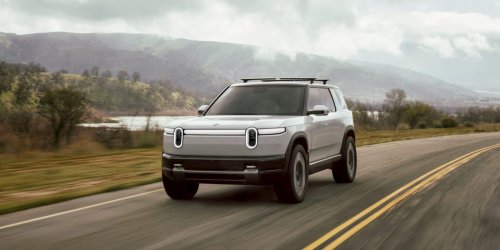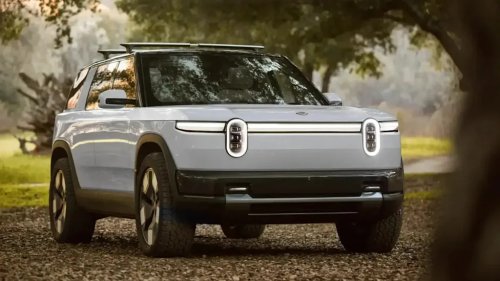



















There are a handful different approaches to self-driving technology. Much of the discussion centers around the pros and cons of the different approaches and which is better. However, one can easily argue that all of the approaches are making progress and will get there at some point. In fact, they all might be getting there sooner than most of us expect. Rivian CEO RJ Scaringe is the latest to come out and say that self-driving vehicles are coming soon. However, quite different from Elon Musk saying they’re coming in 2017, Scaringe is predicting that we’ll have them before 2030, targeting 2028–2030. To be specific, he’s talking about Level 4 autonomy where no human has to monitor the car’s driving or interact with steering and braking controls. “People who think full self-driving is still ten years away are badly misjudging,” Scaringe says. Without a doubt, AI is all the rage, and much is happening faster than the average human or average American expected — and faster than we actually realize. With some robotaxis already on the road, most automakers are sprinting forward on this topic in order to not be left behind in the dust and in the bankruptcy office. That includes everyone from Volkswagen to Rivian to BYD. Speaking of BYD … well, the company can basically already say that it’s there. The company just started taking on liability for a crash when its “God’s Eye” driver-assist/self-driving technology is active. Perhaps it’s not entirely at a point-to-point robotaxi level, but if the company is saying that it trusts its self-driving technology enough to be responsible for any accidents that happen while it’s on, that means the human behind the wheel can watch a movie, text, read, nap, or whatever while the system is active. Anyway, back to Rivian, Scaringe thinks his company will be able to offer hands-off, eyes-off self-driving in 18 months optimistically, or by 2030 at the latest. Tesla fans think they’ll be there any day, but that’s sort of been the sentiment for several years. Maybe Tesla will be far ahead, but 1) far ahead would seemingly just be a year or a few, and 2) remember that Rivian and most others use radar and/or lidar as well as cameras, whereas Tesla only uses cameras, and there’s still uncertainty about whether the latter is truly adequate. Also, what may be adequate to get there may not be best and top of market down the road. Hmm … we’ll have to wait to see.