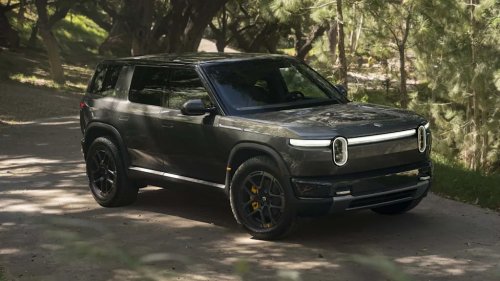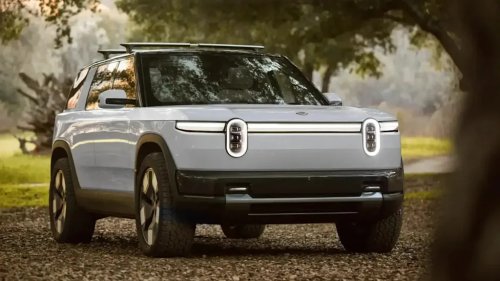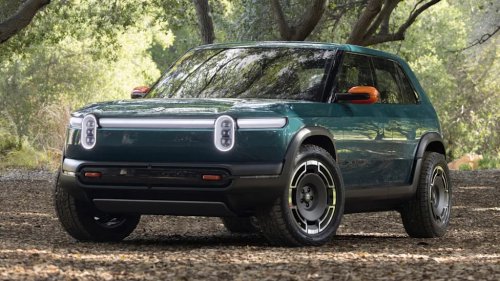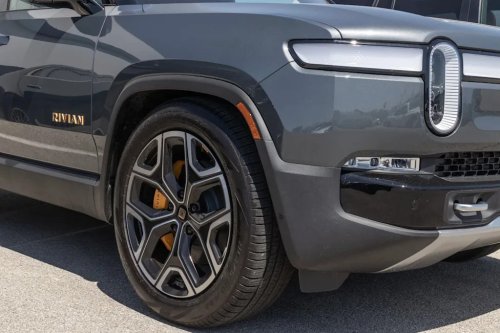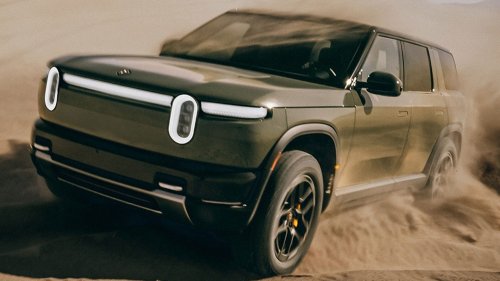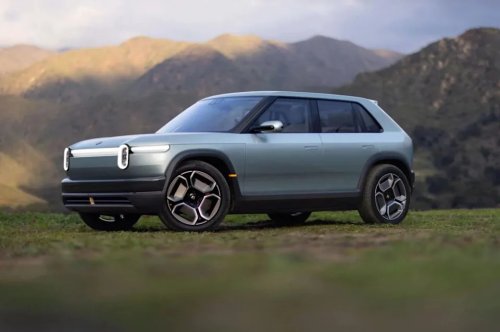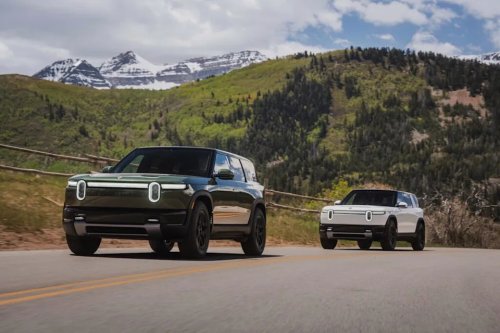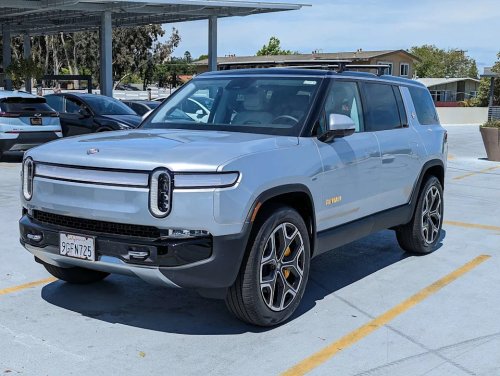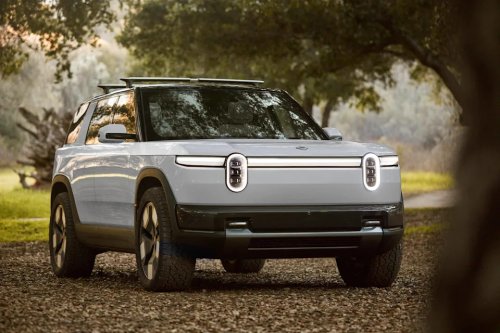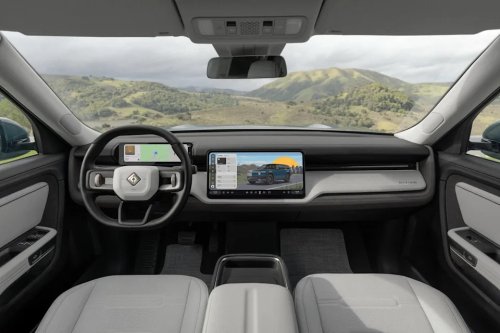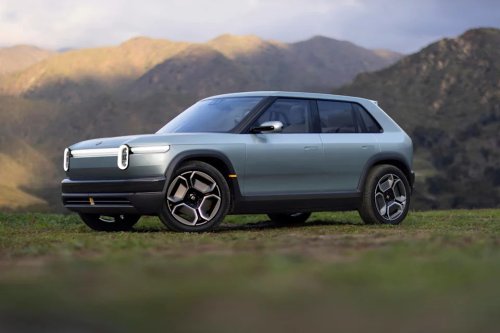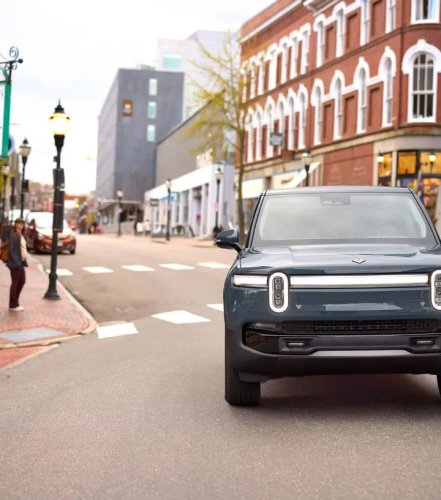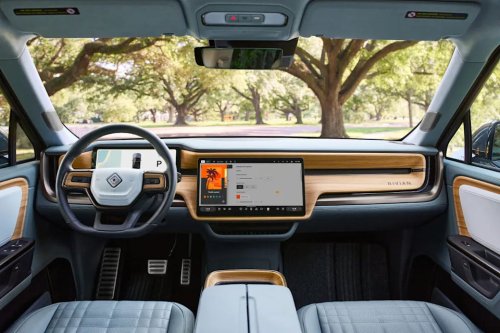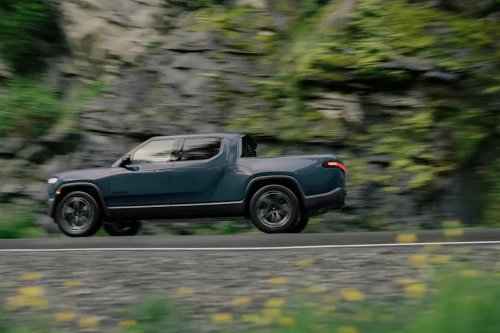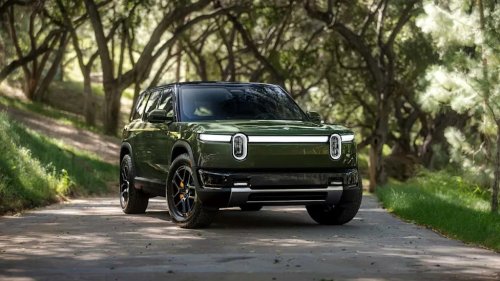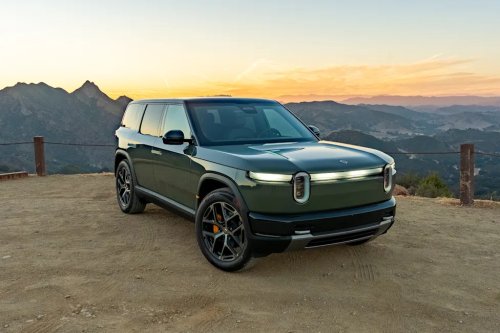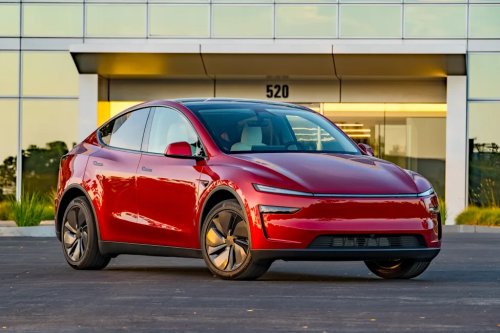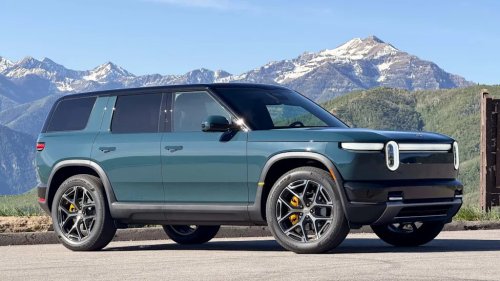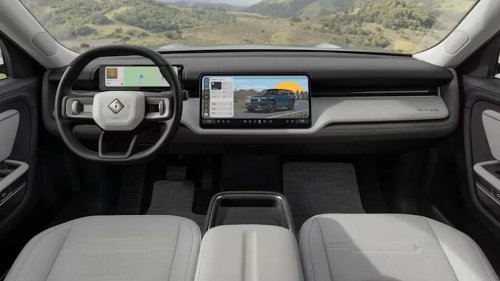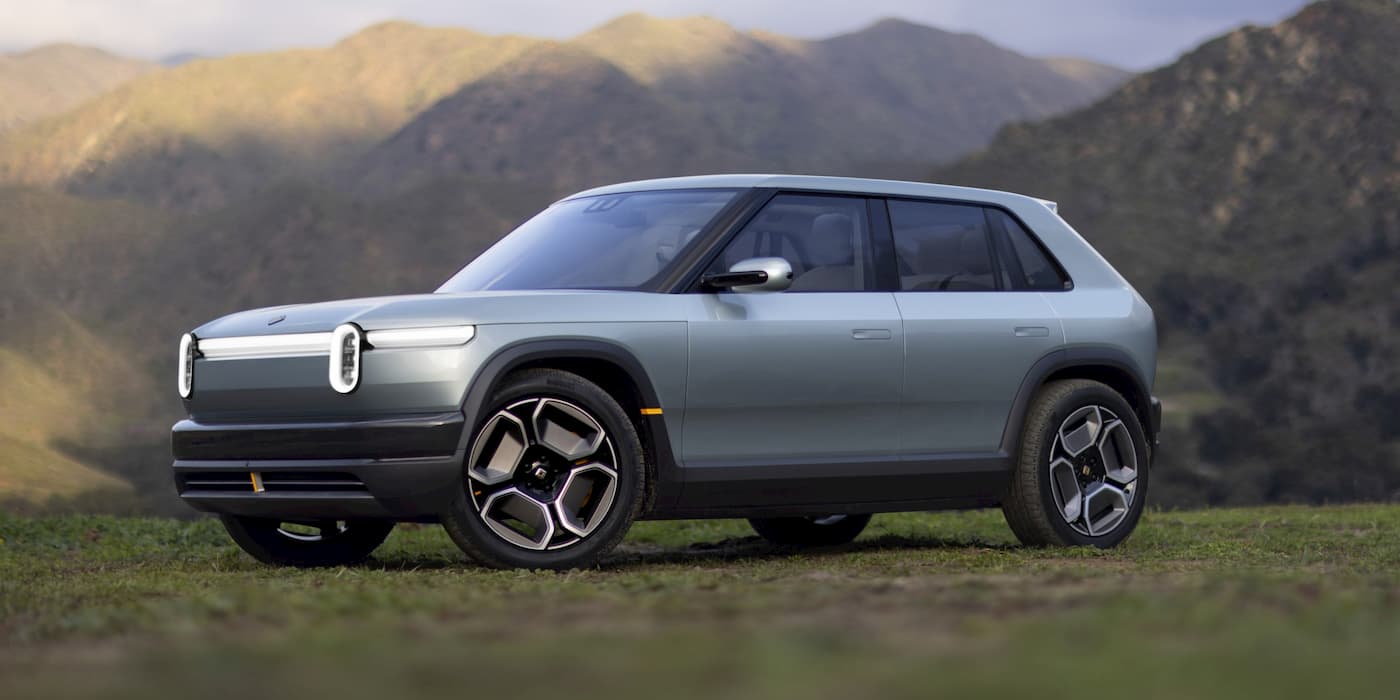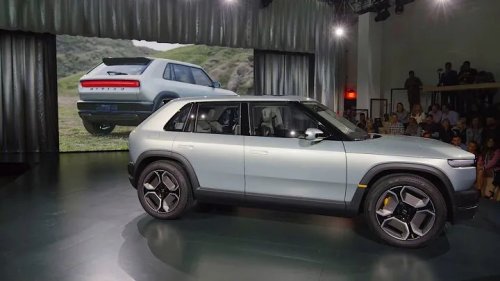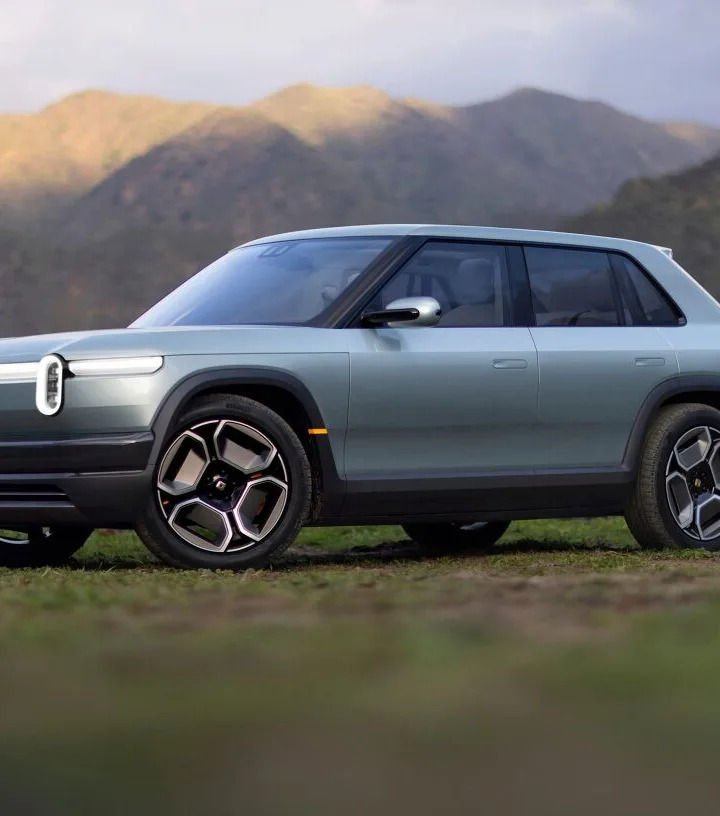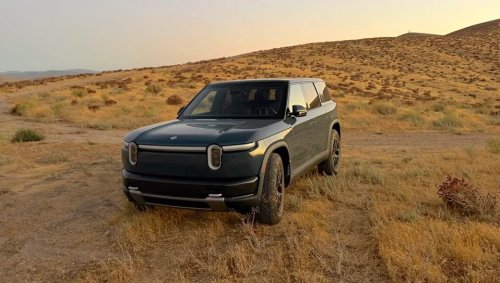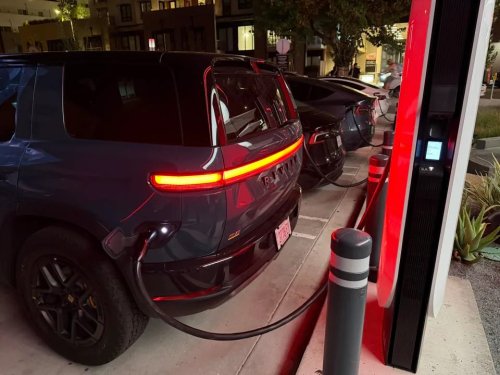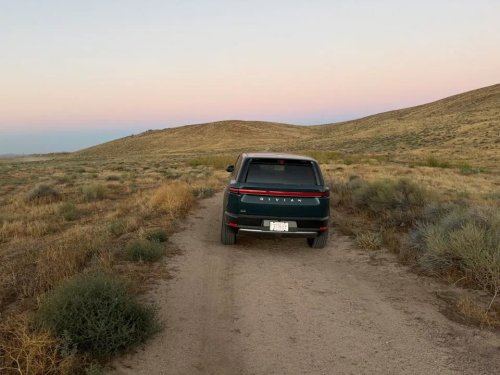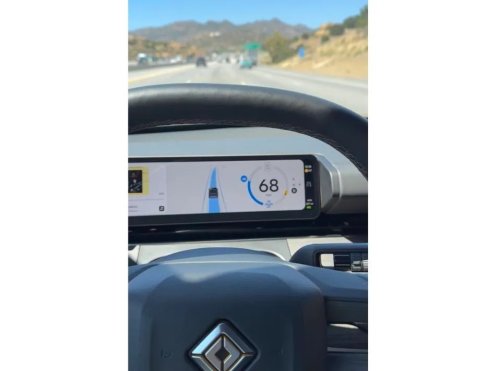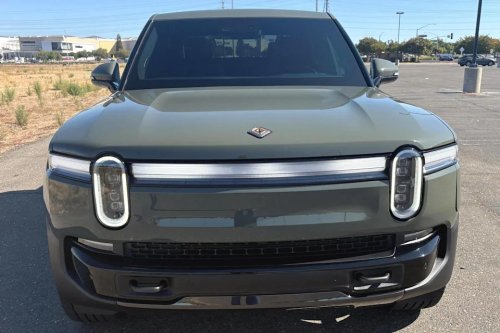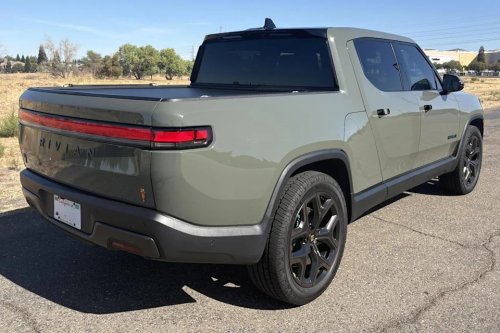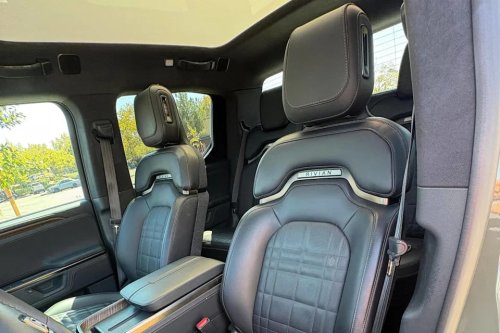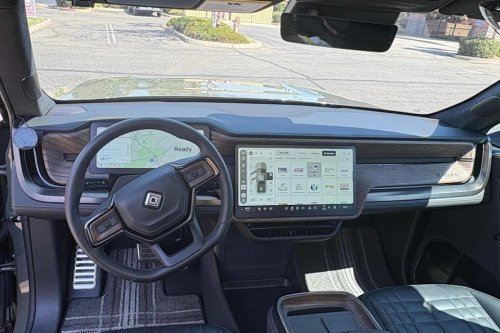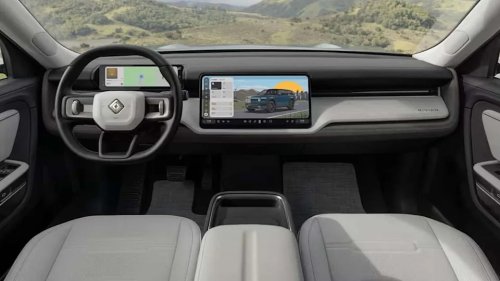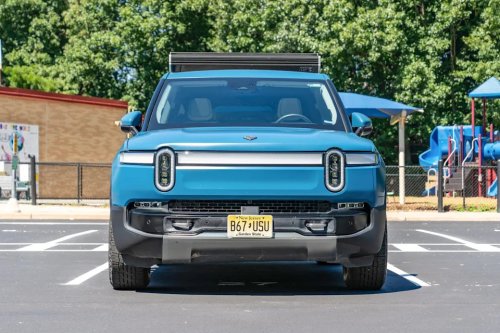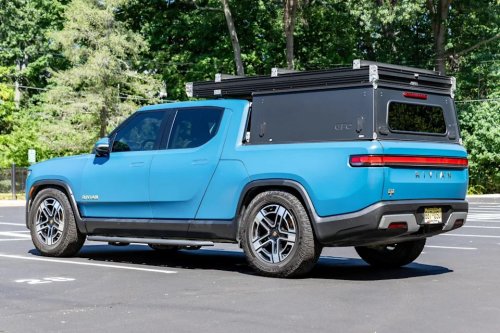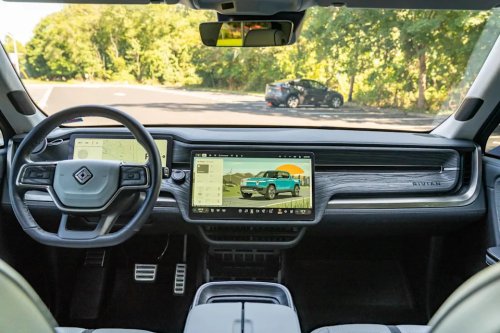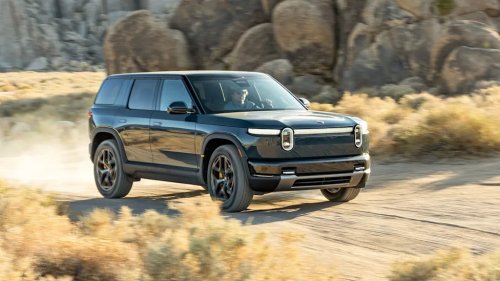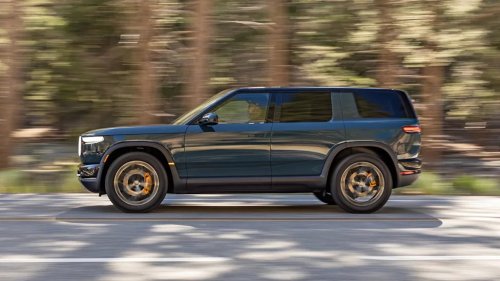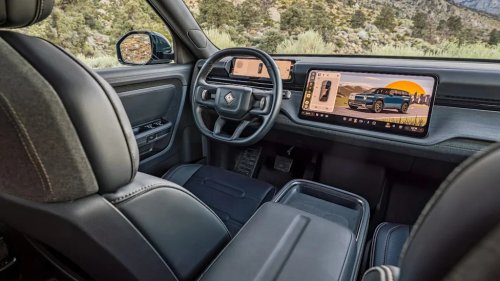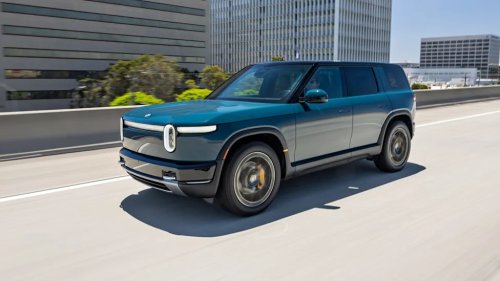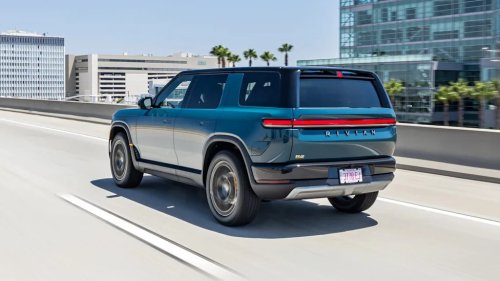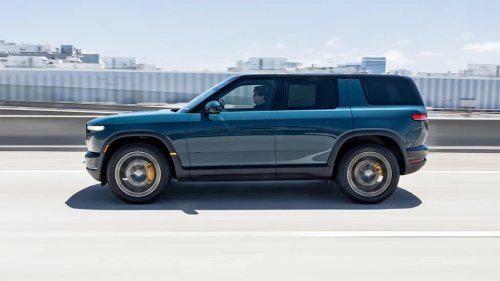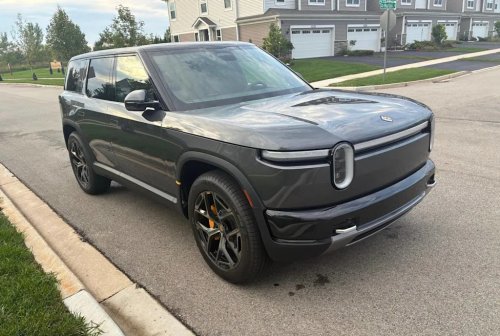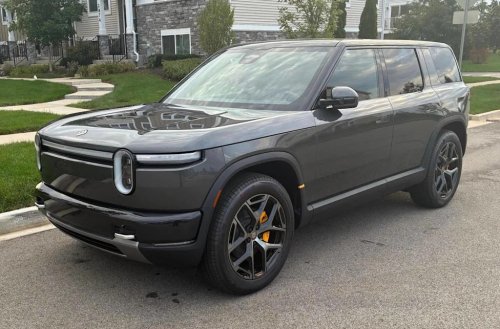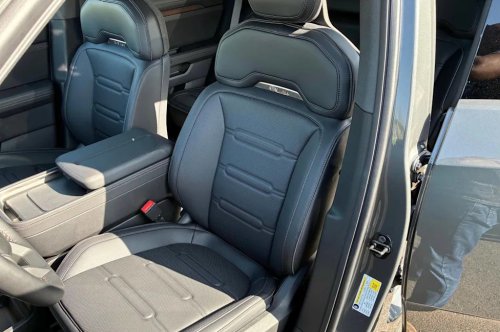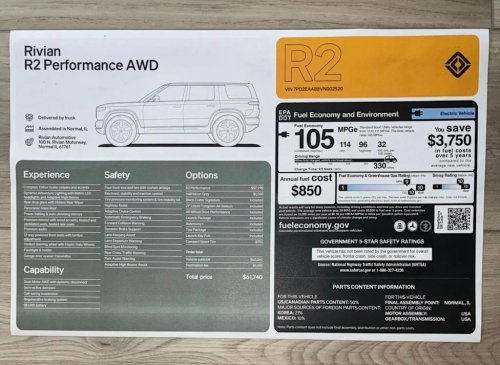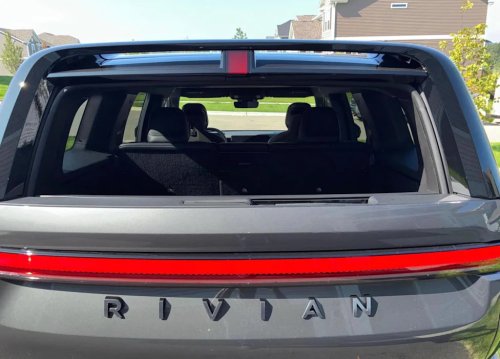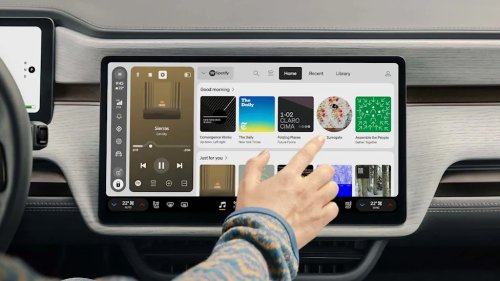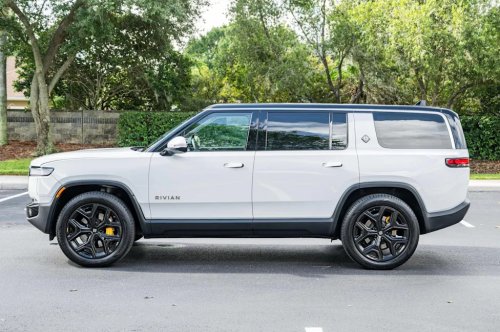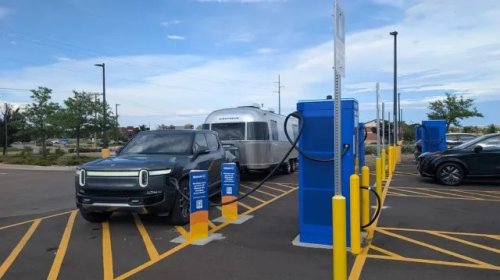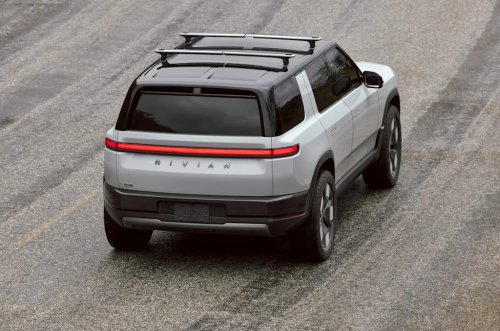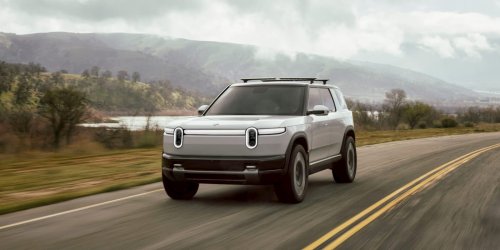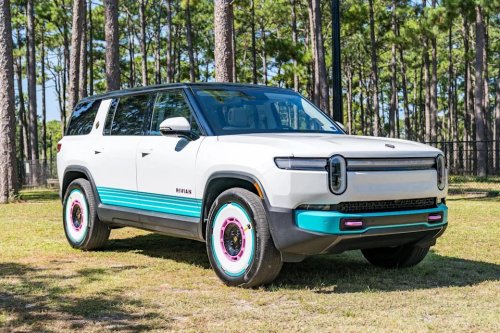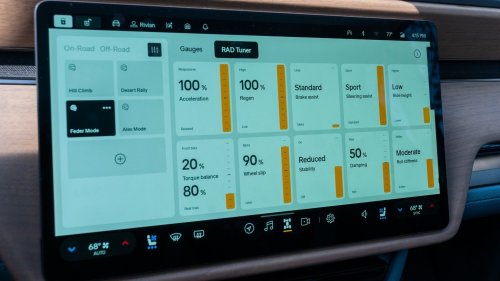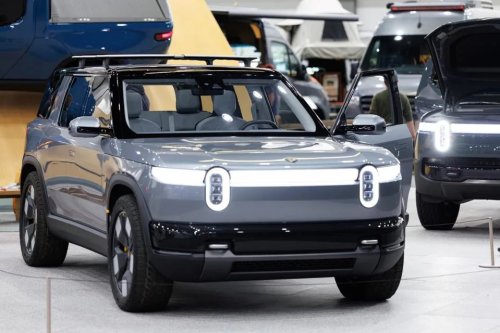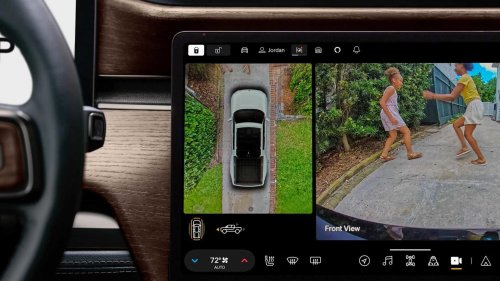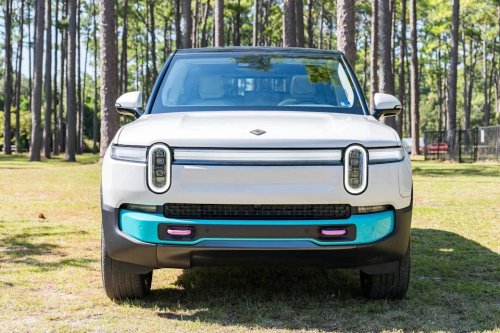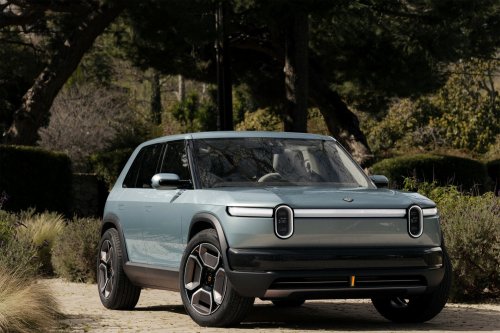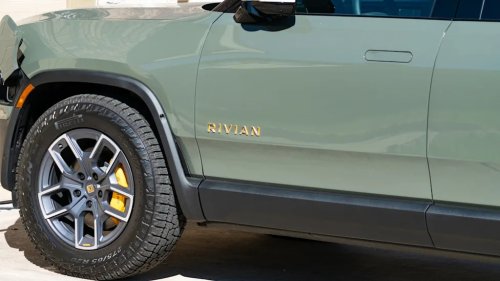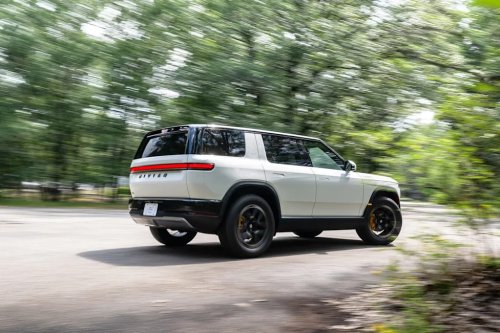
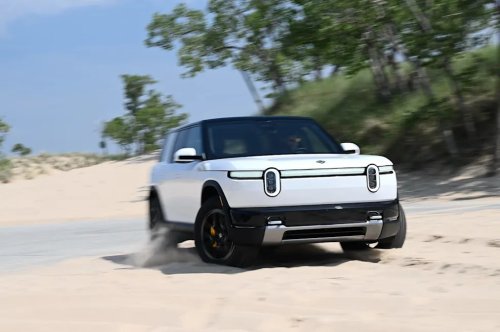
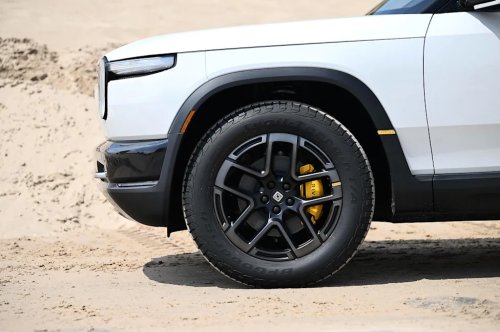
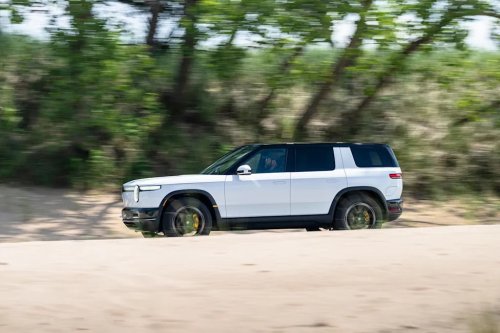
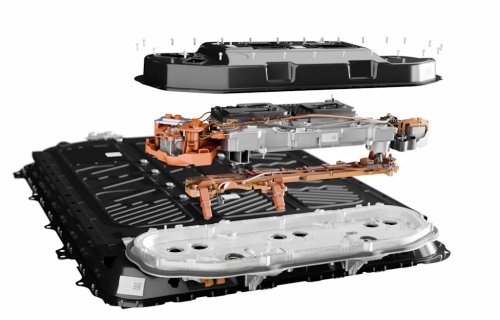



















2027 Rivian R2 Tested: One for the MassesJames Lipman - Car and DriverFrom the September/October 2026 issue of Car and Driver.If the sophomore slump weren't a real thing, one-hit wonders wouldn't exist. Brits call it second-season syndrome, owing to a football, er, soccer team's all but inevitable struggle after moving up to the Premier League. In the automotive world, second cars are a bigger challenge than the first. Doubling your product line effectively doubles the strain on capital, development costs, the number of parts, and potential problems. That's two times the supplier contracts, the tooling, and migraines.With the birth of its second child, the R2, Rivian finds itself in the more product, more problems stage. The R2 is aimed at the strong-selling Tesla Model Y, although at launch the lineup consists of only the R2 Performance. Less expensive versions are on their way, with a $46,485 model coming in 2027. For now, there's the all-wheel-drive Performance trim with the Launch package, which effectively means loaded, as it includes hands-free driving (normally $2500) and a 4400-pound tow package ($950). The R2 seen here costs $61,485 after two add-ons: Glacier White paint ($1000) and 20-inch wheels with all-terrain tires ($1000).James Lipman - Car and DriverUnlike the body-on-frame Rivian R1 models—the T pickup and the S three-row SUV—the two-row R2 uses a mostly steel unibody made predominantly of stampings. Its battery pack doubles as the floorboard and is a stressed member, meaning it contributes to a chassis stiffness that Rivian says exceeds the R1's. And that's even if the R2 were scaled up in size (smaller generally means stiffer). The front suspension uses simple struts located by a control arm. That locator is, you guessed it, stamped steel, as are all five links on each side of the rear suspension. Unlike the R1, which gets air springs, the R2 rides on steel coils. The 88-kWh battery pack houses 768 cells arrayed in three modules. The lithium-ion cells are cylindrical with a 46-mm (1.8-inch) diameter and 95-mm (3.7-inch) length, or about 6.5 times the size of the cells in an R1 pack, which is why the R1 needs more than 10 times as many for its largest (140 kWh) setup. If we didn't know any better, we'd say the engineering mantra was lifted from Lotus's Colin Chapman: Simplify, then add lightness.James Lipman - Car and DriverLight, though, is a relative term. In Performance trim with the Launch package, the R2 weighs 4985 pounds, 547 pounds more than the relatively svelte Tesla Model Y Performance but 452 less than a Cadillac Optiq Premium Sport, which is the General Motors electric SUV closest in size and segment to the R2. But the Model Y's teardrop-like shape and the Cadillac's fastback-style rear hatch eat into cargo space. The boxy R2 has the same 29 cubic feet of cargo behind its second row as the Model Y, but in our testing, the R2 took 10 carry-on suitcases to the Model Y's seven (eight, if you include the front trunk). Pack the R2's frunk, and the roller-bag count goes to 11.AdvertisementAdvertisementThe square-bodied R2 is as clearly an SUV as a first-gen Jeep Cherokee or Ford Explorer. Its 9.6 inches of ground clearance is but a tenth short of the Jeep Wrangler Sport's 9.7. It's also clearly a Rivian, faithfully mimicking the larger R1's style. The dual-oval headlight signature remains, but to simplify—and reduce developmental cost by a whopping $1.5 million—Rivian pulled the headlight processors out of the units themselves and integrated the control into the R2's rehashed version of the zonal electrical architecture it launched in the refreshed R1.James Lipman - Car and DriverSimple is also relative. An electric motor may have a single moving part, but the electronics that control it have a complexity that rivals any gas car. The R2's wiring is some 44 pounds lighter than the R1's. All the heavy-lift electronics—AC-to-DC, DC-to-DC, and DC-to-AC converters; onboard 11-kW charger; and south zonal controller—live right on top of the battery in a single unit, resulting in a 70 percent reduction in high-voltage wires. Should any of it need servicing, there's access under the rear bench, not unlike many fuel pumps in gas cars. Two other zonal controllers manage everything—windows, wipers, power steering, you name it—in front-left and front-right zones.Even loaded and priced at just over $60K, the R2 has a cabin that apes the more expensive R1's interior. Performance models get wood and a bit more faux-leather trim that looks like it graduated from Bovine University. You have to reach deep into the footwells to feel cost-cut materials.James Lipman - Car and DriverSmart and practical solutions are found throughout the interior. There are bottle holders and pockets large enough for a sunglasses case in the doors, a second row that will fit adults, two gloveboxes, two inductive device chargers, a 120-volt AC outlet, four USB ports, and a drawer that Rivian engineers say will fit a Kleenex box—but a Kirkland package of baby wipes fits there too.AdvertisementAdvertisementThe Performance model packs two of Rivian's Maximus drive units. They're standard permanent-magnet machines with a few simplifications. For example, the rotor's output shaft to the transmission is a single piece, whereas the R1 uses a three-piece output shaft. And the front and rear units are slightly different. The R2 is all-wheel drive, but the front drive unit can be decoupled by a clutch in the differential. Unless the rear wheels slip or you call for more than the 362 horsepower the rear motor can deliver, the R2 operates as a rear-driver. The front motor is good for only 294 horses because its rotor is 1.6 inches shorter.James Lipman - Car and DriverSimple arithmetic determines a combined 656 horsepower, which moves the R2 to 60 mph in 3.5 seconds and through the quarter-mile in 11.4 seconds at 126 mph, a breath before the governor kicks in at 130. Hitting top speed triggered multiple warnings and required a system reset after every run. Each time, a report was sent to Rivian; we hope this bug is fixed with an over-the-air update.Cruising on the highway at 75 mph, the R2 Performance with the 21-inch wheels (not the 20s pictured) traveled 260 miles on a charge. The 21s come standard with an all-season tire, a combo that results in a 330-mile EPA range (the all-terrain tire setup reduces that figure by 23 miles).DC fast-charging is done through the NACS port on the left rear fender, and Rivian claims a peak charging rate of 230 kilowatts. In our 10-to-90 percent fast-charging test, we measured a peak rate of 226 kilowatts and recorded a 39-minute charging time. The R2 is capable of bidirectional charging. That means it can send juice from its battery pack (with the right in-home hardware) into your house if you find yourself without power.AdvertisementAdvertisementAutonomy+ hands-free driving, which is constantly reprimanding you to keep your eyes on the road, worked predictably and well on all the routes and in all the situations we could find. It can change lanes on command, though it's far more conservative than GM's Super Cruise or Tesla's system, even when you select its most aggressive setting, Spicy. Rivian claims point-to-point hands-free driving is coming next year.Drive for yourself, and the R2 delivers satisfying, if not sporty, handling. The EV enthusiast's favorite feature, one-pedal driving, is possible in all three levels of regen. Should you need the brake pedal, its feedback is natural, and panic stops from 70 mph require 178 feet—not bad for 2.5 tons.The airy greenhouse's low beltline grants excellent visibility over the flat hood. Seat and steering-wheel ergonomics feel like they were a priority, not an afterthought. The steering is tactile and not too light. Winding roads are handled with ease and don't result in motion sickness, something the R1S can't claim. The R2 is on the small list of 600-plus-hp vehicles that have the power to dial up big speeds, but encourage the driver to relax a little and enjoy a more moderate (if still extralegal) pace.James Lipman - Car and DriverStandard adaptive dampers have three settings that change ride quality. Leave Firm alone; Moderate and Soft work best. Outside of the damper settings, the R2 has four on-road drive modes that adjust accelerator sensitivity and front-axle engagement. All-Purpose mode is just that, for pretty much every situation. We didn't have a chance to test the R2 off-road, but short overhangs net decent approach and departure angles.AdvertisementAdvertisementThe infotainment screen reacts quickly to inputs, and new thumbwheels (Rivian calls them Haptic Halo Wheels) on the steering-wheel spokes are easier to use than the R1's tiny counterparts. Tons of thought, and parts, have gone into these powered dials of haptic-feedback and detent wonder. They control volume, drive modes, fan speed, and temperature, as well as the displays in the instrument cluster. They spin, push, pull, and tilt, and they feel and respond differently depending on what function is being performed. When you hit the minimum value of the selected menu, they stop turning. We didn't develop the muscle memory to know each function just by feel, though we imagine an owner would.James Lipman - Car and DriverOn the highway, there's a steady wind rush, and uncouth suspension thumps accompany just about any road imperfection. We recorded 67 decibels and 22 sones at 70 mph, both of which are one louder in each measure than the Model Y Performance. The R2's Dolby Atmos–capable 13-speaker audio system, however, effectively drowns out the road and suspension noise. While the music-streaming leader Spotify lacks Atmos-mixed tracks, switching to Tidal or Amazon Music allows the audio system to play to its potential—it's worth the hassle of building new playlists.The R2 has the potential to steal not only Model Y sales and customers but also buyers of gas-powered SUVs. There isn't another EV of this size that offers this much space, comfort, performance, and value. Forget about sophomore slump—this sophomore has swagger.Leading the ChargeRivianInside the R2's 400-volt battery pack are 768 lithium-ion cells featuring NCMA cathodes. The NCM—nickel, cobalt, and manganese—part of that might sound familiar, but the A indicates aluminum has been added to the mix. The aluminum isn't part of the chemical reaction that stores and creates electrical energy, but it allows for increased nickel and a reduction of cobalt. This means greater power density, safety, and longevity while keeping cost in check. LG Chem supplies the cylindrical cells, which are quite large, at 54 percent longer and 39 percent thicker than the D-cells in your '80s boombox. General Motors EVs also use LG's NCMA tech, albeit in a pouch-type cell. On top of the R2's battery is a box that houses all the high-voltage components, cutting high-voltage-cable needs by 70 percent, and the whole pack acts as the floor of the cabin and is a structural member. Just like the stressed V-12 in a Ferrari F50, right?CounterpointsThe R2 has the special sauce that I thought was missing from Rivian's R1S and R1T. The size is more manageable, yet despite being a "lesser" model than its bigger siblings, the R2 is no less feature rich or capable. In top trim, this SUV has more power than any average user will need, and it can confidently tackle rockier roads than most folks will ever see. The interior feels appropriately premium, and I like the steering wheel's new context-dependent thumbwheels, which are remarkably intuitive. The roll-down rear glass is a great party trick too. My only complaint is that you can't fully defeat one-pedal driving; not everybody likes to drive that way, and it costs nothing to include a fully off set-ting. —Andrew KrokAdvertisementAdvertisementCurb appeal sells houses and also cars. One look at this new R2, and potential buyers will be ready to fork over a down payment before they even drive it. I know I would be. It looks, well, right. The exterior is crisp, modern, purposeful—not overbearingly big but promisingly roomy. The cabin design is beautiful, with intriguing shapes and top-grade materials, and there's excellent rear-seat room. The sticker on the side window will deliver the gotcha moment. No, the R2 isn't perfect: The ride is a little too loose, the glass roof should come with a sunshade, and the tires boom-boom-ka-boom over pavement imperfections like someone pounding a bass drum in the back seat. But this is a lot of car for the money. This thing has all the curb appeal it needs to sell itself. —Rich CepposThe R2 looks like a scaled-down R1S, but its smaller footprint doesn't bring many compromises. It loses the third row and some cargo capacity, yet the second row still has enough room for tall adults or families using multiple car seats. Storage is one of the R2's biggest strengths. There's a frunk, two gloveboxes, and a useful drawer built into the center console. The focus on usability continues with the infotainment system, which is quicker, friendlier, and easier to navigate than the R1's. The steering-wheel haptic controls are also excellent and show that Rivian listened to feedback from R1S owners. With the R2, it's clear that Rivian set out to improve, not just shrink, its SUV. —Christi VanSyckle➡️ Skip the lot. Let Car and Driver help you find your next car.Shop New Cars Shop Used CarsYou Might Also LikeGift Guide: Best Ride-On Electric Cars for KidsFuture Cars Worth Waiting For: 2025–2029