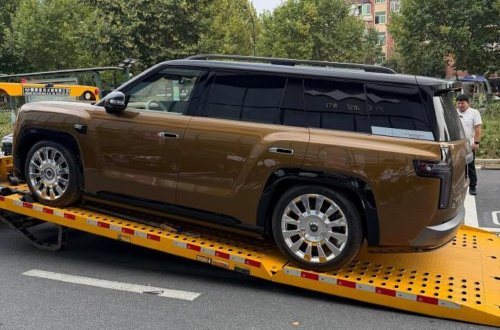
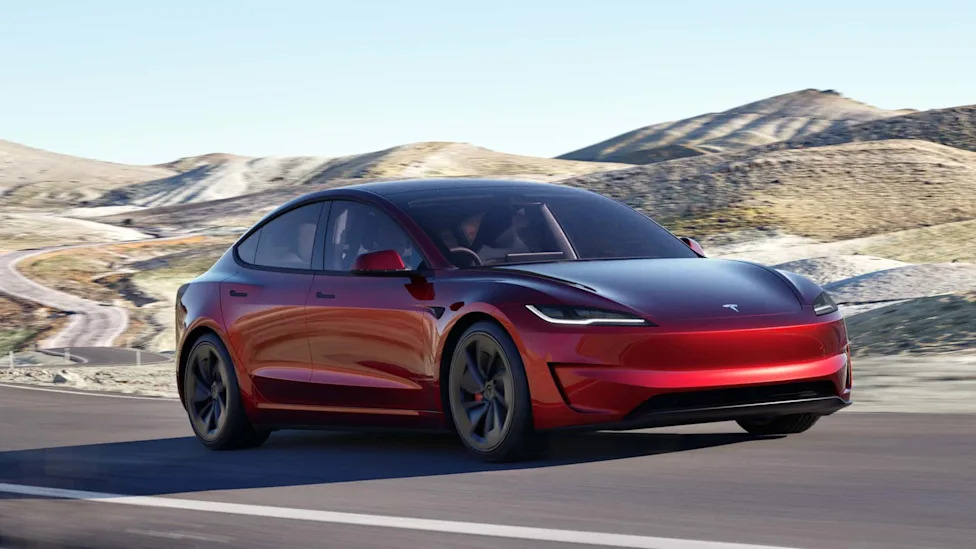
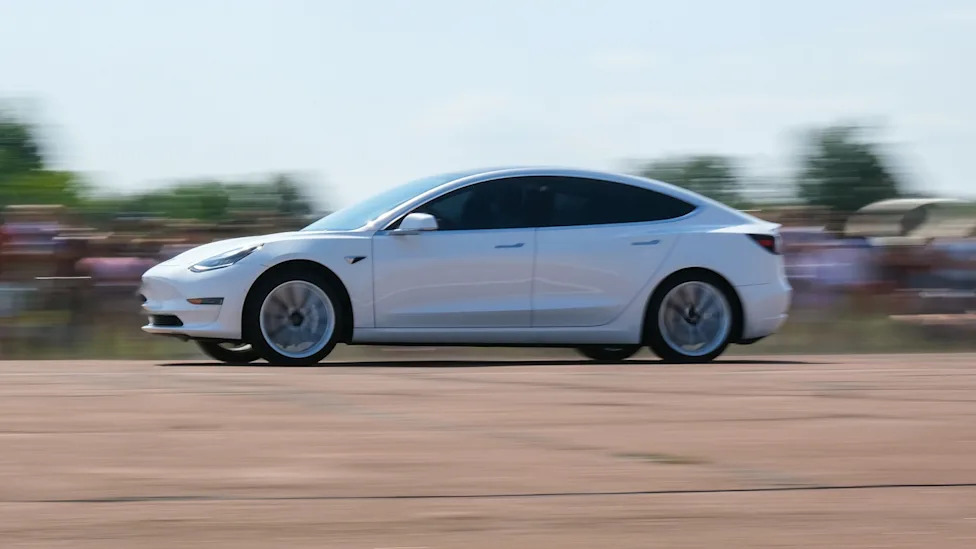
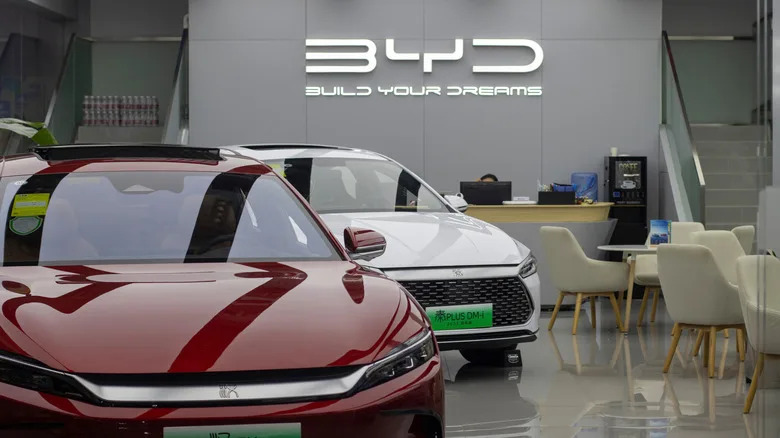
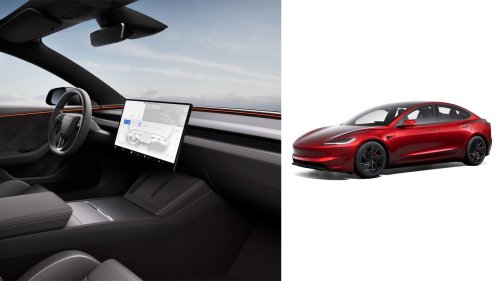
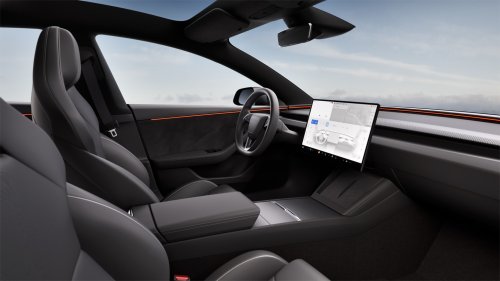
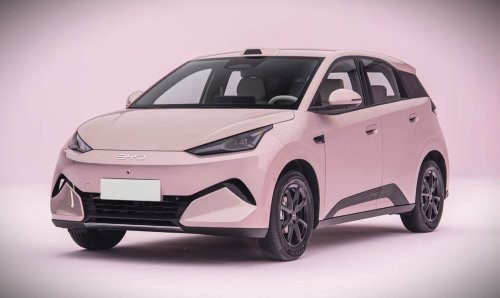
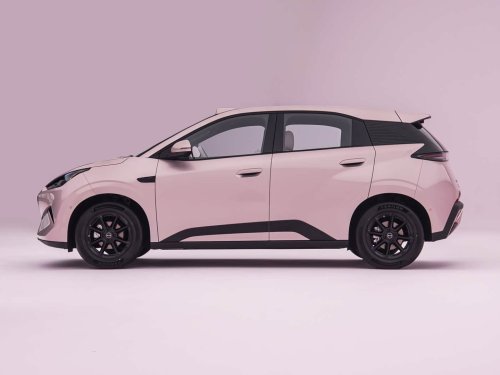
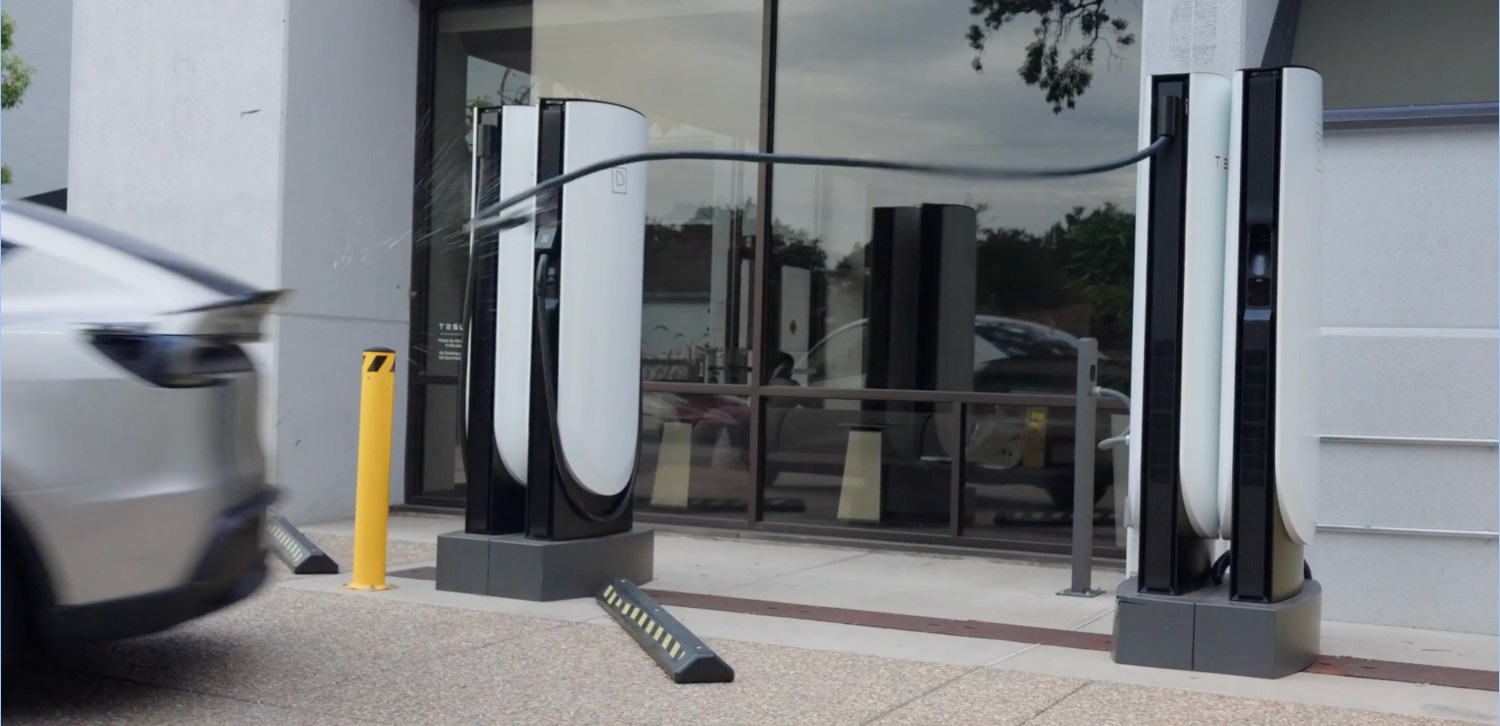
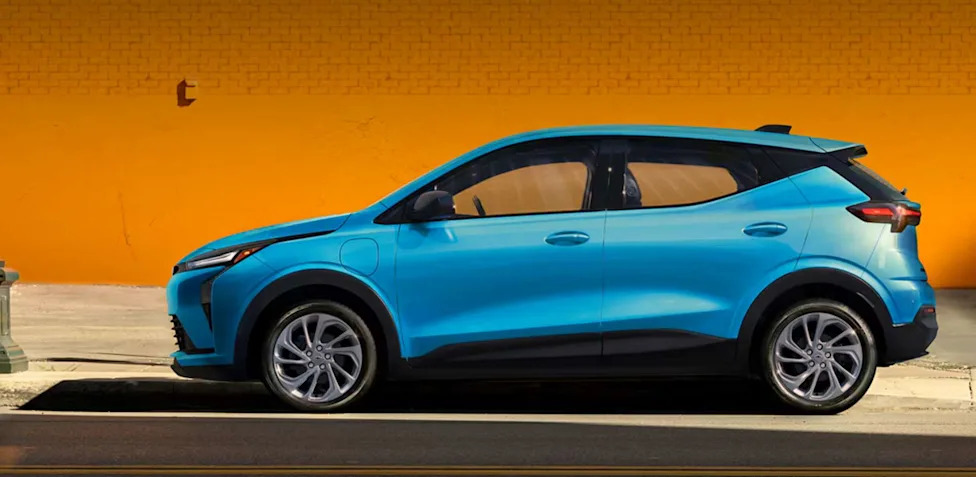
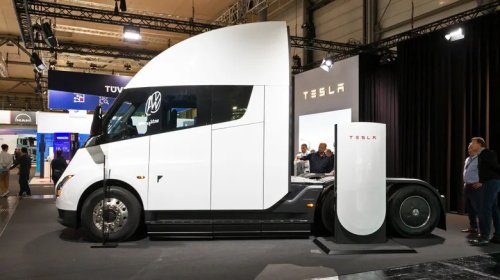
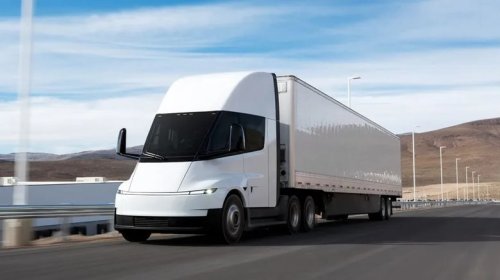
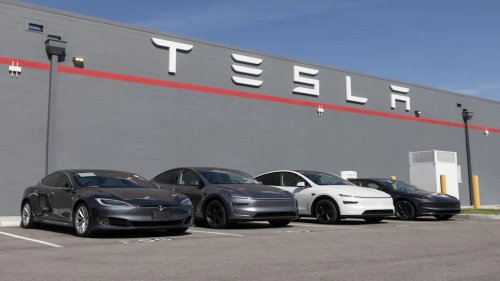
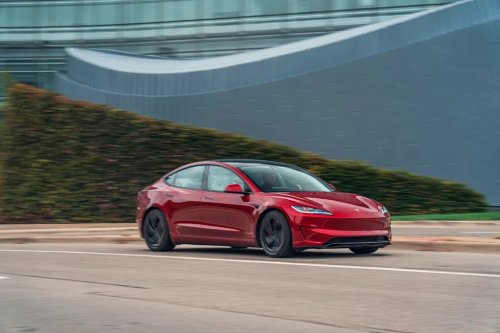
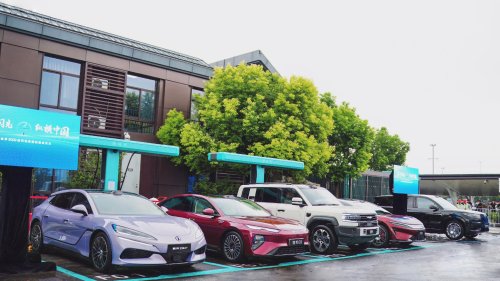
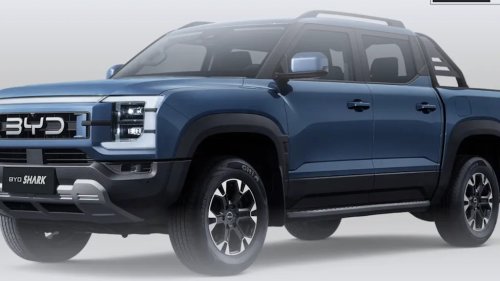
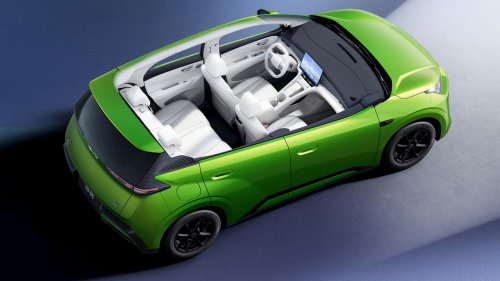
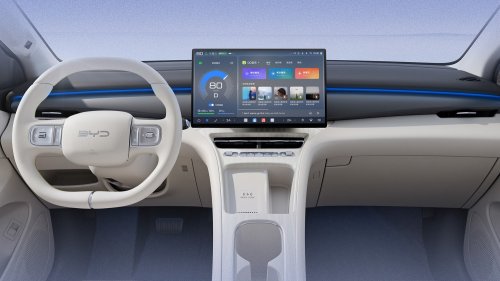
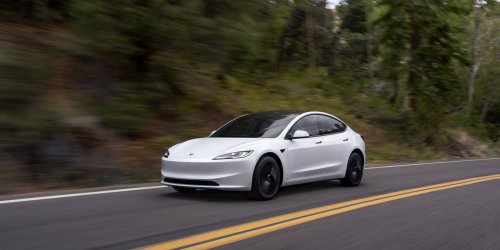
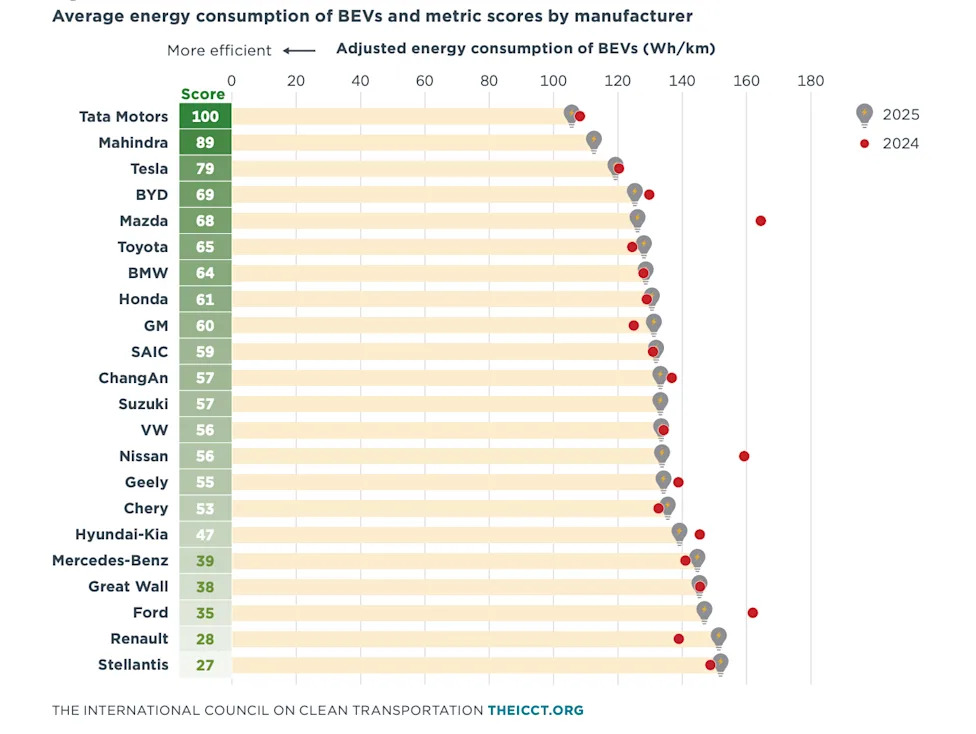
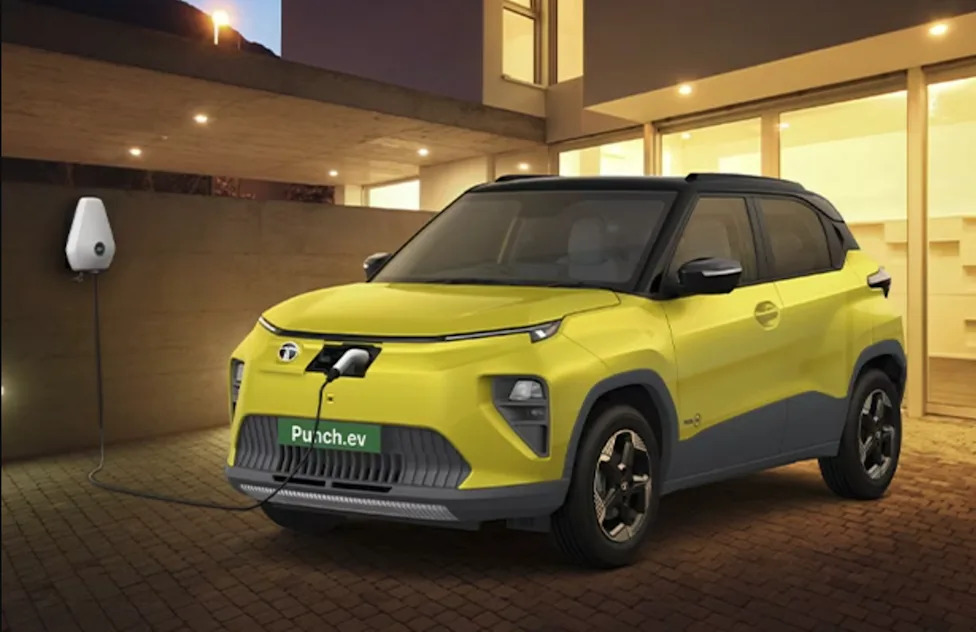
Autoblog and Yahoo may earn commission from links in this article.Does India's EV market understand something Tesla has forgotten?Tesla has spent years setting the benchmark for EV efficiency. But a new global ranking has produced an unexpected winner: India. According to the International Council on Clean Transportation's 2025 assessment, India's Tata Motors and Mahindra have the most energy-efficient battery-electric vehicle lineups among 22 major automakers. Meanwhile, Tesla and BYD follow in third and fourth. EVs from Indian manufacturers are generally designed around smaller, lighter crossovers that suit India's crowded cities, shorter daily journeys, and price-sensitive market. That matters because efficiency can be used in two very different ways. Tesla has often used it to extract more range from a battery. Tata and Mahindra may be using it to deliver enough range with less battery in the first place, helping keep EVs lighter and potentially more affordable.Smaller EVs Have An AdvantageICCTThe ICCT converts official test-cycle data into comparable energy-consumption figures and averages those results across each manufacturer's EV lineup. Tata's EV lineup averaged around 106 Wh/km, while Mahindra came in at approximately 113 Wh/km. But that does not necessarily mean Tata and Mahindra have more advanced EV technology than Tesla. The ranking measures the efficiency of each company's overall vehicle portfolio, which reflects lineup size and strategy as much as the efficiency of the hardware. AdvertisementAdvertisementA company focused on smaller vehicles can have an inherent advantage over one selling large SUVs and high-performance models. Tata and Mahindra primarily sell compact electric SUVs, while Tesla and BYD offer a broader mix that includes larger, heavier, and more powerful vehicles. That said, smaller vehicles are not automatically efficient. Weight, aerodynamics, power electronics, battery management, and drivetrain calibration still determine how much energy an EV wastes. The results suggest that their smaller vehicles are not merely benefiting from their dimensions. They are also reasonably well optimized for the markets they serve.Final ThoughtsTataView the 2 images of this gallery on the original articleThe ranking does not mean Tata and Mahindra have surpassed Tesla or BYD in every aspect of EV development. It does, however, suggest that the global industry's biggest names do not have a monopoly on efficiency, and that designing EVs around smaller batteries can be a competitive advantage rather than a compromise. Battery packs remain one of the most expensive components in an EV, so every kilowatt-hour a manufacturer can eliminate has the potential to reduce both vehicle weight and cost.For years, the industry has focused on bigger batteries, longer range, and faster acceleration. India's EV makers are showing that using less energy may be just as important. The next major EV breakthrough may not come from adding another 100 miles of range. It could come from building lighter, more efficient vehicles that need less battery in the first place.AdvertisementAdvertisementThis story was originally published by Autoblog on Jul 31, 2026, where it first appeared in the News section. Add Autoblog as a Preferred Source by clicking here.



















 +46 others