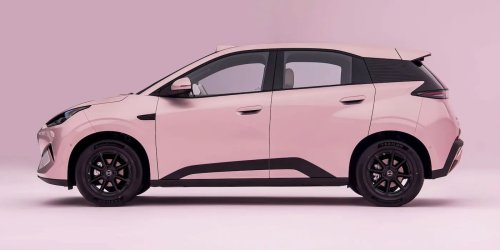
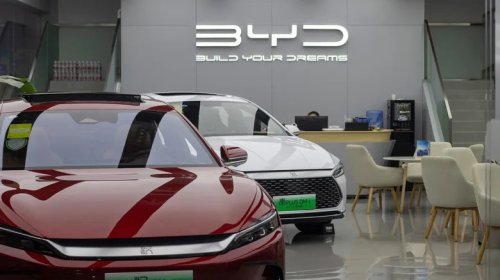
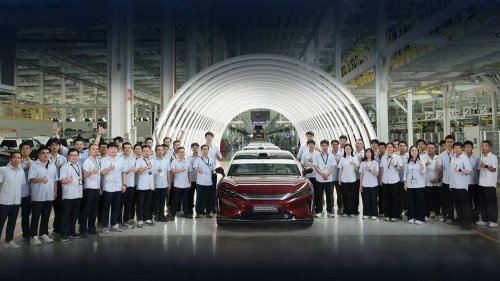
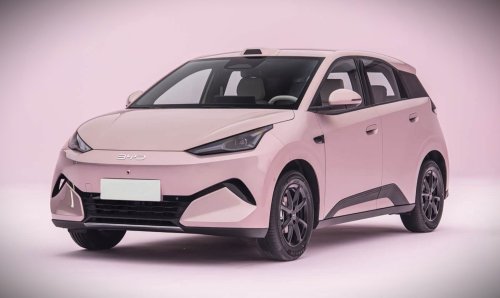
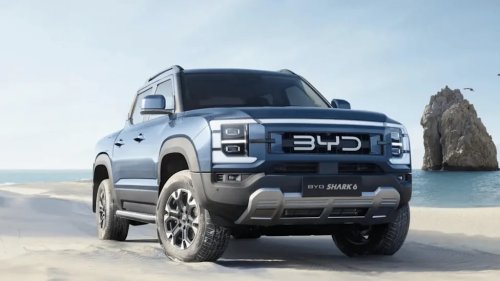
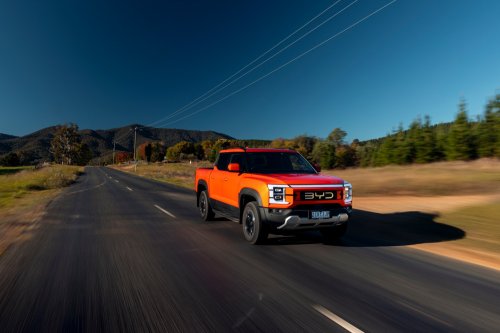
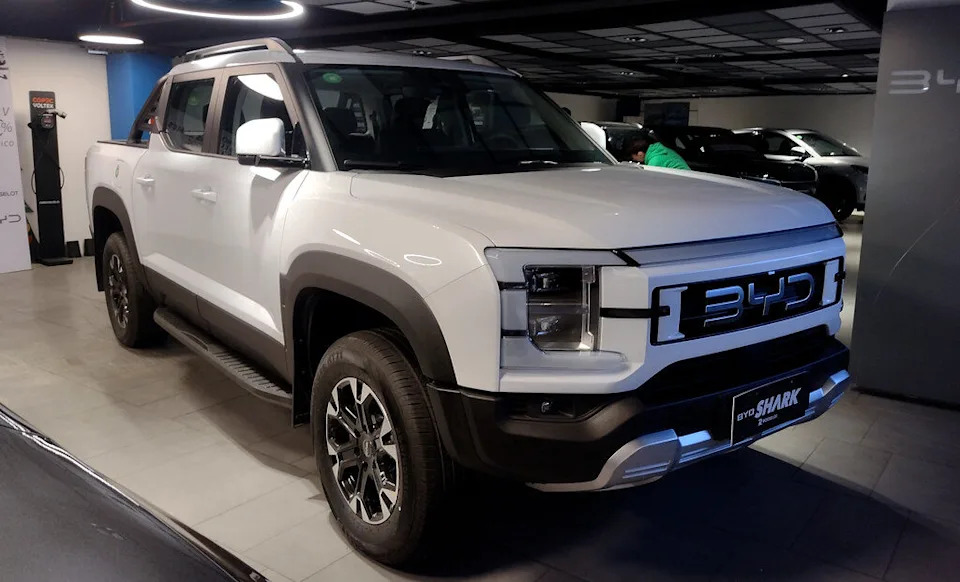
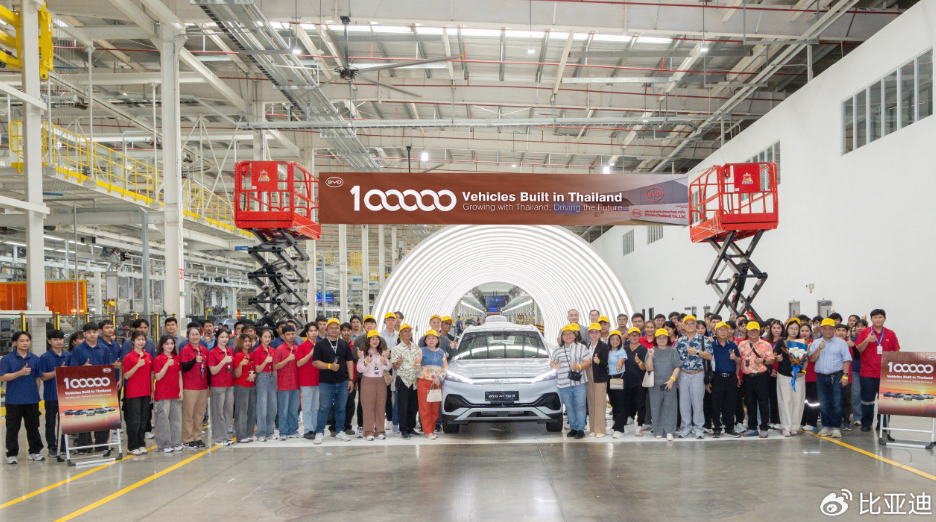
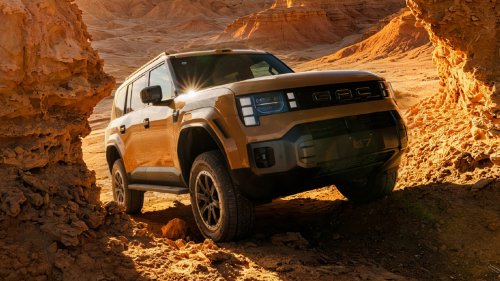
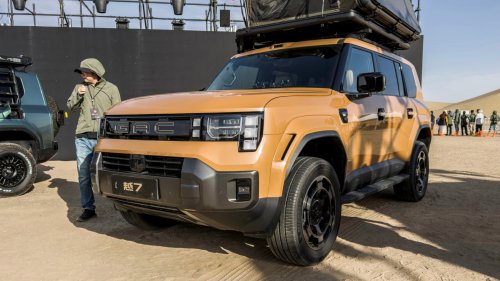
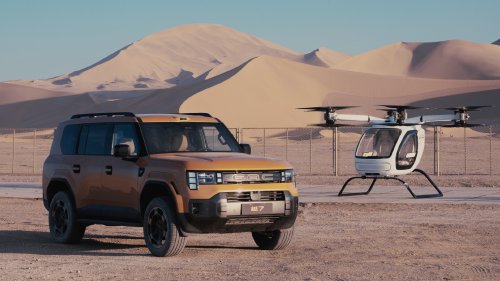
According to Gasgoo Data, new passenger vehicle registrations in Brazil reached 212,902 in June, surging 33.8% year-on-year. The market share for electrified vehicles climbed to 25.2%, while Chinese brands registered 49,628 vehicles, jumping from 10.2% a year ago to 23.3%. BYD came in fourth overall with 21,219 registrations, serving as the main driver of growth for Chinese brands.Brand Landscape: Chinese Brands Accelerate into the MainstreamVolkswagen retained the top spot in Brazil with 42,425 registrations, followed by Fiat (27,234) and Chevrolet (22,027). BYD broke into the top four and Chery locked down 10th place with 7,152 registrations. This shift underscores how Chinese brands are expanding well beyond the EV niche to challenge mainstream passenger vehicle incumbents.Electrified Speeds Up: BEVs and Hybrids Expand Side by SideBEVs accounted for roughly 10% of total registrations, while PHEVs and HEVs contributed 15.2%, bringing combined electrified penetration to 25.2%. BEV growth was largely driven by models like the BYD Dolphin Mini, BYD Dolphin, and Geely EX2. In the hybrid sector, the BYD Song family took the lead, with the GWM Haval H6 following closely behind, as hybrid demand continues to pick up steam.Model Rankings: Three BYD Models Make the Overall Top 10The BYD Song lineup led the charge with 6,632 registrations, closely shadowed by the Dolphin Mini (6,457) and Dolphin (5,512). All three cracked the top 10 best-sellers across all powertrains, proving that Chinese EVs can now go toe-to-toe with established mainstream benchmarks like the Volkswagen T-Cross and Polo.Local Footprint Accelerates: Shift from Imports to Regional ManufacturingBYD: Surpassed 100,000 cumulative vehicles built within roughly one year of operation at its Camaçari plant, consistently dominating local electrified vehicle sales.Chery: A pioneer among Chinese brands in Brazil, Chery established a strong footprint via its joint venture with CAOA, maintaining a solid position in the top 10 brands overall.OMODA & JAECOO: Chery's sub-brands rely on imported CBU models—primarily the Omoda 5 and Jaecoo 7, while paving the way for local assembly at the Jacareí plant.Geely: Partnering with Renault, Geely is forging ahead with local production of models like the EX2 in Paraná state.GWM: Expanding local capacity for key models like the Haval H6 and H9 at its Iracemápolis plant, further cementing its lead in the electrified SUV space.GAC: Debuted its Aion and GS lines in 2025, leveraging a facility in Goiás State to prepare for local mass production by 2027.Outlook: Electrification Gains Momentum as Competition Shifts to Local OperationsWhile non-electrified vehicles still dominate, EV penetration in Brazil's passenger vehicle market and Chinese brand market share are rising simultaneously. As import tariffs gradually creep back up and local production facilities come online, the battleground is shifting from simple import introductions to deep-rooted local capabilities—spanning supply chains, dealer networks, auto finance, and product localization.Chinese automakers have transformed from peripheral players into core mainstream contenders. Going forward, holding and growing market share will no longer hinge solely on product specs and pricing, but on the depth of local manufacturing and long-term operational execution.






















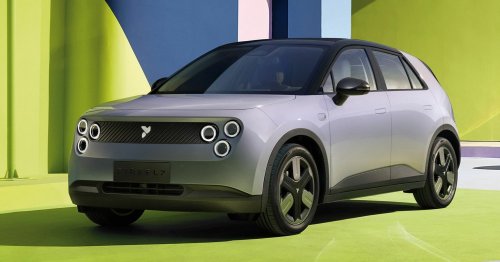
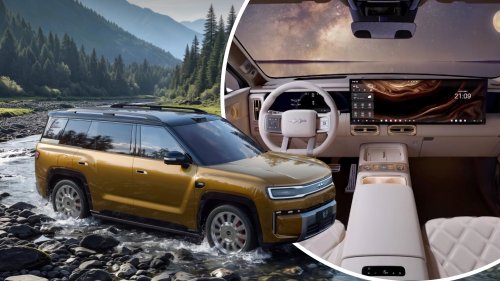
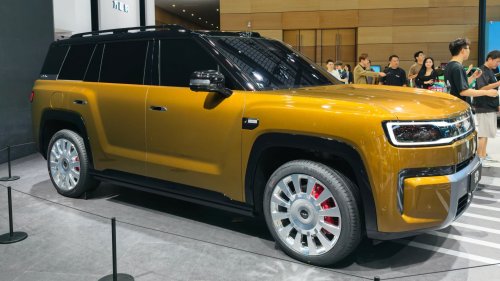
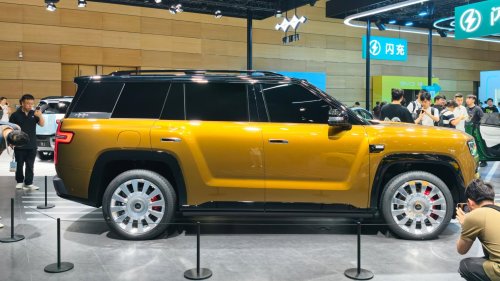
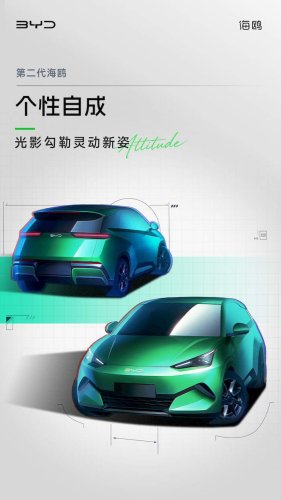
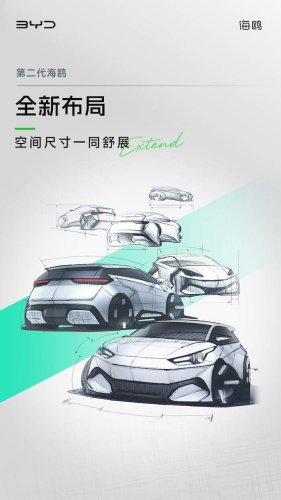
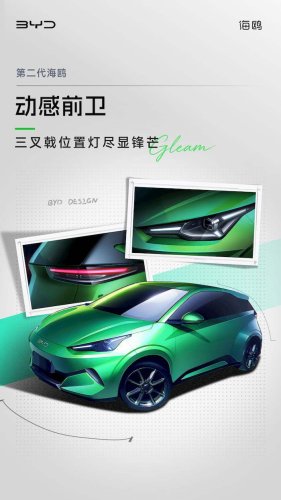
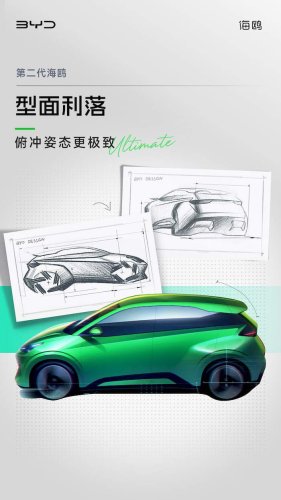

![BYD, BYD Seagull, BYD offers a closer look at the new Seagull EV [Images]](https://cdn.topcarnews.net/thumb/id/aHR0cHM6Ly9pMC53cC5jb20vZWxlY3Ry-ZWsuY28vd3AtY29udGVudC91cGxvYWRz-L3NpdGVzLzMvMjAyNi8wOS9CWUQtbmV3-LVNlYWd1bGwtRVYtdXBkYXRlLmpwZWc_-dz0xNTAwJmFtcDtxdWFsaXR5PTgyJmFt-cDtzdHJpcD1hbGwmYW1wO3NzbD0x/9c0b758dc4a218f611566b2a03c52e8a.jpeg?t=20260930&post_id=64651)
![BYD, BYD Seagull, BYD offers a closer look at the new Seagull EV [Images]](https://cdn.topcarnews.net/thumb/id/aHR0cHM6Ly9lbGVjdHJlay5jby93cC1j-b250ZW50L3VwbG9hZHMvc2l0ZXMvMy8y-MDI2LzA5L0JZRC1uZXctU2VhZ3VsbC1F-Vi0xLmpwZWc_c3RyaXA9aW5mbyZhbXA7-dz03MDA/9f44752c6c4b6208b3a29d7e2ceaf455.jpeg?t=20260930&post_id=64651)
![BYD, BYD Seagull, BYD offers a closer look at the new Seagull EV [Images]](https://cdn.topcarnews.net/thumb/id/aHR0cHM6Ly9lbGVjdHJlay5jby93cC1j-b250ZW50L3VwbG9hZHMvc2l0ZXMvMy8y-MDI2LzA5L0JZRC1uZXctU2VhZ3VsbC1F-Vi0zLmpwZWc_c3RyaXA9aW5mbyZhbXA7-dz03MDA/53e754be2aacba076b7b389ef9413f41.jpeg?t=20260930&post_id=64651)
![BYD, BYD Seagull, BYD offers a closer look at the new Seagull EV [Images]](https://cdn.topcarnews.net/thumb/id/aHR0cHM6Ly9lbGVjdHJlay5jby93cC1j-b250ZW50L3VwbG9hZHMvc2l0ZXMvMy8y-MDI2LzA5L0JZRC1uZXctU2VhZ3VsbC1F-Vi5qcGVnP3N0cmlwPWluZm8mYW1wO3c9-NzAw/3b0cb7f441d090c464769d93120d8543.jpeg?t=20260930&post_id=64651)
![BYD, BYD Seagull, BYD offers a closer look at the new Seagull EV [Images]](https://cdn.topcarnews.net/thumb/id/aHR0cHM6Ly9lbGVjdHJlay5jby93cC1j-b250ZW50L3VwbG9hZHMvc2l0ZXMvMy8y-MDI2LzA5L0JZRC1uZXctU2VhZ3VsbC1F-Vi0yLmpwZWc_c3RyaXA9aW5mbyZhbXA7-dz03MDA/ea2b4ebf38c4e9bf732d179d639b1562.jpeg?t=20260930&post_id=64651)
![BYD, BYD Seagull, BYD offers a closer look at the new Seagull EV [Images]](https://cdn.topcarnews.net/thumb/id/aHR0cHM6Ly9lbGVjdHJlay5jby93cC1j-b250ZW50L3VwbG9hZHMvc2l0ZXMvMy8y-MDI2LzA3L0JZRC1TZWFndWxsLUVWLXVw-ZGF0ZS0zLmpwZWc_c3RyaXA9aW5mbyZh-bXA7dz0xNDAw/02a0f7b5011767092a1ea11a79495fc7.jpeg?t=20260930&post_id=64651)


![BYD, BYD's $10,000 EV has a big sibling on the way: First look [Images]](https://cdn.topcarnews.net/thumb/id/aHR0cHM6Ly9pMC53cC5jb20vZWxlY3Ry-ZWsuY28vd3AtY29udGVudC91cGxvYWRz-L3NpdGVzLzMvMjAyNi8wOS9CWUQtR3Jl-YXQtU2VhZ3VsbC1FVi1maXJzdC1sb29r-LmpwZWc_dz0xNTAwJmFtcDtxdWFsaXR5-PTgyJmFtcDtzdHJpcD1hbGwmYW1wO3Nz-bD0x/4dd4fa96cdf12559891b44c0ae18cc65.jpeg?t=20260930&post_id=64341)
![BYD, BYD's $10,000 EV has a big sibling on the way: First look [Images]](https://cdn.topcarnews.net/thumb/id/aHR0cHM6Ly9lbGVjdHJlay5jby93cC1j-b250ZW50L3VwbG9hZHMvc2l0ZXMvMy8y-MDI2LzA3L0JZRC1TZWFndWxsLUVWLWxv-bmdlci5qcGVnP3N0cmlwPWluZm8mYW1w-O3c9MTQwMA/a412dc5ddf85cc7d169d4bcc3fdd7798.jpeg?t=20260930&post_id=64341)
![BYD, BYD's $10,000 EV has a big sibling on the way: First look [Images]](https://cdn.topcarnews.net/thumb/id/aHR0cHM6Ly9lbGVjdHJlay5jby93cC1j-b250ZW50L3VwbG9hZHMvc2l0ZXMvMy8y-MDI2LzA3L0JZRC1TZWFndWxsLUVWLXVw-ZGF0ZS5qcGVnP3N0cmlwPWluZm8mYW1w-O3c9MTQwMA/fecda1af96dbaf70d574ec2f9e5deb7a.jpeg?t=20260930&post_id=64341)
![BYD, BYD's $10,000 EV has a big sibling on the way: First look [Images]](https://cdn.topcarnews.net/thumb/id/aHR0cHM6Ly9lbGVjdHJlay5jby93cC1j-b250ZW50L3VwbG9hZHMvc2l0ZXMvMy8y-MDI2LzA3L0JZRC1TZWFndWxsLUVWLXVw-ZGF0ZS0xLmpwZWc_c3RyaXA9aW5mbyZh-bXA7dz0xNDAw/8dbbcf9dde61eec3ff01de1121cdaaf5.jpeg?t=20260930&post_id=64341)
![BYD, BYD's $10,000 EV has a big sibling on the way: First look [Images]](https://cdn.topcarnews.net/thumb/id/aHR0cHM6Ly9lbGVjdHJlay5jby93cC1j-b250ZW50L3VwbG9hZHMvc2l0ZXMvMy8y-MDI2LzA3L0JZRC1TZWFndWxsLUVWLXVw-ZGF0ZS0yLmpwZWc_c3RyaXA9aW5mbyZh-bXA7dz0xNDAw/5aa4369f36f3e45cef0b6dd83ae6128a.jpeg?t=20260930&post_id=64341)
![BYD, BYD's $10,000 EV has a big sibling on the way: First look [Images]](https://cdn.topcarnews.net/thumb/id/aHR0cHM6Ly9lbGVjdHJlay5jby93cC1j-b250ZW50L3VwbG9hZHMvc2l0ZXMvMy8y-MDI2LzA3L0JZRC1TZWFndWxsLUVWLXVw-ZGF0ZS0zLmpwZWc_c3RyaXA9aW5mbyZh-bXA7dz0xNDAw/02a0f7b5011767092a1ea11a79495fc7.jpeg?t=20260930&post_id=64341)