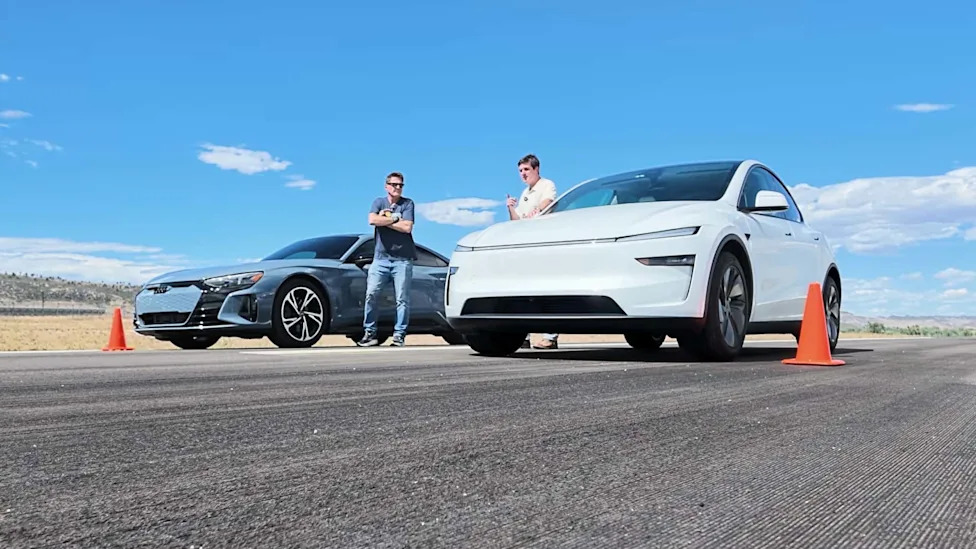
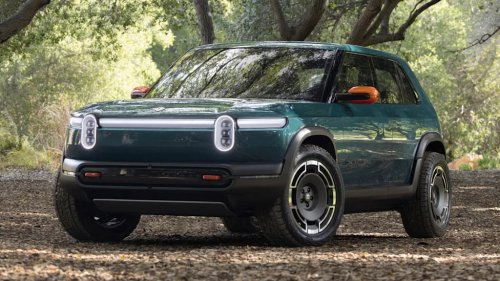
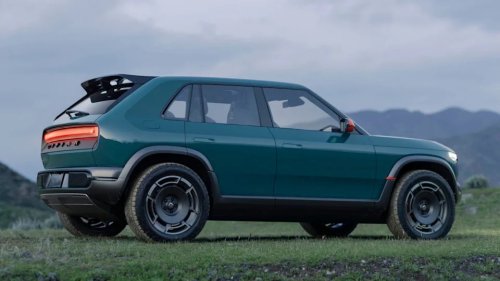
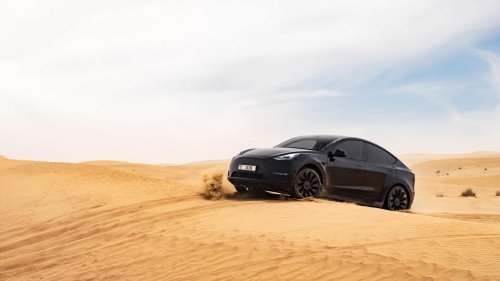
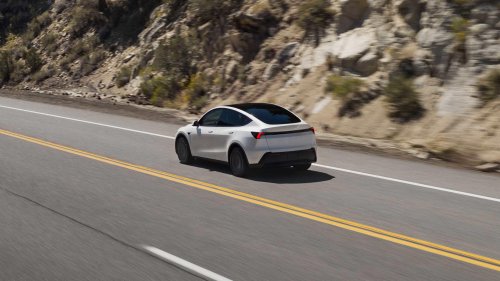
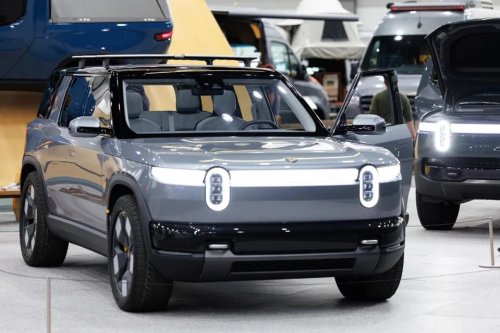
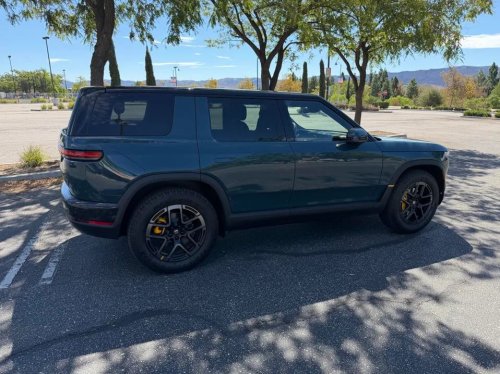
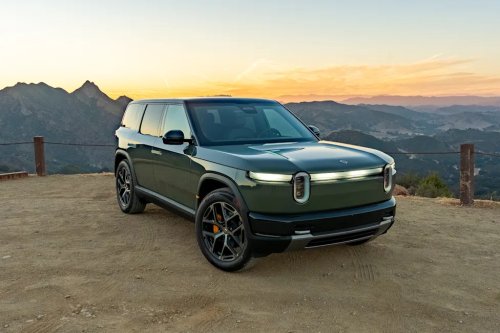
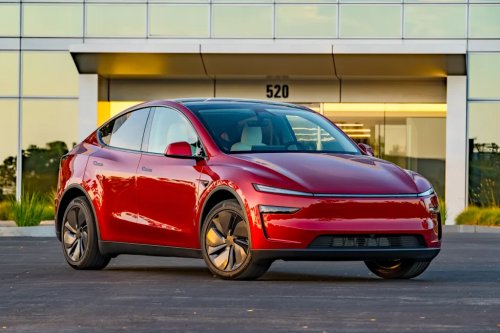
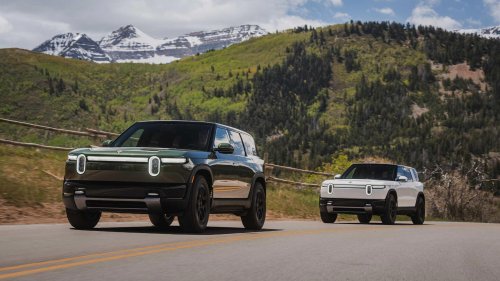
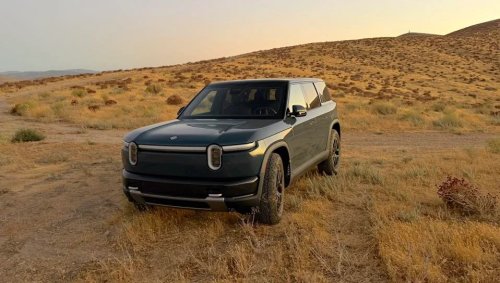
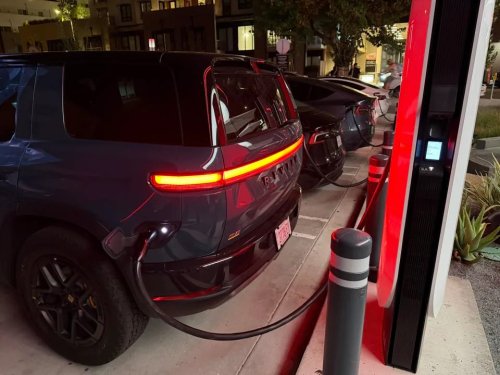
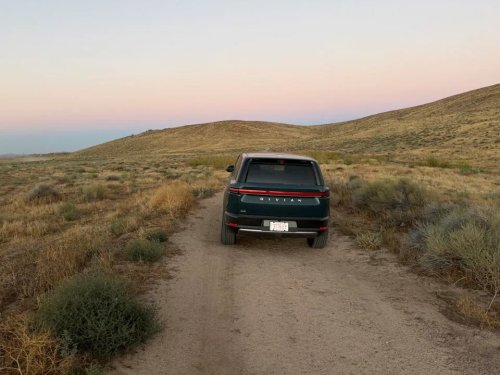
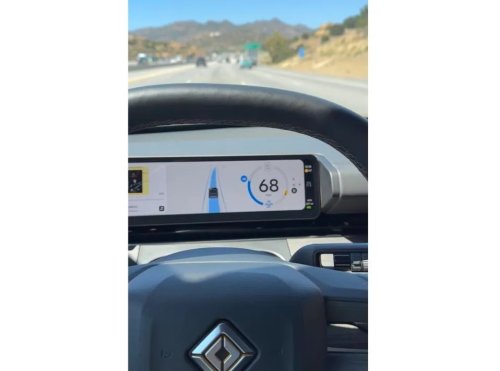
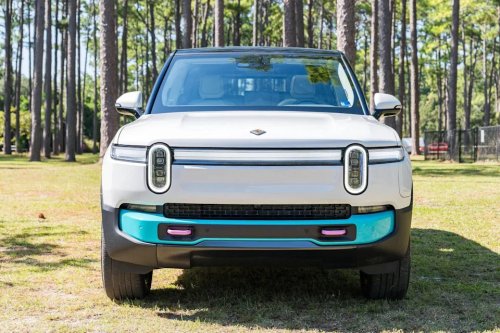
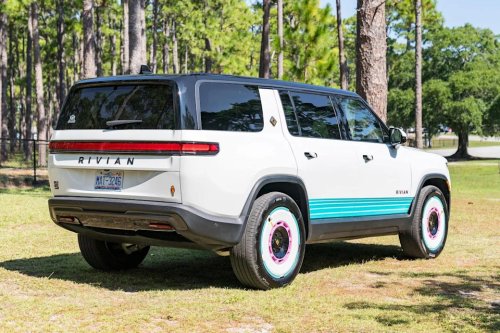
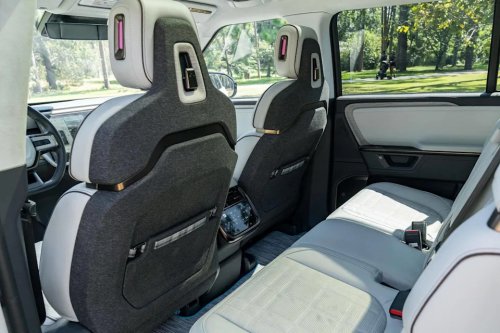
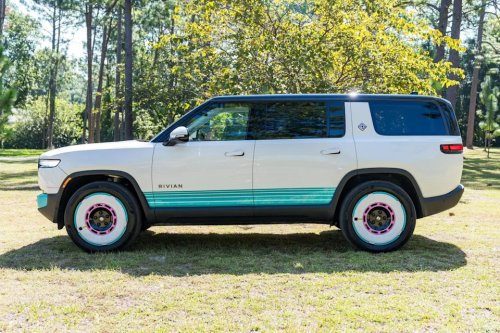
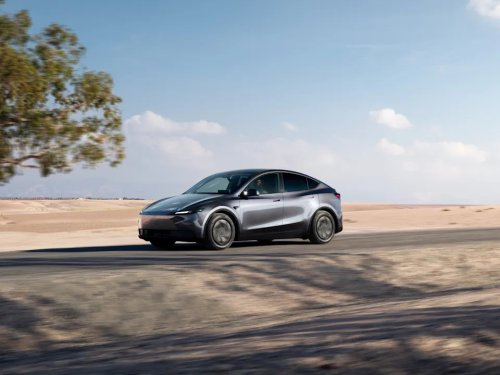
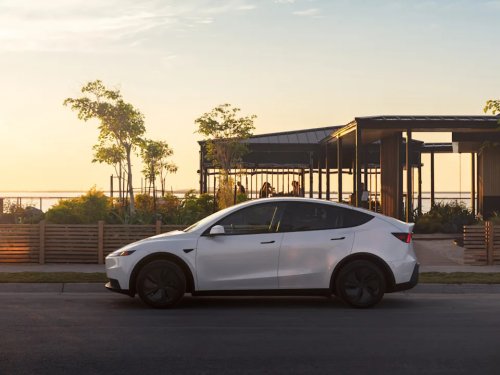
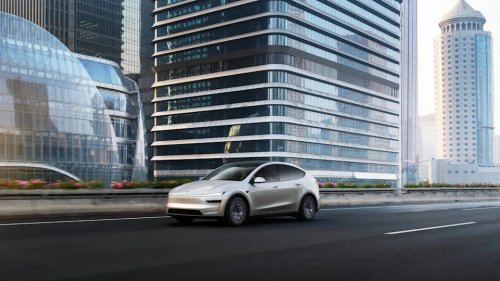
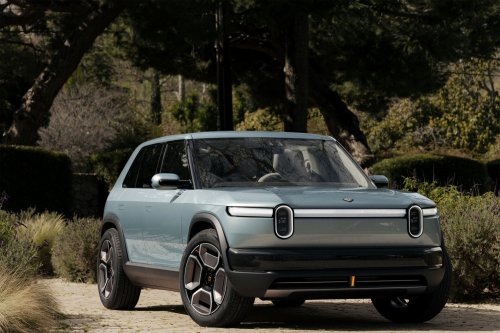
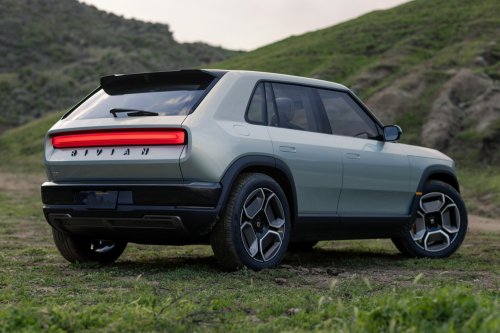
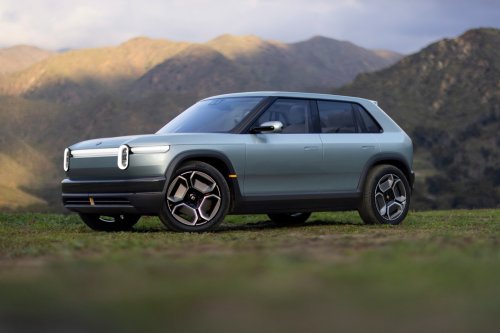
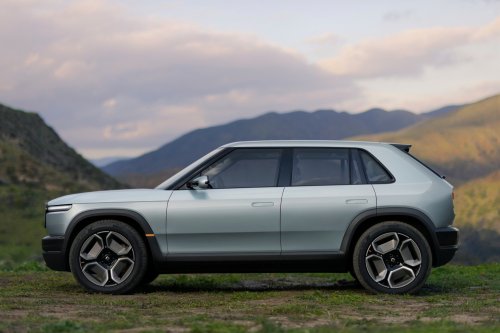
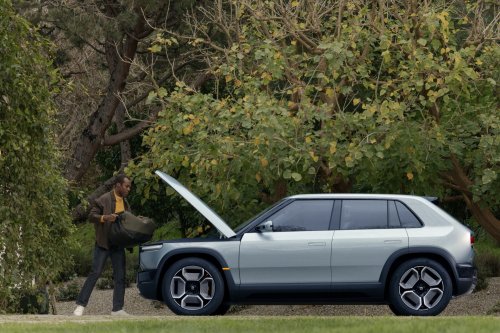
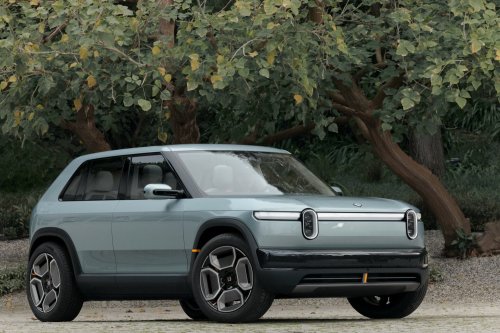
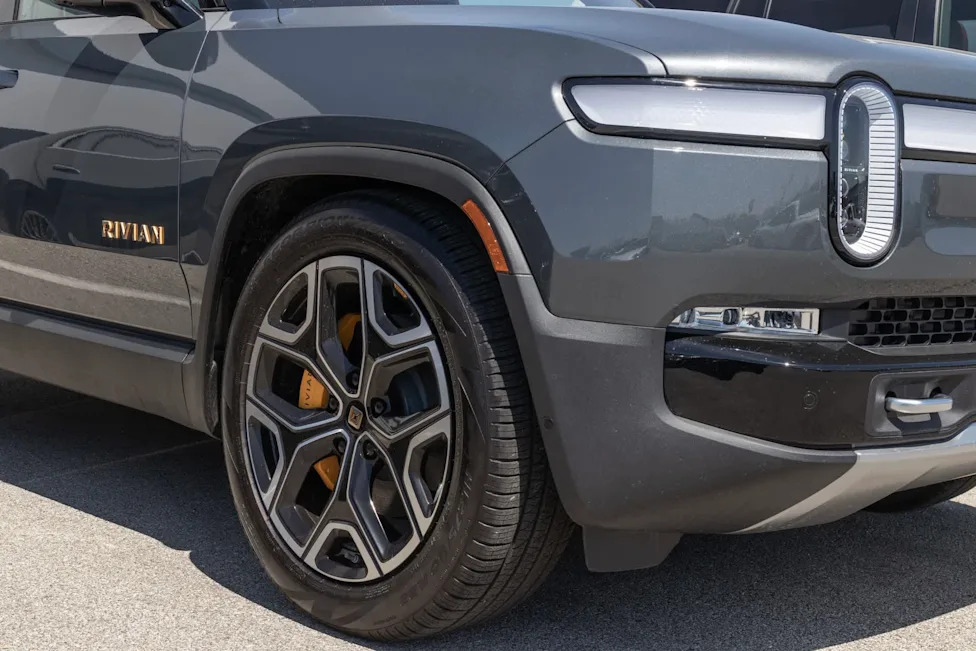
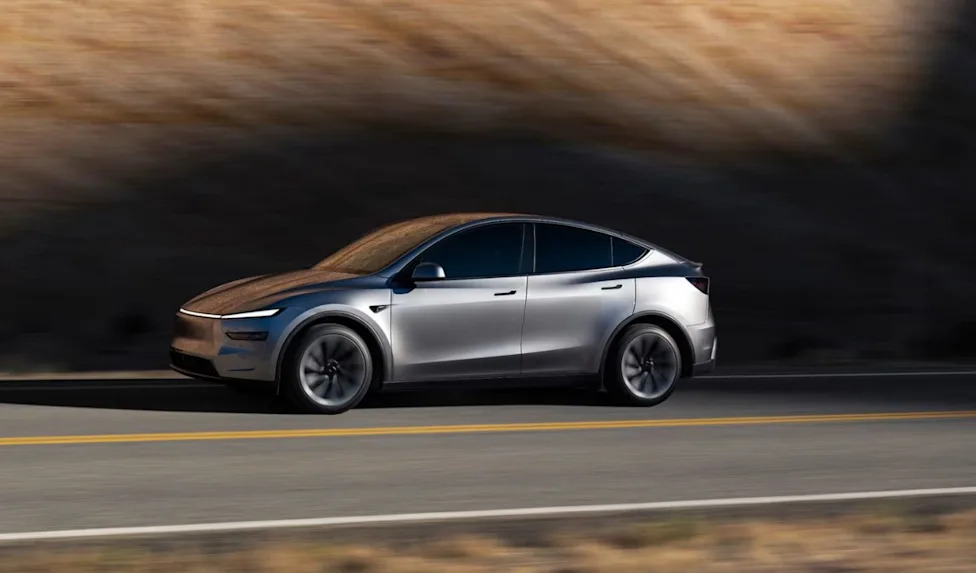
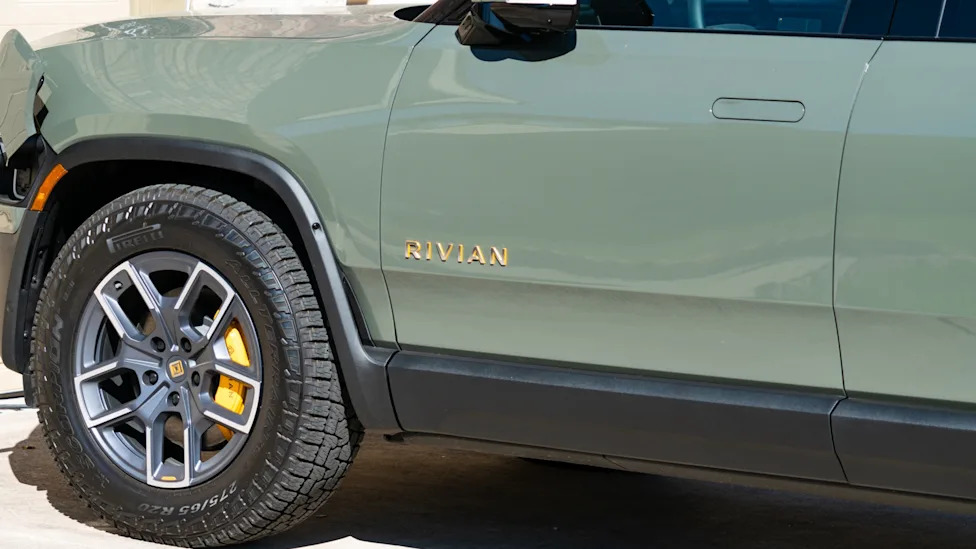
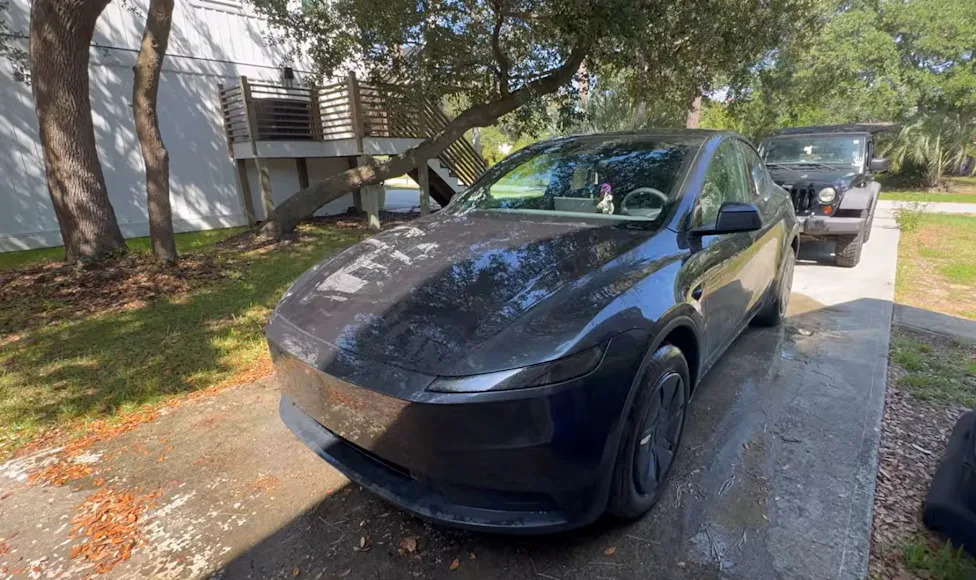
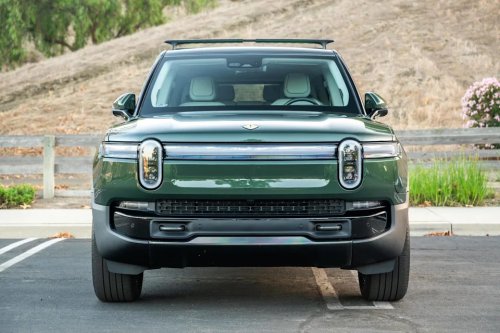
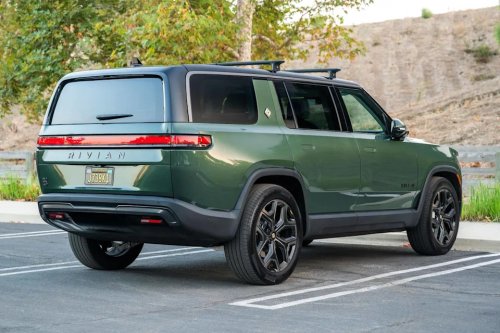
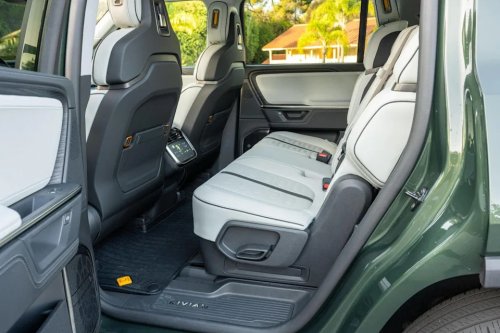
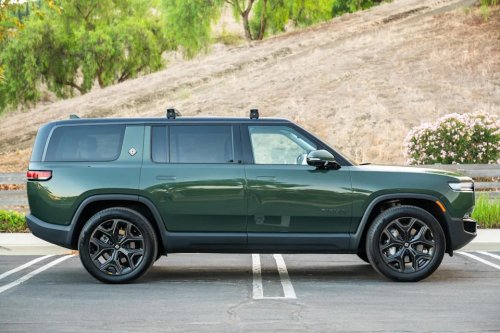
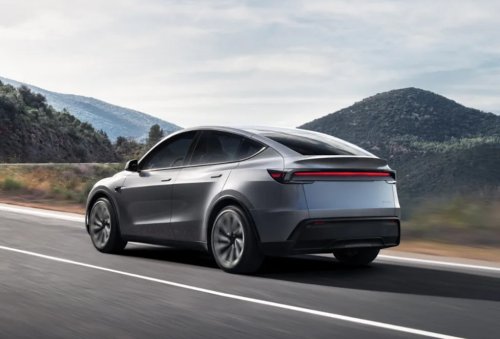
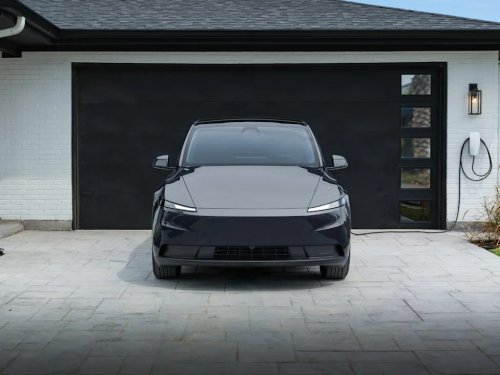
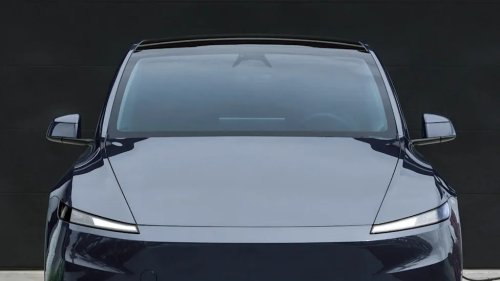
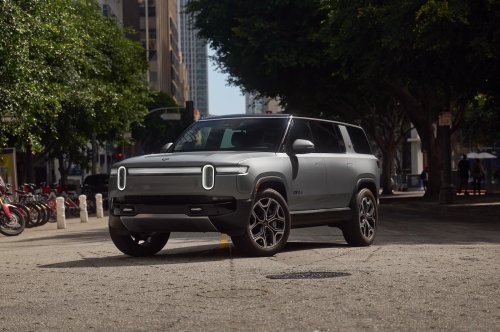
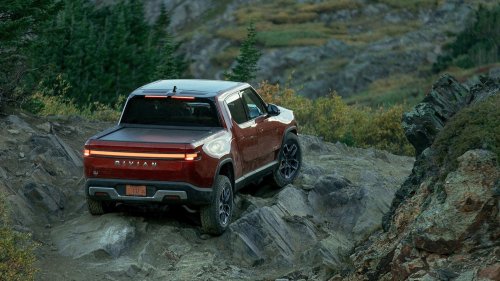
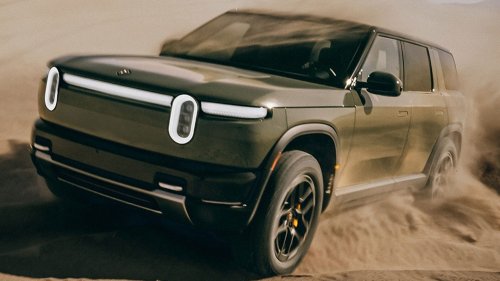
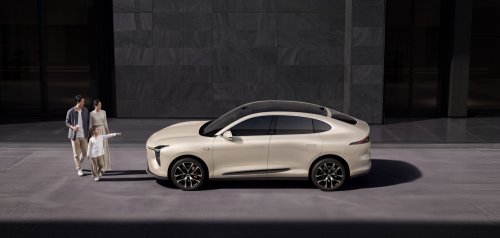
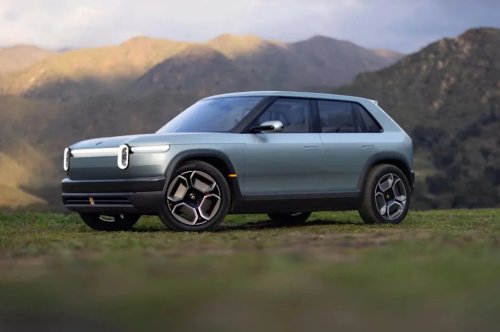
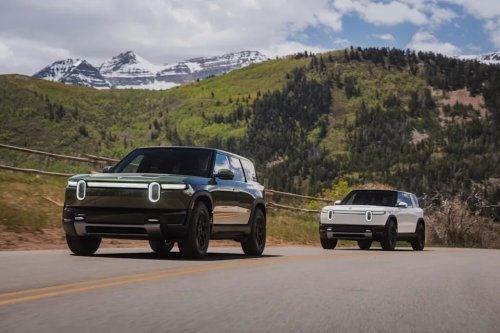
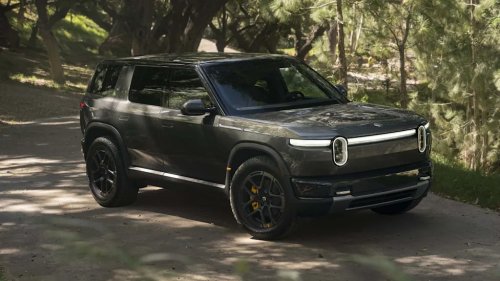
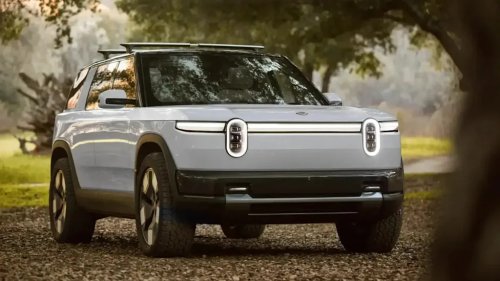
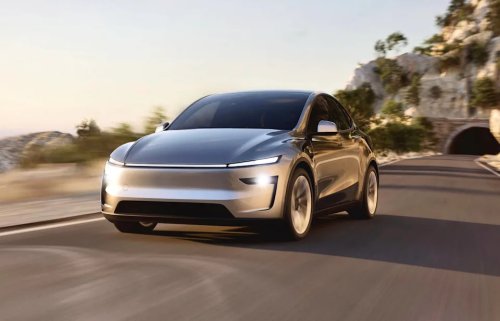
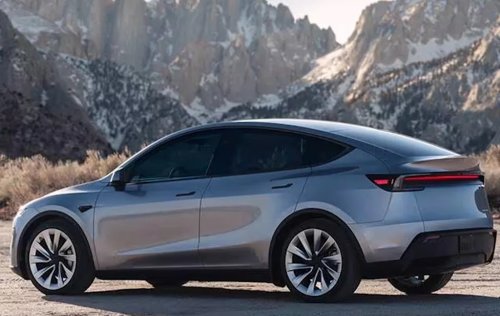
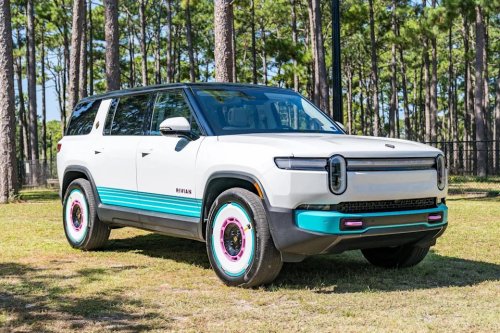
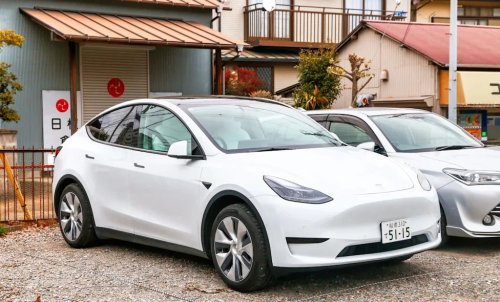
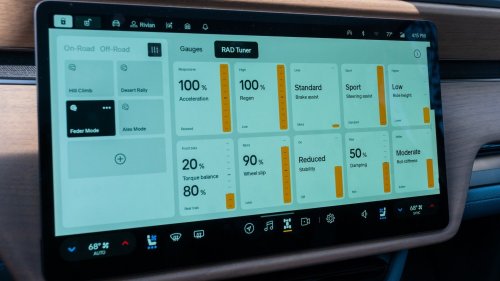
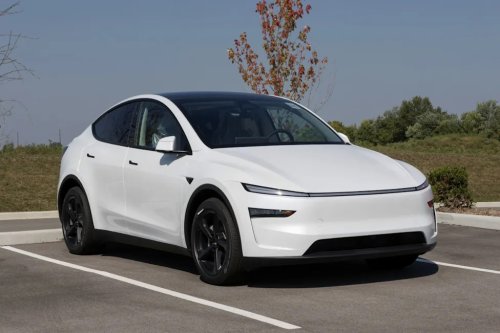
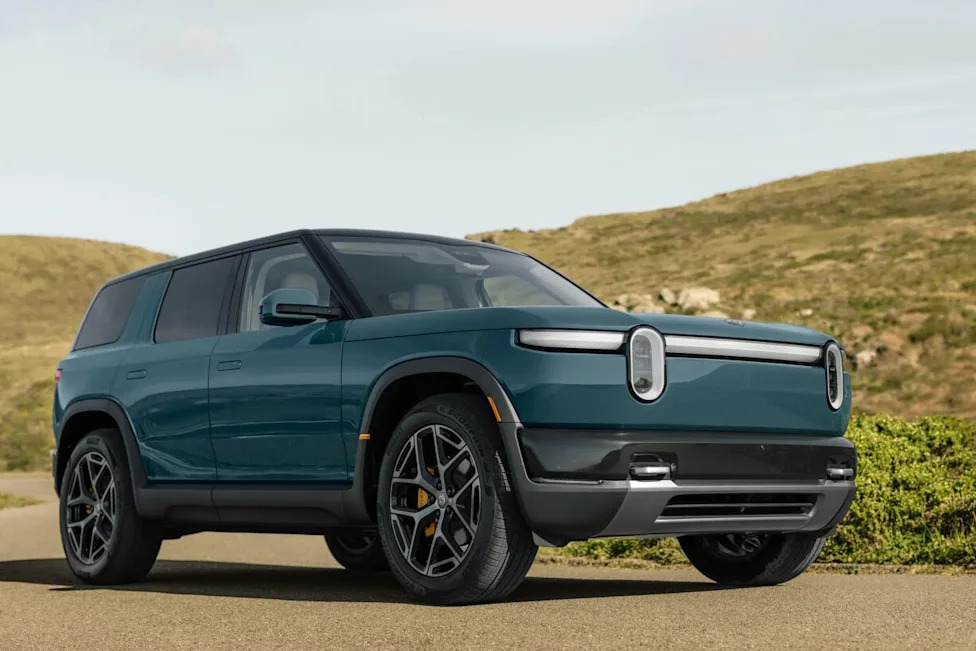
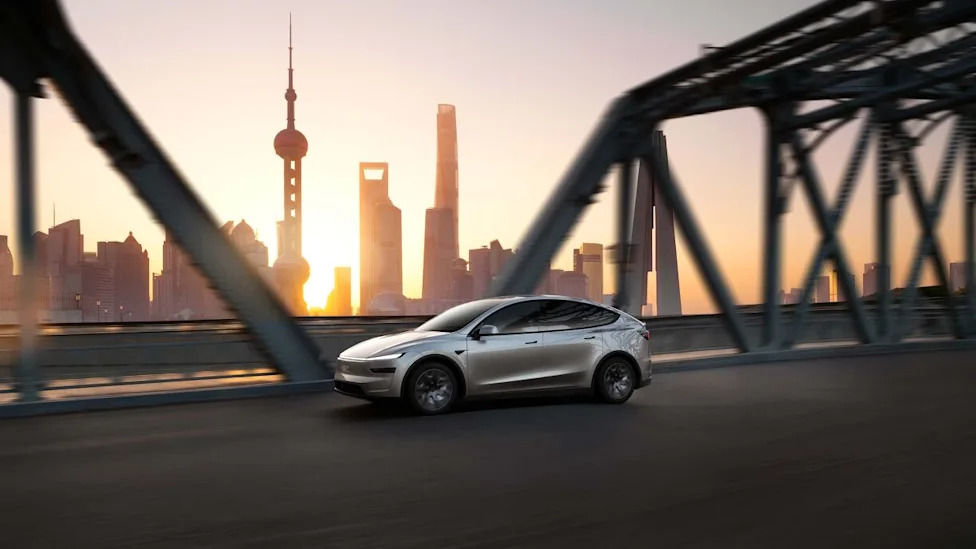
rivian r2 vs tesla model y testing exposes major efficiency gapWhen the official EPA efficiency numbers for the Rivian R2 Performance landed, industry watchers were impressed. On paper, Rivian's new mid-size electric SUV achieved an identical combined rating to the segment-defining Tesla Model Y Performance: 105 MPGe and 32 kWh per 100 miles.Rivian CEO RJ Scaringe aggressively pushed this narrative, assuring the media that the R2 was just as efficient as the Model Y on a watt-hour-per-mile basis, despite its blocky design.However, a side-by-side, real-world highway test conducted by the EV testing team at Out of Spec Reviews on YouTube tells a very different story. When driven back-to-back on the same roads at the same time, the Rivian R2 Performance consumed between 18% and 26% more energy than the Model Y Performance at every single tested speed.rivian r2 vs tesla model y testing exposes major efficiency gapThe Core Disconnect in EPA TestingThe massive gap between the lab results and the highway asphalt highlights a structural loophole in the EPA's certification process. The agency allows EV manufacturers to choose between two different testing tracks. The standard, cheaper method involves running the vehicle through basic city and highway cycles until the battery drops to zero, then multiplying the raw distance by a flat 0.7 correction factor to simulate real-world conditions.AdvertisementAdvertisementThe costlier, more rigorous path is the multi-cycle test. This longer procedure tracks a mix of four city cycles, two highway cycles, and two constant-speed segments, actively measuring real-world variables like extreme temperatures and high-speed drag. Vehicles that undergo this extensive process often earn a significantly more favorable, custom adjustment factor rather than the standard 30% reduction penalty. While test logs are not made public, industry experts suspect Rivian ran the full multi-cycle loop to secure its generous paper rating, while Tesla used derived baseline estimates.Furthermore, the EPA's public consumer metrics factor in electrical charging losses at the wall plug. Out of Spec calculated pure energy consumption straight from the battery packs, revealing that the EPA's math technically expects the R2 to outperform the Model Y by achieving 3.75 miles per kWh against the Tesla's 3.64 miles per kWh.Controlled Road Testing ResultsTo eliminate variables, both SUVs were cold-soaked to ambient temperature, their tires were precision-set to 42 PSI cold, and the interior climate controls were locked at 68 degrees Fahrenheit with rear vents deactivated. The R2 cruised in its optimized Conserve mode, while the Model Y was placed in Chill mode. The vehicles consistently swapped the lead position on out-and-back loops to prevent drafting benefits. Because the odometers registered a 1.7% variance, the final metrics were determined by tracking total kilowatt-hours consumed.The resulting energy consumption gap widened significantly as velocities increased:AdvertisementAdvertisementAt a steady 50 mph, the Rivian R2 required 18.4% more energy than the Tesla, averaging 4.00 miles per kWh. Bumping the cruise control to 60 mph saw the discrepancy jump to roughly 26% more energy used, with the R2 dropping to 3.15 miles per kWh. At 70 mph, the R2 consumed roughly 20% more energy, though heavy Interstate 95 rush-hour traffic provided aerodynamic slipstreams from nearby tractor-trailers that temporarily insulated the Rivian's boxy front profile. At a true 80 mph, aerodynamic drag completely dominated the test; the R2 guzzled 26.5% more energy than the Tesla, sinking to a low 2.46 miles per kWh.Even a 20-minute slow-speed city simulation-an environment specifically engineered to favor the R2-failed to close the gap. The R2 features a mechanical clutch designed to physically disconnect its front permanent-magnet motor while crawling to save power, whereas the Model Y's front induction motor spins continuously. Despite this hardware trick, the Model Y consumed 1.6 kWh over the city loop, while the R2 used 1.9 kWh, marking a 19% efficiency deficit in stop-and-go driving.Charging Performance Offers RedemptionThe news wasn't entirely negative for Rivian. During a standardized charging challenge-plugging in at 10% state of charge for exactly 15 minutes before hitting the highway at 80 mph-the R2's 400-volt architecture put on a masterclass in thermal management.Connected to high-output DC fast-charging hardware, the R2 absorbed a flat 600 amps all the way up to a 32% state of charge, topping out at a peak of 229 kW. The vehicle pulled in 48.3 kWh of juice in the 15-minute window, rocketing from 10% to 59% battery capacity.AdvertisementAdvertisementUltimately, the road test reinforces the unyielding laws of physics. While the Rivian R2 charges exceptionally well and offers a highly functional, rugged utility profile, its 800-pound weight penalty and vertical, boxy front end mean it simply cannot match the real-world highway efficiency of the aerodynamic, egg-shaped Tesla Model Y.



















 +32 others