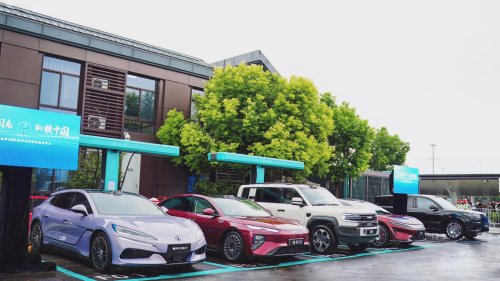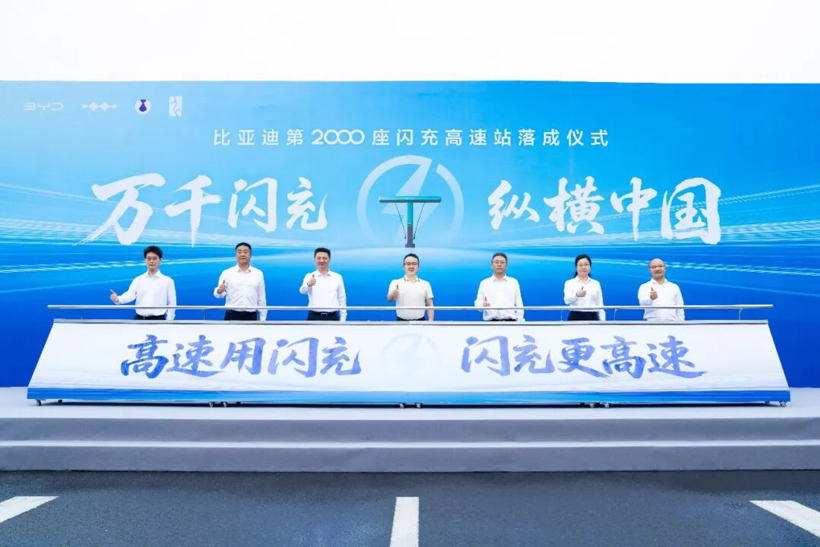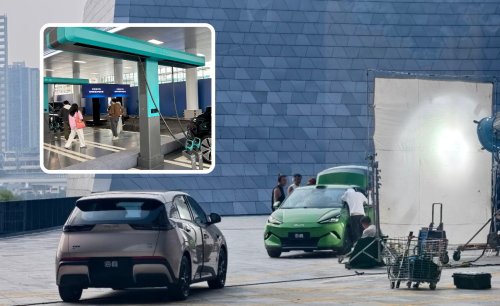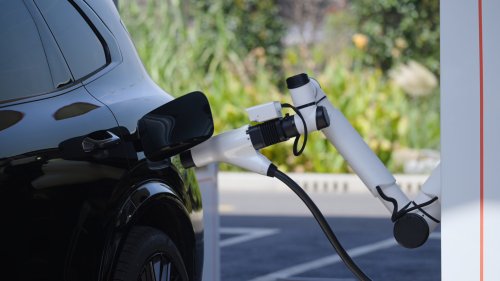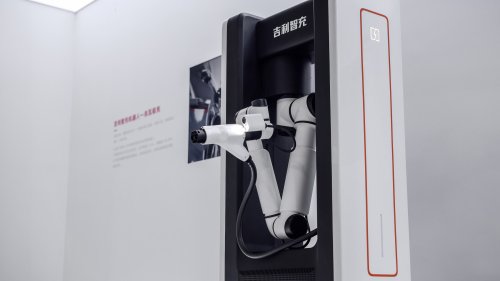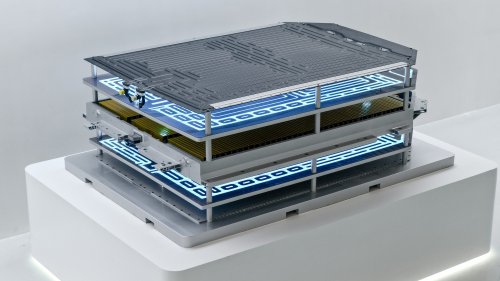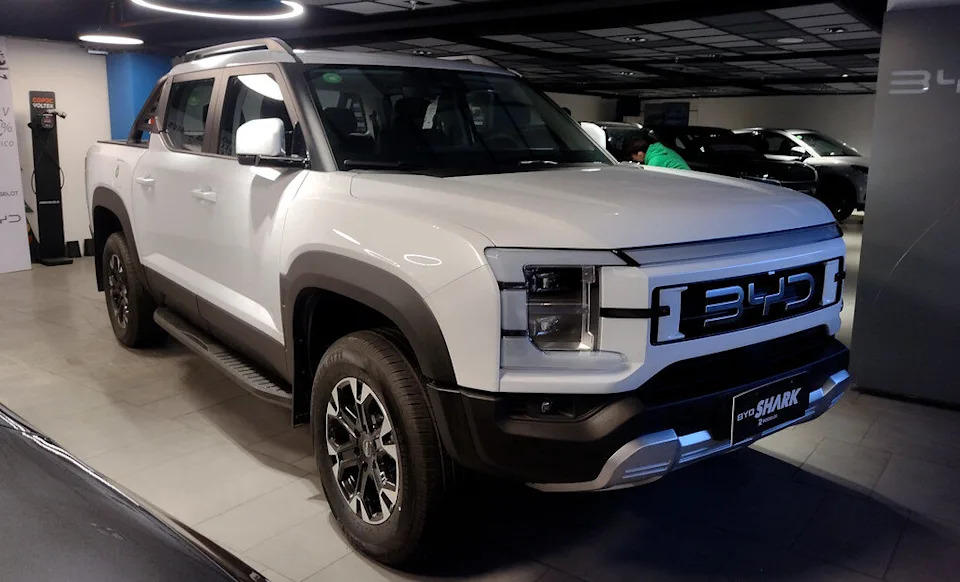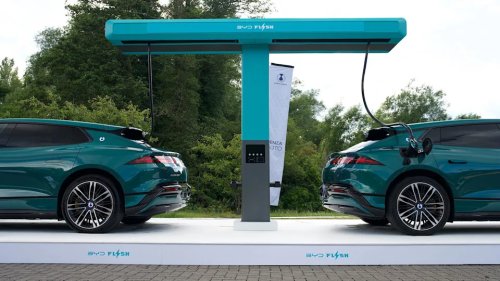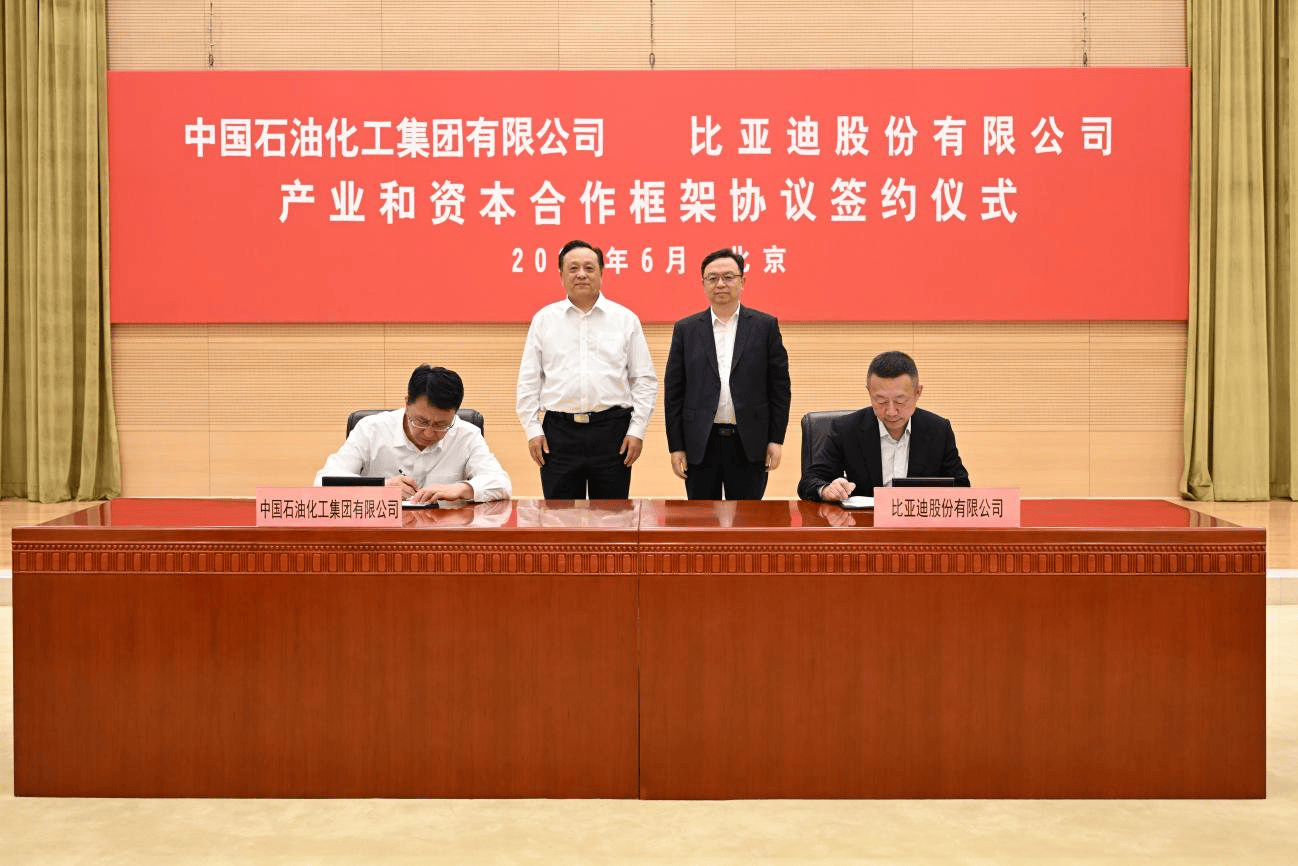
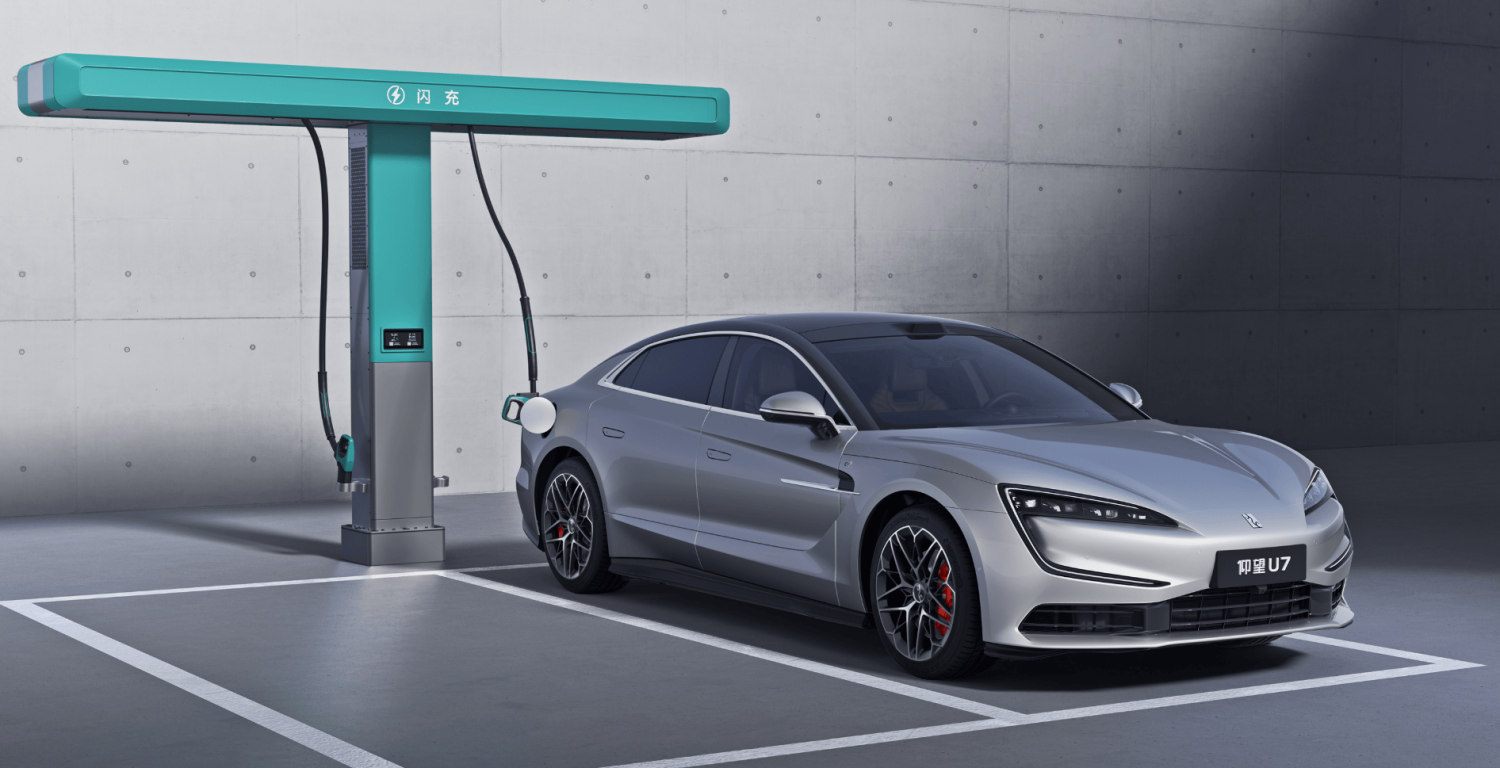


















BYD and Sinopec have signed a framework agreement on industrial and capital cooperation. According to the agreement, BYD will leverage Sinopec’s vast network of integrated energy stations to advance the construction and operation of flash charging stations. At the same time, centering on the “people, vehicles, and daily life” ecosystem, the two parties will build an “energy supply + automotive services” ecosystem, exploring cooperation in areas such as automotive aftermarket services, solar-storage-charging-inspection integration, and promoting membership systems, user insights, and data empowerment. In addition, the two sides will also carry out cooperation across the upstream and downstream of the industrial chain, including automotive and battery materials, automotive oils, marine refueling, energy storage, automotive supplies, centralized procurement of materials, and data intelligence. BYD reaches cooperation with Sinopec. Prior to this, BYD had already been quietly building momentum in the deployment of flash charging stations, partnering with Xiaoju Charging and XinDianTu to initiate the construction of 15,000 megawatt flash charging piles, with plans to build over 4,000 megawatt flash charging stations nationwide. At the same time, BYD’s megawatt flash charging ecosystem has already covered multiple industry-leading enterprises such as China Southern Power Grid, Sinopec, and Shell Recharge, accelerating the rollout of its energy replenishment network across the country. Entering 2026, BYD has officially launched its “Flash Charging China” strategy. To date, it has cumulatively built more than 6,100 flash charging stations, with a target of establishing 20,000 flash charging stations nationwide by the end of 2026. BYD flash charging pile. Public data shows that Sinopec operates over 30,000 integrated energy stations and more than 14,000 battery swapping and charging stations, serving over 300 million omnichannel users and an average of 20 million customers per day. The cooperation with Sinopec is precisely a critical step for BYD to complete the “puzzle” of a nationwide energy network. According to official BYD data, with the second-generation Blade Battery and flash charging technology, charging from 10% to 70% takes only 5 minutes; from 10% to 97%, it reaches a full charge in just 9 minutes; at minus 30 degrees Celsius, charging from 20% to 97% takes only 3 minutes longer than at room temperature. As BYD accelerates the rollout of its energy replenishment network, the charging experience is likely to become a key competitive advantage for BYD’s vehicle models.