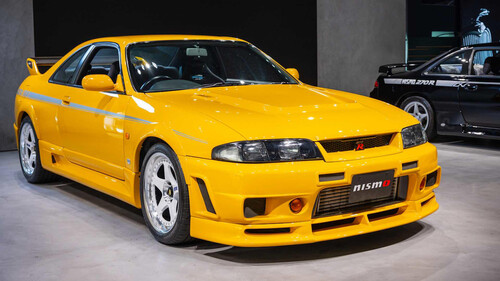
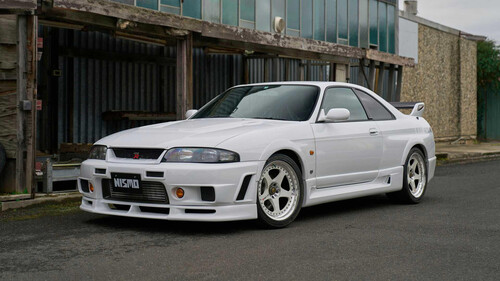
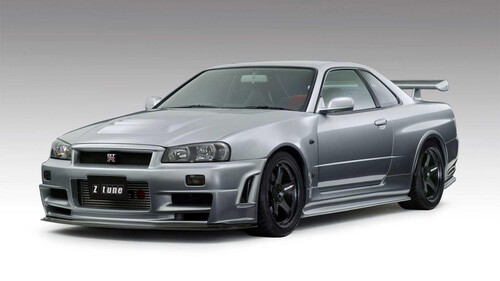
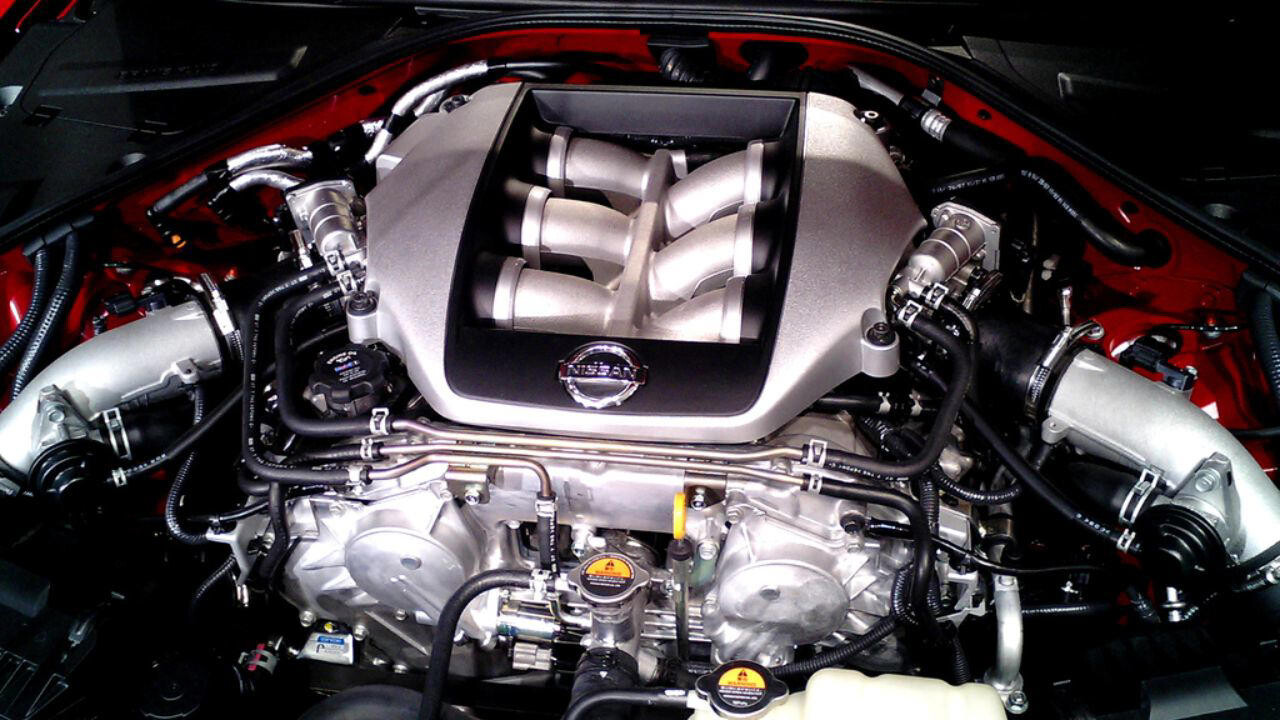
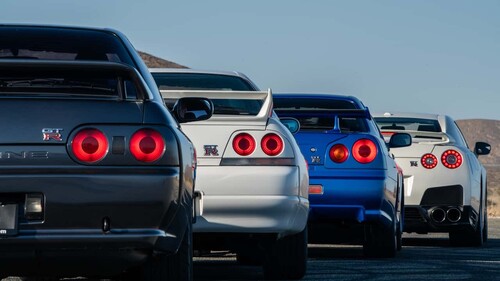
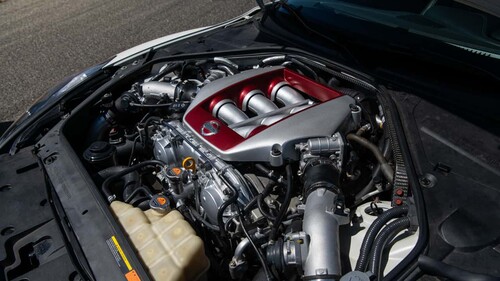
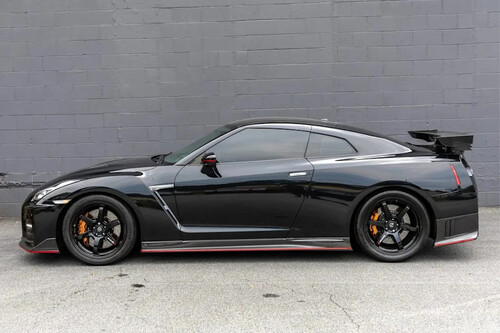
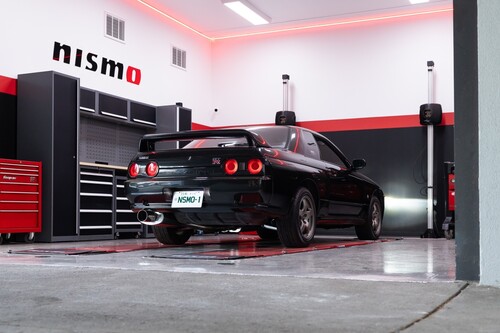
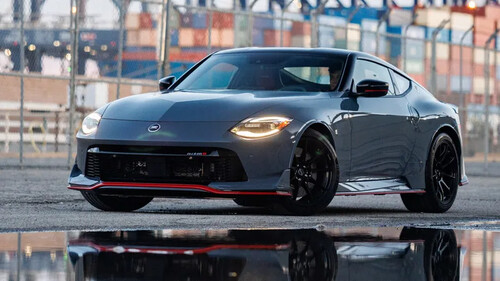
Nismo Heritage Parts recently announced that it is adding 37 new components to its catalog, covering all three Nissan Skyline GT-R generations — the R32, R33, and R34. For owners who have spent years hunting discontinued OEM parts through grey-market channels, specialist brokers, and dwindling new-old-stock supplies, the expansion is about as close to a factory rescue operation as the GT-R community is likely to see.The announcement lands at a moment when parts scarcity for aging Japanese performance cars has become a genuine crisis. Low original production numbers, decades of hard use, and supplier contracts that expired long ago have pushed many components into unobtanium territory — particularly for the R32 and R33, which lack the R34's comparatively larger aftermarket ecosystem. Nismo's decision to keep manufacturing heritage components rather than walking away from the back catalog is rare in the industry, and restorers are paying attention. What the 37 New Components Actually Cover Via: Bring A TrailerThe expansion spans multiple categories: engine seals and gaskets, fuel injectors, chassis hardware, interior trim pieces, and engine bay components. These are exactly the categories that cause the most headaches for restorers because rubber seals degrade with age regardless of mileage, OEM gaskets are often required for proper fitment when rebuilding the RB26DETT, and interior trim for a 30-year-old Japanese domestic market car is nearly impossible to source in acceptable condition through conventional means.The breadth across all three generations is significant. The R32 GT-R, produced from 1989 to 1994, is now old enough that even well-preserved examples are fighting component attrition. The R33 (1995–1998) and R34(1999–2002) follow the same trajectory, with the R34 commanding the highest collector values and therefore the most active restoration demand. Covering all three in a single catalog expansion signals that Nismo is treating the GT-R lineage as a unified heritage program rather than cherry-picking only the most commercially attractive generation. Why Factory Heritage Support for These Cars Is Genuinely Rare Larry Chen, Hagerty via YouTubeMost manufacturers discontinue parts support somewhere between 10 and 15 years after a model's production run ends. By that standard, Nismo's continued investment in R32 components, now more than 30 years out of production, is an outlier. The economics work against it: tooling costs for low-volume specialty parts are high, and the addressable market is a fraction of what it would be for a mainstream model.The GT-R's parts scarcity problem has several compounding causes. Production numbers were never high — the R32 GT-R totaled roughly 44,000 units across its run, the R33 around 24,000, and the R34 approximately 11,000 — and the majority remained in Japan for years due to export restrictions tied to Japanese domestic market regulations. When the 25-year import rule opened the U.S. market to R32s in the mid-2010s and R33s shortly after, demand spiked without a corresponding increase in parts availability. Original suppliers had retired tooling, closed operations, or simply moved on. The result is a market where a single OEM rubber seal can command multiples of its original price — when it can be found at all.Nismo's heritage program exists precisely to fill that gap with factory-specification parts rather than aftermarket approximations. For a restoration aimed at originality, or a rebuild where tolerances matter, the difference between an OEM gasket and a third-party substitute is not trivial. What This Means for Owners and the GT-R Market Bring a TrailerThe practical effect of 37 new catalog additions is that certain repairs and restorations that were previously stalled — waiting on a part that simply wasn't available — can now move forward with factory-correct components. That matters both for daily-driven imports and for concours-level restorations where provenance and originality carry real value.Pricing for Nismo Heritage Parts has historically reflected the low-volume manufacturing reality: these are not budget alternatives. But for owners of cars that routinely trade at six figures — the R34 M-Spec Nür in particular has set auction records well into that range, paying a premium for OEM components is a straightforward calculation. Even for more modestly valued R32s and R33s, the cost of a correct factory part is almost always lower than the cost of a failed repair using an ill-fitting substitute.The pattern of the heritage program suggests periodic additions rather than a one-time release. Owners should treat availability as a reason to source needed components now rather than assume the catalog will remain static.Source: Nismo Heritage Parts