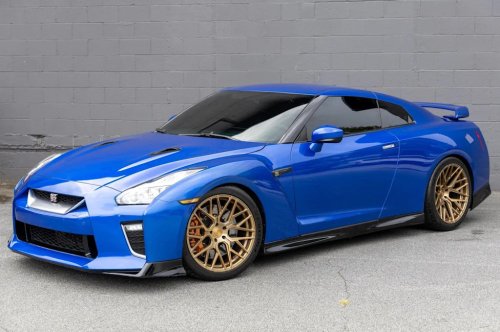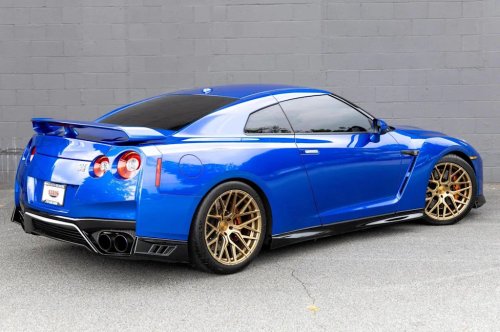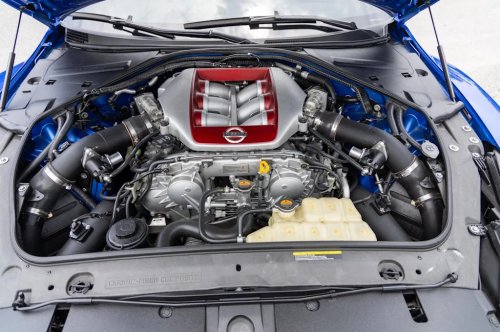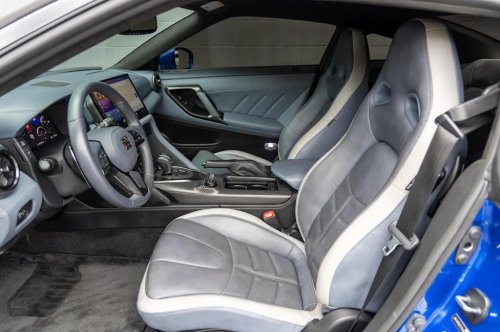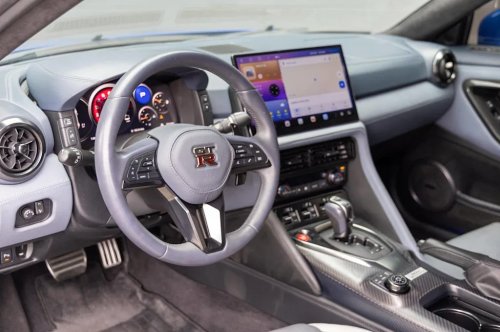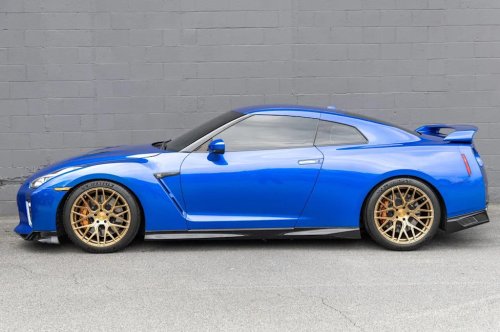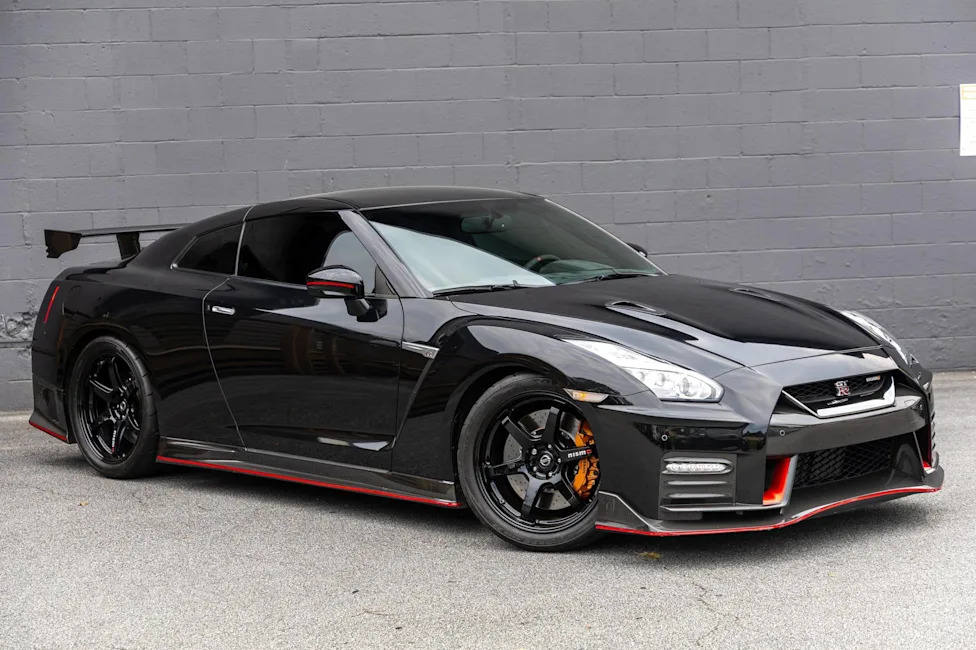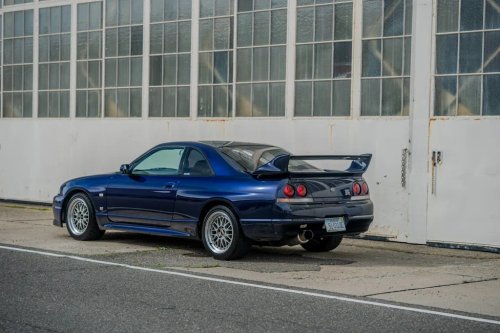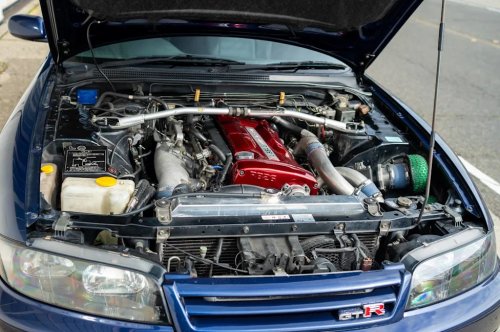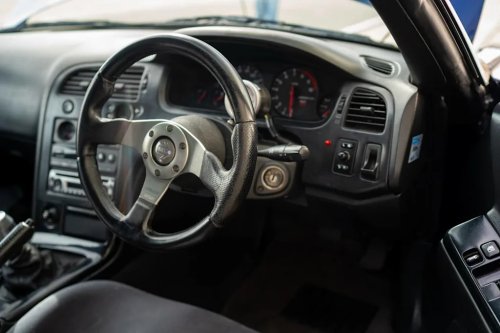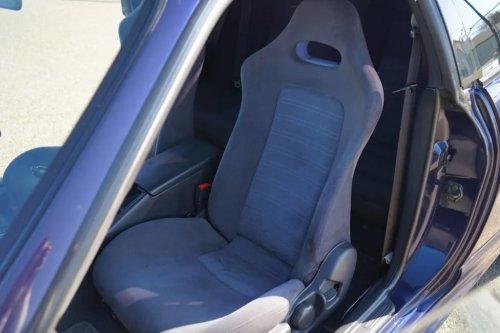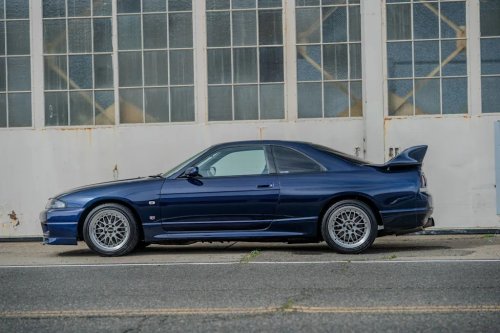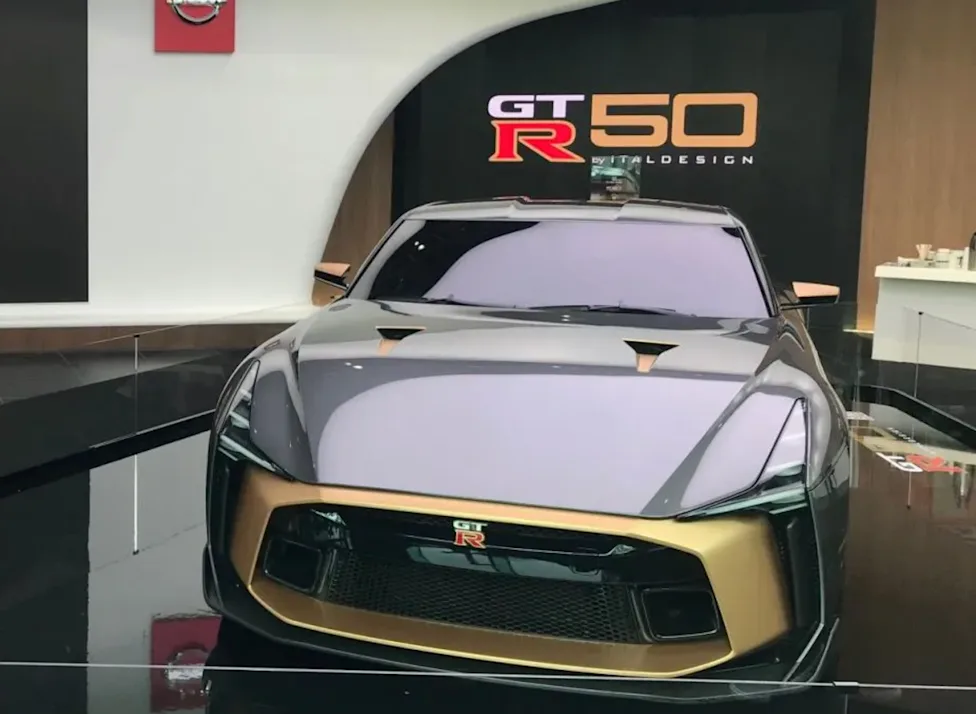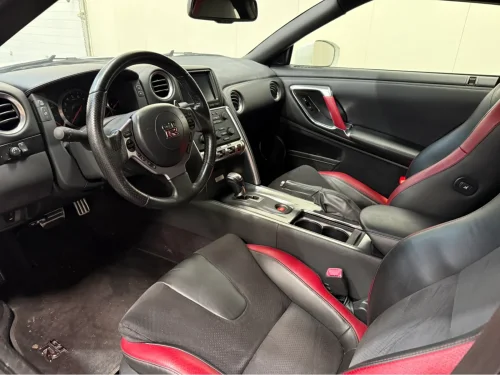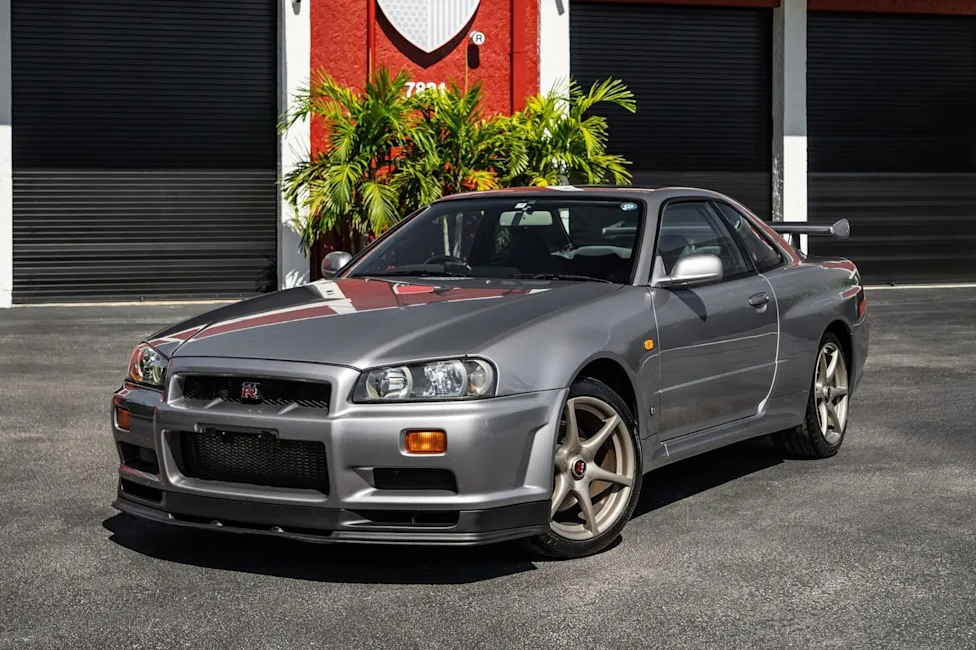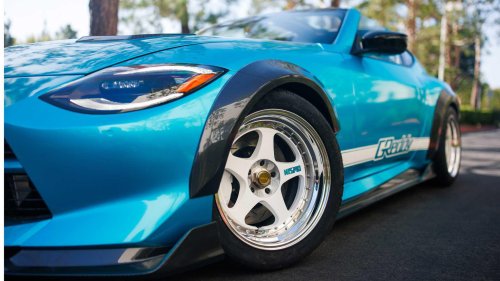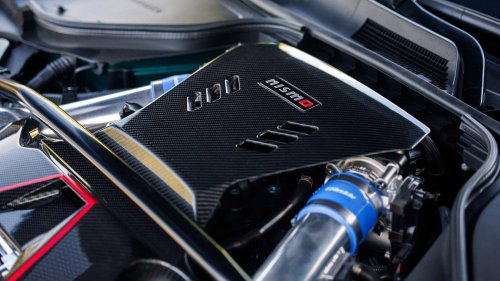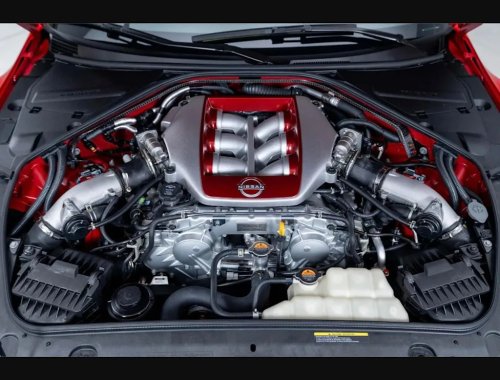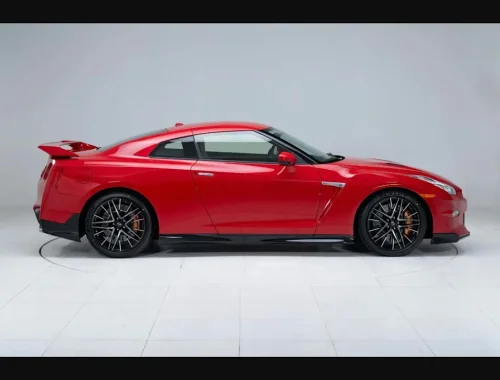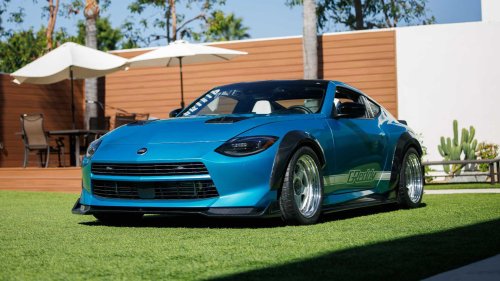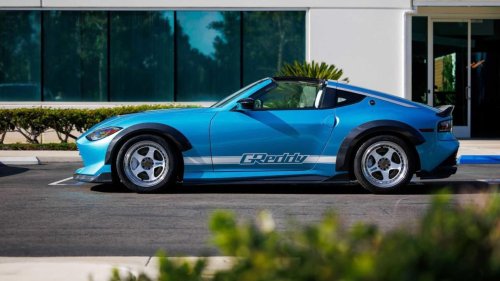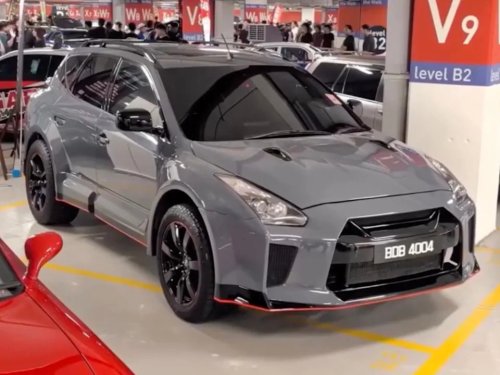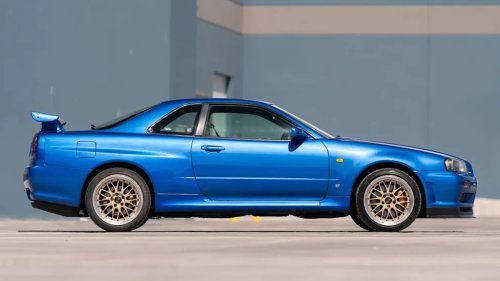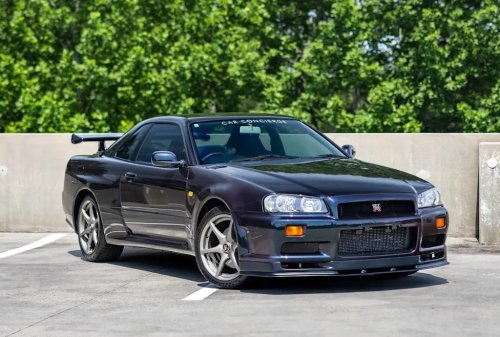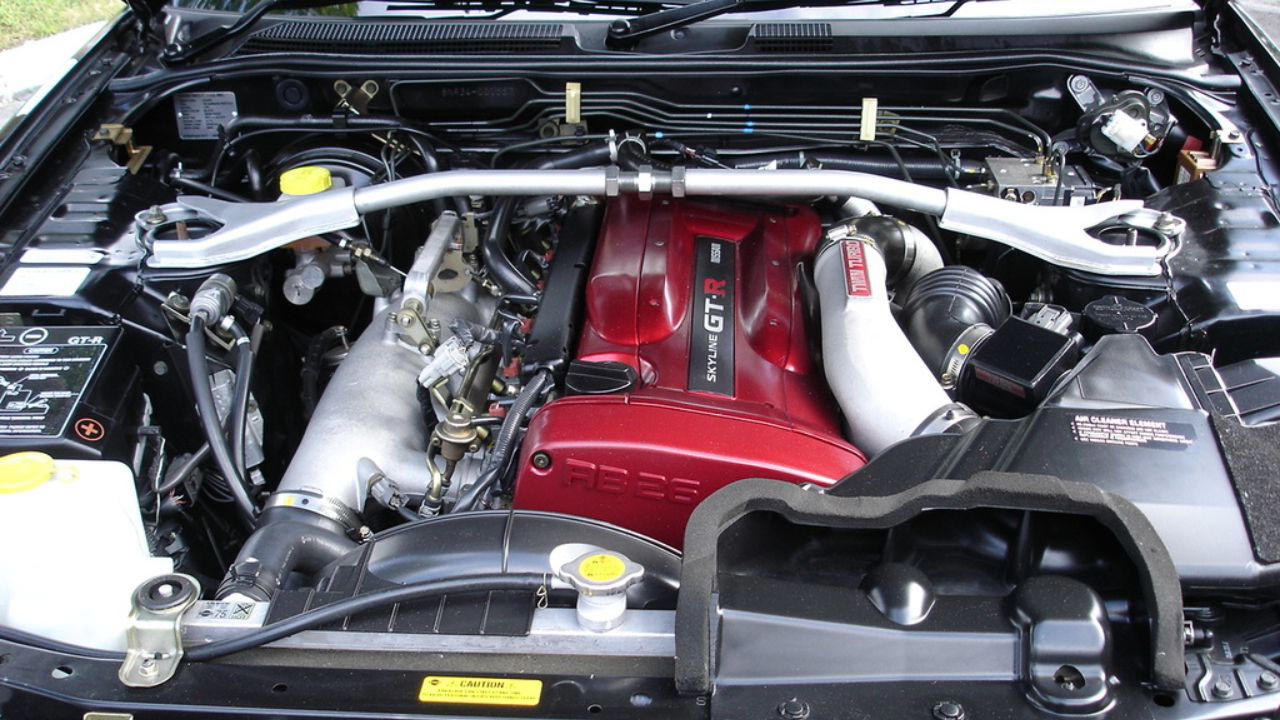



















The engine that helped the Nissan GT-R earn its giant-killer nickname The Nissan GT-R, often referred to as “Godzilla,” has earned its reputation as a giant-killer in the world of performance cars, largely due to its exceptional engineering and innovative technology. At the heart of this legendary vehicle lies its powerful engine, which has captivated enthusiasts and left competitors in its dust. The Birth of the GT-R Engine: A Legacy Begins Nissan has a storied history of building performance engines that precede the GT-R. From the SR20DET to the KA24DE, the company has always recognized the importance of power and engineering excellence in crafting vehicles that thrill drivers. The introduction of the RB26DETT engine in the late 1980s marked a significant milestone in Nissan’s performance lineage, as it established a new standard for what a sports car engine should deliver. The RB26DETT was not merely a product of Nissan’s engineering prowess; it was a response to the demands of motorsport, specifically designed to compete in the fiercely competitive world of Group A racing. The RB26DETT engine’s significance in the GT-R lineup cannot be overstated. Debuting in the R32 Skyline GT-R in 1989, it quickly became the backbone of the GT-R identity. This engine wasn’t just built for speed; it was engineered with a philosophy rooted in motorsports, which dictated everything from its layout to its turbocharging capabilities. The success of the GT-R in racing helped to solidify Nissan’s reputation in the performance car arena, setting the stage for its future iterations. RB26DETT: The Heart of the Beast The RB26DETT is a 2.6-liter inline-six engine that features a twin-turbocharged system, delivering a unique combination of power and responsiveness. With a DOHC (Dual Overhead Cam) configuration and an impressive rev range, the RB26DETT produces upwards of 276 horsepower and 368 lb-ft of torque in its stock form. This output was enough to propel the GT-R to a top speed of around 156 mph, making it a formidable force on both the street and the track. The inline-six design provides a smooth power delivery and a characteristic sound that has become synonymous with the GT-R legacy. The engineering behind the RB26DETT is a marvel in itself. The use of twin-turbocharging allows for rapid boost response, reducing lag and enhancing acceleration. This technology, combined with a robust iron block and aluminum head, results in an engine that can withstand significant power enhancements and modifications, a trait that has endeared it to tuners and enthusiasts alike. Many have pushed the RB26DETT to over 1,000 horsepower with proper tuning, showcasing its incredible potential. Performance and Power: The Numbers Behind the Nickname The power output and torque figures of the GT-R not only define its performance credentials, but they also play a crucial role in why it earned the “giant-killer” nickname. With its all-wheel-drive system, the GT-R can utilize its power effectively, allowing for blistering acceleration. In tests, the R32 GT-R could sprint from 0 to 60 mph in just 5.6 seconds, a figure that placed it firmly in supercar territory during its era. These numbers are particularly impressive when compared to contemporaries like the Porsche 911 Carrera 2, which required a more powerful engine and advanced technology to achieve similar performance. Moreover, the GT-R’s ability to maintain stability and control during high-speed maneuvers further highlights its engineering excellence. The RB26DETT’s performance is enhanced by Nissan’s ATTESA E-TS all-wheel-drive system, which distributes power between the front and rear wheels to optimize grip. This combination of power and technology enables the GT-R to outperform rivals on both road and track, solidifying its status as a performance icon. Technological Innovations: Beyond the Engine While the RB26DETT engine is the heart of the GT-R, the innovations extend beyond just the powerplant. One of the most groundbreaking technologies implemented in the GT-R is the ATTESA E-TS (Advanced Total Traction Engineering System for All-Terrain) all-wheel-drive system. This system not only enhances grip, particularly in adverse conditions, but it also allows for dynamic power distribution, ensuring that the vehicle remains stable and responsive during aggressive driving. By automatically adjusting the power sent to each wheel, the GT-R can achieve unparalleled handling and cornering performance. Another remarkable feature is the Super-HICAS (High-Performance Steering) system, which improves the car’s agility by allowing the rear wheels to turn slightly in conjunction with the front wheels during cornering. This system reduces the turning radius at low speeds and enhances stability at higher speeds, making the GT-R feel incredibly nimble on the track. Additionally, the GT-R comes equipped with a multi-function display that provides real-time metrics on engine performance, allowing drivers to monitor vital statistics such as boost pressure and oil temperature, further enhancing the driving experience. Engineering for the Track: GT-R’s Motorsport Heritage The influence of racing programs on the development of the RB26DETT is profound. Nissan’s commitment to motorsports led to numerous successes in the Japanese Touring Car Championship and Group A racing, where the GT-R dominated the competition. The engineering lessons learned from these racing endeavors were directly applied to the development of the GT-R, resulting in an engine that was not only powerful but also reliable and tunable for competitive racing. Notable wins include the R32 GT-R’s championship-winning streak in the Japanese Touring Car Championship from 1990 to 1993, where it claimed victory in 29 races. This success laid the groundwork for subsequent models, including the R34 GT-R, which continued to build on its motorsport heritage. The development of Nismo variants, such as the Nismo 400R, further pushed the boundaries of performance, showcasing the potential of the RB26DETT in a track-focused environment. These variants have become legendary in their own right, with the Nismo 400R being one of the rarest and most sought-after GT-R versions ever built. From Street to Track: The GT-R’s Dual Nature The Nissan GT-R is as much at home on the streets as it is on the racetrack, a quality that has endeared it to a diverse range of enthusiasts. The transition of the GT-R from a street-legal vehicle to a track-ready machine is seamless, thanks in part to the adaptability of the RB26DETT engine. Tuners have embraced the engine’s potential, creating a vibrant aftermarket culture that allows for extensive modifications. Enthusiasts have shared stories of pushing the RB26DETT to new limits, with builds that include upgraded turbochargers, forged internals, and advanced tuning systems. This adaptability has resulted in GT-Rs capable of achieving incredible power figures, with some even exceeding 1,500 horsepower. The community surrounding the GT-R is passionate and collaborative, often sharing tips and tricks on platforms like Instagram, where builders showcase their impressive modifications, such as the ones seen in this post. The Changing Landscape: Evolution of the GT-R Engine The evolution of the GT-R engine continued with the introduction of the R35 model in 2007, which saw the RB26DETT replaced by the VR38DETT engine. This new engine offered significant advancements, including a larger 3.8-liter displacement and improved turbocharging technology. While the RB26DETT had defined the previous generation, the VR38DETT brought modern performance enhancements that made the R35 capable of delivering even more power and efficiency. Comparing the two engines highlights the continuous development of Nissan’s engineering philosophy. While the RB26DETT was renowned for its tunability and raw power, the VR38DETT introduced technologies that improved reliability and efficiency, including direct fuel injection and a more sophisticated engine management system. Despite these advancements, the legacy of the RB26DETT remains strong, influencing not only future Nissan performance vehicles but also the broader automotive landscape. The spirit of the RB26 lives on in enthusiasts’ hearts, representing a time when raw power and engineering excellence defined performance cars. Challenges and Triumphs: The Engine’s Enduring Legacy As the automotive landscape has evolved, so too have the challenges facing the GT-R. Regulations around emissions and fuel economy have put pressure on performance vehicles, leading to a decline in production numbers for the GT-R. The R35 model, while a technological marvel, faced scrutiny as the industry shifted towards hybrid and electric technologies. However, despite these challenges, the GT-R has maintained a loyal following, with its performance credentials ensuring its place in the hearts of fans. Today, the GT-R continues to hold a prominent position in the performance car marketplace. While it may not dominate the sales charts like it once did, it stands as a symbol of engineering excellence and a testament to Nissan’s commitment to performance. Testimonials from enthusiasts and experts alike highlight the enduring appeal of the GT-R’s engine, with many citing the RB26DETT as one of the greatest engines ever produced. For those who have experienced the thrill of driving a GT-R, the connection to its legacy is unmistakable. The Future of the GT-R: What Lies Ahead Looking to the future, speculation abounds regarding the next generation of the GT-R and potential developments in engine technology. As the automotive industry shifts towards electric and hybrid technologies, the question remains: how will Nissan adapt the GT-R’s legendary performance to meet these new challenges? There are whispers of hybrid powertrains that could combine the traditional power of internal combustion with the efficiency and torque of electric motors, potentially creating an even more formidable version of “Godzilla.” The influence of electric and hybrid technologies on future performance models cannot be underestimated. Many manufacturers are already exploring how to integrate these systems into high-performance vehicles, and Nissan is likely to follow suit. As we look ahead, the legacy of the GT-R’s engine will undoubtedly continue to inspire automotive engineering, pushing the boundaries of what is possible in the realm of performance vehicles. The next chapter of the GT-R story promises to be as thrilling as the last, ensuring that the spirit of “Godzilla” lives on.