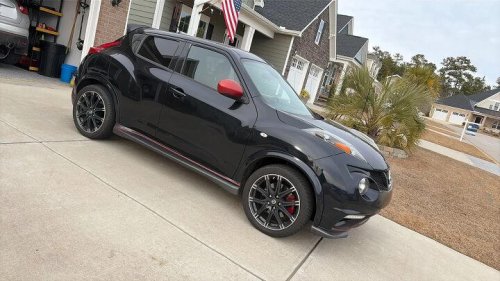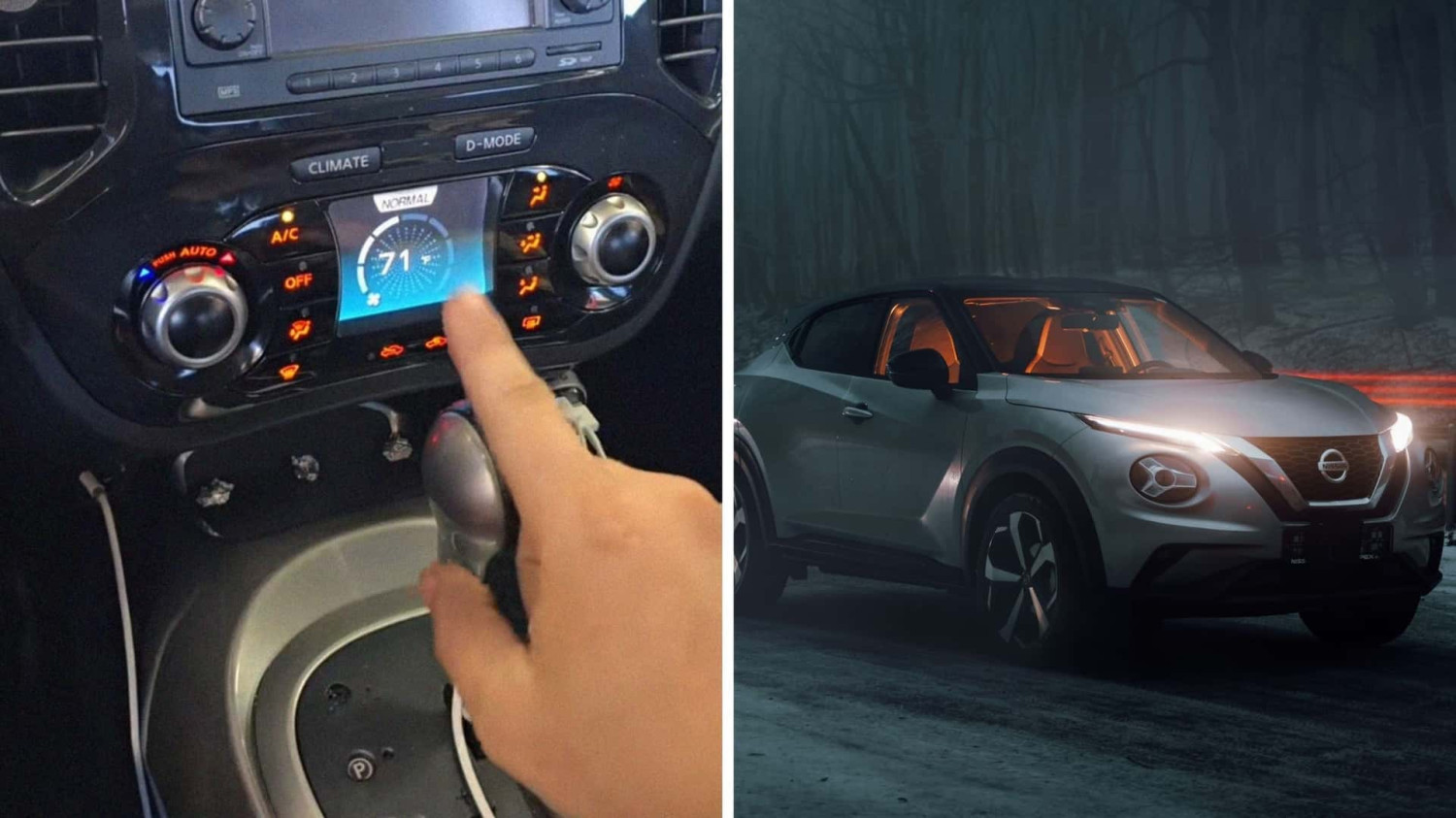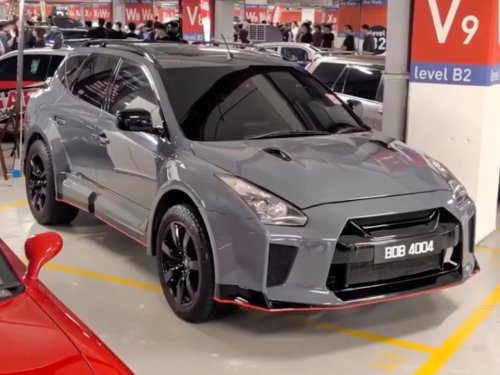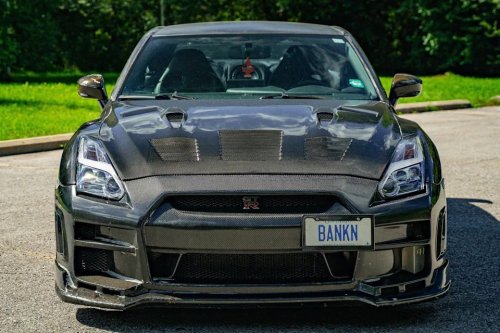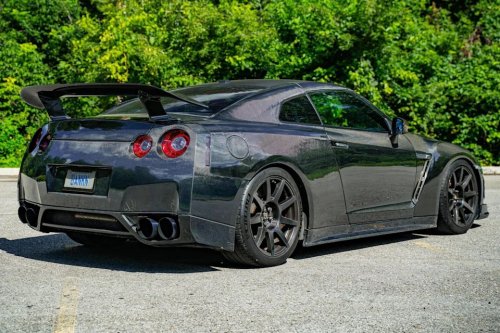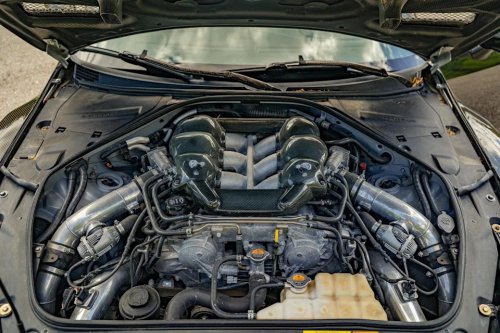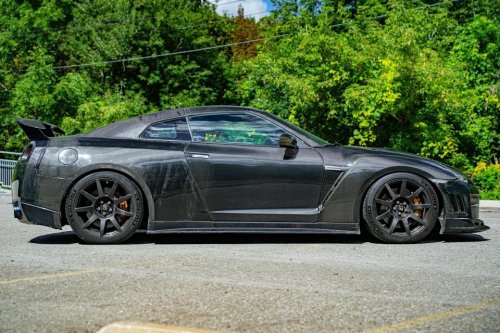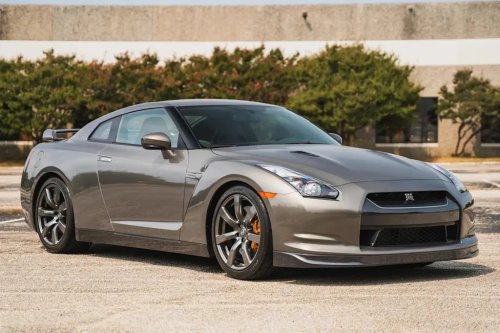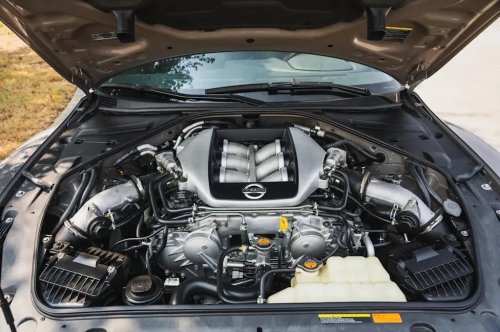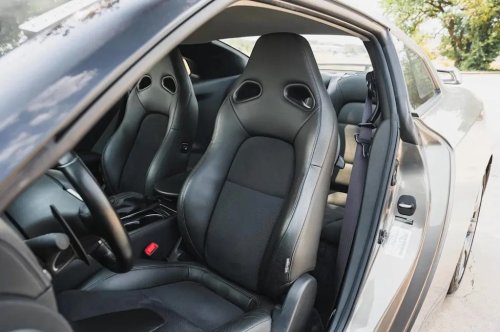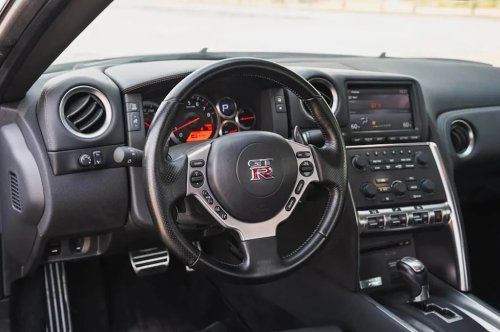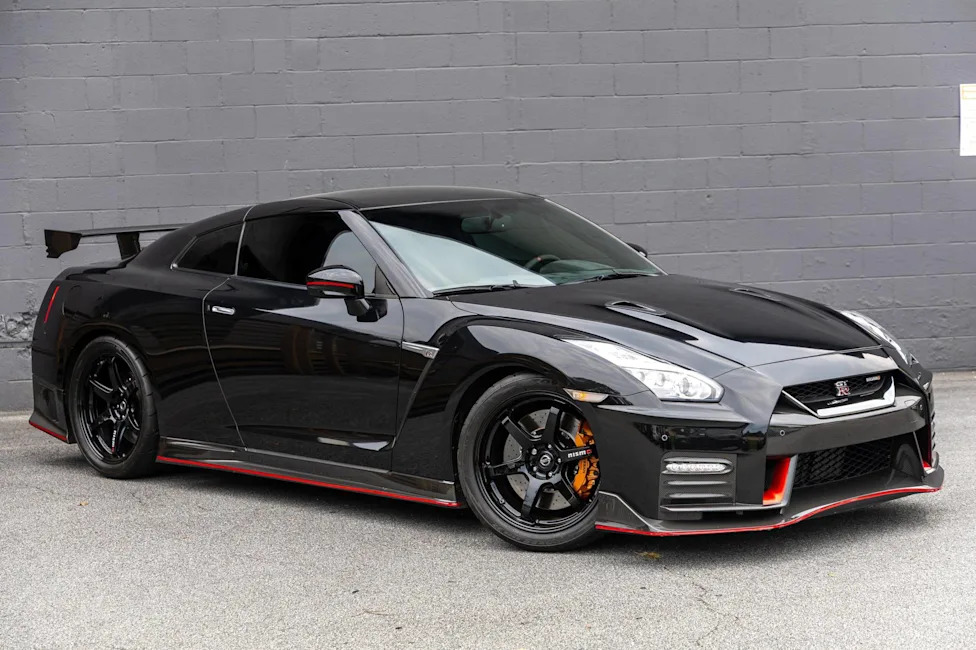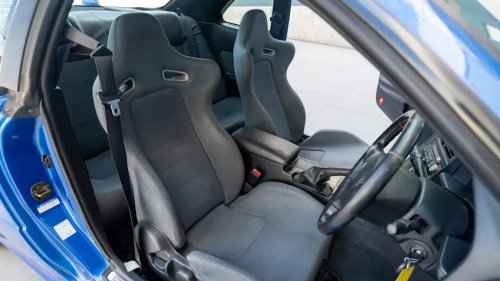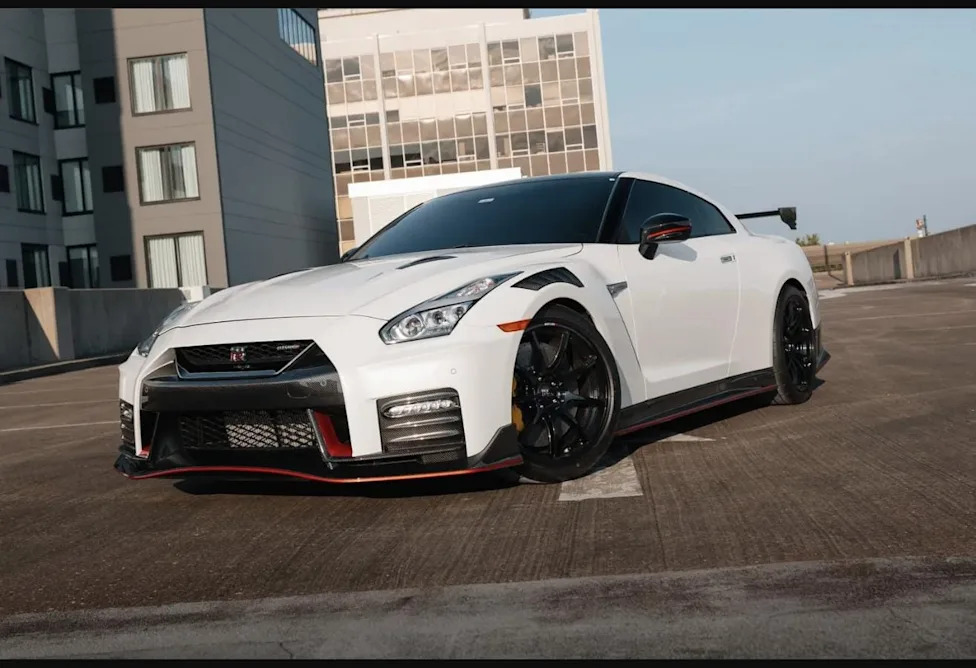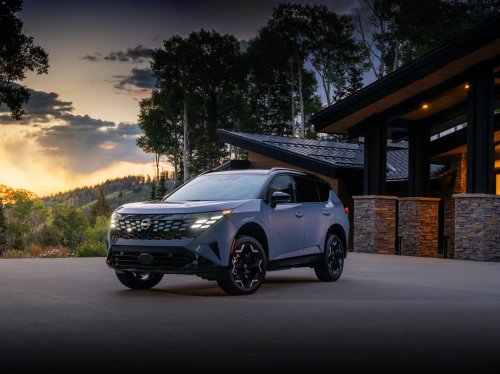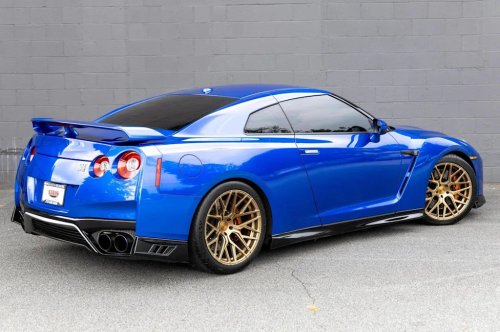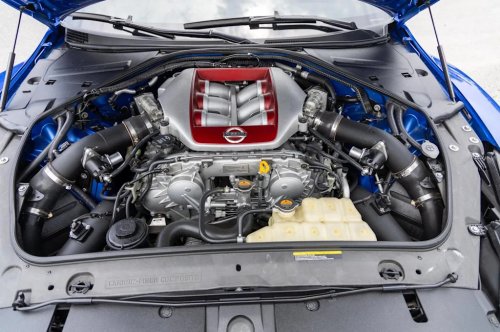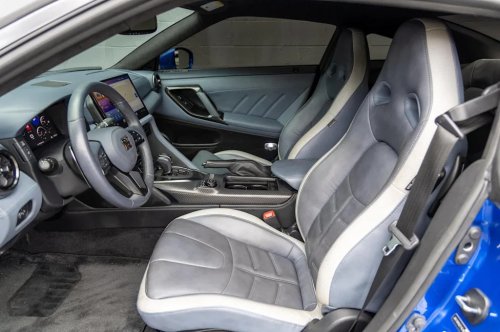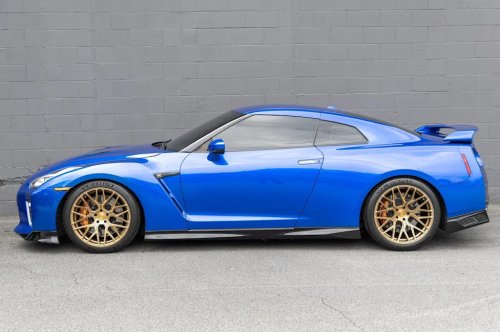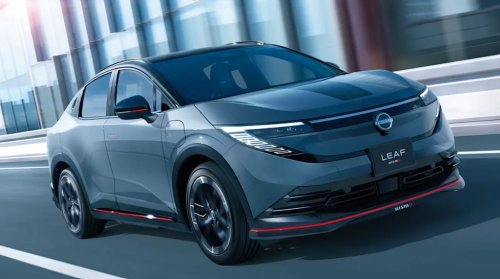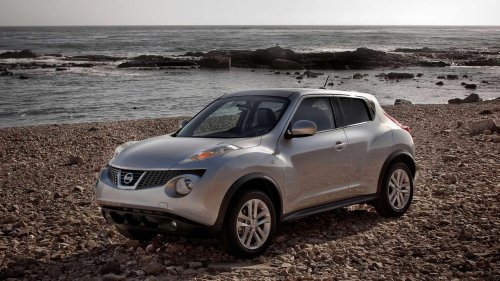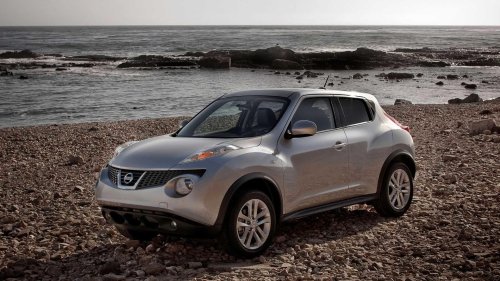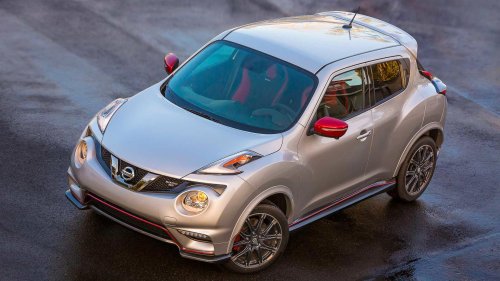
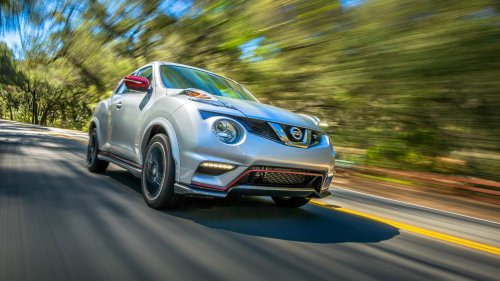
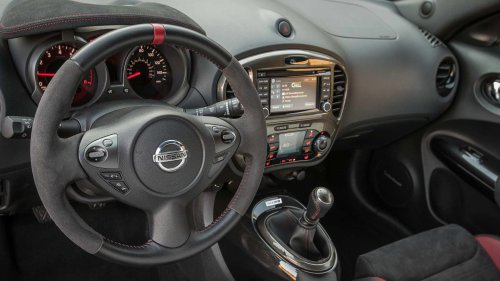
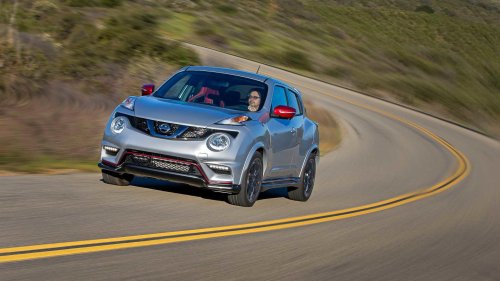
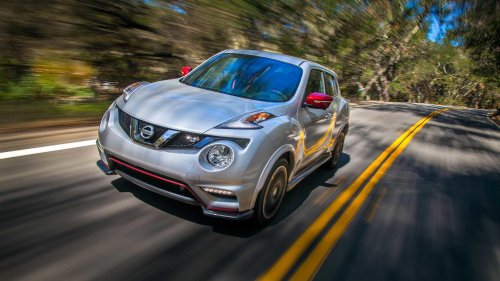
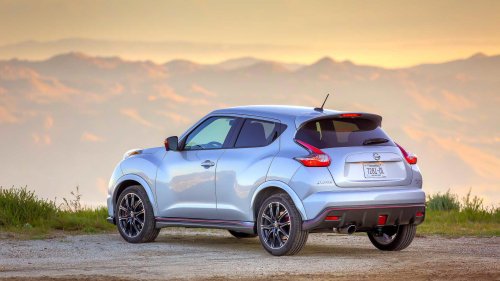
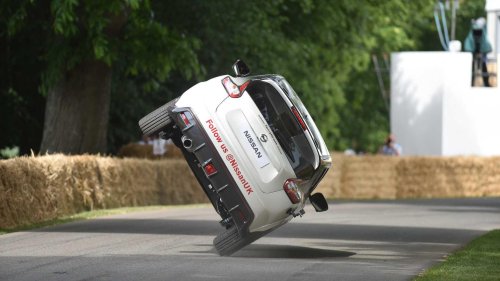



















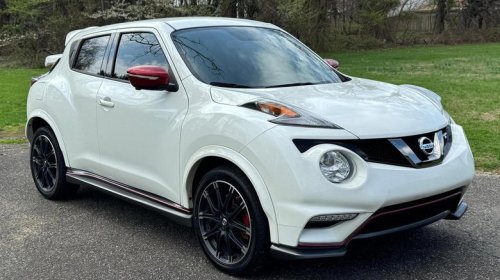
At the 2013 Tokyo Motor Show, Nissan threw the silks from the first GT-R Nismo, a Nissan Motorsport-tuned example of the hallowed sports car, and, at the time, the fastest GT-R ever built. Beneath the new, higher downforce-producing carbon fiber bodykit lay a twin-turbo V6 with more power, new anti-roll bars, a stiffer chassis, and suspension and larger diameter turbochargers lifted from Nissan’s GT3 car. In short, and even though it was fully road legal, the Nismo was a track weapon. Indeed, mere weeks before its unveil, a GT-R Nismo “with track options” lapped the Nürburgring in just 7 minutes and 8.679 seconds, just 10 seconds slower – across 12.9, undulating miles – than a Ferrari 599XX.5,500 miles away at the Los Angles Auto Show, meanwhile, another NISsan MOtorsport-tuned model was making its debut — the Juke Nismo RS. Again, it was more powerful than its base model, more dynamic than the special edition it replaced, and, theoretically at least, even more exclusive than the GT-R Nismo. These two special editions, however, were very different… Nissan Juke Nismo RS, And Its Predecessors NissanA brief history lesson before we begin. Two years after Nissan launched the polarizing Juke in 2010, the ultra-limited, “supercar crossover” Juke-R landed in 2012 (and again in 2015 as the Juke-R 2.0). It featured a new bodykit made from carbon fiber, a roll cage, slammed suspension, and a twin-turbo V6 borrowed from the GT-R spitting out 485-horsepower. Nissan only built five of them, none of which were sold to the public. The following year, a second special edition – the Juke Nismo – arrived, albeit in significantly toned-down, but still performance-focused, form.It didn’t have the GT-R’s twin-turbo V6. But a reworked, 1.6-liter turbocharged inline-four produced 197 hp. Up – slightly – over the production Juke’s 188 hp (torque similarly rose from 177-pound feet to 184 lb ft). The Juke’s CVT transmission was replaced with a snappier six-speed manual, while the suspension and steering received some Nismo tinkering. Even the more aggressive bodykit – inspired, if you can believe it, by Japan’s Super GT racing series – increased downforce by 37%. It was… quirky, certainly. 10 months later, and with public intrigue (if not quite ‘allure’) for the Juke still moderately fresh, Nissan introduced an upgraded model: the Nismo Juke RS.NissanThe Juke Nismo’s turbo four-cylinder remained intact, with grunt given another couple of elbows to 215 hp and 210 lb ft courtesy of a reworked ECU, larger diameter turbos, and a revised exhaust system. The six-speed manual was upgraded with lower gear ratios first through third, plus a stronger clutch, for quicker acceleration. Indeed, the new Juke Nismo RS, now fitted with column-mounted paddle shifters, could run zero to 60 mph in an estimated 6.7 seconds (Nissan never officially confirmed this). Hardly scintillating, granted, since even Honda’s non-Type R Civic Si was two-tenths quicker. Impressive though for, what was still, a mid-sized mainstream crossover. Was This Really A ‘Baby GT-R’? NissanOn pure grunt alone, no. Not even close. The GT-R Nismo, for example, boasted 600 hp, nearly three times that of the Juke RS, and almost double the torque at 481 lb-ft. With traction control activated, meanwhile, the GT-R could run to 60 mph from standstill twice before the Juke had managed it even once.Granted, Nismo had influenced the Juke elsewhere. The RS’ cabin, for example, now featured red-trimmed Recaro bucket seats and ‘sporty’ Alcantara upholstery. Underneath, the ride height was now lower – slightly – than the 2013 Juke Nismo with its further stiffened multi-link rear suspension (the base model was torsion bar only). The electric-assisted steering was re-tuned for sharper response, and heavier-duty vented brakes were installed. Nismo also polished the outgoing Juke Nismo’s bodykit with new lightweight 18-inch alloys, more muscular wheel arches, and even equipped the Juke with a limited slip diff for the first time.NissanObviously, the Juke Nismo RS was never going to be on (or even close to) performance terms with the mighty R35 GT-R. A Nissan that had humbled the sainted Porsche 911 and even Ferrari’s 458 Italia since its debut. But the RS, nevertheless, offered something the Juke Nismo couldn’t: “more.” And yes, that is how Nissan marketed the Juke Nismo RS. Handling Was An Issue Too NissanDespite being shorter and ‘more hatchback’ in stature than more conventional rivals like the Honda HR-V, the Juke was still too tall and too narrow-footed to provide truly compelling performance. Indeed, the admittedly more manageable bodyroll was still prevalent. Combine this with more power still being sent to the front wheels, and, even with a new, RS-specific torque vectoring system at work, the Juke Nismo RS often pushed itself to understeer.Nissan did try to offset this by offering an all-wheel drive example. Albeit one that replaced the six-speed manual with an Xtronic CVT, which, oddly, reduced power and torque by 4 hp and 26 lb ft, respectively. Understeer was dialed back only a touch though, and with up to 50% of the power now being sent to the rear axle, ironically, the back end could step out in mid-to-fast speed corners. In short, the Nismo-tuned Juke crossover was still… well, a Juke crossover But It Was Surprisingly Affordable NissanBizarrely, interest in the Nismo-fied crossover stayed reasonably high. The Juke Nismo RS was, after all, a quirkier, more compellingly branded, and slightly – if only slightly – more dynamic alternative to the more ‘mainstream’ mid-size crossovers available. Moreover, while prices for the R35 GT-R Nismo started from around $150,000 in 2014 – not too far off what you’d pay for an entry-level Lamborghini Gallardo – the Juke Nismo RS was available from just $26,120. True, this was slightly higher than its more conventional rivals, but it was a price on par with Subaru’s Impreza WRX, and only slightly more than hot hatch favorites likes the Volkswagen Golf GTi ($25,095) and the Ford Focus ST ($24,115). Ridiculous as it may sound, the Juke Nismo RS, while far from the industry benchmark its bigger ‘brother’ had become, was still a curiosity for many customers worldwide.NissanSadly, your window to actually own a Juke Nismo RS may already have closed. A quick search online returned just 12 examples in the US, all priced very competitively between $8,500 and $14,000, and all with at least five-figure mileages. Nissan, meanwhile, never officially confirmed how many Juke Nismo RS’ were built, and estimates that only 2,285 were sold in the US are difficult to verify. By contrast, more than 3,700 examples of the lower-spec Juke Nismo were sold, globally, across 2013, suggesting the RS follow-up was more limited than this.That the ‘Baby GT-R’ was also an experiment which Nissan, at the time financially flush and focused on its mid-sized sedan and SUV ranges, had no further interest in pursuing, certainly didn’t help. Indeed, between the highly-reputed GT-R and solid sales of its new, performance-focused 370Z, there was precious little room for a ‘Nismo’ on the range, particularly a crossover. By the end of 2017, the Juke Nismo RS was already gone. The Record You Probably Forgot NissanIn what could easily have been a forgotten footnote, the short-lived Nismo Juke RS did, however, write itself into the history books with a fittingly quirky record. At the 2015 Goodwood Festival of Speed, stuntman Terry Grant set a new world record for the quickest run on the Goodwood Hillclimb, for a four-wheel vehicle… on two wheels. Okay, this 2 minute and 10 second run pales in comparison to the GT-R Nismo’s 49.27-second Goodwood run the year prior, or indeed Max Chilton’s scintillating, 39.08-second sprint aboard the McMurtry Speirling fan car in 2022. Grant’s run, however, was a massive, 45 seconds quicker than he’d managed aboard the older Juke Nismo in 2011 – again on two wheels – and, incredibly, required just one attempt to complete. It’s a record that, 11 years later, has yet to be beaten.Source: Nissan.