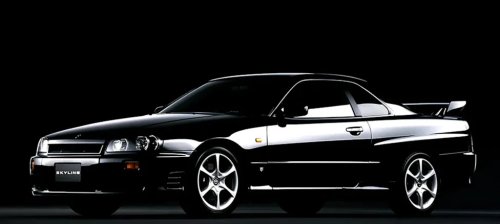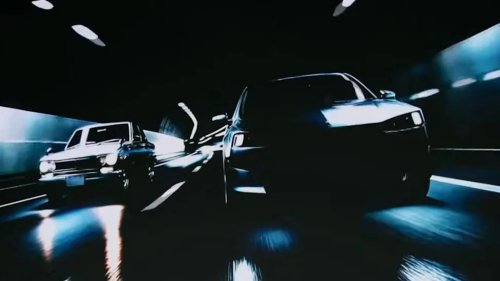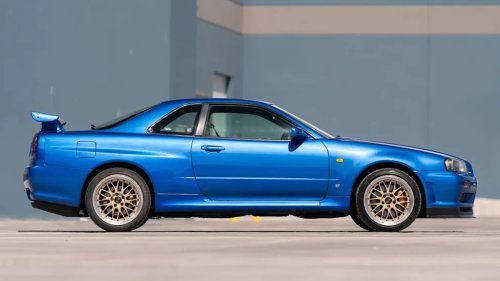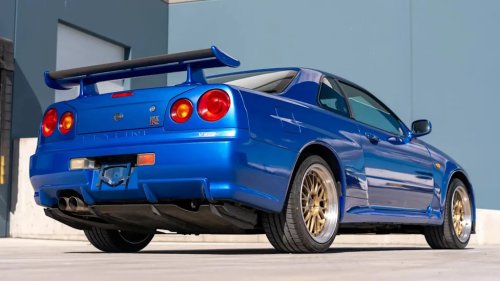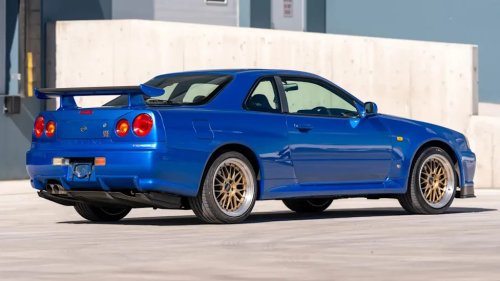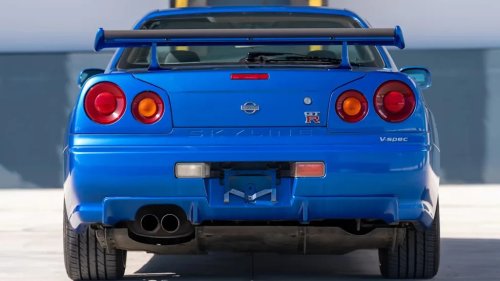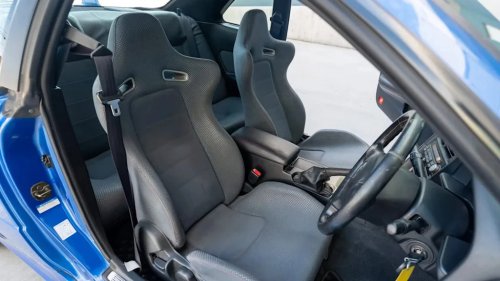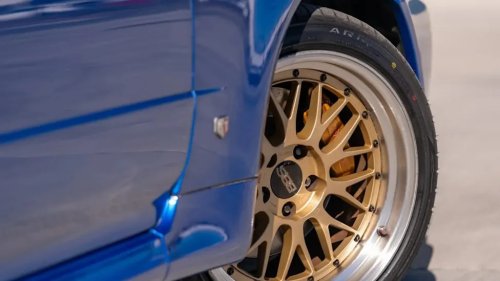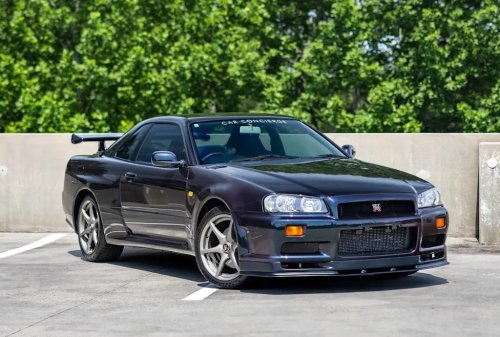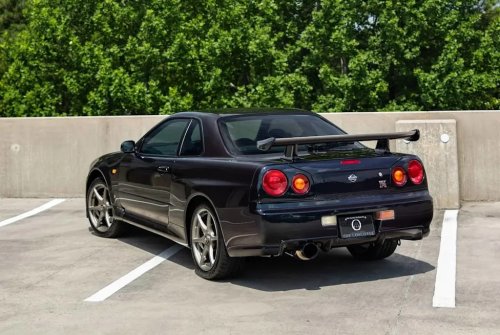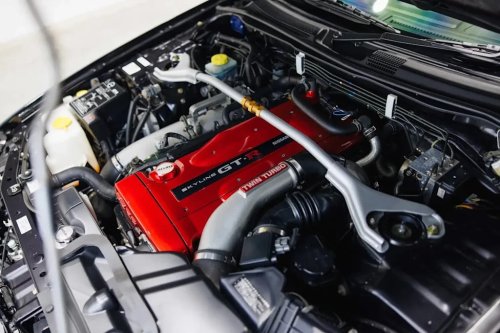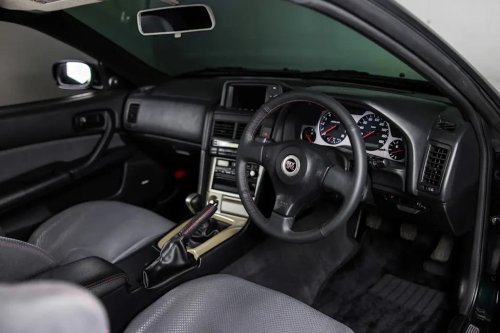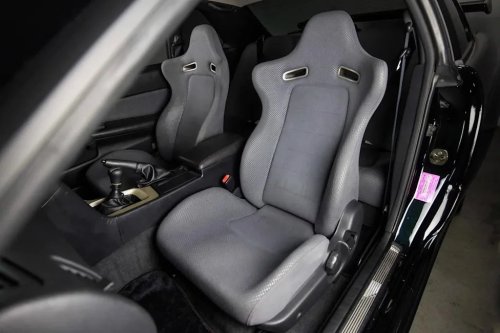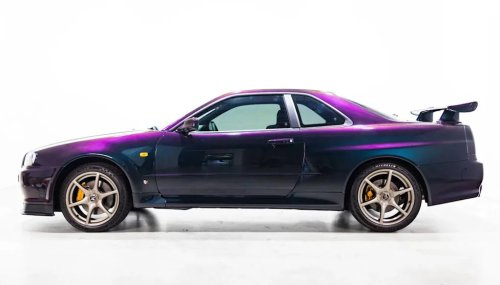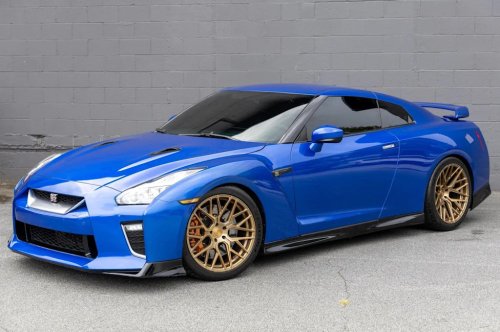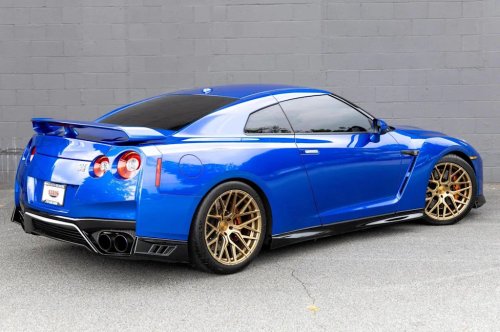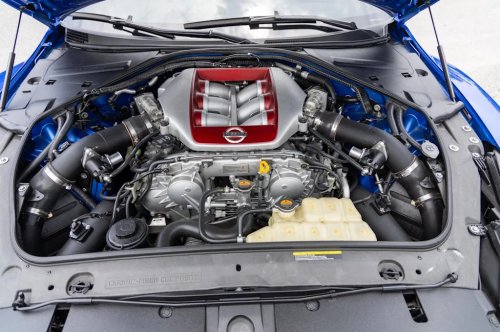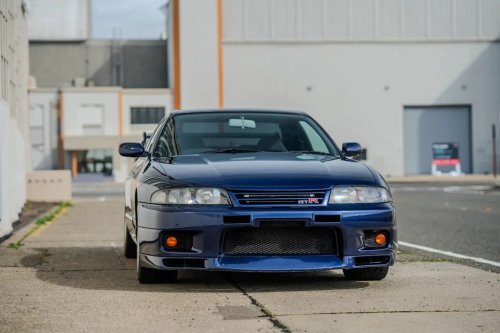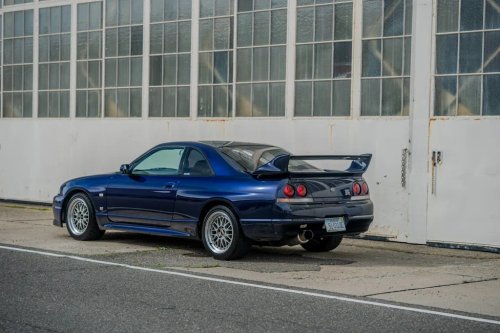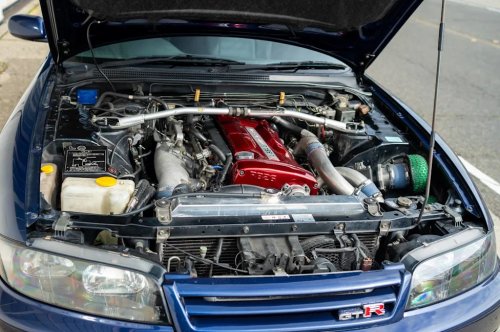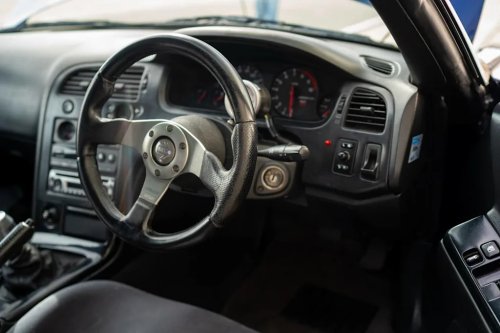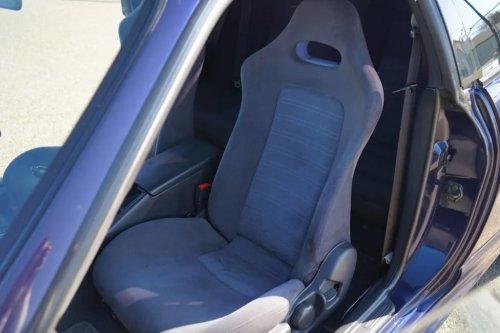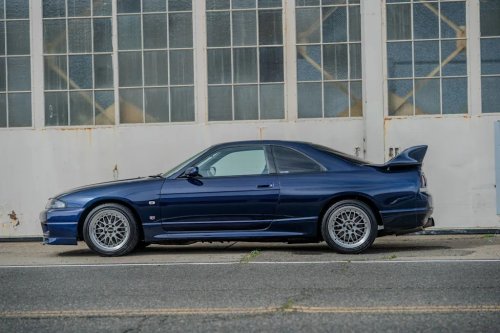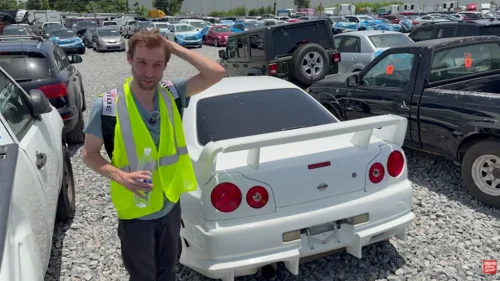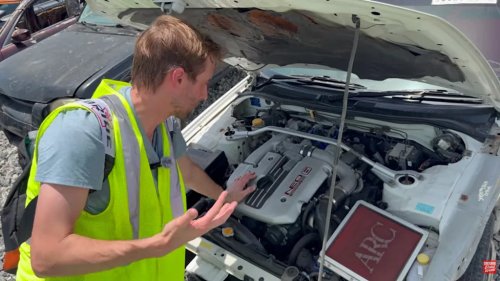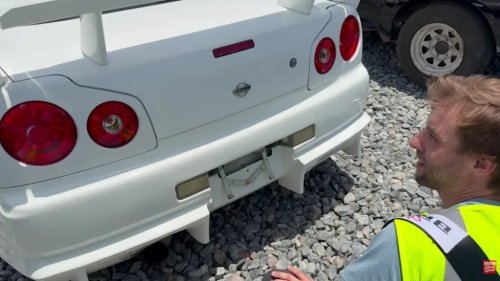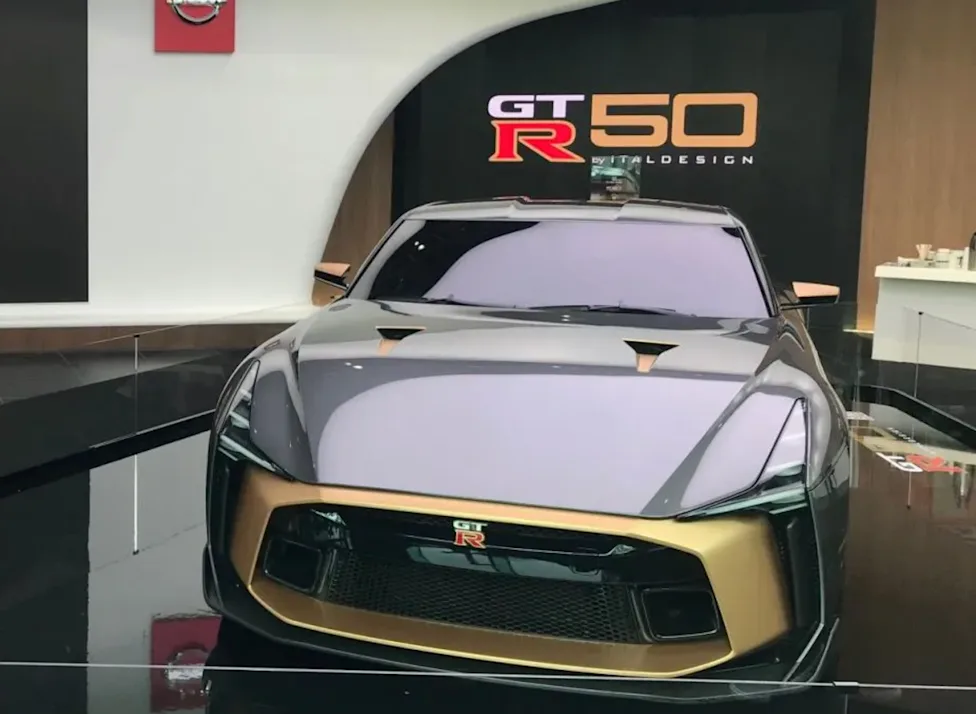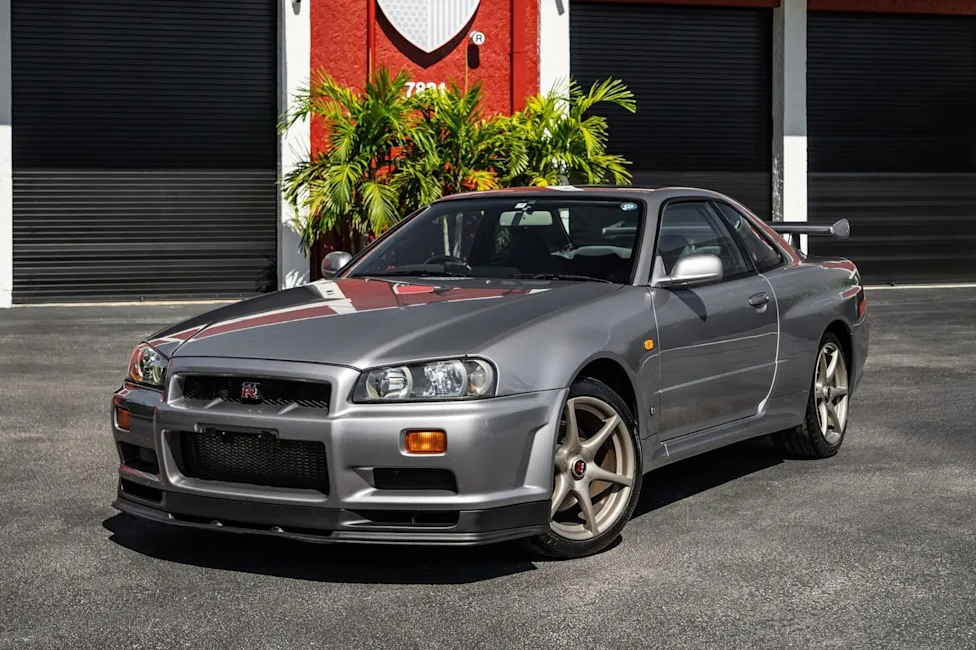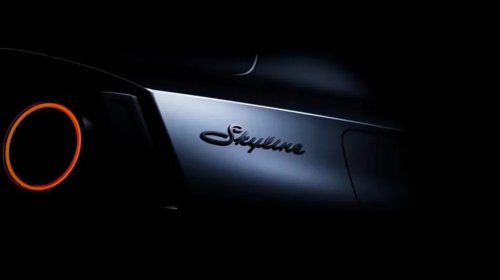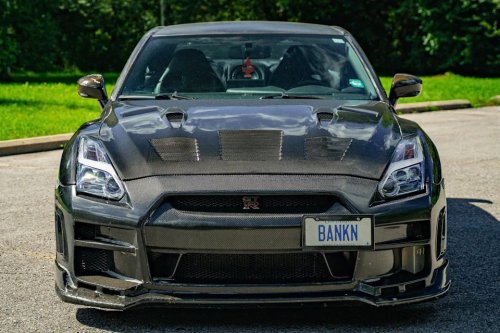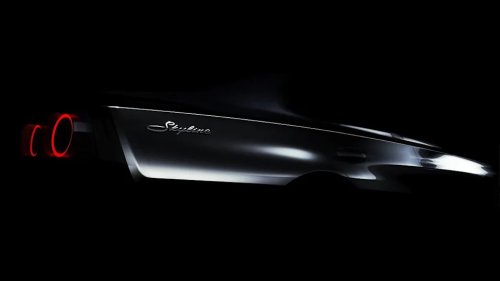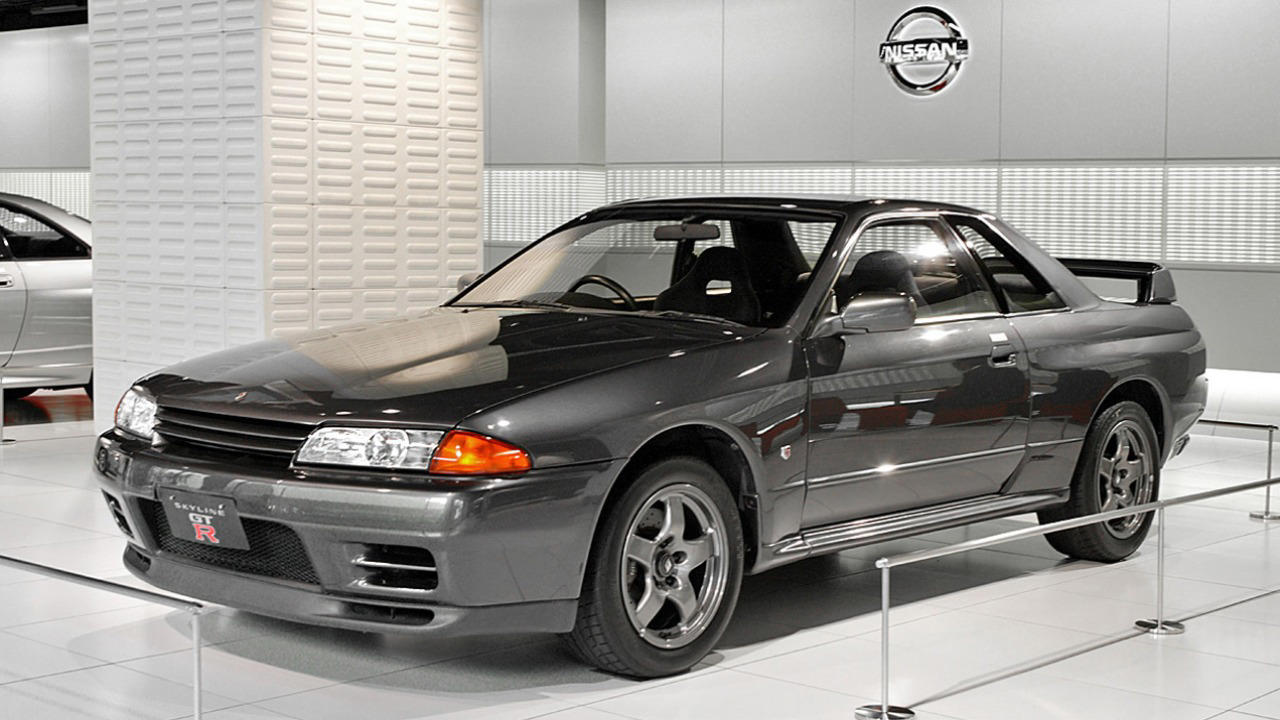



















This 1990s Nissan Skyline GT-R became legendary long after leaving showroomsThe 1990s Nissan Skyline GT-R didn’t need instant fame to become iconic. It earned its reputation over time through motorsport dominance, engineering brilliance, and an almost mythical presence in global car culture. Long after leaving showrooms, it transformed from a Japanese performance coupe into a worldwide benchmark for all-wheel-drive turbocharged performance. Nissan engineered the Skyline GT-R as a technology-focused performance weapon When Nissan developed the Nissan Skyline GT-R (R32), the goal was to dominate Group A touring car racing with advanced engineering rather than sheer displacement. This approach resulted in a car that prioritized traction, balance, and boost-driven acceleration over traditional muscle car formulas. The RB26DETT engine became the heart of the platform, a twin-turbo inline-six designed with significant performance headroom. Paired with the ATTESA E-TS all-wheel-drive system and HICAS rear steering, the GT-R delivered exceptional grip and cornering stability. At the time, this combination of technologies was far ahead of many competitors in both Japan and Europe. The GT-R earned the nickname “Godzilla” through motorsport dominance The Nissan Skyline GT-R (R32) quickly proved its capabilities in Group A racing, where it dominated touring car championships with consistent performance advantages. Its ability to outperform heavier and less advanced rivals led to the “Godzilla” nickname, symbolizing its overwhelming presence on the track. Under Nissan’s motorsport efforts, the GT-R demonstrated how advanced drivetrain engineering could redefine racing success. Instead of relying on brute horsepower alone, it used intelligent traction and turbocharged efficiency to maintain speed through corners and exits, giving it a decisive advantage over many competitors of its era. Advanced AWD and turbo technology made it a global performance benchmark The Nissan Skyline GT-R (R32) introduced many enthusiasts to the potential of twin-turbocharged performance combined with all-wheel drive. Its system was designed to distribute power dynamically, improving grip under acceleration while maintaining strong high-speed stability. This engineering approach made it especially appealing to tuners and motorsport teams. Built under Nissan, the platform proved highly adaptable, with many examples modified far beyond factory output. Its strong engine internals and advanced drivetrain allowed it to handle significant power increases without losing reliability when properly tuned. Global recognition grew long after its original production era Although the Nissan Skyline GT-R (R32) was initially limited to the Japanese domestic market, its reputation spread globally through motorsport success, enthusiast culture, and later import availability. Over time, it became one of the most sought-after performance cars of the 1990s. Its legend continued to grow in the decades after production ended, especially as newer performance cars were compared against its balanced engineering approach. Many enthusiasts view it as a turning point in modern performance design, where electronics, turbocharging, and drivetrain control became as important as raw horsepower. The Skyline GT-R remains a defining icon of Japanese performance Today, the Nissan Skyline GT-R (R32) is widely regarded as one of the most influential Japanese performance cars ever built. Its combination of technology, racing success, and tuner-friendly engineering helped shape the global perception of Japanese sports cars. Under Nissan, the GT-R nameplate evolved into a symbol of innovation and performance credibility. The 1990s Skyline GT-R remains a defining moment in automotive history, proving that engineering excellence can create a legacy that grows stronger long after production ends. More from Fast Lane Only Unboxing the WWII Jeep in a Crate 15 rare Chevys collectors are quietly buying 10 underrated V8s still worth hunting down Police notice this before you even roll window down