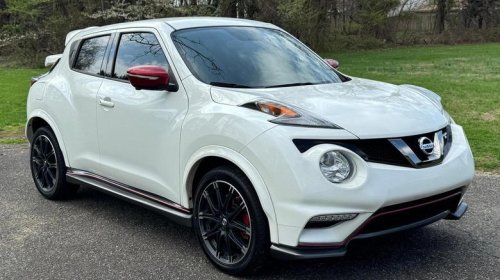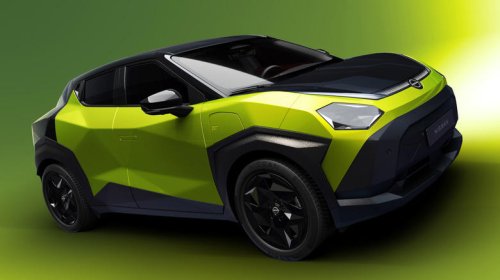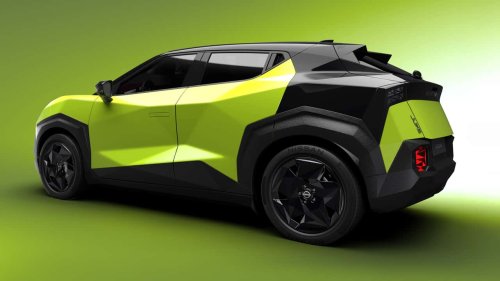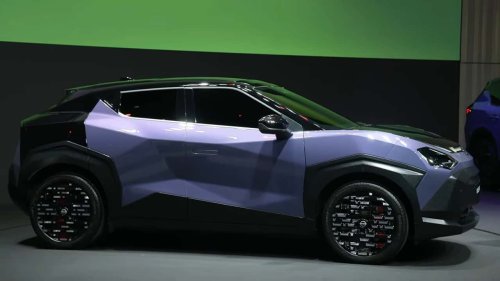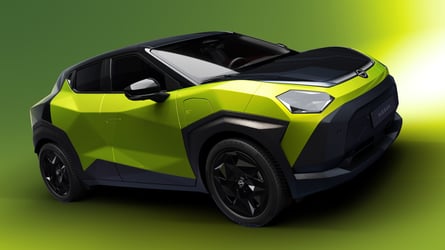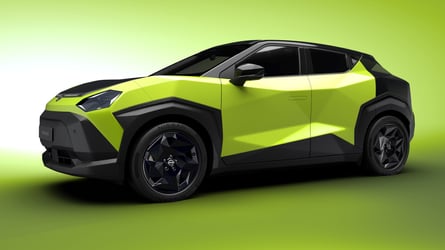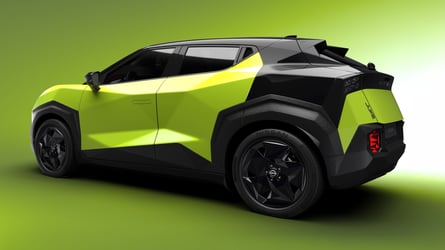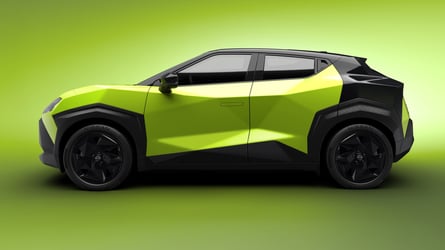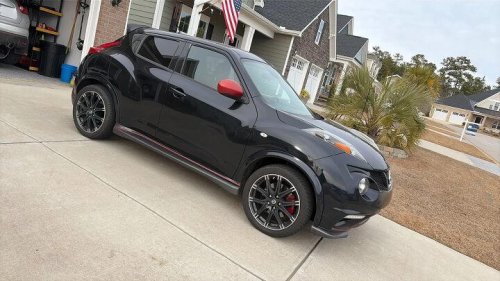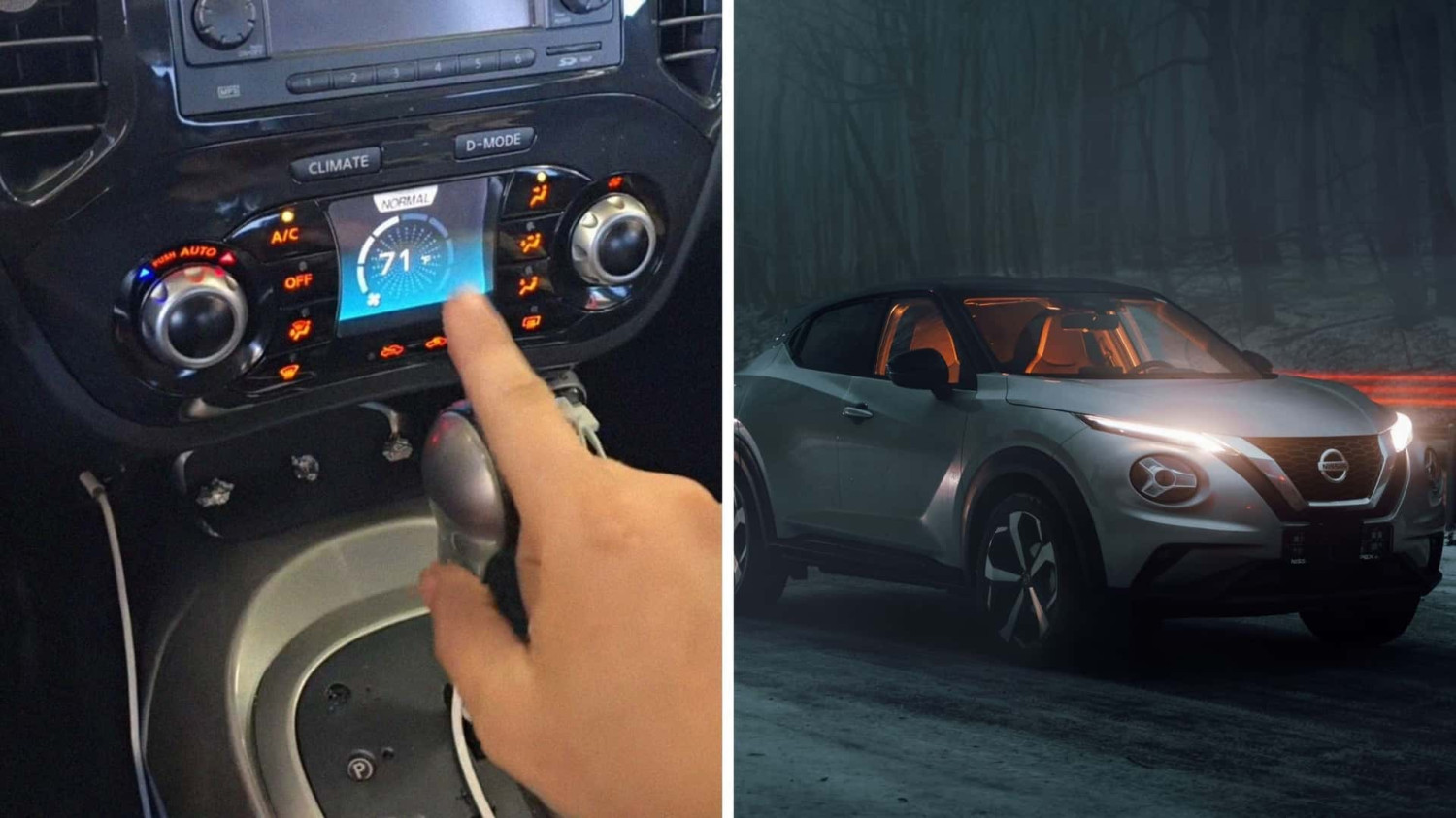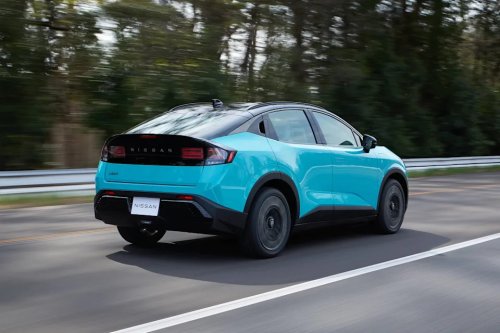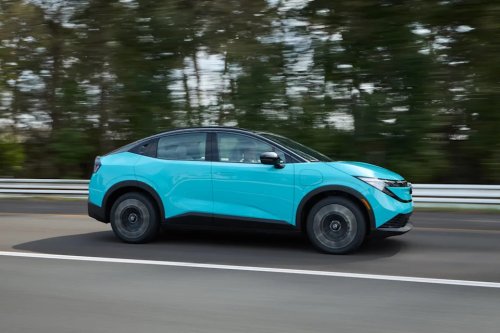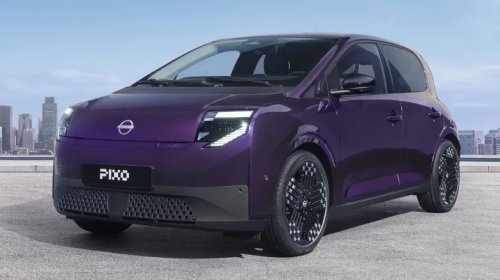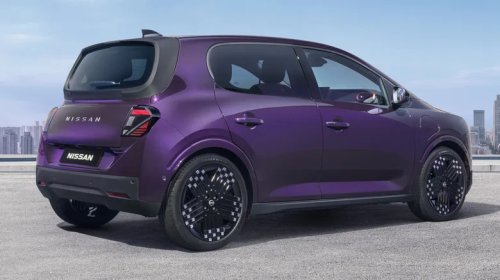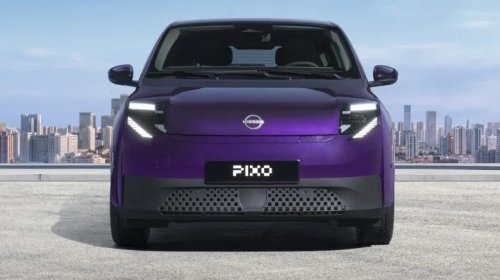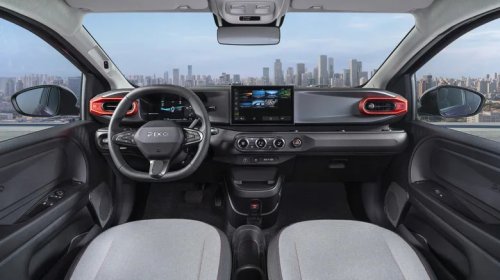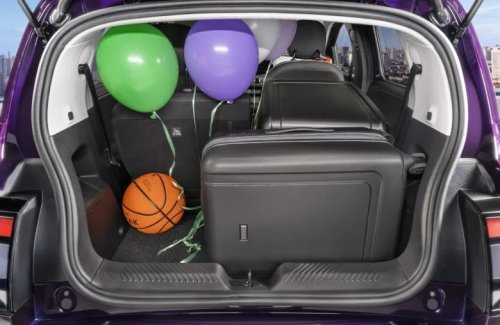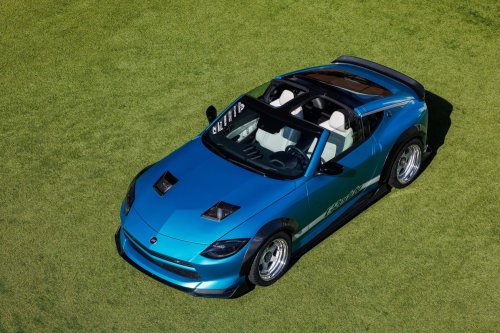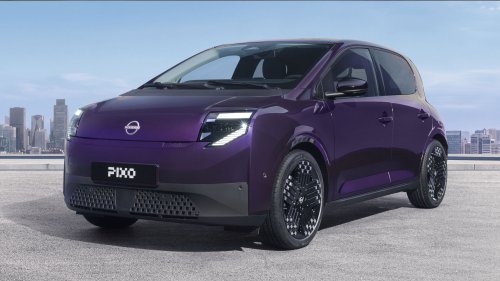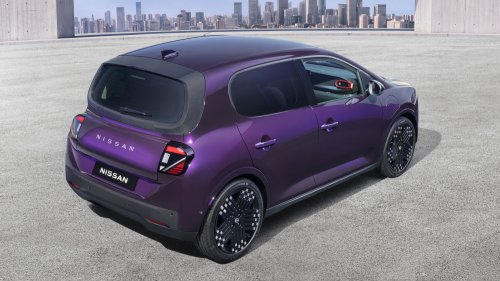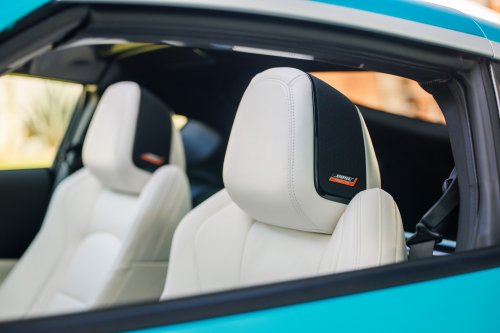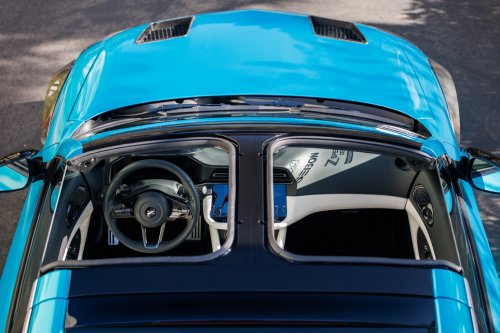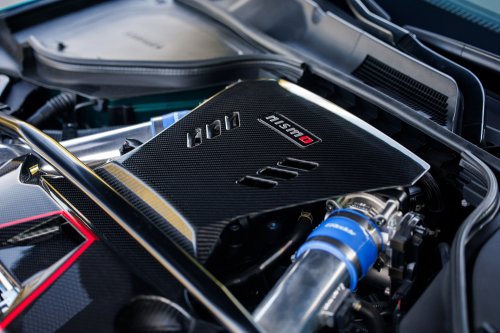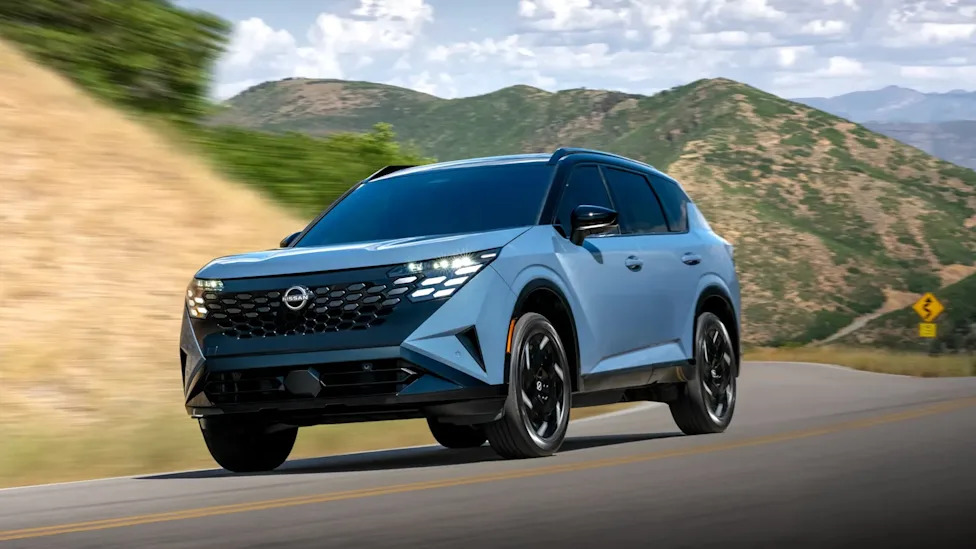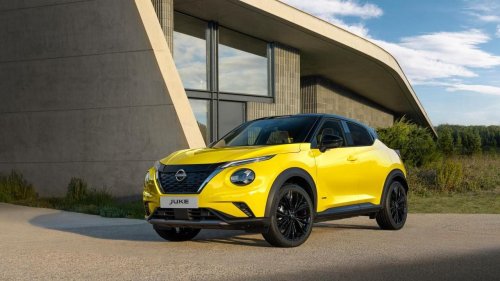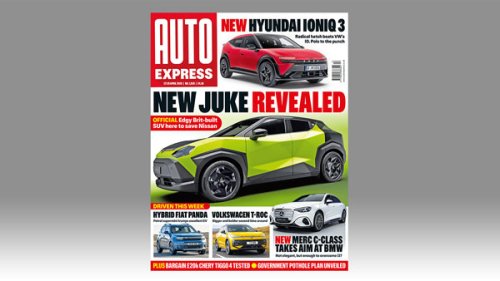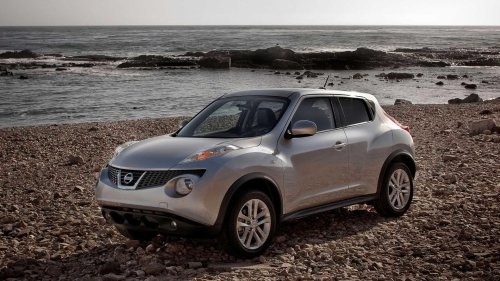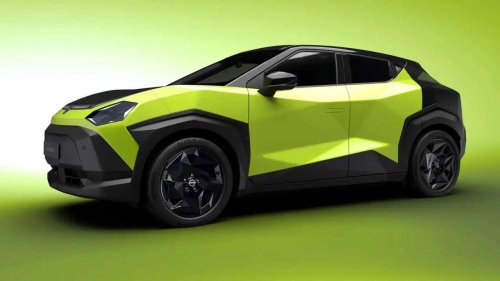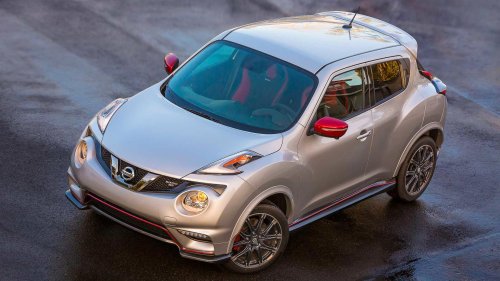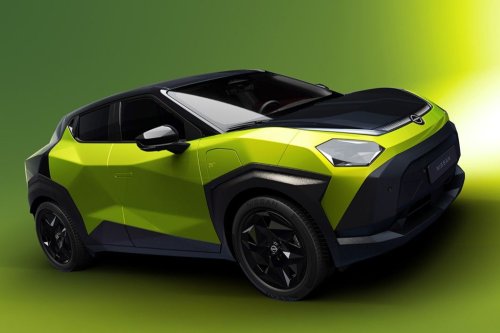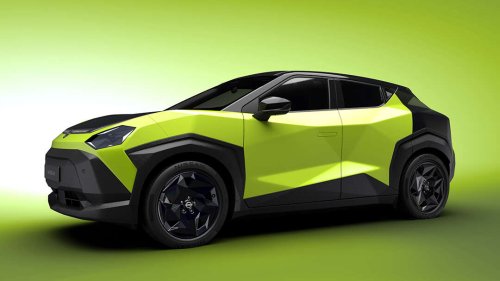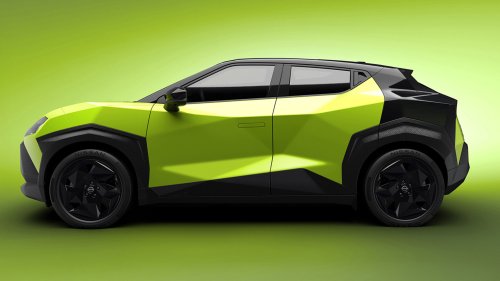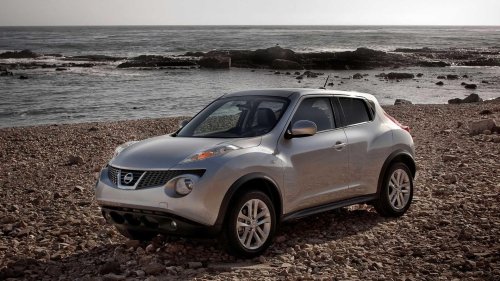
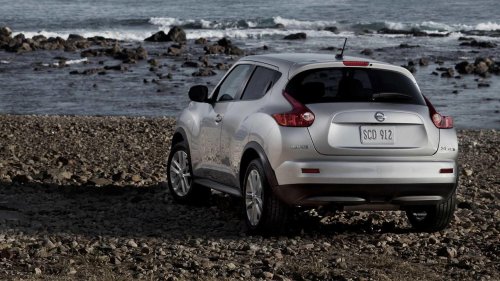
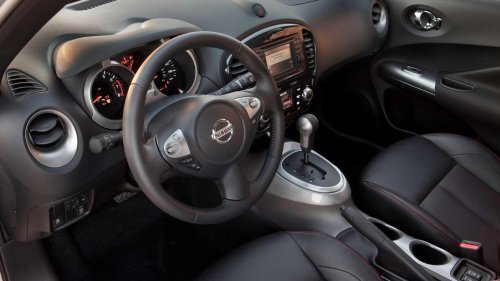
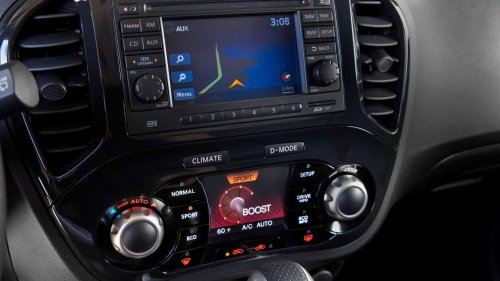
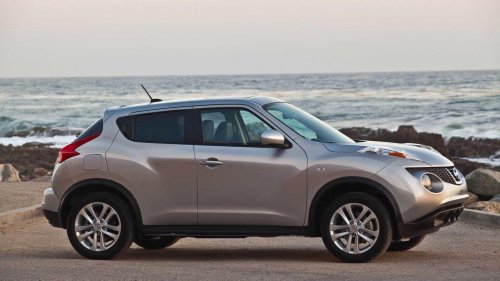
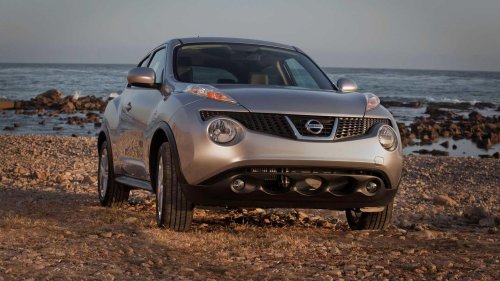
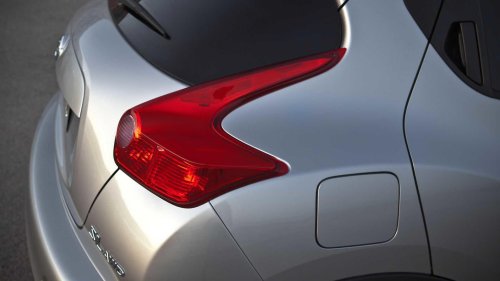
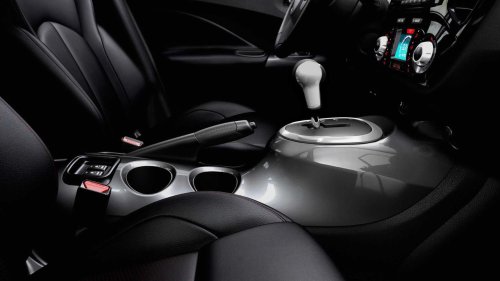



















A third generation of the Nissan Juke recently debuted. This latest version of the model really ramps up the quirky design character already found in its predecessors: sharp angles, pointy edges, and vivid colors make the new Juke stand out from the crowd. There is also a new, all-electric powertrain on board, although at this stage, technical details are still scarce.However, like its second-gen predecessor, the new Juke is not going to reach the United States. If you’re based in the US and want to own a Juke, your only option is to turn to the used market and buy a car from the model’s first generation. We have taken a closer look at the first-gen Juke, its design, tech, and reliability, the latter being a crucial factor for a model whose youngest examples are now approaching a decade old. Here’s what you need to know about the only Juke that made it to the US. The First-Gen Nissan Juke: An Overview NissanThe Nissan Juke crossover made its first appearance under a different name. Its earliest concept form was called the Nissan Qazana, and was showcased at the Geneva Motor Show in 2009. The production version then went on sale for the 2011 model year.Three trim levels were available in the US: the entry-level S, the SV, and the SL. All three trims used the same engine: a 1.6-liter turbocharged inline-four producing 188 hp and 177 lb-ft of torque. A CVT was the standard transmission, and the only one available for the base S trim. The other two trim levels added a six-speed manual as an option. Power is sent to the front wheels as standard, with all-wheel drive available as an option. However, AWD could not be had in conjunction with the manual transmission.Nissan The SV trim added the I-CON (Integrated Control System), a digital display that incorporated functions such as climate control and drive mode selection. These models also came with a moonroof. Going up to the SL added a rearview camera, USB connectivity, and leather seats, among other features.There were also a few performance-oriented versions of the first-gen Juke over its brief lifespan. The Juke Nismo arrived in 2013, powered by a retuned version of the same engine that produced 197 hp and 184 lb-ft of torque. It also came with additional features such as new side skirts and bumpers, an upgraded interior, and sportier suspension and steering.A Nismo RS version was also available, which took things even further with the addition of Recaro sports seats and carbon fiber accents. This variant was even more powerful, producing 215 hp and 210 lb-ft of torque. In both versions, the six-speed manual transmission was standard.One of the rarest versions of the first-gen Juke was also all about performance: the 2010 Juke R, created in secret by Nissan Europe without approval from higher-ups. This bonkers, limited-run model was equipped with a specially adapted version of the Nissan GT-R’s 3.8-liter twin-turbocharged V6, along with its AWD system. The Juke R also featured upgrades to the suspension, aerodynamics, chassis, interior, and brakes. A second version of the model, the Juke R 2.0, was built in 2015 with even more power at 600 hp and 481 lb-ft of torque and further enhancements. Fewer than 10 examples of both cars were built in total. Design, Interior, And Tech Nissan As a result of the Juke’s unique design, its interior is quite cramped. The model is better suited to prospective buyers with a small frame, as the leg and headroom aren’t ideal for taller people. This is especially true of the rear seats, so if you regularly transport adult passengers, the Juke might not be the right choice. However, if room to stretch out is not the top priority, the Juke’s interior has plenty of features that play in its favor.When first released, the Juke started at $19,570 and barely went past $20,000 throughout its seven-year lifespan. The build quality was high for a model at this price point. There was also plenty of storage for small items, thanks to lots of cubbies around the cabin. The trunk does not offer loads of space, but is easy to access, and the rear seats fold completely flat, making it easy to transport larger items.Nissan Only the two top trim levels are equipped with a touchscreen infotainment system, so we definitely suggest upgrading past the base trim to get the most value for money on the tech front. You won’t find modern features on board like Apple CarPlay or wireless phone charging, but if having the latest tech is not your priority, the Juke still has plenty to offer. Some models are equipped with Bluetooth, while others require a wired connection to link your phone to the vehicle. The First-Gen Juke On The Used Market Nissan You might have decided that a used Juke would make a good addition to your garage. If that is the case, there are a variety of price points available for you to choose from. The cheapest examples would set you back around $3,000, but they are more likely to be in poorer condition and/or have higher mileage. The upper end of the price range sits around $18,000 for examples with fewer miles and a better maintenance record.The Juke performed fairly well in terms of reliability. The first model year, 2012, obtained a J.D. Power Quality and Reliability Score of 72/100; the following two model years received 75 and 79, respectively, suggesting reliability improved gradually as Nissan worked through teething issues. Subsequent model years (2014 to 2017) did not receive a J.D. Power rating.Nissan On the complaints front, the Juke follows a similar pattern. The first three model years have the highest number of complaints, with 247 in 2011, 156 in 2012, and 176 in 2013. However, the number drops sharply for the following model years, continuing to trend downwards until the end of the first generation. The 2014 model had 104 complaints, 2015 had 60, 2016 had 56, and 2017, the Juke’s last model year in the US, had just 18. The most common complaints were engine, electrical, and transmission issues.Over its lifespan on the US market, the Juke was also the subject of seven recalls. Some of the problem areas affected by the recalls were the fuel pressure sensor, engine start/stop button, rear seats, and braking system.The Juke’s reliability record suggests that more recent models are a better choice when shopping for a used example today. When looking specifically at prices for the 2017 model, you can find examples ranging from as low as $7,000 to around $18,000. Is The Juke A Good Used Car Purchase? Nissan The Juke is an often-overlooked member of the Nissan family, partly because it spent less than ten years on the US market and partly because of its slightly left-field character. Our main piece of advice would be to avoid the CVT and opt for the manual gearbox. The manual gearbox mated to the turbocharged 1.6-liter turbocharged four-cylinder provides quite an amusing experience. It feels a little like a hot hatch on stilts. NissanIf you’re shopping for a crossover with a good reliability record and an affordable price tag, the Juke should definitely be on your radar. Of course, you will have to sacrifice some things in exchange for the wallet-friendly price, such as the latest tech and ample legroom. However, we think this could be a fair trade for the urban or suburban driver on a budget.The Juke’s design may not be for everyone, but for those who appreciate a car with a unique look, it could be just the right way to stand out on the road.Sources: Nissan, NHTSA, CarComplaints, J.D. Power