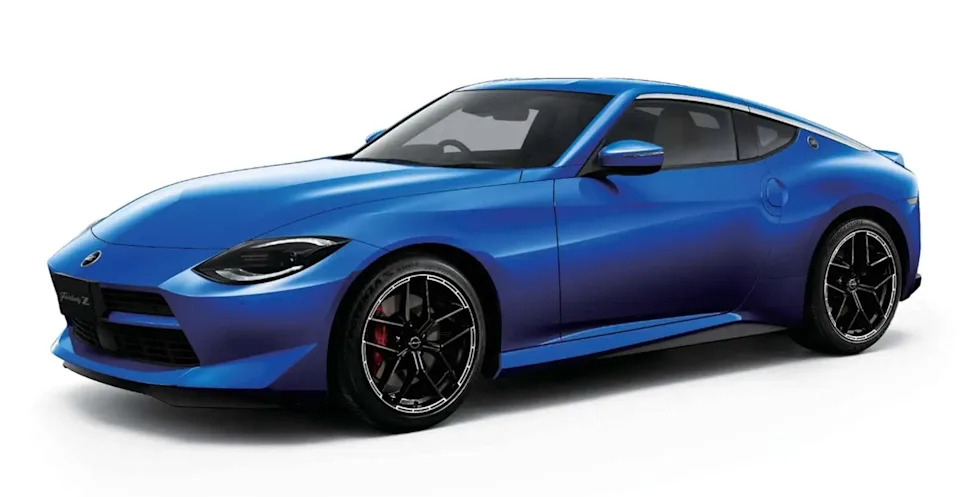
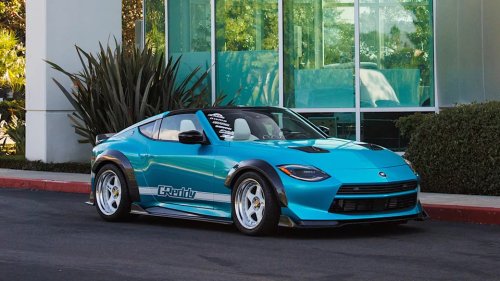
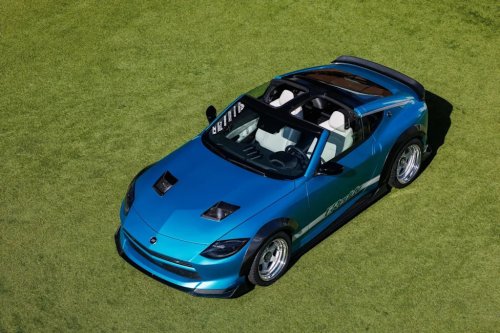
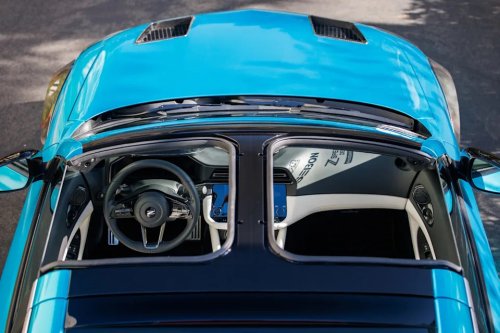
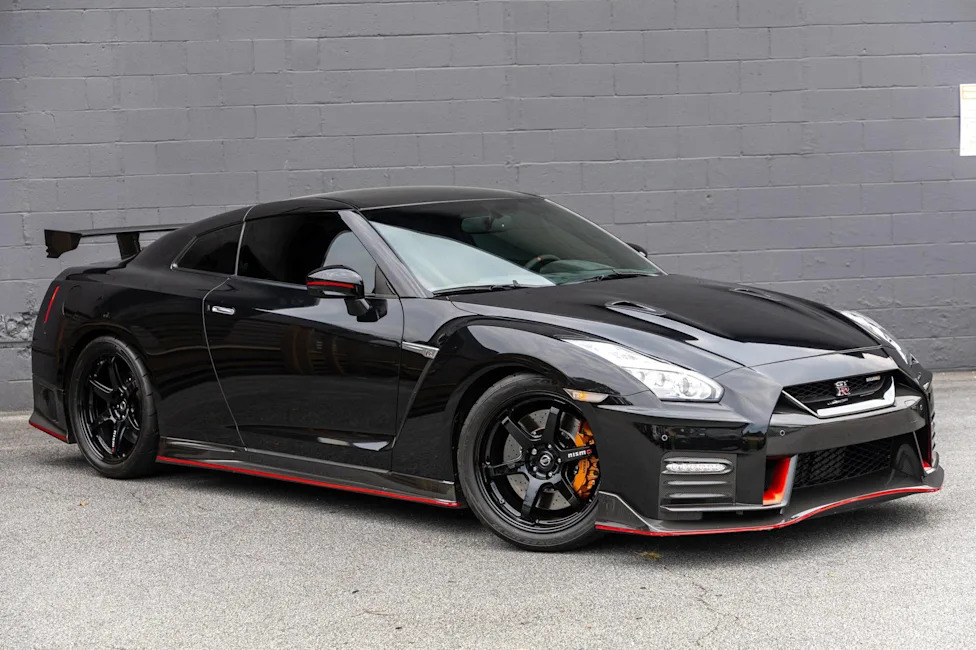
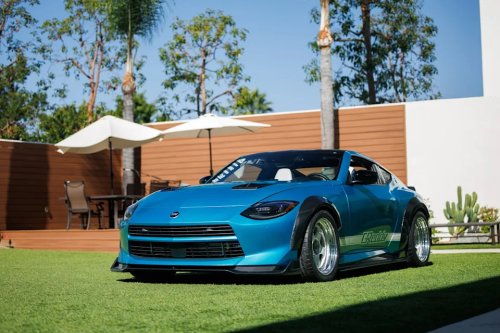
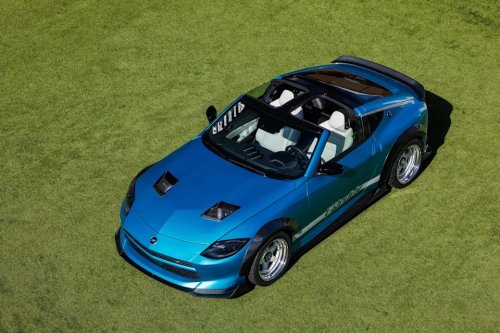
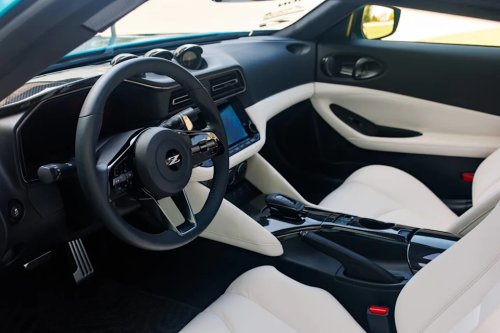
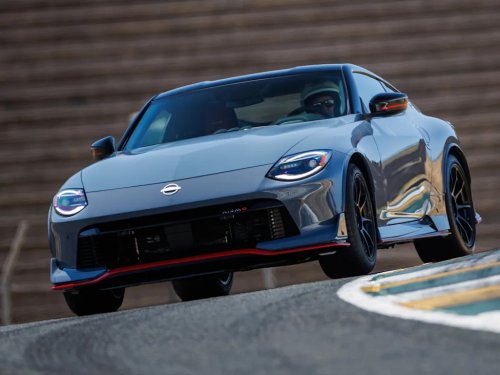
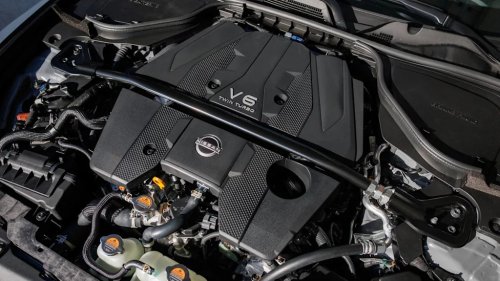
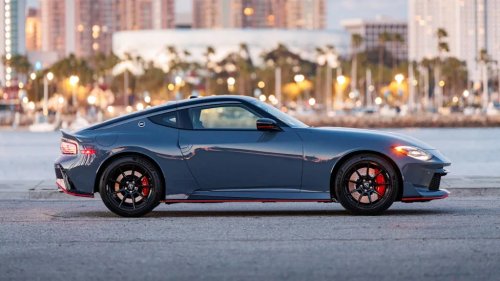
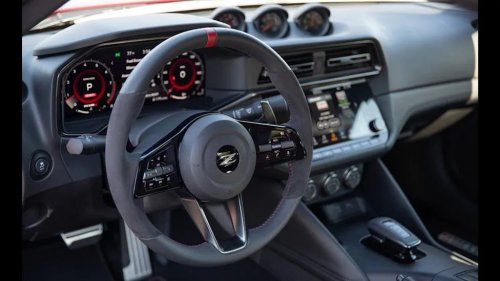
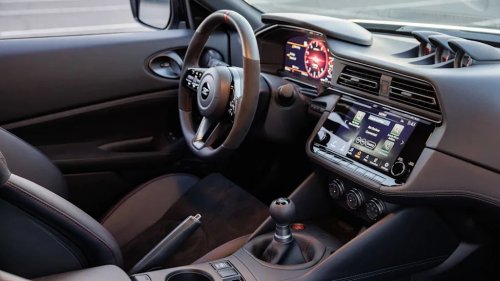
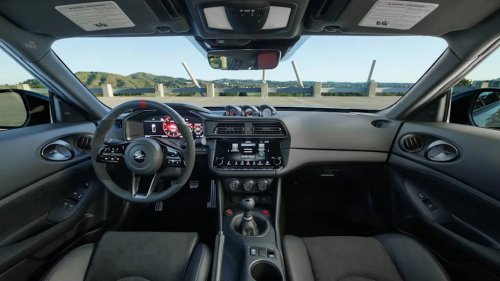
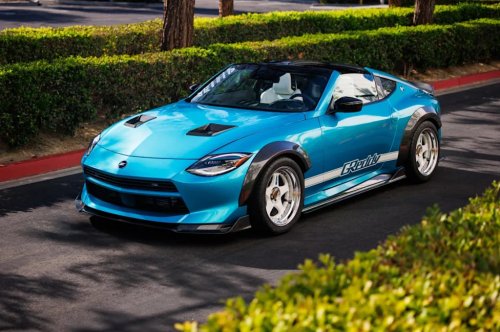
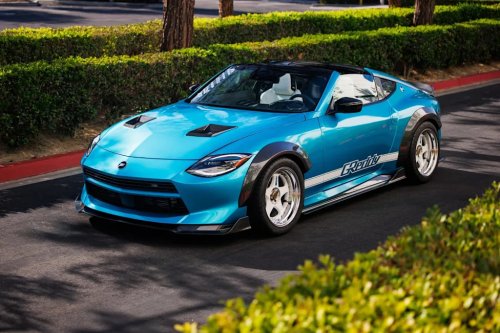
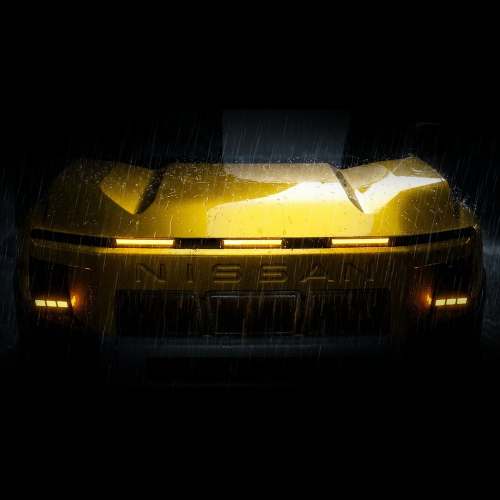
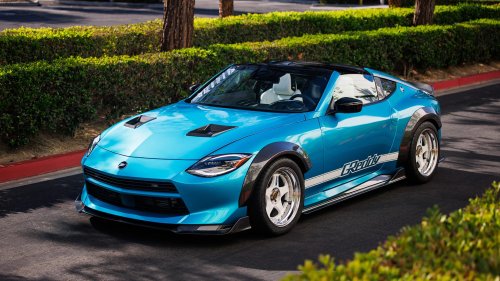
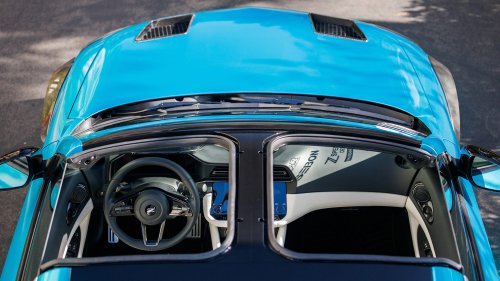
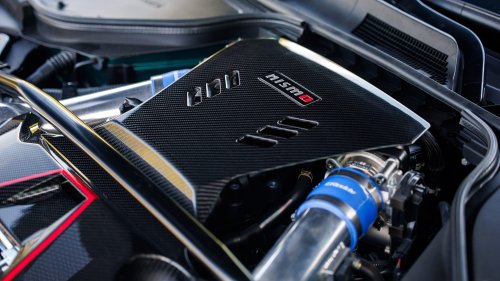
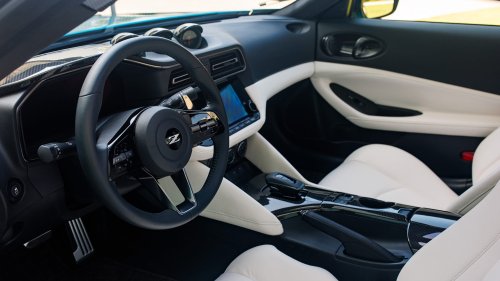
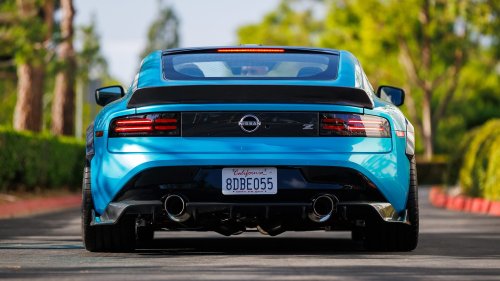
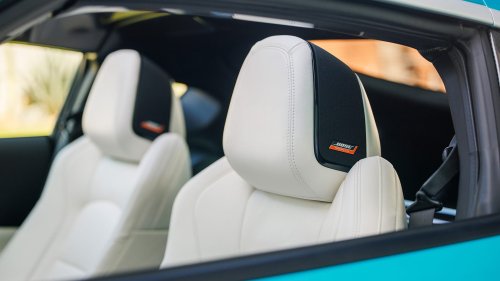
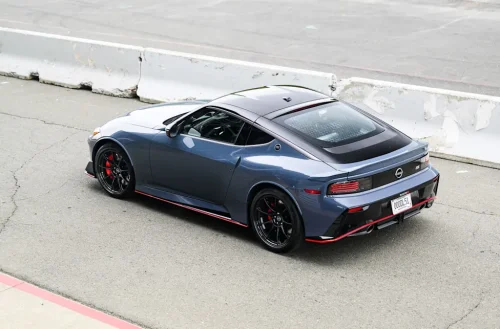
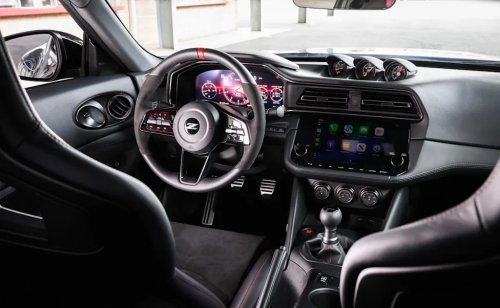
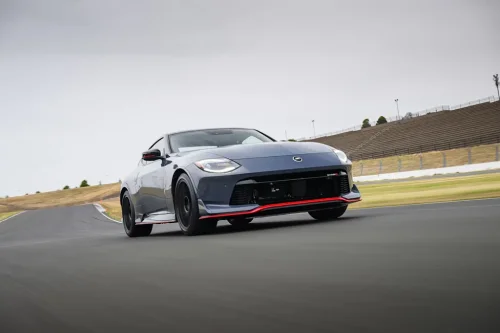
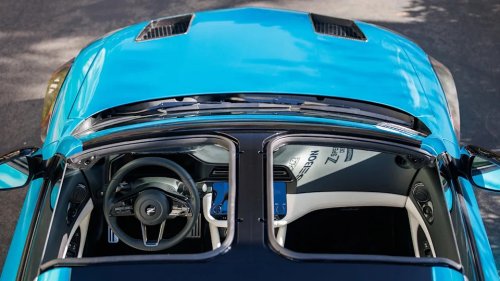
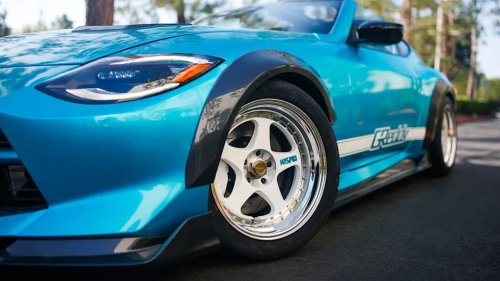
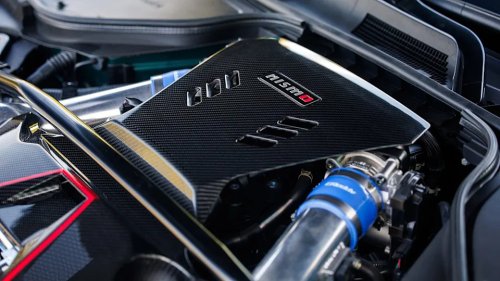
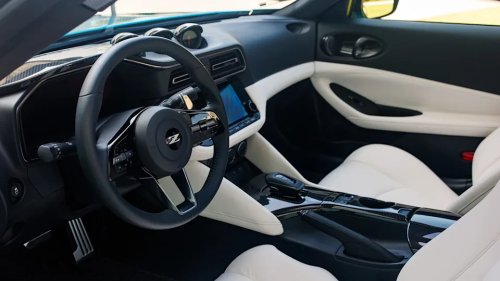
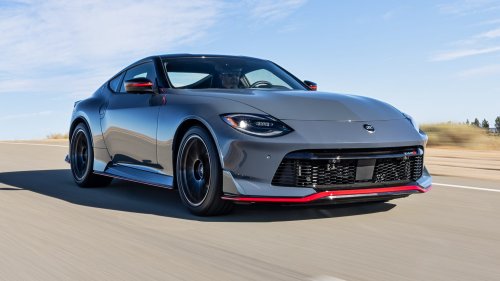
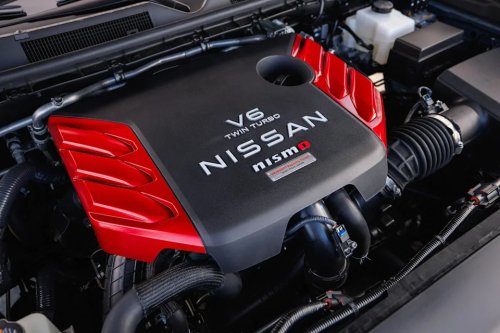
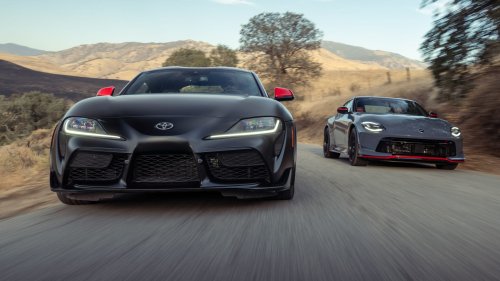
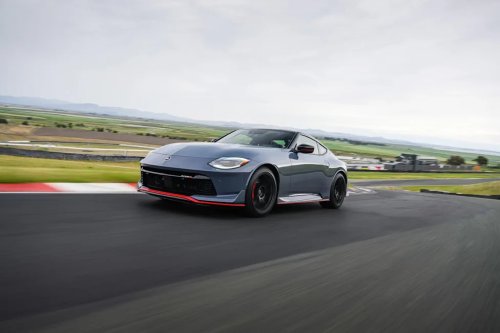
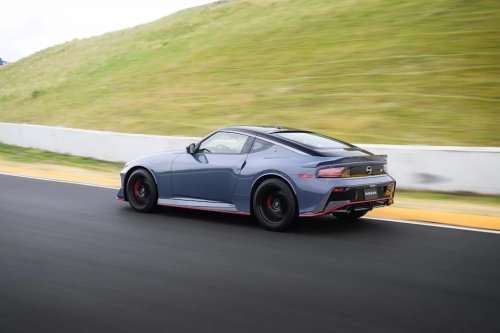
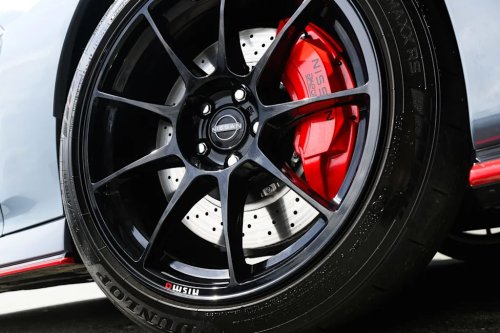
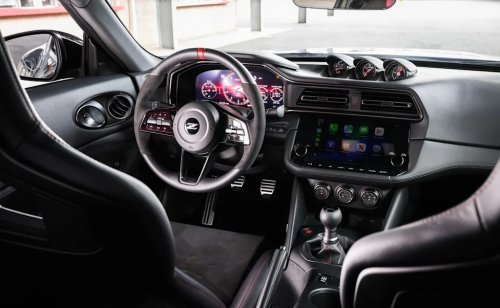
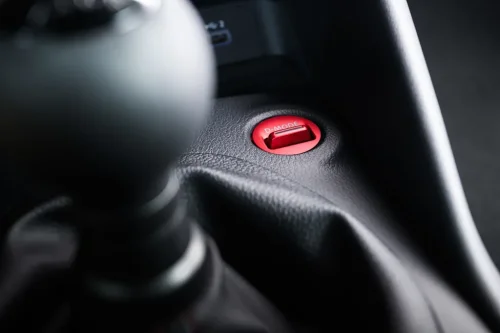
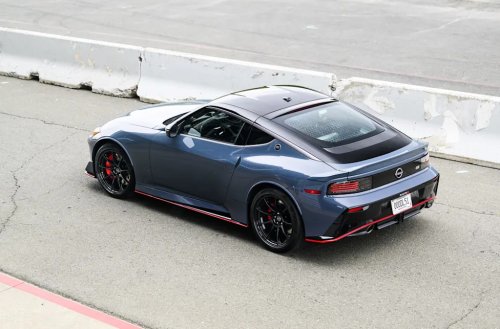
Driven: 2027 Nissan Z NISMO Is a Purist Track CarNissan (Nissan)As a professional car reviewer, it is my job to complain. Even when a car is very good, there's always something to critique. For instance, I never drove the 2024 Nissan Z NISMO when it debuted, but if I did I probably would have said something like, "So the Nissan Z with the most horsepower only gets an automatic transmission? Hey, 1980s GM called and it wants its product strategy back!" I might also have pointed out that the Z NISMO's natural rival, the Toyota Supra, offered a manual transmission. Those would have been valid points and, in the first case, also a sick burn. But for 2027, Nissan will offer the Z NISMO with a six-speed manual transmission just as Toyota cancels the Supra's manual transmission, along with the rest of the car—2026 was the Supra's final year. But there's probably still something to complain about, so I went to Sonoma Raceway to find out what.The 2027 Z gets a timely refresh across all its trims. The front end is reworked with a less rectangular grille, wider toward the bottom and intended to evoke the original 240Z. The Nissan badge on the hood is now a simple "Z." On the functional side, the damper tubes are larger in diameter, a change that Nissan says is aimed at improving handling rather than ride. And the Performance trim can be had in a killer color combo, two-tone Shinkai Green (think British racing green) with a tan leather interior.Nissan (Nissan)For the NISMO, the hardware changes are the big news. The manual transmission is the transformative piece, and offering it in the NISMO wasn't a simple bolt-in. Because the NISMO makes more power than its Z brethren (420 horsepower and 384 pound-feet of torque versus the other trims' 400 and 350), the transmission mounts were beefed up and the clutch got a high-capacity pressure plate. The shifter itself has a shorter throw, and the twin-turbo 3.0-liter V-6 has a different throttle map and ignition timing. There's a lot of work that goes into a seemingly easy change—when you want to honor a warranty, at least.AdvertisementAdvertisementThe brakes also got some love, with the late R35 GT-R donating its 15-inch two-piece iron and aluminum front brake rotors. (The Z uses six-piston Akebono calipers rather than the GT-R's Brembos.) These rotors weigh a combined 19 pounds less than last year's, which is significant enough that Nissan retuned the suspension and steering to take advantage of the lower unsprung mass.Nissan (Nissan)Finally, the gas tank has been updated with revised baffling to cure a fuel-starvation problem that manifested when high g-forces met low fuel quantities. When you're enjoying a track day, you don't want to be pitting in to refuel until it's truly necessary. And Sonoma Raceway has plenty of corners that can generate some sustained lateral g's.Sonoma was built in 1968, narrowly predating the debut of the original 1970 Datsun 240Z. It's a bold place to stage a drive event, simply because it was built before humankind invented the concept of runoff. The track's walls are never far from your mind, both literally and figuratively, and many a corner exit is decorated with a Jackson Pollock of rubber and paint on a canvas of white concrete.Nissan (Nissan)The first time out, the frame-of-reference run, was in the Z Performance. A pro driver set the pace, and it quickly became clear that the non-NISMO Z is a fine car for back-road blasts but not optimized for repeated laps of a road course. In particular, the Bridgestone Potenza S007 tires start to feel a bit greasy once they're hot. The tires howl when you're near the limit, before the car starts squirming, and it's all benign fun. If you want to track a Z Performance, it'll play along, but if HPDE days are your thing, you really want the NISMO.Nissan (Nissan)I admit that of the Z NISMO's four stability control settings, I only used the second most aggressive, Sport. Beyond that is Traction, and then you can also just turn everything off. But with water running across one corner and the aforementioned omnipresent walls, I was fine with Sport (one of the instructors allowed that Traction mode is permissive enough that you could spin the car at certain corners). Even in Sport mode, the tail would give an enervating wag if you pushed too hard across the water.AdvertisementAdvertisementWith my brain and seat of the pants calibrated to the Z Performance, it took a few laps to realize that I could go much faster in the NISMO. In the Carousel, which spans Turns 4 to 6, you're basically on a long downhill skidpad, and it seems to take forever to get down to the apex. Initially, I drove it at about the speed I was at in the Performance, only to realize, "Wait a minute, I can't hear the tires." Like the Performance's Bridgestones, the NISMO's Dunlop SP Sport Maxx GT600 tires will yowl as they lose grip, but there's more grip to lose. Besides the difference in rubber, the NISMO's rear tires are slightly wider, too—285/35R-19 compared to 275s—and its Rays forged wheels are a half-inch wider.The manual transmission is such a delight that I really don't know why you'd opt for an automatic in this car, and I suspect the manual take rate will be high. Nissan says that, initially, it'll build the majority of 2027 Z NISMOs with the manual and then see how it goes, but I suspect this car will follow the trend of the Porsche 911 GT3 and surprise the company execs with the popularity of the analog shift option. On track, I availed myself of the automated rev-matching for downshifts, not that there was a lot of that to be done—the VR30DDTT V-6's bounty of torque meant that downshifting to second gear in the Turn 11 hairpin was more of a lifestyle choice than a necessity, and the entire track could be run in third and fourth gear. But superfluous shifting and gratuitous revs are fun, lap-time best practices be damned. I will say that the NISMO's short-shift mod is something I could take or leave, since it's not as if the regular shifter is like stirring a barrel of Cream of Wheat with a broomstick. But the short throw does add a feeling of sporty purposefulness, even if it's probably not shaving microseconds off your lap time.Nissan (Nissan)As for the upgraded brakes, the NISMO is quick enough to need them. I never noticed any fade, but after one stint I pulled into the pits to see smoke gently wafting off the front pads. Perhaps for regular track work you'd want a more aggressive set of brake pads, but that's an easy swap.The Z NISMO goes on sale this summer, and Nissan says it'll announce pricing closer to the on-sale date, but lesser Zs are priced the same regardless of transmission. As a guideline, the 2026 Z NISMO started at $67,045—in the ballpark of the outgoing Supra. Maybe you think that sounds like a lot for a Nissan, but it also seems fair for a track-ready, rear-drive, 420-hp twin-turbo two-seater with a manual transmission. That's a special formula, one that I'm glad Nissan is still perfecting.AdvertisementAdvertisementOf course, perfecting doesn't mean perfection, and I still have something to complain about. That excellent new Shinkai Green? You can't get it on the NISMO. Yet.Nissan (Nissan)➡️ Skip the lot. Let Car and Driver help you find your next car.Shop New Cars Shop Used CarsYou Might Also LikeGift Guide: Best Ride-On Electric Cars for KidsFuture Cars Worth Waiting For: 2025–2029


















 +80 others