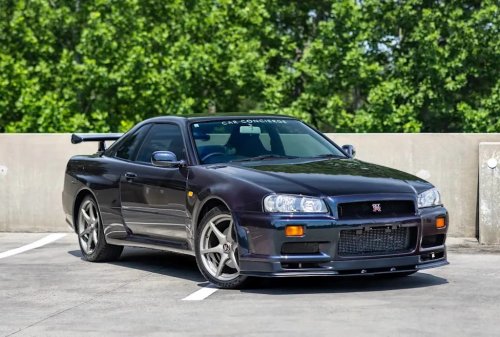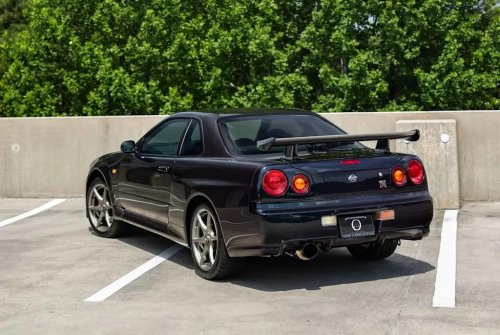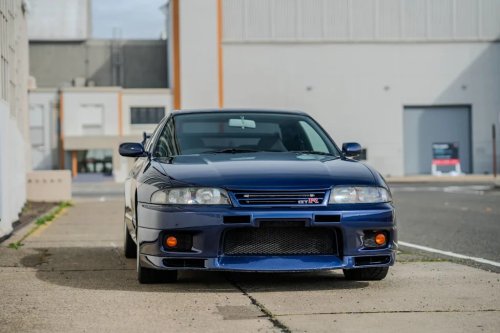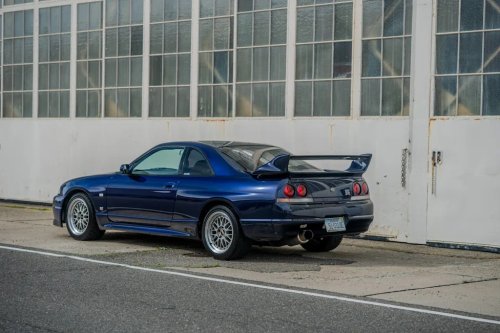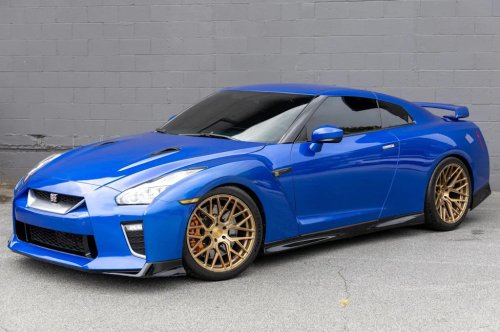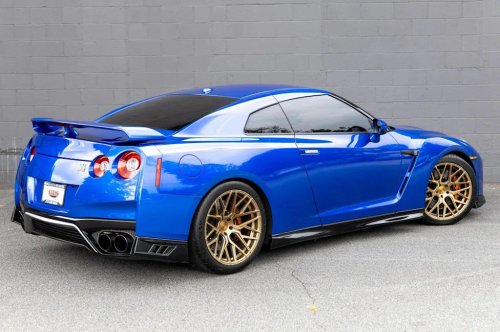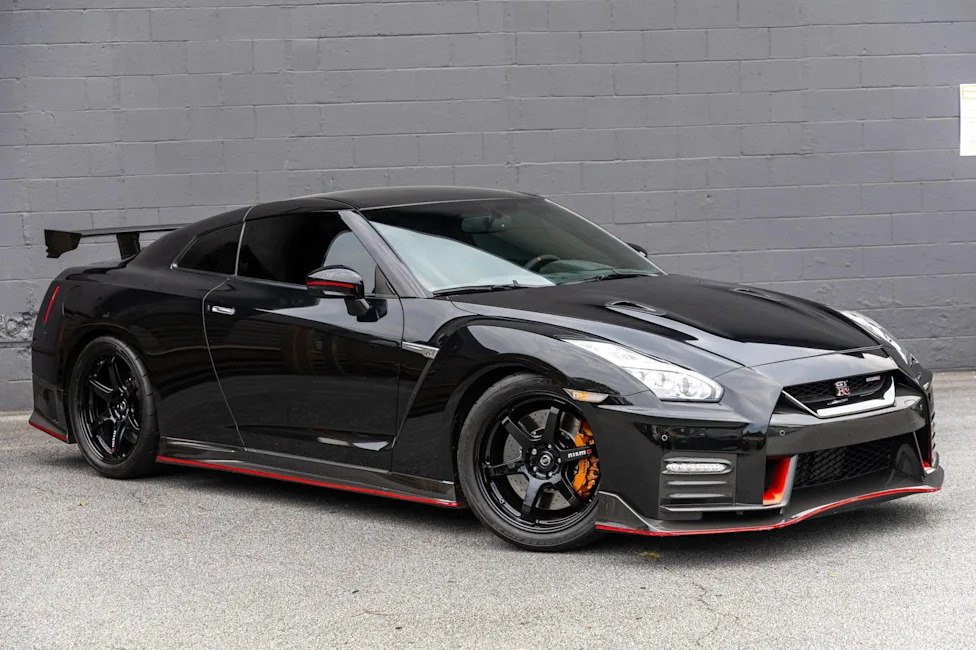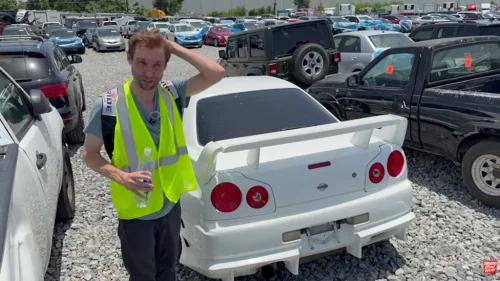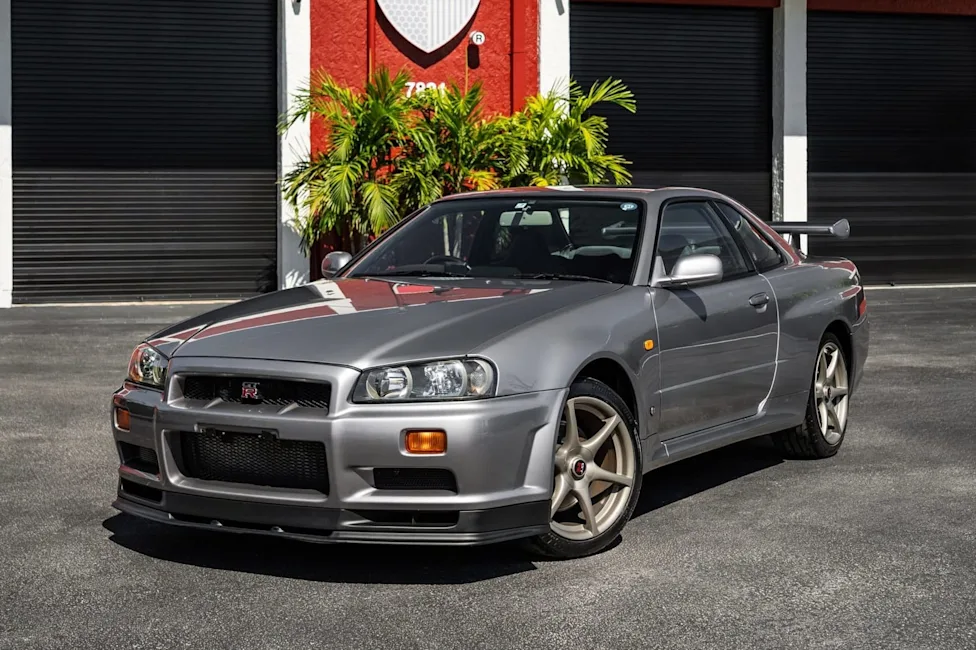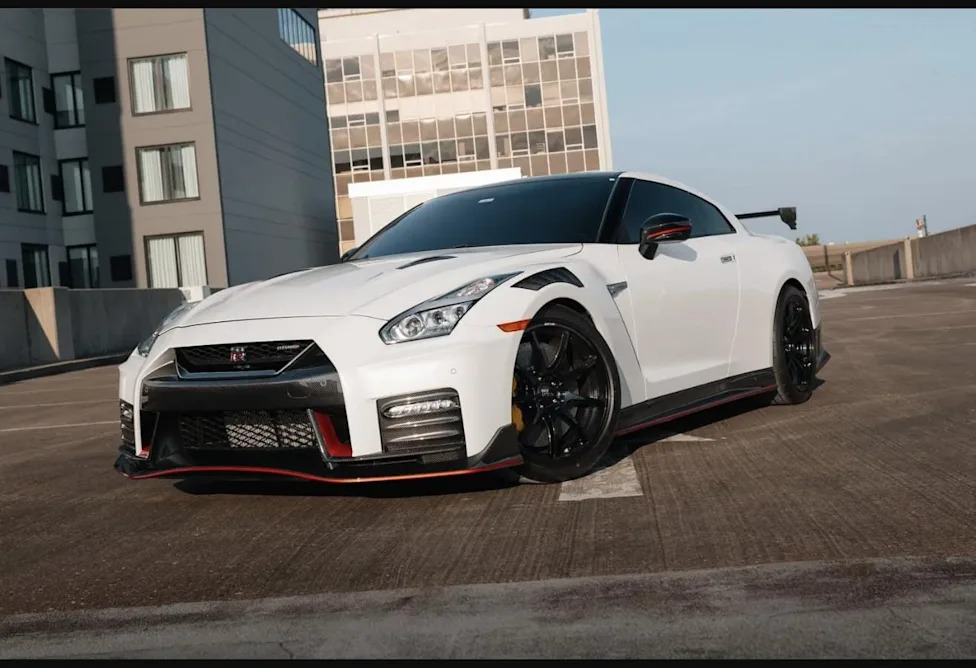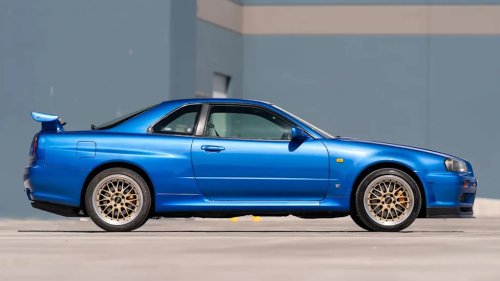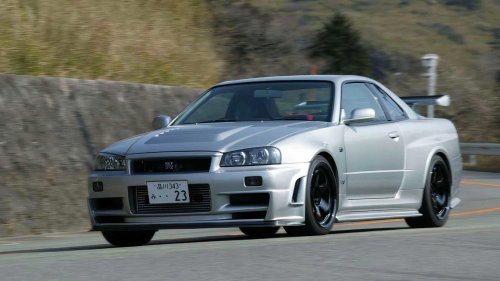
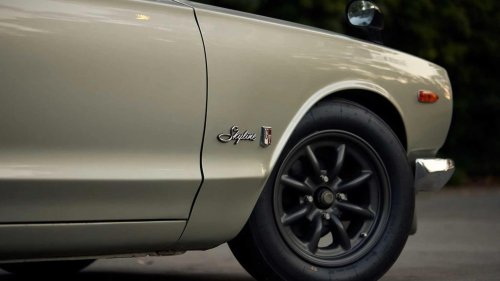
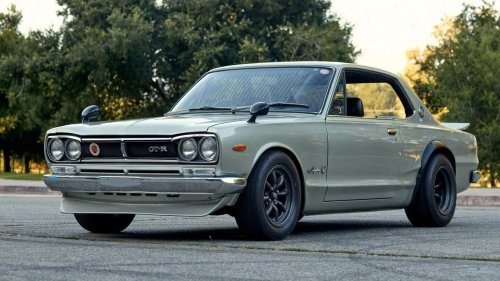
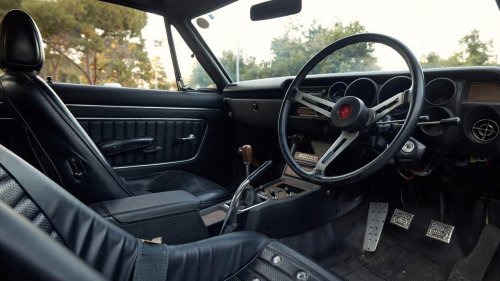
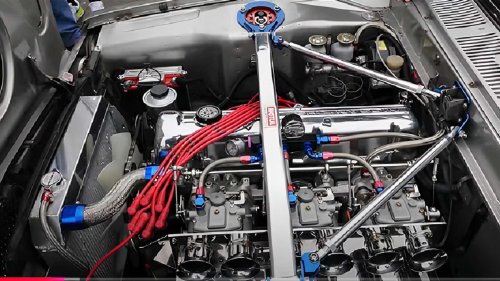
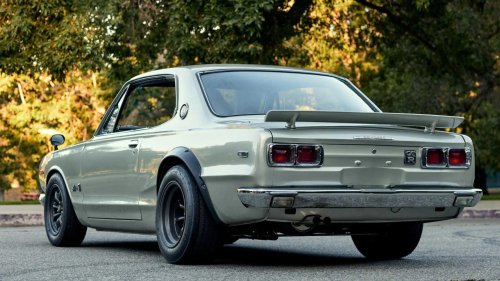
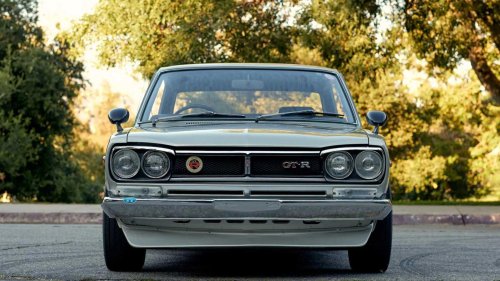
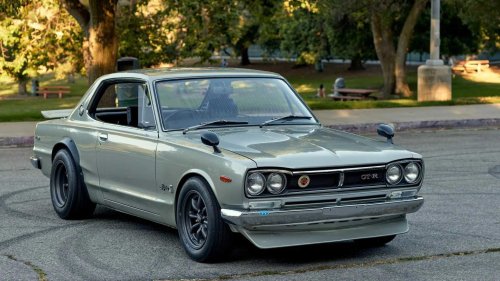

















Generally speaking, we can all be guilty of remembering the sequel more fondly than the original. History has a habit of this. Everyone celebrates The Dark Knight, but hardly anyone talks about Batman Begins — the film that traded camp for gritty and successfully rebooted the Caped Crusader in the first place. We celebrate the moon landing, but neglect to think about the dangerous missions that made it possible.For cars, it’s the same for the Nissan GT-R. Most Americans hear the name and think of the Fast & Furious movies, and the Skyline R34 variant that held its own against Europe's supercars in the 1990s. But the GT-R story began much earlier. Long before the badge became globally famous, it began life as a little homologation special that dominated Japanese touring car racing. It won 49 consecutive races, established Nissan's performance reputation, and today remains one of the rarest and least understood GT-Rs to the American enthusiast. Nissan Built A Skyline GT-R Long Before Godzilla Became Famous NissanBy the time the GT-R earned the “Godzilla” nickname in Australia during the early 1990s, Nissan had already gained its reputation in the performance space decades earlier, and much of that credibility came from competing in Japan’s fiercely competitive touring car scene. Since Nissan understood that winning these races sold cars in showrooms, they built lightweight, high-revving coupes and sedans that later created the blueprint for one of the most respected performance badges in automotive history. One Lightweight Skyline Rewrote Japan’s Racing Record Books Bring a Trailer The 1960s saw two arms races occurring. The nuclear arms race between the United States and the Soviet Union, and one between Japan’s car marques desperate to prove themselves on the track. Nissan however, had a rather unfair advantage.Its racecar wasn’t particularly that big, nor was it outrageously powerful either, even by today’s standards. But it was light on its feet, and engineered with a single-minded focus to win. With this mentality, Nissan achieved near-total domination, with 50 consecutive victories and 52 total races won. This little champ was creating a scene and making headlines, but any mention of it in America…tumbleweeds. The Hakosuka Skyline GT-R Became The Blueprint For Every GT-R That Followed Bring a TrailerThe car that delivered this success was the Hakosuka Nissan Skyline GT-R, based largely on a civilian-grade luxury four-door, but upgraded for winning races. Most enthusiasts know it simply as the “Hakosuka” - a combination of the Japanese words hako (“box”) and suka, short for Skyline.Externally, it looks pretty boxy, like it was designed on a sketch pad using only a ruler. But, that sharp-edged bodywork concealed something genuinely advanced for its time. Nissan engineers didn’t just build a faster Skyline; they effectively built a road-going touring car homologation special at a time when Japanese performance cars were still finding their feet.Bring a Trailer The beating heart of this extraordinary little race car was the legendary S20 inline-six engine. This was a 2.0-liter naturally aspirated unit, and was derived from the GR8 racing engine that was used in Japan’s first purpose-built race car - the Prince R380.This wasn’t some iron-block commuter engine with a louder exhaust bolted on afterward. Instead, the S20 featured some serious hardware to help ensure ultimate track victory. These upgrades included dual overhead camshafts, four valves per cylinder, a cross-flow cylinder head, and triple Mikuni-Solex carburetors - big departures from just pushrods and simple carb setups that rivals were still relying on at the time. The S20 Engine Rewarded Drivers Who Kept It Singing Larry Chen / YouTubePower was rated at 160 horsepower and 130 lb-ft of torque, and while these figures are hardly much to write home about, the Hakosuka barely weighed 2,400 pounds, meaning it felt much quicker than it would seem on paper. To put that figure into perspective, the R35 GT-R, which is pretty much a household name at this point, tips the scales at 3,800 pounds. Ooft.It also loved to rev (up to 7,500 rpm) while delivering power high in the range, and it was these characteristics that made the S20 feel more like a scaled-down Italian racing engine than a traditional Japanese unit. To keep you rushed off your feet (quite literally), Nissan paired it with a standard five-speed manual gearbox. In addition to a characterful engine, the Hakosuka also came with a limited-slip differential and sophisticated suspension tuning.Unfortunately, production of the S20 came to an end in 1973, with fewer than 200 units built in its final run, thanks to tightening emissions regulations and the 70s oil crisis - events which also killed off the golden era of the American muscle car. The KPGC10 Coupe Made The Hakosuka Even More Focused Bring a TrailerJust before Nissan chose to retire the S20 though, it later sharpened the Hakosuka formula with a coupe version in 1971, featuring the chassis code KPGC10. Compared to the earlier four-door sedan, the wheelbase was shortened by 70mm, and the weight was reduced by more than 44 pounds by downsizing the body. Inside, meanwhile, it featured fixed bucket seats, and some variants even had a massive 100-liter fuel tank for endurance racing. In short, the coupe wasn’t a Skyline trying to imitate a race car. Rather, it WAS a race car, but toned down enough to be legal for public roads. The Hakosuka GT-R Seemed Slow On Paper - But It’s Worth A Fortune Today Bring a TrailerApart from its motorsport success, what also makes the Hakosuka GT-R so fascinating today, is that it’s never relied on outrageous numbers to feel special. Making less than 200 horsepower and a top speed of around 120 mph, it'd be eaten alive today, especially in a world where family EVs can out-pace supercars on the drag strip.But straight-line pace is not what the Hakosuka was all about. It was far more clever than that, and its capabilities came from how mechanical and unapologetically alive the car felt behind the wheel. While today’s R35 features turbocharging for much smoother and managed power delivery, plus all-wheel drive and a whole host of electronic safety gizmos, the Hakosuka is far more old-school and unfiltered in comparison.They’re also pretty rare. Genuine KPGC10 cars, for example, were already uncommon to begin with, with production totaling roughly 2,000 units, but decades of racing use and rust have made surviving ones exceptionally scarce today, with fewer than a few hundred stateside. That's why buyers have been willing to pay serious money for well-sourced examples. As listed on Classic.com, a coupe sold through RM Sotheby's for $242,000 — appreciating by roughly 60-80 times its original price, even before accounting for inflation.In many ways, the Hakosuka occupies the same collector territory as BMW’s original homologation specials. But while they too are historically important cars, and reflect a much simpler time, the Hakosuka still feels like a secret outside dedicated enthusiast circles, and it’s this general underappreciation that makes it more desirable to anyone lucky enough to actually own one. Hakosuka GT-R Performance Specifications The Original Skyline GT-R Defined Nissan’s Performance Legacy Bring a Trailer The Hakosuka didn’t just introduce the GT-R name. Instead, it defined what it was supposed to stand for, and was Nissan’s purest intent to dominate the Japanese motorsport scene. It was light, high-revving, and just relentlessly focused on winning races. And when you consider the engineering discipline that saw the iconic R35 GTR lap the Nürburgring 13 seconds quicker than the almighty Bugatti Veyron, it’s clear the philosophy behind the Hakosuka’s success has carried through to later generations. It was a machine so ahead of the competition, it started to compete with itself. “Skyline’s only rival is Skyline.”