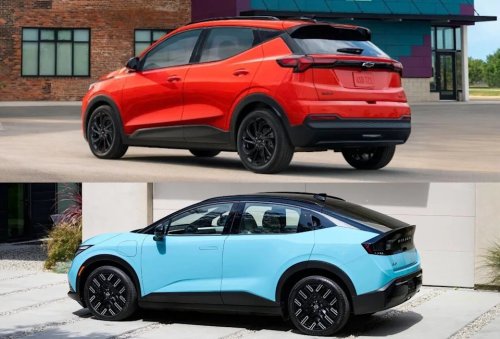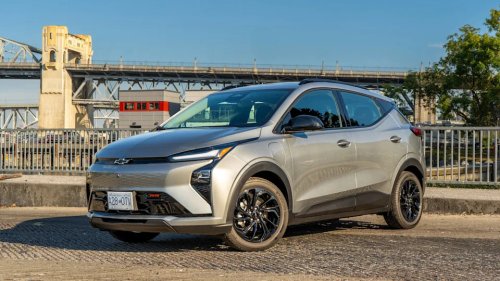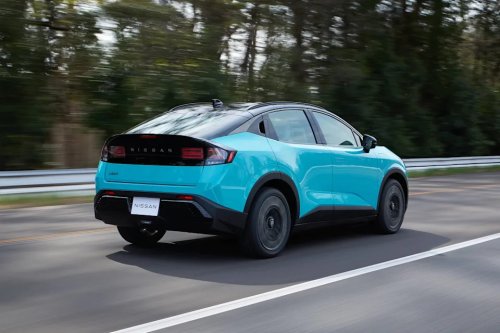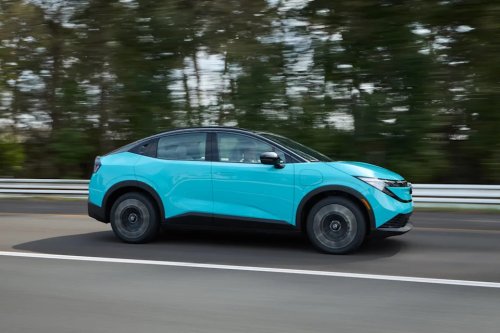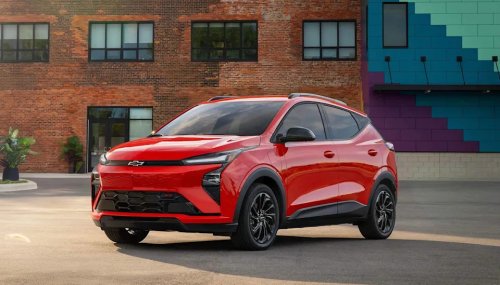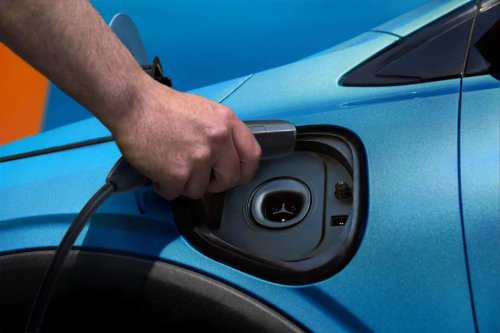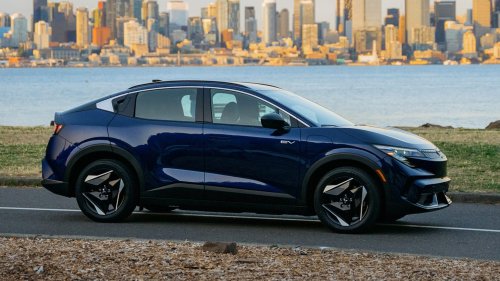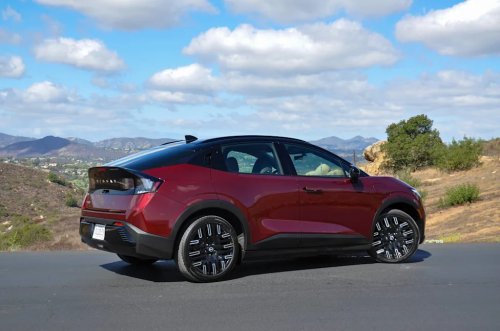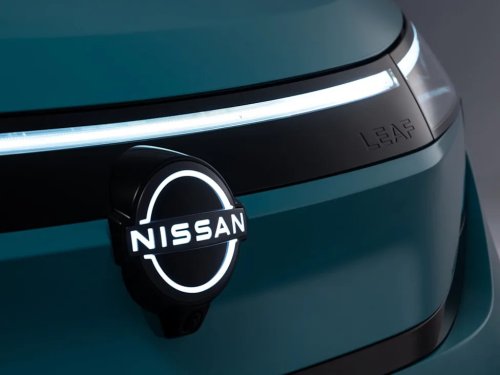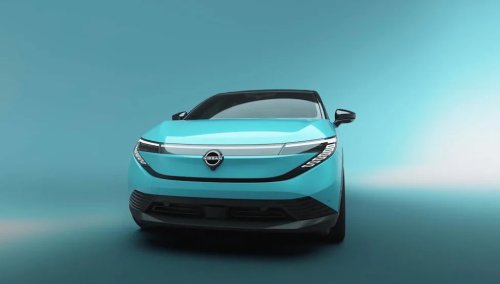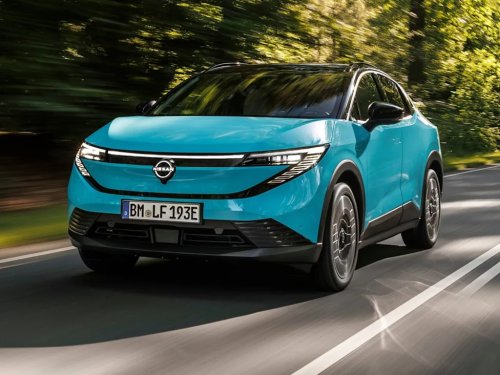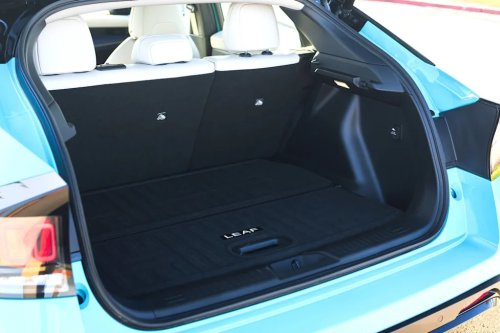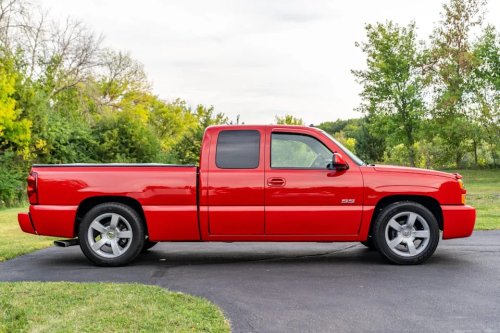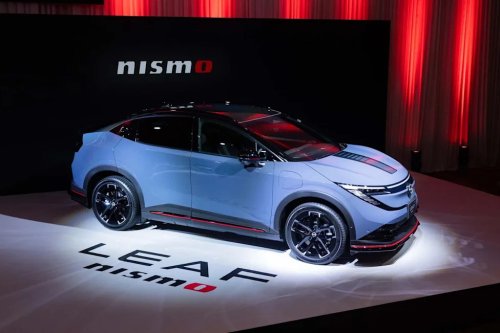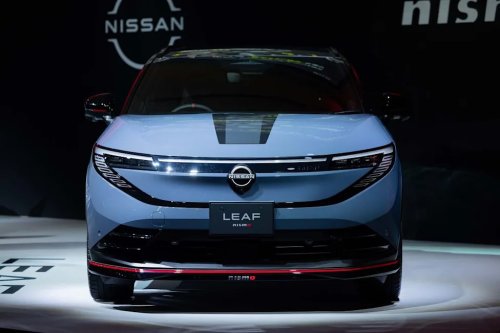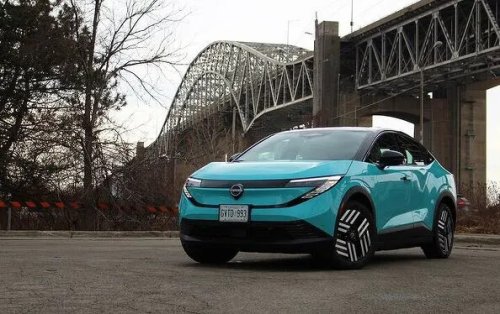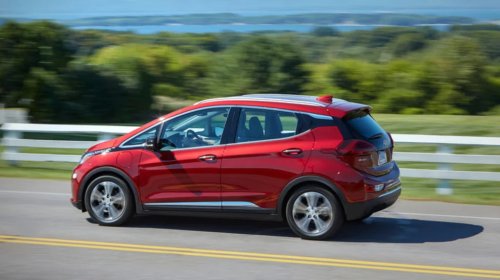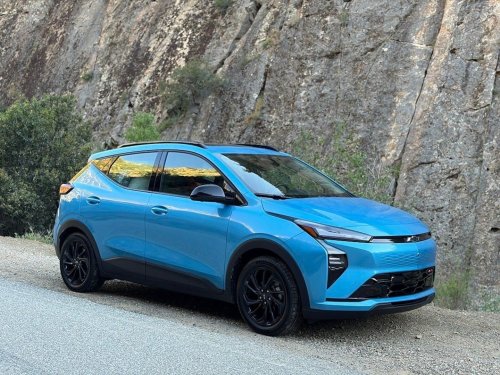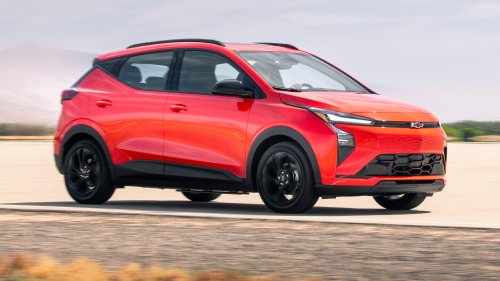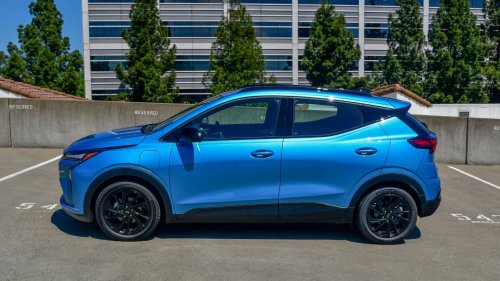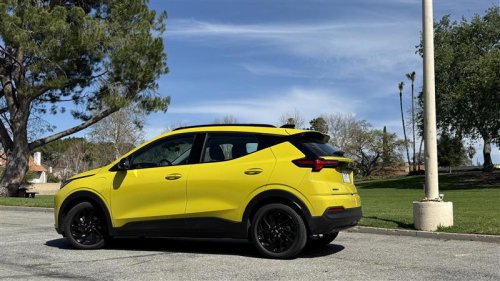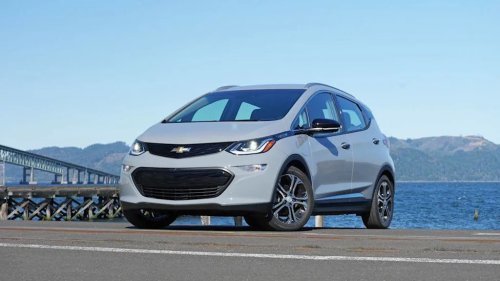
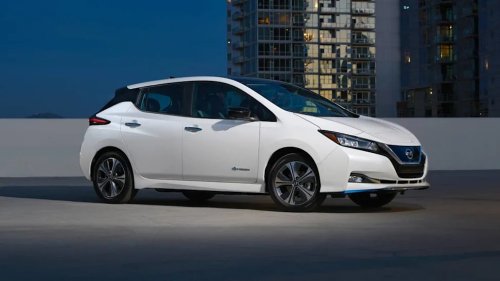
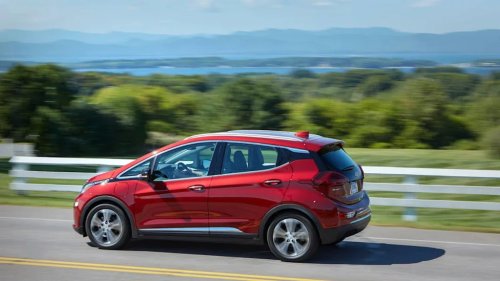
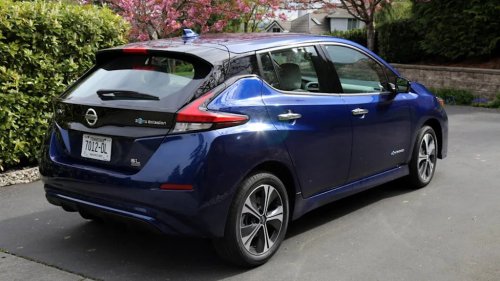

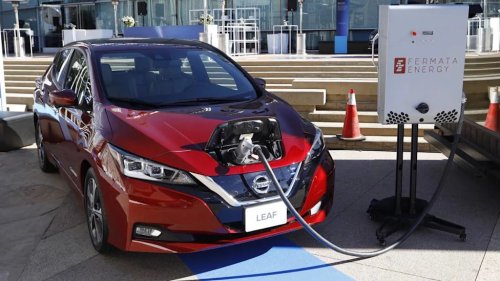
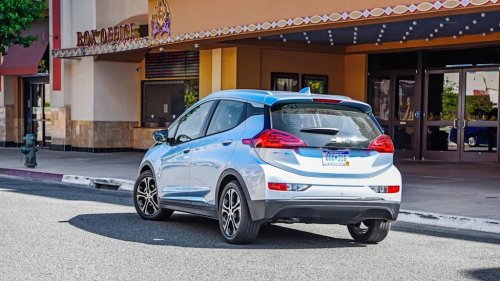
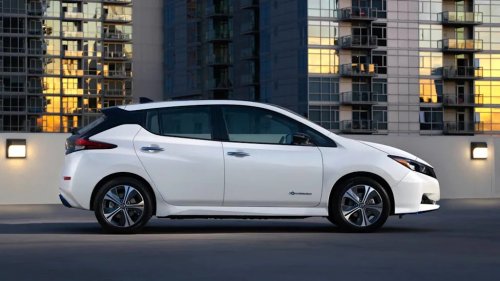



















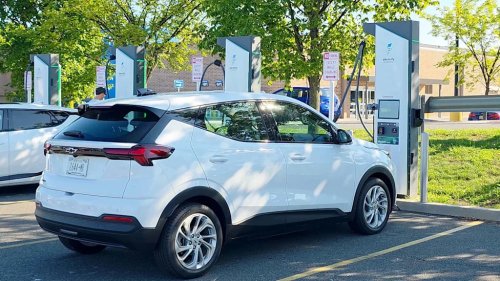
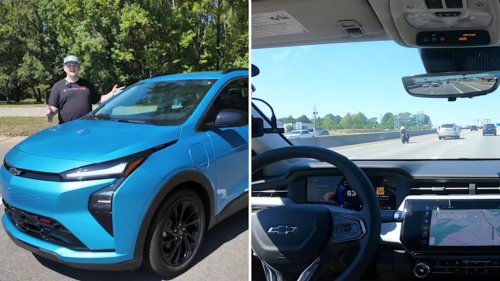


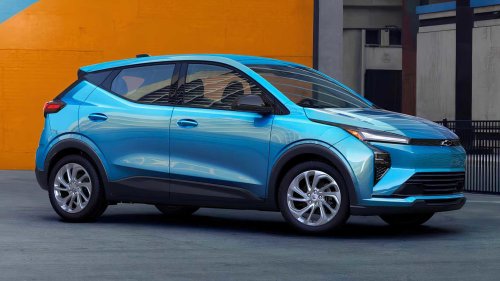
Autoblog and Yahoo may earn commission from links in this article.Buying a used EV in 2019 spec puts you squarely in a segment where the technology was still proving itself. Both the Bolt EV and the Leaf were among the most affordable battery-electric options on the market, but their reliability stories have played out in dramatically different ways over the past several years. One made headlines for fires and a massive recall. The other has quietly frustrated owners with disappearing range in hot climates. Neither tale is simple, and your ideal pick depends heavily on where you live, how you charge, and what kind of risk you are willing to accept.2019 Chevrolet Bolt EVHow the reliability scores stack upScoring from one major subscriber survey puts the Bolt EV at roughly average reliability for the 2019 model year, a respectable result considering everything that has happened since. One reliability index rates it at 59 out of 100, dragged down by 168 owner complaints and 10 fire-related reports. In a separate dependability study, the Bolt EV finished third in the small car segment with a solid problems-per-vehicle score, suggesting that outside of its battery crisis the car's day-to-day mechanicals hold up well. Projected five-year ownership costs land around $21,250, or about $4,250 per year.2019 Nissan LeafOn the other side, the Leaf has earned a 4.0 out of 5.0 reliability rating from one repair tracking site, ranking third out of four alternative fuel vehicles. It even won the compact car segment in one major dependability study, posting just 83 problems per 100 vehicles, the first pure EV to win a segment award in that study's history. However, a separate subscriber survey rated the 2019 Leaf as less reliable than other cars from its model year, which underscores the split between the car's simple mechanical nature and its battery-specific headaches. Annual repair costs average around $748, though the frequency and severity of shop visits both track well below the industry average.Recalls and safety concernsSix NHTSA recalls hang over the 2019 Bolt EV, and the largest one is impossible to ignore. GM identified a manufacturing defect in LG-supplied battery cells that could cause the pack to catch fire when charged to full or near-full capacity. After a series of real-world fires, the company ultimately committed to replacing all affected battery modules in 2017 through 2019 models at no cost. Owners were initially advised to limit charging to 90%, avoid deep discharges, and park outdoors after charging. A second recall addressed seat belt pretensioners that could ignite carpet fibers near the B-pillar after a crash, adding yet another fire-related concern to the Bolt's record.2019 Chevrolet Bolt EVFive recalls apply to the 2019 Leaf, and while none reached the Bolt's level of public alarm, they are still worth noting. One recall targets lithium-ion battery overheating during DC fast charging on models equipped with a Level 3 charging port, with Nissan advising owners to avoid quick charging until a software fix is applied. Another addresses unintentional acceleration when switching driving modes after disengaging cruise control, a safety-critical issue that was resolved with a control module update. Additional recalls cover a faulty rearview camera harness and incorrect defroster instructions in the owner's manual. Compared to the Bolt EV's fiery saga, the Leaf's recall sheet reads as more routine, but the open battery-charging recall remains a notable concern for frequent fast-chargers.2019 Nissan LeafAdvertisementAdvertisementBattery health and long-term durabilityPost-recall, the Bolt EV's battery story has actually improved. Owners who received replacement modules from GM essentially got a newer-generation pack, and some initially reported estimated ranges above 300 miles before settling into the 230-to-240-mile zone. Because the Bolt uses liquid cooling for its battery, thermal management during charging and driving is far more consistent than in passively cooled competitors. Once the recall work is confirmed complete, the Bolt's drivetrain is mechanically simple and carries relatively few reports of catastrophic non-battery failures. Steering complaints make up the second-largest group of owner gripes, but those issues tend to be minor and repairable.2019 Chevrolet Bolt EVCopyright 2016 Brandon Turkus / AOLHere is where the Leaf's Achilles' heel becomes impossible to avoid. Nissan chose air cooling for the Leaf's battery pack, meaning the cells have no liquid thermal management system to regulate temperature during charging or in extreme weather. In mild climates with gentle Level 2 charging habits, many 2019 Leafs still hold up well, losing roughly 2% to 5% of capacity in the first year and 2% to 3% per year after that. In hot climates or with frequent DC fast charging, degradation accelerates significantly, and some owners report losing multiple capacity bars within five to seven years. This phenomenon, sometimes called "Rapidgate" for the related fast-charging throttle issue, remains the single biggest variable in Leaf ownership. A 2019 Leaf from coastal Oregon and a 2019 Leaf from Phoenix might as well be different vehicles when it comes to remaining range.2019 Nissan LeafNissanWarranty and cost of ownershipBoth vehicles share the industry-standard eight-year, 100,000-mile battery warranty, which is the most critical piece of coverage for any used EV buyer. Beyond that, however, their warranty structures diverge. GM backs the Bolt EV with a three-year, 36,000-mile basic warranty and a five-year, 60,000-mile powertrain warranty. Starting MSRPs hovered around $36,620 for the LT trim, and used prices have since dropped dramatically, with average listings now sitting near $14,000. That makes the Bolt EV one of the best value propositions in the used EV market, assuming the battery recall work is documented and complete.2019 Chevrolet Bolt EVAt the other end of the receipt, the Leaf matches the three-year, 36,000-mile basic warranty and adds a five-year, 60,000-mile powertrain and EV system warranty alongside the eight-year battery coverage. Starting prices were lower out of the gate, with the base 40 kWh Leaf listing around $29,990 when new. Annual repair costs trend higher at $748, though the Leaf's visit frequency of just 0.2 trips to the shop per year is among the lowest for any vehicle class. Owners who charge mostly at Level 2 and live in temperate climates report some of the lowest total cost of ownership figures in the EV space. Still, if that battery degrades beyond warranty thresholds, a replacement pack is an expensive proposition that can negate years of fuel savings.2019 Nissan LeafNissanAdvertisementAdvertisementThe bottom line: which is more reliableNeither of these 2019 EVs offers a clean bill of health, but their weaknesses point in different directions. For the Bolt EV, the risk was dramatic but largely fixable: GM replaced defective batteries, and post-recall examples are running on newer cells with liquid cooling keeping temperatures in check making it the more reliable EV here. For the Leaf, the risk is slower and harder to spot: an air-cooled pack that may gradually lose range depending on climate and charging habits, with no hardware fix available.This story was originally published by Autoblog on Jun 12, 2026, where it first appeared in the Car Buying section. Add Autoblog as a Preferred Source by clicking here.