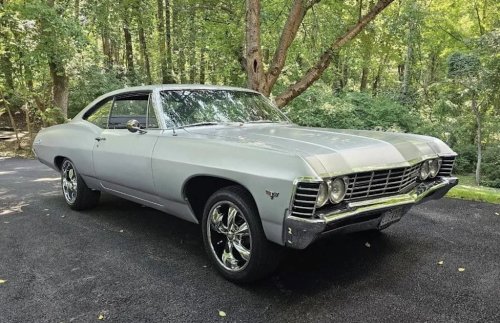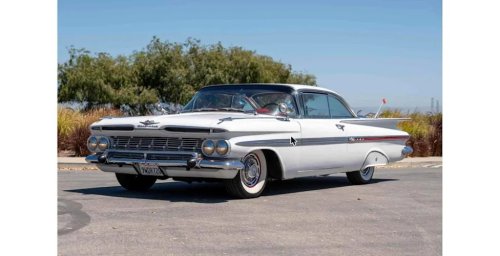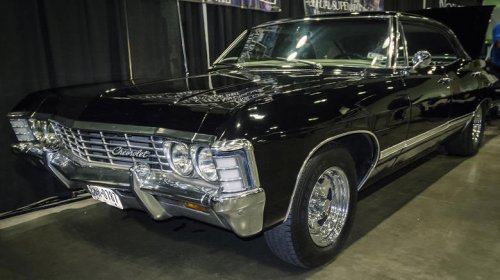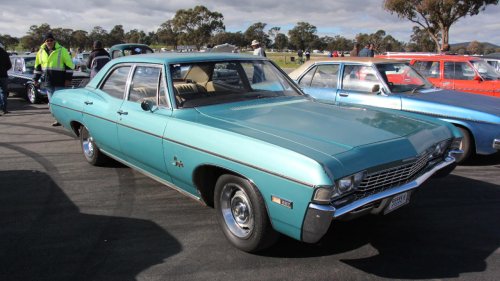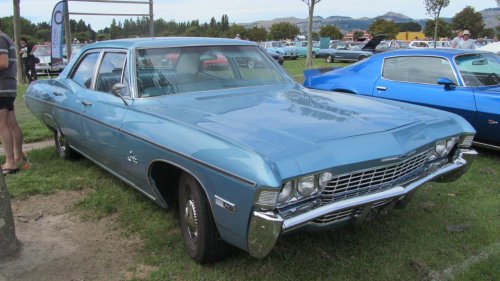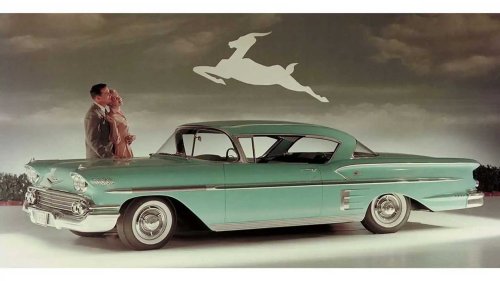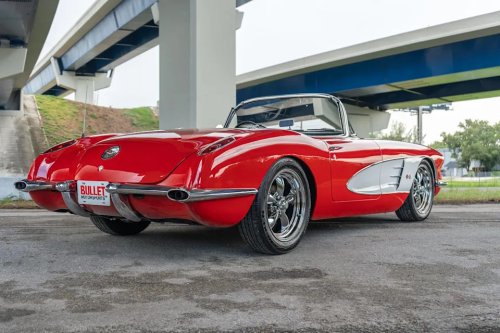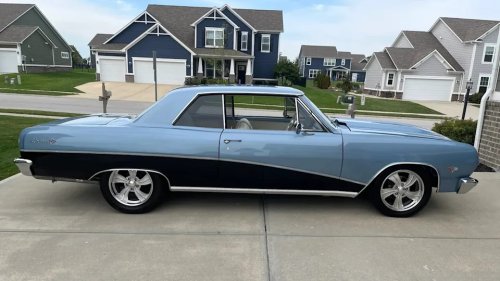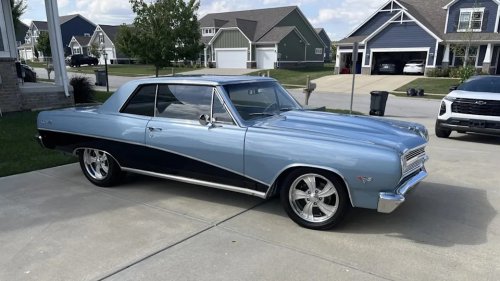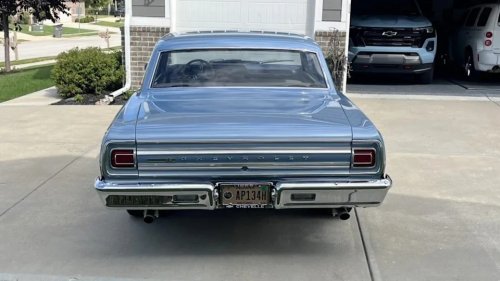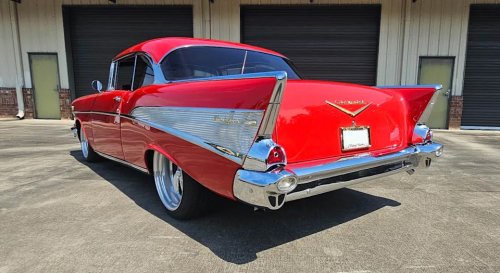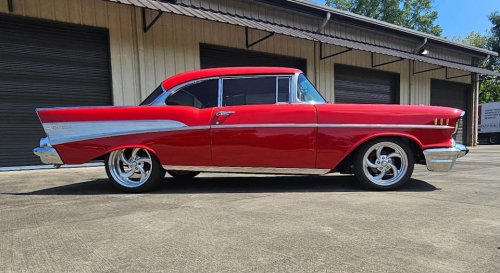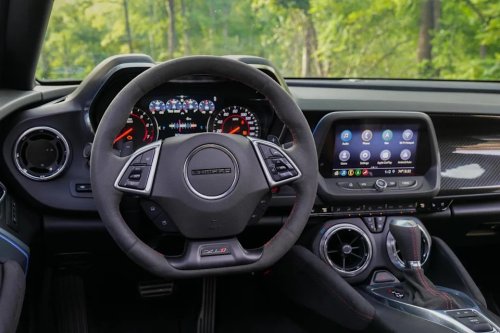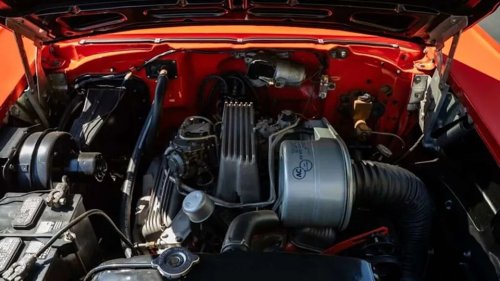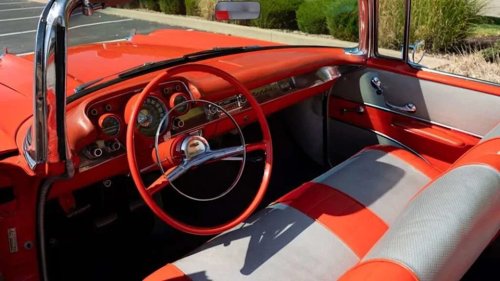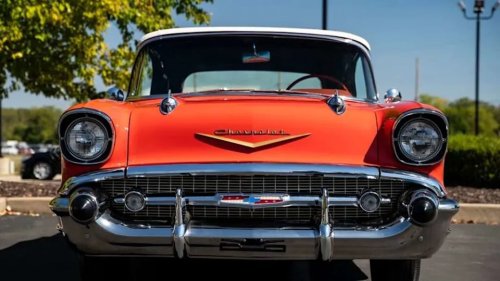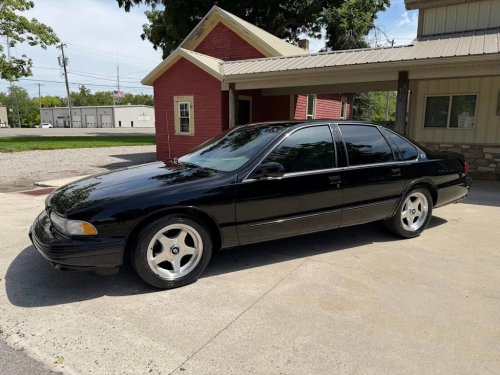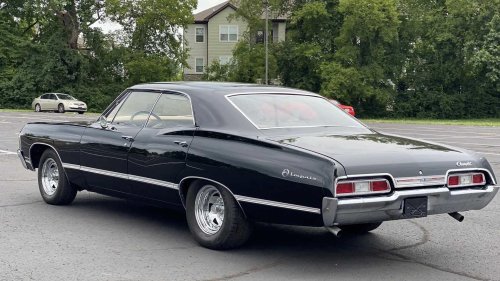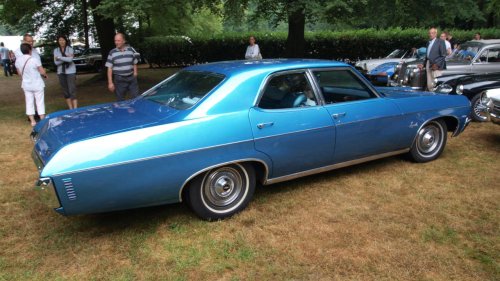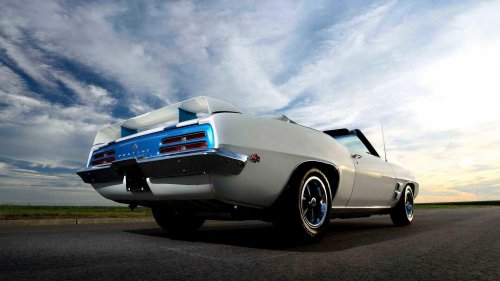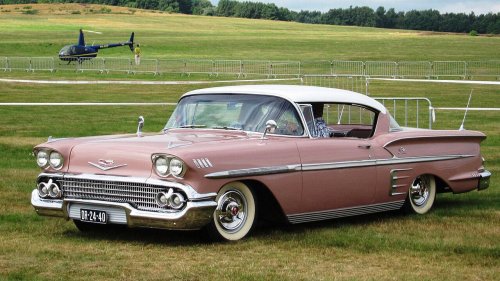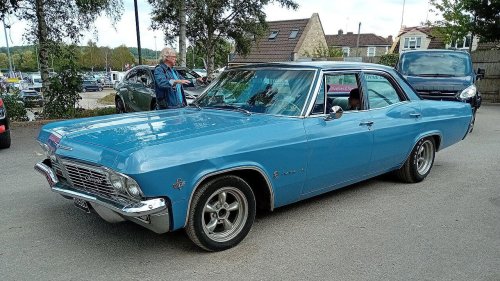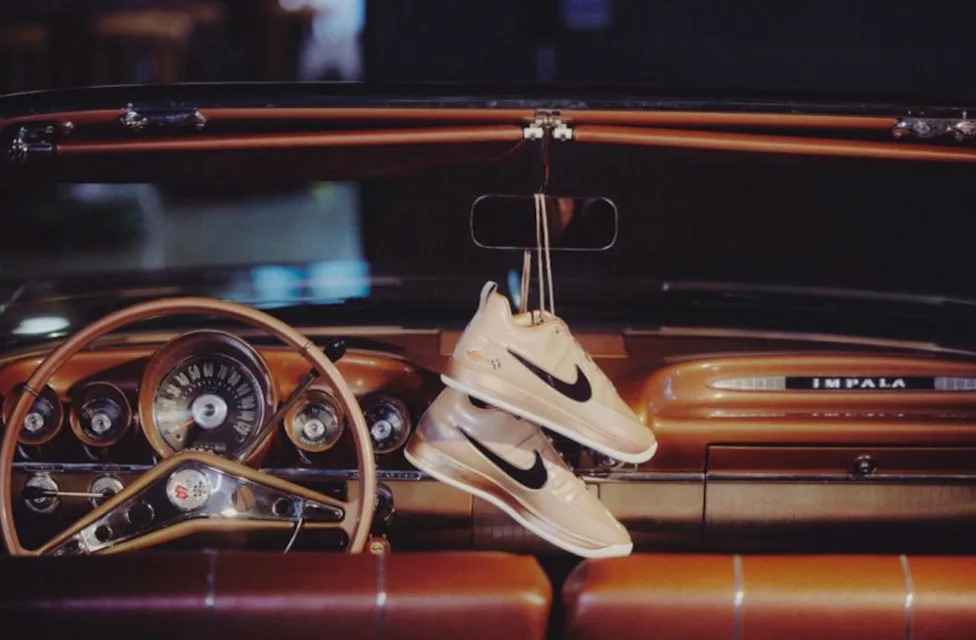



















Chevrolet's Impala Sneaker Deal With Devin Booker and Nike, and What Impala Buyers Should KnowDevin Booker's second Nike signature line is getting a four-shoe Chevrolet capsule built around the Impalas in his personal collection, with the first pair — "Pretty Penny" — dropping early in Detroit during Woodward Dream Cruise weekend. It's the follow-up to last year's Chevy collaboration, which drew its palette from his classic Blazers.Sneaker collabs usually deserve about four sentences from an automotive outlet. This one is worth more, because of what's underneath it: Chevrolet is running a heritage marketing program for a nameplate it no longer builds, using a 29-year-old shooting guard's garage as the product catalog. That's a genuinely interesting piece of brand strategy, and it also happens to point at some things worth knowing if you're the person who sees the shoe and starts browsing '59 convertibles at midnight.The partnership is older and deeper than it looksBooker isn't a rented face. When Chevrolet announced the Book 1 collaboration last April, GM's own newsroom laid out a collection of roughly a dozen vintage GM vehicles — multiple classic Impalas, three 1972 K5 Blazers, Buick GNX models — with a Colorado ZR2 Bison as the daily driver. He also turned up at the 2021 Corvette Z06 reveal.Related ArticlesBen Jones, 'Dukes of Hazzard' Star Who Turned Cooter's Garage Into a Real-Life Car Museum, Dies at 84Kim Kardashian's Hidden Hills Mansion Was Burglarized, and the Getaway Car Was HersAdvertisementAdvertisementThat first capsule launched on April 22 with a "Dark Gold Leaf" Book 1 and two Blazer Low colorways, and it sold out. The Book 2 itself arrived in January — a lower-profile shoe built around a Cushlon 3.0 midsole with a forefoot Air Zoom unit, because Booker wanted more feel for the floor.The Impala capsule is year two of a program, not a one-off.Why Chevrolet needs thisHere's the part nobody says out loud. The Impala nameplate is dead. It ran, in various forms, from the late 1950s until 2020, and there is currently no Impala on a Chevrolet dealer lot.That leaves Chevrolet holding a piece of intellectual property with enormous cultural equity and no product attached. You can't merchandise a car you don't sell. But you can license the badge, the leaping-antelope emblem, and the color names onto a shoe that sits on the same shelf as everything else in a 25-year-old's closet — and keep the name warm for whenever the marketing department wants it back.AdvertisementAdvertisementLaunching it at the Woodward Dream Cruise is the tell. That's sixteen miles of Woodward Avenue through nine Oakland County communities, and it's the one weekend a year where the audience for a '59 Impala and the audience for a Nike drop occupy the same square mile.If the shoe sends you shopping, read this partThe tri-five Chevys get all the attention and all the reproduction parts. The 1958-through-1964 full-size cars are a different proposition, and the differences are structural.The frame is the first thing to crawl under. These cars use GM's cruciform chassis — a design with no full-length outer side rails, where the frame narrows dramatically at the center. Two consequences follow. First, side-impact protection is poor by any modern standard, which is a real consideration if you plan to actually drive the thing in traffic rather than trailer it. Second, and more urgently for a buyer: the narrow center section is exactly where road salt and trapped moisture do their worst work. A soft X-member is not a weld-a-patch-on-Saturday repair. Bring a small hammer and tap along the center. If it sounds dull instead of sharp, walk away or renegotiate hard.The paint is the second thing. This is where the sneaker angle becomes genuinely instructive. Matching a factory 1959 Chevrolet color on a shoe upper is a design exercise. Matching it on a quarter panel is a chemistry problem.AdvertisementAdvertisementOriginal finishes from that era were single-stage lacquers or early enamels. Modern basecoat-clearcoat systems can be mixed to the same color code and still look wrong next to original paint, because the two systems reflect and refract light differently and because sixty-plus years of UV exposure has shifted whatever's still on the car. Then there's metamerism — two paints that match perfectly under the shop's fluorescents and diverge visibly in sunlight. A good shop will spray a test card and check it outdoors in three different lights before committing.Practical takeaway: if you're buying a car in a specific color because that color now has a shoe named after it, verify the color is original to the car. The cowl tag will tell you, and GM's Heritage Archive still hosts free downloadable information kits for the 1958, 1959, 1962 and 1963 full-size cars. It is the single most underused free resource in the American classic hobby, and it costs nothing.The insurance and market anglesTwo things happen when a specific year-and-color combination gets a celebrity halo.The first is comp inflation, and it's usually narrow and temporary. A famous car doesn't lift every example of its model — it lifts the ones that look like it. Expect the specific configurations referenced by this collection to see sharper asking prices over the next twelve months than equivalent cars in other colors. Whether those asks turn into sales is a separate question, and one worth watching before you write a check based on a listing rather than a result.Related ArticlesxAI Sues Its Contractor for $800 Million, Says He Secretly Bankrolled a Drag Strip With the MoneyLincoln Corsair's Flat-Tow Feature Is Getting Deleted, and Owners Are Suing Ford Over ItAdvertisementAdvertisementThe second is an insurance problem people discover too late. Collector policies are written on agreed value, and the agreed value is negotiated at binding — not at claim time. If a car's market moves quickly, the policy you wrote three years ago is now underinsured, and the carrier has no obligation to volunteer that. Call your agent, get the value revisited, and be prepared to document it with sold comps rather than asking prices, because that's what an underwriter will accept.Also worth confirming: mileage limits and storage requirements on your policy. Collector coverage frequently caps annual mileage and requires enclosed storage. Cruising sixteen miles of Woodward in August is fine. Using the car as summer transportation may not be, depending on what you signed.What the collection actually gets rightIt would be easy to be cynical about a car company selling shoes. But the useful thing about this particular program is that the cars are real, they're owned by the person whose name is on the box, and they're the kind of cars that historically get overlooked — full-size Chevys rather than the Camaro-and-Chevelle muscle canon that dominates auction coverage.A generation that meets the Impala through a shoe box is a generation that might eventually buy one. That's a slower, weirder marketing funnel than a TV spot, and it's probably more durable.AdvertisementAdvertisementJust look at the frame before you look at the paint.Images Via: Chevrolet