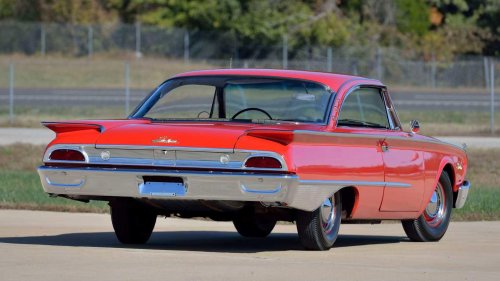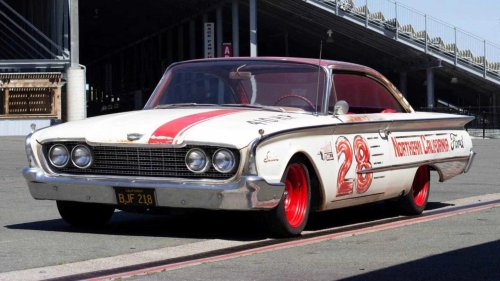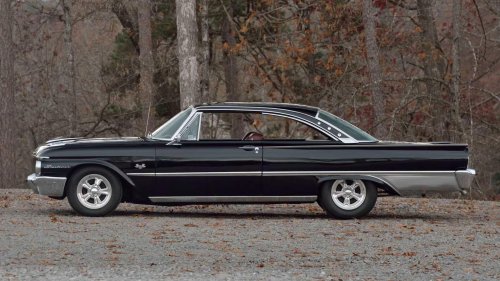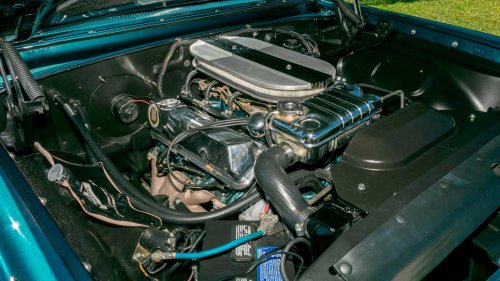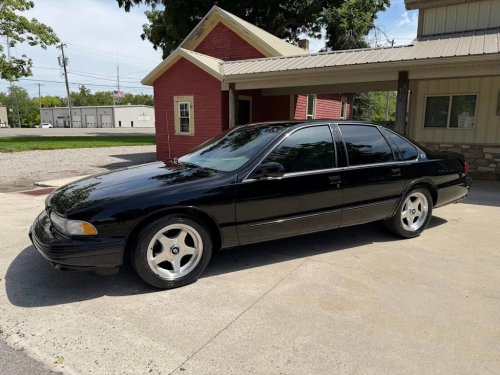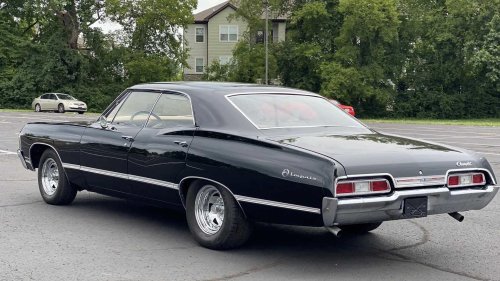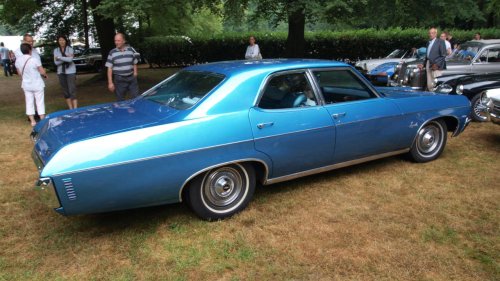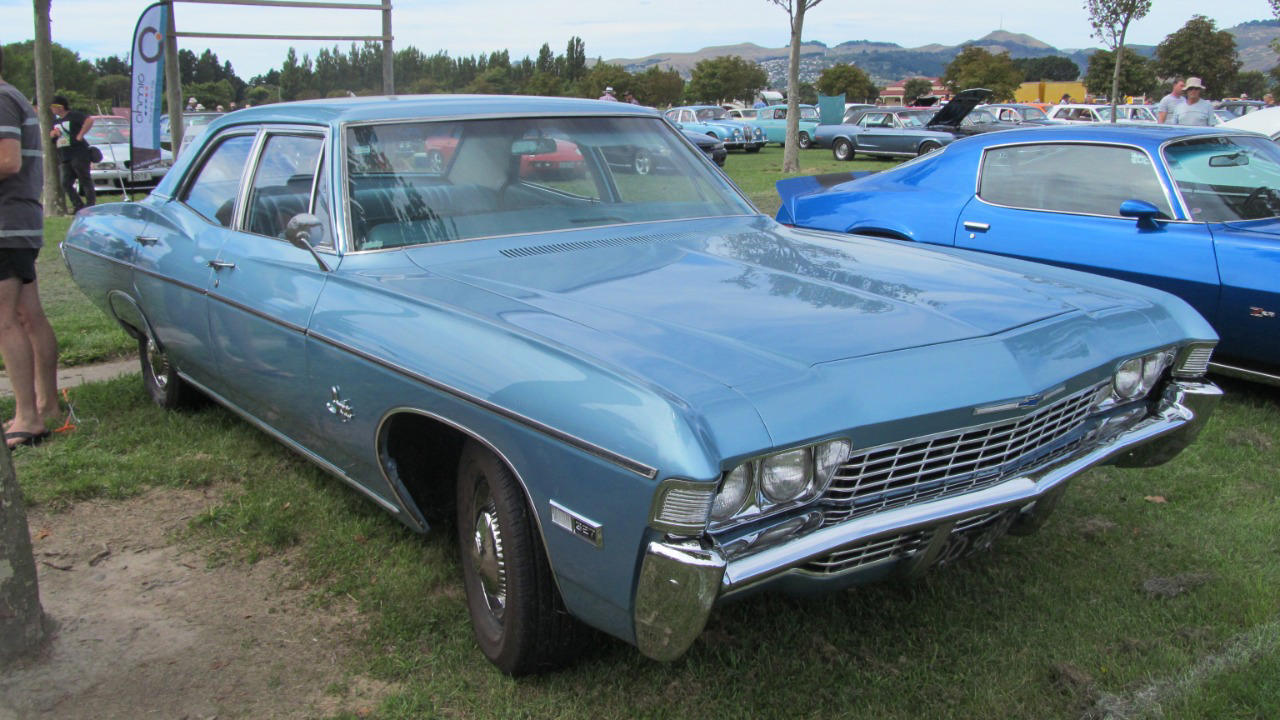



















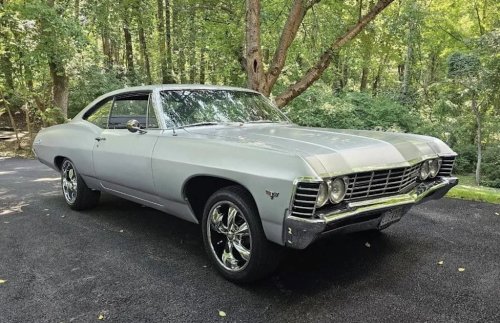
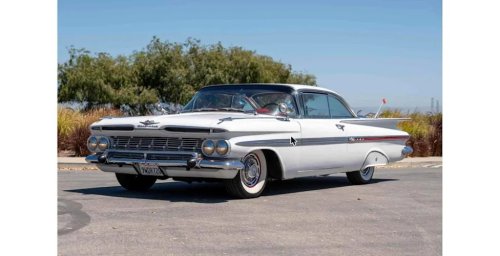
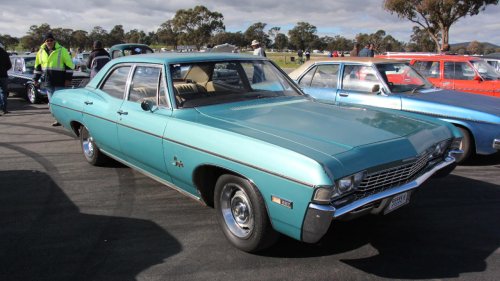
1968 Chevrolet Impala or 1968 Ford LTD one aged gracefully and the other didn’tAmong late-sixties American full-size cars, the 1968 Chevrolet Impala and 1968 Ford LTD started from a similar brief: big, comfortable, V8-powered family transport with a hint of glamour. Half a century later, they have aged very differently in the eyes of enthusiasts and casual drivers. One now looks like a sleek time capsule that still turns heads, while the other often reads as a relic from the moment when Detroit’s big sedans began to lose their magic. The contrast says less about raw performance and more about design, cultural memory, and how each car fits into modern expectations of what a classic should be. Both machines were once everywhere, but today only one commonly earns the “dream first classic” label. How the 1968 full-size battle looked new In 1968, Chevrolet and Ford were locked in a full-size arms race. Buyers could choose from long lists of body styles, engines and trim levels, then drive away in a car that defined suburban status. The Impala was Chevrolet’s volume star, while the LTD sat at the top of Ford’s big-car hierarchy as a more formal, upscale choice. Both were sold on quietness, comfort and effortless V8 power. Period comparisons of family coupes and sedans show how closely matched these cars were on paper. A contemporary test that lined up a 1968 Impala with rivals like the Galaxie, Fury and Ambassador described a field of big V8 coupes that all promised similar space and performance for growing families, with the Chevrolet and Ford often trading points on ride and handling in a way that felt more like brand preference than clear victory. That kind of test, preserved in a modern write-up of family car V8, underlines how evenly matched they were when new. Under the skin, both cars followed the same big Detroit formula: body-on-frame construction, soft suspensions, power steering and power brakes, and a spread of small-block and big-block V8s. Chevrolet offered engines that ranged from mild to wild, including a 327 cubic inch (5.4-liter) V8 rated at 275 horsepower and a 396 cubic inch (6.5-liter) big block for buyers who wanted muscle car thrust in a full-size shell. Ford’s LTD could also be ordered with serious power, and a walkaround of the 1968 Ford lineup by presenter Adam highlights how Ford used the LTD and its siblings to showcase the brand’s best full-size engineering, even while more attention went to the Mustang and pony cars. That video tour of Ford’s 1968 range reinforces how central the LTD was to the company’s strategy. On the showroom floor, then, the 1968 Impala and 1968 LTD were peers. The divergence came later. Styling that stayed fresh versus styling that froze in time Design is the first reason one car now looks timeless while the other struggles. The 1968 Chevrolet Impala Fastback, in particular, wears a sweeping roofline that gives even a base model the stance of a personal luxury coupe. Enthusiasts often single out that fastback profile as a “striking variation” within the full-size Chevrolet line, with an aerodynamic roof that flows into the rear deck and visually stretches the car. A discussion of the Chevrolet Impala Fastback points to how that single design choice transformed the car from ordinary sedan into something closer to a big muscle coupe. The LTD, by contrast, leaned into a formal roofline and upright grille. A detailed retrospective on the 1968 LTD describes how Ford targeted buyers who wanted a quiet, almost luxury-car feel. The LTD was Ford’s big money maker, and a key part of its late-sixties sales strength, but it did so with conservative styling that looked more country club than cruise night. That same analysis of the 1968 Ford LTD notes that what once felt tasteful can now read as bland, especially next to the more dramatic Impala fastback. Styling churn across the sixties also plays a role. A detailed look at a 1968 Impala points out that American cars could look radically different in only ten years, while Mercedes-Benz cars of the same era were much more consistent and instantly recognizable regardless of model year. That comparison of a 1968 Chevrolet Impala with Mercedes and Benz sedans underlines how the Chevrolet captured a dramatic moment in American design history. The LTD, which embraced a more restrained look, ends up feeling like a transitional step toward the boxier seventies rather than a peak of sixties flair. Photographs of surviving examples reinforce this divide. Period-correct images of a 1968 Chevrolet fastback coupe show a long, low body with subtle creases and a roofline that still looks contemporary in profile. Archival shots of the LTD, such as those preserved in one image of a light-colored sedan and another showing the rear, reveal a car that could easily be mistaken for an early-seventies model. The Impala looks like the last flourish of sixties optimism. The LTD already hints at the square, formal sedans to come. How each car lives in the collector world Enthusiast culture has also favored the Impala. Big Chevrolets from the late sixties benefit from a deep parts supply, a strong performance image and countless personal memories. A low-mileage 1968 Impala featured in a detailed feature is described as a “high-class time capsule,” with a nearly untouched interior and only minor wear. That car’s preserved condition, highlighted in a piece on a low-mileage 1968 Impala, shows how even a relatively ordinary sedan can feel special when it survives with original paint and upholstery. Owners also praise the Impala’s practicality. In a Facebook group discussion about 1968 full-size convertibles, one commenter notes that the Impala was known for its roomy back seat, which made it a genuine family car as well as a cruiser. That same conversation about 1968 full-size convertibles points out that the Chevrolet offered the right mix of comfort and style for long trips with kids or friends. The LTD could match that space, but fewer people now recall it as the fun choice. Among enthusiasts who owned both, the Impala often edges out Ford’s offerings on character. A discussion that pits a 1968 Chevrolet Impala SS 427 against a 1968 Ford Galaxie describes how the Chevrolet’s engine lineup, including the 327 cubic inch (5.4-liter) V8 at 275 horsepower and the 396 cubic inch (6.5-liter) big block, delivered a blend of performance and affordability that resonated with buyers. That comparison of full-size muscle shows how the Chevrolet brand equity in performance still shapes perceptions of the Impala, even in more modest trims. Ford’s big cars, including the LTD, carry a different kind of nostalgia. A discussion of whether a later decontented Ford LTD was essentially like an Impala mentions the Ford LTD Custom 500, alongside the Pontiac Laurentian and Mercury Marquis Meteor, as examples of low-trim big cars that faded out by 1981. That reflection on the Ford LTD Custom casts the LTD line as a workhorse that gradually lost distinction. While the 1968 model was more upscale than those later budget versions, it still shares the name and inherits some of that reputation for being ordinary. Online comments about the 1968 Ford lineup show a mix of affection and ambivalence. In a video where Adam walks around a selection of 1968 Fords, he praises the engineering and variety but also acknowledges that the spotlight tends to fall on the Mustang and other sporty models. That split focus, evident in the presentation by Adam on Ford’s 1968 cars, helps explain why the LTD has not become a hero car in the same way. Real-world usability and the “first classic” test One of the clearest ways to see which car aged better is to look at how modern drivers talk about using them. A thread in a popular car forum asks whether a 1968 Impala makes a good first car for a young driver. Responses tend to focus on size, fuel consumption and safety, but many commenters highlight the Impala’s straightforward mechanical layout and huge aftermarket support as positives. That conversation about Chevrolet Impala 68 shows that people still see the car as a realistic entry point into classic ownership, provided the buyer respects its age and mass. There is far less chatter about a 1968 LTD as a first classic or daily driver. The reasons are subtle rather than dramatic. Parts supply for Ford big cars is decent but not as deep as Chevrolet’s, especially when it comes to trim pieces and body panels. The LTD’s more formal styling also appeals to a narrower audience, which affects resale values and club support. When a young enthusiast imagines a full-size sixties car, the mental image is more likely to be an Impala fastback than a vinyl-roofed LTD sedan. Video content reinforces that gap in excitement. A YouTube feature on a preserved Impala shows the car cruising quietly, with attention paid to the way its long hood and fastback roof catch the light. The presenter lingers on the details that still feel aspirational, from the dashboard layout to the chrome accents. That visual tour of a 1968 Chevrolet Impala helps explain why the model continues to attract new fans who may not have been alive when it was built. The LTD, on the other hand, often appears in videos and articles as an example of a typical sixties sedan rather than a star in its own right. A retrospective on the 1968 LTD describes how the car became a symbol of what some enthusiasts call “peak Ford hate,” a period when critics saw Ford’s big cars as safe but uninspiring. That piece on the 1968 LTD also acknowledges that modern owners have warmed to the car’s comfort and historical significance, but the lingering image is of a car that represented the mainstream rather than the dream. Community memory and the power of stories The way each car is remembered by families and communities has also shaped its present-day status. In social media groups dedicated to sixties full-size cars, people often share stories of grandparents who owned a Galaxie or its Mercury sibling, or of summer road trips in an LTD. In one discussion of big Fords and Chevrolets, a commenter recalls having an Impala of the same color and year as a featured car, then adds that they like both the Chevrolet and the Galaxie, though the Galaxie has a slight edge because their grandparents had the Mercury version. That mix of brand loyalty and personal history, captured in a thread on full-size muscle, shows how memories can lean either way. Yet when people share photos of their current projects or survivors, the Impala appears more often in show-ready condition. The low-mileage Impala mentioned earlier, with its nearly untouched interior and only minor wear, is presented as a kind of rolling museum piece. The description notes that the car’s low-mileage status extends beyond the exterior and odometer to an almost perfectly preserved interior, aside from a small number of age-related flaws. That level of preservation, highlighted in the time capsule Impala, gives the model a halo effect that extends to less pristine examples. More from Fast Lane Only Unboxing the WWII Jeep in a Crate 15 rare Chevys collectors are quietly buying 10 underrated V8s still worth hunting down Police notice this before you even roll window down The post 1968 Chevrolet Impala or 1968 Ford LTD one aged gracefully and the other didn’t appeared first on FAST LANE ONLY.