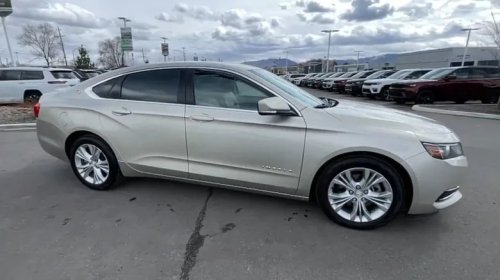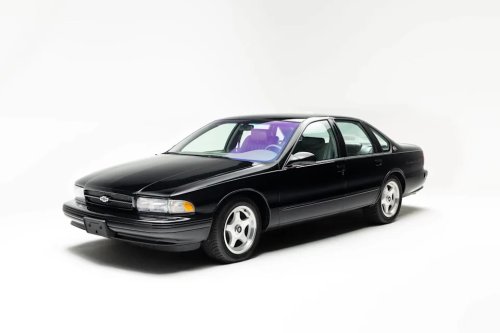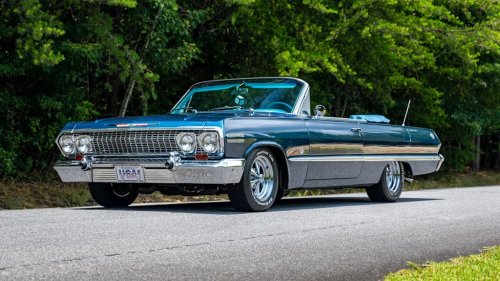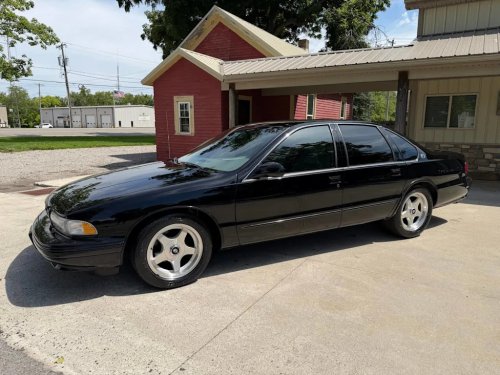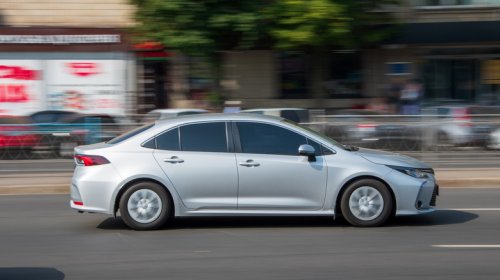
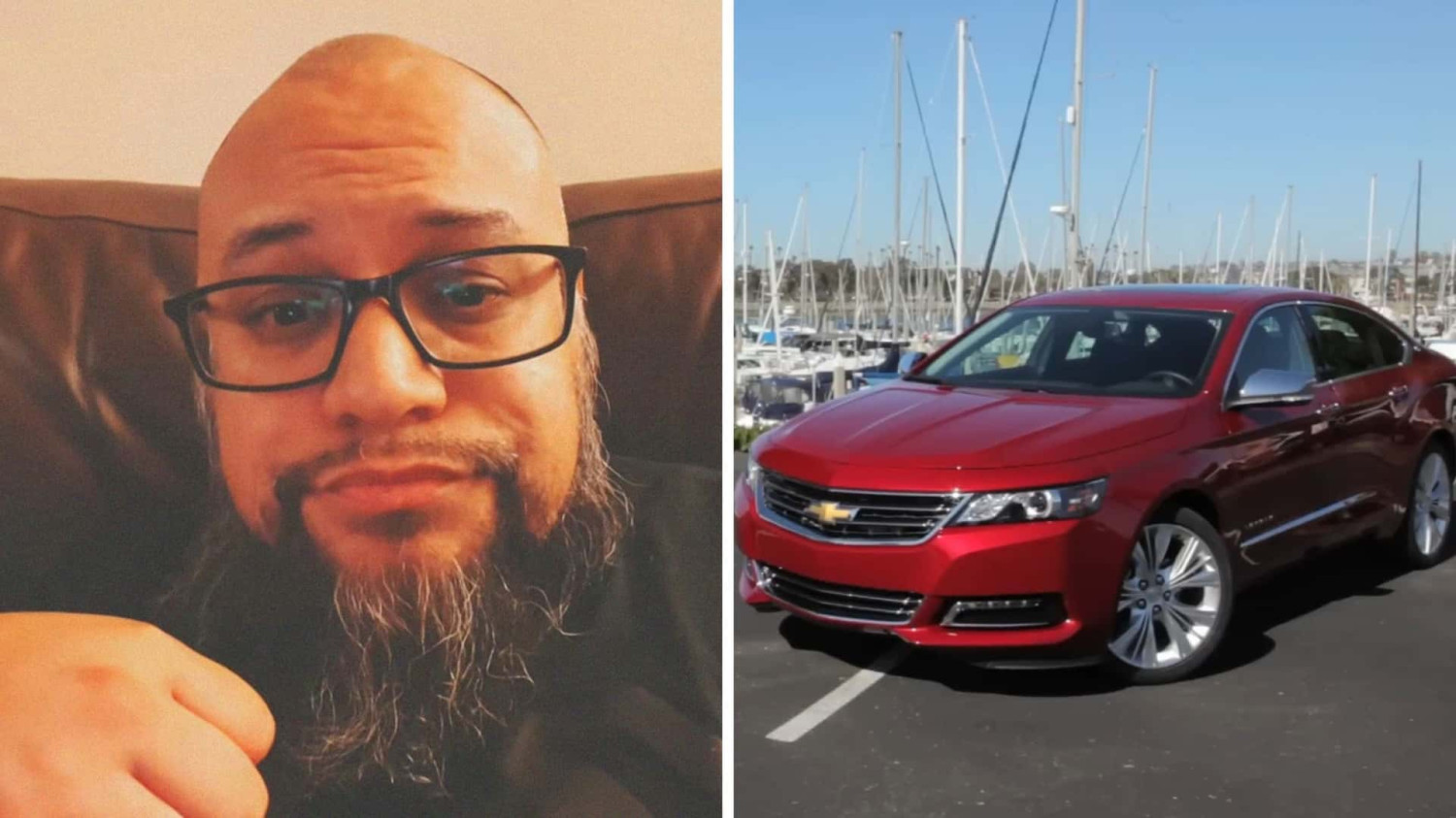



















It started with a rattle. It ended with seized calipers, leaking brake lines, and a soft pedal that wouldn’t firm up no matter how many times he pumped it. One mechanic’s weekend repair turned into a 12-hour brake odyssey, and a surprisingly honest look at what can happen when YouTube confidence meets real-world corrosion. The TikTok from Chevrolet Impala owner Jesse (@jessejcfcgunner) features a full recounting of his frustrations with a local trip to a repair shop, which resulted in a lot of DIY sweat and a valuable learning experience that brake lines are not a territory for amateur mechanics. "When I got both calipers done, pumped the brakes, it would lose pressure," he said in the clip that’s been viewed more than 2,000 times. "The brake pedal was soft. So I came to find out that I probably have air in my system." From Dealer Quote to Do-It-Yourself Dive Jesse owns a 2014 Chevrolet Impala, and when he heard a faint rattle coming from the rear passenger side, he took the car to a local shop for diagnosis. According to him, the technician said: "We can’t find that noise you’re talking about, but your brakes—your back brakes—the rear brakes, they’re shot. So you might as well change those, and we can change the front…it’s gonna be $940." Faced with a quote that approached four digits, he declined and decided instead to order parts for the front brakes, rear brakes, and rotors for both the front and rear, for $310, from an online retailer. At that point, the equation seemed straightforward: spend roughly a third of the shop quote and handle the repair himself. That’s a familiar calculation for car owners who’ve watched "how-to" videos on YouTube, believe they have the hand skills, and see the cost of labor as the real markup. Industry data supports this: the average brake job, which replaces pads and rotors, costs approximately $250-$400 per axle for a typical vehicle, not accounting for more complex systems. Still, when complicating factors arise, such as aged calipers, rusty brake lines, or ABS systems, the cost and risk escalate. OWNERSHIP STORIES Viral stories from across the web Our team of experts tracks what owners are saying about car-shopping, repairs, the daily driving experience and more on social media. Jesse began with the front brakes and quickly realized he still had plenty of pad life left, so he postponed that portion of the job. He then turned to the rear brakes, where the shop suggested the real problem was located. While attempting to compress the caliper piston, he discovered that it was seized and rusted, and it would not move. The next day, he found himself changing the caliper, a task he had never attempted, which required disconnecting the brake line, introducing the risk of fluid loss and air into the system. After replacing the caliper and its banjo bolt and washers, which ultimately stopped the leak, he turned his attention to the passenger side. The brake line was leaking so badly it allowed brake fluid to escape and air to enter the hydraulic system. He pumped the pedal, and it felt soft. Eventually, he called in a mobile mechanic to help finish the bleed and check the ABS, which he admitted he didn’t have the tools or confidence to handle alone. When you compare his quoted $940 to typical industry averages, the number still feels high, but not necessarily unreasonable given the unknowns. A basic brake pad change might cost $100-$300 per axle, but when rotors are worn, calipers are seized or leaking, and brake fluid or ABS bleeding is required, the all-in cost often climbs. Some sources indicate that full brake jobs, including pads, rotors, and additional components, can reach $400-$900 per axle, depending on the vehicle and complexity. Labor is a major driver: many shops charge as much as $90-$200 per hour for brake work. Combine that with part mark-ups, warranty or liability coverage for the repair, and the shop quote starts to make more sense. The challenge for the owner lies in distinguishing whether that quote is a fair market price or an upsell. Gallery: Chevrolet Impala History Should You Fix Your Own Brakes? Even given the variables, with the right knowledge, tools, and skills, you may still be able to do your own brake job. But it’s an activity to pursue only if you’re prepared for what can go wrong. Changing your own brake pads and rotors is one of the most common entry points for DIY mechanics. It’s often billed online as a "simple weekend job," and on paper it can be. The process of removing the wheel, loosening the caliper, swapping pads, and torquing everything back down looks straightforward in a YouTube tutorial. However, as countless first-timers have discovered, the difficulty curve rises rapidly once corrosion, seized hardware, or hydraulic components are introduced. For many cars, especially older ones like Jess’s 2014 Impala, what begins as a brake-pad swap can reveal frozen caliper pistons, stripped bolts, or rusted brake lines that crack under pressure. Once a line is opened, air enters the hydraulic system and must be bled out; sometimes, this requires specialized tools or a scan tool to cycle the ABS module. That’s where a "simple" repair can become unsafe. A spongy or sinking pedal indicates that the system is compromised, and driving in this condition can dramatically increase stopping distance. DIY brake work can make sense if the system is basic and you have the right tools: a torque wrench, jack stands, a brake-bleeder kit, and patience. It can also save hundreds of dollars. But even professionals treat brake hydraulics with caution for a reason. Experts generally recommend leaving any job involving brake lines, calipers, or ABS bleeding to certified mechanics who can test for leaks, pressure-balance the system, and ensure proper pedal feel. A mistake in those steps isn’t just expensive—it’s dangerous. For DIYers determined to learn, the best move may be a hybrid approach: handle the pad and rotor swap yourself, then pay a shop or mobile mechanic for fluid bleeding and inspection. It’s less of a hit to the wallet, and it buys peace of mind that the system stopping your 3,600-pound car will actually stop it. Motor1 reached out to Jesse via direct message and a comment on the post. We’ll be sure to update this if he responds. We want your opinion! What would you like to see on Motor1.com? Take our 3 minute survey. - The Motor1.com Team