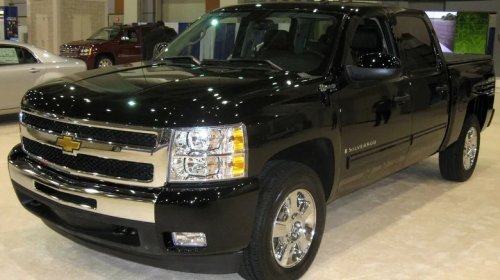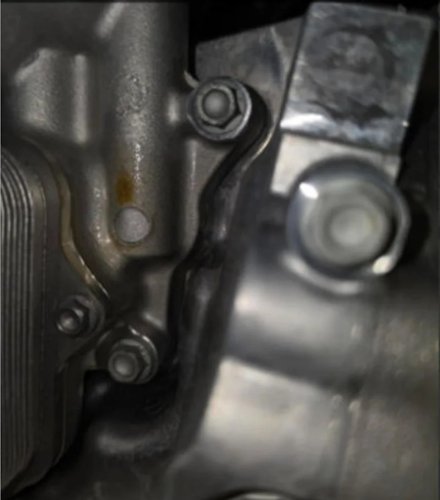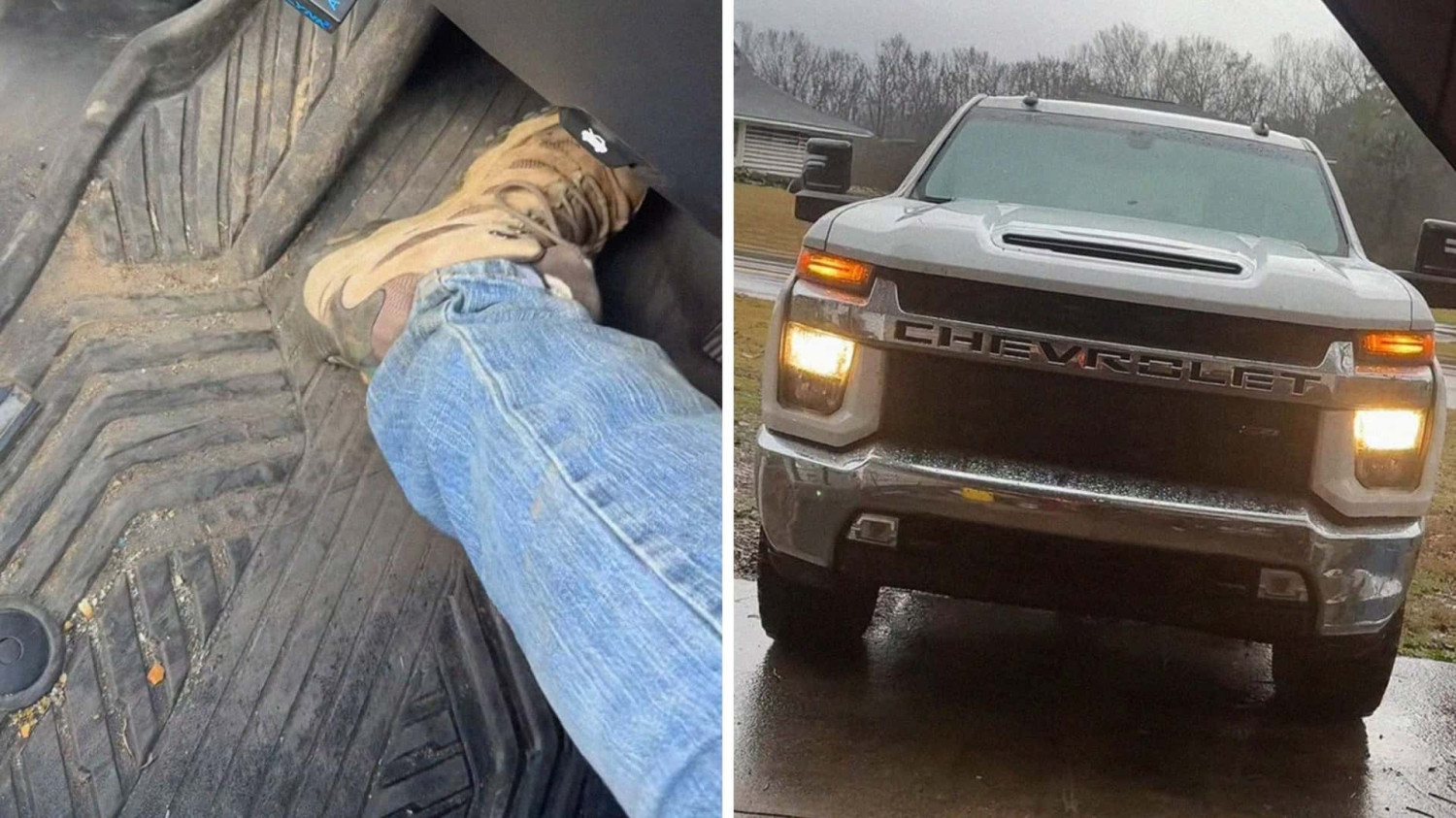



















After months of downtime and thousands of dollars in warranty work, the last thing a truck owner expected was another major failure. But a missing nut, a bent stud, and a hydroboost assembly that wouldn’t stay put turned a routine drive into a near-crash moment now lighting up the internet. In a viral clip from Alabama TikTokker John Nelson (@joshnelson58), he reveals that he’s searching for a solution to the ongoing problems with his Chevrolet Silverado Duramax. While the engine is finally working properly, he jokes in one of the comments of a clip that stopping has become the new problem. In the first of three videos, which combined have been viewed nearly 800,000 times, he’s seen depressing the brake pedal to the floor with no resistance. Nelson’s trouble didn’t begin with the brakes. In the caption of his original post, he explains that the truck, equipped with a 6.6-liter Duramax diesel, was returned to the dealer after the diesel particulate filter (DPF) failed shortly after he bought it. Modern DPF systems are known to be vulnerable to clogging and sensor issues, especially in heavy-duty diesel pickups that don’t get long highway drives to regenerate properly. Nelson said the first repair took nearly a month. After finally getting the truck back, he logged roughly 10,000 miles before the engine developed a knock. In comments under the video, he says GM instructed the dealership to replace the engine entirely, which was no small job on a modern HD pickup. Duramax engine replacements typically require removing the truck’s cab from the frame, and GM’s own service literature notes that many major diesel repairs involve full cab-lift procedures for access. The engine swap kept the truck off the road for almost two more months. Nelson says the dealership neither provided him with a loaner nor covered the tow bill, even though GM’s Bumper-to-Bumper Limited Warranty specifies transportation assistance for inoperable vehicles repaired under warranty. Next the Chevrolet Truck's Brakes Fail Once the engine was replaced, Nelson expected to be back to work. Instead, he was greeted with a brake pedal that sank completely to the floor. In his video, the camera focuses on the pedal as it drops with no resistance, an unmistakable sign of a loss of hydraulic pressure. In a follow-up clip, Nelson explains what he discovered when he tore the system apart himself. According to him, technicians removed the cab and unbolted the hydroboost brake assist unit, which uses hydraulic pressure from the power steering pump instead of vacuum assist. Hydroboost systems are common on heavy-duty pickups because they offer greater braking force under load. Nelson says the dealership failed to apply thread locker or anti-seize compound on one of the mounting studs, allowing the nut to vibrate loose. As the stud backed out, braking forces bent it, compromising the stability of the entire booster assembly. He also found internal components, specifically a spring, plunger, and retainer that had come loose inside the booster housing. Most critically, Nelson claims GM does not sell the mounting stud separately. Parts catalogs show the stud is integrated into the hydroboost unit, meaning owners needing that single component must purchase the entire assembly, which can cost around $400 before labor. Much of the reaction centers on what should happen during a cab-off engine replacement. Several commenters with automotive backgrounds debated whether air should enter the brake system during the procedure. Some argue that if the master cylinder is left level and the brake lines remain sealed, bleeding shouldn’t be required. Others point out that even a tipped master cylinder can introduce air pockets, leading to a soft or sinking pedal. The National Highway Traffic Safety Administration warns that incomplete hydraulic reassembly or improper fastener torque can lead to partial or complete brake failure. Silverado Duramax Driver Is Frustrated Nelson says he no longer trusts the truck and has moved his tools back into his older 2016 model while he sorts out the issue. In the comments, he says the dealership “did not communicate at all” during the process and “didn’t follow repair procedures,” adding that he had to pressure them just to retrieve the truck so he could access his equipment. TikTok commenters share a mix of sympathy, gallows humor, and criticism of dealership service quality. One user joked that Nelson should return to the dealer, claiming the truck “won’t go in reverse” and simply wait for technicians to discover the missing brakes themselves. Industry surveys back up the sentiment that complexity has outpaced many service departments. J.D. Power’s 2023 US Vehicle Dependability Study found that repair facilities increasingly struggle with advanced emissions systems, electronic controls, and labor shortages, factors that disproportionately affect heavy-duty trucks. Nelson said he has temporarily restored braking by remounting the booster, though he’s still searching for all the internal components and a long-term fix. He plans to source a suitable M10 bolt and nut to replace the bent stud, avoiding the cost of a full hydroboost assembly. For frustrated truck owners following along, Nelson’s saga is a reminder of how much modern diesels rely on precise, high-complexity repairs, and how a single overlooked component can turn months of work into a safety issue. Motor1 reached out to Nelson via TikTok direct message and comment on one of the clips. We’ll update this if he responds. We want your opinion! What would you like to see on Motor1.com? Take our 3 minute survey. - The Motor1.com Team