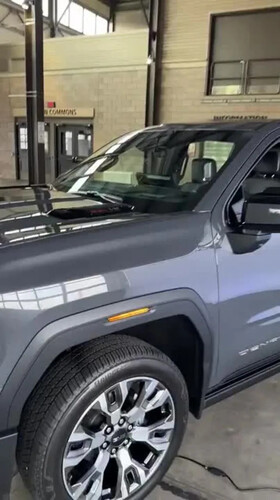
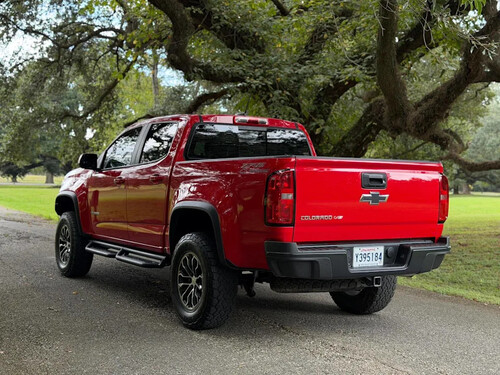
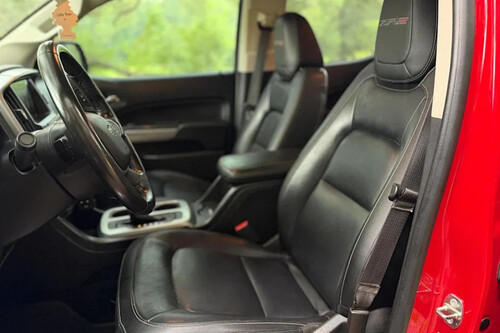
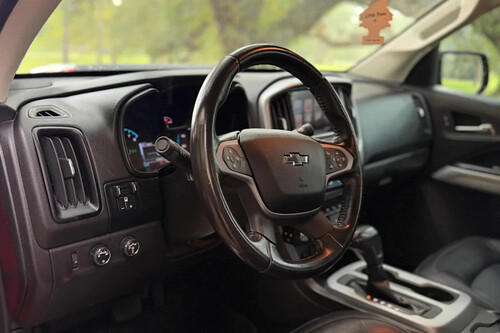
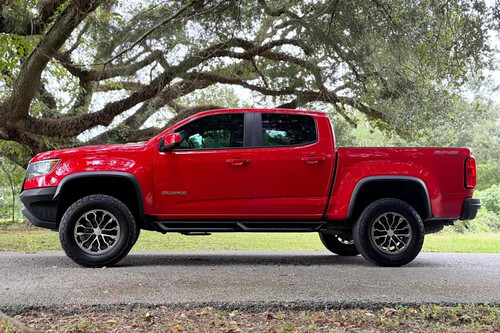
A man who bought a used Chevrolet truck online was surprised to find his vehicle arrived with aftermarket modifications, despite the listing not indicating them. Air Force pilot Trey Whiteley (@treywhiteley) wasn’t sure how he should go about negotiating the parts and labor costs needed to return the car. Because the amount he was quoted was equal to the cost of a used sedan. Whiteley begins a TikTok about his experience by stating that he purchased a truck from a dealership online for $36,000. But he didn’t see the car prior to buying it. Upon receiving the vehicle, he claims it exhibited clear signs of not having undergone a thorough inspection. He says there were myriad issues with the car, including that both its check engine and oil change lights were on. This prompted him to bring the vehicle to another Chevrolet dealership for an inspection. One of the issues service techs found, Whiteley claims, was torque inverter vibration. He says at least two different shops verified the problem. Subsequently, he received a quote to remedy the issue, which he says is "common" with Chevrolets. But the torque inverter issue and service lights weren’t the only gripes he had with the car. Whiteley says that the dealership never mentioned the truck was lifted. However, he says the dealer informed him the car came with a "stock … suspension." The TikToker also says, "It’s got a full 4.0-inch lift kit, a bunch of aftermarket parts." Although he added that the mods were "tasteful" and included high-quality components, he wants to know what legal recourse he has, as the cost of the repairs was substantial. How Can He Make the Chevy Right? Whiteley commended the dealership for initially agreeing to try to fix the issues with the truck. But the bill for repairs or replacements of the parts amounted to just under $6,000. This amount, he states, was just to reset his truck to stock status, the condition he contests his car should’ve arrived in from the get-go. Now he wants to know what he should do. One silver lining is that Whiteley says the dealership was willing to take the used truck back and find him a different vehicle. "This guy, he wants me to send the truck back to him and unwind the deal. And he can find me a different truck," he is. Moreover, he adds that the sales rep was reluctant to cut him a $6,000 check because he would ultimately lose money on the negotiation. Whiteley says that this shouldn’t concern him, as he’s already signed for the truck and is currently financing it. "I owe a note … I don’t know what leverage I have, if I have any," he says. He says he doesn’t feel like openly criticizing the dealership in question, as they have demonstrated a willingness to assist him. Conversely, it doesn’t sit right with him that they delivered him a non-stock vehicle in the first place and are unwilling to pay for the repairs on a car they sold him that didn’t match its online description. Whiteley also mentions that the dealership offered to perform the repairs using its own service techs. However, he didn’t find this to be an amenable solution because they didn't properly inspect the vehicle before delivery. He fears that since the dealership isn’t a dedicated Chevrolet shop, the repairs could be delayed. He prefers to take it to a Chevrolet dealer. Who’s Responsible? The question of who needs to foot the bill for repairs depends on several factors. Namely: state legislations and the nature of the sale. As users on a Quora forum post mentioned, "as is" car sales are usually just that. Other verbiage such as "all sales are final" in the contract effectively, in many cases, absolves sellers of any qualms with the vehicle buyers encounter after a sale. This typically means that no refunds are offered with these types of sales, either. There are some exceptions, however. A self-described attorney wrote on Just Answer that New Jersey’s Consumer Fraud Act protects buyers in similar situations in that state. They replied to a consumer who bought a vehicle that came with an aftermarket component. It’s a modification that the buyer, identical to Whiteley, said was not disclosed. The purported attorney claimed that the dealership’s failure to apprise the buyer of the modded part could constitute a violation of the act. They added that even an "as is" sales agreement wouldn’t protect the dealership. That’s because the vehicle’s initial description was effectively dishonest, as the third-party modification wasn’t referenced. Other states have similar laws. Anyone who finds themselves in the same situation should look up their state’s consumer fraud law and invoke it when making any type of negotiation with the dealership. Motor1 has reached out to Whiteley via TikTok direct message for further comment. We’ll update this if he responds. We want your opinion! What would you like to see on Motor1.com? Take our 3 minute survey. - The Motor1.com Team