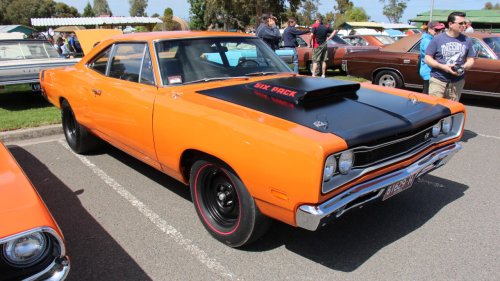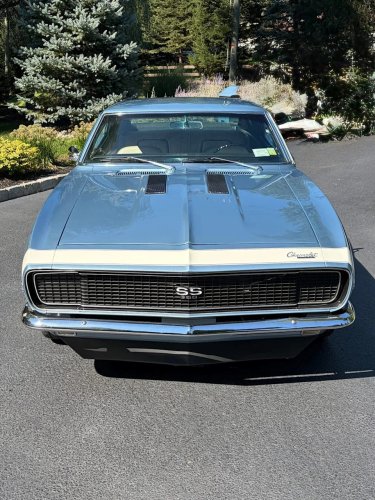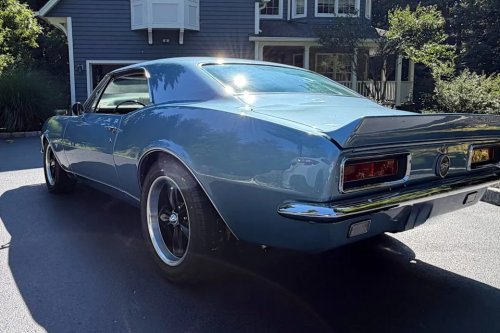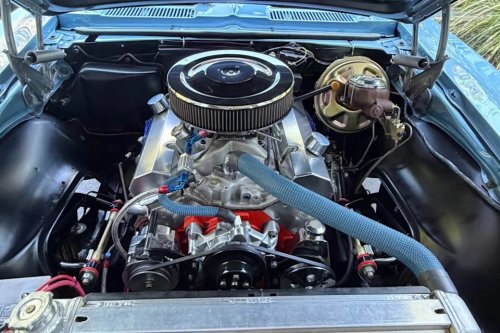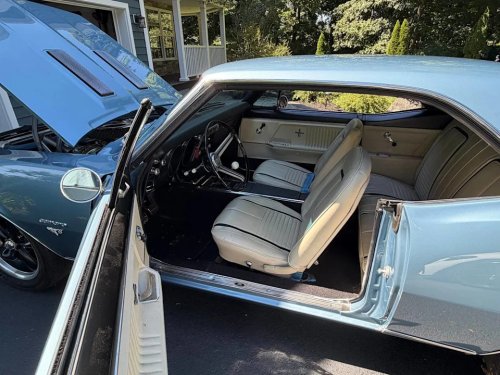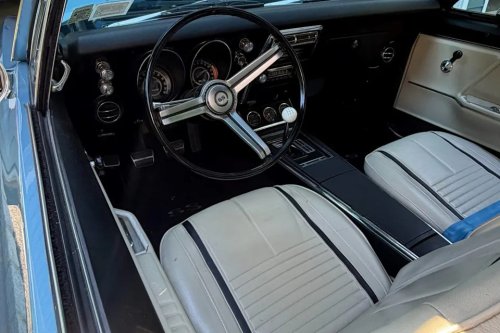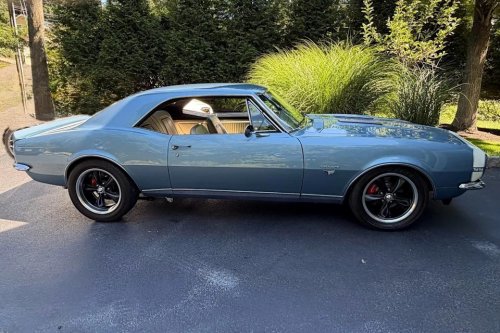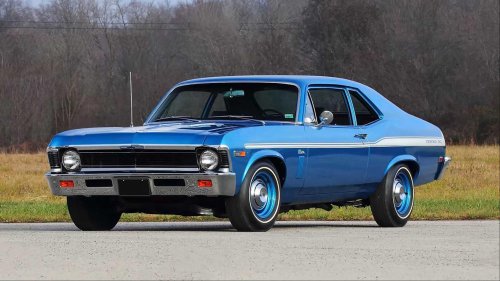
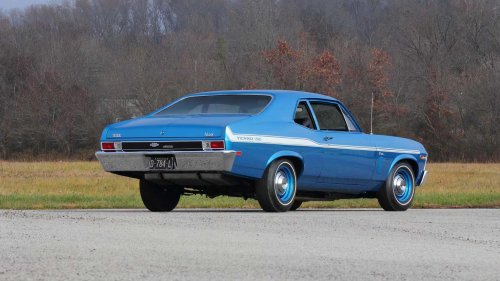
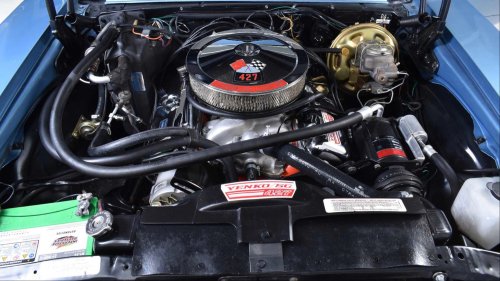
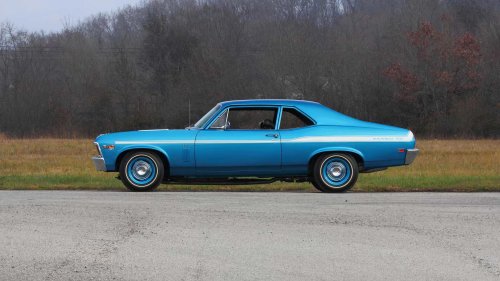
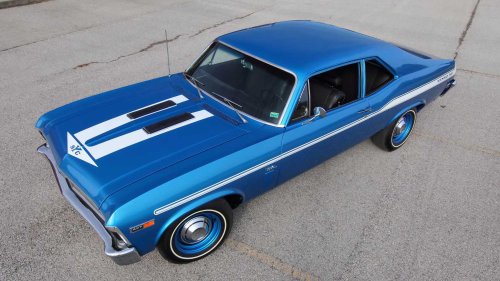
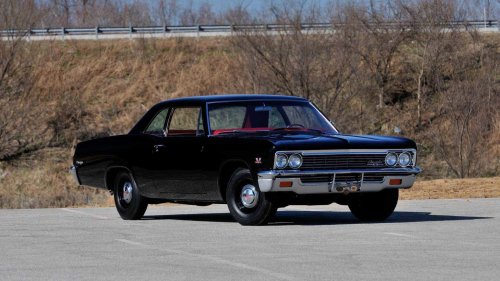
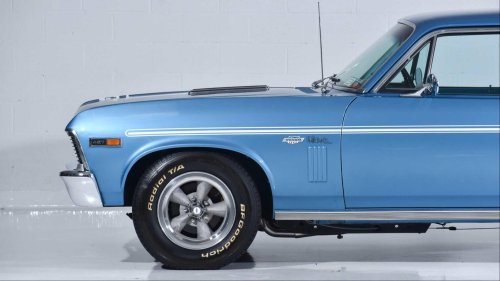



















In the late 1960s, Chevrolet signed off on a compact muscle car that pushed the limits of legality, sanity, and street performance. It wasn’t an official factory special, but it had enough power to embarrass almost anything else on the road, and enough attitude to scare off insurance companies. Only a few dozen were ever made. Today, it’s considered one of the rarest and wildest muscle cars of its time, and most people have never even heard of it. The Yenko Nova S/C Nearly Broke The Rules, And Only 37 Hit The Streets Mecum Only 37 Yenko Nova S/C 427s were ever built in 1969, just one of them with an automatic transmission, because Chevrolet refused to install the big-block in a compact without intervention. Don Yenko had to order base COPO Nova SS396, another rare muscle car, and perform the engine swap himself at his Pennsylvania dealership. That level of non-standard customization limited production and increased legal risk.Today, estimates suggest fewer than ten original survivors are documented to exist. That extreme rarity has pushed values into the six-figure realm, with one example fetching approximately $380,000 at auction. With so few cars and such a powerful identity, the Yenko Nova SC 427 stands as Chevrolet’s rarest muscle car of the era.Yenko himself reportedly admitted the Nova was “a beast, almost lethal” and “barely legal at best.” That kind of raw acknowledgment from its creator underlines how much performance was crammed into too little chassis. The Yenko Nova S/C Had Power That Outmatched The Platform Motor Car Classics Under the hood sat Chevrolet’s L72 427 V8, factory-rated at 425 hp and 460 lb-ft of torque, but Yenko-tuned versions likely pushed closer to 450 hp. Power-fed through a Muncie M21 four-speed manual, 4.10 rear Posi traction, and heavy-duty SS suspension. Brembo-like performance was forced into a lightweight Nova bodyshell. How Chevy Yenko Nova S/C 427 Stacked Up Against Other Big Block Muscle Cars Via: Mecum AuctionsZero-to-sixty times were blisteringly fast for the day, around 5 seconds, with quarter-mile runs dipping well under 11 seconds when properly set up with slicks. That speed was comparable to top-tier muscle cars and sports cars, but thrown into a compact car format.Handling was unforgiving. The lightweight body and immense torque made traction elusive, even on smooth pavement. Interior features were stripped, rubber mats instead of carpet, bench seat, and minimal trim, to keep weight down. Driving one required skill, nerve, and respect for how far the car pushed the envelope. The perfect vehicle to ensure no one else will drive it when you aren't looking. Extreme Enough To Intimidate Insurance And Regulators Mecum Unlike most Yenko creations built using GM COPO systems, the Yenko Nova SC 427 was modified independently, elevating its exclusivity and rebellious character. That refusal by Chevrolet to officially support big blocks in compacts makes the Nova conversion one of car culture’s coolest outlaw stories.Later Yenko Deuce models came with LT1 350 engines and safer compliance with insurance and emissions rules, but none had the same shock-and-awe punch of the original SC 427. That makes the 1969 Nova SC 427 not just rare, but also culturally distinct in the Yenko lineup.Collectors prize these cars not only for the power and rarity but also for the boldness of the build. In muscle car circles, owning a functioning Yenko Nova SC 427 is like holding a lost myth. Few ever made it, fewer survive, and fewer still dared to drive one. Too Extreme Then, Still Too Rare Now Motor Car ClassicsThe 1969 Yenko Nova S/C 427 remains a legend not for what it was allowed to become, but what it defiantly refused to be. Only 37 built, fewer than ten survivors, and an absolutely wild performance stuffed into an undersized shell. Power that outraced its limits, a creator who admitted it skirted liability, and a legacy built on audacity. Chevrolet’s rarest muscle car was, and remains, a ride too hot for normal roads and too coveted to forget.